1 033 résultats
1997171579Durham NC: Center for Documentary Studies at Duke University 1997. First edition. Softcover. Spring 1997. 143 pages. Features photographs by Adam Bartos George Tice and Mark Steinmetz. Includes additional contributions by Joyce Carol Oates Stephen Longmire Jason Brown Lydia Davies and Bobbie Ann Mason. A near fine copy in wrappers. Center for Documentary Studies at Duke University unknown books
1963142519New York:: Ace Books 1963. Small octavo pictorial wrappers. First edition. Ace Books F201. "A literate post-holocaust story in which a new form of life threatens to take over from the remnants of outmoded destructive Man." - John Clute SFE online. Published earlier in the UK as MIDGE 1962. Cover art by Ed Emshwiller. A fine unread copy. #142519 Ace Books unknown books
20071312588New York: iUniverse 2007. First Edition. Softcover. Octavo: VG/no-DJ paperback: Dark gray spine with lighter gray text: Covers are clean with light shelfwear binding solid: Textblock is clean half title page inscribed by the author: First Edition: 307 pp. 1312588. FP New Rockville Stock. iUniverse unknown books
190613031Akron OH: The St. Hubert Guild. Good. 1906. Unstated edition. Hardcover. NOISBN . no dust jacket worn but still solid copy binding intact exterior wear/soiling gilt lettering on spine dulled but still readable minor bumping at all extremities some discoloration to endpapers and a bit of soiling to a few pages. The Academy Edition of International Authors Series color frontispiece "A narrative of stirring events in the career of one of the numerous pretenders to the throne of Russia that arose after the strong rule had passed of Ivan IV or as he is known in history 'Ivan the Terrible.' The tale recalls the one by M. Prosper Mérimée the French historian novelist and dramatist 'The False Demetrius' which deals with the same character a claimant for the honors of Russian Tsardom whose brief rule at the beginning of the 17th century was full of trouble and ended tragically as Mr. Bain's story does also." from the introduction by general series editor G. Mercer Adam. . The St. Hubert Guild hardcover books
19481321139Londn: Gurney and Jackson 1948. Softcover. Octavo; pp 294; G-/paperback; black spine with white text; covers shows some age toning to spine and toward exterior edges; minor chips to corners; previous owner's name to front; small sticker to front; intact panels; text block has slight toning to exterior edges; cracked front gutter; interior lightly toned; profusely illustrated;. 1321139. FP New Rockville Stock. Gurney and Jackson unknown books
20112311119AA Publishing 2011. Large Softcover. Near Fine. Near fine. 2011 Large Softcover. 159 pp. Atterbury sets out in search of old steam lines and investigates their history and vanishing heritage. The book contains detailed route maps and railway routes of yesteryear. AA Publishing paperback books
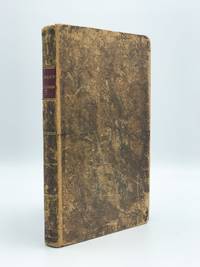
1828401819New York: M'Elrath and Bangs for Carvill Bliss Collis et a. 1828. Some rubbing a few small stains. 8vo. 304pp. Original mottled sheep red morocco lettering-piece. A collection of 16 sermons from the minister at Heydon Hall Middlesex. <br/><br/> M'Elrath and Bangs for Carvill, Bliss, Collis et a. unknown books
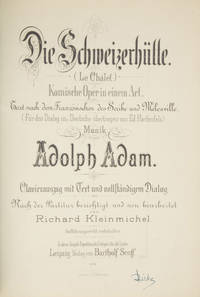
189128233Leipzig: Bartholf Senff PN 2209 1891. Octavo. Original publisher's black cloth-backed blue wrappers with titling within decorative borders. 1 title 2 cast list and contents 3-122 ii blank pp.<br/><br/>Wrappers somewhat worn. Signature to title in blue ink. An opéra comique in one act to a libretto by Eugène Scribe and Mélesville A.-H.-J.-Duveyrier after Johann Wolfgang von Goethe Singspiel Jery und Bätely Le Chalet was first performed in Paris at the Opéra-Comique Salle de la Bourse on September 25 1834.<br/><br/>"Le chalet Adam's first significant success incorporates the music from Ariane à Naxos the cantata written for the 1825 Prix de Rome competition but the opera is distinguished by its freshness of invention as indeed are all his best works. Le chalet was Adam's most popular opera in France throughout the 19th century." Elizabeth Forbes in Grove Music Online. Bartholf Senff [PN 2209] unknown books
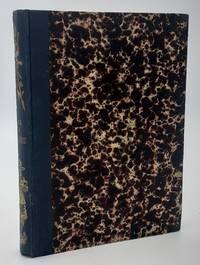
1866190082Berlin.: Julius Springer. 1866. Contemporary quarter green cloth over marbled boards gilt pictorial spine decorations marbled edges. . A very good tight bright copy. 8vo. 19x13.5 cm. . German text. weight: 0.9 lb. 5 lithograph plates by S. Bartsch. Julius Springer. hardcover books
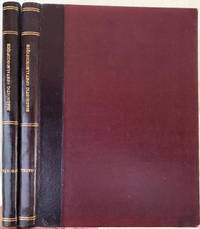
010555Limburg a.d. Lahn: C. A. Starke Verlag. 1969-1972. 4 vols. original cloth. Major history of this family from the 13th century onwards. Includes the 1972 Urkundenband over 600 pages and the Bildband of 183 b/w illustrations. C. A. Starke Verlag unknown books
1982180838Fribourg Suisse: Office du Livre 1982. Hardcover. VG/G bookblock shows some age toning. Dj shows wear around edges. Pages clear and white. Blue cloth boards with silver lettering on spine. Light grey dj with color illustration. 464 pages : illustrations some color. Includes bibliographical references pages 436-464. Office du Livre hardcover books
1970WRCLIT40573Boston: Houghton Mifflin 1970. Pictorial wrappers. Illustrations. First edition. Publisher's compliments slip laid in. Ishmael Reed Lucille Clifton A.B. Spellman Clarence Major et al. Spine slightly darkened else about fine. Houghton Mifflin unknown books
1913M12883Paris:: Librairie Le Francois 1913. 1913. One volume plus atlas volume. 273 x 203 mm. Tall 8vo. xxi 242 pp. Indexes 18 figs. 48 color plates most with 2 figs. QUARTER MAROON MOROCCO vellum tips gilt spine. Bookplate. Bookseller's ticket. Fine. FIRST FRENCH EDITION. Extensively illustrated with beautiful fundus pictures. Librairie Le Francois, (1913). hardcover books
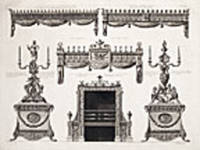
177517116London 1775. Engraving by B. Pastorini. In excellent condition. An elegant engraving showing the decorations of the chimney piece and curtain cornices at Sutton Park House in North Yorkshire.<br/> <br/>Robert and his brother James Adam forever changed the face of British architecture by introducing innovative Classical design ideas. From 1754-57 Robert lived in Italy where he had a long productive friendship with Piranesi which was inspirational for both men. Adam's first book on Diocletian's palace in Dalmatia is clearly very like the archaeological investigations Piranesi was making at the same time of similar ruins. Piranesi's friendship and passion for Roman Classicism were seminal influences on Adam and the greatest single factor other than his own talent in the work Adam produced on his return to England. Upon his return the brothers launched their career by building the Adelphi from the Thames to the Strand in London which although not a commercial success at the time included one of London's most cherished buildings the Adlephi Theatre. Together the Adam brothers designed and built some of the most famous buildings in England including such bastions of English architecture as Kenwood House Keddlestone Manor and Syon House. To the interiors of their English country houses the Adams brought wonderful ornamental elements in niches lunettes festoons and reliefs. Their classically designed buildings were so numerous in London that they changed the prevailing feel of the city and established their brand of neo-Classicism as the model of elegance and importance. It is asserted that the brothers originated the concept of the uniform facade attached to the typical English row house an architectural device that distinguishes London buildings. This monumental contribution is evidenced in the Adams' designs for Portland Place and Fitzroy Square and these were used as architectural models for the whole city. The brothers brought their talents into other areas by designing furniture to complement their beautiful interiors and by creating and publishing a treatise of design entitled 'Works in Architecture'. The work was published in three volumes over an extended span of time beginning in 1773 with the final volume being published posthumously in 1822.<br/> <br/>Cf. Brunet I.47; cf. Lowndes I p.8; DNB; Wilton-Ely The Mind and Art of Giovanni Battista Piranesi. unknown books
177431062London 1774. Engraving by B. Pastorini. A fine engraving of a painted plaster and stucco ceiling from the interior at Kenwood House in Hampstead London re-modelled in 1761-1773 and now home to the Iveagh Bequest picture collection.<br/> <br/>Robert and his brother James Adam forever changed the face of British architecture by introducing innovative Classical design ideas. From 1754-57 Robert lived in Italy where he had a long productive friendship with Piranesi which was inspirational for both men. Adam's first book on Diocletian's palace in Dalmatia is clearly very like the archaeological investigations Piranesi was making at the same time of similar ruins. Piranesi's friendship and passion for Roman Classicism were seminal influences on Adam and the greatest single factor other than his own talent in the work Adam produced on his return to England. Upon his return the brothers launched their career by building the Adelphi from the Thames to the Strand in London which although not a commercial success at the time included one of London's most cherished buildings the Adlephi Theatre. Together the Adam brothers designed and built some of the most famous buildings in England including such bastions of English architecture as Kenwood House Keddlestone Manor and Syon House. To the interiors of their English country houses the Adams brought wonderful ornamental elements in niches lunettes festoons and reliefs. Their classically designed buildings were so numerous in London that they changed the prevailing feel of the city and established their brand of neo-Classicism as the model of elegance and importance. It is asserted that the brothers originated the concept of the uniform facade attached to the typical English row house an architectural device that distinguishes London buildings. This monumental contribution is evidenced in the Adams' designs for Portland Place and Fitzroy Square and these were used as architectural models for the whole city. The brothers brought their talents into other areas by designing furniture to complement their beautiful interiors and by creating and publishing a treatise of design entitled 'Works in Architecture'. The work was published in three volumes over an extended span of time beginning in 1773 with the final volume being published posthumously in 1822.<br/> <br/>Cf. Brunet I.47; cf. Lowndes I p.8; DNB; Wilton-Ely The Mind and Art of Giovanni Battista Piranesi. unknown books
177434076London 1774. Engraving coloured by hand by B. Pastorini old dampstain to upper left margin. A fine engraving with contemporary hand colouring of a painted plaster and stucco ceiling from the interior at Kenwood House in Hampstead London re-modelled in 1761-1773 and now home to the Iveagh Bequest picture collection.<br/> <br/>Robert and his brother James Adam forever changed the face of British architecture by introducing innovative Classical design ideas. From 1754-57 Robert lived in Italy where he had a long productive friendship with Piranesi which was inspirational for both men. Adam's first book on Diocletian's palace in Dalmatia is clearly very like the archaeological investigations Piranesi was making at the same time of similar ruins. Piranesi's friendship and passion for Roman Classicism were seminal influences on Adam and the greatest single factor other than his own talent in the work Adam produced on his return to England. Upon his return the brothers launched their career by building the Adelphi from the Thames to the Strand in London which although not a commercial success at the time included one of London's most cherished buildings the Adlephi Theatre. Together the Adam brothers designed and built some of the most famous buildings in England including such bastions of English architecture as Kenwood House Keddlestone Manor and Syon House. To the interiors of their English country houses the Adams brought wonderful ornamental elements in niches lunettes festoons and reliefs. Their classically designed buildings were so numerous in London that they changed the prevailing feel of the city and established their brand of neo-Classicism as the model of elegance and importance. It is asserted that the brothers originated the concept of the uniform facade attached to the typical English row house an architectural device that distinguishes London buildings. This monumental contribution is evidenced in the Adams' designs for Portland Place and Fitzroy Square and these were used as architectural models for the whole city. The brothers brought their talents into other areas by designing furniture to complement their beautiful interiors and by creating and publishing a treatise of design entitled 'Works in Architecture'. The work was published in three volumes over an extended span of time beginning in 1773 with the final volume being published posthumously in 1822.<br/> <br/>Cf. Brunet I.47; cf. Lowndes I p.8; DNB; Wilton-Ely The Mind and Art of Giovanni Battista Piranesi. unknown books
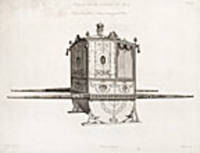
177517100London 1775. Engraving by P. Begbie. In excellent condition with the exception of some paper discolouration on the upper margin. A fine engraving of the sedan chair designed for Queen Charlotte.<br/> <br/>Robert and his brother James Adam forever changed the face of British architecture by introducing innovative Classical design ideas. From 1754-57 Robert lived in Italy where he had a long productive friendship with Piranesi which was inspirational for both men. Adam's first book on Diocletian's palace in Dalmatia is clearly very like the archaeological investigations Piranesi was making at the same time of similar ruins. Piranesi's friendship and passion for Roman Classicism were seminal influences on Adam and the greatest single factor other than his own talent in the work Adam produced on his return to England. Upon his return the brothers launched their career by building the Adelphi from the Thames to the Strand in London which although not a commercial success at the time included one of London's most cherished buildings the Adlephi Theatre. Together the Adam brothers designed and built some of the most famous buildings in England including such bastions of English architecture as Kenwood House Keddlestone Manor and Syon House. To the interiors of their English country houses the Adams brought wonderful ornamental elements in niches lunettes festoons and reliefs. Their classically designed buildings were so numerous in London that they changed the prevailing feel of the city and established their brand of neo-Classicism as the model of elegance and importance. It is asserted that the brothers originated the concept of the uniform facade attached to the typical English row house an architectural device that distinguishes London buildings. This monumental contribution is evidenced in the Adams' designs for Portland Place and Fitzroy Square and these were used as architectural models for the whole city. The brothers brought their talents into other areas by designing furniture to complement their beautiful interiors and by creating and publishing a treatise of design entitled 'Works in Architecture'. The work was published in three volumes over an extended span of time beginning in 1773 with the final volume being published posthumously in 1822.<br/> <br/>Cf. Brunet I.47; cf. Lowndes I p.8; DNB; Wilton-Ely The Mind and Art of Giovanni Battista Piranesi. unknown books
177517101London 1775. Copper engraving with hand colour. Engraving by P. Begbie. In excellent condition with the exception of being trimmed just on the platemark on the left margin. Mild soiling mostly marginal. A fine engraving of an ornate harpsichord designed for the Empress of Russia.<br/> <br/>Robert and his brother James Adam forever changed the face of British architecture by introducing innovative Classical design ideas. From 1754-57 Robert lived in Italy where he had a long productive friendship with Piranesi which was inspirational for both men. Adam's first book on Diocletian's palace in Dalmatia is clearly very like the archaeological investigations Piranesi was making at the same time of similar ruins. Piranesi's friendship and passion for Roman Classicism were seminal influences on Adam and the greatest single factor other than his own talent in the work Adam produced on his return to England. Upon his return the brothers launched their career by building the Adelphi from the Thames to the Strand in London which although not a commercial success at the time included one of London's most cherished buildings the Adlephi Theatre. Together the Adam brothers designed and built some of the most famous buildings in England including such bastions of English architecture as Kenwood House Keddlestone Manor and Syon House. To the interiors of their English country houses the Adams brought wonderful ornamental elements in niches lunettes festoons and reliefs. Their classically designed buildings were so numerous in London that they changed the prevailing feel of the city and established their brand of neo-Classicism as the model of elegance and importance. It is asserted that the brothers originated the concept of the uniform facade attached to the typical English row house an architectural device that distinguishes London buildings. This monumental contribution is evidenced in the Adams' designs for Portland Place and Fitzroy Square and these were used as architectural models for the whole city. The brothers brought their talents into other areas by designing furniture to complement their beautiful interiors and by creating and publishing a treatise of design entitled 'Works in Architecture'. The work was published in three volumes over an extended span of time beginning in 1773 with the final volume being published posthumously in 1822.<br/> <br/>Cf. Brunet I.47; cf. Lowndes I p.8; DNB; Wilton-Ely The Mind and Art of Giovanni Battista Piranesi. unknown books
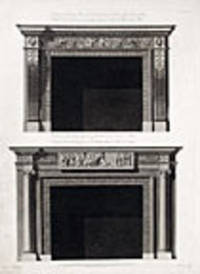
177517099London 1775. Engraving by D. Cunego. In excellent condition with the exception of being trimmed just outside the platemark on left margin. Some paper discolouration on left margin and 1" loss lower left corner. A fine engraving of the fireplaces at St. James's Palace and the Queen's House in London.<br/> <br/>Robert and his brother James Adam forever changed the face of British architecture by introducing innovative Classical design ideas. From 1754-57 Robert lived in Italy where he had a long productive friendship with Piranesi which was inspirational for both men. Adam's first book on Diocletian's palace in Dalmatia is clearly very like the archaeological investigations Piranesi was making at the same time of similar ruins. Piranesi's friendship and passion for Roman Classicism were seminal influences on Adam and the greatest single factor other than his own talent in the work Adam produced on his return to England. Upon his return the brothers launched their career by building the Adelphi from the Thames to the Strand in London which although not a commercial success at the time included one of London's most cherished buildings the Adlephi Theatre. Together the Adam brothers designed and built some of the most famous buildings in England including such bastions of English architecture as Kenwood House Keddlestone Manor and Syon House. To the interiors of their English country houses the Adams brought wonderful ornamental elements in niches lunettes festoons and reliefs. Their classically designed buildings were so numerous in London that they changed the prevailing feel of the city and established their brand of neo-Classicism as the model of elegance and importance. It is asserted that the brothers originated the concept of the uniform facade attached to the typical English row house an architectural device that distinguishes London buildings. This monumental contribution is evidenced in the Adams' designs for Portland Place and Fitzroy Square and these were used as architectural models for the whole city. The brothers brought their talents into other areas by designing furniture to complement their beautiful interiors and by creating and publishing a treatise of design entitled 'Works in Architecture'. The work was published in three volumes over an extended span of time beginning in 1773 with the final volume being published posthumously in 1822.<br/> <br/>Cf. Brunet I.47; cf. Lowndes I p.8; DNB; Wilton-Ely The Mind and Art of Giovanni Battista Piranesi. unknown books
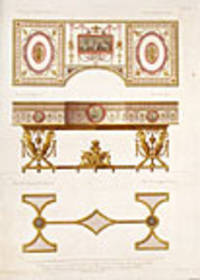
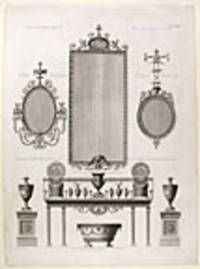
177517573London 1775. Engraving by P. Begbie. In excellent condition with the exception of two tears on right margin. A fine architectural engraving of ornate mirrors and tables from Robert Adam's seminal work on British architecture.<br/> <br/>Robert and his brother James Adam forever changed the face of British architecture by introducing innovative Classical design ideas. From 1754-57 Robert lived in Italy where he had a long productive friendship with Piranesi which was inspirational for both men. Adam's first book on Diocletian's palace in Dalmatia is clearly very like the archaeological investigations Piranesi was making at the same time of similar ruins. Piranesi's friendship and passion for Roman Classicism were seminal influences on Adam and the greatest single factor other than his own talent in the work Adam produced on his return to England. Upon his return the brothers launched their career by building the Adelphi from the Thames to the Strand in London which although not a commercial success at the time included one of London's most cherished buildings the Adlephi Theatre. Together the Adam brothers designed and built some of the most famous buildings in England including such bastions of English architecture as Kenwood House Keddlestone Manor and Syon House. To the interiors of their English country houses the Adams brought wonderful ornamental elements in niches lunettes festoons and reliefs. Their classically designed buildings were so numerous in London that they changed the prevailing feel of the city and established their brand of neo-Classicism as the model of elegance and importance. It is asserted that the brothers originated the concept of the uniform facade attached to the typical English row house an architectural device that distinguishes London buildings. This monumental contribution is evidenced in the Adams' designs for Portland Place and Fitzroy Square and these were used as architectural models for the whole city. The brothers brought their talents into other areas by designing furniture to complement their beautiful interiors and by creating and publishing a treatise of design entitled 'Works in Architecture'. The work was published in three volumes over an extended span of time beginning in 1773 with the final volume being published posthumously in 1822.<br/> <br/>Cf. Brunet I.47; cf. Lowndes I p.8; DNB; Wilton-Ely The Mind and Art of Giovanni Battista Piranesi. unknown books
1937025100Paris: Ancienne Librairie Furne Boivin & Cie 1937. 164p. b/w illus. original stiff wrappers. Ancienne Librairie Furne, Boivin & Cie unknown books
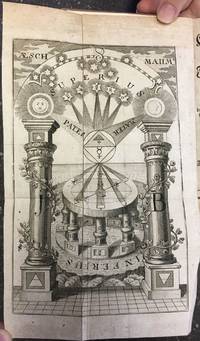
17821334227Berlin: Friedrich Maurer 1782. Second Edition. Hardcover. Octavo 16 429 1; VG; bound in brown library cloth gilt titling to spine; ex-library label removed from spine pencil erased from recto of title page; 2 vignettes folding frontispiece plate symbolic content some tape repair to rear wear and separation at folds; very mild foxing; faint orange underlining to three words on title page scattered pencil to title page;<br /> <br><br /> <br><br /> Scarce; AG consignment; shelved case 3. Rare and early freemasonry work by the German Adam Michael Birkholz. The First Masonic Grand Lodge was founded in England in 1717 spreading to the continent in the decades following. This history was first published in 1779 and republished in 1782.;<br /> <br><br /> <br><br /> "Birkholz was a Rosicrucian writer.Der Compass der Weisen.is a well known work though not trustworthy as to history. He wrote under the name of Adamah Booy" Adolph Frederick Alexander Woodford;<br /> <br><br /> <br><br /> "Birkholz maintained that he was one of the "members of the inner Constitution of the genuine and right Freemasonry" and with this book he intended "to present clearly and faithfully the history of this illustrious Order from the beginning of its founding." Florian Ebeling;<br /> <br><br /> <br><br /> "The history of the Order was described in detail in the book The Compass of Wisemen which was extremely popular in the masonic milieu" Konstantin Burmistrov Maria Endel;. 1334227. Shelved Dupont Bookstore. Friedrich Maurer hardcover books
2002170211New York: Abrams 2002. Hardcover. VG/VG. Tan boards with black and gray lettering. White and color-illustrated dust jacket with black and gray lettering. 136 pp. 95 illustrations 65 in full color. "Using a completely original approach to the subject Bailey examines more than fifty works of art - some famous masterpieces and some little-known works - to learn how their frames many of them designed or made by the artists themselves relate to the pictures they surround. The use of traditional frames is discussed in exquisite detail even those that diminish the pictures they are supposed to enhance. It is not surprising that certain artists - among them Michelangelo Ingres Church Degas van Gogh Klimt Whistler Matisse Seurat and Mondrian - designed frames for their own pictures. Klee Miro Kahlo Dali Calder and Hockney incorporated actual frames into the works themselves."-Jacket. Abrams hardcover books
13595ADAM Robert and James. DECORATIONS INTERIEURES MEUBLES STYLE ANGLAIS EPOQUES LOUIS XVI & EMPIRE. Paris: Armand Guerinet circa 1910s. Folio. Cloth. ii pages 28 plates. A selection of interior designs by the Adam brothers from works published fro 1767-1822. Plates slightly toned binding sunned. unknown books
198772360Berkeley: Pantograph Press 1987. First edition. 86 pp. Near fine in glossy illustrated wrappers. Berkeley: Pantograph Press unknown books