AVANT LES SCYTHES.Livre Rare Book
AUTREMENT - HORS SERIELivre Rare Book
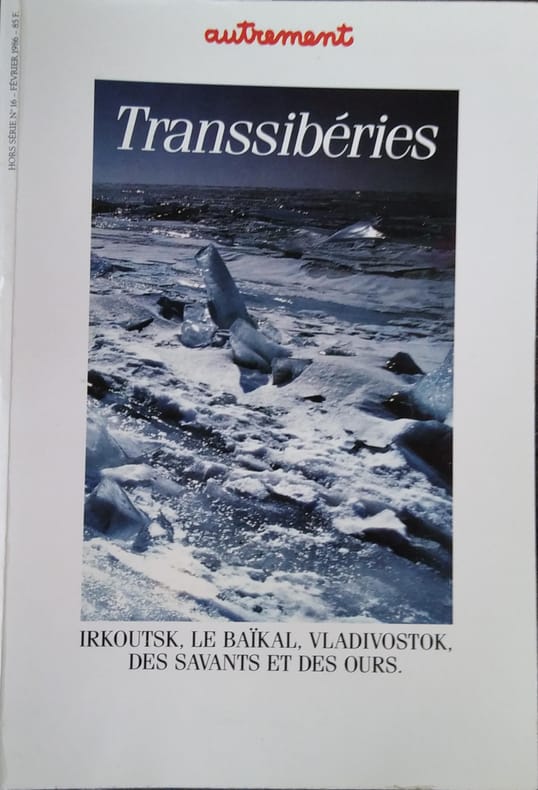
Transsibéries. Irkoutsk, le Baïkal, Vladivostok, des savants et des ours.
1986148751Couverture souple. Revue. 220 pages.
Librairie et Cætera · Belin-Beliet, France7,20 €
512 résultats
3067Catalogue de l'exposition au Grand Palais à Paris 6 février - 30 avril 1979. P. Musée Natinaux, 1979. In-4 (24/21cm), 225 pages. Broché.
1986148751Couverture souple. Revue. 220 pages.
16 pages of wonderful black and white photos depicting the life of these most hardy people prior to the coming of the Europeans. Subjects include: winter homes, summer homes, winter migrations, summer migrations, food gathering, the people. Illustrated covers. Average wear. Unmarked. A sound copy of this fascinating compilation. Book
Outside dimensions 14.5" x 10.5" Circa 1902. Centerfold. Light wear. Please see our photo for details. Book
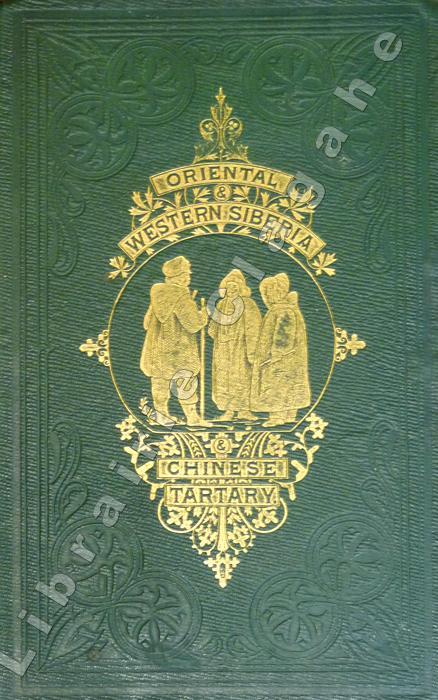
185811572Londres, Hurst and Blackett ; 1858 ; in-8, cartonnage de l’éditeur en percaline verte décorée et dorée, titre doré ; VIII, (4), 611, (1) pp., 20 planches hors-texte en chromolithographie, 32 gravures sur bois in-texte, 1 grande carte dépliante hors-texte.
DISPONIBILITÀ GARANTITA AL 99%; SPEDIZIONE ENTRO 12 ORE DALL'ORDINE. BUONE/OTTIME CONDIZIONI GENERALI, MAI SFOGLIATO, MACCHIETTE/FIORITURE E SEGNI DEL TEMPO ALLA COPERTINA. EDIZIONE RARA. L'isola di Sachalin è un reportage di viaggio dello scrittore russo Anton Cechov. L'opera apparve dapprima sotto forma di articoli e poi, riveduta, fu pubblicata nel 1895 suscitando vasta eco in Europa per i racconti sulle condizioni brutali vigenti nelle colonie penali zariste. Nel marzo 1890, Cechov progettò un lungo viaggio attraverso la Siberia fino all'isola di Sachalin, territorio nell'estremo oriente dell'Impero russo, a nord del Giappone, allo scopo di rendersi conto delle condizioni di vita delle migliaia di detenuti condannati e delle loro famiglie, lì trasferiti nei cinque campi di lavoro forzato. Dopo aver descritto la durezza del viaggio, la varietà di luoghi e di genti incontrati attraverso la Siberia, Cechov, in qualità di medico, compilò circa diecimila rapporti parlando con i detenuti e i loro familiari. L'autore, la cui salute era già cagionevole, rimase disgustato dalla corruzione dei carcerieri e inorridito dal trattamento riservato ai prigionieri e dal tipo di punizioni loro inflitte. Scrisse: «a Sachalin ci sono 860 famiglie legittime e 782 libere, e queste cifre definiscono a sufficienza la situazione familiare dei deportati che vivono nella colonia. Generalmente parlando, quasi la metà dell'intera popolazione adulta gode dei beni della vita familiare». Il viaggio iniziò il 21 aprile 1890: percorse la grandissima isola di Sachalin da luglio a ottobre; l'itinerario si concluse via mare il 1º dicembre e il 17 dello stesso mese scrisse: «prima del viaggio la Sonata a Kreutzer mi sembrava un avvenimento, oggi mi appare assurda e ridicola. O il viaggio mi ha maturato o io sono impazzito» Descrizione bibliografica Titolo: L'isola di Sachalin: dagli appunti di viaggio Titolo originale: Ostrov Sachalin. Iz putevych zapisok. Autore: Anton Pavlovic Cechov Cura e traduzione di: Giuseppe Garritano Editore: Roma: Editori Riuniti, 1985 Lunghezza: 300 pagine; 21 cm ISBN: 8835928583 Collana: Volume 149 di Universale Soggetti: Impero Russo, Fine XIX secolo, Letteratura russa, Classici, Narrativa, Viaggio, Siberia, 1890, Descrizioni Letterarie, Articoli, Taccuini, Diari, Dediche, Sahalìn, Russia, Prigionieri, Campi di lavoro, Lavori forzati, Detenuti, Repressione, Opere letterarie in russo, Suvorin, Novoe vremja, Giornalismo, Katorga, Arkaj, Contadini, Golfo di Nyj, Giljaki, Donne ainu, Miniere, Sakhalin Island, Libri Vintage, Fuori catalogo, Tsarist system, Zar, Impero russo, Esilio, Prigione, Chekhov, Taiga, Penal labour, Penal servitude, Universo concentrazionario, Narrativa concentrazionaria, Oppositori politici, Colonie penali siberiane, Testimonianze, Zápisky z cesty na Sibiř a na ostrov Sachalin. Dojmy z cest i života v tamějších trestaneckých koloniích, Russian Empire, Late 19th Century, Russian Literature, Classics, Fiction, Travel, Literary Descriptions, Articles, Notebooks, Diaries, Dedications, Prisoners, Labor Camps, Forced Labor, Prisoners, Repression, Literary Works in Russian, Journalism, Peasants, Women ainu, Mines, Books out of print, Czar, Russian Empire, Exile, Prison, Concentration Universe, Concentration narrative, Political oppositionists, Siberian penal colonies, Testimonials Parole e frasi comuni abitanti abiti addirittura agricola ainu Aleksandrovsk interno Arkovo Bajkal bambini baracche bordo capo circondario carceraria carcere casa Cechov circondario di Korsakov colonia penale comandante condannati condizione libera contadini continente copechi costa inverno Amur deportati Derbinskoe desjatine detenuti direttore donne Dujka Enisej esiliati famiglia figli fiume frustate funzionari giapponesi giljaki giorno Golfo insediamenti Irkutsk isole Curili izbe Kamcatka katorga acqua amministrazione impressione lavori forzati locale Mare di Ochotsk moglie Nevel’skoj Nikolaevsk Nord Ochotsk Ostrov persone pesce piroscafo Poljakov popolazione posto di guardia prigione proprietari raccontato registri resoconto riva rubli Russia Rykovskoe Sachalin sažen scrive settentrionale Siberia siberiana Slobodka soldati sorvegliante strada taiga Takoe Tjumen Tomsk trojka uomini vecchietto verste villaggio vivono Vladivostok vodka Voevodsk
Moscou, 1893, 8vo stralcio con copertina posticcia muta, pp. 341/346 con 4 illustrazioni in fototipia. - !! ATTENZIONE !!: Con il termine estratto (o stralcio) intendiamo riferirci ad un fascicolo contenente un articolo, completo in se, sia che esso sia stato stampato a parte utilizzando la stessa composizione sia che provenga direttamente da una rivista. Le pagine sono indicate come "da/a", ad esempio: 229/231 significa che il testo è composto da tre pagine. Quando la rivista di provenienza non viene indicata é perché ci è sconosciuta. - !! ATTENTION !!: : NOT A BOOK : “extract” or “excerpt” means simply a few pages, original nonetheless, printed in a magazine. Pages are indicated as in "from” “to", for example: 229/231 means the text comprises three pages (229, 230 and 231). If the magazine that contained the pages is not mentioned, it is because it is unknown to us.
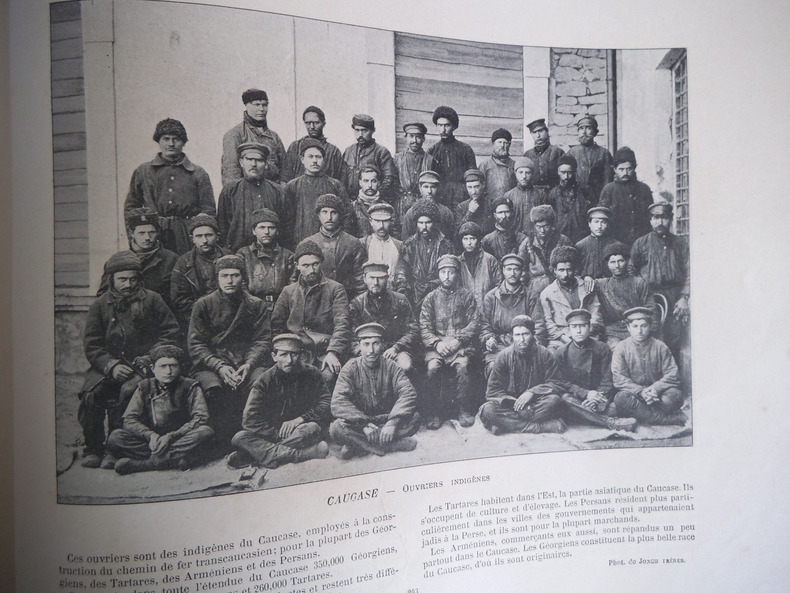
8512in 4 à l’italienne,reliure éditeur pleine toile verte, titre aux armes et filets sur le premier plat (dorure oxydée)Faux-titre, titre,206 pages illustrées en noir, photos de Jough frères, Maniati, Lazovsky, etc. Paris imprimerie de la société anonyme de publications périodiques, sans date (1890)
In-16° (cm. TOBOLSK in Siberia, celebre perché nel 1849 vi fu deportato Dostoevskij. Qui invece si parla della battaglia russo-svedese di Puttowa, di Kurt Frederick von WREECH (di cui non troviamo altre notizie nel web), con altri ufficiali svedesi prigioniero di guerra in Siberia. e che tenne un diario pubblicato nel 1728; le peripezie di viaggio dei deportati dal gennaio 1710, le condizioni dei prigionieri r della comunità locale, l studio della Bibbia di Lutero fortunosamnete trovata, le lezioni di catechismo e poi una vera e propria scuola-collegio di impostazione religiosa luterana a TOBOLSK, le opposizioni e le derisioni da parte di ufficiali atei o miscredenti, le difficoltà economiche, la Provvidenza, i successi educativi, l'approvazione di Pietro il Grande (che però non erogò il promesso finanziamento) ecc. Raro anche per luogo di stampa, ignoto a SBN e al web.
Stampa antica ed originale con testo al retro
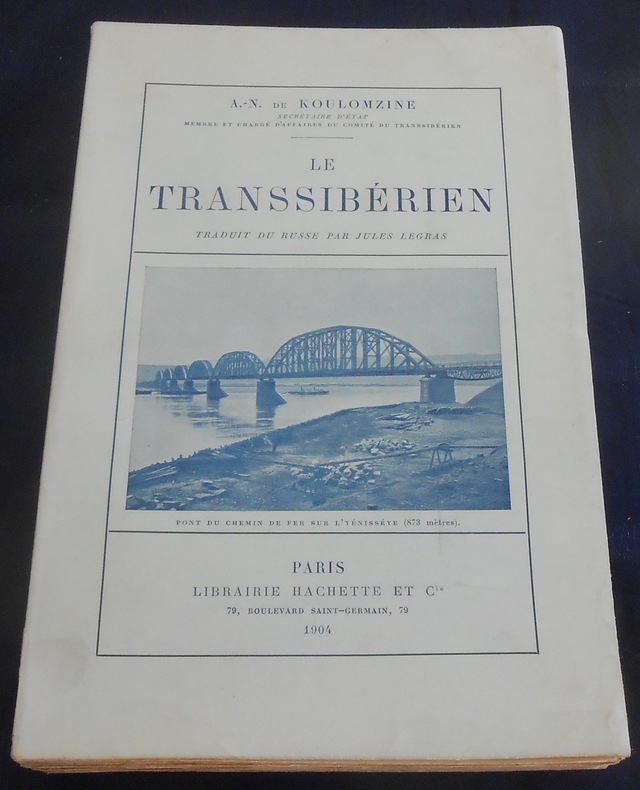
190423376Paris, Librairie Hachette et Cie, 1904. Broché, couverture rempliée, 17 cm x 25 cm, VIII+ 321 pages, 32 gravures noir et blanc hors-texte, 9 diagrammes, 3 planches hors-texte dépliantes dont 2 cartes couleur. Texte de Anatoliei-Nikolaevitch de Koulomzine, traduction et avant-propos de Jules Legras, portrait du tsar Nicolas Alexandrovitch en frontispice. Bon état
049902Hutchinson c. 1929. missing front endpaper; half title page contains inscription from Elsa Branstrom . Very Good. Hardcover. 1st Edition. Hutchinson, c. 1929 hardcover
Trad. dal russo di C. Darin.<BR>8°, pp.299 (5), ottima mz. perg., tass. in pelle con tit. oro al dorso, conserva la br. edit.
Very Good German Paperback. Demy 8vo. (22 x 14 cm). In German. 31 p., b/w ills. Eine Reise in sibirien.
1370104Abo (Finland): The Donner Institute for Research in Religious and Cultural History, 1987 in-8, 293 pages, illustrations, bibliographie. Broché (couv. défr.). (Scriptura Instituti Donneriani Aboensis XII). Entre autres: article avec illustrations sur les tambours de shamans.
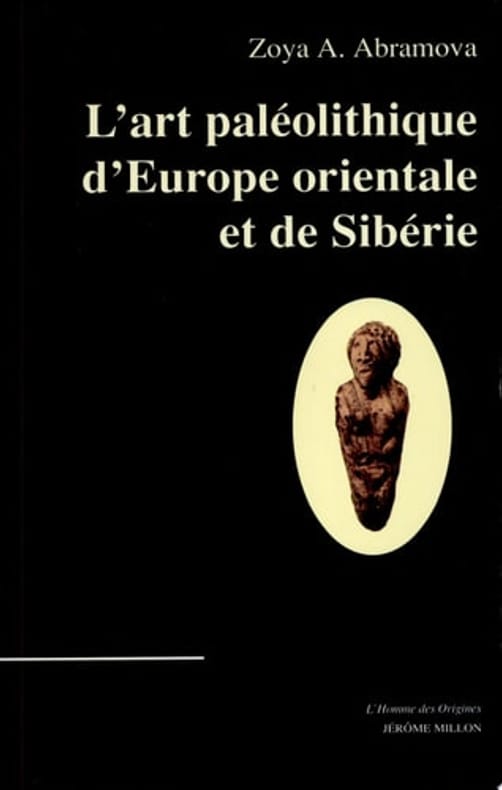
1995606414Jérôme Millon 1995 In-8 br., couverture rempliée illustr., 367 pp, nombr. figures en noir, importante bibliogr.
New New Turkish Original bdg. Dust wrapper. Roy. 8vo. (24 x 17 cm). In Turkish. 987 p. Baslangiçtan günümüze Türkçe'nin egitim - ögretim tarihi arastirmalari.
In 8°,br edit. Ill. ,pp. 234 .Copia molto buona (za8) (La spedizione standard è SEMPRE tracciata con raccomandata - piego di libri, eventuale FATTURA da richiedere all'ordine) (za8)
8°, BROSSURA FIG. CON FOTO B.N., PG. 175 (1), TESTI DELLO STESSO TORNATORE E DI E. TADINI, NOTEVOLE REPORTAGE FOTOGRAFICO B.N. DEL CELEBRE REGISTA, CATALOGO DELLA MOSTRA TENUTA A TORINO E ROMA TRA IL 2002 E IL 2003, BUONO STATO. PRIMA EDIZIONE. (C)
Very Good Russian Paperback. Cr. 8vo. (19 x 13 cm). In Russian. 223, [19 p., b/w ills. Traditsionnaia kultura Tuvintsev glazami inostrantsiev (Kolets XIX - Nachalo XX veka). Traditional culture of Tuvans through the eyes of foreigners from 19th century to beginning of the 20th century.
(Roma, Tip. Senato, 1888), stralcio con copertina posticcia muta, pp. 259/263 - !! ATTENZIONE !!: Con il termine estratto (o stralcio) intendiamo riferirci ad un fascicolo contenente un articolo di rivista, sia che esso sia stato stampato a parte utilizzando la stessa composizione sia che provenga direttamente da una rivista. Le pagine sono indicate come "da/a", ad esempio: 229/231 significa che il testo è composto da tre pagine. Quando la rivista di provenienza non viene indicata é perchè ci è sconosciuta. - !! ATTENTION !!: : NOT A BOOK : “estratto” or “stralcio” means simply a few pages, original nonetheless, printed in a magazine. Pages are indicated as in "from” “to", for example: 229/231 means the text comprises three pages (229, 230 and 231). If the magazine that contained the pages is not mentioned, it is because it is unknown to us.
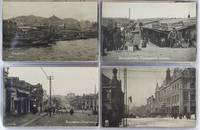
19223734Vladivostok Russia; China; Japan; Philippines; Cuba; Panama; and Egypt 1922. Very good plus. Ninety-six real photo postcards postcards and photographs each about 3.5 x 5.5 inches or slightly smaller. A very well-preserved group arranged in clear plastic sleeves in a brad-bound folder. An informative and ultimately unique collection of mostly annotated images documenting the military exploits of Lester W. Soden of Portland Oregon a Navy Midshipman serving in important locations in Asia and elsewhere in the years immediately following World War I. Soden sent the postcards and photographs home to various family members and friends in Portland Oregon. On the verso of the great majority of the postcards and photographs Soden has added vital typed or handwritten captions describing the subject location or other important information for each image as well as occasionally adding a personal note about them. Most of the images do not exhibit postmarks so were likely sent along by Soden with letters.<br /> <br /> Most important among Soden's experiences here and encompassing almost half of the images forty-seven in fact was his time in Vladivostok Russia in 1918-1920 as part of the American Expeditionary Force Siberia. All but four of the postcards and photographs from Russia have typed captions on the verso providing critical background information on Soden's experiences. Soden's captions run from one line "Street scene in Vladdie" to a couple of lines "View of Vladivostok Siberia showing section of the city along the tracks of the Siberian railroad and one of the fine Russian churches in the back ground. This was taken but a week ago" to detailed much longer efforts for example: "Since coming to Siberia I have not seen a single saw mill where modern machinery such as power driven saws and etc was used. Here is a picture I took the other day in Vladivostok showing the Asiatic method of making lumber. The Chinamen do the work two men to a saw one on top of the framework that serves for a work bench the other stands on the ground and away they saw on logs turning out lumber of various thicknesses. When first I witnessed such ancient methods it seemed as tho I had stepped into a land of long ago but time has accustomed me to such sights in Siberia."<br /> <br /> Soden's other images provide a deep picture of the Vladivostok area at a crucial time in its history picturing street scenes the funeral of "a deceased shipmate who died at Vladivostok" the Bay of the Golden Horn Japanese headquarters and a Japanese market in the city troops and ships from other Allied countries a YMCA train car serving coffee to soldiers a Bolshevik armored car stuck in the mud a portrait of Czech leader General Radola Gajda here spelled Gaida two images of Gajda's armored train car which he used in a failed attempt to occupy Vladivostok in 1918 and much more. Part of the Allied mission in Vladivostok involved protecting and providing passage for Czech troops who had fought for their own freedom against Lenin and the Russian revolutionaries. One of Soden's captions concern these freedom fighters: "Czech troops along the trans-Siberian R.R. coming into Vladivostok. They have some sort of decorations on the cars. You will notice the odd style of cars used with single axeled wheels that are not solid steel like the car wheels we have in the States where only double tracks are used. The cars here are very short tho once in a while one notices standard sized cars with double tracks identical to the ones used in the States in fact they were built there."<br /> <br /> In addition to his time in Siberia Soden also served in China Japan Manchuria the Philippines Egypt Panama and Cuba. Seventeen postcards document his experiences in China as well as sixteen in Japan and Manchuria eight in the Philippines and the remainder from Egypt Panama and Cuba. Most of these images are also captioned on the verso picturing street scenes a Peking sawmill the city of Shanghai Tartar Wall Hankow a Dragon Festival in Hong Kong the Nanking Road and more in China. Most of the Japanese images show the celebrations in Tokyo for the return of Hirohito from a tour of Europe but also temples in Nikko the American fleet in Yokohama and two street views of Dairen City Manchuria. Other images depict a child's funeral "The other day I was lucky enough to see a native funeral one of the strangest sights I've ever seen. You would think it's a parade" and a Manila river scene in the Philippines; Guantanamo Bay in Cuba; the United Fruit Company's offices in Panama; and more. The only non-visual item included with the postcards and photographs is a black ribbon reading "U.S.S. Scorpion" presumably Soden's ship. unknown
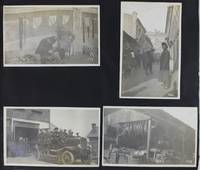
19223735Mainly Vladivostok 1922. Very good. 261 images about half real photo postcards and half vernacular photographs between 2.5 x 1.5 inches and 3.5 x 5.5 inches. Oblong folio. Contemporary brown leather photograph album string-tied. Lacking fore-edge flap spine chipped moderate rubbing and scuffing to boards. Minor occasional wear to photographs. A unique collection of photographs documenting the joint military expedition by Allied Forces into Vladivostok in southeastern Russia after the conclusion of World War I the October Revolution and the Russian Civil War most likely assembled by an American soldier serving there at the time. The American contingent of the incursion was called the American Expeditionary Force Siberia which partnered with nine other countries to attempt to bring stability to the region rescue 40000 members of the Czechoslovakian Legion being held up by Bolsheviks outside Vladivostok protect and retrieve American supplies in eastern Russia and stem the early spread of Communism. A similar expedition to northern Russia now known as the Polar Bear Expedition was attempted in Archangel. By practically every standard the joint missions failed and in fact damaged relations between the Allied Forces and Russia especially for the United States for decades to come. <br /> <br /> The present collection of photographs and real-photo postcards opens with several photo postcards with printed captions showing parades of the military forces of the various Allied countries who participated in the expedition to Vladivostok as they arrived in the city. These include the British Army landing in Vladivostok the Imperial Japanese Expedition marching in front of the Czech Headquarters the Japanese Vanguard relieving the Imperial Japanese Naval Party the French Army landing in the city the Allied Naval Fleet in the Vladivostok harbor and two views of the landing of the American Army. Two additional captioned postcards show the Czech forces joining the French Army and a rather shocking image of about ten dead Czech soldiers with the image captioned "Czech victims in vicinity of Nicholoske former Bolshevik Head-quarters at Vladivostok." <br /> <br /> The remainder of the photo postcards and photographs capture additional parades numerous street scenes but also scores of images showing the outskirts and countryside around Vladivostok ships from various countries anchored in the harbor or trying to navigate the icy conditions military patrols often carrying weapons American and other soldiers interacting with the locals scenes along the railway views of refugees fleeing the region and much more. Upon arriving in Vladivostok American soldiers were tasked with guarding segments of the rail lines of the Trans-Siberian Railroad running into and out of Vladivostok. American forces are seen here performing those duties but also overseeing a temporary dormitory of beds in an evacuation hospital patrolling the area around the city as well as the refugees along the railway hanging out in their makeshift barracks and more with one image even showing a group of American soldiers posing in baseball uniforms.<br /> <br /> Particularly striking are the images of the indigenous refugees posed near the railroad and in other locations. Some of the subjects appear to be Siberian nomads but others traveling along the rail line are almost certainly Czech refugees fleeing Russia after their role in fighting for their own freedom against the new Russian regime. Several photos here capture groups of people obviously en route to somewhere else along the railroad at train depots and resting in makeshift encampments or tent cities overseen by military personnel.<br /> <br /> Historical material from the Vladivostok expedition is exceedingly rare especially images of soldiers with boots on the ground. The present collection provides a fascinating glimpse of life in Vladivostok during this volatile moment in Russian history as well as a notable instance when American and Allied gunboat diplomacy utterly failed. unknown
1881110289Paris, E. Dentu 1881 In-12 18 x 11 cm. Reliure demi-chagrin brun, dos à nerfs encadrés de petits fers dorés, 372 pp. Reliure légèrement frottée, mouillures angulaires.