17 résultats
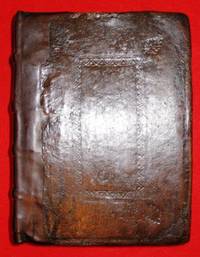
1585456London: Printed by Christopher Barker 1585. Leather Bound. Very Good. 7 x 9 inches. 4to. ¶3 - ¶8 A - E 8 leaf quires F 5 leaves. Lacks title page and following leaf. Scattered stains and soiling mostly at margins. Small darker stain at top margin. Loss to lower forecorner of B8 affecting about 12 lines of text. Kalendar printed in red and black. Colophon at end with ownership inscription of John Purkiss dated February 1 1768. Griffiths 1585/3. Bound with: The Holy Bible Geneva/Breeches version. London: Printed by Christopher Barker 1585. A-3H 8 leaf quires 3I 2 leaf quire 4 leaves 3K-3Y 8 leaf quires 3Z 10 leaf quire. Printed in two column black letter type. Occasional small closed tear with no loss and a few marginal notes shaved esp. 3O. Lacks preliminaries and 3P4&5. 18th Century notes regarding Purkiss family on verso of NT title page. Herbert 187 following Herbert 165 and Herbert 170. Bound with: Herrey Robert F. Two right profitable and fruitfull Concordances or large and ample Tables Alphabeticall. London: Imprinted by Christopher Barker 1585. A-L 8 leaf quires M 4 leaf quire. Bound with: Sternhold Thomas and John Hopkins. The Whole Booke of Psalmes Collected into English meetre. London: Assignes of Richard Day 1585. A - G 8 leaf quires lacking G6 - G8. Last few pages tatty with slight loss of text. ESTCS90640. Bound in dark brown paneled calf with recent sympathetic rebacking with four raised bands offset by gilt rules. An excellent copy of the 1552 English BCP and Geneva Bible. Both standards for many American colonists. Printed by Christopher Barker unknown
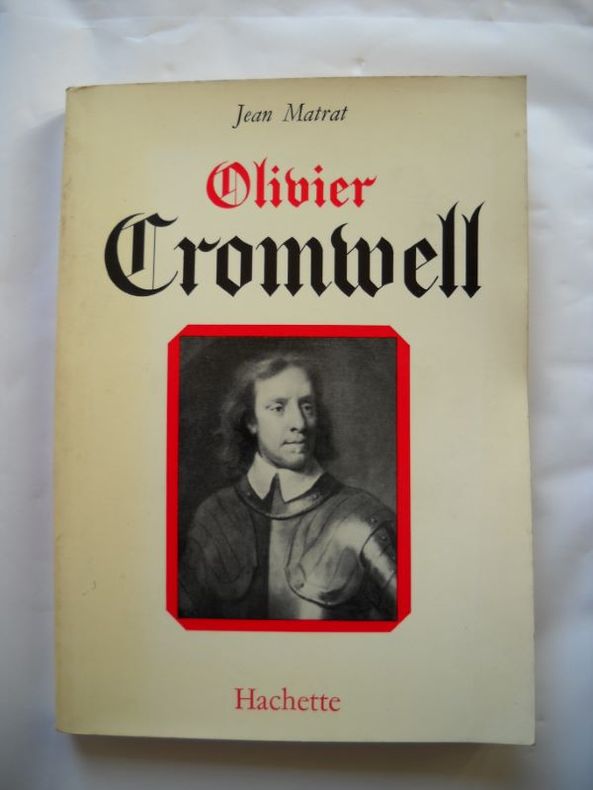
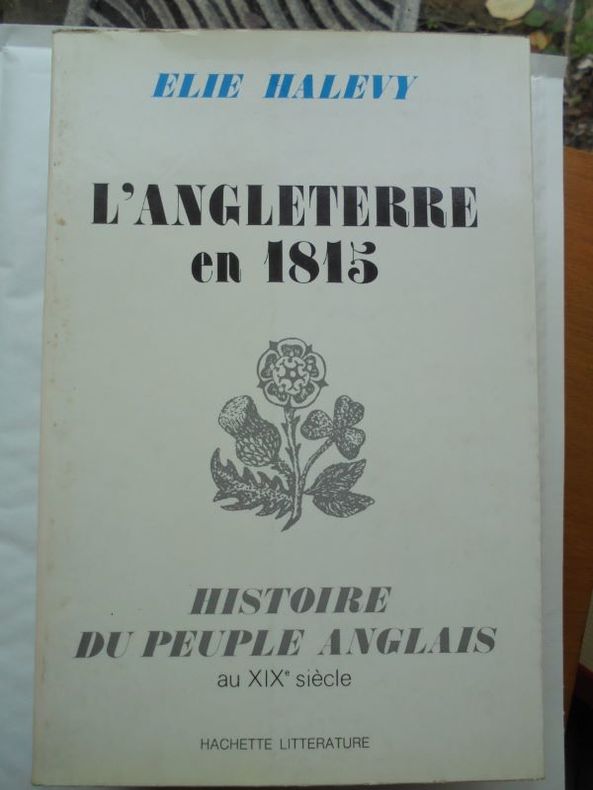
1521184311521 Broché - 15 x 21 - année 1970 - Librairie Hachette -
158746401414s.l.,, s.n.,, 1587 ; in-8, vélin de l’époque. 8ff., 281pp. – Voici ce que dit Brunet p.121: «Cette traduction est, rare, et même ce serait un livre précieux», se rapportant au prix d’adjudication de l’exemplaire Morel-Vindé. Bayle dans son dictionnaire nous apprend qu’il existe deux traductions françaises, publiées en 1587. Celle-ci, selon lui, est la meilleure. L’originale latine publiée à Cologne est de 1585. Celle de Rome d’après laquelle fut faite la traduction est de 1586. N. Sanders, un Catholique exalté, naquit en 1527 à Charlewood (Surrey). Il vécut à Rome, assista au Concile de Trente puis vécut 12 ans à Louvain où il publia divers livres de controverses. En 1579 il fut nommé nonce d’Irlande. Il serait mort de faim en 1579 après la déroute de l’armée catholique, dans une forêt où il s’était réfugié. Cet ouvrage est son texte le plus passionné. Exemplaire dans sa première reliure. Sur le dernier f. on trouve collé un très beau bois gravé avec un découpage montrant une scène de danse macabre dans un encadrement noir avec des larmes. –Mouillure pâle en marge de plusieurs feuillets.
1552188391552 Broché - 15,5 x 23,5 -430 pp - annéé 1975 - Editions Hachette Litterature -
1505rx1297Michel le Noir Relié 1505 Ensemble complet des 4 livres de Froissart, en trois volumes reliés plein vélin sur ais de bois, dos ornés de fers qui sont plus probablement du XVIII° siècle ainsi que les pièces de titre, la peau a-t-elle été changée, c'est difficile à dire, mais sa patine nous permet de la dater d'au moins du XVII°, peut-être du XVI°, il semblerait que les gardes aient été refaites également, sans doute au XVIII lors de la pose des pièces de titre. Le Premier volume de Froissart Des croniques de France : dangleterre, descoce ; Despaigne : de bretaigne : de gascongne : de flandres. Et lieux circonvoisins. A la fin : Cy finist le premier volume… Imprime a paris par Michel le noir libraire demourant au bout du pont nostre dame devant saint denis de la chartre a lymage nostre Dame. Lan mil cinq cens et cinq le xxviii. Iour de mars. Petit in-folio de 8 feuillets, CCLXXI, complet de tout ses feuillets Au verso du 271è feuillet, la marque de Michel le Noir. Dans ce premier volume, des travaux de vers sans gravité, une mouillure marginale sur les 64 dernières pages. Second volume de Froissart, des croniques de France, dangleterre, descoce, despaigne, debretaigne, de gascogne, de Fralndres et lieux circonvoisins. A la fin : Cy finit le second volume des croniques de messire Jehan Froissart sur les guerres de France, dangleterre, escoce, espaigne, Bretaigne, Flandres et autres lieux voisins. Imprimé à Paris pour françois regnault libraire demourant en la rue saint-jacques à lenseigne sainct Claude. Dans ce volume les cahiers sont quaternes excepté F qui est quinterne et A et G qui sont ternes. CCLVVIV feuillets, colationné complet, volume non daté, mais comme nous le verrons notre troisième volume étant daté de 1518 on peut supposer qu'il fait parti du même tirage. Le tiers volume de Froissart, des cronicques de France, dangleterre, descoce, despaigne, de Bretaigne, de Gascongne, de Flandres et lieux circonvoisins. Dans ce dernier volume le cahier A est terne. Le tiers volume contient CCXXXI feuillet il et est bien complet. A la fin : Cy finist le tiers volume de messire Jehan Froissart sur les croniques de france, dagleterre, escoce, spaigne, Bretaigne et flandres et lieux voisins. Imprime à Paris po François regnault libraire demourant en la Rue Saint jacques a lenseigne sainct claude. Le quart volume de Froissart, des cronicques de France, dangleterre, descoce, despaigne, de Bretaigne, de gascogne, de Flandres et lieux circonvoisins. Ce dernier volume contient deux feuillets non numéroté, puis CXI feuillets complet. A la fin : Cy finit le quart volume de messire jehan froissart sur les croniques de France, dagleterre, escoce, espaigne, Bretaigne, Flandres, Navarre, Arragon, Naples, Hongrie lieux circonvoisins imprime à Paris l'an de grace mil cinq cens et dixhuyt, le vii° jour doctobre pour françois regnault libraire demourant en la rue sainct Jacques à lenseigne sainct claude ; nous avons ici un ensemble composite un volume de 1505 pour Michel Le Noir, puis le second, le tiers et le quart volume dans une édition plus tardive de 1518, le tout avec une reliure sur ais de bois, très probablement plus tardive, bien que les ais de bois ne soient plus que très rarement utilisé après le seizième. Nous sommes donc en face d'une reliure qui peut être une reliure à l'antique réalisé à la fin du XVII° ou au XVIII°, ou face à une reliure modifié au cours du temps. On ne présente plus Froissart qui couvrit la partie de la guerre de cent ans de 1326 à 1400. Froissart meurt en 1410 sans, très probablement, finir son ouvrage. Il existe plus de cent manuscrits copiés lors du XV° siècles. La première édition imprimée est donnée par Antoine Verard vers 1495. Celle de 1505 est la troisième, celle de 1518 est la 10°. Les ensembles homogènes sont très rares. Notre exemplaire est frais malgré les travaux de vers des deux premiers volumes (fréquents dans le premier volume, rares dans le second). Les reliures sont fatiguées (surtout les dos, voir photos, les plats sont propres) mais leur patine est agréable. Un bel exemplaire bien complet, collationné. Livraison a domicile (La Poste) ou en Mondial Relay sur simple demande.
1524169581524 Broché - 15 x 24 - 377 pp - année 2005 - Editions XO -
1552188421552 Broché - 15,5 x 23,5 -406 pp - annéé1974 - Editions Hachette Litterature -
1523169981523 Broché - 15 x 23 - 510 pp - année 2000 - Editions Denoel -
1552188401552 Broché - 15,5 x 23,5 -627 pp - annéé 1973 - Editions Hachette Litterature -
160014959012 : 16 cm. Um 1600.
155522287Basel, Isengrin, 1555. Titel mit Druckermarke, 691 SS., 37 n.n. SS. Index, 1 Bl. mit wdh. Druckermarke. Dedikationsseite und 1. Seite des Textes mit Schmuckbordüren und -initialen vom Meister IF (= Jacob Faber). Fol., moderner meisterlicher Lederband, Vorsätze und Kapitale erneuert, goldgeprägtes Rückenschildchen.
1593R121114s.l. [Rome], s.n. ["Excursum"] 1593 [6bl.] + 361pp. + [9] pp. (index & errata) + [6bl.] pp., engraved vignet on title with the motto "Melior post funera vita" ("Life is better after the funeral"), ancient manuscript ex-libris on title : "Ex Libris Joannis Schrick", 15x10cm., contemporary full vellum (stained, some loss of vellum at lower ends of boards, missing ties), text and interior are clean and bright except for few occasional ancient text underlinings, text within borders, cfr. De Backer-Sommervogel VI-301-no.13, [This Catholic polemic, written in a time of great tension between protestant England and Catholic Spain, is a fierce response to an official edict issued by Queen Elizabeth I in November 1591 in which she enacted strict measures against Catholics and Jesuits in England], R121114
159761680Frankfurt a. M., Christian Egenolff Erben, 1597. 4°. 1 Bl., 70 S., 2 Bll., Mod. Ppbd.
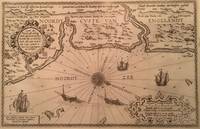
158665494Leiden 1586. Originalt kobberstikk. Arkets størrelse : 545 cm X 405 cm. I passepartout. Latin. <br/><br/><em>“Ioannes a Doetecum Fecitâ€. Latinsk tekst pÃ¥ arkets bakside. Et meget dekorativt kart. Lucas Janszoon Waghenaer ca. 1533-1606 hydrograf og seiler. Hans “Spieghel der Zeevaerdt†utkom hos Christophe Plantin i Leiden i 1584-85 og den latinske utgaven “Speculum Nauticum†utkom Ã¥ret etter. </em> unknown
152168857London: Richard Pynson 1521. Full Description:<br> <br> HENRY VIII King of England. Assertio Septem Sacramentorum Aduersus Martin. Lutheru. Aedita ab Invictissimo Angliae et Franciae Rege et do. Hyberniae Henrico Eius Nominis Octavo. London: Richard Pynson 1521.<br> <br> First edition. Small quarto 8 1/4 x 6 1/8 inches; 210 x 155 mm. 80 leaves. With the final two blank leaves. Final leaf of text is errata and colophon. Large woodcut initials. Title-page within a allegorical woodcut boarder signed HH for Hans Holbein. "The woodcut border on the title-page which depicts the story of C. Mucius Scaevola and King Porsenna McKerrow & Ferguson 8 was adapted from a design by Hans Holbein for the De immortalitate animae by Aeneas Gazaeus printed by Froben in Basel in 1516." Sotheby's.<br> <br> Probably remboitage binding of 17th-century vellum rebacked. The arms of Pope Urban VIII in gilt as central devices on front and back board. Boards double ruled in gilt and with gilt bees as corner devices. All edges gilt. Leaves very clean. Binding with staining and repairs to corners. Old ink manuscript on front board. Final blank leaf professionally repaired. Overall a very good copy.<br> <br> It was perhaps as early as 1516 that Cardinal Wolsey anxious to distract him from more worldly preoccupations first encouraged Henry VIlI to embark on a serious rejoinder to Luther 49. In so doing Wolsey wrought his own downfall and this was perhaps the least of the consequences of 'The Assertion of the Seven Sacraments' one of the most fateful books in the history of western civilisation. Despite his unfeigned zeal to extirpate heresy it was not until Henry began to take a serious interest in foreign affairs that he realised the practical value which such a work might have if dedicated to the Pope. It is difficult to estimate the spiritual influence of the papacy at a time when the vast majority of Christendom saw It as a not specially powerful temporal state; but it was none the less felt. How much Henry's anxiety to complete the book between May and July 1521 was activated real if romantic desire to become the champion of the papacy it is hard to say. This point of view may be supported by Henry's statement to a startled and incredulous Thomas More 47 that 'from that See we received our crown imperial. More could see the dangers of so firm commitment to the temporal if not to the spiritual power of the papacy and his misgivings were soon to be justified a hundredfold. Henry gained the recognition he sought from Leo X the title of Fidei Defensor. But had he not made so absolute an admission of papal authority it is unlikely that he would have felt so personally slighted by the Pope's refusal to give him his way in his 'great matter' the divorce from Catherine of Aragon; unlikely that he would have turned with such vehemence on almost all the advisers. More among them who had made his reign so successful hitherto; unlikely that he would have claimed the royal supremacy in the Church; unlikely- but there speculation must stop. Suffice it to say that the publication of the Assertio must be considered to mark a critical moment in the history of the English Reformation." PMM 50.<br> <br> ESTC S123359. PMM 50. STC 13078.<br> <br> HBS 68857.<br> <br> $27500. Richard Pynson unknown
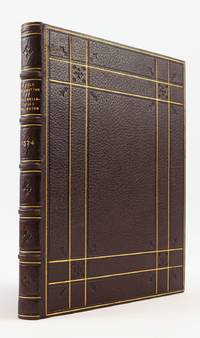
1574ST19871Heidelberg: Imprinted by Michael Schirat 1574. First Edition in English. 194 x 151 mm. 6 5/8 x 6". 6 p.l. last blank 193 pp. 2 leaves final blank. <br/> Very nice late 19th century dark maroon morocco by Lloyd of London stamp-signed on front turn-in covers framed by gilt and blind rules blind ruling at corners raised bands spine panels with blind-stamped quatrefoil gilt lettering gilt-ruled turn-ins quatrefoil cornerpieces all edges gilt. Lacking the folding "Table of Discipline" called for in ESTC. Front pastedown with armorial bookplate of Albert Ehrman; rear pastedown with Ehrman's faded ink stamp bookplate of "Bibliotheca Broxbourniana / J. P. W. E. / 17 March 1949 / ex dono A. & R. E." STC 24184; ESTC S118505; USTC 507892. Text washed and pressed but except for the first and last few leaves without the typical resultant darkening and fading otherwise an extremely attractive copy still fresh the margins especially wide and the binding lustrous and scarcely worn.<br/> <br/> First issued in Latin in the same year as our edition this is the major work of English puritan Walter Travers 1548 - 1625 applying the Calvinist presbyterian system of ecclesiastical government to the episcopal Church of England. According to DNB for Calvin and Travers alike "the duty of the theologian was merely to identify the church's structure and apply it to contemporary circumstances. It was in this last respect that Travers's originality lay for he subtly adapted Calvin's biblical model to an English context. In order to undermine the diocesan episcopate of the English church Travers started off with an examination of the role of bishops in the New Testament showing that they were not part of a separate hierarchy with authority over other clergy but merely ministers of local congregations. He also differed from Calvin in identifying elders as a type of deacon rather than a separate kind of minister." Our book was written during Travers' 1570-76 sojourn in Geneva where he became a friend of Calvin's successor Theodore Beza. Afterwards he ministered to English merchant marines in Antwerp where he refused to use the Book of Common Prayer for worship. Despite this when Travers returned to England he became chaplain to Elizabeth's chief minister William Cecil and tutor to his son. As DNB notes "his close ties to influential courtiers of a Calvinist inclination" would be key to Travers' career keeping him out of serious trouble despite his strongly presbyterian views. Our volume has a distinguished provenance coming from the celebrated Broxbourne library of Albert Ehrman 1890-1969 a diamond merchant who gathered a fine collection of books at his home at Broxbourne in Hertfordshire. He spent half a century collecting books specializing in incunabula and early bindings as well as early type specimens and bibliographies. Feather says that "his collecting was intelligent and scholarly for he sought to illustrate the history of printing and the book trade and the early development of trade binding." Ehrman also authored learned articles on fine bindings and the history of printing. The present work is uncommon: we could trace just five copies at auction since 1979; only the 1979 copy contained the folding "Table" and that one was noted as "slightly defective and mounted on linen.". Imprinted [by Michael Schirat] unknown
160016972Venedig, Valegio, um 1600. Ca. 8,5 cm x 13 cm.