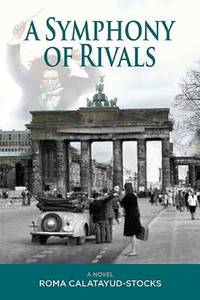
Roma Calatayud-StocksBiblio.com
29 734 résultats
0998731935.Ghardcover. Good. Access codes and supplements are not guaranteed with used items. May be an ex-library book. hardcover
1902GIT009d8La Chapelle-Montligeon Imprimerie-Librairie de Notre-Dame de Montligeon 1902. In-8 broché 362pp. Illustrations dans le texte et hors texte:scènes, objets de fouilles. Tome II seul.
57524Paris, 1984, Sand, gd. In-8, br., couv. ill. coul. éd., 245 pp., photos en noir, en collaboration avec Claude PETIT-CASTELLI, Troute la ciuisine de la Rome antique et ses "grands chefs" de l'époque : Apicius, Esculape, etc… Très belle recherche culinaire. Très bon état
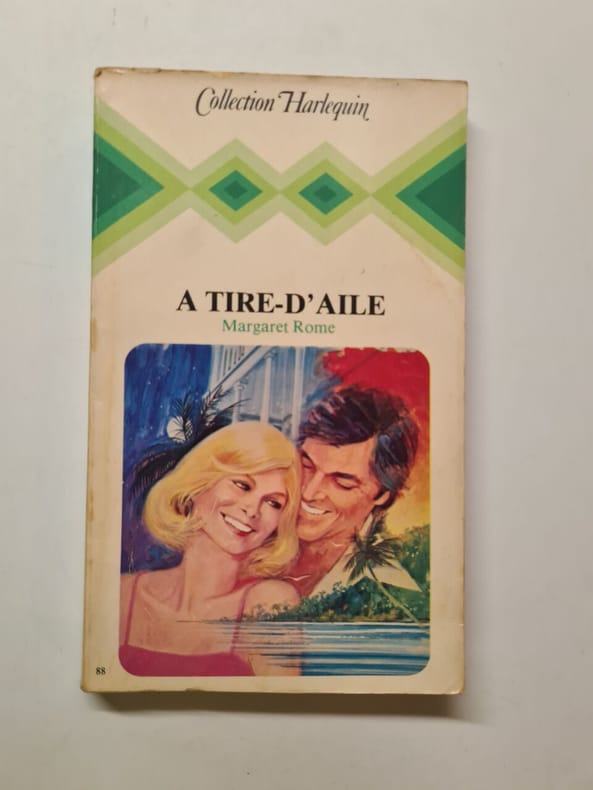
500228707Collection Harlequin Sans date.
1979RO90111467COLLECTION HARLEQUIN N° 88. 1979. In-12. Broché. Bon état, Couv. convenable, Dos satisfaisant, Intérieur frais. 159 pages.. . . . Classification Dewey : 820-Littératures anglaise et anglo-saxonne
9 3/8 x 6 5/8 Inch. 231 pages. Color Photos. Illustrated. Foreword by Mary Taylor Simeti. From appetizers to desserts, from the rustic to the refined, here are more than two hundred recipes from ancient Rome tested and updated for today's tastes. With its intriguing sweet-sour flavor combinations, its lavish use of fresh herbs and fragrant spices, and its base in whole grains and fruits and vegetables, the cuisine of Rome will be a revelation to serious cooks ready to create new dishes in the spirit of an ancient culture
In - 8 gr. Brossura edit. ill.; es. molto buono. Pagg. 349,(3). Riccamente ill. b/n n.t.;
3 voll. cofanetto cartonato illustrato contenente 3 volumi in bross. edit. ill.
Riccamente ill. b/n n.t.; R. F7.
br. Che cosa mangiavano gli antichi Romani? Come si comportavano a tavola? Si mettevano "a dieta" oppure si abbuffavano sempre? Si nutrivano tutti di carne o già allora alcuni erano vegetariani o vegani? Con "A tavola nell'antica Roma" si pubblica la tesi di laurea magistrale, intitolata "Il sistema 'cibo' nell'impero romano: pratica e ideologia", di Pamela Tedesco, che ha rintracciato un filo conduttore tra le idee di età imperiale e quelle odierne sull'alimentazione, individuando le radici antiche di prassi alimentari attuali.
In 8°, leg. edit. tutta tela con sovracoperta, pp 169 ed ill. f.t. Insolite impressioni della nota scrittrice di Dublino.
RARE collection of papers on the period of changes that occurred in the Land of Israel during the Persian and early Hellenistic periods - form the 6th through the 4th centuries BCE. This volume includes 10 studies, most of which were originally presented at the 14th World Congress of Jewish Studies, held in Jerusalem in 2005. The authors are: Yigal Levin, Einat Ambar-Armon, Amos Kloner, Avaraham Faust, Diana Edelman, Rona S. Avissar, Joe Uziel, Aren M. Maier, Hanan Eshel, Bezalel Porten, Ada Yardeni, Esther Eshel, Lisbeth S. Fried, Ian Stern. The volume is divided into three sections - Archaeological, Epigraphic and Historical Studies, and includes indices of references and authors. 240x160mm. XX+260 pages. Hardcover. Cover edges, front cover upper corner and spine edges bumped. This extremely rare volume, of immense importance to scholars of the Second Temple Period, is otherwise in very good condition.
In 8° br. pp. 144, ben tenuto
Small address sticker in front; One of the most detailed yet entertaining accounts on Rome; B&W Photographs; 8vo 8" - 9" tall; 432 pages
432 p. con ill. fuori testo; 22 cm. Tela editoriale. Dorso in parte sbiadito e con macchie, timbro di appartenenza, dedica autografa probabilmente dell'autore, ritaglio di una recensione del libro, tratta da un giornale inglese, fatta dal proprietario
Morton H. V. A Traveller in Rome [Lingua Inglese]. , Methuen Publishing Ltd , Piatti e dorso lievemente segnati dal tempo.tgali bruniti. Pagine brunite, complessivamente in buono stato. Buono (Good) . <br> <br> Copertina flessibile <br> <br> 0-413-54370-6
8vo., First Edition, with coloured frontispiece, 3 coloured plates, 15 monochrome plates and endpaper maps in blue and black; blue cloth, gilt back, blue top (faded as often), backstrip sunned else a very good, bright, clean copy in unclipped dustwrapper. SCARCE IN THIS CONDITION. Fields & Devenish 39.
0825-Bo.J. Radierung, 1764, auf Bütten. 41,3:61,2 cm, Blattgröße 58,4:88 cm.- Unten mittig auf einer Kartusche bezeichnet, links unten signiert ?Piranesi F.?. Literatur: Focillon 777; Hind 72, II (v.III); Ficacci 943; Wilton-Ely 205. ? Kräftiger Abdruck mit dem vollen Rand, die Ränder nach außen leicht gebräunt.
Acquaforte, circa 1750, da un soggetto di Giuseppe Vasi. Bellissima prova, impressa su carta vergata coeva, con margini, in buono stato di conservazione. Nathaniel Parr (XVIII secolo – Città di Westminster, tra il 3 e il 5 dicembre 1751) è stato un incisore e editore britannico. Fu probabilmente il padre o il fratello maggiore di Remigius Parr, anch'egli incisore. Remigius e Nathaniel condivisero lo stesso stile artistico, tanto che spesso è difficile attribuire con certezza un'opera all'uno o all'altro. Entrambi, inoltre, lavorarono per la casa editrice di Thomas Bowles a Londra. Fu autore di numerosi ritratti, illustrazioni librarie, paesaggi marini e urbani, fra i quali molti dedicati a Venezia e Firenze. Le incisioni di Firenze si basarono sui disegni di Giuseppe Zocchi. Le vedute di Roma furono invece ispirate dalle Magnificenze di Giuseppe Vasi. Morì tra il 3 e il 5 dicembre 1751 nella parrocchia di San Clemente dei Danesi dove risiedeva nella Città di Westminster. La sua opera principale è da considerarsi la Several beautifull prospects of the palaces and other publick buildings on the Grand Canal at Venice in Italy, London, Henry Overton, 1747. Acquaforte, circa 1750, da un soggetto di Giuseppe Vasi. Bellissima prova, impressa su carta vergata coeva, con margini, in buono stato di conservazione. Nathaniel Parr (XVIII secolo – Città di Westminster, tra il 3 e il 5 dicembre 1751) è stato un incisore e editore britannico. Fu probabilmente il padre o il fratello maggiore di Remigius Parr, anch'egli incisore. Remigius e Nathaniel condivisero lo stesso stile artistico, tanto che spesso è difficile attribuire con certezza un'opera all'uno o all'altro. Entrambi, inoltre, lavorarono per la casa editrice di Thomas Bowles a Londra. Fu autore di numerosi ritratti, illustrazioni librarie, paesaggi marini e urbani, fra i quali molti dedicati a Venezia e Firenze. Le incisioni di Firenze si basarono sui disegni di Giuseppe Zocchi. Le vedute di Roma furono invece ispirate dalle Magnificenze di Giuseppe Vasi. Morì tra il 3 e il 5 dicembre 1751 nella parrocchia di San Clemente dei Danesi dove risiedeva nella Città di Westminster. La sua opera principale è da considerarsi la Several beautifull prospects of the palaces and other publick buildings on the Grand Canal at Venice in Italy, London, Henry Overton, 1747.
Milano, 1915, stralcio delle pag. 481/483 con illustrazioni. - !! ATTENZIONE !!: Con il termine estratto (o stralcio) intendiamo riferirci ad un fascicolo contenente un articolo di rivista, sia che esso sia stato stampato a parte utilizzando la stessa composizione sia che provenga direttamente da una rivista. Le pagine sono indicate come "da/a", ad esempio: 229/231 significa che il testo è composto da tre pagine. Quando la rivista di provenienza non viene indicata é perchè ci è sconosciuta. - !! ATTENTION !!: : NOT A BOOK : “estratto” or “stralcio” means simply a few pages, original nonetheless, printed in a magazine. Pages are indicated as in "from” “to", for example: 229/231 means the text comprises three pages (229, 230 and 231). If the magazine that contained the pages is not mentioned, it is because it is unknown to us.
La Tribuna Illustrata, settimanale del 8/8/1939 con due tav. a colori.
8vo., First Edition, with a coloured frontispiece, 15 coloured plates, 36 photographs in monochrome and front endpaper map; original red cloth, gilt back, top lightly dust-soiled else a near fine copy. Uncommon in this condition. Prance A174.
pp. xix, 244 + Sixteen Illustrations in color and a map by Harry Morley. Thirty-six Reproductions form Photographs. 195mm. Original full cloth binding. Original priced dust jacket. Extremities slightly chipped. Hardbound. Very good. Third edition. TRAVEL BX 2
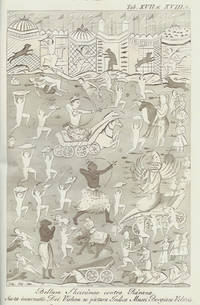
179177<p>4° mm 250x190; pp. XII 326. Al frontespizio vignetta incisa raffigurante Ganesha e <strong>32 tavole fuori testo</strong> di cui una a doppia pagina. Nel testo <strong>caratteri in sanscrito</strong>. Legatura coeva in piena pelle marezzata. Bell'esemplare.</p><p>First edition.</p><p>As the title well explains the Systema Brahmanicum by the Indologist Paulinus of St. Bartholomew - valuable compendium of Brahmanism - is closely based on the collection of <em>Indica reperta</em> from the famous Borgia Museum in Velletri <strong>profusely illustrated by the engravings. The volume therefore can be browsed as a kind of 'exegetical catalog' of the Hindu collection</strong>.<br /><br />The ancient Borgia Museum in Velletri formed between the 17th and 18th centuries by the Roman branch of the Borgia family was greatly enriched and enlarged in the second half of the 18th century by Cardinal Stefano Borgia 1731 – 1804 a man of vast culture who was a scholar of history and ethnology. The Museum famous throughout Europe for the variety and the rarity of the <em>reperta</em> as well as the singularity of the collections included artifacts from all parts of the world and was divided into nine sections one of which dedicated to Hindu manuscripts and relics.</p><p>Paulinus of St. Bartholomew Leithaberge in Lower Austria 1748 - Rome 1806 was an Austrian Carmelite missionary and Orientalist of Croatian origin. <strong>He is credited with being the author of the first Sanskrit grammar to be published in Europe and for being one of the first Orientalists to remark upon the close relationship between Indian and European languages</strong> followed by others such as William Jones and Gaston-Laurent Coeurdoux.<br /><br />Having entered into the seminary of the missions of his order at Rome he did Oriental studies at the College of St Pancratius. He was sent in 1774 as missionary to Malabar India. After spending fourteen years in India he was appointed vicar-general of his order and apostolic visitor. He was very well versed in languages: he spoke German Latin Greek Hebrew Hungarian Italian Portuguese English Malayalam Sanskrit and some other languages of India. He became known in Kerala as Paulinus Paathiri. He was one of the first to detect the similarity between Sanskrit and Indo-European languages though the very first was likely Fr Thomas Stephens SJ.</p><p>Recalled in 1789 to Rome to give an account of the state of the mission in Indostan he was charged with editing books – to correct the Catechisms and elementary books printed at Rome – for the use of missionaries.</p><p>In Rome he came into contact with Cardinal Stefano Borgia 1731 – 1804 Secretary of Propaganda Fide antiquarian scholar and patron who had set up in Velletri his native city the very well-endowed Museo Borgiano. Cardinal Borgia appointed him his private secretary and financed the publication of many volumes of indology including the first European grammar of the Sanskrit language <em>Sidharubam seu Grammatica Samscrdamica</em> published in Rome in 1790.</p> Apud Antonium Fulgonium