806 résultats
in-4 carré, non pag., nombreuses photographies et gravures, cartonnage de l'éditeur sous étui papier fort. Tres bel exemplaire, tres frais. [HP-4]
25797BE, Peeters- Musee, 2010 Bound, hardcover, with dusjacket, Pages: XII-335 p. fine illustrated in colorplates. ISBN 9789042924451.
117266434X.Gpaperback. Good. Access codes and supplements are not guaranteed with used items. May be an ex-library book. paperback
0260982725.Gpaperback. Good. Access codes and supplements are not guaranteed with used items. May be an ex-library book. paperback
0331346567.Ghardcover. Good. Access codes and supplements are not guaranteed with used items. May be an ex-library book. hardcover
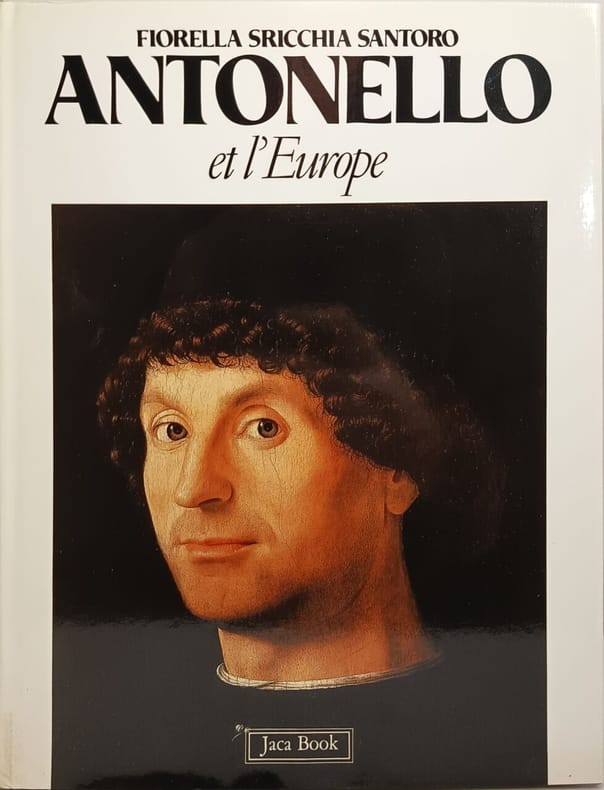
19866367Jaca Book 1986 194 pages in4. 1986. cartonnage editeur avec jaquette et étui. 194 pages. Ouvrage d'art de Fiorella Sricchia Santoro analysant l'influence et la place du peintre italien de la Renaissance Antonello da Messina dans le contexte artistique européen en explorant notamment ses liens avec Naples la France et la région méditerranéenne
6202259744.Gpaperback. Good. Access codes and supplements are not guaranteed with used items. May be an ex-library book. paperback
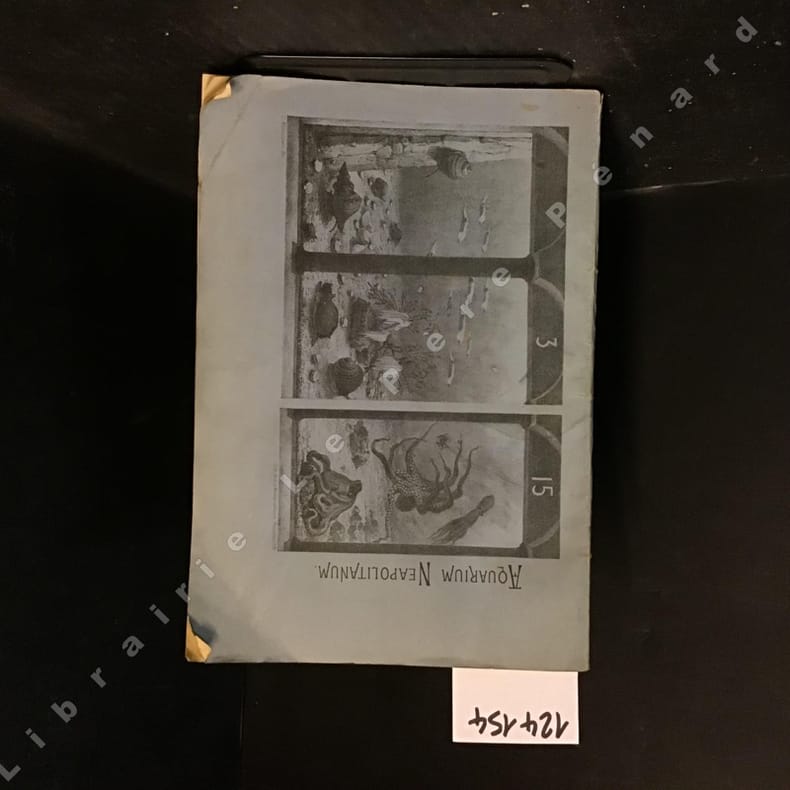
19081241541908 Imprimerie Royale François Gionnini & Fils, Naples - 1908 - In-8, broché, couverture illustrée - 104 pages - 175 figures en N&B in texte
1986LFA-126740156N° 212 (Avril 1986) : 82 pages, format 215 x 285 mm, illustré, broché couverture couleurs, bon état
2009LFA-126747125N° 469 (Septembre 2009) : revue de 82 pages, format 215 x 285 mm, illustrée, brochée couverture couleurs, bon état
1021539252.Gpaperback. Good. Access codes and supplements are not guaranteed with used items. May be an ex-library book. paperback
1017491208.Ghardcover. Good. Access codes and supplements are not guaranteed with used items. May be an ex-library book. hardcover
1020192178.Ghardcover. Good. Access codes and supplements are not guaranteed with used items. May be an ex-library book. hardcover
1017496080.Gpaperback. Good. Access codes and supplements are not guaranteed with used items. May be an ex-library book. paperback
c6549Napoli, Francesco Giannini et Figli, 1889 ; volume grand in-8°, demi-chagrin rouge de l' époque, dos à nerfs, titre et année dorés ; 796pp. et 6 planches de filigranes de papier anciens. Avec à la fin la Table générale pour l'année 1889.Ex-libris étiquette armorié à l' intérieur du 1er plat de Fernand de Sassenay ( 1829 - 1899).
c6550Napoli, Francesco Giannini et Figli, 1891 ; volume grand in-8°, demi-chagrin rouge de l' époque, dos à nerfs, titre et année dorés ; 886pp. et 1 tableau dépliant. Avec à la fin la Table générale pour l'année 1891.Ex-libris étiquette armorié à l' intérieur du 1er plat de Fernand de Sassenay ( 1829 - 1899).
c6551Napoli, Francesco Giannini et Figli, 1893 ; volume grand in-8°, demi-chagrin rouge de l' époque, dos à nerfs, titre et année dorés ; 815pp. et 1 ill. à pleine page. Avec à la fin la Table générale pour l'année 1893.Ex-libris étiquette armorié à l' intérieur du 1er plat de Fernand de Sassenay ( 1829 - 1899).
c6552Napoli, Francesco Giannini et Figli, 1896 ; volume grand in-8°, demi-chagrin rouge de l' époque, dos à nerfs, titre et année dorés ; 871pp. Avec à la fin la Table générale pour l'année 1896.Ex-libris étiquette armorié à l' intérieur du 1er plat de Fernand de Sassenay ( 1829 - 1899).
c6553Napoli, Francesco Giannini et Figli, 1882 ; volume grand in-8°, demi-chagrin rouge de l' époque, dos à nerfs, titre et année dorés( relieur Gaetan Ronner) ; 835pp. et 3 tableaux généalogiques dépliants. Avec à la fin la Table générale pour l'année 1882.Ex-libris étiquette armorié à l' intérieur du 1er plat de Fernand de Sassenay ( 1829 - 1899).
066-Io.J. Feder in Braun und Blau, mit vier braunen Tuschlinien umrandet, auf Velin, rechts unten bezeichnet ?Marina di Palermo?. Darstellungsgröße 20,6:14,2 cm, Blattgröße 32,8:22,1 cm.
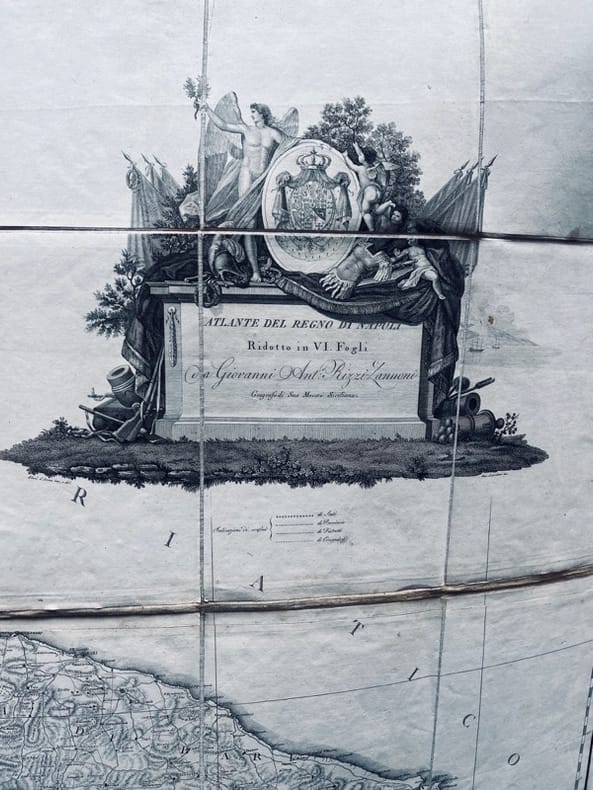
181520379circa 1808-1815. Grande carte murale, eau-forte imprimée sur papier vergé, découpée en 64 rectangles (8 par feuilles) montés sur toile de lin (138,5 x 144 cm.), rempliée et sous étui.
129-Io.J. Feder in Braun und Blau, mit vier braunen Tuschlinien umrandet, auf Velin, rechts unten bezeichnet. Darstellungsgröße 14,6:20,9 cm, Blattgröße 22,1:32,8 cm.
1822031-I1822. Bleistift, auf Bütten mit Wasserzeichen: H Collande, links unten bezeichnet, signiert und datiert ?Baja Wolfensberger Baja I. 6 December 1822?. 21,2:32 cm.
In-4°, 44cc, legatura in mezza pergamena, buone condizioni, frontespizio in rosso e nero con stemma del dedicatario Paolo IV. Famoso avvocato napoletano, il Camerario partecipava inoltre contemporaneamente anche all'attività culturale del circolo umanistico napoletano che gravitava intorno ad Alfonso Capece. Ed è proprio subito dopo la repressione governativa di questo gruppo di intellettuali (1540-42) che scoppiarono, come episodio non marginale delle contraddizioni interne alla classe dirigente napoletana, i primi violenti contrasti col viceré Pietro di Toledo. Inviati allora una serie di memoriali in sua difesa a Carlo V, senza però mai ottenere alcuna risposta, comprese alla fine l'inutilità dei suoi sforzi di reintegrazione e di riabilitazione: abbandonato il territorio imperiale, si rifugiò in Francia (1547) entrando subito in contatto coi numerosi circoli antispagnoli degli esuli napoletani e forse ottenne a corte anche una carica retribuita di consigliere di Stato. Il Camerario decise di trasferirsi da Parigi a Roma, ponendosi sotto la protezione antispagnola di Paolo IV che, in considerazione delle sue specifiche competenze, dopo averlo nominato commissario generale dell'esercito per la guerra contro la Spagna, gli affidò, insieme con la carica di prefetto, la gestione dell'amministrazione annonaria dello Stato della Chiesa. In-4 °, 44cc, half vellum binding, good condition, red and black title page with coat of arms of the dedicatee Paul IV. A famous Neapolitan lawyer, he also participated simultaneously in the cultural activity of the Neapolitan humanistic circle that gravitated around Alfonso Capece. And it was just after the government repression of this group of intellectuals (1540-42) that the first violent contrasts with Viceroy Pietro di Toledo broke out, as a non-marginal episode of the internal contradictions of the Neapolitan ruling class. Then Camerario sent a series of memorials in his defense to Charles V, without ever getting any response, eventually including the futility of his reintegration and rehabilitation efforts: abandoned the imperial territory, he took refuge in France (1547) immediately entering contact with the numerous anti-Spanish circles of the Neapolitan exiles and perhaps he also obtained a paid position as councilor of state at court. Camerario decided to move from Paris to Rome, placing himself under the anti-Spanish protection of Paul IV who, in consideration of his specific skills, after having appointed him general commissioner of the army for the war against Spain, entrusted him, together with the office of prefect, the administration of the State of the Church.