671 résultats
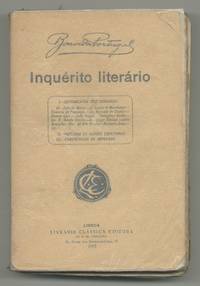
1915539286Lisboa Lisbon: Livraria Clássica Editora de A.M. Teixeira 1915. Softcover. Near Fine. First edition. Octavo. 368 4 ads pp. Printed wrappers in glassine page edges untrimmed. Neat bookplate of A. Ribeiro dos Santos facing title page see below. Modest wear light scattered internal foxing one signature neatly reattached at gutter just about near fine. A collection of essays and comments about "a vita literaria portugesa" which had appeared in the newspaper Republica during the final months of 1912 including one of Pessoa’s earliest polemical texts "Uma Replica: Ao snr. dr. Adolfo Coehlo." Pessoa wrote a critical review of the book which appeared in the first issue of the Lisbon newspaper O Jornal April 4 1915—a publication directed by Boavida Portugal—criticizing both contributions and the book's organization. A little more than two weeks later Pessoa's collaboration with O Jornal was terminated. Bookplate is that of doctor and noted bibliophile Dr. Alfredo Ribeiro dos Santos. dos Santos' collection of 3500 items was sold at auction in 2007; cataloger Dr. Mario Soares called it "a rare collection of books newspapers and magazines highly representative of 20th century Portugal obviously targeting a Republican perspective socialist and secular. Livraria Clássica Editora de A.M. Teixeira unknown
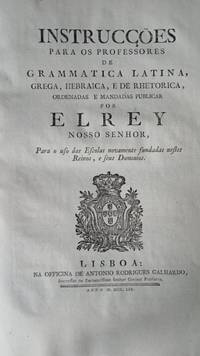
GD103<p>Alvará contendo instruções para reforma do ensino. Reforma do ensino de Marquês de Pombal. Importandte documento contendo reformas no sistema de ensino visando reduzir a influência dos jesuístas. Ano 1759. 18 páginas. Completo e em excelente estado. Impressão original com marcas d ´água. Documento foi periciado por aquivo público e foi constatada sua autenticidade e que sua origem não provém de nenhum arquivo público. Coleção Graphos Arte.</p><p>Decree containing instructions for educational reform. Education reform by the Marquis of Pombal. Important document containing reforms in the educational system aimed at reducing the influence of the Jesuits. Year 1759. 18 pages. Complete and in excellent condition. Original print with watermarks. Document was examined by public archives and its authenticity was confirmed and that its origin does not come from any public archive. Graphos Arte Collection.</p>
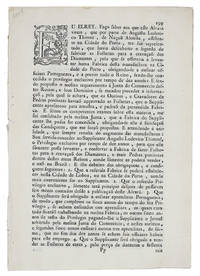
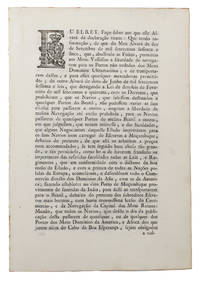
1766ABC_46586Ajuda district of Lisbon 1766. Folio. Palacio de Nossa Senhora "reprinted by Miguel Rodrigues" Disbound folded. With a large decorated woodcut initial E with the coat of arms of Portugal opening the text. pp. 199-201 blank 202. Rare royal proclamation issued 22 August 1766 by King Joseph I of Portugal 1714-1750-1777 and registered and certified by his secretary Joaquim Joseph Borralho granting August Ludwig Thimne the exclusive privilege and patent for ten years to set up a factory in Porto or Lisbon to produce foil from silver and other metals for setting diamonds and other precious stones. The proclamation forbids the import of contraband foil into Portugal giving Thimne the sole rights to the production and sale of the foil. Thimne discovered how to manufacture foil to set diamonds and other gems and stones in 18th-century Portugal where the setting of diamonds and gems and the creation of spectacular jewellery became more and more important.A highly interesting proclamation on the Portuguese diamond and gemstone industry especially on underlaying with foil as an appearance modification technique used for 18th-century Portuguese jewelry not only granting Thimne a privilege but also regulating the production for the Portuguese market.The bifolium is almost completely torn into two leaves on the fold line but otherwise in very good condition.l Portuguese and Brazilian books in the John Carter Brown Library 1537 to 1839 2009 766/5; WorldCat 81024902 no copy listed; 460587852 1 copy of the whole ed. unknown
1832OB901<p>Madrid: Imprenta de Miguel de Burgos 1832. First Edition. Soft Cover. xxviii 538 p.; 32 cm. A survey region by region of Roman inscriptions on structures throughout Spain; a book of considerable rarity. Palau 50767. Waterstain in lower corner margins of cover & first two leaves; original paper wrappers with original spine label untrimmed; Very Good. Stock#OB901 oversize.</p> Imprenta de Miguel de Burgos paperback
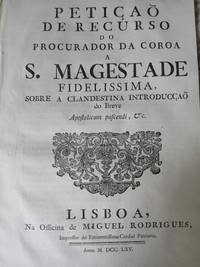
GD111<p>Petição de recurso do procurador da Coroa ao rei sobre tornando clandestina introdução do breve 'Apostolicum pascendi'" de 1765 em defesa dos Jesuítas e a carta que o rei nela incorporado com as atestações dos secretários e ministros de Estado e do despacho do Gabinete do rei o conde de Oeiras. Raríssimo documento tratando sobre a perseguição aos jesuítas pelo Marquês de Pombal. Ano 1765. Completo 44 páginas. Primeira e única edição. Impressão original com marcas d ´água. Documento foi periciado por aquivo público e foi constatada sua autenticidade e que sua origem não provém de nenhum arquivo público. Coleção Graphos Arte.</p><p>Petition of appeal from the Crown Attorney to the King regarding the clandestine introduction of the brief 'Apostolicum pascendi' from 1765 in defense of the Jesuits and the letter that the King incorporated therein with the attestations of the Secretaries and Ministers of State and the dispatch of the Cabinet of the King the Count of Oeiras. Very rare document dealing with the persecution of the Jesuits by the Marquis of Pombal. Year 1765. Complete 44 pages. First and only edition. Original printing with watermarks. Document was examined by public archive and its authenticity was confirmed and that its origin does not come from any public archive.</p>
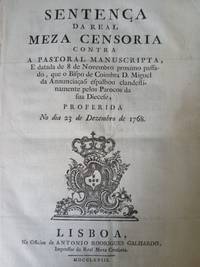
GD114<p>Real Meza Censoria - Sentença condenando o Bispo e Coimbra - Condenação pela publicação de doutrinas religiosas contra a autoridade régia. Interessante e rara publicação. 23 de dezembro de 1768. 23 páginas. Impressão original com marcas d ´água. Documento foi periciado por aquivo público e foi constatada sua autenticidade e que sua origem não provém de nenhum arquivo público. Coleção Graphos Arte.</p><p>Royal Censorship Board - Sentence condemning the Bishop of Coimbra - Conviction for the publication of religious doctrines against royal authority. Interesting and rare publication. December 23 1768. 23 pages. Original print with watermarks. Document was examined by public archive and its authenticity was confirmed and that its origin does not come from any public archive. Graphos Arte Collection.</p>
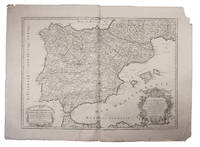
1708E7GCJJB1RUYXParis 1708. Hubert Jaillot Engraved map on 2 assembled sheets 55.5 x 78 cm engraved by Cordier. With title in decorated cartouche on the bottom right corner scales and privilege in decorated cartouche on the bottom left corner and a few lines coloured in green. Large map of Spain and Portugal this state with a privilege for 20 years granted in 1708. Engraved by Cordier after the map by Nicolas Sanson.Strengthened fold damaged corners but map in very good condition.l Cf. Pastoureau Jail. II A map 91. unknown
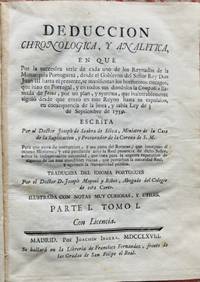
GD105<p>Deduccion chronologica y analitica en que se manifiestan los horrorosos estragos que hizo en Portugal y en todos sus dominios la Compaia llamada de Jesus. Ano 1768. Traduzida do idioma português por Joseph Maymó y Ribes. José Seabra da Silva. Tradutor: Joseph Maymó y Ribes. Editor: Madrid: por Joachin Ibarra Ano 1768. Três volumes. PRIMEIRA EDIÇÃO ESPANHOLA em formato grande. Obra mais importante no contexto da perseguição aos Jesuístas pelo Marquês de Pombal. Obra também muito improtante na censura de livros em Portugal e consequentemente em suas colônias. Pesquisas paleográficas indicam que foi o próprio Pombal que redigiu a obra. Obra completa e exetremamente rara. Coleção Graphos Arte.</p><p>Chronological and analytical deduction in which the horrific damage caused in Portugal and in all its domains by the Company called Jesus is manifested. Year 1768. Translated from the Portuguese language by Joseph Maymó y Ribes. Jose Seabra da Silva. Translator: Joseph Maymó y Ribes. Publisher: Madrid: by Joachin Ibarra Year 1768. Three volumes. FIRST SPANISH EDITION in large format. Most important work in the context of the persecution of the Jesuits by the Marquis of Pombal. This work was also very important in the censorship of books in Portugal and consequently in its colonies. Paleographic research indicates that it was Pombal himself who wrote the work. Complete and extremely rare work. Graphos Art Collection.</p>
1949ZB205716Lisboa 1949. volumes 3-12 1949-1957 most numbers available original pictorial or decorated paper wrappers minor ownership markings else good-very good; price is for the lot. - If you are reading this this item is actually physically in our stock and ready for shipment once ordered. We are not bookjackers. Buyer is responsible for any additional duties taxes or fees required by recipient's country. Photos available upon request. Lisboa unknown
1954023938Madrid: Editorial Gredos 1954. 1st . Hardback. Very Good/No Dust Jacket. Quarto. Covers rubbed hinges intact. From the Spanish Wikipedia page: "El Diccionario constituye una de las más importantes aportaciones de todos los tiempos al estudio de la romanística desde la perspectiva central del estudio de la lengua española." Extra postage necessary <br/> <br/> Editorial Gredos hardcover
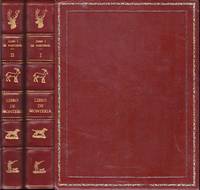
19905567Madrid: Circulo de Bibliofilia Venatoria 1990. Limited edition of 302 copies this being no. 278. Tow hardcover book bound in beautiful full leather-gilt. 30 cm. 420 pp. 292 pp. Fore and bottom page edges uncut. Text in Spanish Castilian. The book is in near fine condition. No ownership marks/writing present within. Hinges tight interior pages bright. Light abrading to the upper portion of the first volume's spine panel. A few small stains to the red top paper edge stain of volume one. Light edge wear/bumping scuffing to the leather covers. Scarce. Circulo de Bibliofilia Venatoria hardcover
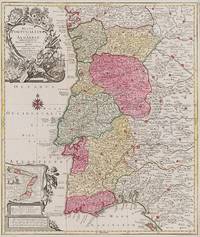
1762200016AG1762. Augsburg Georg Friderich Lotter 1762. Original hand-coloured Engraving. Plate Size: 49 cm x 57.7 cm. Sheet Size: 51.6 cm x 59.6 cm. Original map. Very good condition. Clean and crisp. Map orientated to the North. Slight roughness to top right corner edge. Border with longitudinal and latitudinal information. A richly detailed and very interesting map showing the Kingdom of Portugal and the Algarves. Relief shown pictorially with rivers mountains and major and minor settlements depicted through keys. The internal subdivisions of the kingdom are also highlighted as are the religious bishoprics and Archdioceses administrative areas of the Catholic Church. Lisbon is shown at the mouth of the 'Tajo' Tagus River. Cartouche in lower left corner decorated with Classical allusion encloses inset map showing the coastal region of Brazil then a Portuguese colony. The Captaincies of Brazil which were the administrative divisions and hereditary fiefs of the colony are delineated. Interior of Brazil carries inscription 'Brasilia Regnum in America Merido' with allegorical scene with native figures. Relief shown pictorially with rivers mountains and settlements depicted. Beneath inset map are map legends and a triple bar scale. Large decorative title cartouche located in the top left corner of map. Portugal's tradition of maritime exploration and conquest and naval strength are alluded to with the depiction of the canon lances accompanying the coat-of-arms of the House of Aviz and naval vessels and the mythological figure in the foreground. Above the title lies the coat-of arms of the Kingdom of Portugal and the Algarves. The year that the map was published 1762 saw the Seven Years War spread in the Iberian Pennisula as Franco-Spanish forces staged an unsuccessful invasion of Portugal which was then in alliance with Britain. Tobias Lotter was a German publisher and engraver who married the daughter of the elder Matthaus Seutter in Augsburg. Largely under his own responsibility but still under Seutter Lotter created the 'Atlas Minor' which was created between 1740 and 1744. He engraved many of Seutters maps and eventually succeeded to the business in 1756 becoming one of the better-known cartographers in the eighteenth-century German School. After his death the business was carried on by his son M.A. Lotter. Wikipedia unknown
1772ABC_48853Lisbon 1772. Folio ca. 29 x 20 cm. Na Regia Officina Typografica Disbound and subsequently mounted in a modern black stiff paper folder with a printed label mounted on the front wrapper. With a large decorated woodcut initial E incorporating the Portuguese royal coat of arms. 3 1 blank pp. Very rare first issue of two of a late 18th-century decree by the Portuguese King José I 1714-1777 dealing with difficulties in the transportation of enslaved people from Mozambique to Brazil. This text dated 12 December 1772 and signed Rey King at the end is also signed by the notorious Portuguese nobleman and diplomat Marquez de Pombal. Sebastião José de Carvalho e Melo 1st Marquis of Pombal 1699-1782 who was the Secretary of State of the Kingdom during the reign of Dom José I in the period of 1750-1777. It is concluded with a formal text dated 18 December 1772 and signed by João Baptista de Araújo a senior officer of the Secretariat of State.In 1761 Marquez de Pombal prohibited the importation of enslaved people in Portugal and Portuguese India not for humanitarian reasons but because they were needed for labour in Brazil. He stimulated the trade of mostly African enslaved people for that colony and with his support two companies for slave trade were founded the Companhia Geral de Comércio do Grão-Pará e Maranhão and the Companhia Geral de Comércio de Pernambuco e Paraíba. Both companies were privileged and had a monopolistic character. Their lists of shareholders included many Portuguese noblemen and clergy. Between 1757 and 1777 more than 25000 enslaved people were imported to Pará and Maranhão from West African ports.The two issues can be identified by their catchwords on p. 1: issue one shows the catchword as a vol- that catchword was changed in the second issue to a.The inner margin shows some signs of the previous binding. Otherwise in very good condition.l Gauz Portuguese and Brazilian books in the JCB 772/1; WorldCat 1045359449 3 copies; cf. Porbase 2301650 and no copies. unknown
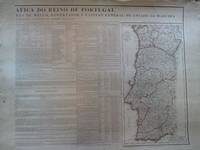
$G001032.- Dedicada ao Illmo. e Ex.mo Senhor Tenente General Florencio Joze Core‡ de Mello Governador e CapitaÚ do Estado da Mdeira. Cuatro hojas de 77x55 cms. Con cuadros en cada una de ellas en los que se habla de la historia y geografía de Portugal. Con un precioso mapa de Portugal en una de ellas de 47x25 cms. Grabado por E. Collin. En los cuadros se recogen datos de Universidades Hombres Illustres Nacionaes Memgros d'Academia Real dasSciencias Notas históricas Ejército División Civil del Reino Órdenes Militares Órdenes Religiosas Monarquía Portuguesa y Grandes del Reino. Impresionante obra de principios del XIX 180. . . OBRA GRAFICA / Mapas unknown
1688028899Lugduni: Anissonios Posuel & Rigaud 1688. Inteira de Pele/Full -Lea. Bom / Good / Bon. In-fól 353x235. 2 Vols de 14 fóls. prels.-510// 12 fóls. prels-484-68 pp. Encadernações da época em inteira de pele com ferros a seco nas pastas e lombadas divididas em seis casas separadas por filetes em relevo e decoradas com ferros a ouro ambas as lombadas necessitam de pequenos restauros pois se encontram com defeitos. Interior bastante limpo denotando-se uma mancha escurecida no primeiro volume que afecta a lombada exterior durante setenta fólios e esparsos sublinhados antigos. O autor nasceu em Penamacor na primeira metade do século XVII e faleceu em 1677. Depois de se formar em Latim e Humanidades estudou na Universidade de Salamanca onde cursou Direito Cesareio sendo discÃpulo de Francisco de Amaya voltando a Portugal exerceu diversos cargos de jurisprudência. Estudioso do direito civil é reconhecido como um destacado tratadista sendo este "Tractatus de donationibus." a sua obra mais importante ao reconhecer um conjunto de doutrinas de direito público do seu tempo e por constituir uma sÃntese da historiografia jurÃdica dos séculos XVI e XVII. Seguindo como fio condutor as doações reais reflete a preocupação dos pensadores do seu tempo em torno da relação entre o PrÃncipe e o Estado posicionando-se a favor dos reis de Portugal. Neste sentido defende o monopólio português sobre o Oceano Ãndico em oposição à s teses de Grocio sobre a liberdade do mar. Este "Tractatus." foi impresso pela primeira vez em Lisboa por Juan da Costa em 1673/1675 sendo esta a primeira edição impressa em Lião a cargo da Sociedade constituida por Posuel e os irmãos Anisson pertencentes a uma das famÃlias de impressores mais relevantes de França dos séculos XVII e XVIII. Barbosa Machado I-706. <br/> <br/> Anissonios, Posuel & Rigaud unknown
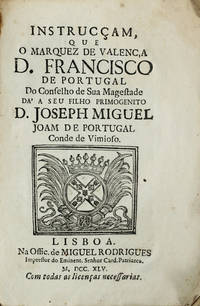
2103MA527<p> D. JOSEPH MIGUEL JOAM DE PORTUGAL CONDE DE VIMIOSO. LISBOA. Na Offic. de MIGUEL RODRIGUES. Impressor do Eminent. Senhor Card. Patriarca. M. DCC. XLV. 1745 Com todas as licenças necessarias.</p>_x000d_<p>In 8.º de 15x10 cm. Com 88 vii págs. Brochado com capas em papel marmoreado da época. Ilustrado com gravura xilográfica no centro da folha de rosto com a armas dos Condes de Vimioso e com cabeções e iniciais ornamentadas no texto. </p>_x000d_<p>Impressão muito nÃtida em caracteres redondos com os tÃtulos correntes em caracteres itálicos sobre papel de linho muito encorpado.  </p>_x000d_<p>Exemplar com assinatura de posse nas folhas de guarda posteriores com pequena mancha de tinta ferrogálica na página 46 que não afecta a leitura e com desgastes de manuseamento na lombada e nos cantos.  </p>_x000d_<p>1ª Edição muito rara pois foi impressa para oferecer a parentes e amigos. Barbosa Machado não refere nem esta edição nem a 2ª edição mas apenas um manuscrito de 1735. Inocêncio não viu exemplares e nos aditamentos no vol. IX refere um paginação errada. A 2ª edição foi publicada em 1746. </p>_x000d_<p>Obra muito importante para o estudo das classes dirigentes do Antigo Regime de Portugal entre o século XV e o século XVIII em especial para o estudo das formas de educação e transmissão de conhecimentos entre as sucessivas gerações numa época em que as pessoas eram classificadas pela nobreza da sua ascendência. </p>_x000d_<p>Esta obra insere-se por um lado na tradição da nobreza da PenÃnsula Ibérica de ensinar e transmitir aos seus descendentes a mentalidade e visão do mundo do seu grupo social para que o prestÃgio dos seus tÃtulo ficasse assegurado para a posteridade e por outro lado a presente Instrução dá grande destaque à necessidade de uma elevada e exigente vida espiritual e religiosa - segundo Barbosa Machado o autor «era rigidamente severo nas matérias pertencentes à religião» - sendo provável que D. Francisco de Portugal pertencesse ou fosse próximo do movimento religioso da Jacobeia que conheceu grande difusão em Portugal nos finais do século XVII e inÃcios do século XVIII e que abrangia religiosos e leigos propugnava uma renovação espiritual e uma adequação dos costumes aos ensinamentos do catolicismo. </p>_x000d_<p>D. Francisco de Portugal 8º Conde de Vimioso era de ascendência real o 1º Conde de Vimioso era filho bastardo de D. Afonso de Portugal Bispo de Évora e bisneto de D. João I e como era caracterÃstico dos membros da sua classe durante toda a sua vida procurou aumentar a influência e o prestÃgio da sua linhagem tendo obtido cada vez mais promoção social entre muitas outras honrarias: 2º Marquês de Valença por carta de 10 de Março de 1716 mordomo-mor da Rainha D. Maria Ana de Ãustria em 30 de Maio de 1749. Mesmo assim sentiu-se sempre injustiçado e recusou outras nomeações para funções que considerou indignas do seu estatuto. Manteve uma prolongada disputa nos tribunais pela posse do Morgado de Basto que só veio a decidir-se muitos anos depois em finais do século XVIII a favor dos Condes da Caparica. Esta faceta do seu caracter também é muito vÃsivel na presente obra e na outra em que publicou a instrução que deu ao seu segundo filho D. Miguel Lúcio de Portugal e Castro.    </p>_x000d_<p>Os ensinamentos contidos nesta Instrucção foram bem seguidos pelo seu filho e sucessor nos tÃtulos pois o 3º Marquês de Valença e 9º Conde de Vimioso D. José Miguel João de Portugal foi uma destacada personagem da cultura portuguesa do século XVIII sucedeu a seu pai como membro da Academia Portuguesa da História e deixou um extensa obra literária oratória e poética de que se destaca a Vida do Infante D. LuÃs estudos sobre princesas e rainhas de Portugal e as duas instrucções que deu a dois dos seus filhos a exemplo do seu pai.    </p>_x000d_<p>D. Francisco de Paula Portugal e Castro Lisboa 1679 - 1749 8º Conde de Vimioso e 2º Marquês de Valença. Foi Académico da Academia Real da História e da Academia dos Ocultos. É considerado um dos mais influentes intelectuais da época e um escritor de grande nÃvel notável pela qualidade do seu estilo. Publicou obras de oratória de crÃtica literária e sobre temas religiosos além das Instruções que deu a seus filhos. </p>_x000d_<p>Ref:  </p>_x000d_<p>José Adriano de Freitas de Carvalho. Pais e Nobres Cartas de Instrução para a Educação de Jovens Nobres. Centro Inter-Universitário de História da Espiritualidade. Faculdade de Letras da Universidade do Porto. 2009</p>_x000d_<p>José Adriano de Freitas de Carvalho. As Instrucções de D. Francisco de Portugal Marquês de Valença a seus filhos. Um texto para a Jacobeia In PenÃnsula revista de estudos Ibéricos 2004 p. 319.   </p>_x000d_<p>Ameal 1829.  </p>_x000d_<p>Condessa da Azambuja 2005. </p>_x000d_<p>Palha I 423. IncluÃda num lote com mais uma instrução deste autor e com outra obta do mesmo género dada por seu filho a um dos seus netos.  </p>_x000d_<p>Inocêncio III 27 a 29 e IX 57 e 58. </p>_x000d_<p>Barbosa Machado II 232 a 235 e IV 141.</p> M-11-D-19 unknown
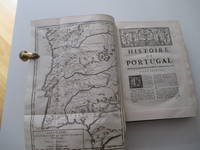
173519061AB1735. 2 volumenes Paris Chez Pierre-Francois Giffart 1735 26 : 19 cm. 14 leaves 783 pages; 18 leaves 844 pages with three many folded maps. Contemporary calf spine richly decorated in gold 2 back labels. The history of Portugal by Nicolas de La Clede 1689-1736 describes from the beginning the customs and wars of the Lusitians there state during the domination of the Romans the invasion of the Goth and Moors the creation of the state of Portugal under the reign of Henry and Alfonse until the reign of Rey Jean V. "On n' a rien de plus complete ni de plus exact sur ce royaume. L'origine les moeurs et las usages des Portugais les differentes revolutions qu'ils ont éprouvées leurs conquètes dans les Indes y sont rapportées avec autant de Fidélité que d'exactitude" Querand Biographie universelle. - Title with small stamp ocassionally in the lower right part small stains; the beautiful binding only a bit rubbed. unknown
182212181Lisboa: Impresa Nacional 1822. Lisboa Imprensa Nacional 1822. En 8º mayor. 100 pp. Encuadernación en cartoné tejuelo de piel en el plano superior con letrerÃa dorada. Primera edición de la primera Constitución Portuguesa votada en Cortes extraordinarias y constituyentes el 23 de Septiembre de 1822 y aceptada por el rey D. João VI en octubre del mismo año. Considerada como un triunfo de los liberales contenÃa 240 artÃculos en su mayorÃa inspirados cuando no directamente copiados de la constitución española de 1812: cesión de soberanÃa al pueblo e independencia de los poderes legislativo ejecutivo y judicial. Esta es la Constitución que los Andradas y otros diputados brasileños se negaron a firmar. Bien acogida en un principio por los brasileños supuso al final el detonante de la independencia de Brasil. Varios dÃas antes de la publicación del "Suplemento" en Lisboa las Cortes declararon el gobierno brasileño subordinado a la constitución lo que fue rechazado por los representantes brasileños quienes comandados por Andradas declararon la independencia de Brasil en 1822. Inscripción en tinta en la portada ligeras manchas ocasionales papel ligeramente tostado. Impresa Nacional unknown
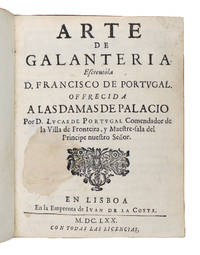
167012054Lisboa: Juan de la Costa 1670. 178x139mm. 7x5½". Lisboa Juan de la Costa 1670. En 4º 178 x 139mm. 12 128 pp. Encuadernación del siglo dieciocho en holandesa pergamino tejuelo en piel en la lomera con letrerÃa dorada. Primera edición de este apreciado libro de poesÃa portuguesa dedicado a la galanterÃa el único tratado sobre este tema publicado en el siglo diecisiete. El libro se escribió en 1628 pero no se publicó hasta 1670. El autor escribió el libro basándose en sus vivencias en la corte madrileña de Felipe IV pero mirando con nostalgia el pasado de la antigua corte portuguesa. La obra ofrece todo el ceremonial de la galanterÃa en un cancionero. Dice Palau: "cuentos alegorÃas dichos agudos sentencias chistesen prosa con intercalados en verso". Francisco de Portugal 1585-1632 era descendiente de Vasco de Gama y I Conde de Vimioso. Se publicó una segunda edición en 1682. Buen ejemplar. Juan de la Costa hardcover
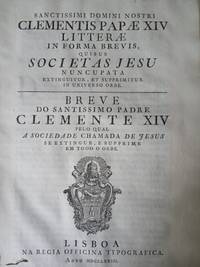
GD86<p>Breve do Santíssimo Padre Clemente XIV pelo qual A Sociedade Chamada de Jesus Se extingue e suprime em Todo Orbe. Publicado por Na Officina Typografica Lisboa Primeira edição Portuguesa. 1773 . Muito raro. Documento de grande importância histórica. Textos em latim e português 46 páginas. Impressão original com marcas d ´água. Documento foi periciado por aquivo público e foi constatada sua autenticidade e que sua origem não provém de nenhum arquivo público. Coleção Graphos Arte.</p><p>Brief of the Most Holy Father Clement XIV by which the Society Called Jesus is extinguished and suppressed throughout the World. Published by Na Officina Typografica Lisbon First Portuguese edition. 1773 . Very rare. Document of great historical importance. Texts in Latin and Portuguese 46 pages. Original print with watermarks. The document was examined by a public archive and its authenticity was confirmed and that its origin does not come from any public archive. Graphos Art Collection.</p>
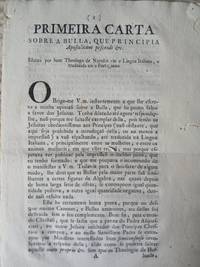
GD87<p>Cartas aprócrifas críticas ao 'Apostolicum pascendi'" de 1765 em defesa dos Jesuítas provavelmente escritas a mando do Marquês de Pombal para se contrapor à defesa do papa Clemente XIV dos jesuítas. Raríssima publicação. Nenhum exemplar registrado no Brasl. 44 páginas. Século XVIII. Impressão original com marcas d ´água. Documento foi periciado por aquivo público e foi constatada sua autenticidade e que sua origem não provém de nenhum arquivo público. Coleção Graphos Arte.</p><p>Apocryphal letters critical of the 'Apostolicum pascendi'" from 1765 in defense of the Jesuits probably written at the behest of the Marquis of Pombal to counter Pope Clement XIV's defense of the Jesuits. Very rare publication. No copy registered in Brazil. 44 pages. 18th century. Original print with watermarks. Document was examined by public archive and its authenticity was confirmed and that its origin does not come from any public archive. Graphos Arte Collection.</p>
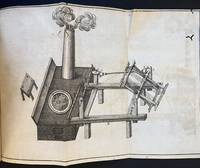
17874368Lisbon: press of the Royal Academy of Sciences 1787. Narrow 4to 209 x 118 mm. 8 xiii 3 175 pages. Title-leaf fol. 2 present in duplicate. Folding engraved plate of a mechanical silk loom; titles with woodcut arms of the Portuguese Royal Academy of Sciences woodcut and typographic headpieces occasional slight discoloration small wormtrack in the folding plate. Contemporary cat’s-paw polished sheep covers with gilt border spine in six gold-tooled compartments the second gilt lettered edges gilt and gauffered recased endpapers renewed defect in top spine compartment a dozen small wormholes. Provenance: António Romão dos Passos 1866-1951 signature in ink Antonio Passos / agronomo or Anto R. Passos scrawled across both titles the first with price note and on six text leaves. <br /> <br /> Only edition of a comprehensive overview of the Portuguese silk industry by the judicial magistrate of the Moncorvo district and author of several works on political economy and history of law. José Antonio de Sá d. 1819 a native of Bragança was an important proponent of modernization of the industry and later served as director of the Royal Silk Factory Real Fábrica das Sedas founded in 1802 in Lisbon. He was one of the earliest members of the Academia Real das Sciencias of Lisbon.<br /> <br /> Silkworms were raised in Portugal as early as the 13th century. Sericulture and silk production were concentrated in the northeastern province of Trás-os-Montes its largest center being the city of Bragança which from the 15th to 17th century was known throughout Europe for its luxurious velvets. Because of the lack of government support for industry frequent wars and above all the persecutions of the Inquisition which decimated an industry in all sectors of which Jews or converted Jews cristãos-novos played a major role Portuguese silk production suffered from intermittent crises and was even periodically decimated. Starting in the 1770s efforts to revive the industry began to have an effect: <br /> <br /> “By the end of the 18th century the Trás-os-Montes silk industry had dragged itself out of the crisis that had begun in 1750-1755 coinciding with the last incursion of the Inquisition into Bragança and embarked upon a period of great development accompanying the industrial expansion that was then taking place not only in that particular region but throughout the Portuguese kingdom. After the Inquisition’s systematic persecution of businessmen weavers and throwers had finally come to an end the continuity and expansion of the silk industry seemed to be a viable prospect. In the last two decades of the 18th century a remarkable process of modernization took place thanks to the efforts of the businessmen involved in this economic activity such as António José Lopes Fernandes who installed 200 silk looms in Bragança magistrates such as José António de Sá and Pereira de Barros and politicians such as Martinho de Melo e Castro and Rodrigo de Sousa Coutinho the latter being the Portuguese ambassador to Piedmont Italy. These efforts included the adoption of Piedmontese methods and techniques namely the organzine mill and the spinning-jenny the most advanced ones at that time in Europe in an operation led by experts coming to Portugal from that Italian region.†Sousa p. 6<br /> <br /> Sá’s work is in three parts. The first part comprises an overview of the history of silk production starting with Antiquity and summaries of the industry and government policies toward it in other countries followed by a detailed recommendation with responses to projected objections that the Portuguese government undertake a campaign to plant mulberry trees and promote the industry generally. Part two is a treatise on the silkworm and part three a technical survey of “the art of silk spinning.†Explained in the text pp. 142-148 is the letter- and number-keyed engraving of a rather fanciful machine showing a vat for softening the cocoons heating on the left from which a thread-unwinding mechanism feeds a loom on the right. <br /> <br /> The reason for the duplicated title-leaf in this copy is not clear. Perhaps one functioned as an upper wrapper — but as both titles are preceded by a half-title that appears unlikely. The book collector Antonio Romão dos Passos b. February 28 1866 was an engineer and agronomist. Other books from his library all on practical subjects are recorded; four are digitized by the Biblioteca Nacional Digital de Portugal. One a treatise on hemp has a similar indelicately scrawled signature across the title. <br /> <br /> OCLC gives six US locations. Innocencio Diccionario bibliographico portuguez IV: 246 no. 2658; Kress Luso-Brazilian Economic Literature Before 1850 p. 4. Cf. F. Sousa “The Silk Industry In Trás-Os-Montes During The Ancient Regime†E Journal of Portuguese History Vol. 3 no. 2 Winter 2005 digitized. press of the Royal Academy of Sciences unknown
168880629London: for James Knapton 1688. First Edition in English. Small 4to 21cm. Later marbled paper-covered boards with gilt morocco spine label; vi70pp. Mild external aging and wear; text quite fresh a few leaves trimmed close at top edge but with no loss of printed area; easily Very Good. A most attractive copy. <br /> <br /> A celebrated account of suffering under the Portuguese Inquisition. Dellon a French medical doctor and naturalist settled at Daman on the western coast of India around 1673 where he began a private medical practice. Within a year he was taken prisoner by the Inquisition accused among other crimes of blaspheming against the adoration of the crucifix. He was transported to Goa where he was held for two years under harsh conditions before being shipped to Lisbon where he was finally released in 1675. This account of Dellon's sufferings first appeared in Leiden 1687; in Paris a year later then rapidly went into English German and Dutch translations. Howgego: "Although long regarded purelyi as a work of propaganda recent research has testified to its accuracy." HOWGEGO I:304. WING D941. for James Knapton unknown
16291276Christopher Prince of Portugal's biographical portrait of his father Antonio Prior de Crato 1531-1595 illegitimate son of Prince Louis Duke of Beja and claimant to the Portuguese throne. Antonio - who glories in such names as 'The Determined' 'The Fighter' 'The Independentist' and 'The Resistant' - was proclaimed King of Portugal on 19th July 1580 but was defeated on 25th August at the Battle of Ancântara by the armies of rival claimant Philip II of Spain led by Fernando Ãlvarez de Toldedo Duke of Alba. After his defeat Antonio fled to the Azores where he minted coin organised resistance to Philip's rule and established an opposition government that lasted until 1783. <p>As a Knight of Malta Antonio never married but is thought to have fathered ten illegitimate children. One of these Christopher author of the present work was born in Tangier in April 1573. Always an ardent champion of his father's claims he continued to fight his father's cause long after his death in 1595. This biography of his father contains several interesting documents relating to Dom Antonio's applications for foreign help in fighting Philip II and regaining the throne most notably to the court of Elizabeth I. This work is very much part of a political campaign: it contains a lengthy dedication to the young Louis XIII of France discussing the role of his parents in Antonio's struggle and an <i>Avertissement au lecteur</i> in which Christopher makes a plea for French involvement pointing out that the royal line of Portugal is in direct descent from the French royal family. <br /></p><p><i>8vo 170 x 110mm pp. xvi 302 2 engraved arms of the King of Portugal to title woodcut initial and headpiece slight yellowing upper edge a bit dusty</i> <i>in contemporary vellum spine painted in black with six compartments marked by gilt tooling where the raised bands would be five of the compartments with central gilt monogram DG within decorative gilt cornerpieces the sixth compartment with orange morocco label lettered in gilt blind filet along sides of spine gilt edges with the later bookplate of Annibal Fernandes Thomaz and an early manuscript number possibly shelfmark on the rear pastedown.</i></p><p>OCLC lists BL Harvard Johns Hopkins Catholic University of America and Kansas. </p> Gervais Alliot
AQ11379s.i. Portugal: s.n. 1815 In two volumes. 47pp 3 the remainder blank; 12 blank leaves with alphabetized tabs 35ff 41ff the remainder blank with some newspaper clippings relating to WW1 tipped in at end. A printed broadside 'Instructions to Cashiers of Military Chests' is pasted to the FEP of each volume. Contemporary reverse calf with attractive black morocco gilt lettering-pieces to upper board of each volume marbled endpapers. Rubbed and marked with some loss to calf at edges and bumping to corners. A fascinating pair of early nineteenth-century manuscripts albeit sparsely filled consisting of the details of substantial payments made on behalf of the British Army in Portugal and corresponding transfers between military chests and pay offices in Almeida and Lisbon during the tumultuous months of 1815 which saw Napoleon's return from exile in Elba the Hundred days rule and the final defeat of his French army at the Battle of Waterloo. The day book records money received and paid out and in some cases the circumstances such as receipts and instructions from various pay offices and military figures including 'Mr Commissary General Murray' and 'Ac Comm'y Gn. St Remy' - with the vast majority of the payments made to Portuguese individuals - whilst the ledger the corresponding folios of which are referenced to each payment in the day book in red ink contains double-entry debit and credit accounts. As the printed instructions notes the day book therefore includes 'every Circumstance relating to the Military Chest which may be in the least Degree important at the Time or which the Day of its Occurrence' whilst the ledger 'consists of a General Cash Account and of as many other separate Accounts as there are Species of Coin Bullion or Paper Money to be accounted for'. . Folio. [s.n., 1815] unknown