Darling, Sharon SBiblio.com

3 141 résultats
198926215Erie PA: Erie Art Museum 1989. 1st. Hardcover. Fine/Near Fine. 11.5x9.3x0.8in. dust jacket with touch of fading to spine. Dust jacket in clear protector. <br>The catalogue of an exhibition at the Erie Art Museum from July 8 to October 15 1989 and the Chicago Historical Society from November 18 1989 to February 18 1990 this book is an extensive history of Teco art pottery and its technology illustrated with 83 black and white figures and 60 color plates and includes an inventory of Teco shapes illustrated with line drawings and biographies of Teco designers. <br>191pp 2.40lb 11.5x9.3x0.8in Erie Art Museum hardcover
2025x-9819525012Springer Nature 2025. Hardcover. New. 300 pages. 9.26x6.11x9.21 inches. Springer Nature hardcover
52768846like new. unknown
52768846-nnew. unknown
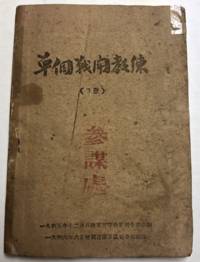
1946AG-10067<p>CHINA - Defense Fighting Jin-Ji-Lu-Yu Military Region: Published by the Commander of Eighth Route Left-Behind Corps in December 1945 reprinted by Commander of Jin-Ji-Lu-Yu Military Region June 1946 volume 2 of 2 with red Chinese characters on front cover: <i>General Staff</i>. This book illustrated techniques of defense and fighting back one on one in many different combat situations and warfare chiefly directed for military use. 12mo ii 69 pp. started from 37 to 105 8 large folded picture maps many images on each folded sheet <i>minor wear occasionally strengthened at folds cello-tape repair to spine and right top of front cover good.</i><br /></p><p><b>å•ä¸ªæˆ˜æ–—教练</b></p><p>晋冀é²è±«å†›åŒºï¼š1945å¹´12月八路军留守军团å¸ä»¤éƒ¨å‡ºç‰ˆï¼Œ1946年晋冀é²è±«å†›åŒºå¸ä»¤éƒ¨ç¿»å°ã€‚下册,书å°çš®çº¢è‰²å—体为"å‚谋处"å—æ ·ã€‚ä¹¦å†…éƒ¨å¸¦æœ‰8处粘贴的注释折å 图。共68页(从37页到105页), 书脊处和å°çš®å³ä¸Šè§’有胶带粘贴修补。其他å“相很好。</p> Commander of Eighth Route Left-Behind Corps paperback
45369952-nnew. unknown
033158459X.Ghardcover. Good. Access codes and supplements are not guaranteed with used items. May be an ex-library book. hardcover
1333588801.Gpaperback. Good. Access codes and supplements are not guaranteed with used items. May be an ex-library book. paperback
1957705415PN. New. 1957. Soft Cover. Date is original print. This is a reprint edition. . PN paperback
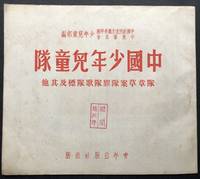
1950H20534Beijing Shanghai: Central Committee 1950. First printing. Paperback. Very Good. Published May 1950. 7.5 x 6.5 inches wraps very good some tanning and light wear 16 pp illustrated throughout. In Chinese and very rare. Guidebook for a national system of teams that belong to a youth league with suggestions for songs how to make a banner or flag types of uniforms how to conduct meetings ceremonies etc. Rare educational booklet from the early days of the Republic of China. Central Committee paperback
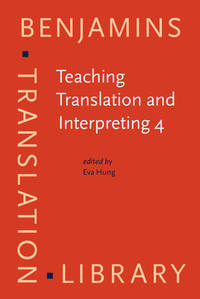
2002mon0003500873John Benjamins Pub Co 2002-07-01. Like New. 0.7000 8.9000 5.9000. The copy is like new and sealed in its original plastic. The overwrap has some small tears. John Benjamins Pub Co unknown
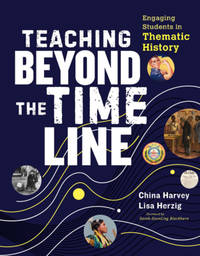
2024x-0325170746Heinemann 2024. Paperback. New. 184 pages. 10.90x8.30x0.46 inches. Heinemann paperback
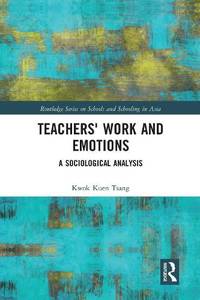
ria9780367583965_inpPaperback / softback. New. New Book; Fast Shipping from UK; Not signed; Not First Edition; Focusing on teachers in Hong Kong Tsang investigates the social mechanisms that arouse such negative emotional experiences otherwise known as caam. He asserts that these feelings are socially constructed and it is only by understandi paperback
19812090202118203364Tankosha 1981. Soft Cover. Fine. The book is in fine condition. Tankosha paperback
19952090202118203897Tatara Study Group 1995. Soft Cover. Fine. The book is in fine condition. Tatara Study Group paperback
19832080702109502880Nigensha 1983. Soft Cover. Fine. Number of pages: 1 volume 1 commentary Nigensha paperback
19922091202133102722Not Available 1992. Soft Cover. Fine. Volume: 1 Not Available paperback
19692090502113717484Not Available 1969. Soft Cover. Fine. The book is in fine condition. Not Available paperback
19382091502135420565North China Affairs Agency 1938. Soft Cover. Fine. Number of books: 1 North China Affairs Agency paperback
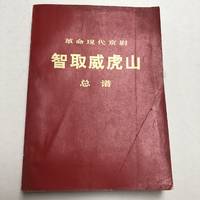
1971AG10051<p>Beijing: Published by People's Publishing House printed by Beijing Xinhua Printing Factory distributed by Xinhua Bookstore August 1971<b> FIRST EDITION</b>. The July 1970 Script Revised and Performed Collectively by Shanghai Peking Opera Troupe. 8vo. xii 425 3 pp. Colophon. Quotations from Chinaman Mao on the second and third page. Printed red tilted wrappers <i>minor crease to the cover minor tear to the foot of the binding else fine condition.</i><br /></p><p>《智å–å¨è™Žå±±ã€‹æ€»è°±</p><p>北京: 人民出版社出版,å‰2页带有毛主å¸è¯å½•ï¼Œ1971å¹´8月出版,由上海京剧团《智å–å¨è™Žå±±ã€‹å‰§ç»„改å˜é›†ä½“演出,1970年演出本。第一版第一å°ã€‚å°çš®ç¨å¾®æœ‰åˆ’痕,其他完好。</p><p>In China revolutionary operas or model operas Chinese: yangban xi æ ·æ¿æˆ were a series of shows planned and engineered during the Cultural Revolution 1966–1976 by Jiang Qing the wife of Chairman Mao Zedong.1 They were considered revolutionary and modern in terms of thematic and musical features when compared with traditional Chinese operas. Many of them were adapted to film.</p><p>Originally eight revolutionary operas Chinese: Ba Ge Yangban Xi å…«ä¸ªæ ·æ¿æˆ were produced eighteen by the end of the period. Instead of the "emperors kings generals chancellors maidens and beauties" of the traditional Peking opera which was banned as "feudalistic and bourgeois" they told stories from China's recent revolutionary struggles against foreign and class enemies. They glorified the People's Liberation Army and the bravery of the common people and showed Mao Zedong and his thought as playing the central role in the victory of socialism in China. Although they originated as operas they soon appeared on LPs in comic books lianhuanhua on posters postcards and stamps; on plates teapots wash basins cigarette packages vases and calendars. They were performed or played from loudspeakers in schools factories and fields by special performing troupes. The Eight Model Operas dominated the stage in all parts of the country during these years leading to the joke "Eight hundred million people watched eight shows."</p><p>本剧是文é©æ—¶æœŸçš„å…«å¤§æ ·æ¿æˆä¹‹ä¸€ã€Šæ™ºå–å¨è™Žå±±ã€‹ï¼Œç”±æ¯›ä¸»å¸å¤«äººæ±Ÿé’负责制作和演出。很多被æ‹æˆäº†ç”µå½±ã€‚</p><p>最åˆæœ‰å…«ä¸ªæ ·æ¿æˆï¼ŒåŽæ¥åœ¨æ–‡é©æ—¶æœŸçš„åŽæœŸå‘展到了18个。ä¸åƒå› å°å»ºå’Œèµ„产阶级的被ç¦äº†çš„ä¼ ç»Ÿäº¬å‰§ï¼Œé‡Œé¢å‡ºçŽ°çš„ä¸çš„国王大臣少女和美人,é©å‘½çŽ°ä»£äº¬å‰§ä¸»è¦è®²è¿°ä¸å›½è¿‘å¹´æ¥çš„抗战故事,宣扬人民解放军的光辉è£è€€å’Œæ¯›ä¸»å¸çš„英勇。虽然是京剧,很快就å˜æˆäº†å„ç§å½¢å¼å‡ºçŽ°åœ¨è¿žçŽ¯ç”»ã€æµ·æŠ¥ã€æ˜Žä¿¡ç‰‡ã€é‚®ç¥¨ã€é¦™çƒŸã€èŠ±ç“¶ã€æ—¥åŽ†ç‰å„ç§åœ°æ–¹ï¼Œç”¨æ‰©éŸ³å–‡å在å¦æ ¡ã€å·¥åŽ‚ç‰åœ°æ–¹ï¼Œç”±æ¼”出团进行表演。8ä¸ªæ ·æ¿æˆä¸»å¯¼äº†å…¨å›½æ‰€æœ‰çš„舞å°ï¼Œå› æ¤æœ‰äº†8亿人共看8个剧的笑è¯ã€‚</p> People’s Publishing House paperback
1971AG-10054<p>Beijing: Published by People's Publishing House printed by Beijing Xinhua Printing Factory distributed by Xinhua Bookstore January 1971 <b>FIRST EDITION</b>. The July 1970 Script Revised and Performed Collectively by Shanghai Peking Opera Troupe. 8vo vi 397 pp. colophon consists of scripts stage photos selected theme score stage action instruction and the stage design started with quotations from Chairman Mao on the second and third page printed color stage photos and instructions inside printed pictorial wrappers <i>slightly curled at the head and foot of the wrappers else very good condition.</i><br /></p><p><i>北京:人民出版社出版,1971年第一版,由上海京剧团《智å–å¨è™Žå±±ã€‹å‰§ç»„集体改编åŠæ¼”出。本书包括了剧本ã€ä¸»æ—‹å¾‹ã€å‰§ç…§ã€åŠ¨ä½œæŒ‡å¯¼ã€èˆžå°ç¾Žæœ¯ç‰å†…容。包括éžå¸¸å¤šçš„照片。书皮上下ç¨å¾®å·èµ·ï¼Œæ— ç ´æŸï¼Œå“相éžå¸¸å¥½ã€‚</i></p><p>In China revolutionary operas or model operas Chinese: yangban xi æ ·æ¿æˆ were a series of shows planned and engineered during the Cultural Revolution 1966–1976 by Jiang Qing the wife of Chairman Mao Zedong.1 They were considered revolutionary and modern in terms of thematic and musical features when compared with traditional Chinese operas. Many of them were adapted to film.<br /></p><p>Originally eight revolutionary operas Chinese: Ba Ge Yangban Xi å…«ä¸ªæ ·æ¿æˆ were produced eighteen by the end of the period. Instead of the "emperors kings generals chancellors maidens and beauties" of the traditional Peking opera which was banned as "feudalistic and bourgeois" they told stories from China's recent revolutionary struggles against foreign and class enemies. They glorified the People's Liberation Army and the bravery of the common people and showed Mao Zedong and his thought as playing the central role in the victory of socialism in China. Although they originated as operas they soon appeared on LPs in comic books lianhuanhua on posters postcards and stamps; on plates teapots wash basins cigarette packages vases and calendars. They were performed or played from loudspeakers in schools factories and fields by special performing troupes. The Eight Model Operas dominated the stage in all parts of the country during these years leading to the joke "Eight hundred million people watched eight shows."</p><p>本剧是文é©æ—¶æœŸçš„å…«å¤§æ ·æ¿æˆä¹‹ä¸€ã€Šæ™ºå–å¨è™Žå±±ã€‹ï¼Œç”±æ¯›ä¸»å¸å¤«äººæ±Ÿé’负责制作和演出。很多被æ‹æˆäº†ç”µå½±ã€‚</p><p>最åˆæœ‰å…«ä¸ªæ ·æ¿æˆï¼ŒåŽæ¥åœ¨æ–‡é©æ—¶æœŸçš„åŽæœŸå‘展到了18个。ä¸åƒå› å°å»ºå’Œèµ„产阶级的被ç¦äº†çš„ä¼ ç»Ÿäº¬å‰§ï¼Œé‡Œé¢å‡ºçŽ°çš„ä¸çš„国王大臣少女和美人,é©å‘½çŽ°ä»£äº¬å‰§ä¸»è¦è®²è¿°ä¸å›½è¿‘å¹´æ¥çš„抗战故事,宣扬人民解放军的光辉è£è€€å’Œæ¯›ä¸»å¸çš„英勇。虽然是京剧,很快就å˜æˆäº†å„ç§å½¢å¼å‡ºçŽ°åœ¨è¿žçŽ¯ç”»ã€æµ·æŠ¥ã€æ˜Žä¿¡ç‰‡ã€é‚®ç¥¨ã€é¦™çƒŸã€èŠ±ç“¶ã€æ—¥åŽ†ç‰å„ç§åœ°æ–¹ï¼Œç”¨æ‰©éŸ³å–‡å在å¦æ ¡ã€å·¥åŽ‚ç‰åœ°æ–¹ï¼Œç”±æ¼”出团进行表演。8ä¸ªæ ·æ¿æˆä¸»å¯¼äº†å…¨å›½æ‰€æœ‰çš„舞å°ï¼Œå› æ¤æœ‰äº†8亿人看8个剧的笑è¯ã€‚</p><p><i><br /></i></p> People’s Publishing House paperback
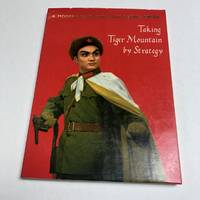
1971AG-10059<p>Beijing: Published by Foreign Language Press 1971 <b>FIRST EDITION.</b> The July 1970 Script Revised by "The Taking Tiger Mountain by Strategy" Group of Peking Opera Troupe of Shanghai. Large 8vo. XXX 113 6 pp. colophon with 3 pages Quotations from Chairman Mao. Printed pictorial wrappers <i>minor tear to the foot edge of the front cover minor curled at the head edge of the front cover else very good condition.</i><br /></p><p>北京:外文出版社出版,1971年第一版,由ä¸å›½äº¬å‰§å›¢æ ¹æ®1970年剧本è”åˆæ”¹ç¼–。å‰é¡µå¸¦æœ‰æ¯›ä¸»å¸è¯å½•ã€‚å°çš®é¡¶éƒ¨ç¨æœ‰ç£¨æŸï¼Œå…¶ä»–部分å“相éžå¸¸å¥½ã€‚</p><p><br /></p><p>In China revolutionary operas or model operas Chinese: yangban xi æ ·æ¿æˆ were a series of shows planned and engineered during the Cultural Revolution 1966–1976 by Jiang Qing the wife of Chairman Mao Zedong.1 They were considered revolutionary and modern in terms of thematic and musical features when compared with traditional Chinese operas. Many of them were adapted to film.</p><p>Originally eight revolutionary operas Chinese: Ba Ge Yangban Xi å…«ä¸ªæ ·æ¿æˆ were produced eighteen by the end of the period. Instead of the "emperors kings generals chancellors maidens and beauties" of the traditional Peking opera which was banned as "feudalistic and bourgeois" they told stories from China's recent revolutionary struggles against foreign and class enemies. They glorified the People's Liberation Army and the bravery of the common people and showed Mao Zedong and his thought as playing the central role in the victory of socialism in China. Although they originated as operas they soon appeared on LPs in comic books lianhuanhua on posters postcards and stamps; on plates teapots wash basins cigarette packages vases and calendars. They were performed or played from loudspeakers in schools factories and fields by special performing troupes. The Eight Model Operas dominated the stage in all parts of the country during these years leading to the joke "Eight hundred million people watched eight shows."</p><p>本组剧本属于文é©æ—¶æœŸçš„å…«å¤§æ ·æ¿æˆï¼Œç”±æ¯›ä¸»å¸å¤«äººæ±Ÿé’负责制作和演出。很多被æ‹æˆäº†ç”µå½±ã€‚</p><p>最åˆæœ‰å…«ä¸ªæ ·æ¿æˆï¼ŒåŽæ¥åœ¨æ–‡é©æ—¶æœŸçš„åŽæœŸå‘展到了18个。ä¸åƒå› å°å»ºå’Œèµ„产阶级的被ç¦äº†çš„ä¼ ç»Ÿäº¬å‰§ï¼Œé‡Œé¢å‡ºçŽ°çš„ä¸çš„国王大臣少女和美人,é©å‘½çŽ°ä»£äº¬å‰§ä¸»è¦è®²è¿°ä¸å›½è¿‘å¹´æ¥çš„抗战故事,宣扬人民解放军的光辉è£è€€å’Œæ¯›ä¸»å¸çš„英勇。虽然是京剧,很快就å˜æˆäº†å„ç§å½¢å¼å‡ºçŽ°åœ¨è¿žçŽ¯ç”»ã€æµ·æŠ¥ã€æ˜Žä¿¡ç‰‡ã€é‚®ç¥¨ã€é¦™çƒŸã€èŠ±ç“¶ã€æ—¥åŽ†ç‰å„ç§åœ°æ–¹ï¼Œç”¨æ‰©éŸ³å–‡å在å¦æ ¡ã€å·¥åŽ‚ç‰åœ°æ–¹ï¼Œç”±æ¼”出团进行表演。8ä¸ªæ ·æ¿æˆä¸»å¯¼äº†å…¨å›½æ‰€æœ‰çš„舞å°ï¼Œå› æ¤æœ‰äº†8亿人看8个剧的笑è¯ã€‚</p> Foreign Language Press paperback
19972080502106904936Not Available 1997. Soft Cover. Fine. The book is in fine condition. Not Available paperback
1997Q-9622381251Hai Feng Publishing Co 1997-01-01. Paperback. New. In shrink wrap. Looks like an interesting title! Hai Feng Publishing Co paperback
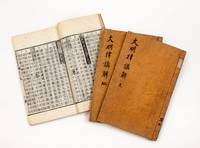
913569; 84; 102 folding leaves. 30 parts in three vols. Large 8vo 306 x 202 mm. orig. patterned yellow-brown wrappers new stitching. Korea: final volume with date 1903.<br /> <BR> <BR> A rare metal movable type edition printed at the Ministry of Justice in Seoul in 1903 using a font cut in 1816. The text was originally compiled in ChosÅn Korea on royal command in ca. 1440. The earliest edition that can be confidently dated was printed by woodblocks in KyÅngju in 1536.<br /> <BR> <BR> The text explains the descriptions of crimes and punishments contained in the Great Ming Code which was the penal code of the Chinese Ming empire 1368-1644. This book in the form in which we now have it is the result of a series of revisions in the late 14th century. It represents an important moment in Chinese legal history as a kind of legal Renaissance in that it was deliberately modeled on the centuries-old Tang code whereas the preceding Mongol Yuan empire had not had an official Chinese legal code. <br /> <BR> <BR> The Ming legal code was very influential in East Asia. In Korea the Ming code’s influence can be discerned already in the second half of the 15th century when we see references in the penal section in the official collection of statutes specifying that certain matters should be handled according to the Ming code. Even in the last Korean code issued before the advent of Japanese rule dated 1905 the influence of the Ming code is still discernable.<br /> <BR> <BR> Our edition of the book belongs to the uncertain period in the late 19th and early 20th centuries when the Korean leadership tried to navigate between the surrounding empires and establish the country as an independent state. The laws of Ming China which had collapsed more than two and a half centuries earlier were still being studied by prospective officials in the Korean judiciary on the eve of the Russo-Japanese War which made Korea a Japanese protectorate.<br /> <BR> <BR> Our edition was printed with metal movable type using the chÅnsaja å…¨å²å— set. This copper font of approximately 20000 characters was cast privately in 1816 by Pak ChonggyÅng 朴宗慶.<br /> <BR> <BR> Fine and handsome set. A seal states that this set belonged to the collection of the Institute for the Training of Officials for the Judiciary PÅpkwan YangsÅngso 法官養æˆæ‰€ in Seoul founded in 1895 as part of an attempt to modernize the civil service. It was intended as a textbook for the institute’s students.<br /> <BR> <BR> "At the end of the book is a double leaf of errata a novelty among Korean government publications" Fang The Asami Library 18.45 <br /> <br> <br> <br /> References<br /> <br> <br> <br /> Fang Chaoying. The Asami Library: A Descriptive Catalog. Edited by Elizabeth Huff. Berkeley: University of California Press 1969.<br /> <br> <br> Jiang Yonglin trans. The Great Ming Code. Seattle: University of Washington Press 2014.<br /> <br> <br> Tanaka Toshimitsu ç”°ä¸ä¿Šå…‰. “ChÅsen kan Daiminritsu kÅkai†æœé®®åˆŠã€Žå¤§æ˜Žå¾‹è¬›è§£ã€ã«ã¤ã„㦠TÅyÅ hÅseishi kenkyÅ«kai tsÅ«shin æ±æ´‹æ³•åˆ¶å²ç ”究会通信 no. 28 2015. unknown