2 592 résultats
New Turkish Original bdg. HC. 4to. (28 x 20 cm). In Turkish. 387 p., ills. Abdulvahap Sancaktar Tepesi sondaj kazilari (Nikaia Studies 1 = Nikaia Arastirmalari 1). Nikaia (Nicaea or Nicea) was an ancient Greek city in northwestern Anatolia, and is primarily known as the site of the First and Second Councils of Nicaea (the first and seventh Ecumenical councils in the early history of the Christian Church), the Nicene Creed (which comes from the First Council), and as the capital city of the Empire of Nicaea following the Fourth Crusade in 1204, until the recapture of Constantinople by the Byzantines in 1261. Nikaia Excavations of first book of this serie includes Excavations in Abdulvahap Sancaktar Hill.
New New German Original bdg. Dust wrapper. 4to. (29 x 21 cm). In Turkish with German preface. [xix], 281 p., [xcviii] b/w plates. Miletopolis kökenli figürlü mezar stelleri ve adak levhalari. [= Grab- und Votivreliefs aus Miletupolis und Umgebung].
New Turkish Original bdg. HC. 4to. (30 x 21 cm). In Turkish and Ottoman documents. [xiv], 408 p., ills., tables, maps, facsimile documents. Includes bibliographical references p. 367-382 and index p. 361-366. Osmanli döneminde Inegöl: 19. yüzyilda sosyo-kültürel ve ekonomik hayat. Inegöl district of Bursa city in the Ottoman documents. Socio-cultural and economic life in the 19th century in Inegöl.
New Turkish Paperback. Large 8vo. (21 x 19,5 cm). In Turkish. 271 p., b/w ills. Arkeolojik verilerin isiginda Ortaçag Komana'si: Çok disiplinli bir yaklasim. A study on Medieval Komana.
Fine Turkish Paperback. Cr. 8vo. (20 x 14 cm). In Turkish. [xviii], 225 p., xvi numerous b/w plates, tables and documents. Istanbul'daki Protestan kiliseler. Protestan churches in Istanbul.
New English Paperback. Pbo. 4to. (28 x 20 cm). In German; and Turkish abstract. [x], 244 p., many b/w plates. In der vorliegenden Arbeit wurden die aufgestützten/angelehnten weiblichen Figuren der griechischen Marmorplastik zum ersten Mal zusammengestellt und in zwei großen Abschnitten untersucht. Anhand der Stilanalysen sowie der Beobachtungen an technischen Aspekten konnten wichtige Ergebnisse erzielt werden. Darüber hinaus konnten die ästhetisch-formalen Aspekte des untersuchten Bildmotivs herausgearbeitet werden. Aus der nachparthenonischen Zeit stammen, neben den aufgestützten/angelehnten zahlreiche andere Standbilder der Aphrodite. Aufgrund der fehlenden oder unzureichenden archäologischen sowie inschriftlichen Zeugnisse und wegen der spärlichen Quellenlage kann nahezu keine von ihnen mit Sicherheit mit einem bestimmten Heiligtum resp. dessen Kultbild in eine direkte Verbindung gebracht werden, wie in der bisherigen Forschung wiederholt vorgenommen wurde. Man kann nur hoffen, dass in der Zukunft diesbezügliche Funde oder andersartige Belege auftauchen, die das heutige Bild verändern können. Nach der Mitte des 2. Jhs. v. Chr. brachte die hellenistische Kunst zahlreiche aufgestützte/angelehnte weibliche Figuren hervor. Anhand einer eingehenden Beobachtung konnten diese klassifiziert werden. Wichtig war zudem, einen zeitlichen Rahmen, besonders obere Grenze(n), für den untersuchten Gegenstand zu bestimmen, welche durch die Gegenüberstellungen mit verschiedenen späthellenistischen Werken gewährleistet werden konnte. Der überwiegende Teil der hellenistischen aufgestützten und/oder angelehnten Figuren orientiert sich vielmehr an ,Vorbildern' wie den Musen, dem ,Apollon Kyrene' und dem Hermaphrodit aus Pergamon, die zeitlich unmittelbar vorangehen, also nicht an klassischen Aphroditen, wie in der bisherigen Forschung wiederholt postuliert wurde. Sie übernehmen dabei nicht nur Stand- und Stützmotive von diesen sondern auch Gewandformen. Man bedient sich dabei einer eklektischen, als ein besonderes Phänomen des Späthellenismus zu betrachtenden Darstellungsweise für diese Figuren, welche dadurch als genuine Schöpfungen ihrer Zeit zu gelten haben.
Fine English Paperback., Very good., 20 x 14 cm, [4], 211 p. "Yunus Emre'de tasavvuf ve egitim., MUSTAFA ERGÜN, Özmert Ofset, Malatya, 1991"
Very Good English Paperback. Folio. (35 x 24 cm). In English and Turkish. [xLix], 74 p., plates and facsimiles. Text in Hittite; prefatory material in Turkish and English. Bogazköy tablets in the Archaeological Museums in Istanbul IV.= Istanbul Arkeoloji Müzelerinde bulunan Bogazköy tabletleri IV.
Fine English Paperback. Pbo. Cr. 8vo. (19 x 13 cm). In Turkish and Kurdish. 119 p. Dersim'de dualar, atasözleri, mecazlar, bilmeceler, sasirtmacalar.= Dêrsim de diwayi qesê pi-kalikan erf u mecazi çibenoki xeletnayêni.
New English Paperback. Pbo. Demy 8vo. (21 x 15 cm). In English. 352 p., color and b/w ills. Luqman the Wise, Galenus of Pergamon. [Bergama Belleten -18].
New English Paperback. Pbo. Roy. 8vo. (24 x 17 cm). In Turkish. [vi], 191 p. 'Parturition' motif in the Turkish folk tales. Halk hikâyelerinde dogum motifi.
Very Good German Paperback. 4to. (30 x 21 cm). In German. 95-104 pp., b/w plates. Signed and inscribed by Büyükkolanci as "Nadir beye en derin saygilarimla". Fragmente der Bauplastik des Artemisions von Ephesos: Funde aus den Grabungen bei der Johanneskirche in Selçuk [Sonderdruck - Separatum]. [SIGNED AND INSCRIBED COPY]. Büyükkolanci is a Turkish archeologist who is an excavations director of Ayasuluk Tepesi ve St. Jean Sculpture Excavations.
New English Original bdg. HC. 4to. (31 x 22 cm). In Turkish. 510 p., color and b/w ills., folded plates. Aizanoi III. Aizanoi Zeus Tapinagi'ndaki Türk izleri.
Very Good French Paperback. Cr. 8vo. (19 x 15 cm). In French. 121 p. Le transanatolien. Balel is a Turkish short story writer and novelist. After he graduated from Ankara Gazi Institute of Education, Department of French philology (1968), he did his master's at the University of Poitiers in France (1971-1972). Returned to Turkey, he worked as a teacher at high schools in Ardahan (1968-1970), Sivas (1972-1975) and Istanbul, and at the Atatürk Education Institute (1978-1980). He was a member of publication committee of Larousse Encyclopedia (1986-1992); Axis Encyclopedia (1997-2001) and published a story journal Öykü (1975-1976, 8 issues).He had his stories, articles and translations published in the journals and in publications published in Yugoslavia, Bulgaria, France, Brazil, Iran and Romania. He translated several novels and short stories of the French language (Michel Tournier, Yann Queffélec, Pascal Bruckner, Jorge Semprún, Panait Istrati, Jean-Philippe Toussaint, Dragan Babic, Marlène Amar etc.), as well as poetry of the Turkish to French, among other (Eyes of Istanbul, 2014, from Ayten Mutlu; The street seeking the sea, 2015; Hilal Karahan). In his stories, he attracted attention with his ability to combine contemporary story technique with his mastery of traditional narration along with a successful psychological analysis. In his works, one notes that he indicates a structure conventionally matriarchal exist surreptitiously in a strictly patriarchal known society.
New Turkish Paperback. Demy 8vo. (21 x 15 cm). In Turkish. 230 p., ills. Anadolu'da Helenistik Dönem'de resmi yazismalar: Kraliyet Mektuplari, kent kararnameleri, anlasmalar. Official correspondences in the Hellenistic Anatolia: Royal letters, site bylaws, agreements.
Fine English Paperback., Fine., 20 x 14 cm., [x], 209,[6] p., "Kültür sosyolojisi açisindan Dogu Anadolu.", Mustafa Aksoy, TISAV, Ist., 1996.
Very Good English Paperback. Pbo. Roy. 8vo. (24 x 17 cm). In Turkish. 23 p. Kültür sosyolojisi açisindan Nevruz kavrami. Nevroz (New Day) in the Turkish culture.
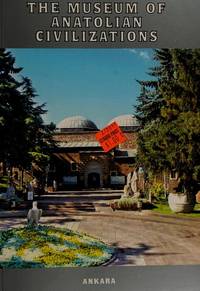
1999Q-9751721989Museum of Anatolia Civilizations 1999-01-01. Paperback. New. In shrink wrap. Looks like an interesting title! Museum of Anatolia Civilizations paperback
Fine Turkish Paperback. Roy. 8vo. (23 x 16 cm). In Turkish. 16 p., b/w ills. Fethiye'de yaylacilik ve yayla göçleri.
Very Good English Paperback. Pbo. Demy 8vo. (20 x 14 cm). In English. 79, [20] p. 20 p. b/w plates. Goide [guide] to Miletus. Translated by Muallâ Etker. ARCHEOLOGY Reference Miletus Ruined city Anatolian civilizations.
Very Good English Paperback. Pbo. Demy 8vo. (21 x 14 cm). In Turkish. 75, [20] p. 20 p. b/w plates. Milet kilavuzu.
New Turkish Paperback. Roy. 8vo. (24 x 17 cm). In Turkish. 192 p., b/w ills. Cilicia'da Yahudiler. Jews of Cilicia. Tarihsel süreçte Yahudiler, ünlü Babil sürgününden itibaren çesitli savaslar nedeniyle ludaea disinda da yasamaya baslar ve Yahudi diasporasi böylelikle olusur.Bu nedenle Musevi dini metinlerinde Yahudilerin yayilim gösterdikleri ya da ticari iliski kurduklari alanlara örnegin Cilicia'ya ait ipuçlari izlenebilmektedir.Eski Çag'da Yahudiler için Cilicia'nin ziraate uygun arazileri,iklim açisindan ludaea'ya benzeyen iliman yapisi,deniz ticaretine elverisli limanlari,yasamak için cezbedici olmalidir. Çalismamiz yer yer vahsi doga görüntüleri sunan Cilicia ve tarihte özel bir yere sahip oldugu kusku götürmez kadim bir cemaatin eski dönemlerdeki bulusmasini incelemeyi amaçlamaktadir.Böylelikle Yahudilerin Cilicia'daki varliklari,somut verilerle okurlara sunulmaya çalisilmaktadir. In the historical process, Jews began to live outside of Iudaea because of various wars since the famous Babylonian exile, and thus the Jewish diaspora emerged. For this reason, in Jewish religious texts, clues can be followed in areas where Jews spread or in which they establish a commercial relationship - for example, Cilicia. For the Jews in the Old Age, Cilicia's land suitable for agriculture, its temperate structure similar to ludaea in terms of climate, its sea limiter, should be attractive to live. This book aims at examining Cilicia, a place of wild nature images in the past, and the ancient congregation of an ancient congregation that has a special place in history. Thus, the existence of Jews in Cilicia is being presented to readers with concrete data.
New Turkish Paperback. Roy. 8vo. (24 x 16 cm). In Turkish. 194 p., color ills. Aliaga ve çevresindeki antik kentler. Ancient (ruined) cities around Elaitikos Bay and Aliaga district of Izmir (Smyrna) city: Aiolian cities like Gryneion, Myrina (Sebastopolin), Aigai, Kyme.
New English Paperback. Pbo. 4to. (30 x 21 cm). In Turkish. 153 p., b/w ills. Tire Müzesi Hellenistik ve Roma Imparatorluk dönemi mezar stelleri. Roman and Hellenistic steles in Tire Museum.
New Turkish Paperback. Roy. 8vo. (24 x 17 cm). In Turkish. 335, [1] p., 139 numerous color, 126 b/w plates, tables. Tralleis Güney Nekropolü Terrakotta figürinleri. Terrakotta figurines of Tralleis Necropole. The terracotta figurines in this study were found throughout the South Necropolis of the Tralleis, with a large number coming from the barrel vaulted chamber tombs. The figurines were recovered in the earlier salvage excavations by the Aydin Archaeological Museum. The excavators records of objects found in a representative series of graves must form basis for our study of the chronology and styles of the figurines. Thirty three contexts are listed as of interest, but not of sharply defined chronological significance. The evidence for dating is derived for the most part from pottery, coins and other archaeological remains, the cemetery of Tralleis dates from the 2nd century B.C.E. at least through the 2nd century A. C. E. The figurines were each cast in a mold. In the 2nd century B.C.E. however, the number of molds used in the creation of a single figurine was increased. The manufacture of terracotta figurines in Roman Imperial Period was an industry. The clay of the Tralleis figurines are rather coarse but homogeneous and contains a fair amount of mica. Yellowish red clay with some mica was used rarely, and mostly in 2nd century B.C.E. Reddish yellow clay, sometimes burned light red, with mica, is characteristic of the finest pieces. The commonest clay is reddish yellow usually with mica, and often with a light white slim according to Munsell Soil Color Chart. According to the stylistic analysis, the influences from Attica, Tanagra, Boeotia and Myrina also are obvious among the early figurines at Tralleis. Flying figurines as Eros and Nike were prominent in the 2nd century B.C.E. Religious types are also found and include Aphrodite and worshipers. Other representations of deities included an Ariadne, Dionysos and his entourage. During the second half of the 2nd century B.C.E. genre groups with animals and standing draped women proliferated. Tralleis was destroyed by an earthquake in 26 B.C.E. and reconstructed with the efforts of Emperor Augustus. The typology repertoire of the 1st century A.C.E. consists of standing draped women and men, athletes with quiver, masks, actors, puppets, caricatures, animals and other mythological and religious types. This type of figurines was commonly found in most of the Mediterranean sites in the Hellenistic and Roman Imperial Period. The works of the coroplasts whose signatures are found in the South Necropolis may be examined here in more detailed. These are Trophimos, Simalionos, Theodotos, AA and the others. The signatures show that workshops were active at Tralleis in the Roman Imperial Period as early as the 1st century B.C.E. and continued to produce figurines until the 2nd century A.C.E. We may therefore assume the fabric of which the coroplasts are made to be a local fabric of its period. Each figurine is introduced by a general commentary that outlines the typology, chronology and significance of the class in the catalogue. Catalogue descriptions give factual detail, references to previous publications, and close parallels. Finally, typology and style of these examples can also be compared with the dated finds from the other contemporary sites and contexts. On the whole, the evidence presented points to the fact that the 2nd century B.C.E. was the most prosperous ones for the city of Tralleis.