African American Opera SingersBiblio.com
908 résultats
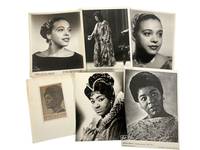
1957208291957. Press photograph archive of African American women opera singers 1957-1977 documents the emergence and international recognition of Black performers within mid twentieth century classical music and operatic institutions. The images center on four prominent singers whose careers developed during and after the era of segregation when access to major stages and audiences expanded unevenly for Black artists. Figures such as Marian Anderson who broke barriers at the Metropolitan Opera in 1955 established a precedent for subsequent generations; the performers represented here advanced that presence through sustained international careers providing visual evidence of African American participation in elite cultural institutions during a period of social and cultural change.<br /> <br /> Six black and white silver gelatin press photographs each approximately 8 x 10 inches with captions and markings on recto and verso. Subjects include Adele Addison in two studio portraits from the 1950s later known as the singing voice for Bess in Porgy and Bess 1959; Shirley Verrett in two images including an early news photograph prior to a performance at Ambassador College Auditorium and a later 1976 stage portrait in formal concert dress; Martina Arroyo in a 1977 portrait during the height of her international career; and Grace Bumbry depicted in costume as Princess Eboli in Verdi's Don Carlos at the Metropolitan Opera in 1965. The photographs capture both staged publicity portraits and performance contexts documenting professional presentation and artistic identity.<br /> <br /> Produced during decades of expanding civil rights advocacy and gradual institutional integration the archive situates African American women within a field historically shaped by exclusion and limited access. Their visibility in major opera houses and concert venues reflects broader shifts in cultural recognition and professional opportunity while also underscoring the continued significance of performance as a site of racial and gendered representation. Minor edge wear; captions remain legible; overall very good condition. unknown
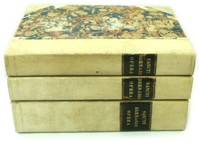
1781523404Venice: Balleoni 1781. Hardcover 6 volumes in 3; FULL TITLE: Sancti Bernardi abbatis primi Clarae-Vallensis Opera genuina videlicet in primo et secundo volumine; spuria dubiaque in tertio comprehensa; Horstii et Mabillonii notis aliusque permultis aucta juxta editionem Parisien. anni MDCCXIX; adjecta appendice Edmundi Martene ex veterum scriptorum & momentorum collectione; atque his omnibus in hac tertia editione Veneta accuratius revisis & illustratis. Half-bound in cream coloured leather with marbled paper sides and marbled endpapers. Gilt bands to spine have partially worn away and title labels to spine are lightly worn. Board edges are rubbed and worn leather is lightly spotted and paper sides are shelfworn. Light foxing to prelims in all 3 and on a few pages in mains throughout. V.1 and V.3 have slight hinge breaks at title pages. Water marks to gutter of pages 1182 to REP in V.3. and mark to spine of V.1. Very good condition for age. Text is clean and unmarked throughout. AD. leather. Very Good. Used. Balleoni Hardcover
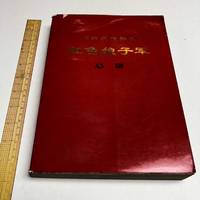
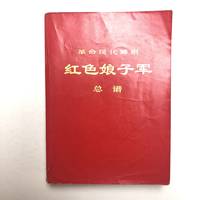
1970AG-10062<p><b><i>Red Detachment of Women full Score </i></b><b><i>红色娘å军总谱</i></b><b><i> Hong Se Niang Zi Jun</i></b><br /></p><p>Beijing: Published by People's Publishing House printed by Beijing Xinhua Printing Factory distributed by Xinhua Bookstore December 1970<b> FIRST EDITION</b>. The July 1970 Script Revised and Performed Collectively by Shanghai Peking Opera Troupe. 25×18 cm. xiv 534 1 pp. Colophon. Quotations from Chinaman Mao on the second and third page printed red tilted wrappers <i>minor tear to the cover slight tears to the foot of the binding else very fine condition.</i></p><p>北京:人民出版社,1970å¹´12月第一版,新åŽä¹¦åº—å‘行。本总谱由上海京剧演出团于1970年演出本集体改编,å‰ä¸¤é¡µå¸¦æœ‰æ¯›ä¸»å¸è¯å½•ï¼Œä¹¦çš®æœ‰è½»å¾®ç£¨æŸï¼Œå…¶ä»–å“相éžå¸¸å¥½ã€‚</p><p>In China revolutionary operas or model operas Chinese: yangban xi æ ·æ¿æˆ were a series of shows planned and engineered during the Cultural Revolution 1966–1976 by Jiang Qing the wife of Chairman Mao Zedong. They were considered revolutionary and modern in terms of thematic and musical features when compared with traditional Chinese operas. Many of them were adapted to film.</p><p>Originally eight revolutionary operas Chinese: Ba Ge Yangban Xi å…«ä¸ªæ ·æ¿æˆ were produced eighteen by the end of the period. Instead of the "emperors kings generals chancellors maidens and beauties" of the traditional Peking opera which was banned as "feudalistic and bourgeois" they told stories from China's recent revolutionary struggles against foreign and class enemies. They glorified the People's Liberation Army and the bravery of the common people and showed Mao Zedong and his thought as playing the central role in the victory of socialism in China. Although they originated as operas they soon appeared on LPs in comic books lianhuanhua on posters postcards and stamps; on plates teapots wash basins cigarette packages vases and calendars. They were performed or played from loudspeakers in schools factories and fields by special performing troupes. The Eight Model Operas dominated the stage in all parts of the country during these years leading to the joke "Eight hundred million people watched eight shows."</p><p>本组剧本属于文é©æ—¶æœŸçš„å…«å¤§æ ·æ¿æˆï¼Œç”±æ¯›ä¸»å¸å¤«äººæ±Ÿé’负责制作和演出。很多被æ‹æˆäº†ç”µå½±ã€‚</p><p>最åˆæœ‰å…«ä¸ªæ ·æ¿æˆï¼ŒåŽæ¥åœ¨æ–‡é©æ—¶æœŸçš„åŽæœŸå‘展到了18个。ä¸åƒå› å°å»ºå’Œèµ„产阶级的被ç¦äº†çš„ä¼ ç»Ÿäº¬å‰§ï¼Œé‡Œé¢å‡ºçŽ°çš„ä¸çš„国王大臣少女和美人,é©å‘½çŽ°ä»£äº¬å‰§ä¸»è¦è®²è¿°ä¸å›½è¿‘å¹´æ¥çš„抗战故事,宣扬人民解放军的光辉è£è€€å’Œæ¯›ä¸»å¸çš„英勇。虽然是京剧,很快就å˜æˆäº†å„ç§å½¢å¼å‡ºçŽ°åœ¨è¿žçŽ¯ç”»ã€æµ·æŠ¥ã€æ˜Žä¿¡ç‰‡ã€é‚®ç¥¨ã€é¦™çƒŸã€èŠ±ç“¶ã€æ—¥åŽ†ç‰å„ç§åœ°æ–¹ï¼Œç”¨æ‰©éŸ³å–‡å在å¦æ ¡ã€å·¥åŽ‚ç‰åœ°æ–¹ï¼Œç”±æ¼”出团进行表演。8ä¸ªæ ·æ¿æˆä¸»å¯¼äº†å…¨å›½æ‰€æœ‰çš„舞å°ï¼Œå› æ¤æœ‰äº†8亿人看8个剧的笑è¯ã€‚</p> People’s Publishing House paperback
1971AG-10054<p>Beijing: Published by People's Publishing House printed by Beijing Xinhua Printing Factory distributed by Xinhua Bookstore January 1971 <b>FIRST EDITION</b>. The July 1970 Script Revised and Performed Collectively by Shanghai Peking Opera Troupe. 8vo vi 397 pp. colophon consists of scripts stage photos selected theme score stage action instruction and the stage design started with quotations from Chairman Mao on the second and third page printed color stage photos and instructions inside printed pictorial wrappers <i>slightly curled at the head and foot of the wrappers else very good condition.</i><br /></p><p><i>北京:人民出版社出版,1971年第一版,由上海京剧团《智å–å¨è™Žå±±ã€‹å‰§ç»„集体改编åŠæ¼”出。本书包括了剧本ã€ä¸»æ—‹å¾‹ã€å‰§ç…§ã€åŠ¨ä½œæŒ‡å¯¼ã€èˆžå°ç¾Žæœ¯ç‰å†…容。包括éžå¸¸å¤šçš„照片。书皮上下ç¨å¾®å·èµ·ï¼Œæ— ç ´æŸï¼Œå“相éžå¸¸å¥½ã€‚</i></p><p>In China revolutionary operas or model operas Chinese: yangban xi æ ·æ¿æˆ were a series of shows planned and engineered during the Cultural Revolution 1966–1976 by Jiang Qing the wife of Chairman Mao Zedong.1 They were considered revolutionary and modern in terms of thematic and musical features when compared with traditional Chinese operas. Many of them were adapted to film.<br /></p><p>Originally eight revolutionary operas Chinese: Ba Ge Yangban Xi å…«ä¸ªæ ·æ¿æˆ were produced eighteen by the end of the period. Instead of the "emperors kings generals chancellors maidens and beauties" of the traditional Peking opera which was banned as "feudalistic and bourgeois" they told stories from China's recent revolutionary struggles against foreign and class enemies. They glorified the People's Liberation Army and the bravery of the common people and showed Mao Zedong and his thought as playing the central role in the victory of socialism in China. Although they originated as operas they soon appeared on LPs in comic books lianhuanhua on posters postcards and stamps; on plates teapots wash basins cigarette packages vases and calendars. They were performed or played from loudspeakers in schools factories and fields by special performing troupes. The Eight Model Operas dominated the stage in all parts of the country during these years leading to the joke "Eight hundred million people watched eight shows."</p><p>本剧是文é©æ—¶æœŸçš„å…«å¤§æ ·æ¿æˆä¹‹ä¸€ã€Šæ™ºå–å¨è™Žå±±ã€‹ï¼Œç”±æ¯›ä¸»å¸å¤«äººæ±Ÿé’负责制作和演出。很多被æ‹æˆäº†ç”µå½±ã€‚</p><p>最åˆæœ‰å…«ä¸ªæ ·æ¿æˆï¼ŒåŽæ¥åœ¨æ–‡é©æ—¶æœŸçš„åŽæœŸå‘展到了18个。ä¸åƒå› å°å»ºå’Œèµ„产阶级的被ç¦äº†çš„ä¼ ç»Ÿäº¬å‰§ï¼Œé‡Œé¢å‡ºçŽ°çš„ä¸çš„国王大臣少女和美人,é©å‘½çŽ°ä»£äº¬å‰§ä¸»è¦è®²è¿°ä¸å›½è¿‘å¹´æ¥çš„抗战故事,宣扬人民解放军的光辉è£è€€å’Œæ¯›ä¸»å¸çš„英勇。虽然是京剧,很快就å˜æˆäº†å„ç§å½¢å¼å‡ºçŽ°åœ¨è¿žçŽ¯ç”»ã€æµ·æŠ¥ã€æ˜Žä¿¡ç‰‡ã€é‚®ç¥¨ã€é¦™çƒŸã€èŠ±ç“¶ã€æ—¥åŽ†ç‰å„ç§åœ°æ–¹ï¼Œç”¨æ‰©éŸ³å–‡å在å¦æ ¡ã€å·¥åŽ‚ç‰åœ°æ–¹ï¼Œç”±æ¼”出团进行表演。8ä¸ªæ ·æ¿æˆä¸»å¯¼äº†å…¨å›½æ‰€æœ‰çš„舞å°ï¼Œå› æ¤æœ‰äº†8亿人看8个剧的笑è¯ã€‚</p><p><i><br /></i></p> People’s Publishing House paperback
1972AG-10053<p>Beijing: Published by C printed by Beijing Xinhua Printing Factory distributed by Xinhua Bookstore Beijing Distributing Agency February 1972 <b>FIRST EDITION</b> 8vo. The May 1970 Script Revised Collectively by the China Peking Opera Troupe. iv 374 pp. colophon consists of scripts stage photos selected theme score stage action instruction and the stage design started with quotations from Chairman Mao on the second and third page printed pictorial wrappers <i>slightly curled at the head and foot of the wrappers minor tears to the edge of the wrappers else fine condition.</i></p><p>北京:人民出版社出版。本书å‰ä¸¤é¡µå¸¦æœ‰æ¯›ä¸»å¸è¯å½•ï¼Œå†…容包括了剧本ã€å‰§ç…§ã€ä¸»æ—‹å¾‹ã€åŠ¨ä½œè¯´æ˜Žç‰è¯¦ç»†å†…容,由照片和文å—çš„å½¢å¼ç»„æˆï¼Œç…§ç‰‡å›¾ç‰‡å¾ˆå¤šï¼Œä¹Ÿæ˜¯æœ¬ä¹¦çš„一大特色。书皮上下两段ç¨å¾®å·èµ·ï¼Œå…¶ä»–部分å“相éžå¸¸å¥½ã€‚</p><p>In China revolutionary operas or model operas Chinese: yangban xi æ ·æ¿æˆ were a series of shows planned and engineered during the Cultural Revolution 1966–1976 by Jiang Qing the wife of Chairman Mao Zedong.1 They were considered revolutionary and modern in terms of thematic and musical features when compared with traditional Chinese operas. Many of them were adapted to film.</p><p>Originally eight revolutionary operas Chinese: Ba Ge Yangban Xi å…«ä¸ªæ ·æ¿æˆ were produced eighteen by the end of the period. Instead of the "emperors kings generals chancellors maidens and beauties" of the traditional Peking opera which was banned as "feudalistic and bourgeois" they told stories from China's recent revolutionary struggles against foreign and class enemies. They glorified the People's Liberation Army and the bravery of the common people and showed Mao Zedong and his thought as playing the central role in the victory of socialism in China. Although they originated as operas they soon appeared on LPs in comic books lianhuanhua on posters postcards and stamps; on plates teapots wash basins cigarette packages vases and calendars. They were performed or played from loudspeakers in schools factories and fields by special performing troupes. The Eight Model Operas dominated the stage in all parts of the country during these years leading to the joke "Eight hundred million people watched eight shows."</p><p>本剧是文é©æ—¶æœŸçš„å…«å¤§æ ·æ¿æˆä¹‹ä¸€ï¼Œç”±æ¯›ä¸»å¸å¤«äººæ±Ÿé’负责制作和演出。很多被æ‹æˆäº†ç”µå½±ã€‚</p><p>最åˆæœ‰å…«ä¸ªæ ·æ¿æˆï¼ŒåŽæ¥åœ¨æ–‡é©æ—¶æœŸçš„åŽæœŸå‘展到了18个。ä¸åƒå› å°å»ºå’Œèµ„产阶级的被ç¦äº†çš„ä¼ ç»Ÿäº¬å‰§ï¼Œé‡Œé¢å‡ºçŽ°çš„ä¸çš„国王大臣少女和美人,é©å‘½çŽ°ä»£äº¬å‰§ä¸»è¦è®²è¿°ä¸å›½è¿‘å¹´æ¥çš„抗战故事,宣扬人民解放军的光辉è£è€€å’Œæ¯›ä¸»å¸çš„英勇。虽然是京剧,很快就å˜æˆäº†å„ç§å½¢å¼å‡ºçŽ°åœ¨è¿žçŽ¯ç”»ã€æµ·æŠ¥ã€æ˜Žä¿¡ç‰‡ã€é‚®ç¥¨ã€é¦™çƒŸã€èŠ±ç“¶ã€æ—¥åŽ†ç‰å„ç§åœ°æ–¹ï¼Œç”¨æ‰©éŸ³å–‡å在å¦æ ¡ã€å·¥åŽ‚ç‰åœ°æ–¹ï¼Œç”±æ¼”出团进行表演。8ä¸ªæ ·æ¿æˆä¸»å¯¼äº†å…¨å›½æ‰€æœ‰çš„舞å°ï¼Œå› æ¤æœ‰äº†8亿人看8个剧的笑è¯ã€‚</p> People’s Publishing House paperback
22363Marchetti's autograph on letterhead of the R. Accademia di S. Cecilia 'Liceo Musicale'. Rome 14 September 1892. Villari's autograph on reverse of leaf dated from Florence 2 November 1892. 1p 12mo. Leaf of lightly-browned and creased aged paper with closed tears to one edge. The two men are clearly writing in response to requests for autographs. Marchetti has written out four bars – slightly affected at end by closed tear – from what he states is 'Ruy Blas Preludio'. Beneath this he signs in a firm attractive hand 'F Marchetti'. At the head he dates: 'Roma 14 9bre 92'. On the reverse Villari has written out neatly an eight-line comment on 'Chi cessa d'essere bimbo prima del tempo' losing 'la gaiezza l'innocenza la spontaneità infantile' and all the qualities 'necessari all'uomo'. Beneath the quotation he signs in another attractive hand 'Pasquale Villari Firenze 2 Nov. 92'. Marchetti's autograph on letterhead of the R. Accademia di S. Cecilia ('Liceo Musicale'). Rome, 14 September 1892. Villari's aut unknown
1959161071New York: United Press International 1959. Two vintage reference photographs from the set of the 1959 film including one glossy and single weight and one matte finish borderless and double weight. One photograph shows actor Sidney Poitier talking with producer Sam Goldwyn and the other shows Poitier with actors Dorothy Dandridge and Brock Peters. One with a provenance stamp on the verso and both with annotations in manuscript ink identifying subjects on the versos. <br /> <br /> Based on DuBose Heyward's 1925 novel "Porgy" and its subsequent 1927 opera adaptation by DuBose Heyward and his wife Dorothy with music and lyrics by George and Ira Gershwin. <br /> <br /> One of the great enduring American musicals following a disabled man in a small fishing village in South Carolina who harbors a woman attempting to flee her disreputable past.<br /> <br /> Set in South Carolina shot on location in Stockton California with some scenes shot near the San Joaquin-Sacramento River Delta in California. <br /> <br /> Matte photograph 11 x 8 inches glossy photograph 10 x 8 inches. Very Good plus lightly edgeworn with matte photograph slightly curled. <br /> <br /> National Film Registry. United Press International unknown
36029Includes works of Battista 5 Donizetti 6 Mercadante 7 Pacini 1 Petrella 1 and Verdi 1. With contemporary mansucript index to front free endpaper. <br /> <br /> Contents:<br /> BATTISTA Vincenzio 1823-1873<br /> Ermelinda Dramma lirico in Quattro Atti di Domenico Bolognese. Monaco: Orlando e C. after 1850.<br /> - Duetto Signor Capitano. PN 599. 19 pp. <br /> - Coro alla danza. PN 600. 14 pp. <br /> - Terzettino Febo ei vieni. PN 606. 8 pp. <br /> - No. 13. Scena e Romanza. Partenopeo. PN 12093. 4 pp. <br /> <br /> Anna La Prie. Tragedia lirica di Nicola Leoncavallo. Napoli: Fabricatore e Co. ca. 1845. <br /> - Scena e cavatina Alboix. PN 105. 10 pp. <br /> <br /> DONIZETTI Gaetano 1797-1848<br /> La Favorita Melodramma tragico in 4 atti Posto in musica pel Real teatro di Parigi. Napoli: Girard e Ci. ca. 1844.<br /> - Aria O mio Fernando. PN 5181. 9 pp. <br /> - Scena e Duetto Ah moio bene un Dio t'invia. PN 5185. 12 pp. <br /> - Quartettino Deh paventa il furor. PN 5197. 4 pp. <br /> - Scene e Duetto Ah va t'invo la e questa. PN 5184. 13 pp. <br /> <br /> Maria di Rohan Melodramma tragico in tre atti di S. Cammarano . Riduzione per Canto con accompo. di Pianoforte di C. Czerny. Milano: Giovanni Ricordi 1843<br /> - N: 14. Scena e Freghier . No osoalzarcilumi! PN 14914HH. 6 pp. <br /> - Scena e Ballata . Cavalieri che veggio. Napoli: F. Fabricatore e C.; Palermo: R. Zerega. PN 146 ca. 1845. 7 pp. <br /> <br /> MERCADANTE Saverio 1795-1870<br /> Violetta Opera semiseria in 4 Atti . Rappresentata per la prima volta nel Teatro Nuovo di Napoli li 10 Gennajo 1853. Napoli: Partenopeo ca. 1856-60. <br /> - No. 22. Rondo Finale. PN 10756. 10 pp. <br /> <br /> Virginia Tragedia Lirica in tre atti di S. Cammarano . Rappresenta per la prima volta nel R. Teatro S. Carlo di Napoli il 7 Apr. 1866. Napoli: T. Cottrau ca. 1866.<br /> - No. 10. Preghiera di Virginia. PN 14610. 4 pp. <br /> - No. 14. Terzetto di Virginia Appio ed Icilio. PN 14614. 8 pp. <br /> <br /> Stratira opera tragica in tre Atti. Esuguita nel R. Teatro di S. Carlo li 8 Gennajo 1853. Poesie di Domenico Bolognese. Napoli: Partenopea ca. 1866. <br /> - No. 3. Scena e cavatina Cassandro. PN 10757. 15 pp. <br /> - No. 14. Romanza Cassandro. PN 10758. 4 pp. <br /> <br /> Orazi e Curiaze Tragedia lirica in 3 atti di S. Cammarano. Posta in musica per il Teatro di S. Carlo ov'é stata rappresentata á 10 Novembre 1846. Napoli: Girard ca. 1846<br /> - No. 2. Scena Romanza e Cavatina. PN 7555. 14 pp. <br /> - No. 13. Scena Preghiera ed Aria Finale. PNs 7565 7560 7567. 13 pp. Later issue of ca. 1856-60. <br /> <br /> PACINI Giovanni 1796-1867<br /> Malvina di Scozia. Opera in 3 acts<br /> Grande Scena Preghiera ed aria. L'orror mi rese immobile. Napoli: Fabricatore e C. PN 725 ca. 1852. 19 pp. <br /> <br /> PETRELLA Errico 1813-1877<br /> Elena di Tolosa. Melodramma in tre Atti. Eseguito nel R. Teatro del Fondo li 112 Agosto 1852. Poesia di Domenico Bolognese. Napoli: Successori della Ditta Girard ca. 1852. <br /> - No. 6. Duetto. Dembra mesta! . male! male! PN 10466. 14 pp. <br /> <br /> VERDI Giuseppe 1813-1901<br /> Rigoletto. Melodramma di F.M. Piave. Milano: Giovanni Ricordi after 1852<br /> - No. 9. Scena ed Aria "Coro nome che'il mio cor." PN N23079N. 7 i list of publisher's plate numbers for excerpts of piano-vocal piano 2-hands and piano 4-hands pieces pp. <br /> <br /> Oblong folio. 19th century black leather-backed boards. <br /> <br /> Binding somewhat worn and abraided; joints split. Occasional minor wear and soiling; some small tears. In very good condition overall. An interesting collection of scarce mostly Neapolitan imprints in all likelihood associated with contemporary performances. unknown
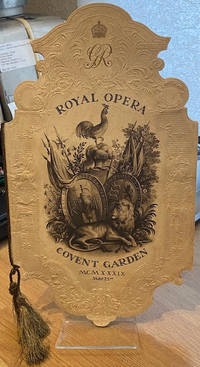
193963656London: Royal Opera House 1939. Folio. 8 pp. Large pictorial stiff card wrappers with tassels at spine. Front and rear cover designs by Rex Whistler. Printed programme. Spotting to covers. A performance by the Vic-Wells Ballet under the direction of Ninette de Valois and The London Philharmonic Orchestra conducted by Constant Lambert and Sir Thomas Beecham. Scarce. . Good. Wraps. 1939. Royal Opera House 1939 paperback
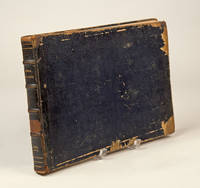
1728296052Augustae Vindelicorum & Graecii Sumptibus Fratrum Veith 1728. Vellum. Folio in worn vellum. Ex-library foxing hinge repaired between half-title and title page with a strip of binding tape back hinge is beginning to weaken. Geroh of Reichtersberg 1093-1169 was one of the notable theologians of Germany during the 12th century provost of Riechersbert and Canon Regular a reformer in the spirit of Gregorian ideas particularly concerned with the reform of clergy. This work was left unfinished by Gerhoh. Geroh's portion is Psalm 1-78 118-150 and some additional canticum at the end. Psalm 78-117 are by Honorius Augustodunensis d. 1151 a popular theologian and prolific writer. 2219 14 pages. Augustae Vindelicorum & Graecii, Sumptibus Fratrum Veith hardcover
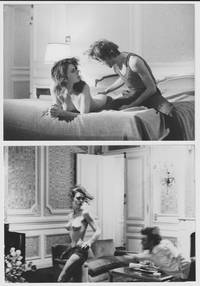
1983162315N.p.: N.p. 1983. Four vintage borderless reference photographs from the 1983 film including two reference photographs showing director Jean-Luc Godard on the set.<br /> <br /> Loosely based on Georges Bizet's 1875 opera. A young woman involved in a terrorist gang is embroiled in a plan to rob a bank but her plans are waylaid when she falls for the security guard.<br /> <br /> Set and shot on location in Paris. <br /> <br /> 7 x 5 inches. Near Fine.<br /> <br /> Godard Histoires du Cinema. N.p. unknown
Schepelern, GerhardIn Pristine Condition. unknown
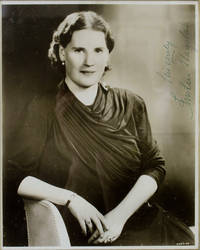
1930144431930. Image 9 1/2 x 7 1/2 inches matted and framed to 14 1/4 x 12 1/4 inches overall. 1 vols. Fine condition. Image 9 1/2 x 7 1/2 inches matted and framed to 14 1/4 x 12 1/4 inches overall. 1 vols. An attractive image showing the great Wagnerian soprano in street clothes seated. unknown
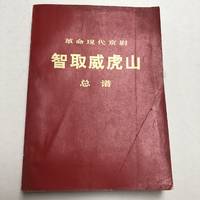
1971AG10051<p>Beijing: Published by People's Publishing House printed by Beijing Xinhua Printing Factory distributed by Xinhua Bookstore August 1971<b> FIRST EDITION</b>. The July 1970 Script Revised and Performed Collectively by Shanghai Peking Opera Troupe. 8vo. xii 425 3 pp. Colophon. Quotations from Chinaman Mao on the second and third page. Printed red tilted wrappers <i>minor crease to the cover minor tear to the foot of the binding else fine condition.</i><br /></p><p>《智å–å¨è™Žå±±ã€‹æ€»è°±</p><p>北京: 人民出版社出版,å‰2页带有毛主å¸è¯å½•ï¼Œ1971å¹´8月出版,由上海京剧团《智å–å¨è™Žå±±ã€‹å‰§ç»„改å˜é›†ä½“演出,1970年演出本。第一版第一å°ã€‚å°çš®ç¨å¾®æœ‰åˆ’痕,其他完好。</p><p>In China revolutionary operas or model operas Chinese: yangban xi æ ·æ¿æˆ were a series of shows planned and engineered during the Cultural Revolution 1966–1976 by Jiang Qing the wife of Chairman Mao Zedong.1 They were considered revolutionary and modern in terms of thematic and musical features when compared with traditional Chinese operas. Many of them were adapted to film.</p><p>Originally eight revolutionary operas Chinese: Ba Ge Yangban Xi å…«ä¸ªæ ·æ¿æˆ were produced eighteen by the end of the period. Instead of the "emperors kings generals chancellors maidens and beauties" of the traditional Peking opera which was banned as "feudalistic and bourgeois" they told stories from China's recent revolutionary struggles against foreign and class enemies. They glorified the People's Liberation Army and the bravery of the common people and showed Mao Zedong and his thought as playing the central role in the victory of socialism in China. Although they originated as operas they soon appeared on LPs in comic books lianhuanhua on posters postcards and stamps; on plates teapots wash basins cigarette packages vases and calendars. They were performed or played from loudspeakers in schools factories and fields by special performing troupes. The Eight Model Operas dominated the stage in all parts of the country during these years leading to the joke "Eight hundred million people watched eight shows."</p><p>本剧是文é©æ—¶æœŸçš„å…«å¤§æ ·æ¿æˆä¹‹ä¸€ã€Šæ™ºå–å¨è™Žå±±ã€‹ï¼Œç”±æ¯›ä¸»å¸å¤«äººæ±Ÿé’负责制作和演出。很多被æ‹æˆäº†ç”µå½±ã€‚</p><p>最åˆæœ‰å…«ä¸ªæ ·æ¿æˆï¼ŒåŽæ¥åœ¨æ–‡é©æ—¶æœŸçš„åŽæœŸå‘展到了18个。ä¸åƒå› å°å»ºå’Œèµ„产阶级的被ç¦äº†çš„ä¼ ç»Ÿäº¬å‰§ï¼Œé‡Œé¢å‡ºçŽ°çš„ä¸çš„国王大臣少女和美人,é©å‘½çŽ°ä»£äº¬å‰§ä¸»è¦è®²è¿°ä¸å›½è¿‘å¹´æ¥çš„抗战故事,宣扬人民解放军的光辉è£è€€å’Œæ¯›ä¸»å¸çš„英勇。虽然是京剧,很快就å˜æˆäº†å„ç§å½¢å¼å‡ºçŽ°åœ¨è¿žçŽ¯ç”»ã€æµ·æŠ¥ã€æ˜Žä¿¡ç‰‡ã€é‚®ç¥¨ã€é¦™çƒŸã€èŠ±ç“¶ã€æ—¥åŽ†ç‰å„ç§åœ°æ–¹ï¼Œç”¨æ‰©éŸ³å–‡å在å¦æ ¡ã€å·¥åŽ‚ç‰åœ°æ–¹ï¼Œç”±æ¼”出团进行表演。8ä¸ªæ ·æ¿æˆä¸»å¯¼äº†å…¨å›½æ‰€æœ‰çš„舞å°ï¼Œå› æ¤æœ‰äº†8亿人共看8个剧的笑è¯ã€‚</p> People’s Publishing House paperback
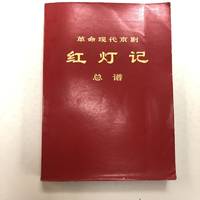
1971AG-10050<p><b><i>The Red Lantern Full Score</i></b><b><i>红ç¯è®°</i></b><b><i> Hong Deng Ji</i></b></p><p>Beijing: Published by People's Publishing House printed by Beijing Xinhua Printing Factory distributed by Xinhua Bookstore Beijing Distributing Agency,August 1971<b> FIRST EDITION</b>. The May 1970 Script Created Collectively by the China Peking Opera troupe. Quotations from Chinaman Mao on the second and third page 8vo. xii 380 2 pp. colophon printed titled wrappers <i>crease to the cover very slight tear to the foot of the binding else fine condition.</i></p><p>In China revolutionary operas or model operas Chinese: yangban xi æ ·æ¿æˆ were a series of shows planned and engineered during the Cultural Revolution 1966–1976 by Jiang Qing the wife of Chairman Mao Zedong. They were considered revolutionary and modern in terms of thematic and musical features when compared with traditional Chinese operas. Many of them were adapted to film.</p><p>京剧《红ç¯è®°ã€‹æ€»è°±</p><p>北京:人民出版社出版,ä¸å›½äº¬å‰§å›¢é›†ä½“制作,基于1970年五月演出本,第一版,书的å‰ä¸¤é¡µæœ‰æ¯›ä¸»å¸è¯å½•ï¼Œå…±380页主体内容。书皮ç¨æœ‰ä¸€é“上下方å‘折痕,其他å“相éžå¸¸å¥½ã€‚</p><p>In China revolutionary operas or model operas Chinese: yangban xi æ ·æ¿æˆ were a series of shows planned and engineered during the Cultural Revolution 1966–1976 by Jiang Qing the wife of Chairman Mao Zedong.1 They were considered revolutionary and modern in terms of thematic and musical features when compared with traditional Chinese operas. Many of them were adapted to film.</p><p>Originally eight revolutionary operas Chinese: Ba Ge Yangban Xi å…«ä¸ªæ ·æ¿æˆ were produced eighteen by the end of the period. Instead of the "emperors kings generals chancellors maidens and beauties" of the traditional Peking opera which was banned as "feudalistic and bourgeois" they told stories from China's recent revolutionary struggles against foreign and class enemies. They glorified the People's Liberation Army and the bravery of the common people and showed Mao Zedong and his thought as playing the central role in the victory of socialism in China. Although they originated as operas they soon appeared on LPs in comic books lianhuanhua on posters postcards and stamps; on plates teapots wash basins cigarette packages vases and calendars. They were performed or played from loudspeakers in schools factories and fields by special performing troupes. The Eight Model Operas dominated the stage in all parts of the country during these years leading to the joke "Eight hundred million people watched eight shows."</p><p>本剧是文é©æ—¶æœŸçš„å…«å¤§æ ·æ¿æˆä¹‹ä¸€ã€Šçº¢ç¯è®°ã€‹ï¼Œç”±æ¯›ä¸»å¸å¤«äººæ±Ÿé’负责制作和演出。很多被æ‹æˆäº†ç”µå½±ã€‚</p><p>最åˆæœ‰å…«ä¸ªæ ·æ¿æˆï¼ŒåŽæ¥åœ¨æ–‡é©æ—¶æœŸçš„åŽæœŸå‘展到了18个。ä¸åƒå› å°å»ºå’Œèµ„产阶级的被ç¦äº†çš„ä¼ ç»Ÿäº¬å‰§ï¼Œé‡Œé¢å‡ºçŽ°çš„ä¸çš„国王大臣少女和美人,é©å‘½çŽ°ä»£äº¬å‰§ä¸»è¦è®²è¿°ä¸å›½è¿‘å¹´æ¥çš„抗战故事,宣扬人民解放军的光辉è£è€€å’Œæ¯›ä¸»å¸çš„英勇。虽然是京剧,很快就å˜æˆäº†å„ç§å½¢å¼å‡ºçŽ°åœ¨è¿žçŽ¯ç”»ã€æµ·æŠ¥ã€æ˜Žä¿¡ç‰‡ã€é‚®ç¥¨ã€é¦™çƒŸã€èŠ±ç“¶ã€æ—¥åŽ†ç‰å„ç§åœ°æ–¹ï¼Œç”¨æ‰©éŸ³å–‡å在å¦æ ¡ã€å·¥åŽ‚ç‰åœ°æ–¹ï¼Œç”±æ¼”出团进行表演。8ä¸ªæ ·æ¿æˆä¸»å¯¼äº†å…¨å›½æ‰€æœ‰çš„舞å°ï¼Œå› æ¤æœ‰äº†8亿人看8个剧的笑è¯ã€‚</p><p><i><br /></i></p> People’s Publishing House paperback
19383114056NP: Merle Armtage. Very Good with no dust jacket. 1938. First Edition; First Printing. Softcover. Souvenir program for the first revival of George Gershwin's operatic masterpiece staged in Los Angeles and San Francisco in 1938 in the pattern of director Rouben Mamoulian original production. Very good in yellow oversize printed wrappers. 9" X 12" 22pp. Couple short edge tears and traces of mild shelf-soiling. Features several photographs of the principal artists involved as well Gershwin and others. Surprisingly uncommon. ; 9" X 12"; 22 pages . Merle Armtage. paperback
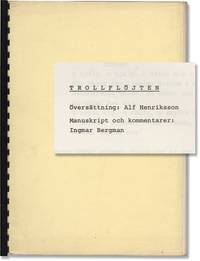
1973146818N.p.: N.p. 1973. Agency Draft script for the 1975 film. With 31 pages of director Ingmar Bergman's commentary bound in after the script. Text in Swedish.<br /> <br /> Based on the 1791 German opera about a young prince tasked with rescuing a princess from a mysterious high priest. Widely considered one of the most successful operatic adaptations to film ever released. <br /> <br /> Shot on location in Stockholm Sweden. <br /> <br /> Pale yellow untitled wrappers. Title page present dated November 1973 with credits for director Ingmar Bergman and screenwriter Alf Henrikson. 93 leaves with last page of text numbered 61. Xerographic duplication rectos only. Pages Very Good plus wrapper Very Good plus with a black comb binding.<br /> <br /> Criterion Collection 71. N.p. unknown
1106UH8J0HQVery Good. Barely very good black on light blue paper back 338 pages in English and Latin. Arnaldi de Villanova Opera medica omnia GRADIBUS Edited and with an important essay on the development of medieval pharmaceutical theory by Michael McVaugh. Please see our pictures unknown
60995. PLEASE NOTE that those programmes on pink/yellow paper were sold whilst those on white paper were given free with the performance. Apart from the Announcement booklets all the programmes have a central panel on the front cover with an ornamental border. unknown
1786020464Valentiae Edetanorum Valencia Spain: Ex Praelo Josephi et Thomae de Orga 1786. Second Edition. Leather. Acceptable. 0x0x0. VINNIUS CASTIGATUS atque ad usum tironum Hispanorum accomodatus: in quorum gratiam Hispaniae leges opportunioribus locis traduntur. Volume 1 Tomus Primus Only. Opera Joannis Sala Presbyteri in Valentina Metropolitana praepositi. Editio secunda. Text in Latin. Hardcover bound book. Full Leather 568 pages. Vintage fountain pen ink notes and marginalia also in Latin. frontis engraving. front cover detached. The rear hinge the inside portion of the flexible fold where book cover meets the book spine is split loose or open the rear cover is still attached by the joint the exterior flexible fold where book cover meets book spine. Leather on Leather paste on spine title gold gilt designs on spine. There is rub-through to the corners of the boards but the text block is surprisingly sharp. Punishment of Vinnius; and accommodated for the use of Spanish recruits: in favor of whom the laws of Spain are delivered to more convenient places. OR VINNIUS CASTIGATED; and to the use of the recruits of the Spanish adapted to the: in the grace of Spain the laws of the most appropriate places are given. FREE Media Mail Shipping! Images available for any item just ask. Any images shown next to the listing that have our www.aCastleofBooks.com watermark on them are the exact item you will receive all other images are for reference only. Free delivery confirmation for domestic orders. Books with Author signatures are guaranteed authentic. We understand collectors needs in terms of accurate grading and proper packaging. We stand behind our descriptions 100%. All items will be shipped securely to insure that they arrive in exactly the same condition in which they left. May have small easily erasable pencil markings on first page. Our Packing Slips do not contain any pricing information so you may order items as Gifts or for Dropship without concern. We ship every Monday Wednesday & Friday morning. All items subject to prior sale. Why the odd prices We run a percent discount for our Biblio listings which insures Biblio has our lowest prices online but does give odd change. Ex Praelo Josephi et Thomae de Orga hardcover
1929008486New York / London / Toronto: Longmans Green and Co. 1929. First Edition 1st Printing. Red Cloth. Very Good/Good Slipcase. Two Volumes. Slipcase With Modernist Illustration Of A Woman's Head And A Single Musical Note In Blue Gray Black And White By "H. M."; Preliminary Reviews On Rear Panel; Publisher's Summary On Rear Panel With $5.00 Price. Stated First Editions. A Well Received Novel But Reprinted Almost Immediately In The Book League Monthly In Two Parts Hence Never Receiving A Further Trade Printing. A Tight Clean Lightly Used Set Binding And Hinges Tight Spine Gilt Dull But Readable. Inscribed On Front Endpaper To Miss Pearl Besuner And Dated March 11 1929; She Was A Soprano From Cincinnati Who Made Her Debut With The Metropolitan Opera In 1928 And Was Favorably Reviewed By Sanborn For Her Performance In "The Emperor Jones" In 1933. Her History Mirrors That Of The Main Character Of This Novel Making This A Likely Dedication Copy. Pitts Sanborn 1879-1941 Was Music Critic For The New York Globe And Then The New York World Telegram. "He Also Write Books Such As The Metropolitan Book Of The Opera Prima Donna : A Novel Of The Opera Ludwig Van Beethoven." Wikipedia. Sanborn Was Also Remarked Upon As One Of The Great Originals Of 1920'S / 1930'S Culture. His Friendship With Wallace Stevens Included A Great Influence Upon Stevens' Interest In Music And Thus His Poetry. With A Long Two-Column Review From A Contemporary Newspaper Not Identified. Signed Material From Sanborn Is Scarce; Most Of His Personal Estate Was Lost Thrown Out On Street By His Ny Landlord Immediately After His Death In 1941. <br/> <br/> Longmans, Green and Co. hardcover
29868Image size ca. 212 x 142 mm. sheet size 321 x 190 mm. <br /> <br /> The design depicts a man dressed in an exotic Egyptian costume deocrated with numerous armlets anklets necklace earrings headdress etc. Executed in watercolour and gold paint on heavy wove paper. <br /> <br /> Slightly worn; browning to outer edges from old mat; remnants of mounting paper to verso. unknown
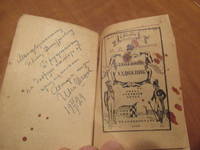
1929035174Moskva / Moscow: Teakinopechat 1929. 1st Edition . Soft cover. Good/Good. Photographs. 118 Pp. Tan Wrappers Printed In Black; Unprinted Textured Brown Dust Jacket.5 1/4" X 3 5/8". Libretto Biography Of Shishov Etc. Many Photographic Illustrations Of Stage Sets In Russian Modernist Style. Inscribed At Length By The Author On Inside Of Front Cover Dated May 27 1929. Book Worn; Binding Cracked Between Pp 32-33 But Binding Intact. Dj Very Worn Small Chips At Corners. Shishov Taught At The Moscow Conservatory 1925-1931. From 1930 He Was Editor At Muzgiz State Music Publishing House And Edited Tchaikovsky's Eugene Onegin. <br/> <br/> Teakinopechat paperback
188655097Denver: Denver Lith. Co 1886. 1 vols. 10 in x 7 in lithographed card with printed silk cover overlay. One inch tear in card at fold silk spotted with creases and very small holes. 1 vols. 10 in x 7 in lithographed card with printed silk cover overlay. Denver Lith. Co unknown
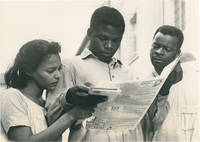
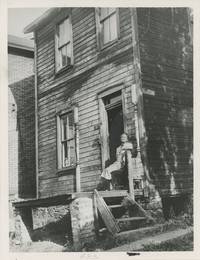
1952List2814Homestead Pennsylvania 1952. 7 x 9 inch photograph. International News Photos and Tribune 4th Edition stamps verso with newspaper clipping. Marked “623†in pencil recto. Fine. Olive Moorefield b.1932 is an American opera singer and theater and film actress from Homestead Pennsylvania. As the newspaper clipping on the back of this photograph—from very early in Moorefield’s career—explains “She had earned $22 by baby sitting and decided to go to New York in hopes of auditioning for a play. She was given a try at a part in ‘My Darlin’ Aida’ . She made the gradeâ€. Following Aida she was brought to Vienna by the US Information Service to sing for servicemen and would go on to sing for the Vienna Volksoper Oper Frankfurt Schauspielhaus Zürich and others. She would also star in a number of German and Viennese films. Offered here is a photograph of Moorefield’s mother sitting on the porch of Moorefield’s childhood home. The clipping states that her mother “urged her to try for the part†of Lolly in Aida. unknown