China Peking Opera troupeBiblio.com
19 958 résultats
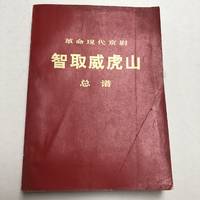
1971AG10051<p>Beijing: Published by People's Publishing House printed by Beijing Xinhua Printing Factory distributed by Xinhua Bookstore August 1971<b> FIRST EDITION</b>. The July 1970 Script Revised and Performed Collectively by Shanghai Peking Opera Troupe. 8vo. xii 425 3 pp. Colophon. Quotations from Chinaman Mao on the second and third page. Printed red tilted wrappers <i>minor crease to the cover minor tear to the foot of the binding else fine condition.</i><br /></p><p>《智å–å¨è™Žå±±ã€‹æ€»è°±</p><p>北京: 人民出版社出版,å‰2页带有毛主å¸è¯å½•ï¼Œ1971å¹´8月出版,由上海京剧团《智å–å¨è™Žå±±ã€‹å‰§ç»„改å˜é›†ä½“演出,1970年演出本。第一版第一å°ã€‚å°çš®ç¨å¾®æœ‰åˆ’痕,其他完好。</p><p>In China revolutionary operas or model operas Chinese: yangban xi æ ·æ¿æˆ were a series of shows planned and engineered during the Cultural Revolution 1966–1976 by Jiang Qing the wife of Chairman Mao Zedong.1 They were considered revolutionary and modern in terms of thematic and musical features when compared with traditional Chinese operas. Many of them were adapted to film.</p><p>Originally eight revolutionary operas Chinese: Ba Ge Yangban Xi å…«ä¸ªæ ·æ¿æˆ were produced eighteen by the end of the period. Instead of the "emperors kings generals chancellors maidens and beauties" of the traditional Peking opera which was banned as "feudalistic and bourgeois" they told stories from China's recent revolutionary struggles against foreign and class enemies. They glorified the People's Liberation Army and the bravery of the common people and showed Mao Zedong and his thought as playing the central role in the victory of socialism in China. Although they originated as operas they soon appeared on LPs in comic books lianhuanhua on posters postcards and stamps; on plates teapots wash basins cigarette packages vases and calendars. They were performed or played from loudspeakers in schools factories and fields by special performing troupes. The Eight Model Operas dominated the stage in all parts of the country during these years leading to the joke "Eight hundred million people watched eight shows."</p><p>本剧是文é©æ—¶æœŸçš„å…«å¤§æ ·æ¿æˆä¹‹ä¸€ã€Šæ™ºå–å¨è™Žå±±ã€‹ï¼Œç”±æ¯›ä¸»å¸å¤«äººæ±Ÿé’负责制作和演出。很多被æ‹æˆäº†ç”µå½±ã€‚</p><p>最åˆæœ‰å…«ä¸ªæ ·æ¿æˆï¼ŒåŽæ¥åœ¨æ–‡é©æ—¶æœŸçš„åŽæœŸå‘展到了18个。ä¸åƒå› å°å»ºå’Œèµ„产阶级的被ç¦äº†çš„ä¼ ç»Ÿäº¬å‰§ï¼Œé‡Œé¢å‡ºçŽ°çš„ä¸çš„国王大臣少女和美人,é©å‘½çŽ°ä»£äº¬å‰§ä¸»è¦è®²è¿°ä¸å›½è¿‘å¹´æ¥çš„抗战故事,宣扬人民解放军的光辉è£è€€å’Œæ¯›ä¸»å¸çš„英勇。虽然是京剧,很快就å˜æˆäº†å„ç§å½¢å¼å‡ºçŽ°åœ¨è¿žçŽ¯ç”»ã€æµ·æŠ¥ã€æ˜Žä¿¡ç‰‡ã€é‚®ç¥¨ã€é¦™çƒŸã€èŠ±ç“¶ã€æ—¥åŽ†ç‰å„ç§åœ°æ–¹ï¼Œç”¨æ‰©éŸ³å–‡å在å¦æ ¡ã€å·¥åŽ‚ç‰åœ°æ–¹ï¼Œç”±æ¼”出团进行表演。8ä¸ªæ ·æ¿æˆä¸»å¯¼äº†å…¨å›½æ‰€æœ‰çš„舞å°ï¼Œå› æ¤æœ‰äº†8亿人共看8个剧的笑è¯ã€‚</p> People’s Publishing House paperback
1971AG-10054<p>Beijing: Published by People's Publishing House printed by Beijing Xinhua Printing Factory distributed by Xinhua Bookstore January 1971 <b>FIRST EDITION</b>. The July 1970 Script Revised and Performed Collectively by Shanghai Peking Opera Troupe. 8vo vi 397 pp. colophon consists of scripts stage photos selected theme score stage action instruction and the stage design started with quotations from Chairman Mao on the second and third page printed color stage photos and instructions inside printed pictorial wrappers <i>slightly curled at the head and foot of the wrappers else very good condition.</i><br /></p><p><i>北京:人民出版社出版,1971年第一版,由上海京剧团《智å–å¨è™Žå±±ã€‹å‰§ç»„集体改编åŠæ¼”出。本书包括了剧本ã€ä¸»æ—‹å¾‹ã€å‰§ç…§ã€åŠ¨ä½œæŒ‡å¯¼ã€èˆžå°ç¾Žæœ¯ç‰å†…容。包括éžå¸¸å¤šçš„照片。书皮上下ç¨å¾®å·èµ·ï¼Œæ— ç ´æŸï¼Œå“相éžå¸¸å¥½ã€‚</i></p><p>In China revolutionary operas or model operas Chinese: yangban xi æ ·æ¿æˆ were a series of shows planned and engineered during the Cultural Revolution 1966–1976 by Jiang Qing the wife of Chairman Mao Zedong.1 They were considered revolutionary and modern in terms of thematic and musical features when compared with traditional Chinese operas. Many of them were adapted to film.<br /></p><p>Originally eight revolutionary operas Chinese: Ba Ge Yangban Xi å…«ä¸ªæ ·æ¿æˆ were produced eighteen by the end of the period. Instead of the "emperors kings generals chancellors maidens and beauties" of the traditional Peking opera which was banned as "feudalistic and bourgeois" they told stories from China's recent revolutionary struggles against foreign and class enemies. They glorified the People's Liberation Army and the bravery of the common people and showed Mao Zedong and his thought as playing the central role in the victory of socialism in China. Although they originated as operas they soon appeared on LPs in comic books lianhuanhua on posters postcards and stamps; on plates teapots wash basins cigarette packages vases and calendars. They were performed or played from loudspeakers in schools factories and fields by special performing troupes. The Eight Model Operas dominated the stage in all parts of the country during these years leading to the joke "Eight hundred million people watched eight shows."</p><p>本剧是文é©æ—¶æœŸçš„å…«å¤§æ ·æ¿æˆä¹‹ä¸€ã€Šæ™ºå–å¨è™Žå±±ã€‹ï¼Œç”±æ¯›ä¸»å¸å¤«äººæ±Ÿé’负责制作和演出。很多被æ‹æˆäº†ç”µå½±ã€‚</p><p>最åˆæœ‰å…«ä¸ªæ ·æ¿æˆï¼ŒåŽæ¥åœ¨æ–‡é©æ—¶æœŸçš„åŽæœŸå‘展到了18个。ä¸åƒå› å°å»ºå’Œèµ„产阶级的被ç¦äº†çš„ä¼ ç»Ÿäº¬å‰§ï¼Œé‡Œé¢å‡ºçŽ°çš„ä¸çš„国王大臣少女和美人,é©å‘½çŽ°ä»£äº¬å‰§ä¸»è¦è®²è¿°ä¸å›½è¿‘å¹´æ¥çš„抗战故事,宣扬人民解放军的光辉è£è€€å’Œæ¯›ä¸»å¸çš„英勇。虽然是京剧,很快就å˜æˆäº†å„ç§å½¢å¼å‡ºçŽ°åœ¨è¿žçŽ¯ç”»ã€æµ·æŠ¥ã€æ˜Žä¿¡ç‰‡ã€é‚®ç¥¨ã€é¦™çƒŸã€èŠ±ç“¶ã€æ—¥åŽ†ç‰å„ç§åœ°æ–¹ï¼Œç”¨æ‰©éŸ³å–‡å在å¦æ ¡ã€å·¥åŽ‚ç‰åœ°æ–¹ï¼Œç”±æ¼”出团进行表演。8ä¸ªæ ·æ¿æˆä¸»å¯¼äº†å…¨å›½æ‰€æœ‰çš„舞å°ï¼Œå› æ¤æœ‰äº†8亿人看8个剧的笑è¯ã€‚</p><p><i><br /></i></p> People’s Publishing House paperback
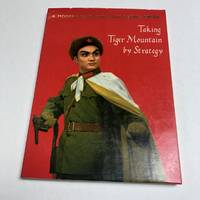
1971AG-10059<p>Beijing: Published by Foreign Language Press 1971 <b>FIRST EDITION.</b> The July 1970 Script Revised by "The Taking Tiger Mountain by Strategy" Group of Peking Opera Troupe of Shanghai. Large 8vo. XXX 113 6 pp. colophon with 3 pages Quotations from Chairman Mao. Printed pictorial wrappers <i>minor tear to the foot edge of the front cover minor curled at the head edge of the front cover else very good condition.</i><br /></p><p>北京:外文出版社出版,1971年第一版,由ä¸å›½äº¬å‰§å›¢æ ¹æ®1970年剧本è”åˆæ”¹ç¼–。å‰é¡µå¸¦æœ‰æ¯›ä¸»å¸è¯å½•ã€‚å°çš®é¡¶éƒ¨ç¨æœ‰ç£¨æŸï¼Œå…¶ä»–部分å“相éžå¸¸å¥½ã€‚</p><p><br /></p><p>In China revolutionary operas or model operas Chinese: yangban xi æ ·æ¿æˆ were a series of shows planned and engineered during the Cultural Revolution 1966–1976 by Jiang Qing the wife of Chairman Mao Zedong.1 They were considered revolutionary and modern in terms of thematic and musical features when compared with traditional Chinese operas. Many of them were adapted to film.</p><p>Originally eight revolutionary operas Chinese: Ba Ge Yangban Xi å…«ä¸ªæ ·æ¿æˆ were produced eighteen by the end of the period. Instead of the "emperors kings generals chancellors maidens and beauties" of the traditional Peking opera which was banned as "feudalistic and bourgeois" they told stories from China's recent revolutionary struggles against foreign and class enemies. They glorified the People's Liberation Army and the bravery of the common people and showed Mao Zedong and his thought as playing the central role in the victory of socialism in China. Although they originated as operas they soon appeared on LPs in comic books lianhuanhua on posters postcards and stamps; on plates teapots wash basins cigarette packages vases and calendars. They were performed or played from loudspeakers in schools factories and fields by special performing troupes. The Eight Model Operas dominated the stage in all parts of the country during these years leading to the joke "Eight hundred million people watched eight shows."</p><p>本组剧本属于文é©æ—¶æœŸçš„å…«å¤§æ ·æ¿æˆï¼Œç”±æ¯›ä¸»å¸å¤«äººæ±Ÿé’负责制作和演出。很多被æ‹æˆäº†ç”µå½±ã€‚</p><p>最åˆæœ‰å…«ä¸ªæ ·æ¿æˆï¼ŒåŽæ¥åœ¨æ–‡é©æ—¶æœŸçš„åŽæœŸå‘展到了18个。ä¸åƒå› å°å»ºå’Œèµ„产阶级的被ç¦äº†çš„ä¼ ç»Ÿäº¬å‰§ï¼Œé‡Œé¢å‡ºçŽ°çš„ä¸çš„国王大臣少女和美人,é©å‘½çŽ°ä»£äº¬å‰§ä¸»è¦è®²è¿°ä¸å›½è¿‘å¹´æ¥çš„抗战故事,宣扬人民解放军的光辉è£è€€å’Œæ¯›ä¸»å¸çš„英勇。虽然是京剧,很快就å˜æˆäº†å„ç§å½¢å¼å‡ºçŽ°åœ¨è¿žçŽ¯ç”»ã€æµ·æŠ¥ã€æ˜Žä¿¡ç‰‡ã€é‚®ç¥¨ã€é¦™çƒŸã€èŠ±ç“¶ã€æ—¥åŽ†ç‰å„ç§åœ°æ–¹ï¼Œç”¨æ‰©éŸ³å–‡å在å¦æ ¡ã€å·¥åŽ‚ç‰åœ°æ–¹ï¼Œç”±æ¼”出团进行表演。8ä¸ªæ ·æ¿æˆä¸»å¯¼äº†å…¨å›½æ‰€æœ‰çš„舞å°ï¼Œå› æ¤æœ‰äº†8亿人看8个剧的笑è¯ã€‚</p> Foreign Language Press paperback
178126217Halle, Johann Jacob Gebauer, 1781. 8vo. XVI, X, 934 S.; 1 Bl., IV S., S. (717)-1666. Hldr. d. Zt. m. 2 RSchildern u. Rückengoldprägung.
In-4 (cm. 34.90), tela editoriale, sovracoperta editoriale illustrata, pp. 543, (5), con 449 illustrazioni a colori e bianco e nero nel testo che - per la prima volta - riproducono opere tratte dai suoi 75 album (1872-1927) ritrovati nello studio di Bordighera; 70 illustrazioni in bianco e nero di oggetti e documenti personali; 42 illustrazioni relative al materiale bibliografico dell'Archivio Enrico, e infine il catalogo completo dei taccuini di viaggio e dell'opera grafica, con 2997 piccole riproduzioni in bianco e nero. Inedita raccolta di opere del grande pittore monzese (1857-1927). Volume in buono stato, sovracoperta con tracce d’uso e di nastro adesivo.
1528595033.Gpaperback. Good. Access codes and supplements are not guaranteed with used items. May be an ex-library book. paperback
T. Ferrari e G. Bramati - Come ascoltare e Capire la Musica Classica - ed. 1988 Testo in lingua italiana. Pagine - 222 con illustrazioni. Copertina morbida. Condizioni molto buone.
1996MHAESEN1Paris Editions Premières Loges 1996 In-8 broché (25x17 cm), couverture illustrée pelliculée, nombreuses illustrations, livret bilingue commenté, discographie, bibliographie, 119 pp.
1998MROSSEM1Paris Editions Premières Loges 1998 In-8 broché (25x17 cm), couverture illustrée pelliculée, nombreuses illustrations, livret bilingue commenté, discographie comparée, vidéographie comparée, bibliographie, 118 pp.
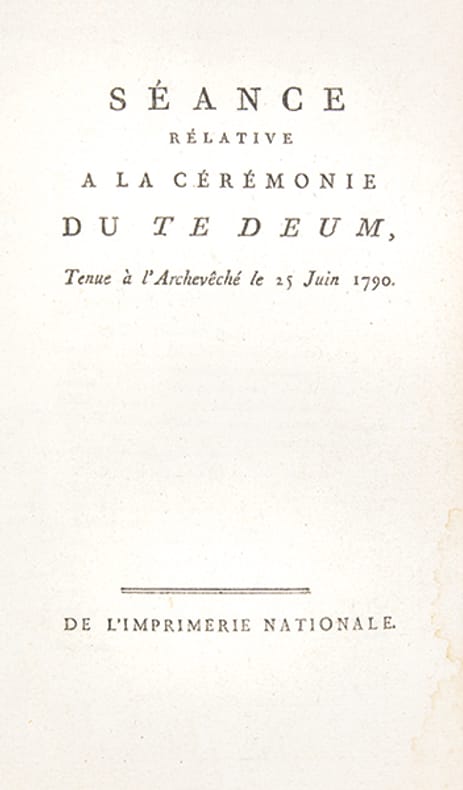
38689In-8, broché, couverture papier d'attente gris, (2), 17 p. [Paris], Imprimerie Nationale, [1790].
Opera completa in 4 Voll. In-16°, leg. edit. in tutta tela con decori impressi in nero ai piatti, e tit. in oro ai dorsi, pp. XVIII-726, XXII-788, XVI-754 e XII-788. Antiporta del primo vol. incisa col ritratto di Schiller. Marginali tracce del tempo, ma buono stato d conservazione.
Musica Cornelia Szabó,-Knotik Amadeus - Milos Formans Film als musikhistorisches Phä,nomen - 1^ ed. 1999 Pag. 230 con alcune illustrazioni. Copertina morbida - Testo in tedesco. Condizioni molto buone.
Musica - Organi Orgues en Lorraine-Mosellane Symposium - Les grandes dynasties de facteurs d'orgues Lorrains - ed. 1988 Pag. 96 con alcune illustrazioni. Copertina morbida - Testo in francese. Condizioni generali molto buone.
487770P., A. Durand & fils éditeurs, 1908. In-folio, en ff., 21 pp.
1876nh702Au ménestrel, Heugel & Fils Relié 1876 In-4 (20,3 x 28 cm), reliure demi-peau, dos lisse orné de filets et du titre dorés, 147 pages, partition piano de Sylvia ou la Nymphe de Diane, ballet en 3 actes et 5 tableaux, par Jules Barbier et Mérante, mis en musique par Léo Delibes ; coin supérieur du quatrième plat usé, coiffes et bords des plats frottés, quelques traces et marques d'usage sur les plats, quelques rousseurs à l'intérieur, état moyen. Livraison a domicile (La Poste) ou en Mondial Relay sur simple demande.
0366711393.Gpaperback. Good. Access codes and supplements are not guaranteed with used items. May be an ex-library book. paperback
Programme for Saturday Matinee, 2nd December 1967 of the 411th performance at the Royal Opera House by the Royal Ballet of Swan Lake.
P. éd. revue Adam, 1952. In-8 relié demi basane bleue, couvertures conservées,187 pp. avec de nombreuses illustrations hors texte . Dos éclairci, sinon très bon état.
177346402245A Londres, , 1773 ; 2 tomes en 1 volume in-12, broché dans un papier de dominoterie bleu à fleurs, entièrement non rogné. (État de parution) 4 ff. n. ch., 135 pp., 2 ff. de table - 2 ff., 192 pp., 3 ff. de table, 1 f. blanc.Autobiographie romanesque de Jean Monnet. Né à Condrieux près de Lyon, orphelin à 8 ans, il vécut jusqu’à 15 ans chez un oncle, nommé “le Rabelais” du canton, qui négligea son éducation au point qu’il ne savait pas lire alors que le duvet lui poussait au menton. Il se rendit alors à Paris et fut placé dans la maison de la duchesse de Berry (fille du Régent) qui lui fournit quelques maîtres d’agrément. En 1719, ayant perdu sa bienfaitrice il se trouva sans ressources et vécut d’aventures et d’expédients. Gigolo d’une veuve d’un vieux militaire, il se trouva sur la pavé lorsque la famille de la joyeuse la fit enfermer. Hébergé par un cousin à Mortagne, il séduisit une fille de famille et s’apprêta à l’enlever. Le projet fut découvert. De désespoir Monnet se retira à la Trappe où il ne tint que 9 jours. Il retourna à Paris et exerça divers métiers, dont certains prétendus honnêtes comme bibliothécaire, libraire, éditeur et même auteur. En 1743 il obtint le privilège de l’Opéra comique, le perdit presque aussitôt. En 1745 il était directeur de théâtre de Lyon, en 1748 d’un théâtre français à Londres. En 1752 il reprit la direction de l’Opéra comique et la garda jusqu’en 1758. Ce fut sous Monnet que ce spectacle prit du développement et cessa d’être un théâtre de vaudeville. Favart, Sedaine, Philidor préparèrent le public à entendre de la musique plus dramatique. Monnet a fortement contribué à cette révolution. En 1766 il retourna à Londres, puis revint à Paris où il est mort obscurément vers 1785.Dans le tome 2 on trouve pp.69 à 192 : Les mystifications du Sieur P..., récit romanesque des aventures d’un comédien et auteur dramatique dont Monnet ne révèle pas le nom. Il s’agit d’Antoine Poinsinet né à Fontainebleau en 1735, mort noyé dans le Guadaquivir en 1769. Poinsinet n’était qu’un plagiaire ridicule, ignorant et présomptueux. Sa bêtise et ses mystifications ont amusé ceux qui l’ont connu. Il devint la victime des espiègleries des écrivains et comédiens de l’époque. Monnet raconte toutes les mésaventures de ce Ragotin. Mylne Martin 72.26 (qui décrit aussi 2 autres éditions de 1772 et une de 1777.) Trou dans la marge inférieure du 1er titre, qq. mouillures, sinon plaisant exemplaire dans son premier brochage. Le papier dominoté est en partie doublé, avec déchirures au dos.
Supplemento al Catalogo Dischi N. 9 - 1960 Otto Klemperer Testo in lingua italiana. Pagine 15 con illustrazioni. Copertina morbida. Condizioni molto buone con piccoli segni del foto.
Supplemento al Catalogo Dischi N. 12 - 1960 Otto Klemperer Testo in lingua italiana. Pagine 15 con illustrazioni. Copertina morbida. Condizioni molto buone con piccoli segni del foto.
Supplemento al Catalogo Dischi N. 11 - 1960 Maria Callas Testo in lingua italiana. Pagine 15 con illustrazioni. Copertina morbida. Condizioni molto buone con piccoli segni del foto.
With over 45 illustrations. Previous owners name and date at top of front free endpaper. Small tear at base of back cover. General light shelfwear.
Premessa di Paolo Isotta<br/>Collana LA TORRE D'AVORIO<br/>Legatura brossura con bandelle<br/>Formato Ottavo<br/>Num Pagine 306<br/>Traduttore Oddo Piero Bertini<br/>Prima Edizione
20081-0979572509The Cookbook Marketplace 2008. Hardcover. New. 256 pages. 11.00x8.70x0.80 inches. The Cookbook Marketplace hardcover