13 973 résultats
18453614285Berlin, Petsch, 1845. IV, 243 S. Mit 28 mehrfach gefalteten Kupfertafeln, 2 lithographischen Tafeln und mehreren Holzschnitten. Ppbd der Zeit. Gr.-4to. (Stempel auf Titel, Bibliotheks-Rückenschild).
18703614318Berlin, Nicolai, 1870/71. 206; 327 S. Mit insgesamt 18 mehrfach gefalteten Tafeln. Ppbd d. Zt. M. Rsign. Einbd. etwas berieben. Sign. a. Vors. St. a. Tit.
18323614271Berlin, Petsch, 1832. 289 S. Mit 29 mehrfach gefalteten Kupfertafeln, 1 lithographierten Tafel und 2 Holzschnitten. Ppbd d. Zt. M. Rsign. Einbd. etwas berieben. Sign. a. Vors. St. a. Tit. Minimal stockfl.
19043614333Berlin, Simion, 1904. 438 S. Mit 7 lithographischen Tafeln, 27 Autotypie-Tafeln und 161 in den Text gedruckten Abbildungen. Halbleder der Zeit. Gr.-4to. (Rücken leicht bestoßen).
18683614316Berlin, Hickethier, 1868. IV, 206 S. Mit 12 mehrfach gefalteten Kupfertafeln. Ppbd der Zeit. Gr.-4to. (Stempel auf Titel, Bibliotheks-Rückenschild).
18753614322Berlin, Nicolai, 1875. 394 S. Mit 6 mehrfach gefalteten Kupfertafeln und 1 Ueberdrucktafel. Ppbd d. Zt. M. Rsign. Einbd. etwas berieben. Sign. a. Vors. St. a. Tit. Vors. etwas braunfl.
18333614272Berlin, Petsch, 1833. IV, 320 S. Mit 28 mehrfach gefalteten Kupfertafeln und 3 Holzschnitten. Ppbd der Zeit. Gr.-4to. (Stempel auf Titel, Bibliotheks-Rückenschild).
18633614313Berlin, Hickethier, 1863. IV, 287 S. Mit 7 lithographischen und 32 mehrfach gefalteten Kupfertafeln. Ppbd der Zeit. Gr.-4to. (Stempel auf Titel, Bibliotheks-Rückenschild).
19011307829(Chemnitz, etwa 1901). Gr.-4to. 4 Bl. m. Abbildungen. Hlwdbd d. Zeit (Einbd lichtrandig u. leicht beschabt, Rücken m. kl. Fehlstelle, mit Stempel u. Signaturen).
1962VERK0701Leipzig, Reprint-Verlag (1962/64). 30x22 cm, 17 Texts., Merkblätter für Dampflokomotiven:; 99 Baureihen; zahlr. Zeichnungen, techn. Daten etc.; illustr. OPpbd., fast wie neu.
Cover and contents in very good clean condition. Dust jacket lightly worn along the edges. Large tear to the back of dust jacket. Previous owner's name and date on front inside cover. Minor age spotting to FEP and page block. Used
8 figures, 4 b/w plates, numerous tables, mild sunning to spine, light creasing to bottom corner of back cover, text clean and tight Used
numerous figures, minor softening to head and tail of spine, chipping to corners, first inner hinge split but board attached, text clean and tight Used
1971029339Hudson-Essex-Terraplane Club Inc. / Tim Hudson 1971 1972 1973 1974 1975 1976 1977 1971. 1st Edition . Soft cover. Near Fine. Photographs Throughout. 65 Issues Soft Cover Age Toning To Spines Of Covers Otherwise Near Fine Or Fine. International Postage At Usps Priority Mail Box Rate <br/> <br/> Hudson-Essex-Terraplane Club, Inc. / Tim Hudson 1971 1972 1973 1974 1975 1976 1977 paperback
184221088Stuttgart u. Tübingen. J. G. Cotta. Neunter Jahrgang 1842. (4), 288 Seiten. Mit 8 teils mehrfach gefalteten Steintafeln. Kart.-Einband der Zeit (Ebd. etwas berieben) 24x19 cm
184021093Stuttgart u. Tübingen. J. G. Cotta. 1840. (4), 264 u. 64 Seiten. Mit 10 teils gefalteten Steintafeln. Kart.-Einband der Zeit (Ebd. etwas berieben) 24x19 cm
Scarce book. Orange cover with gilt lettering to spine looks a little worn at the tail of spine and corners. Nicked head of spine. Second inner paper hinge torn. Contents in very good clean condition. Library plate and pocket on front inside cover and FEP. Library stamp on catalogue page. Highly illustrated with diagrams and tables. Ex - Library
18192Berlin, Springer-Verlag, 20202. XII, 415 Seiten. Gr.-8°, Original Pappband ( Hinerdeckel minimal berieben)
1895230Wien. Druck von Köhle u. Hamburger. 1895. (4), 140 Seiten u. ca. 100 Seiten mit Werbeanzeigen. Mit zahlreichen Abbildungen u. teils dekorativ bebilderten Anzeigen. Halbleder-Einband der Zeit mit Rückentitel. Gutes Exemplar! 34x26 cm
193062467München. Verlag R. Oldenourg. 28. Juni 1930. Ein Blatt, Seite 297 bis Seite 324. Mit zahlreichen Abbildungen. Ill. Originalbroschur. (Anstreichungen) 30x21 cm
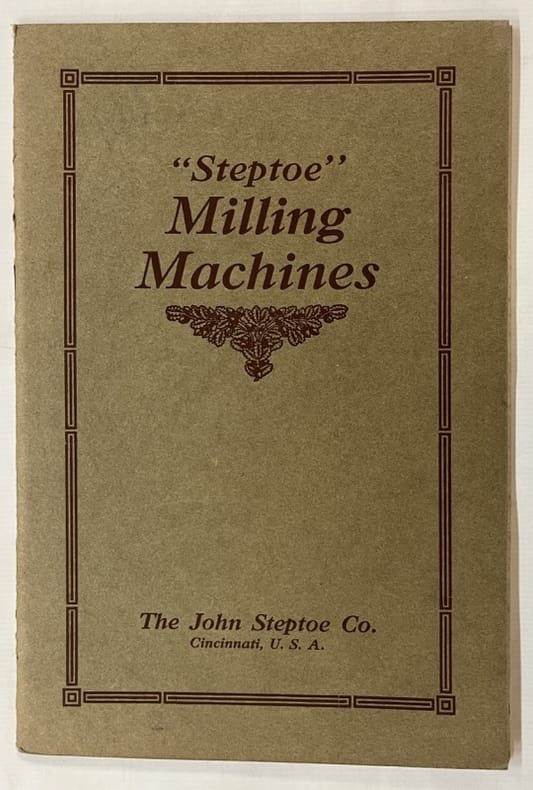
1930141099Cincinnati, U.S.A, The John Steptoe Co. 1930 Livre en anglais. In-8 agrafé 23 cm sur 15. 30 pages. Ouvrage illustré de 15 ill. 15 illustrations. Bon état d’occasion.
195051105New York, McGraw-Hill, 1950. 8vo. In the original full cloth with the original dust-jacket. Dust-jacket with light miscolouring to spine and and a tear to capitals. Small tear to upper part of the back to dust-jacket. A very fine and clean copy. XIII, (1), 451 pp.
190744914London: Offices Of "engineering". 1907. First Edition. Hardcover. Very Good. Military History Travel and Exploration Most Recent Listing; Large Folio; 890 pages; London: Offices of "Engineering". Very Good. 1907. First Edition. 890 pages; With the original title page for the semi-annual volume and the several indices for vol. LXXXIV issued with the first numbers of 1908 . Large folio. Bound around time of receipt in full green buckram spine lettered in gilt -- plain endpapers edges of the leaves decoratively marbled. Originally this volume was in the Library of the U. S. Bureau of Standards. There is a small performated stamp of the Bureau of Standards on the title page now overstamped: "Cancelled. " The Surplus-Duplicate stamp of the Library of Congress appears in blue ink on the front free endpaper making this volume legal to buy and sell. This heavy volume never circulated; there is no card pocket or circulation slip. One of the most interesting and consequential volumes of this standard publication covering the world's engineering achievements during the first decade of the twentieth century. During the second half of 1906 the huge Cunard turbine-powered ocean liners "Lusitania" and "Mauretania" were built separately and first launched for their respective sea trials. The richly detailed accounts here in "Engineering" coincide with the maiden voyages of the two ships. Each was at its time of launching the largest and most powerful vessel the world had yet seen. Each also took the "Blue Riband" -- the informal but highly prized award for the fastest Atlantic crossing by a passenger liner. Cunard was under pressure at the time these two ships were designed and built. The German firms German Norddeutscher Lloyd NDL and Hamburg America Line HAPAG had each built ships larger faster and more luxurious ships than Cunard's flag ships. The American financier J. P. Morgan entered the liner business by forming a trust IMM consisting of Frederick Leyland Ltd. -- which he bought outright and his controlling interest in the British White Star Line. Additionally Morgan made an attempt to purchase Cunard as well. Cunard hoped to regain their position atop the Atlantic liner trade and struck a deal with the British government. In June 1903 Cunard obtained a loan of £2.6 million to finance two ships -- a 20-year loan at a rate of 2.75% . The proposed Cunard ships would receive an annual government operating subsidy of £75 000 each plus a mail contract worth £68 000. The only catch was that the ships were required to be built to Admiralty specifications -- implying that they might potentially serve as auxiliary cruisers in a time of war. The massive task of building these two ships was so complex and demanding that the two commissions were awarded to two different firms. "Lusitania" was designed by Leonard Peskett and built by John Brown and Company of Clydebank Scotland. Its vast size required that the shipyard be reorganized in order that "Lusitania" might be launched diagonally across the widest possible part of the river Clyde where it met a tributary. The Clyde itself was too narrow to accomodate the 786 foot length of "Lusitania. " Even considering this creative diagonal launching undertaking the commission required that John Brown spend £8 000 to dredge the Clyde £18 000 to extend the dock plus £19 000 for a new crane capable of lifting 150 tons etc. Photographs and detailed textual descriptions of all aspects are included in this volume. The texts published here were timed to coincide with the respective maiden voyages: 'Lusitania' was put into Atlantic service July 7 1907; 'Mautiania' followed at the end of 1908 on November 16. Like "Lusitania " "Mauretania was designed by Leonard Peskett but was built by the firm of John Wigham Richardson Swan Hunter in Northumberland England. Upon launch "Mauretania" was the largest moving structure ever built -- slightly larger in gross tonnage than Lusitania. She was also about five feet longer than her sister Cunard ship. Although initiall . Offices Of "engineering" hardcover
007024314X.Ghardcover. Good. Access codes and supplements are not guaranteed with used items. May be an ex-library book. hardcover