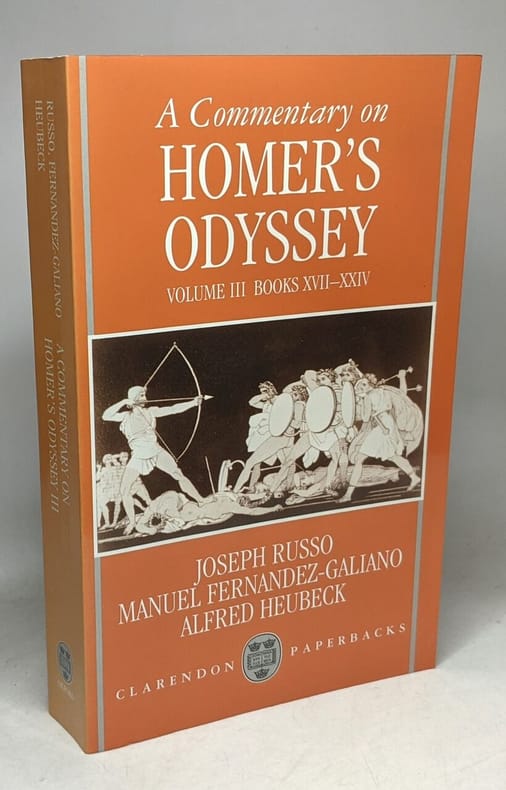
Heubeck Alfred West Stephanie Hainsworth J. BLivre Rare Book
415 résultats
1990100132608Oxford University Press USA 1990 412 pages in8. 1990. Broché. 3 volume(s). 412 pages.
19822091502135413992Masterpiece publication 1982. Soft Cover. Fine. Number of books: 2 Masterpiece publication paperback
193026360New York: Publishers' Fiscal Corporation 1930. Mild edge wear a nearly fine to fine copy. 26360. Octavo cover painting by Wessolowski pictorial wrappers. Pulp magazine. Stories by Victor Rousseau Ray Cummings L.A. Eshbach and others. Reference: Tymm and Ashley Science Fiction Fantasy and Weird Fiction Magazines pp. 60-103. Publishers' Fiscal Corporation unknown
19822091502135413898Masterpiece publication 1982. Soft Cover. Fine. Number of books: 2 Masterpiece publication paperback
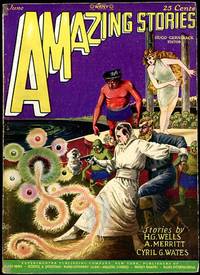
192730578New York: Experimenter Publishing Company 1927. Pages tanned but supple light edge rubbing clear tape at spine ends a very good to nearly fine copy. 30578. Large octavo single issue cover by Frank R. Paul pictorial wrappers. Pulp magazine. Includes part two of "The Moon Pool" by A. Merritt. This issue also has the second published story by Clare Winger Harris "The Fate of Poseidonia." Harris today is noted for being one of the first if not the first female writer who started her career in sf genre magazines. Her work often featured strong female characters and she is today recognized as being an early feminist in the field. Reference: Tymm and Ashley Science Fiction Fantasy and Weird Fiction Magazines pp. 14-49. Experimenter Publishing Company unknown
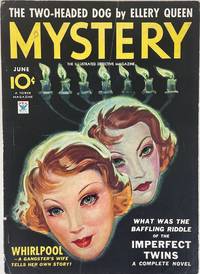
193415696Dunellen N.J.: Tower Magazines Inc. June 1934 volume 9 number 6. Small chip from upper spine end several minor spine tears mended a very good or better copy with bright front cover. Uncommon. 15696. Large octavo single issue cover by Charles de Feo pictorial wrappers. Contributors include Ellery Queen "The Two-Headed Dog" a weird mystery story later collected with others in THE ADVENTURES OF ELLERY QUEEN Francis Beeding Stuart Palmer Henry Lacossitt Carl Mattison Chapin his full-length novel THE IMPERFECT TWINS and others. A large format densely illustrated bedsheet-sized pulp. "The fiction emphasized the woman's point of view was often narrated by a woman and featured as many feminine as masculine detectives. In the rear of the magazine flowered all the usual departments of a more conventional woman's publication . That this magazine would publish much fiction of interest seems improbable. But without effort it contrived to be superb. ILLUSTRATED DETECTIVE selected outstanding writers who had made their mark in the 1920s and mingled these with rising writers of the 1930s. Over the years the magazine would publish work by top names in the mystery field including Ellery Queen Stuart Palmer Sax Rohmer Arnold Kummer Hulbert Footner Vincent Starrett and H. Bedford-Jones. The fiction was polished often strongly compressed and good enough for a large amount of it to appear later between book covers. The magazine appeared monthly for almost six years sixty-nine issues at ten cents a copy. After three years the title was changed to THE MYSTERY MAGAZINE . Covers were tasteful bright and uneventful relying heavily on the faces of self-confident women. Inside was an astonishing amount of material: eight to ten pieces of fiction four or more crime-fact articles and up to ten continuing departments about half of these slanted directly toward women. When the magazine was at its peak in the early 1930s it offered material carefully calculated to appeal to most tastes and both sexes . MYSTERY was as meticulously planned as an orchestral score. Its careful variations played upon every shade of reader interest. It was consciously polished self-consciously feminine. A curious pared sound rang in its fiction as if the stories had been edited with a chain saw but the prose flashed with a bright nickel glitter. Slick the magazine may have been and often over illustrated but it was also considerably interesting and for years excellent." - Cook Mystery Detective and Espionage Magazines pp. 287-90. Tower Magazines, Inc. unknown
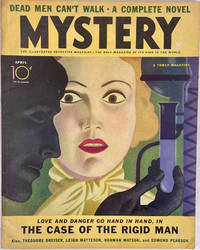
193515699Chicago Illinois: Tower Magazines Inc. April 1935 volume 11 number 4. Mild dust soiling to covers a bright nearly fine copy. Uncommon. 15699. Large octavo single issue cover by John Atherton pictorial wrappers. Fiction by Belden Duff Whitman Chambers Hulbert Footner Helgo Walter Norman Matson Mary Plum and Edward Acheson his full-length novel DEAD MEN CAN'T WALK; articles by Henry LaCossitt Leigh Matteson Edmund Pearson and Theodore Dreiser "I Find the Real American Tragedy". A large format densely illustrated bedsheet-sized pulp. "The fiction emphasized the woman's point of view was often narrated by a woman and featured as many feminine as masculine detectives. In the rear of the magazine flowered all the usual departments of a more conventional woman's publication . That this magazine would publish much fiction of interest seems improbable. But without effort it contrived to be superb. ILLUSTRATED DETECTIVE selected outstanding writers who had made their mark in the 1920s and mingled these with rising writers of the 1930s. Over the years the magazine would publish work by top names in the mystery field including Ellery Queen Stuart Palmer Sax Rohmer Arnold Kummer Hulbert Footner Vincent Starrett and H. Bedford-Jones. The fiction was polished often strongly compressed and good enough for a large amount of it to appear later between book covers. The magazine appeared monthly for almost six years sixty-nine issues at ten cents a copy. After three years the title was changed to THE MYSTERY MAGAZINE . Covers were tasteful bright and uneventful relying heavily on the faces of self-confident women. Inside was an astonishing amount of material: eight to ten pieces of fiction four or more crime-fact articles and up to ten continuing departments about half of these slanted directly toward women. When the magazine was at its peak in the early 1930s it offered material carefully calculated to appeal to most tastes and both sexes . MYSTERY was as meticulously planned as an orchestral score. Its careful variations played upon every shade of reader interest. It was consciously polished self-consciously feminine. A curious pared sound rang in its fiction as if the stories had been edited with a chain saw but the prose flashed with a bright nickel glitter. Slick the magazine may have been and often over illustrated but it was also considerably interesting and for years excellent." - Cook Mystery Detective and Espionage Magazines pp. 287-90. Tower Magazines, Inc. unknown
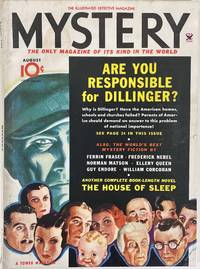
193428771Chicago IL: Tower Magazines Inc. 1934. Spine slightly rolled with some spotting small tear to base of spine small closed tear to right edge a very good copy. 28771. Large octavo single issue pictorial wrappers. Fiction by Frederick Nebel Ellery Queen Norman Matson Guy Endore and others. A large format densely illustrated bedsheet-sized pulp. "The fiction emphasized the woman's point of view was often narrated by a woman and featured as many feminine as masculine detectives. In the rear of the magazine flowered all the usual departments of a more conventional woman's publication . That this magazine would publish much fiction of interest seems improbable. But without effort it contrived to be superb. ILLUSTRATED DETECTIVE selected outstanding writers who had made their mark in the 1920s and mingled these with rising writers of the 1930s. Over the years the magazine would publish work by top names in the mystery field including Ellery Queen Stuart Palmer Sax Rohmer Arnold Kummer Hulbert Footner Vincent Starrett and H. Bedford-Jones. The fiction was polished often strongly compressed and good enough for a large amount of it to appear later between book covers. The magazine appeared monthly for almost six years sixty-nine issues at ten cents a copy. After three years the title was changed to THE MYSTERY MAGAZINE . Covers were tasteful bright and uneventful relying heavily on the faces of self-confident women. Inside was an astonishing amount of material: eight to ten pieces of fiction four or more crime-fact articles and up to ten continuing departments about half of these slanted directly toward women. When the magazine was at its peak in the early 1930s it offered material carefully calculated to appeal to most tastes and both sexes . MYSTERY was as meticulously planned as an orchestral score. Its careful variations played upon every shade of reader interest. It was consciously polished self-consciously feminine. A curious pared sound rang in its fiction as if the stories had been edited with a chain saw but the prose flashed with a bright nickel glitter. Slick the magazine may have been and often over illustrated but it was also considerably interesting and for years excellent." - Cook Mystery Detective and Espionage Magazines pp. 287-90. Tower Magazines, Inc. unknown
193416185Chicago IL: Tower Magazines Inc. 1934. Mild edge rubbing some small cover rubs slight loss at head of spine mild damp stain to contents. A very good copy. Uncommon. 16185. Large octavo single issue pictorial wrappers. "Four Men Who Loved a Woman" by Ellery Queen. Also Stuart Palmer Hildegarde Withers Maurice Level Hulbert Footner and others. A large format densely illustrated bedsheet-sized pulp. "The fiction emphasized the woman's point of view was often narrated by a woman and featured as many feminine as masculine detectives. In the rear of the magazine flowered all the usual departments of a more conventional woman's publication . That this magazine would publish much fiction of interest seems improbable. But without effort it contrived to be superb. ILLUSTRATED DETECTIVE selected outstanding writers who had made their mark in the 1920s and mingled these with rising writers of the 1930s. Over the years the magazine would publish work by top names in the mystery field including Ellery Queen Stuart Palmer Sax Rohmer Arnold Kummer Hulbert Footner Vincent Starrett and H. Bedford-Jones. The fiction was polished often strongly compressed and good enough for a large amount of it to appear later between book covers. The magazine appeared monthly for almost six years sixty-nine issues at ten cents a copy. After three years the title was changed to THE MYSTERY MAGAZINE . Covers were tasteful bright and uneventful relying heavily on the faces of self-confident women. Inside was an astonishing amount of material: eight to ten pieces of fiction four or more crime-fact articles and up to ten continuing departments about half of these slanted directly toward women. When the magazine was at its peak in the early 1930s it offered material carefully calculated to appeal to most tastes and both sexes . MYSTERY was as meticulously planned as an orchestral score. Its careful variations played upon every shade of reader interest. It was consciously polished self-consciously feminine. A curious pared sound rang in its fiction as if the stories had been edited with a chain saw but the prose flashed with a bright nickel glitter. Slick the magazine may have been and often over illustrated but it was also considerably interesting and for years excellent." - Cook Mystery Detective and Espionage Magazines pp. 287-90. Tower Magazines, Inc. unknown
193416186Chicago IL: Tower Magazines Inc. 1934. Some rub marks to right front edge. A very good copy. Uncommon. 16186. Large octavo single issue pictorial wrappers. Fiction by George Harmon Coxe Guy Endore Hulbert Footner and others. A large format densely illustrated bedsheet-sized pulp. "The fiction emphasized the woman's point of view was often narrated by a woman and featured as many feminine as masculine detectives. In the rear of the magazine flowered all the usual departments of a more conventional woman's publication . That this magazine would publish much fiction of interest seems improbable. But without effort it contrived to be superb. ILLUSTRATED DETECTIVE selected outstanding writers who had made their mark in the 1920s and mingled these with rising writers of the 1930s. Over the years the magazine would publish work by top names in the mystery field including Ellery Queen Stuart Palmer Sax Rohmer Arnold Kummer Hulbert Footner Vincent Starrett and H. Bedford-Jones. The fiction was polished often strongly compressed and good enough for a large amount of it to appear later between book covers. The magazine appeared monthly for almost six years sixty-nine issues at ten cents a copy. After three years the title was changed to THE MYSTERY MAGAZINE . Covers were tasteful bright and uneventful relying heavily on the faces of self-confident women. Inside was an astonishing amount of material: eight to ten pieces of fiction four or more crime-fact articles and up to ten continuing departments about half of these slanted directly toward women. When the magazine was at its peak in the early 1930s it offered material carefully calculated to appeal to most tastes and both sexes . MYSTERY was as meticulously planned as an orchestral score. Its careful variations played upon every shade of reader interest. It was consciously polished self-consciously feminine. A curious pared sound rang in its fiction as if the stories had been edited with a chain saw but the prose flashed with a bright nickel glitter. Slick the magazine may have been and often over illustrated but it was also considerably interesting and for years excellent." - Cook Mystery Detective and Espionage Magazines pp. 287-90. Tower Magazines, Inc. unknown
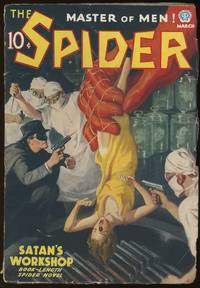
193732328Chicago: Popular Publications Inc. 1937. Creamy paper mild edge wear paper loss upper half of spine small loss lower spine bright front cover a very good copy. 32328. Octavo single issue cover by John Howitt pictorial wrappers. Pulp magazine. "SATAN'S WORKSHOP" by Grant Stockbridge pseudonym. Reference: Cook Mystery Detective and Espionage Magazines pp. 521-527. Tymm and Ashley Science Fiction Fantasy and Weird Fiction Magazines pp. 602-604. Popular Publications, Inc. unknown
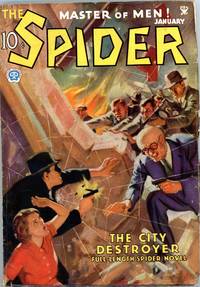
193534725Chicago: Popular Publications Inc. 1935. Mild tanning to text paper slight edge wear with a few tiny tears dings to rear edges of spine and cover edges likely from a bundle strap a touch of wear to spine ands a spine color fade to orange a very good to nearly fine copy. 34725. Octavo single issue cover by John Howitt pictorial wrappers. Pulp magazine. "The City Destroyer" with Norvell Page writing as "Grant Stockbridge." The character was established to be a direct competitor to Street and Smith's Shadow magazine. After Doc Savage and The Shadow this was the most popular hero character. The Spider character was considered one of the most brutal and violent of the pulp era. Reference: Cook Mystery Detective and Espionage Magazines pp. 521-527. Tymm and Ashley Science Fiction Fantasy and Weird Fiction Magazines pp. 602-604. Popular Publications, Inc. unknown
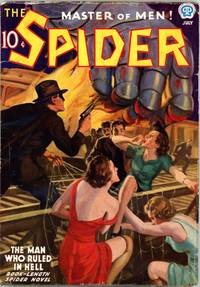
193734758Chicago: Popular Publications Inc. 1937. Mild tanning to text paper mild edge wear with trimming a very good to nearly fine copy. 34758. Octavo single issue cover by John Howitt pictorial wrappers. Pulp magazine. "The Man Who Ruled in Hell" with Norvell Page writing as "Grant Stockbridge." The character was established to be a direct competitor to Street and Smith's Shadow magazine. After Doc Savage and The Shadow this was the most popular hero character. The Spider character was considered one of the most brutal and violent of the pulp era. Reference: Cook Mystery Detective and Espionage Magazines pp. 521-527. Tymm and Ashley Science Fiction Fantasy and Weird Fiction Magazines pp. 602-604. Popular Publications, Inc. unknown
1930013083Paris Bernheim-Jeune 1930 In-4 Broché, couverture rempliée
19282111902160201235Nagano Prefecture Internal Affairs Department Silk Section 1928. Soft Cover. Fine. Volume: 1 Nagano Prefecture Internal Affairs Department Silk Section paperback
193034459Circa 1930. 1930. Good. - Original sepia-toned head-and shoulders portrait photo approximately 9-3/4 inches high by 7-3/4 inches wide. Inscribed in the margin below the image "-- With best wishes / Edward Alsworth Ross." There is some light creasing to the margins of the photo with a few tiny stains to the bottom margin. Good. <p>Edward Alswoth Ross 1866-1951 was an American sociologist and eugenicist and a major figure in early criminology. Rather remarkably in his last twenty years he grew out of the disreputable views of his earlier life when he was a believer in eugenics and sterilization and opposed immigration to the point of suggesting that America would do better to turn its guns "upon every vessel bringing Japanese to our shores rather than to permit them to land". In the 1930s he was a supporter of Franklin Roosevelt's New Deal program and from 1940 to 1950 he served as chairman of the national committee of the American Civil Liberties Union. Circa [1930]. unknown
1910390597Warrensville Ohio: Cooley Farms Print 1910. Softcover. Near Fine. First and probably only edition. Small octavo. 2 18pp. printed in double columns. Wrappers. Lacks the pictorial wrappers else near fine. First-hand account of life of an inmates life at the innovative reformatory at Cooley Farms outside of Cleveland written by an unidentified journalist who was serving a 30 day sentence printed in the prison's print shop which details the author's incarceration noting the comparative advantages of the Cooley Farms system over the brutality of traditional prisons. Cooley Farms the brainchild of Harris Reid Cooley who served under Cleveland's Progressive mayor Tom Johnson. includes the Correction Farm which included the prison and workhouse a charity infirmary a poorhouse and a tuberculosis sanatorium. OCLC locates no copies though a digital copy which includes wrappers of a copy at the Cleveland Public Library was located. Cooley Farms Print unknown
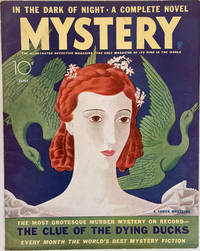
193515698Chicago Illinois: Tower Magazines Inc. June 1935 volume 11 number 6. A bright nearly fine copy. Uncommon. 15698. Large octavo single issue cover by John Atherton pictorial wrappers. Fiction by Francis Beeding Whitman Chambers Chapin Howard George Harmon Coxe a hard-boiled mystery story by a prolific writer for the pulps including BACK MASK Hulbert Footner and Raymond Leslie Goldman his full-length novel IN THE DARK OF NIGHT; articles by Edward Hale Bierstadt Theodore Dreiser "I find the Real American Tragedy" and others. A large format densely illustrated bedsheet-sized pulp. "The fiction emphasized the woman's point of view was often narrated by a woman and featured as many feminine as masculine detectives. In the rear of the magazine flowered all the usual departments of a more conventional woman's publication . That this magazine would publish much fiction of interest seems improbable. But without effort it contrived to be superb. ILLUSTRATED DETECTIVE selected outstanding writers who had made their mark in the 1920s and mingled these with rising writers of the 1930s. Over the years the magazine would publish work by top names in the mystery field including Ellery Queen Stuart Palmer Sax Rohmer Arnold Kummer Hulbert Footner Vincent Starrett and H. Bedford-Jones. The fiction was polished often strongly compressed and good enough for a large amount of it to appear later between book covers. The magazine appeared monthly for almost six years sixty-nine issues at ten cents a copy. After three years the title was changed to THE MYSTERY MAGAZINE . Covers were tasteful bright and uneventful relying heavily on the faces of self-confident women. Inside was an astonishing amount of material: eight to ten pieces of fiction four or more crime-fact articles and up to ten continuing departments about half of these slanted directly toward women. When the magazine was at its peak in the early 1930s it offered material carefully calculated to appeal to most tastes and both sexes . MYSTERY was as meticulously planned as an orchestral score. Its careful variations played upon every shade of reader interest. It was consciously polished self-consciously feminine. A curious pared sound rang in its fiction as if the stories had been edited with a chain saw but the prose flashed with a bright nickel glitter. Slick the magazine may have been and often over illustrated but it was also considerably interesting and for years excellent." - Cook Mystery Detective and Espionage Magazines pp. 287-90. Tower Magazines, Inc. unknown
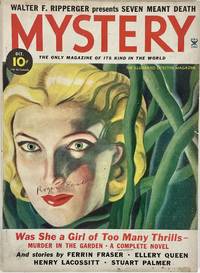
193415697Dunellen N.J.: Tower Magazines Inc. 1934. Owner's signature on front cover. A few spots along lower edge of front cover a very good or better copy with bright front cover. Uncommon. 15697. Large octavo single issue cover by Harold Woolridge pictorial wrappers. Contributors include Ellery Queen "The Black Cats Vanished" a weird mystery story later collected with others in THE ADVENTURES OF ELLERY QUEEN Stuart Palmer Henry Lacossitt Roger East his full-length novel MURDER IN THE GARDEN and others. A large format densely illustrated bedsheet-sized pulp. "The fiction emphasized the woman's point of view was often narrated by a woman and featured as many feminine as masculine detectives. In the rear of the magazine flowered all the usual departments of a more conventional woman's publication . That this magazine would publish much fiction of interest seems improbable. But without effort it contrived to be superb. ILLUSTRATED DETECTIVE selected outstanding writers who had made their mark in the 1920s and mingled these with rising writers of the 1930s. Over the years the magazine would publish work by top names in the mystery field including Ellery Queen Stuart Palmer Sax Rohmer Arnold Kummer Hulbert Footner Vincent Starrett and H. Bedford-Jones. The fiction was polished often strongly compressed and good enough for a large amount of it to appear later between book covers. The magazine appeared monthly for almost six years sixty-nine issues at ten cents a copy. After three years the title was changed to THE MYSTERY MAGAZINE . Covers were tasteful bright and uneventful relying heavily on the faces of self-confident women. Inside was an astonishing amount of material: eight to ten pieces of fiction four or more crime-fact articles and up to ten continuing departments about half of these slanted directly toward women. When the magazine was at its peak in the early 1930s it offered material carefully calculated to appeal to most tastes and both sexes . MYSTERY was as meticulously planned as an orchestral score. Its careful variations played upon every shade of reader interest. It was consciously polished self-consciously feminine. A curious pared sound rang in its fiction as if the stories had been edited with a chain saw but the prose flashed with a bright nickel glitter. Slick the magazine may have been and often over illustrated but it was also considerably interesting and for years excellent." - Cook Mystery Detective and Espionage Magazines pp. 287-90. Tower Magazines, Inc. unknown
1963904136BG1963. Blattmaß: 40,5 x 54,5 cm. Bildmaß: ca. 31 x 43 cm (quer).
1928211190216020041972 Daimyo-cho Matsumoto-shi Kobayashi Kokonoe 1928. Soft Cover. Fine. Volume: 1 72 Daimyo-cho, Matsumoto-shi Kobayashi Kokonoe paperback
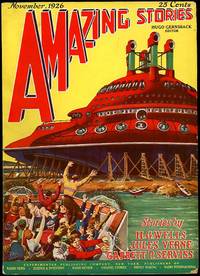
192630571New York: Experimenter Publishing Company 1926. Pages tanned but supple some minor loss at some corner tips slight edge wear with tiny loss at lower front corner tip a bright nearly fine copy. 30571. Large octavo single issue cover by Frank R. Paul pictorial wrappers. Pulp magazine bedsheet format. Fiction by H. G. Wells Jules Verne Garrett P. Serviss A. Hyatt Verrill and Murray Leinster. Reference: Tymm and Ashley Science Fiction Fantasy and Weird Fiction Magazines pp. 14-49. Experimenter Publishing Company unknown
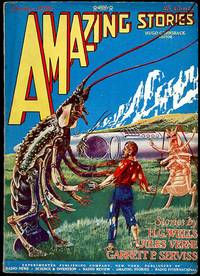
192630566New York: Experimenter Publishing Company 1926. Tanning to paper but still supple clear tape to spine a nearly fine copy. 30566. Large octavo single issue cover by Frank R. Paul pictorial wrappers. Pulp magazine bedsheet format. Includes part 1 of "Station X" by George Winsor "The Eggs From Lake Tanganyika" by Curt Siodmak which is the cover illustration other fiction by H. G. Wells Garrett Serviss Edgar Allan Poe Jules Verne and others. Reference: Tymm and Ashley Science Fiction Fantasy and Weird Fiction Magazines pp. 14-49. Experimenter Publishing Company unknown
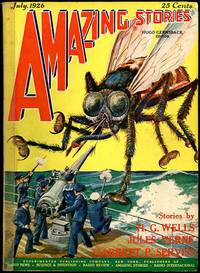
192630570New York: Experimenter Publishing Company 1926. Text paper browned but fairly supple some loss to minor loss to lower corner tips latter part of book mild edge rubs a bright nearly fine copy. 30570. Large octavo single issue cover by Frank R. Paul pictorial wrappers. Pulp magazine bedsheet format. Fiction by H. G. Wells Jules Verne Garrett P. Serviss A. Hyatt Verrill and Alexander Snyder. Reference: Tymm and Ashley Science Fiction Fantasy and Weird Fiction Magazines pp. 14-49. Experimenter Publishing Company unknown
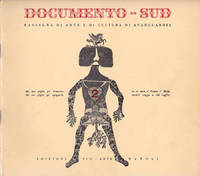
19591476<p><strong>Numero 2</strong><br />Oblong quarto unpaginated 32 pages illustrated throughout. Stiff illustrated wrappers. Front cover illustration by Guido Biasi.<br />- First edition. Texts by: Persico Baj Lebel Andriani Crispolti Barletta Castellano Jaguer and Biasi illustrations by: Luca Galdo Palumbo Trubbiani Pollock Alfano Baj Brauner R. d'Haese Lebel Reuterswärd Dubuffet Verga Gruppo '58 Barisani C. del Pozzo Massey Fergola Biasi L. Del Pezzo Viscardi Freda di Bello Persico Jaguer and Colucci. Front cover by Guido Biasi with a rearranged excerpt from the Neapolitan song Lily Kangy by Capurro and Gambardella – "chi me piglia pe' francese/ chi mi piglia pe' spagnola/ io so nata o' Conte e' Mola/ mett'a' coppa a chi vogl'io" "Some take me for French / some take me for Spanish / I was born in Conte e' Mola / I'll put on top whoever I want"</p><p><strong>Numero 6</strong><br />Oblong quarto unpaginated 32 pages illustrated throughout. Stiff illustrated wrappers. Front cover illustration after drawing by Gustave Moreau.<br />- First edition. Texts by D'Angelo's: Un centenario dell'Indipendenza; Delire des ombres; Delire des ombres; Toniato Andriani von Holten Martini Benayoun Jaguer Persico Thiercelin; Biasi: Apologia dell'interrogazione; Llinas Leonard Castellano Havrenne Petersen and Walter Fedler: Realismo socialista nella Repubblica Democratica Tedesca. Illustrations by Mesens Fergola Andriani Boucher Max Ernst Lucio Del Pezzo; Persico Toyen Petersen Baj Vielfaure Lacomblez Picabia Biasi Pabi Castellano Fahlström Sant'elia Russo Dova and di Bello.<br />The central double page is dedicated to Franz Picabia featuring a reproduction of one of his works and nine quotations from other authors who wrote about him Apollinaire Breton Estienne Fricker De Massot Olga Picabia Seuphor Tapié.</p><p>'The merit of Documento Sud and its creators undoubtedly lies in their contribution to the development of Italian visual poetry their attempt to build a new interplay between image and word a connection between drawing and writing poetry and collage always guided by an unconventional use of forms and freedom in the figurative repertoire "disobeying any logical criterion" to use the words of Mario Persico." Marina Borrelli</p> Edizioni Sud Arte