2 471 résultats
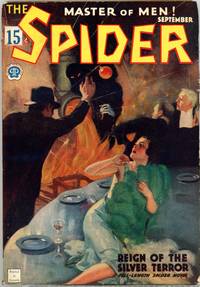
193434721Toronto ON: The Trans-Canada News Company 1934. Mild tanning to text paper mild edge wear bright red spine a nearly fine copy. 34721. Octavo single issue cover by John Howitt pictorial wrappers. Pulp magazine. "Reign of the Silver Terror" with Norvell Page writing as "Grant Stockbridge." The character was established to be a direct competitor to Street and Smith's Shadow magazine. After Doc Savage and The Shadow this was the most popular hero character. The Spider character was considered one of the most brutal and violent of the pulp era. Reference: Cook Mystery Detective and Espionage Magazines pp. 521-527. Tymm and Ashley Science Fiction Fantasy and Weird Fiction Magazines pp. 602-604. The Trans-Canada News Company unknown
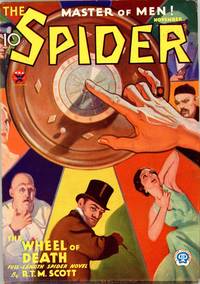
193334709Chicago: Popular Publications Inc. 1933. Mild tanning to text paper slight edge wear closed tears at upper spine edge mild spine fade a nearly fine to fine copy. 34709. Octavo single issue cover by John Howitt pictorial wrappers. Pulp magazine. The second issue. "The Wheel of Death" by R. T. M. Scott. This is the last to be written by Scott starting with the next third issue a house pseudonym was used. The character was established to be a direct competitor to Street and Smith's Shadow magazine. After Doc Savage and The Shadow this was the most popular hero character. The Spider character was considered one of the most brutal and violent of the pulp era. Reference: Cook Mystery Detective and Espionage Magazines pp. 521-527. Tymm and Ashley Science Fiction Fantasy and Weird Fiction Magazines pp. 602-604. Popular Publications, Inc. unknown
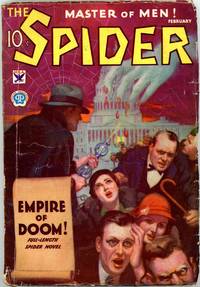
193434712Chicago: Popular Publications Inc. 1934. Tanning to text paper with some edge brittleness edge wear with tiny tears and chips small chip to upper left front cover spine darkened a good to very good copy. 34712. Octavo single issue cover by John Howitt pictorial wrappers. Pulp magazine. "Empire of Doom" with Norvell Page writing as "Grant Stockbridge." The character was established to be a direct competitor to Street and Smith's Shadow magazine. After Doc Savage and The Shadow this was the most popular hero character. The Spider character was considered one of the most brutal and violent of the pulp era. Reference: Cook Mystery Detective and Espionage Magazines pp. 521-527. Tymm and Ashley Science Fiction Fantasy and Weird Fiction Magazines pp. 602-604. Popular Publications, Inc. unknown
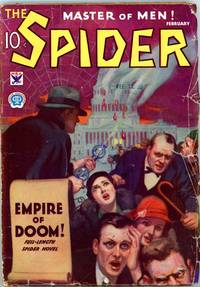
193434713Chicago: Popular Publications Inc. 1934. Mild tanning to text paper edge wear with tears and creases losses to spine with insect damage no back cover. A fair copy. 34713. Octavo single issue cover by John Howitt pictorial wrappers. Pulp magazine. "Empire of Doom" with Norvell Page writing as "Grant Stockbridge." The character was established to be a direct competitor to Street and Smith's Shadow magazine. After Doc Savage and The Shadow this was the most popular hero character. The Spider character was considered one of the most brutal and violent of the pulp era. Reference: Cook Mystery Detective and Espionage Magazines pp. 521-527. Tymm and Ashley Science Fiction Fantasy and Weird Fiction Magazines pp. 602-604. Popular Publications, Inc. unknown
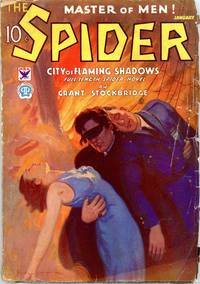
193434711Chicago: Popular Publications Inc. 1934. Tanning to text paper edge wear with tears and chips small chip to upper left front cover darkening to spine a good to very good copy. 34711. Octavo single issue cover by John Howitt pictorial wrappers. Pulp magazine. "City of Flaming Shadow" with Norvell Page writing as "Grant Stockbridge." The character was established to be a direct competitor to Street and Smith's Shadow magazine. After Doc Savage and The Shadow this was the most popular hero character. The Spider character was considered one of the most brutal and violent of the pulp era. Reference: Cook Mystery Detective and Espionage Magazines pp. 521-527. Tymm and Ashley Science Fiction Fantasy and Weird Fiction Magazines pp. 602-604. Popular Publications, Inc. unknown
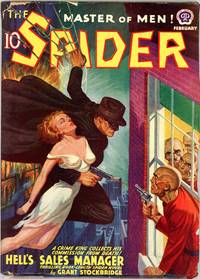
194034789Chicago: Popular Publications Inc. 1940. Mild tanning to text paper mild edge wear with several tiny tears shallow small chip to upper left front edge a very good to nearly fine copy. 34789. Octavo single issue cover by Rafael DeSoto pictorial wrappers. Pulp magazine. "Hell's Sales Manager" with Norvell Page writing as "Grant Stockbridge." The character was established to be a direct competitor to Street and Smith's Shadow magazine. After Doc Savage and The Shadow this was the most popular hero character. The Spider character was considered one of the most brutal and violent of the pulp era. Reference: Cook Mystery Detective and Espionage Magazines pp. 521-527. Tymm and Ashley Science Fiction Fantasy and Weird Fiction Magazines pp. 602-604. Popular Publications, Inc. unknown
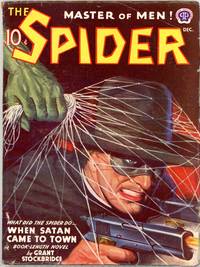
194334830Chicago: Popular Publications Inc. 1943. First edition. Mild tanning to text paper mild edge wear crease at upper right corner a very good to nearly fine copy. 34830. Octavo single issue cover by Rafael DeSoto pictorial wrappers. Pulp magazine. The final issue. "When Satan Came to Town" with Prentice Winchell Stewart Stirling writing as "Grant Stockbridge." Cover illustration has the main character with fangs. The character was established to be a direct competitor to Street and Smith's Shadow magazine. After Doc Savage and The Shadow this was the most popular hero character. The Spider character was considered one of the most brutal and violent of the pulp era. Reference: Cook Mystery Detective and Espionage Magazines pp. 521-527. Tymm and Ashley Science Fiction Fantasy and Weird Fiction Magazines pp. 602-604. Popular Publications, Inc. unknown
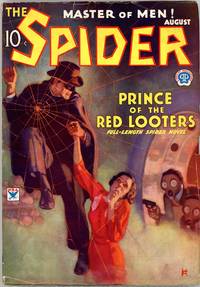
193434719Chicago: Popular Publications Inc. 1934. Mild tanning to text paper slight color fade at spine to orange slight edge wear a nearly fine copy. 34719. Octavo single issue cover by John Howitt pictorial wrappers. Pulp magazine. "Prince of the Red Looters" with Norvell Page writing as "Grant Stockbridge." The character was established to be a direct competitor to Street and Smith's Shadow magazine. After Doc Savage and The Shadow this was the most popular hero character. The Spider character was considered one of the most brutal and violent of the pulp era. Reference: Cook Mystery Detective and Espionage Magazines pp. 521-527. Tymm and Ashley Science Fiction Fantasy and Weird Fiction Magazines pp. 602-604. Popular Publications, Inc. unknown
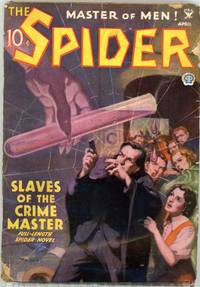
193534729Chicago: Popular Publications Inc. 1935. Mild tanning to text paper edge wear with chips at upper and right edges loss to cover and paper at lower left corner color fade to spine loss along edge of rear cover a good to very good copy. 34729. Octavo single issue cover by John Howitt pictorial wrappers. Pulp magazine. "Slaves of the Crime Master" with Norvell Page writing as "Grant Stockbridge." The character was established to be a direct competitor to Street and Smith's Shadow magazine. After Doc Savage and The Shadow this was the most popular hero character. The Spider character was considered one of the most brutal and violent of the pulp era. Reference: Cook Mystery Detective and Espionage Magazines pp. 521-527. Tymm and Ashley Science Fiction Fantasy and Weird Fiction Magazines pp. 602-604. Popular Publications, Inc. unknown
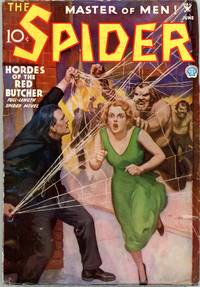
193534731Chicago: Popular Publications Inc. 1935. Mild tanning to text paper mild edge wear with small tear to right edge slight trimming color fade at head of spine a nearly fine copy. 34731. Octavo single issue cover by John Howitt pictorial wrappers. Pulp magazine. "Hordes of the Red Butcher" with Norvell Page writing as "Grant Stockbridge." The character was established to be a direct competitor to Street and Smith's Shadow magazine. After Doc Savage and The Shadow this was the most popular hero character. The Spider character was considered one of the most brutal and violent of the pulp era. Reference: Cook Mystery Detective and Espionage Magazines pp. 521-527. Tymm and Ashley Science Fiction Fantasy and Weird Fiction Magazines pp. 602-604. Popular Publications, Inc. unknown
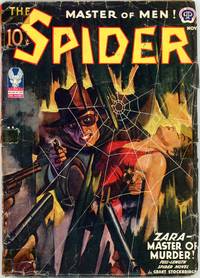
194234822Chicago: Popular Publications Inc. 1942. Tanning to text paper edge wear with tiny tears clear tape to spine and right edge stress creases a good to very good copy. 34822. Octavo single issue cover by Rafael DeSoto pictorial wrappers. Pulp magazine. "Zara-Master of Murder!" with Norvell Page writing as "Grant Stockbridge." The character was established to be a direct competitor to Street and Smith's Shadow magazine. After Doc Savage and The Shadow this was the most popular hero character. The Spider character was considered one of the most brutal and violent of the pulp era. Reference: Cook Mystery Detective and Espionage Magazines pp. 521-527. Tymm and Ashley Science Fiction Fantasy and Weird Fiction Magazines pp. 602-604. Popular Publications, Inc. unknown
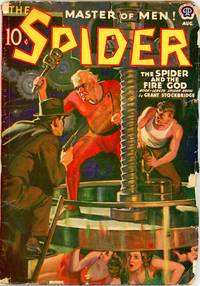
193934783Chicago: Popular Publications Inc. 1939. Mild tanning to text paper edge wear with tears and minor chips separation at upper spine edge of rear cover a good to very good copy. 34783. Octavo single issue cover by John Howitt pictorial wrappers. Pulp magazine. "The Spider and the Fire God" with Norvell Page writing as "Grant Stockbridge." The character was established to be a direct competitor to Street and Smith's Shadow magazine. After Doc Savage and The Shadow this was the most popular hero character. The Spider character was considered one of the most brutal and violent of the pulp era. Reference: Cook Mystery Detective and Espionage Magazines pp. 521-527. Tymm and Ashley Science Fiction Fantasy and Weird Fiction Magazines pp. 602-604. Popular Publications, Inc. unknown
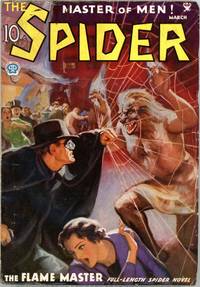
193534728Chicago: Popular Publications Inc. 1935. Mild tanning to text paper mild edge wear with some trims small separation at lower left edge a nearly fine copy. 34728. Octavo single issue cover by John Howitt pictorial wrappers. Pulp magazine. "The Flame Master" with Norvell Page writing as "Grant Stockbridge." The character was established to be a direct competitor to Street and Smith's Shadow magazine. After Doc Savage and The Shadow this was the most popular hero character. The Spider character was considered one of the most brutal and violent of the pulp era. Reference: Cook Mystery Detective and Espionage Magazines pp. 521-527. Tymm and Ashley Science Fiction Fantasy and Weird Fiction Magazines pp. 602-604. Popular Publications, Inc. unknown
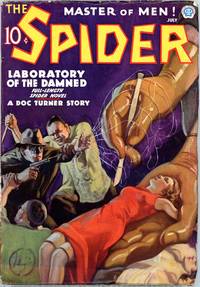
193634746Chicago: Popular Publications Inc. 1936. First edition. Mild tanning to text paper slight edge wear slight wear to spine ends a bright fine copy. 34746. Octavo single issue cover by John Howitt pictorial wrappers. Pulp magazine. "Laboratory of the Damned" with Norvell Page writing as "Grant Stockbridge." The character was established to be a direct competitor to Street and Smith's Shadow magazine. After Doc Savage and The Shadow this was the most popular hero character. The Spider character was considered one of the most brutal and violent of the pulp era. Reference: Cook Mystery Detective and Espionage Magazines pp. 521-527. Tymm and Ashley Science Fiction Fantasy and Weird Fiction Magazines pp. 602-604. Popular Publications, Inc. unknown
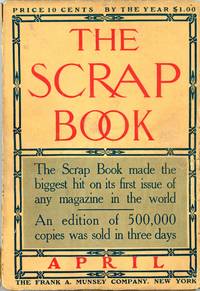
190634455New York: The Frank A. Munsey Company 1906. Mild toning to text paper light edge wear with closed tears to yapp edges wear at spine ends with splits from cover a good to very good copy. 34455. Octavo single issue printed wrappers. Pulp magazine. The second issue. Includes fiction articles viewpoints. Authors include Ambrose Bierce Charles Dickens both reprints William Wallace Cook and others. The Frank A. Munsey Company unknown
1980KOS02200421Tokuma shoten 1980. Soft Cover. Fine. KOS02200421 Tokuma shoten paperback
193428772Chicago IL: Tower Magazines Inc. 1934. Cover creases edge wear with closed tears a good to very good copy. 28772. Large octavo single issue cover by Harold Woolridge pictorial wrappers. Fiction by Walter F. Ripperberger Stuart Palmer Ellery Queen Roger East and others. A large format densely illustrated bedsheet-sized pulp. "The fiction emphasized the woman's point of view was often narrated by a woman and featured as many feminine as masculine detectives. In the rear of the magazine flowered all the usual departments of a more conventional woman's publication . That this magazine would publish much fiction of interest seems improbable. But without effort it contrived to be superb. ILLUSTRATED DETECTIVE selected outstanding writers who had made their mark in the 1920s and mingled these with rising writers of the 1930s. Over the years the magazine would publish work by top names in the mystery field including Ellery Queen Stuart Palmer Sax Rohmer Arnold Kummer Hulbert Footner Vincent Starrett and H. Bedford-Jones. The fiction was polished often strongly compressed and good enough for a large amount of it to appear later between book covers. The magazine appeared monthly for almost six years sixty-nine issues at ten cents a copy. After three years the title was changed to THE MYSTERY MAGAZINE . Covers were tasteful bright and uneventful relying heavily on the faces of self-confident women. Inside was an astonishing amount of material: eight to ten pieces of fiction four or more crime-fact articles and up to ten continuing departments about half of these slanted directly toward women. When the magazine was at its peak in the early 1930s it offered material carefully calculated to appeal to most tastes and both sexes . MYSTERY was as meticulously planned as an orchestral score. Its careful variations played upon every shade of reader interest. It was consciously polished self-consciously feminine. A curious pared sound rang in its fiction as if the stories had been edited with a chain saw but the prose flashed with a bright nickel glitter. Slick the magazine may have been and often over illustrated but it was also considerably interesting and for years excellent." - Cook Mystery Detective and Espionage Magazines pp. 287-90. Tower Magazines, Inc. unknown
193428769Chicago IL: Tower Magazines Inc. 1934. Crease to lower right cover several tiny edge tears small tear at upper left front corner at spine a very good to nearly fine copy. 28769. Large octavo single issue pictorial wrappers. Fiction by Ellery Queen Vincent Starrett Mignon G. Eberhart Hulbert Footner and others. A large format densely illustrated bedsheet-sized pulp. "The fiction emphasized the woman's point of view was often narrated by a woman and featured as many feminine as masculine detectives. In the rear of the magazine flowered all the usual departments of a more conventional woman's publication . That this magazine would publish much fiction of interest seems improbable. But without effort it contrived to be superb. ILLUSTRATED DETECTIVE selected outstanding writers who had made their mark in the 1920s and mingled these with rising writers of the 1930s. Over the years the magazine would publish work by top names in the mystery field including Ellery Queen Stuart Palmer Sax Rohmer Arnold Kummer Hulbert Footner Vincent Starrett and H. Bedford-Jones. The fiction was polished often strongly compressed and good enough for a large amount of it to appear later between book covers. The magazine appeared monthly for almost six years sixty-nine issues at ten cents a copy. After three years the title was changed to THE MYSTERY MAGAZINE . Covers were tasteful bright and uneventful relying heavily on the faces of self-confident women. Inside was an astonishing amount of material: eight to ten pieces of fiction four or more crime-fact articles and up to ten continuing departments about half of these slanted directly toward women. When the magazine was at its peak in the early 1930s it offered material carefully calculated to appeal to most tastes and both sexes . MYSTERY was as meticulously planned as an orchestral score. Its careful variations played upon every shade of reader interest. It was consciously polished self-consciously feminine. A curious pared sound rang in its fiction as if the stories had been edited with a chain saw but the prose flashed with a bright nickel glitter. Slick the magazine may have been and often over illustrated but it was also considerably interesting and for years excellent." - Cook Mystery Detective and Espionage Magazines pp. 287-90. Tower Magazines, Inc. unknown
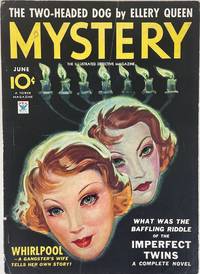
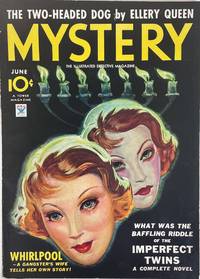
193415696Dunellen N.J.: Tower Magazines Inc. June 1934 volume 9 number 6. Small chip from upper spine end several minor spine tears mended a very good or better copy with bright front cover. Uncommon. 15696. Large octavo single issue cover by Charles de Feo pictorial wrappers. Contributors include Ellery Queen "The Two-Headed Dog" a weird mystery story later collected with others in THE ADVENTURES OF ELLERY QUEEN Francis Beeding Stuart Palmer Henry Lacossitt Carl Mattison Chapin his full-length novel THE IMPERFECT TWINS and others. A large format densely illustrated bedsheet-sized pulp. "The fiction emphasized the woman's point of view was often narrated by a woman and featured as many feminine as masculine detectives. In the rear of the magazine flowered all the usual departments of a more conventional woman's publication . That this magazine would publish much fiction of interest seems improbable. But without effort it contrived to be superb. ILLUSTRATED DETECTIVE selected outstanding writers who had made their mark in the 1920s and mingled these with rising writers of the 1930s. Over the years the magazine would publish work by top names in the mystery field including Ellery Queen Stuart Palmer Sax Rohmer Arnold Kummer Hulbert Footner Vincent Starrett and H. Bedford-Jones. The fiction was polished often strongly compressed and good enough for a large amount of it to appear later between book covers. The magazine appeared monthly for almost six years sixty-nine issues at ten cents a copy. After three years the title was changed to THE MYSTERY MAGAZINE . Covers were tasteful bright and uneventful relying heavily on the faces of self-confident women. Inside was an astonishing amount of material: eight to ten pieces of fiction four or more crime-fact articles and up to ten continuing departments about half of these slanted directly toward women. When the magazine was at its peak in the early 1930s it offered material carefully calculated to appeal to most tastes and both sexes . MYSTERY was as meticulously planned as an orchestral score. Its careful variations played upon every shade of reader interest. It was consciously polished self-consciously feminine. A curious pared sound rang in its fiction as if the stories had been edited with a chain saw but the prose flashed with a bright nickel glitter. Slick the magazine may have been and often over illustrated but it was also considerably interesting and for years excellent." - Cook Mystery Detective and Espionage Magazines pp. 287-90. Tower Magazines, Inc. unknown
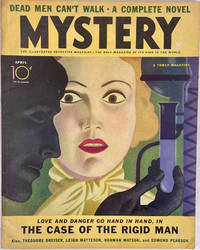
193515699Chicago Illinois: Tower Magazines Inc. April 1935 volume 11 number 4. Mild dust soiling to covers a bright nearly fine copy. Uncommon. 15699. Large octavo single issue cover by John Atherton pictorial wrappers. Fiction by Belden Duff Whitman Chambers Hulbert Footner Helgo Walter Norman Matson Mary Plum and Edward Acheson his full-length novel DEAD MEN CAN'T WALK; articles by Henry LaCossitt Leigh Matteson Edmund Pearson and Theodore Dreiser "I Find the Real American Tragedy". A large format densely illustrated bedsheet-sized pulp. "The fiction emphasized the woman's point of view was often narrated by a woman and featured as many feminine as masculine detectives. In the rear of the magazine flowered all the usual departments of a more conventional woman's publication . That this magazine would publish much fiction of interest seems improbable. But without effort it contrived to be superb. ILLUSTRATED DETECTIVE selected outstanding writers who had made their mark in the 1920s and mingled these with rising writers of the 1930s. Over the years the magazine would publish work by top names in the mystery field including Ellery Queen Stuart Palmer Sax Rohmer Arnold Kummer Hulbert Footner Vincent Starrett and H. Bedford-Jones. The fiction was polished often strongly compressed and good enough for a large amount of it to appear later between book covers. The magazine appeared monthly for almost six years sixty-nine issues at ten cents a copy. After three years the title was changed to THE MYSTERY MAGAZINE . Covers were tasteful bright and uneventful relying heavily on the faces of self-confident women. Inside was an astonishing amount of material: eight to ten pieces of fiction four or more crime-fact articles and up to ten continuing departments about half of these slanted directly toward women. When the magazine was at its peak in the early 1930s it offered material carefully calculated to appeal to most tastes and both sexes . MYSTERY was as meticulously planned as an orchestral score. Its careful variations played upon every shade of reader interest. It was consciously polished self-consciously feminine. A curious pared sound rang in its fiction as if the stories had been edited with a chain saw but the prose flashed with a bright nickel glitter. Slick the magazine may have been and often over illustrated but it was also considerably interesting and for years excellent." - Cook Mystery Detective and Espionage Magazines pp. 287-90. Tower Magazines, Inc. unknown
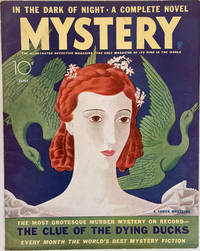
193515698Chicago Illinois: Tower Magazines Inc. June 1935 volume 11 number 6. A bright nearly fine copy. Uncommon. 15698. Large octavo single issue cover by John Atherton pictorial wrappers. Fiction by Francis Beeding Whitman Chambers Chapin Howard George Harmon Coxe a hard-boiled mystery story by a prolific writer for the pulps including BACK MASK Hulbert Footner and Raymond Leslie Goldman his full-length novel IN THE DARK OF NIGHT; articles by Edward Hale Bierstadt Theodore Dreiser "I find the Real American Tragedy" and others. A large format densely illustrated bedsheet-sized pulp. "The fiction emphasized the woman's point of view was often narrated by a woman and featured as many feminine as masculine detectives. In the rear of the magazine flowered all the usual departments of a more conventional woman's publication . That this magazine would publish much fiction of interest seems improbable. But without effort it contrived to be superb. ILLUSTRATED DETECTIVE selected outstanding writers who had made their mark in the 1920s and mingled these with rising writers of the 1930s. Over the years the magazine would publish work by top names in the mystery field including Ellery Queen Stuart Palmer Sax Rohmer Arnold Kummer Hulbert Footner Vincent Starrett and H. Bedford-Jones. The fiction was polished often strongly compressed and good enough for a large amount of it to appear later between book covers. The magazine appeared monthly for almost six years sixty-nine issues at ten cents a copy. After three years the title was changed to THE MYSTERY MAGAZINE . Covers were tasteful bright and uneventful relying heavily on the faces of self-confident women. Inside was an astonishing amount of material: eight to ten pieces of fiction four or more crime-fact articles and up to ten continuing departments about half of these slanted directly toward women. When the magazine was at its peak in the early 1930s it offered material carefully calculated to appeal to most tastes and both sexes . MYSTERY was as meticulously planned as an orchestral score. Its careful variations played upon every shade of reader interest. It was consciously polished self-consciously feminine. A curious pared sound rang in its fiction as if the stories had been edited with a chain saw but the prose flashed with a bright nickel glitter. Slick the magazine may have been and often over illustrated but it was also considerably interesting and for years excellent." - Cook Mystery Detective and Espionage Magazines pp. 287-90. Tower Magazines, Inc. unknown
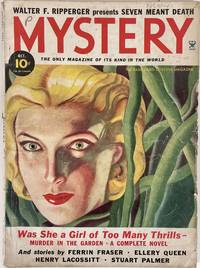
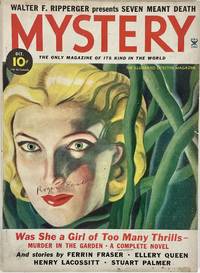
193415697Dunellen N.J.: Tower Magazines Inc. 1934. Owner's signature on front cover. A few spots along lower edge of front cover a very good or better copy with bright front cover. Uncommon. 15697. Large octavo single issue cover by Harold Woolridge pictorial wrappers. Contributors include Ellery Queen "The Black Cats Vanished" a weird mystery story later collected with others in THE ADVENTURES OF ELLERY QUEEN Stuart Palmer Henry Lacossitt Roger East his full-length novel MURDER IN THE GARDEN and others. A large format densely illustrated bedsheet-sized pulp. "The fiction emphasized the woman's point of view was often narrated by a woman and featured as many feminine as masculine detectives. In the rear of the magazine flowered all the usual departments of a more conventional woman's publication . That this magazine would publish much fiction of interest seems improbable. But without effort it contrived to be superb. ILLUSTRATED DETECTIVE selected outstanding writers who had made their mark in the 1920s and mingled these with rising writers of the 1930s. Over the years the magazine would publish work by top names in the mystery field including Ellery Queen Stuart Palmer Sax Rohmer Arnold Kummer Hulbert Footner Vincent Starrett and H. Bedford-Jones. The fiction was polished often strongly compressed and good enough for a large amount of it to appear later between book covers. The magazine appeared monthly for almost six years sixty-nine issues at ten cents a copy. After three years the title was changed to THE MYSTERY MAGAZINE . Covers were tasteful bright and uneventful relying heavily on the faces of self-confident women. Inside was an astonishing amount of material: eight to ten pieces of fiction four or more crime-fact articles and up to ten continuing departments about half of these slanted directly toward women. When the magazine was at its peak in the early 1930s it offered material carefully calculated to appeal to most tastes and both sexes . MYSTERY was as meticulously planned as an orchestral score. Its careful variations played upon every shade of reader interest. It was consciously polished self-consciously feminine. A curious pared sound rang in its fiction as if the stories had been edited with a chain saw but the prose flashed with a bright nickel glitter. Slick the magazine may have been and often over illustrated but it was also considerably interesting and for years excellent." - Cook Mystery Detective and Espionage Magazines pp. 287-90. Tower Magazines, Inc. unknown
193428770Chicago IL: Tower Magazines Inc. 1934. Edge rubs to spine mild wear at the head of the spine panel a nearly fine copy. 28770. Large octavo single issue pictorial wrappers. Fiction by Ellery Queen Francis Beeding Stuart Palmer and others. A large format densely illustrated bedsheet-sized pulp. "The fiction emphasized the woman's point of view was often narrated by a woman and featured as many feminine as masculine detectives. In the rear of the magazine flowered all the usual departments of a more conventional woman's publication . That this magazine would publish much fiction of interest seems improbable. But without effort it contrived to be superb. ILLUSTRATED DETECTIVE selected outstanding writers who had made their mark in the 1920s and mingled these with rising writers of the 1930s. Over the years the magazine would publish work by top names in the mystery field including Ellery Queen Stuart Palmer Sax Rohmer Arnold Kummer Hulbert Footner Vincent Starrett and H. Bedford-Jones. The fiction was polished often strongly compressed and good enough for a large amount of it to appear later between book covers. The magazine appeared monthly for almost six years sixty-nine issues at ten cents a copy. After three years the title was changed to THE MYSTERY MAGAZINE . Covers were tasteful bright and uneventful relying heavily on the faces of self-confident women. Inside was an astonishing amount of material: eight to ten pieces of fiction four or more crime-fact articles and up to ten continuing departments about half of these slanted directly toward women. When the magazine was at its peak in the early 1930s it offered material carefully calculated to appeal to most tastes and both sexes . MYSTERY was as meticulously planned as an orchestral score. Its careful variations played upon every shade of reader interest. It was consciously polished self-consciously feminine. A curious pared sound rang in its fiction as if the stories had been edited with a chain saw but the prose flashed with a bright nickel glitter. Slick the magazine may have been and often over illustrated but it was also considerably interesting and for years excellent." - Cook Mystery Detective and Espionage Magazines pp. 287-90. Tower Magazines, Inc. unknown
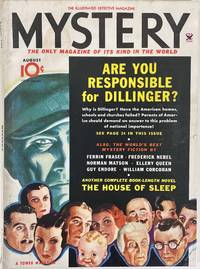
193428771Chicago IL: Tower Magazines Inc. 1934. Spine slightly rolled with some spotting small tear to base of spine small closed tear to right edge a very good copy. 28771. Large octavo single issue pictorial wrappers. Fiction by Frederick Nebel Ellery Queen Norman Matson Guy Endore and others. A large format densely illustrated bedsheet-sized pulp. "The fiction emphasized the woman's point of view was often narrated by a woman and featured as many feminine as masculine detectives. In the rear of the magazine flowered all the usual departments of a more conventional woman's publication . That this magazine would publish much fiction of interest seems improbable. But without effort it contrived to be superb. ILLUSTRATED DETECTIVE selected outstanding writers who had made their mark in the 1920s and mingled these with rising writers of the 1930s. Over the years the magazine would publish work by top names in the mystery field including Ellery Queen Stuart Palmer Sax Rohmer Arnold Kummer Hulbert Footner Vincent Starrett and H. Bedford-Jones. The fiction was polished often strongly compressed and good enough for a large amount of it to appear later between book covers. The magazine appeared monthly for almost six years sixty-nine issues at ten cents a copy. After three years the title was changed to THE MYSTERY MAGAZINE . Covers were tasteful bright and uneventful relying heavily on the faces of self-confident women. Inside was an astonishing amount of material: eight to ten pieces of fiction four or more crime-fact articles and up to ten continuing departments about half of these slanted directly toward women. When the magazine was at its peak in the early 1930s it offered material carefully calculated to appeal to most tastes and both sexes . MYSTERY was as meticulously planned as an orchestral score. Its careful variations played upon every shade of reader interest. It was consciously polished self-consciously feminine. A curious pared sound rang in its fiction as if the stories had been edited with a chain saw but the prose flashed with a bright nickel glitter. Slick the magazine may have been and often over illustrated but it was also considerably interesting and for years excellent." - Cook Mystery Detective and Espionage Magazines pp. 287-90. Tower Magazines, Inc. unknown
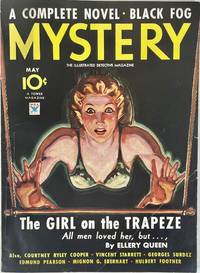
193416185Chicago IL: Tower Magazines Inc. 1934. Mild edge rubbing some small cover rubs slight loss at head of spine mild damp stain to contents. A very good copy. Uncommon. 16185. Large octavo single issue pictorial wrappers. "Four Men Who Loved a Woman" by Ellery Queen. Also Stuart Palmer Hildegarde Withers Maurice Level Hulbert Footner and others. A large format densely illustrated bedsheet-sized pulp. "The fiction emphasized the woman's point of view was often narrated by a woman and featured as many feminine as masculine detectives. In the rear of the magazine flowered all the usual departments of a more conventional woman's publication . That this magazine would publish much fiction of interest seems improbable. But without effort it contrived to be superb. ILLUSTRATED DETECTIVE selected outstanding writers who had made their mark in the 1920s and mingled these with rising writers of the 1930s. Over the years the magazine would publish work by top names in the mystery field including Ellery Queen Stuart Palmer Sax Rohmer Arnold Kummer Hulbert Footner Vincent Starrett and H. Bedford-Jones. The fiction was polished often strongly compressed and good enough for a large amount of it to appear later between book covers. The magazine appeared monthly for almost six years sixty-nine issues at ten cents a copy. After three years the title was changed to THE MYSTERY MAGAZINE . Covers were tasteful bright and uneventful relying heavily on the faces of self-confident women. Inside was an astonishing amount of material: eight to ten pieces of fiction four or more crime-fact articles and up to ten continuing departments about half of these slanted directly toward women. When the magazine was at its peak in the early 1930s it offered material carefully calculated to appeal to most tastes and both sexes . MYSTERY was as meticulously planned as an orchestral score. Its careful variations played upon every shade of reader interest. It was consciously polished self-consciously feminine. A curious pared sound rang in its fiction as if the stories had been edited with a chain saw but the prose flashed with a bright nickel glitter. Slick the magazine may have been and often over illustrated but it was also considerably interesting and for years excellent." - Cook Mystery Detective and Espionage Magazines pp. 287-90. Tower Magazines, Inc. unknown