Finocchiaro GiusellaMareMagnum

2 160 résultats
brossura Il libro costituisce un manuale su temi relativi al diritto di Internet e, più in generale, al diritto dell'informatica. Pensato per esigenze didattiche, il volume è frutto di una completa riscrittura del testo pubblicato per la prima volta quasi vent'anni fa, nell'anno accademico 2001-2002.
VLE-633P., Rocolet, 1652, in-4, titre + 11 feuillets non chiffrés + 374 pages illustrées d'une large vignette sur titre, de 3 bandeaux, et de culs-de-lampe, quelques traces d'humidité marginales, petite tache en marge interne de quelques feuillets sans incidence relié pleine basane ancienne, dos à nerfs ornés de fleurons dorés, écusson central illustré d'une main tenant un coeur transpercé d'une flèche, sur les plats encadré d'un triple filet et d'écoinçons, tranches dorées, petit manque de cuir au second plat
br. La nostra vita quotidiana è sottoposta a una massiccia trasformazione da quando l'attenzione delle famiglie è catturata dai bagliori dei nuovi strumenti digitali. Il facile accesso a Internet e ai Social espone i nostri figli a numerosi pericoli: l'eccessiva pubblicità; la riduzione di quelle attività (vita all'area aperta, giochi creativi, chiacchiere con altri bambini, ecc.) che consentono un sano sviluppo di corpo e mente; non essere più capaci di conversare e relazionarsi con gli altri; il bullismo telematico; la possibile perdita prematura dell'innocenza a causa della violenza e della pornografia che si trovano facilmente online; e tutti quegli aspetti sgradevoli del mondo degli adulti. Sentiamo di aver perduto la connessione profonda con i nostri figli? I nostri bambini si sentono soli e alienati? Il mondo digitale è qui per restarci, ma cosa stiamo perdendo dopo avere conquistato la tecnologia? Attingendo da storie di vita vera, la dottoressa Steiner-Adair propone preziosi approfondimenti e consigli in base alle diverse fasce di età dei nostri figli (dai 3 anni fino alla tarda adolescenza) che possono aiutarci a comprendere meglio, ad essere più autorevoli e sicuri nel fronteggiare la rivoluzione tecnologica che dilaga nelle nostre case. Una guida indispensabile per proteggere i nostri bambini, avvicinarsi a loro costruendo relazioni familiari positive e sfruttare i vantaggi che un utilizzo moderato degli strumenti digitali possono portarci.
ill., br. Lo sapevi che oggi una grossa fetta della popolazione soffre di nomofobia, cioè la "sindrome da disconnessione", la paura di rimanere disconnessi o di non avere a disposizione il cellulare? La dipendenza da smartphone sta diventando un fenomeno preoccupante, soprattutto (ma non solo) tra gli adolescenti. Quante volte vediamo ragazzi mangiare in gruppo, ognuno concentrato sul proprio cellulare, o persone che camminano per strada come automi, con lo sguardo fisso sullo schermo? Per non parlare poi di chi dorme con il telefono acceso accanto al letto e magari di notte si sveglia per controllare se ci sono messaggi... Attraverso un'indagine psicologica e numerosi esempi di situazioni quotidiane, "Disconnessi e felici" offre strumenti chiave per uscire dall'isolamento sociale in cui questa dipendenza ha rinchiuso molte persone, e per smettere di vivere la vita attraverso uno schermo. Incontri tra amici infestati dal suono costante dei telefoni, persone che ignorano gli altri per guardare il loro cellulare, che senza rendersene conto passano ore sui social network, che si sentono perdute semplicemente perché non hanno copertura o connessione alla Rete... "Disconnessi e felici" consente di fare un passo indietro a livello tecnologico per poterne fare tre in avanti a livello umano, ritrovando libertà e relazioni sociali molto più appaganti.
br. Li vediamo ovunque - al parco, al ristorante, nelle nostre case, in macchina - bambini e adolescenti connessi ai loro smartphone e disconnessi dal mondo reale che li circonda. Secondo le ultime ricerche, il tredicenne medio trascorre incollato a uno schermo otto ore al giorno, sette giorni su sette. In Italia 8 bambini su 10 tra i tre e i cinque anni sanno già usare i cellulari dei genitori. È solo di pochi giorni fa la direttiva dell'OMS che raccomanda il divieto di smartphone per bambini al di sotto dei due anni di età. Eppure le statistiche di utilizzo sono sempre più allarmanti, e sono sempre più numerosi i bambini e i preadolescenti che si scoprono dipendenti dai dispositivi digitali e dai contenuti che questi veicolano. Disconnessi. Come riconnettere i nostri figli digitalmente distratti, dello psicoterapeuta e scrittore statunitense Tom Kersting, con uno stile chiaro e diretto, esamina e illustra le numerose evidenze scientifiche che collegano l'uso eccessivo di dispositivi digitali a vari problemi di tipo cognitivo e comportamentale: in sostanza, l'utilizzo compulsivo di devices elettronici sta letteralmente trasformando la conformazione della corteccia cerebrale dei nostri ragazzi in modi del tutto imprevisti. Il rischio che stiamo correndo è che un'intera generazione di bambini stia per andare incontro a futuri problemi di perdita di concentrazione e memoria, oltre a seri problemi di tipo relazionale ed emotivo.
199541089Indianapolis, Indiana : Sams.net (US-Robotics), (1995). 154 pp. : ill., maps. 8°. (2nd pr.) Orig. ill. softcover.
84 pages. Reviews Marc Lemire's prolonged battle against section 13 of Canadian Human Rights Act. Book
Brossura filo refe, copertina illustrata, lievemente tracciata da compressione o lettura, segni e punti di pressione palesi alle estremità e canaletti, pigmento leggermente sbiadito ombrato da polvere, fogli avorio, puliti e molto ben preservati, velo di pulviscolo ai tagli. N. pag. 194. USATO
Primo romanzo dal celebre regista de La Mosca, Crash e Videodrome, il romanzo narra le vicende di due spregiudicati giornalisti freelance che indagano su un efferato omicidio. Narrativa nei solchi del suo fil rouge corpo-spirito. Per la collana "Romanzo Bompiani".
VLE-656P., Champion, 1901, in-8, XI+365pp broché, dos cassé avec manques
Very Good Paperback. Very minor shelf wear. Previous owner's signature on front end paper. 204p. Used
Features: Miniatures Online - the Internet and the World Wide Web offer a wealth of resources; Share the Whitledge experience in the life of one collector; English Miniature China - toy china sets are as highly collectible and as in demand as ever; My 'Second Life" with Dollhouses - Shigemichi Hayashi; Ron's Miniature Shop and Museum in Orlando, Florida - Ron Mummert and Richard Laferriere, and their Eclectic, Oriental Museum; Luxury Line Launches - a new line of authentically detailed Chinese furniture is available from Imperial Pleasures; Miniature toys made in Japan by Hiromu Morine; Create a Mizuhiki Basket; Slip into Shoemaking - 1" scale ruby slippers; and more Clean and unmarked with light wear. A quality copy. Magazine
VLE-543P., , 1925, in-8, 135pp broché, couverture piquée
br. Rispetto ai segnali di chiusura del digital gender divide registrati in alcuni contesti territoriali, il volume si propone di mettere a fuoco le caratteristiche delle donne italiane nel peculiare ambito nazionale, contraddistinto da una arretratezza digitale tout court piuttosto marcata, con l'obiettivo di individuare quei fattori che contribuiscono a favorire o a ostacolare l'inclusione dei diversi segmenti della popolazione femminile. Nel solco di una diffusa utopia della partecipazione, che vede aumentare progressivamente e costantemente la platea degli inclusi digitali, si colloca una lettura che sostiene l'avvenuta conquista delle pari opportunità digitali da parte delle donne: il mondo di Internet sarebbe, dunque, il regno dell'uguaglianza di genere. Tuttavia, prima di accettare questa posizione e le implicazioni a essa conseguenti, è necessario rispondere a numerosi interrogativi che ancora rimangono aperti e sollecitano una riflessione urgente. Il miraggio di una "società dell'informazione per tutti" si infrange così contro l'evidenza: il cyberspazio rimane ancora una prerogativa di alcuni, mentre altri restano intrappolati fuori dalla rete. In particolare, quella parte di popolazione femminile a più alto rischio di esclusione sociale, prima che digitale, corre il pericolo di subire il peso dell'"effetto Matilda".
Pulcini Enrico Dopo internet : storia del futuro dei media interattivi : l'informazione personalizzata, il commercio elettronico, la TV digitale, il teleputer. Roma, Castelvecchi 1999 italian, 216 ST1136 Opera con copertina morbida in brossura. 216 p. ; 19 cm.
VLE-662Lima, , 1945, in-4, 52 pp. illustrées de 4 dessins hors-texte de Ricardo Grau broché
200215575S.l. : Handelsblatt [u.a.], o.J. [ca. 2002]. Enth.: RA-Micro (6 verschiedene Programme). DictaMail. DictaNet. LuckyKid. 1 CD-ROM u. Inlay in neutraler DVD-Hülle. DVD-Format
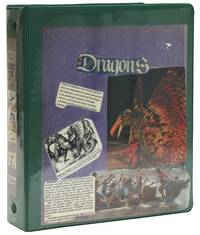
199833115New Jersey 1998. Very Good. New Jersey 1998. Green plastic three-ring binder with collaged covers and spine. 114 plastic sheaths filled to completion with all dragon-themed mythological summaries Chinese restaurant menus poetry artwork astrology dragon boat racing Stevie Nicks tributes debates about Christian metal band Stryper Puff the Magic Dragon etc.; principally printed from the internet along with some typed and manuscript material and original art. Light edgewear; a few scuffs. Very Good. <br /> <br /> An impressive and incredibly touching gift from a woman to her goddaughter assembled and given in the wake of the death of the goddaughter's husband. In the introductory typed letter the godmother counsels that alcohol is not the answer to her pain advises her to visit a "wise Indian man" she knows and hopes that the Dragon Book she has assembled will be of some comfort. A fascinating mix of pre-Wikipedia early internet material culture. The bulk of the material is printed internet articles: draconian.com still active and more or less in its same form gives a wide-ranging dragon background and articles from Emergency Librarian People Magazine the South Florida Business Journal and many many others are included painting a full picture of dragons in mythology and popular culture. <br /> <br /> The compiler has also included two excised Yellow Pages pages and highlighted the "Dragon" entries several pages of Stevie Nicks internet fanpages a few hand-written student reports original color drawings and dozens of poems printed and typed all dragon themed of course. A heartfelt collection highlighting mid to late 90s internet culture and the comfort fantasy can offer well before the nerd wall was broken in the early 2000s. . unknown
1987240901Micro application 1987 305 pages in8. 1987. Broché. 305 pages. langage informatique
VLE-573P., Plon, 1892, in-12, 291 pp. illustrées de gravures et d'une carte hors-texte relié pleine percaline , dos lisse orné de filets, couverture conservée
199989758Transition 1999 In-12 broché 15 cm. 286 pages. Bon état d’occasion.
1938628New York: Oxford University Press 1938. Presumed First Edition First printing. Hardcover. Good. vi 323 3 pages. Frontis illustration. Dunant's Principal Works. Works Consulted. No DJ present. Boards discolored and scuffed discoloration inside boards and stamp inside front board. Martin Gumpert 13 November 1897 - 18 April 1955 was a German-born physician dermatologist historian and author. Born in Berlin Gumpert specialized in dermatology and medical history. His early life included service as a medical orderly during WI and academic pursuits in Berlin and Heidelberg culminating in a dissertation on syphilis in 1923. Gumpert also engaged in expressionist poetry and literature. He went on to write texts on pediatrics and developmental deformity. In 1933 Gumpert was forced out of his medical position by the Nazi rise to power. Over the next few years he wrote several texts of literature and the history of science and medicine. He was further excluded from the association of German writers the Reichsverband deutscher Schriftsteller as a Jew in 1935 and emigrated to the United States in 1936. Gumpert opened a dermatology practice in New York in 1936 and became a US citizen in 1942. During these years Gumpert became a friend of the siblings Erika and Klaus Mann and in 1949 visited their father Thomas Mann in Germany. Thomas Mann used Gumpert's medical knowledge on the course of syphilis in writing his novel Doktor Faustus. From 1952 Gumpert edited the gerontology journal Lifetime Living and worked as a geriatrician at the Jewish Memorial Hospital New York. Gumpert continued to write about the exile experience in poems and literary publications. Henry Dunant born Jean-Henri Dunant; 8 May 1828 - 30 October 1910 also known as Henri Dunant was a Swiss humanitarian businessman social activist and the co-founder of Red Cross movement. His humanitarian efforts won him the first Nobel Peace Prize in 1901.<br /> Dunant was born in Geneva to a devout Calvinist family and had business interests in French Algeria and Tunisia. In 1859 while on his way to petition Napoleon III he witnessed the aftermath of the Battle of Solferino in northern Italy. Horrified by the suffering of the wounded and the lack of care they received Dunant took the initiative to organize the local population in providing aid for the soldiers. After returning to Geneva he recorded his experiences in the book A Memory of Solferino in which he advocated the formation of an organization that would provide relief for the wounded without discrimination in times of war. In February 1863 Dunant was a member of a five-person committee that sought to put his plan into action which in effect founded the organization that would become the International Committee of the Red Cross. A year later he took part in a diplomatic conference organized by the Swiss government that led to the signing of the First Geneva Convention. . In 1895 Dunant was rediscovered by a journalist which brought him renewed attention and support and in 1901 he was awarded the first Nobel Peace Prize alongside French pacifist Frédéric Passy. The organized International Red Cross and Red Crescent Movement is a humanitarian movement with approximately 16 million volunteers members and staff worldwide. It was founded to protect human life and health to ensure respect for all human beings and to prevent and alleviate human suffering. Within it there are three distinct organizations that are legally independent from each other but are united within the movement through common basic principles objectives symbols statutes and governing organizations. In 1863 Gustave Moynier a Geneva lawyer and president of the Geneva Society for Public Welfare received a copy of Dunant's book and introduced it for discussion at a meeting of that society. As a result of this initial discussion the society established an investigatory commission to examine the feasibility of Dunant's suggestions and eventually to organize an international conference about their possible implementation. The members of this committee which has subsequently been referred to as the "Committee of the Five" aside from Dunant and Moynier were physician Louis Appia who had significant experience working as a field surgeon; Appia's friend and colleague Théodore Maunoir from the Geneva Hygiene and Health Commission; and Guillaume-Henri Dufour a Swiss army general of great renown. Eight days later the five men decided to rename the committee to the "International Committee for Relief to the Wounded". The Swiss government invited the governments of all European countries as well as the United States the Empire of Brazil and the Mexican Empire to attend an official diplomatic conference. Sixteen countries sent a total of 26 delegates to Geneva. On 22 August 1864 the conference adopted the first Geneva Convention "for the Amelioration of the Condition of the Wounded in Armies in the Field". Representatives of 12 states and kingdoms signed the convention. Oxford University Press hardcover
VLE-153P., Imprimerie Nationale, 1904, in-4, XXIV+343pp. illustrées de 35 planches dont certaines en couleurs. Envoi autographe de l'auteur broché
VLE-492P., Lévy, sd, in-8, VII+140 pp. illustrées de 88 planches en photogravure et de gravures dans le texte relié plein cartonnage éditeur
2012500231752Agora Editions 2012 19x1 4x22 8cm. 2012. Broché.