Brechemin, L.Livre Rare Book

1 056 résultats
1894VD339091894 Paris, Dentu, (1894) : In-8 Jésus, Relié demi-cuir. vii, 374 pp., 117 figures hors et in-texte, demi-basane rouge d'époque, dos lisse orné de filets et roulettes dorées, plats et gardes marbrées, bel exemplaire de ce rare ouvrage sur les poules Très bon état, Couv. convenable, Dos impeccable, Quelques rousseurs.
18401241680Stuttgart, Cotta, 1840. 8, 222 S. Späterer Karton (Einbd etwas fleckig u. beschabt, Stempel recto/verso Titel).
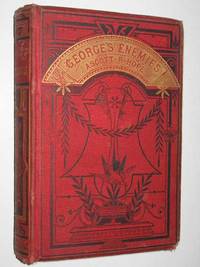
187811120088William P. Nimmo UK 1878. Early Edition. Hardcover. Good/No Dust Jacket. Hardcover. 312 pages. PUBLISHING DETAILS: William P. Nimmo UK 1878. Early Edition. CONDITION: This book is in good condition but dust jacket is not included. Binding is loose and hinge cracked in a couple of places but is still intact. Edgewear to boards. Scattered foxing but text mostly clean. Award presentation plate laid in dated 1881. Barely readable gift inscription on front end page also dated 1881. All edges gilt in good condition. Quantity Available: 1. Category: Children & Young Adult; Teenage Fiction; Antiquarian & Rare. Inventory No: 11120088. William P. Nimmo hardcover
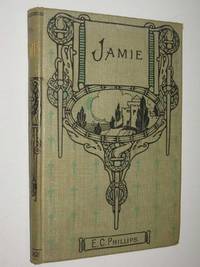
189426030023George Routledge & Sons London 1894. Hardcover. Good/No Dust Jacket. Hardcover. 189 pages. PUBLISHING DETAILS: George Routledge & Sons London 1894. CONDITION: This book is in good condition but dust jacket is not included. More specifically: Covers have mild soiling. Edges of boards have superficial wear. Edges of pages are reasonably browned. Pages are lightly tanned. Quantity Available: 1. Category: Children & Young Adult; Teenage Fiction; Inventory No: 26030023. George Routledge & Sons hardcover
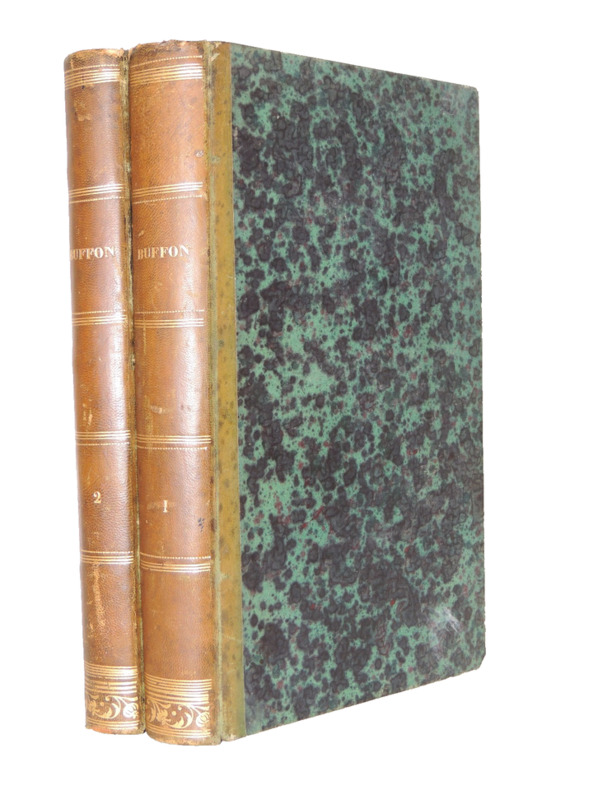
1860CZC-13440Reliures demi cuir verte, format in 4, 26x17cm, 2 volumes, 23pp(introduction) & 312 pages(oiseaux)27 planches + 1 planche comportant le portrait de l'auteur puis 48pp (introduction) & 272 pp (mammifères) 21 planches, sans les page de titre, sans date, sans nom d'éditeur, probablement 2 volumes rassemblant des extraits de l'œuvre du grand naturaliste , 48 planches coloriées à la main & gommées. vers 1860
1860CZC-13440Reliures demi cuir verte, format in 4, 26x17cm, 2 volumes, 23pp(introduction) & 312 pages(oiseaux)27 planches + 1 planche comportant le portrait de l'auteur puis 48pp (introduction) & 272 pp (mammifères) 21 planches, sans les page de titre, sans date, sans nom d'éditeur, probablement 2 volumes rassemblant des extraits de l'œuvre du grand naturaliste , 48 planches coloriées à la main & gommées. vers 1860
18094041London:: George Shaw and E. Nodder 1809. First edition. Fine condition with original bright hand-coloring. . A Fine and rare original hand-colored copperplate engraving by Frederick Polydore Nodder and/or his son Richard Polydore Nodder from The Naturalist's Miscellany. Octavo 6 x 9.5 inches 15.24 x 24.13 cm. Includes the original text in both English and Latin by George Shaw MD FRS. The Naturalist's Miscellany distinguished by the refined hand-colored copperplate engravings and astute naturalists' observations was aptly named as a diverse naturalists' compendium of the birds mammals reptiles insects fish and crustacean identified by seventeenth and eighteenth century naturalists spanning the globe particularly around the South Seas. Many of nature's most fascinating and unusual creatures were discovered during this period several of which were introduced through The Naturalist's Miscellany. Doctor George Shaw 1751-1813 Fellow of the Royal Society cofounder of the Linnaean Society as well as Zoologist of the British Museum contributed the text. Publication of the Naturalist's Miscellany ceased with his death in 1813. Upon the death of the artist FP Nodder 1770-1800 his wife Elizabeth and their son Richard Polydore Nodder 1793-1820 contributed artistically and editorially to the publication. Indeed a family affair both Frederick Polydore Nodder and his son Richard produced every one of the plates. A gifted and distinguished naturalist Frederick P. Nodder was the preferred Botanical Painter to Her Majesty Queen Charlotte. His early skills as botanical and animal draughtsman and engraver were honed from his association with Sir Joseph Banks who employed Nodder to complete and engrave the drawings from the sketchbooks of the late Sydney Parkinson. Parkinson accompanied Banks as botanical draughtsman aboard Captain James Cook's The Endeavor in 1771. Parkinson died on the return of this South Seas Voyage. These engravings along with the natural history collections of the British Museum were the basis for the mastery of the Naturalist's Miscellany. Frederick's son Richard P. Nodder a gifted animal painter in his own right was distinguished as botanic painter to King George III. At the time of its creation The Naturalist's Miscellany was highly coveted as a definitive natural history offering and as was the custom the work was issued in installments between 1790 and 1813. Each volume was dedicated by permission and dutifully inscribed to the most devoted patrons and contributors of the natural historical pursuits of eighteenth and early nineteenth century Britain: Queen Charlotte Sir Joseph Banks Thomas Pennant Esq. The Universities of Oxford and Cambridge The Trustees of the British Museum to name a few. Andrews1986 Blunt 151Coats 25 Sitwell FBB 142 Wood 482. Copyright: Lowry-James Rare Prints & Books 1/09. George Shaw and E. Nodder, unknown
18094042London:: George Shaw and E. Nodder 1809. First edition. Fine condition with original bright hand-coloring. . A Fine and rare original hand-colored copperplate engraving by Frederick Polydore Nodder and/or his son Richard Polydore Nodder from The Naturalist's Miscellany. Octavo 6 x 9.5 inches 15.24 x 24.13 cm. Includes the original text in both English and Latin by George Shaw MD FRS. The Naturalist's Miscellany distinguished by the refined hand-colored copperplate engravings and astute naturalists' observations was aptly named as a diverse naturalists' compendium of the birds mammals reptiles insects fish and crustacean identified by seventeenth and eighteenth century naturalists spanning the globe particularly around the South Seas. Many of nature's most fascinating and unusual creatures were discovered during this period several of which were introduced through The Naturalist's Miscellany. Doctor George Shaw 1751-1813 Fellow of the Royal Society cofounder of the Linnaean Society as well as Zoologist of the British Museum contributed the text. Publication of the Naturalist's Miscellany ceased with his death in 1813. Upon the death of the artist FP Nodder 1770-1800 his wife Elizabeth and their son Richard Polydore Nodder 1793-1820 contributed artistically and editorially to the publication. Indeed a family affair both Frederick Polydore Nodder and his son Richard produced every one of the plates. A gifted and distinguished naturalist Frederick P. Nodder was the preferred Botanical Painter to Her Majesty Queen Charlotte. His early skills as botanical and animal draughtsman and engraver were honed from his association with Sir Joseph Banks who employed Nodder to complete and engrave the drawings from the sketchbooks of the late Sydney Parkinson. Parkinson accompanied Banks as botanical draughtsman aboard Captain James Cook's The Endeavor in 1771. Parkinson died on the return of this South Seas Voyage. These engravings along with the natural history collections of the British Museum were the basis for the mastery of the Naturalist's Miscellany. Frederick's son Richard P. Nodder a gifted animal painter in his own right was distinguished as botanic painter to King George III. At the time of its creation The Naturalist's Miscellany was highly coveted as a definitive natural history offering and as was the custom the work was issued in installments between 1790 and 1813. Each volume was dedicated by permission and dutifully inscribed to the most devoted patrons and contributors of the natural historical pursuits of eighteenth and early nineteenth century Britain: Queen Charlotte Sir Joseph Banks Thomas Pennant Esq. The Universities of Oxford and Cambridge The Trustees of the British Museum to name a few. Andrews1986 Blunt 151Coats 25 Sitwell FBB 142 Wood 482. Copyright: Lowry-James Rare Prints & Books 1/09. Matted in Rag Board 14.5 x 17.5 inches George Shaw and E. Nodder, unknown
18094045London:: George Shaw and E. Nodder 1809. First edition. Fine condition with original bright hand-coloring. . A Fine and rare original hand-colored copperplate engraving by Frederick Polydore Nodder and/or his son Richard Polydore Nodder from The Naturalist's Miscellany. Octavo 6 x 9.5 inches 15.24 x 24.13 cm. Includes the original text in both English and Latin by George Shaw MD FRS. The Naturalist's Miscellany distinguished by the refined hand-colored copperplate engravings and astute naturalists' observations was aptly named as a diverse naturalists' compendium of the birds mammals reptiles insects fish and crustacean identified by seventeenth and eighteenth century naturalists spanning the globe particularly around the South Seas. Many of nature's most fascinating and unusual creatures were discovered during this period several of which were introduced through The Naturalist's Miscellany. Doctor George Shaw 1751-1813 Fellow of the Royal Society cofounder of the Linnaean Society as well as Zoologist of the British Museum contributed the text. Publication of the Naturalist's Miscellany ceased with his death in 1813. Upon the death of the artist FP Nodder 1770-1800 his wife Elizabeth and their son Richard Polydore Nodder 1793-1820 contributed artistically and editorially to the publication. Indeed a family affair both Frederick Polydore Nodder and his son Richard produced every one of the plates. A gifted and distinguished naturalist Frederick P. Nodder was the preferred Botanical Painter to Her Majesty Queen Charlotte. His early skills as botanical and animal draughtsman and engraver were honed from his association with Sir Joseph Banks who employed Nodder to complete and engrave the drawings from the sketchbooks of the late Sydney Parkinson. Parkinson accompanied Banks as botanical draughtsman aboard Captain James Cook's The Endeavor in 1771. Parkinson died on the return of this South Seas Voyage. These engravings along with the natural history collections of the British Museum were the basis for the mastery of the Naturalist's Miscellany. Frederick's son Richard P. Nodder a gifted animal painter in his own right was distinguished as botanic painter to King George III. At the time of its creation The Naturalist's Miscellany was highly coveted as a definitive natural history offering and as was the custom the work was issued in installments between 1790 and 1813. Each volume was dedicated by permission and dutifully inscribed to the most devoted patrons and contributors of the natural historical pursuits of eighteenth and early nineteenth century Britain: Queen Charlotte Sir Joseph Banks Thomas Pennant Esq. The Universities of Oxford and Cambridge The Trustees of the British Museum to name a few. Andrews1986 Blunt 151Coats 25 Sitwell FBB 142 Wood 482. Copyright: Lowry-James Rare Prints & Books 1/09. George Shaw and E. Nodder, unknown
18094043London:: George Shaw and E. Nodder 1809. First edition. Fine condition with original bright hand-coloring. . A Fine and rare original hand-colored copperplate engraving by Frederick Polydore Nodder and/or his son Richard Polydore Nodder from The Naturalist's Miscellany. Octavo 6 x 9.5 inches 15.24 x 24.13 cm. Includes the original text in both English and Latin by George Shaw MD FRS. The Naturalist's Miscellany distinguished by the refined hand-colored copperplate engravings and astute naturalists' observations was aptly named as a diverse naturalists' compendium of the birds mammals reptiles insects fish and crustacean identified by seventeenth and eighteenth century naturalists spanning the globe particularly around the South Seas. Many of nature's most fascinating and unusual creatures were discovered during this period several of which were introduced through The Naturalist's Miscellany. Doctor George Shaw 1751-1813 Fellow of the Royal Society cofounder of the Linnaean Society as well as Zoologist of the British Museum contributed the text. Publication of the Naturalist's Miscellany ceased with his death in 1813. Upon the death of the artist FP Nodder 1770-1800 his wife Elizabeth and their son Richard Polydore Nodder 1793-1820 contributed artistically and editorially to the publication. Indeed a family affair both Frederick Polydore Nodder and his son Richard produced every one of the plates. A gifted and distinguished naturalist Frederick P. Nodder was the preferred Botanical Painter to Her Majesty Queen Charlotte. His early skills as botanical and animal draughtsman and engraver were honed from his association with Sir Joseph Banks who employed Nodder to complete and engrave the drawings from the sketchbooks of the late Sydney Parkinson. Parkinson accompanied Banks as botanical draughtsman aboard Captain James Cook's The Endeavor in 1771. Parkinson died on the return of this South Seas Voyage. These engravings along with the natural history collections of the British Museum were the basis for the mastery of the Naturalist's Miscellany. Frederick's son Richard P. Nodder a gifted animal painter in his own right was distinguished as botanic painter to King George III. At the time of its creation The Naturalist's Miscellany was highly coveted as a definitive natural history offering and as was the custom the work was issued in installments between 1790 and 1813. Each volume was dedicated by permission and dutifully inscribed to the most devoted patrons and contributors of the natural historical pursuits of eighteenth and early nineteenth century Britain: Queen Charlotte Sir Joseph Banks Thomas Pennant Esq. The Universities of Oxford and Cambridge The Trustees of the British Museum to name a few. Andrews1986 Blunt 151Coats 25 Sitwell FBB 142 Wood 482. Copyright: Lowry-James Rare Prints & Books 1/09. George Shaw and E. Nodder, unknown
18093167London:: George Shaw and E. Nodder 1809. First edition. Fine condition with original bright hand-coloring. . A Fine and rare original hand-colored copperplate engraving by Frederick Polydore Nodder and/or his son Richard Polydore Nodder from The Naturalist's Miscellany. Octavo 6 x 9.5 inches 15.24 x 24.13 cm. Includes the original text in both English and Latin by George Shaw MD FRS. The Naturalist's Miscellany distinguished by the refined hand-colored copperplate engravings and astute naturalists' observations was aptly named as a diverse naturalists' compendium of the birds mammals reptiles insects fish and crustacean identified by seventeenth and eighteenth century naturalists spanning the globe particularly around the South Seas. Many of nature's most fascinating and unusual creatures were discovered during this period several of which were introduced through The Naturalist's Miscellany. Doctor George Shaw 1751-1813 Fellow of the Royal Society cofounder of the Linnaean Society as well as Zoologist of the British Museum contributed the text. Publication of the Naturalist's Miscellany ceased with his death in 1813. Upon the death of the artist FP Nodder 1770-1800 his wife Elizabeth and their son Richard Polydore Nodder 1793-1820 contributed artistically and editorially to the publication. Indeed a family affair both Frederick Polydore Nodder and his son Richard produced every one of the plates. A gifted and distinguished naturalist Frederick P. Nodder was the preferred Botanical Painter to Her Majesty Queen Charlotte. His early skills as botanical and animal draughtsman and engraver were honed from his association with Sir Joseph Banks who employed Nodder to complete and engrave the drawings from the sketchbooks of the late Sydney Parkinson. Parkinson accompanied Banks as botanical draughtsman aboard Captain James Cook's The Endeavor in 1771. Parkinson died on the return of this South Seas Voyage. These engravings along with the natural history collections of the British Museum were the basis for the mastery of the Naturalist's Miscellany. Frederick's son Richard P. Nodder a gifted animal painter in his own right was distinguished as botanic painter to King George III. At the time of its creation The Naturalist's Miscellany was highly coveted as a definitive natural history offering and as was the custom the work was issued in installments between 1790 and 1813. Each volume was dedicated by permission and dutifully inscribed to the most devoted patrons and contributors of the natural historical pursuits of eighteenth and early nineteenth century Britain: Queen Charlotte Sir Joseph Banks Thomas Pennant Esq. The Universities of Oxford and Cambridge The Trustees of the British Museum to name a few. Andrews1986 Blunt 151Coats 25 Sitwell FBB 142 Wood 482. Copyright: Lowry-James Rare Prints & Books 1/09. Matted in Rag Board George Shaw and E. Nodder, unknown
18094051London:: George Shaw and E. Nodder 1809. First edition. Fine condition with original bright hand-coloring. . A Fine and rare original hand-colored copperplate engraving by Frederick Polydore Nodder and/or his son Richard Polydore Nodder from The Naturalist's Miscellany. Octavo 6 x 9.5 inches 15.24 x 24.13 cm. Includes the original text in both English and Latin by George Shaw MD FRS. The Naturalist's Miscellany distinguished by the refined hand-colored copperplate engravings and astute naturalists' observations was aptly named as a diverse naturalists' compendium of the birds mammals reptiles insects fish and crustacean identified by seventeenth and eighteenth century naturalists spanning the globe particularly around the South Seas. Many of nature's most fascinating and unusual creatures were discovered during this period several of which were introduced through The Naturalist's Miscellany. Doctor George Shaw 1751-1813 Fellow of the Royal Society cofounder of the Linnaean Society as well as Zoologist of the British Museum contributed the text. Publication of the Naturalist's Miscellany ceased with his death in 1813. Upon the death of the artist FP Nodder 1770-1800 his wife Elizabeth and their son Richard Polydore Nodder 1793-1820 contributed artistically and editorially to the publication. Indeed a family affair both Frederick Polydore Nodder and his son Richard produced every one of the plates. A gifted and distinguished naturalist Frederick P. Nodder was the preferred Botanical Painter to Her Majesty Queen Charlotte. His early skills as botanical and animal draughtsman and engraver were honed from his association with Sir Joseph Banks who employed Nodder to complete and engrave the drawings from the sketchbooks of the late Sydney Parkinson. Parkinson accompanied Banks as botanical draughtsman aboard Captain James Cook's The Endeavor in 1771. Parkinson died on the return of this South Seas Voyage. These engravings along with the natural history collections of the British Museum were the basis for the mastery of the Naturalist's Miscellany. Frederick's son Richard P. Nodder a gifted animal painter in his own right was distinguished as botanic painter to King George III. At the time of its creation The Naturalist's Miscellany was highly coveted as a definitive natural history offering and as was the custom the work was issued in installments between 1790 and 1813. Each volume was dedicated by permission and dutifully inscribed to the most devoted patrons and contributors of the natural historical pursuits of eighteenth and early nineteenth century Britain: Queen Charlotte Sir Joseph Banks Thomas Pennant Esq. The Universities of Oxford and Cambridge The Trustees of the British Museum to name a few. Andrews1986 Blunt 151Coats 25 Sitwell FBB 142 Wood 482. Copyright: Lowry-James Rare Prints & Books 1/09. George Shaw and E. Nodder, unknown
18094049London:: George Shaw and E. Nodder 1809. First edition. Fine condition with original bright hand-coloring. . A Fine and rare original hand-colored copperplate engraving by Frederick Polydore Nodder and/or his son Richard Polydore Nodder from The Naturalist's Miscellany. Octavo 6 x 9.5 inches 15.24 x 24.13 cm. Includes the original text in both English and Latin by George Shaw MD FRS. The Naturalist's Miscellany distinguished by the refined hand-colored copperplate engravings and astute naturalists' observations was aptly named as a diverse naturalists' compendium of the birds mammals reptiles insects fish and crustacean identified by seventeenth and eighteenth century naturalists spanning the globe particularly around the South Seas. Many of nature's most fascinating and unusual creatures were discovered during this period several of which were introduced through The Naturalist's Miscellany. Doctor George Shaw 1751-1813 Fellow of the Royal Society cofounder of the Linnaean Society as well as Zoologist of the British Museum contributed the text. Publication of the Naturalist's Miscellany ceased with his death in 1813. Upon the death of the artist FP Nodder 1770-1800 his wife Elizabeth and their son Richard Polydore Nodder 1793-1820 contributed artistically and editorially to the publication. Indeed a family affair both Frederick Polydore Nodder and his son Richard produced every one of the plates. A gifted and distinguished naturalist Frederick P. Nodder was the preferred Botanical Painter to Her Majesty Queen Charlotte. His early skills as botanical and animal draughtsman and engraver were honed from his association with Sir Joseph Banks who employed Nodder to complete and engrave the drawings from the sketchbooks of the late Sydney Parkinson. Parkinson accompanied Banks as botanical draughtsman aboard Captain James Cook's The Endeavor in 1771. Parkinson died on the return of this South Seas Voyage. These engravings along with the natural history collections of the British Museum were the basis for the mastery of the Naturalist's Miscellany. Frederick's son Richard P. Nodder a gifted animal painter in his own right was distinguished as botanic painter to King George III. At the time of its creation The Naturalist's Miscellany was highly coveted as a definitive natural history offering and as was the custom the work was issued in installments between 1790 and 1813. Each volume was dedicated by permission and dutifully inscribed to the most devoted patrons and contributors of the natural historical pursuits of eighteenth and early nineteenth century Britain: Queen Charlotte Sir Joseph Banks Thomas Pennant Esq. The Universities of Oxford and Cambridge The Trustees of the British Museum to name a few. Andrews1986 Blunt 151Coats 25 Sitwell FBB 142 Wood 482. Copyright: Lowry-James Rare Prints & Books 1/09. George Shaw and E. Nodder, unknown
18094046London:: George Shaw and E. Nodder 1809. First edition. Fine condition with original bright hand-coloring. . A Fine and rare original hand-colored copperplate engraving by Frederick Polydore Nodder and/or his son Richard Polydore Nodder from The Naturalist's Miscellany. Octavo 6 x 9.5 inches 15.24 x 24.13 cm. Includes the original text in both English and Latin by George Shaw MD FRS. The Naturalist's Miscellany distinguished by the refined hand-colored copperplate engravings and astute naturalists' observations was aptly named as a diverse naturalists' compendium of the birds mammals reptiles insects fish and crustacean identified by seventeenth and eighteenth century naturalists spanning the globe particularly around the South Seas. Many of nature's most fascinating and unusual creatures were discovered during this period several of which were introduced through The Naturalist's Miscellany. Doctor George Shaw 1751-1813 Fellow of the Royal Society cofounder of the Linnaean Society as well as Zoologist of the British Museum contributed the text. Publication of the Naturalist's Miscellany ceased with his death in 1813. Upon the death of the artist FP Nodder 1770-1800 his wife Elizabeth and their son Richard Polydore Nodder 1793-1820 contributed artistically and editorially to the publication. Indeed a family affair both Frederick Polydore Nodder and his son Richard produced every one of the plates. A gifted and distinguished naturalist Frederick P. Nodder was the preferred Botanical Painter to Her Majesty Queen Charlotte. His early skills as botanical and animal draughtsman and engraver were honed from his association with Sir Joseph Banks who employed Nodder to complete and engrave the drawings from the sketchbooks of the late Sydney Parkinson. Parkinson accompanied Banks as botanical draughtsman aboard Captain James Cook's The Endeavor in 1771. Parkinson died on the return of this South Seas Voyage. These engravings along with the natural history collections of the British Museum were the basis for the mastery of the Naturalist's Miscellany. Frederick's son Richard P. Nodder a gifted animal painter in his own right was distinguished as botanic painter to King George III. At the time of its creation The Naturalist's Miscellany was highly coveted as a definitive natural history offering and as was the custom the work was issued in installments between 1790 and 1813. Each volume was dedicated by permission and dutifully inscribed to the most devoted patrons and contributors of the natural historical pursuits of eighteenth and early nineteenth century Britain: Queen Charlotte Sir Joseph Banks Thomas Pennant Esq. The Universities of Oxford and Cambridge The Trustees of the British Museum to name a few. Andrews1986 Blunt 151Coats 25 Sitwell FBB 142 Wood 482. Copyright: Lowry-James Rare Prints & Books 1/09. George Shaw and E. Nodder, unknown
18094048London:: George Shaw and E. Nodder 1809. First edition. Fine condition with original bright hand-coloring. . A Fine and rare original hand-colored copperplate engraving by Frederick Polydore Nodder and/or his son Richard Polydore Nodder from The Naturalist's Miscellany. Octavo 6 x 9.5 inches 15.24 x 24.13 cm. Includes the original text in both English and Latin by George Shaw MD FRS. The Naturalist's Miscellany distinguished by the refined hand-colored copperplate engravings and astute naturalists' observations was aptly named as a diverse naturalists' compendium of the birds mammals reptiles insects fish and crustacean identified by seventeenth and eighteenth century naturalists spanning the globe particularly around the South Seas. Many of nature's most fascinating and unusual creatures were discovered during this period several of which were introduced through The Naturalist's Miscellany. Doctor George Shaw 1751-1813 Fellow of the Royal Society cofounder of the Linnaean Society as well as Zoologist of the British Museum contributed the text. Publication of the Naturalist's Miscellany ceased with his death in 1813. Upon the death of the artist FP Nodder 1770-1800 his wife Elizabeth and their son Richard Polydore Nodder 1793-1820 contributed artistically and editorially to the publication. Indeed a family affair both Frederick Polydore Nodder and his son Richard produced every one of the plates. A gifted and distinguished naturalist Frederick P. Nodder was the preferred Botanical Painter to Her Majesty Queen Charlotte. His early skills as botanical and animal draughtsman and engraver were honed from his association with Sir Joseph Banks who employed Nodder to complete and engrave the drawings from the sketchbooks of the late Sydney Parkinson. Parkinson accompanied Banks as botanical draughtsman aboard Captain James Cook's The Endeavor in 1771. Parkinson died on the return of this South Seas Voyage. These engravings along with the natural history collections of the British Museum were the basis for the mastery of the Naturalist's Miscellany. Frederick's son Richard P. Nodder a gifted animal painter in his own right was distinguished as botanic painter to King George III. At the time of its creation The Naturalist's Miscellany was highly coveted as a definitive natural history offering and as was the custom the work was issued in installments between 1790 and 1813. Each volume was dedicated by permission and dutifully inscribed to the most devoted patrons and contributors of the natural historical pursuits of eighteenth and early nineteenth century Britain: Queen Charlotte Sir Joseph Banks Thomas Pennant Esq. The Universities of Oxford and Cambridge The Trustees of the British Museum to name a few. Andrews1986 Blunt 151Coats 25 Sitwell FBB 142 Wood 482. Copyright: Lowry-James Rare Prints & Books 1/09. George Shaw and E. Nodder, unknown
18094053London:: George Shaw and E. Nodder 1809. First edition. Fine condition with original bright hand-coloring. . A Fine and rare original hand-colored copperplate engraving by Frederick Polydore Nodder and/or his son Richard Polydore Nodder from The Naturalist's Miscellany. Octavo 6 x 9.5 inches 15.24 x 24.13 cm. Includes the original text in both English and Latin by George Shaw MD FRS. The Naturalist's Miscellany distinguished by the refined hand-colored copperplate engravings and astute naturalists' observations was aptly named as a diverse naturalists' compendium of the birds mammals reptiles insects fish and crustacean identified by seventeenth and eighteenth century naturalists spanning the globe particularly around the South Seas. Many of nature's most fascinating and unusual creatures were discovered during this period several of which were introduced through The Naturalist's Miscellany. Doctor George Shaw 1751-1813 Fellow of the Royal Society cofounder of the Linnaean Society as well as Zoologist of the British Museum contributed the text. Publication of the Naturalist's Miscellany ceased with his death in 1813. Upon the death of the artist FP Nodder 1770-1800 his wife Elizabeth and their son Richard Polydore Nodder 1793-1820 contributed artistically and editorially to the publication. Indeed a family affair both Frederick Polydore Nodder and his son Richard produced every one of the plates. A gifted and distinguished naturalist Frederick P. Nodder was the preferred Botanical Painter to Her Majesty Queen Charlotte. His early skills as botanical and animal draughtsman and engraver were honed from his association with Sir Joseph Banks who employed Nodder to complete and engrave the drawings from the sketchbooks of the late Sydney Parkinson. Parkinson accompanied Banks as botanical draughtsman aboard Captain James Cook's The Endeavor in 1771. Parkinson died on the return of this South Seas Voyage. These engravings along with the natural history collections of the British Museum were the basis for the mastery of the Naturalist's Miscellany. Frederick's son Richard P. Nodder a gifted animal painter in his own right was distinguished as botanic painter to King George III. At the time of its creation The Naturalist's Miscellany was highly coveted as a definitive natural history offering and as was the custom the work was issued in installments between 1790 and 1813. Each volume was dedicated by permission and dutifully inscribed to the most devoted patrons and contributors of the natural historical pursuits of eighteenth and early nineteenth century Britain: Queen Charlotte Sir Joseph Banks Thomas Pennant Esq. The Universities of Oxford and Cambridge The Trustees of the British Museum to name a few. Andrews1986 Blunt 151Coats 25 Sitwell FBB 142 Wood 482. Copyright: Lowry-James Rare Prints & Books 1/09. George Shaw and E. Nodder, unknown
18094047London:: George Shaw and E. Nodder 1809. First edition. Fine condition with original bright hand-coloring. . A Fine and rare original hand-colored copperplate engraving by Frederick Polydore Nodder and/or his son Richard Polydore Nodder from The Naturalist's Miscellany. Octavo 6 x 9.5 inches 15.24 x 24.13 cm. Includes the original text in both English and Latin by George Shaw MD FRS. The Naturalist's Miscellany distinguished by the refined hand-colored copperplate engravings and astute naturalists' observations was aptly named as a diverse naturalists' compendium of the birds mammals reptiles insects fish and crustacean identified by seventeenth and eighteenth century naturalists spanning the globe particularly around the South Seas. Many of nature's most fascinating and unusual creatures were discovered during this period several of which were introduced through The Naturalist's Miscellany. Doctor George Shaw 1751-1813 Fellow of the Royal Society cofounder of the Linnaean Society as well as Zoologist of the British Museum contributed the text. Publication of the Naturalist's Miscellany ceased with his death in 1813. Upon the death of the artist FP Nodder 1770-1800 his wife Elizabeth and their son Richard Polydore Nodder 1793-1820 contributed artistically and editorially to the publication. Indeed a family affair both Frederick Polydore Nodder and his son Richard produced every one of the plates. A gifted and distinguished naturalist Frederick P. Nodder was the preferred Botanical Painter to Her Majesty Queen Charlotte. His early skills as botanical and animal draughtsman and engraver were honed from his association with Sir Joseph Banks who employed Nodder to complete and engrave the drawings from the sketchbooks of the late Sydney Parkinson. Parkinson accompanied Banks as botanical draughtsman aboard Captain James Cook's The Endeavor in 1771. Parkinson died on the return of this South Seas Voyage. These engravings along with the natural history collections of the British Museum were the basis for the mastery of the Naturalist's Miscellany. Frederick's son Richard P. Nodder a gifted animal painter in his own right was distinguished as botanic painter to King George III. At the time of its creation The Naturalist's Miscellany was highly coveted as a definitive natural history offering and as was the custom the work was issued in installments between 1790 and 1813. Each volume was dedicated by permission and dutifully inscribed to the most devoted patrons and contributors of the natural historical pursuits of eighteenth and early nineteenth century Britain: Queen Charlotte Sir Joseph Banks Thomas Pennant Esq. The Universities of Oxford and Cambridge The Trustees of the British Museum to name a few. Andrews1986 Blunt 151Coats 25 Sitwell FBB 142 Wood 482. Copyright: Lowry-James Rare Prints & Books 1/09. George Shaw and E. Nodder, unknown
18093188London:: George Shaw and E. Nodder 1809. First edition. Fine condition with original bright hand-coloring. . A Fine and rare original hand-colored copperplate engraving by Frederick Polydore Nodder and/or his son Richard Polydore Nodder from The Naturalist's Miscellany. Octavo 6 x 9.5 inches 15.24 x 24.13 cm. Includes the original text in both English and Latin by George Shaw MD FRS. The Naturalist's Miscellany distinguished by the refined hand-colored copperplate engravings and astute naturalists' observations was aptly named as a diverse naturalists' compendium of the birds mammals reptiles insects fish and crustacean identified by seventeenth and eighteenth century naturalists spanning the globe particularly around the South Seas. Many of nature's most fascinating and unusual creatures were discovered during this period several of which were introduced through The Naturalist's Miscellany. Doctor George Shaw 1751-1813 Fellow of the Royal Society cofounder of the Linnaean Society as well as Zoologist of the British Museum contributed the text. Publication of the Naturalist's Miscellany ceased with his death in 1813. Upon the death of the artist FP Nodder 1770-1800 his wife Elizabeth and their son Richard Polydore Nodder 1793-1820 contributed artistically and editorially to the publication. Indeed a family affair both Frederick Polydore Nodder and his son Richard produced every one of the plates. A gifted and distinguished naturalist Frederick P. Nodder was the preferred Botanical Painter to Her Majesty Queen Charlotte. His early skills as botanical and animal draughtsman and engraver were honed from his association with Sir Joseph Banks who employed Nodder to complete and engrave the drawings from the sketchbooks of the late Sydney Parkinson. Parkinson accompanied Banks as botanical draughtsman aboard Captain James Cook's The Endeavor in 1771. Parkinson died on the return of this South Seas Voyage. These engravings along with the natural history collections of the British Museum were the basis for the mastery of the Naturalist's Miscellany. Frederick's son Richard P. Nodder a gifted animal painter in his own right was distinguished as botanic painter to King George III. At the time of its creation The Naturalist's Miscellany was highly coveted as a definitive natural history offering and as was the custom the work was issued in installments between 1790 and 1813. Each volume was dedicated by permission and dutifully inscribed to the most devoted patrons and contributors of the natural historical pursuits of eighteenth and early nineteenth century Britain: Queen Charlotte Sir Joseph Banks Thomas Pennant Esq. The Universities of Oxford and Cambridge The Trustees of the British Museum to name a few. Andrews1986 Blunt 151Coats 25 Sitwell FBB 142 Wood 482. Copyright: Lowry-James Rare Prints & Books 1/09. George Shaw and E. Nodder, unknown
18093187London:: George Shaw and E. Nodder 1809. First edition. Fine condition with original bright hand-coloring. . A Fine and rare original hand-colored copperplate engraving by Frederick Polydore Nodder and/or his son Richard Polydore Nodder from The Naturalist's Miscellany. Octavo 6 x 9.5 inches 15.24 x 24.13 cm. Includes the original text in both English and Latin by George Shaw MD FRS. The Naturalist's Miscellany distinguished by the refined hand-colored copperplate engravings and astute naturalists' observations was aptly named as a diverse naturalists' compendium of the birds mammals reptiles insects fish and crustacean identified by seventeenth and eighteenth century naturalists spanning the globe particularly around the South Seas. Many of nature's most fascinating and unusual creatures were discovered during this period several of which were introduced through The Naturalist's Miscellany. Doctor George Shaw 1751-1813 Fellow of the Royal Society cofounder of the Linnaean Society as well as Zoologist of the British Museum contributed the text. Publication of the Naturalist's Miscellany ceased with his death in 1813. Upon the death of the artist FP Nodder 1770-1800 his wife Elizabeth and their son Richard Polydore Nodder 1793-1820 contributed artistically and editorially to the publication. Indeed a family affair both Frederick Polydore Nodder and his son Richard produced every one of the plates. A gifted and distinguished naturalist Frederick P. Nodder was the preferred Botanical Painter to Her Majesty Queen Charlotte. His early skills as botanical and animal draughtsman and engraver were honed from his association with Sir Joseph Banks who employed Nodder to complete and engrave the drawings from the sketchbooks of the late Sydney Parkinson. Parkinson accompanied Banks as botanical draughtsman aboard Captain James Cook's The Endeavor in 1771. Parkinson died on the return of this South Seas Voyage. These engravings along with the natural history collections of the British Museum were the basis for the mastery of the Naturalist's Miscellany. Frederick's son Richard P. Nodder a gifted animal painter in his own right was distinguished as botanic painter to King George III. At the time of its creation The Naturalist's Miscellany was highly coveted as a definitive natural history offering and as was the custom the work was issued in installments between 1790 and 1813. Each volume was dedicated by permission and dutifully inscribed to the most devoted patrons and contributors of the natural historical pursuits of eighteenth and early nineteenth century Britain: Queen Charlotte Sir Joseph Banks Thomas Pennant Esq. The Universities of Oxford and Cambridge The Trustees of the British Museum to name a few. Andrews1986 Blunt 151Coats 25 Sitwell FBB 142 Wood 482. Copyright: Lowry-James Rare Prints & Books 1/09. George Shaw and E. Nodder, unknown
18093191London:: George Shaw and E. Nodder 1809. First edition. Fine condition with original bright hand-coloring. . A Fine and rare original hand-colored copperplate engraving by Frederick Polydore Nodder and/or his son Richard Polydore Nodder from The Naturalist's Miscellany. Octavo 6 x 9.5 inches 15.24 x 24.13 cm. Includes the original text in both English and Latin by George Shaw MD FRS. The Naturalist's Miscellany distinguished by the refined hand-colored copperplate engravings and astute naturalists' observations was aptly named as a diverse naturalists' compendium of the birds mammals reptiles insects fish and crustacean identified by seventeenth and eighteenth century naturalists spanning the globe particularly around the South Seas. Many of nature's most fascinating and unusual creatures were discovered during this period several of which were introduced through The Naturalist's Miscellany. Doctor George Shaw 1751-1813 Fellow of the Royal Society cofounder of the Linnaean Society as well as Zoologist of the British Museum contributed the text. Publication of the Naturalist's Miscellany ceased with his death in 1813. Upon the death of the artist FP Nodder 1770-1800 his wife Elizabeth and their son Richard Polydore Nodder 1793-1820 contributed artistically and editorially to the publication. Indeed a family affair both Frederick Polydore Nodder and his son Richard produced every one of the plates. A gifted and distinguished naturalist Frederick P. Nodder was the preferred Botanical Painter to Her Majesty Queen Charlotte. His early skills as botanical and animal draughtsman and engraver were honed from his association with Sir Joseph Banks who employed Nodder to complete and engrave the drawings from the sketchbooks of the late Sydney Parkinson. Parkinson accompanied Banks as botanical draughtsman aboard Captain James Cook's The Endeavor in 1771. Parkinson died on the return of this South Seas Voyage. These engravings along with the natural history collections of the British Museum were the basis for the mastery of the Naturalist's Miscellany. Frederick's son Richard P. Nodder a gifted animal painter in his own right was distinguished as botanic painter to King George III. At the time of its creation The Naturalist's Miscellany was highly coveted as a definitive natural history offering and as was the custom the work was issued in installments between 1790 and 1813. Each volume was dedicated by permission and dutifully inscribed to the most devoted patrons and contributors of the natural historical pursuits of eighteenth and early nineteenth century Britain: Queen Charlotte Sir Joseph Banks Thomas Pennant Esq. The Universities of Oxford and Cambridge The Trustees of the British Museum to name a few. Andrews1986 Blunt 151Coats 25 Sitwell FBB 142 Wood 482. Copyright: Lowry-James Rare Prints & Books 1/09. George Shaw and E. Nodder, unknown
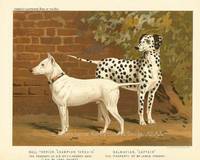
18804968London:: Cassell Petter Galpin & Co. 1880. First edition. Fine. A Fine original Chromolithograph. Octavo 10.75 x 8.75 inches. Matted in archival board sized to 14 x 16 inches suitable for framing. In the fine tradition of classic animal portraiture this formal portrait of one of Great Britain's prized canine breeds is set in its traditional British Scottish or Welsh landscape or interior. Finely produced by Vincent Brooks Day & Son Lithographers to the Queen in London c. 1880. Matted in Rag Board Cassell, Petter, Galpin & Co., unknown
18804962London:: Cassell Petter Galpin & Co. 1880. First edition. Fine. A Fine original Chromolithograph. Octavo 10.75 x 8.75 inches. Matted in archival board sized to 14 x 16 inches suitable for framing. In the fine tradition of classic animal portraiture this formal portrait of one of Great Britain's prized canine breeds is set in its traditional British Scottish or Welsh landscape or interior. Finely produced by Vincent Brooks Day & Son Lithographers to the Queen in London c. 1880. Matted in Rag Board Cassell, Petter, Galpin & Co., unknown
18804964London:: Cassell Petter Galpin & Co. 1880. First edition. Fine. A Fine original Chromolithograph. Octavo 10.75 x 8.75 inches. Matted in archival board sized to 14 x 16 inches suitable for framing. In the fine tradition of classic animal portraiture this formal portrait of one of Great Britain's prized canine breeds is set in its traditional British Scottish or Welsh landscape or interior. Finely produced by Vincent Brooks Day & Son Lithographers to the Queen in London c. 1880. Matted in Rag Board Cassell, Petter, Galpin & Co., unknown
18804954London:: Cassell Petter Galpin & Co. 1880. First edition. Fine. A Fine original Chromolithograph. Octavo 10.75 x 8.75 inches. Matted in archival board sized to 14 x 16 inches suitable for framing. In the fine tradition of classic animal portraiture this formal portrait of one of Great Britain's prized canine breeds is set in its traditional British Scottish or Welsh landscape or interior. Finely produced by Vincent Brooks Day & Son Lithographers to the Queen in London c. 1880. Matted in Rag Board Cassell, Petter, Galpin & Co., unknown
18804956London:: Cassell Petter Galpin & Co. 1880. First edition. Fine. A Fine original Chromolithograph. Octavo 10.75 x 8.75 inches. Matted in archival board sized to 14 x 16 inches suitable for framing. In the fine tradition of classic animal portraiture this formal portrait of one of Great Britain's prized canine breeds is set in its traditional British Scottish or Welsh landscape or interior. Finely produced by Vincent Brooks Day & Son Lithographers to the Queen in London c. 1880. Matted in Rag Board Cassell, Petter, Galpin & Co., unknown