4 178 résultats
français In-8 de 520 pp.; broché de l'éditeur. Préface de Claude Aubert. Lég. tâches sur la tranche supérieure.
français De 1889 à 1891. 3 tomes en 3 volumes in-8 de VII-580, 603 et 628 pp.; demi-basane brune, dos à cinq nerfs orné (reliure lég. postérieure).
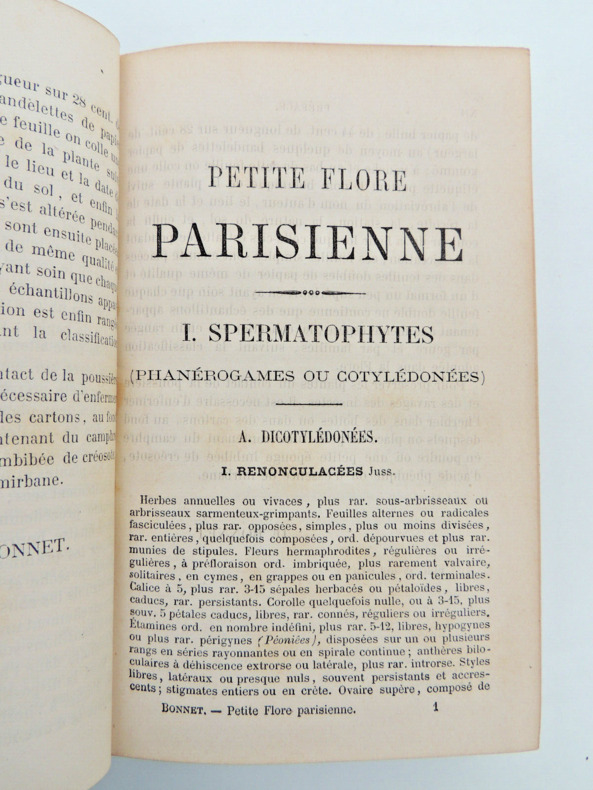
CZC-9360destine aux herborisations, contenant la description des familles et des genres, celle des espèces et des variétés sous la forme analytique avec leur synonymie et leurs noms français, l'indication des propriétés des plantes employées en médecine, dans l'industrie ou dans l’économie domestique et une table des noms vulgaires. vol relié in8, 18x13, demi cuir, tranches jaspées, très bon état intérieur, 581pp. Paris, Victor Masson, 1859. Edition Originale. ref/6
CZC-10789Exemplaire du Baron de Nanteuil, page manuscrite en début d'ouvrage. contenant la description des familles, genres, espèces et variété de toutes les plantes spontanées ou cultivées en grand dans la région parisienne avec des clefs dichotomiques conduisant rapidement aux noms des plantes... augmentée d'un vocabulaire des termes de botanique et d'un memento des herborisations parisiennes. La "Petite flore Parisienne" fait référence à la flore présente dans la ville de Paris, en France. Paris, étant une grande ville, possède une variété d'espèces végétales qui ont réussi à s'adapter à l'environnement urbain. Certaines plantes que l'on peut trouver couramment à Paris incluent: Le marronnier (Aesculus hippocastanum) : Il est largement répandu dans les rues de Paris, surtout dans les parcs et les avenues bordées d'arbres. Le platane (Platanus) : Ces grands arbres fournissent de l'ombre et sont fréquents le long des rues et des quais de la Seine. Le tilleul (Tilia) : Ces arbres majestueux sont souvent plantés le long des boulevards et des places de la ville. Le ginkgo biloba : On le trouve souvent dans les parcs et les jardins publics de Paris. Ses feuilles en forme d'éventail sont uniques et facilement reconnaissables. Le pissenlit (Taraxacum officinale) : Cette plante jaune brillante est courante dans les espaces verts de la ville. Le lierre (Hedera helix) : Vous verrez souvent cette plante grimpante couvrant les murs des bâtiments parisiens. Le sureau (Sambucus) : Les arbres de sureau sont fréquents et se caractérisent par leurs belles fleurs blanches et leurs baies noires. La digitale (Digitalis purpurea) : Parfois, cette plante est trouvée dans les parcs et les jardins, avec ses grandes fleurs en forme de cloche. vol relié in8, 18x13, demi cuir, tranche un peu effrangée, très bon état intérieur, 528pp. Paris, F. Savy, 1883. Edition Originale. ref/29
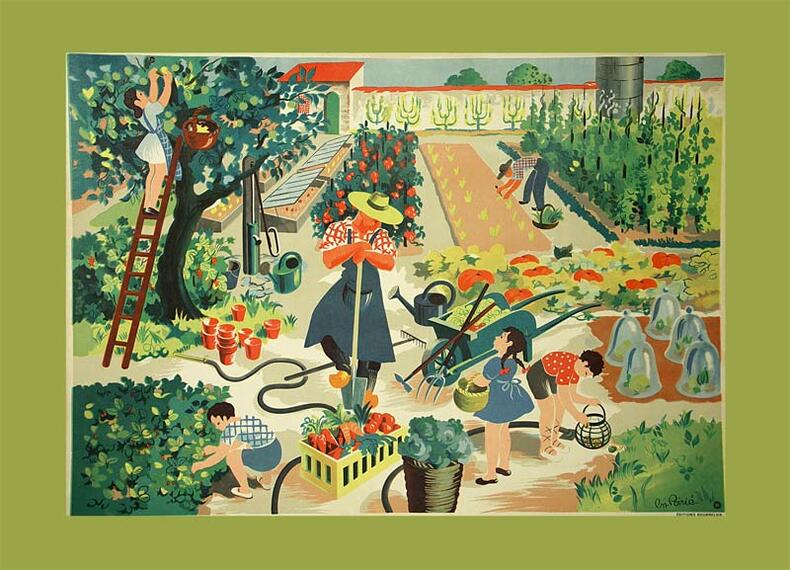
1950233DGBourrelier, o.J. (um 1950). Farbiger Offsetdruck. Bildformat: 75 x 53 cm. + Wichtig: Für unsere Kunden in der EU erfolgt der Versand alle 14 Tage verzollt ab Deutschland / Postbank-Konto in Deutschland vorhanden +, 233D-Gr
français In-8 de XVII-682 pp.; demi-chagrin vert-bouteille, dos à faux-nerfs (reliure lég. postérieure). Envoi autographe signé de l'auteur, en marge du faux-titre.
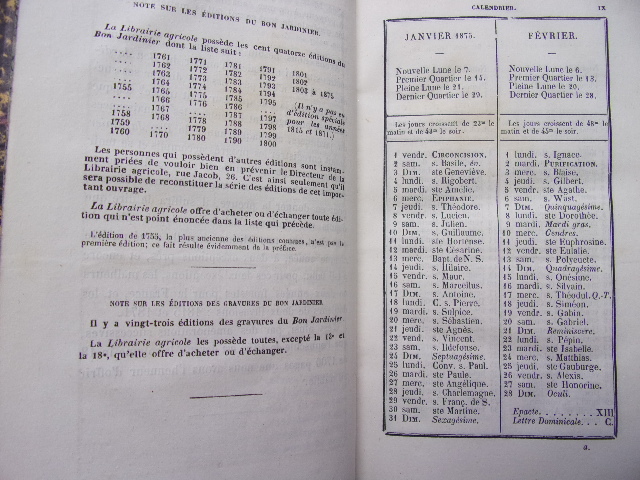
CZC-8146Contenant les principes générales de culture; l'indication mois pour mois des travaux a faire dans les jardins; la description, l'histoire et la culture de toutes les plantes potagères, céréales, fourragères, industrielles, des oignons et plantes a fleurs, etc. Tome I. Calendrier du jardinier ou observations sur les temps propres à semer, à planter, etc..janvier à décembre - Notions d'anatomie, organographie et physiologie végétales - de l'atmosphère - de la lumière - de la température - du sol - améliorations chimiques du sol - culture des terres - Multiplication par graines - Abris pour la conservation des plantes - Outils et ustensiles de jardin - Maladies des plantes - des parasites - Taille des arbres - Arbres fruitiers - Plantes potagères, médicinales, fourragères, etc... vol relié fort in8, 20x13, reliure demi cuir, frottements, bon état intérieur, 730pp. Paris, Librairie Agricole de la Maison Rustique, 1875 ref/213
19352110502150904710Not Available 1935. Soft Cover. Fine. Number of books: 1 Not Available paperback
5 vols., 8vo., with very numerous coloured and monochrome photographs throughout; original cloth (red/red/red/red/black), gilt backs, a near fine set in dustwrapper. Lovely set of a standard reference; first published 1955-1978.
1993634755Berlin, Vlg. Technik/Hatier, 1990-1993. 732; 731 S. 1: OLwd.; 2: OPp. Vorsatz v. Bd. 1 m. Besitzst. (Technik-Wörterbuch).
8vo., First Edition, with fine frontispiece COLOURED BY HAND (original tissue guard present), endpapers faded at margins; publisher's green pebble-grain cloth, boards elaborately blocked in blind, gilt back, uncut, a remarkably well-preserved, crisp, clean copy. With 4pp publisher's catalogue bound in at end. SCARCE, ESPECIALLY IN THIS CONDITION.
1950233DGBourrelier, o.J. (um 1950). Farbiger Offsetdruck. Bildformat: 75 x 53 cm.
1862023031London: Day & Son Lithographers to the Queen 1862. With an illuminated half-title a title page and 36 illuminated pages all edges gilt original blue embossed cloth richly decorated in gilt on both covers and on the spine just slightly worn at corners and head and tail of spine probably recased with new endpapers . Cloth. Very Good. Day & Son, Lithographers to the Queen Hardcover
1913017254Langport: Kelway 1913. Very well illustrated with many colour plates and hundreds of black and white images all from photographs quarto pp 4 352 rear hinge cracking front hinge weak and with the preliminary pages becoming loose fore-edge foxed otherwise clean internally ornate pictorial boards a little worn age-toned and marked cloth spine. RARE. One of the most lavish of nursery catalogues. This volume was dedicated to Gertrude Jekyll and contains a short printed preface by her. James Kelway was born in 1815 and became a gardener like his father William. At the age of 18 James was appointed as Head Gardener on the Dillington estate near Ilminster which was being revamped by its new owner James Lee Lee. Over the next 17 years James learned not only how to manage a large garden but also took advantage of the walled gardens and large greenhouses to develop his love of hybridising new varieties of plants. When he moved to Langport in 1851 he was already an experienced horticulturist. He started with a piece of land of less than two acres but over the next fifty years he built up a nursery business with over 200 acres of its own and many more leased from local farmers. He established Kelways with a world wide reputation for both vegetables and flowers. His first love was the gladiolus but he also worked on other herbaceous plants such as delphiniums pyrethrums and of course peonies which were to become Kelways flagship product. His son William and grandson James continued his work into the 20th century and although the business was hard hit by the two world wars it has survived and thrived to this day. Kelways issued their most impressive catalogues called Manuals of Horticulture between the 1890s and the outbreak of the First World War. These were like modern-day gardening encyclopedias full of horticultural advice articles from gardening publications photographs and of course their seeds and plants for sale. They were lavishly illustrated and took advantage of the emerging science of photography as much as they could. Cloth-backed boards. Fair. Kelway Hardcover
1892016586Albany New York: Weed Parsons & Company 1892. Illustrated with a frontispiece an allegorical plate and a facsimile letter from Victor Hugo small octavo pp xii 200 11 rather age-toned but otherwise very clean and tight original maroon pebble cloth slightly worn and rubbed. SCARCE. The title is about as direct as the rest of the book. The ramblings of this "crazy Frenchman at Albany" shed very little light on the actual events of his life but give an incredible sense of the energetic character of Louis Menand. There are exuberant paeans to his wife Adelaide whom he calls "Phanerogyne" meaning "remarkable woman" who died in 1890. There are rambling thoughts on the various revolutions and republics in France a scathing appraisal of his arrival in a free land "where slavery was flourishing as carnations" and tales of intrigues at flower exhibitions all told in the least linear style imaginable. He was the son of a gardener in Burgundy France. As early as he could remember he was fascinated by horticulture. "I was eight or nine years old" he later wrote "when I began to try to grow plants from cuttings. I have always been fond of cutting properly or figuratively speaking except cutting my fingers." Eventually Louis became an estate gardener in Paris and later in the Champagne region. In 1837 he came to New York and went to work at nurseries in Halett's Cove which would later become Astoria. There he met a young piano teacher from Albany named Adelaide Jackson. They fell in love and were married in her family home on Park Place in Albany and soon took up residence in what they called "the haunted house" on the Albany-Troy Road Broadway. Louis began selling plants. After a rough first year "more than modest that is to say meagre I might say miserable!!" things began to pick up. Menand had a fair collection of "hardy perennial plants" which had become pretty popular in the Albany/Troy area. Later he sold Norway spruces balsam firs and other popular trees and shrubs. In 1847 he was able to buy several acres of land on what is now Menand Road where Ganser-Smith Park is now located for his greenhouses and nursery. He cultivated plants that no doubt had never before been seen in this old Dutch town -- camellias palm ferns cacti and orchids among others. He was noted for importing exotic plants from Europe and commanded an impressive price for his best camellias: "a little plant four inches high would sell for $25." Menand won significant awards for his plants through the years and continued to grow. He bought 31 acres near the entrance to Albany Rural Cemetery where he set up his son with a half dozen hot houses devoted to growing cut flowers roses carnations pansies geraniums and "an almost endless variety of other species suitable for cemetery decoration." These included all manner of shrubs which no doubt still influence the scenery in the cemetery. His greenhouses were so popular that the Albany and Northern Railroad added a stop there in 1856 named "Menand's Crossing" which the succeeding Delaware and Hudson Railroad renamed "Menand's Station." . First Edition. Cloth. Good. Weed, Parsons & Company Hardcover
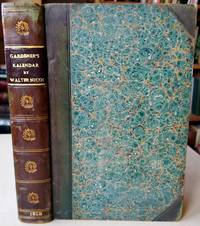
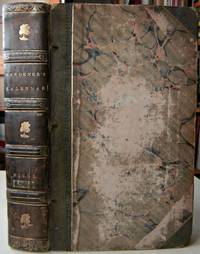
1812018201Edinburgh: Archibald Constable & Co Ltd 1812. Second edition. Octavo pp xxii 646 faintly marbled edges rather strong age-toning on many pages no real foxing apart from a little on the title page the joint at the first blank slightly cracked but not weak otherwise very tight and sound internally contemporary half calf and marbled board rubbed and slightly worn the spine head slightly pulled and a tiny piece missing the upper joint just beginning to wear. Walter Nicol 1769 - 1811 was a Scottish garden and hothouse designer who wrote several books on practical horticulture. He was born in Niddrie. He was employed at a number of estates in Scotland and improved the design and layout of gardens and glasshouses. Nicol is in particular responsible for the walled garden layout at Dalhousie Castle in Midlothian."His works which were of a very high standard became exceedingly popular" - Blanche Henrey 1174. Second edition. Half-Leather. Good. Archibald Constable & Co Ltd Hardcover
1822015170Edinburgh: Archibald Constable & Co Ltd 1822. Fourth edition. Octavo pp xx 646 faintly marbled edges rather strong age-toning on many pages some foxing but otherwise very tight and sound internally marbled endpapers contemporary half calf and marbled board srubbed and slightly worn spine with raised bands upper joint beginning to wear. With the bookbinder's ticket of John Cain the outspoken Manx preacher on the front endpaper. Not in Blanche Henrey though the first three editions are; it would appear to be unchanged from the third edition of 1814. Half-Leather. Good. Archibald Constable & Co Ltd Hardcover
018704Japan: Akira kuni-sha Not dated probably 1950/1952. Japanese text with a half-page English introduction. Large slender octavo pp 63 a little used generally and now VERY weak internally with an internal hinge which is badly broken and just holding on the strings see illustration bound in Japanese paper-covered boards with a similar slipcase. RARE. Immensely useful for its exhaustive listing of every lantern with photographs and painstakingly detailed measured drawings. Boards in slipcase. Fair. Akira kuni-sha Hardcover
1917020877Boston & New York: Houghton Mifflin Company 1917. Illustrated including two large folding plans in front and rear pockets pp xlvi 196 a signature on the front endpaper of the American landscape gardener Edith V Cochran. otherwise clean internally cloth-backed boardsds slightly worn and marked. . First Edition thus. Cloth-backed boards. Good. Houghton Mifflin Company Hardcover
1883021951London: John Murray 1883. Third edition. Very well illustrated with many engravings large thick octavo pp xxiv 548 the final index page is foxed occasional light foxing here and there otherwise clean and sound internally very tight and firm original brown cloth with just slight suggestions of use the spine head very slightly frayed. Third edition. Cloth. Very Good. John Murray Hardcover
1878018020London: John Murray 1878. Second edition revised. Very well illustrated with many engravings large thick octavo ppxxiv 548 the frontispiece title page and index pages a little foxed occasional light foxing here and there otherwise very clean and sound internally very tight and firm original blue cloth slightly worn and scuffed faded slightly marked here and there a few very small bubbles to the cloth the spine head with slight tears. Second edition. Cloth. Good. John Murray Hardcover