Wendon BlakeBiblio.com

18 344 résultats
0486402800New. Brand new and still unused unknown
Q-0486402800Dover Publications 2014-03-19. Paperback. New. In shrink wrap. Looks like an interesting title! Dover Publications paperback
1971134520Trianon Press Trianon Press for the William Blake Trust, 1971. In-4 broché, couverture illustrée, rhodoïd, XX + 71 pages + 30 pages comprenant 116 reproductions en noir et blanc des dessins originaux de William Blake. 17 hors-texte couleurs. Poems by Mr. Gray. Drawings by William Blake. Commentaires et introduction par Geoffrey Keynesd Kt. Petites rousseurs en couverture et griffure sur le titre. Intérieur en parfait état
19719928Paris, Trianon Press, 1971. 1 vol. in-4. Broché, couverture éditeur imprimée en couleurs.
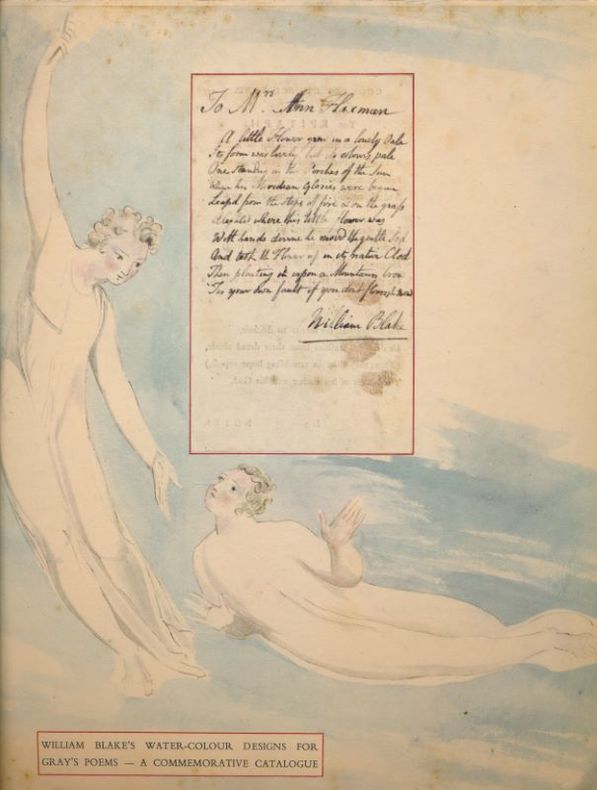
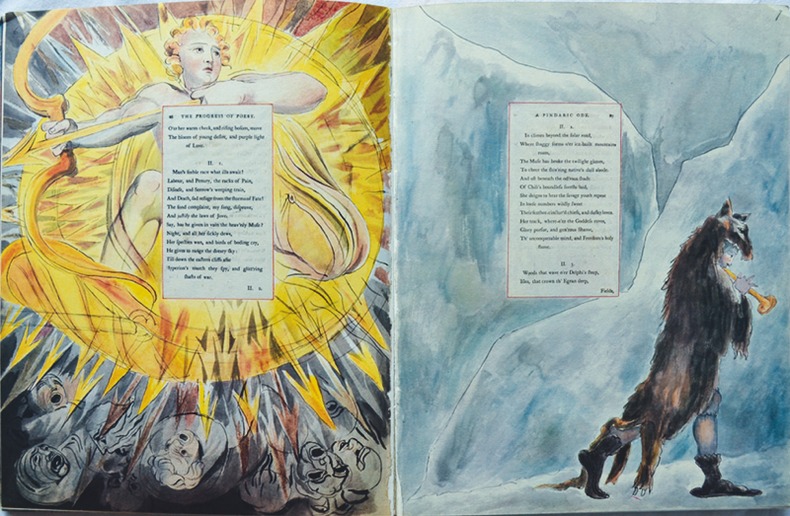
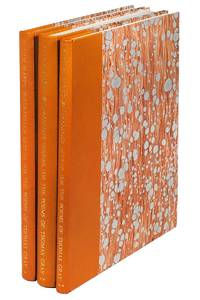
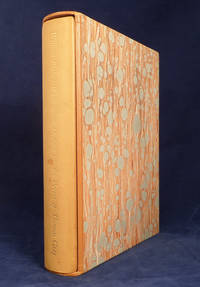
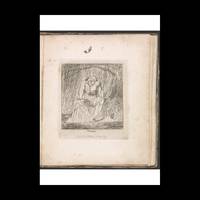
19721106813 volumes. London: Trianon Press 1972. 3 volumes folio with 116 color facsimile leaves reproduced by collotype and hand-stencil color the text of the poems reproduced from copper-plate with 3 additional printings to reproduce Blake’s pencillings and the tone of the paper. Marbled boards morocco backstrips slipcases backstrips stained slipcases worn internally a fine set as issued. § Edition limited to 518 copies in all including 100 copies for Paul Mellon personally of which 12 copies were a super de luxe issue in three volumes with extra material 36 copies were a de luxe issue also with extra material but in sheets unbound18 copies were hors commerce contents unrecorded and 352 copies either bound in 3 volumes in slipcases or as a single set of the loose sheets in a box. This is copy #37.The 116 water-color illustrations to Thomas Gray's poems are among Blake's major achievements as an illustrator. They were commissioned in 1797 by Blake's friend the sculptor John Flaxman as a gift for his wife Ann to whom Blake addressed the poem that ends the series. The commission may have been inspired by the Flaxmans' seeing Blake's water-color designs to Edward Young's Night Thoughts begun in 1795. The Gray illustrations follow the same basic format. Blake cut windows in large sheets of the same type of Whatman paper used for the Night Thoughts illustrations and mounted in these windows the texts of Gray's poems from a 1790 octavo edition published by John Murray leaving out some prefatory materials fly-titles the notes and the 7 engraved illustrations. Blake then drew and colored his designs surrounding the letterpress texts. On blank versos near the beginning of each poem and in one case on a separate piece of paper pasted over letterpress text Blake inscribed with pen and ink either titles for each design or quotations from the poem to indicate the passage illustrated. On most text pages Blake also drew a pencil cross left of the first line of the illustrated passage. He numbered most leaves consecutively in pen and ink beginning a new sequence for each of the 13 poems.Blake conceived of his work as an illustrated book rather than a series of unbound designs as indicated by his offsetting Gray's texts above and to the right left on versos from the middle of each leaf—then the convention for all letterpress books. Although listed by William Michael Rossetti in his catalogue of Blake's drawings and paintings published in the 1863 and 1880 editions of Alexander Gilchrist's Life of William Blake the Gray illustrations were virtually unknown until their rediscovery by Herbert Grierson in 1919.The Trianon Press reproductions are recognized as the finest examples of the art of facsimile reproduction; working from the originals in Paul Mellon’s collection each leaf is faithfully hand-colored through stencils to achieve an astonishing exactitude. The Times Literary Supplement stated that nothing like these books had ever been printed before and that it was highly unlikely that they could be printed again. Bentley Blake Books 385. Trianon Press hardcover books
1972110461Folio. London: Trianon Press 1972. Folio with 116 color facsimile leaves reproduced by collotype and hand-stencil color the text of the poems reproduced from copper-plate with 3 additional printings to reproduce Blake’s pencillings and the tone of the paper. Original sheets marbled boards morocco backstrip lettered in giltquarter brown morocco box. § Edition limited to 518 copies in all including 100 copies for Paul Mellon personally of which 12 copies were a super de luxe issue in three volumes with extra material 36 copies were a de luxe issue also with extra material but in sheets unbound18 copies were hors commerce contents unrecorded and 352 copies either bound in 3 volumes in slipcases or as a single set of the loose sheets in a box. This is #370.The 116 water-color illustrations to Thomas Gray's poems are among Blake's major achievements as an illustrator. They were commissioned in 1797 by Blake's friend the sculptor John Flaxman as a gift for his wife Ann to whom Blake addressed the poem that ends the series. The commission may have been inspired by the Flaxmans' seeing Blake's water-color designs to Edward Young's Night Thoughts begun in 1795. The Gray illustrations follow the same basic format. Blake cut windows in large sheets of the same type of Whatman paper used for the Night Thoughts illustrations and mounted in these windows the texts of Gray's poems from a 1790 octavo edition published by John Murray leaving out some prefatory materials fly-titles the notes and the 7 engraved illustrations. Blake then drew and colored his designs surrounding the letterpress texts. On blank versos near the beginning of each poem and in one case on a separate piece of paper pasted over letterpress text Blake inscribed with pen and ink either titles for each design or quotations from the poem to indicate the passage illustrated. On most text pages Blake also drew a pencil cross left of the first line of the illustrated passage. He numbered most leaves consecutively in pen and ink beginning a new sequence for each of the 13 poems.Blake conceived of his work as an illustrated book rather than a series of unbound designs as indicated by his offsetting Gray's texts above and to the right left on versos from the middle of each leaf—then the convention for all letterpress books. Although listed by William Michael Rossetti in his catalogue of Blake's drawings and paintings published in the 1863 and 1880 editions of Alexander Gilchrist's Life of William Blake the Gray illustrations were virtually unknown until their rediscovery by Herbert Grierson in 1919.The Trianon Press reproductions are recognized as the finest examples of the art of facsimile reproduction; working from the originals in Paul Mellon’s collection each leaf is faithfully hand-colored through stencils to achieve an astonishing exactitude. The Times Literary Supplement stated that nothing like these books had ever been printed before and that it was highly unlikely that they could be printed again. Bentley Blake Books 385. Trianon Press hardcover books
197291063 volumes. London: Trianon Press 1972. 3 volumes folio with 116 color facsimile leaves reproduced by collo-type and hand-stencil color the text of the poems reproduced from copper-plate with 3 additional printings to reproduce Blake's pencillings and the tone of the paper. Marbled boards morocco backstrips slipcases a very good set as issued. § Limited to 220 copies thus; 100 copies were issued unbound in Port-folio and 36 de luxe copies with extra material. The 116 water-color illustrations to Thomas Gray's poems are among Blake's major achievements as an illustrator. They were commissioned in 1797 by Blake's friend the sculptor John Flaxman as a gift for his wife Ann to whom Blake addressed the poem that ends the series. The commission may have been inspired by the Flaxmans' seeing Blake's water-color designs to Edward Young's Night Thoughts begun in 1795. The Gray illustrations follow the same basic format. Blake cut windows in large sheets of the same type of Whatman paper used for the Night Thoughts illustrations and mounted in these windows the texts of Gray's poems from a 1790 octavo edition published by John Murray leaving out some prefatory materials fly-titles the notes and the 7 engraved illustrations. Blake then drew and colored his designs surrounding the letterpress texts. On blank versos near the beginning of each poem and in one case on a separate piece of paper pasted over letterpress text Blake inscribed with pen and ink either titles for each design or quotations from the poem to indicate the passage illustrated. On most text pages Blake also drew a pencil cross left of the first line of the illustrated passage. He numbered most leaves consecutively in pen and ink beginning a new sequence for each of the 13 poems.Blake conceived of his work as an illustrated book rather than a series of unbound designs as indicated by his offsetting Gray's texts above and to the right left on versos from the middle of each leaf—then the convention for all letterpress books. Although listed by William Michael Rossetti in his catalogue of Blake's drawings and paintings published in the 1863 and 1880 editions of Alexander Gilchrist's Life of William Blake the Gray illustrations were virtually unknown until their rediscovery by Herbert Grierson in 1919.The Trianon Press reproductions are recognized as the finest examples of the art of facsimile reproduction; working from the originals in Paul Mellon’s collection each leaf is faithfully hand-colored through stencils to achieve an astonishing exactitude. The Times Literary Supplement stated that nothing like these books had ever been printed before and that it was highly unlikely that they could be printed again. Bentley Blake Books 385. Trianon Press hardcover books
1268401972. London: Trianon Press 1972. <br /> <br /> 3 volumes folio with 116 color facsimile leaves reproduced by collotype and hand-stencil color the text of the poems reproduced from copper-plate with 3 additional printings to reproduce Blake's pencillings and the tone of the paper. Marbled boards morocco backstrips slipcases a fine set as issued.<br /> <br /> § Edition limited to 518 copies in all including 100 copies for Paul Mellon personally of which 12 copies were a super de luxe issue in three volumes with extra material 36 copies were a de luxe issue also with extra material but in sheets unbound18 copies were hors commerce contents unrecorded and 352 copies either bound in 3 volumes in slipcases or as a single set of the loose sheets in a box. This is copy #125.<br /> <br /> The 116 water-color illustrations to Thomas Gray's poems are among Blake's major achievements as an illustrator. They were commissioned in 1797 by Blake's friend the sculptor John Flaxman as a gift for his wife Ann to whom Blake addressed the poem that ends the series. The commission may have been inspired by the Flaxmans' seeing Blake's water-color designs to Edward Young's Night Thoughts begun in 1795. The Gray illustrations follow the same basic format. Blake cut windows in large sheets of the same type of Whatman paper used for the Night Thoughts illustrations and mounted in these windows the texts of Gray's poems from a 1790 octavo edition published by John Murray leaving out some prefatory materials fly-titles the notes and the 7 engraved illustrations. Blake then drew and colored his designs surrounding the letterpress texts. On blank versos near the beginning of each poem and in one case on a separate piece of paper pasted over letterpress text Blake inscribed with pen and ink either titles for each design or quotations from the poem to indicate the passage illustrated. On most text pages Blake also drew a pencil cross left of the first line of the illustrated passage. He numbered most leaves consecutively in pen and ink beginning a new sequence for each of the 13 poems.<br /> <br /> Blake conceived of his work as an illustrated book rather than a series of unbound designs as indicated by his offsetting Gray's texts above and to the right left on versos from the middle of each leaf-then the convention for all letterpress books. Although listed by William Michael Rossetti in his catalogue of Blake's drawings and paintings published in the 1863 and 1880 editions of Alexander Gilchrist's Life of William Blake the Gray illustrations were virtually unknown until their rediscovery by Herbert Grierson in 1919.<br /> <br /> The Trianon Press reproductions are recognized as the finest examples of the art of facsimile reproduction; working from the originals in Paul Mellon's collection each leaf is faithfully hand-colored through stencils to achieve an astonishing exactitude. The Times Literary Supplement stated that nothing like these books had ever been printed before and that it was highly unlikely that they could be printed again. Bentley Blake Books 385. unknown
1077171972. London: Trianon Press 1972. <br /> <br /> Folio with 116 color facsimile leaves reproduced by collotype and hand-stencil color the text of the poems reproduced from copper-plate with 3 additional printings to reproduce Blake's pencillings and the tone of the paper. Original sheets marbled boards morocco backstrip lettered in giltquarter brown morocco box.<br /> <br /> § Edition limited to 518 copies in all including 100 copies for Paul Mellon personally of which 12 copies were a super de luxe issue in three volumes with extra material 36 copies were a de luxe issue also with extra material but in sheets unbound18 copies were hors commerce contents unrecorded and 352 copies either bound in 3 volumes in slipcases or as a single set of the loose sheets in a box. This is copy 387. <br /> <br /> The 116 water-color illustrations to Thomas Gray's poems are among Blake's major achievements as an illustrator. They were commissioned in 1797 by Blake's friend the sculptor John Flaxman as a gift for his wife Ann to whom Blake addressed the poem that ends the series. The commission may have been inspired by the Flaxmans' seeing Blake's water-color designs to Edward Young's Night Thoughts begun in 1795. The Gray illustrations follow the same basic format. Blake cut windows in large sheets of the same type of Whatman paper used for the Night Thoughts illustrations and mounted in these windows the texts of Gray's poems from a 1790 octavo edition published by John Murray leaving out some prefatory materials fly-titles the notes and the 7 engraved illustrations. Blake then drew and colored his designs surrounding the letterpress texts. On blank versos near the beginning of each poem and in one case on a separate piece of paper pasted over letterpress text Blake inscribed with pen and ink either titles for each design or quotations from the poem to indicate the passage illustrated. On most text pages Blake also drew a pencil cross left of the first line of the illustrated passage. He numbered most leaves consecutively in pen and ink beginning a new sequence for each of the 13 poems.<br /> <br /> Blake conceived of his work as an illustrated book rather than a series of unbound designs as indicated by his offsetting Gray's texts above and to the right left on versos from the middle of each leaf-then the convention for all letterpress books. Although listed by William Michael Rossetti in his catalogue of Blake's drawings and paintings published in the 1863 and 1880 editions of Alexander Gilchrist's Life of William Blake the Gray illustrations were virtually unknown until their rediscovery by Herbert Grierson in 1919.<br /> <br /> The Trianon Press reproductions are recognized as the finest examples of the art of facsimile reproduction; working from the originals in Paul Mellon's collection each leaf is faithfully hand-colored through stencils to achieve an astonishing exactitude. The Times Literary Supplement stated that nothing like these books had ever been printed before and that it was highly unlikely that they could be printed again. Bentley Blake Books 385. unknown
1028821971. London: Trianon Press 1971. <br /> <br /> Small folio 72 pages with 16 color facsimile leaves suites of progressive plates and 116 monochrome illustrations. Marbled boards morocco backstrip slipcase. Signed by Keynes. A fine copy as issued.<br /> <br /> § Limited to 28 copies so inscribed and signed by Geoffrey Keynes this particular volume is labeled no. 2. This is the de luxe edition of the trade version of the Gray issued by the Trianon Press in 1972 using 8-color printing. Although the three-volume folio edition is a magnificent piece of book making this version is more accessible and easier to use and enjoy and the quality of the color printing is Trianon Press at its best. <br /> <br /> The 116 water-color illustrations to Thomas Gray's poems are among Blake's major achievements as an illustrator. They were commissioned in 1797 by Blake's friend the sculptor John Flaxman as a gift for his wife Ann to whom Blake addressed the poem that ends the series. The commission may have been inspired by the Flaxmans' seeing Blake's water-color designs to Edward Young's Night Thoughts begun in 1795. The Gray illustrations follow the same basic format. Blake cut windows in large sheets of the same type of Whatman paper used for the Night Thoughts illustrations and mounted in these windows the texts of Gray's poems from a 1790 octavo edition published by John Murray leaving out some prefatory materials fly-titles the notes and the 7 engraved illustrations. Blake then drew and colored his designs surrounding the letterpress texts. On blank versos near the beginning of each poem and in one case on a separate piece of paper pasted over letterpress text Blake inscribed with pen and ink either titles for each design or quotations from the poem to indicate the passage illustrated. On most text pages Blake also drew a pencil cross left of the first line of the illustrated passage. He numbered most leaves consecutively in pen and ink beginning a new sequence for each of the 13 poems.<br /> <br /> Blake conceived of his work as an illustrated book rather than a series of unbound designs as indicated by his offsetting Gray's texts above and to the right left on versos from the middle of each leaf-then the convention for all letterpress books. Although listed by William Michael Rossetti in his catalogue of Blake's drawings and paintings published in the 1863 and 1880 editions of Alexander Gilchrist's Life of William Blake the Gray illustrations were virtually unknown until their rediscovery by Herbert Grierson in 1919.<br /> <br /> The Trianon Press reproductions are recognized as the finest examples of the art of facsimile reproduction; working from the originals in Paul Mellon's collection each leaf is faithfully hand-colored through stencils to achieve an astonishing exactitude. The Times Literary Supplement stated that nothing like these books had ever been printed before and that it was highly unlikely that they could be printed again. Bentley Blake Books 385. unknown
19802604280017McGraw-Hill Inc.US 1980. First Edition. Hardcover. Near Fine/Good. 8x11x1. NEAR FINE in a good dust jacket. FIRST edition first printing. Jacket shows mild shelf/edge wear sunning to spine. Binding tight and square. Interior bright and clean unmarked on inspection except for small stamp of previous owner inside cover. McGraw-Hill Inc.,US hardcover
0070058407.Ghardcover. Good. Access codes and supplements are not guaranteed with used items. May be an ex-library book. hardcover
1911C213779Accrington: John Blake 1911. Paperback . Very Good. Small quarto. Original covers slightly worn and faded with slight edge chipping and a few small marks otherwise very good. Raising Water for the Supply of Towns Villages Irrigation Railway Stations Mansions Farms Cottages &c. John Blake, paperback
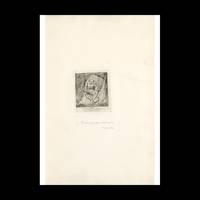
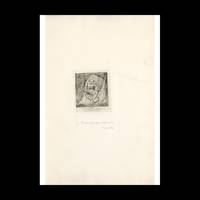
599580Contentum Ltd. Loose sheet. New. High-quality art print based on an original work from the Ycba. Created in the 19th century 1826. Professionally printed on premium fine-art paper Photo Rag Bright White premium quality in size A2. The artwork is printed with a white border museum-style presentation. Contentum Ltd. unknown
599578Contentum Ltd. Loose sheet. New. High-quality art print based on an original work from the Ycba. Created in the 19th century 1826. Professionally printed on premium fine-art paper Museum Etching museum quality in size A3. The artwork is printed with a white border museum-style presentation. Contentum Ltd. unknown
497212Contentum Ltd. Loose sheet. New. High-quality art print based on an original work from the Ycba. Created in the 18th century 1793. Professionally printed on premium fine-art paper Museum Etching museum quality in size A2. The artwork is printed with a white border museum-style presentation. Contentum Ltd. unknown
497210Contentum Ltd. Loose sheet. New. High-quality art print based on an original work from the Ycba. Created in the 18th century 1793. Professionally printed on premium fine-art paper Photo Matt Fibre in size A2. The artwork is printed with a white border museum-style presentation. Contentum Ltd. unknown
599579Contentum Ltd. Loose sheet. New. High-quality art print based on an original work from the Ycba. Created in the 19th century 1826. Professionally printed on premium fine-art paper Photo Matt Fibre in size A2. The artwork is printed with a white border museum-style presentation. Contentum Ltd. unknown
497209Contentum Ltd. Loose sheet. New. High-quality art print based on an original work from the Ycba. Created in the 18th century 1793. Professionally printed on premium fine-art paper Museum Etching museum quality in size A3. The artwork is printed with a white border museum-style presentation. Contentum Ltd. unknown
497211Contentum Ltd. Loose sheet. New. High-quality art print based on an original work from the Ycba. Created in the 18th century 1793. Professionally printed on premium fine-art paper Photo Rag Bright White premium quality in size A2. The artwork is printed with a white border museum-style presentation. Contentum Ltd. unknown
599581Contentum Ltd. Loose sheet. New. High-quality art print based on an original work from the Ycba. Created in the 19th century 1826. Professionally printed on premium fine-art paper Museum Etching museum quality in size A2. The artwork is printed with a white border museum-style presentation. Contentum Ltd. unknown
2016Alibris.0042112Strategic Information and Research Development Centre. 2016. Trade paperback. Fine. 322 p. Includes: illustrations maps index bibliography. . The Mekong Program on Water Environment and Resilience M-POWER is a network of organizations and individuals collaborating to democratize water governance in the Mekong Region. Since 2006 M-POWER has developed and implemented a wide range of activities across Cambodia southern China Laos Myanmar Thailand and Vietnam. Younger and older scholars practitioners and ex-officials have probed water resources decision-making prodded policy actors on their positions and proposed ways for more inclusive deliberative and adaptive water governance. Some of these engagements with the politics of infrastructure development and water resources management are reflected in analysis on the ecosystems peoples economies and politics of the Ayeyawady-Irrawaddy Nu-Salween-Thanlwin Chao Phraya Lancang-Mekong and Red river basins. Strategic Information and Research Development Centre paperback
1985Q-0373092563Silhouette 1985-07-01. Mass Market Paperback. New. In shrink wrap. Looks like an interesting title! Silhouette paperback
1626170487.Glibrary. Good. Access codes and supplements are not guaranteed with used items. May be an ex-library book. unknown
pp. 90. Black and white illustrations. Features: Princes Three - The PRINCE Class ships of the Royal Canadian Navy, PRINCE DAVID, PRINCE HENRY, PRINCE ROBERT; The Story of Her Majesty's Cruisers, BLAKE and BLENHEIM; Fantastic centerfold cutaway illustration of the H.M.S. BLAKE; Catapult Lighter AVC-1 - one of the strangest vessels ever built for the U.S. Navy; The Soviet Skoryi Class destroyers; and much more. Unmarked with moderate wear. A sound copy of this informative issue. Book