GEORGES BORDONOVELivre Rare Book
75 résultats
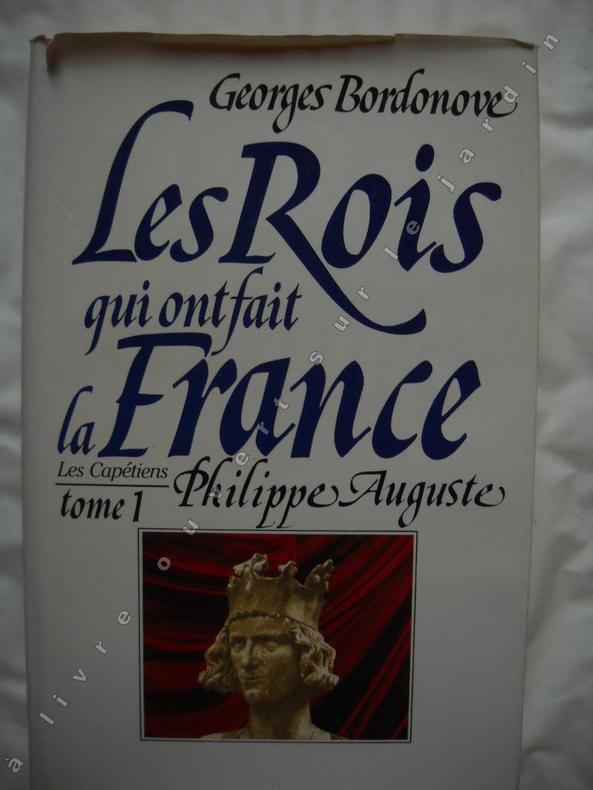
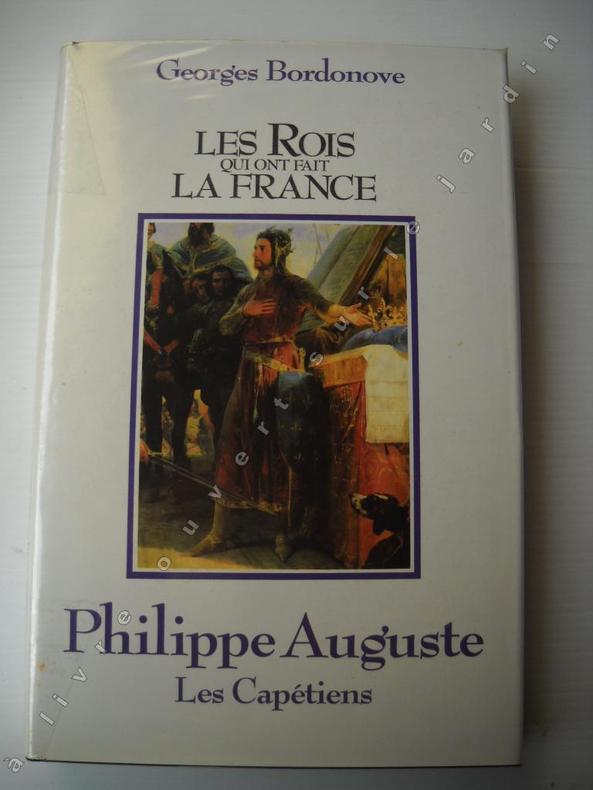
1552176881552 relié avec jaquette - 15,5 x 24.5 - : 318 pp - année 1986 - france loisir
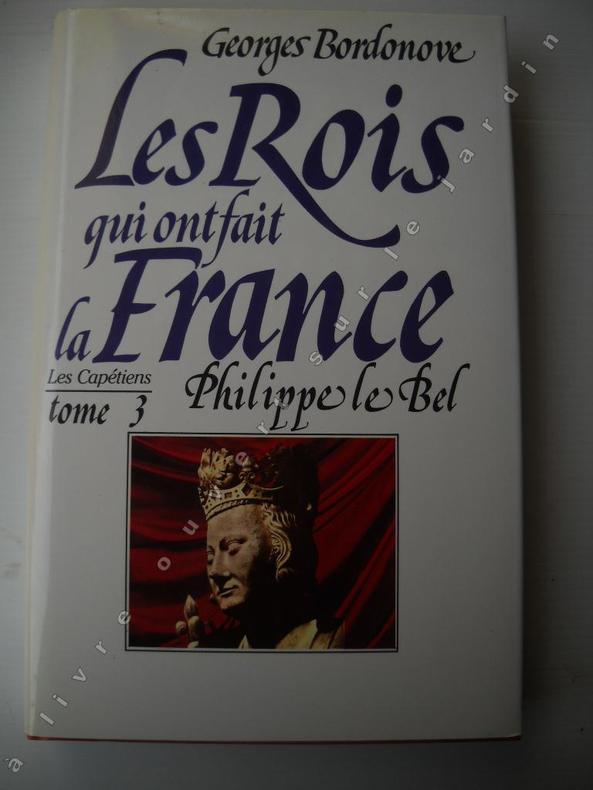
1552176891552 relié avec jaquette - 15,5 x 24.5 - : 320 pp - année 198 - le grand livre du mois TOME 3
1552177291552 Broché - 15,5 x 24 - 317 pp - année 1983 Editions - illustratrions - le grand livre du mois - illustrations
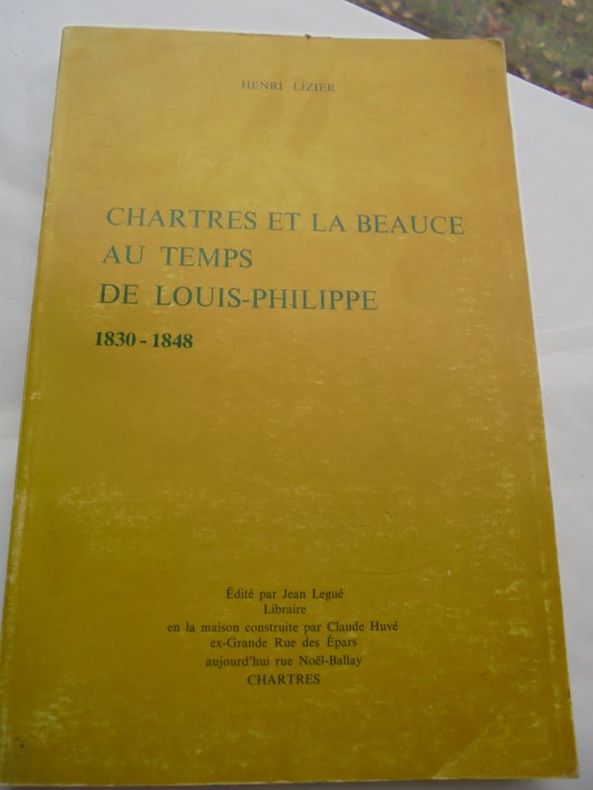
1572189061572 Broché - 15,7 x 24 - 252 pp - année 1972 - Edité par Jean Legué Libraire
158699650Rouen, Imprimerie Martin le Megissier, 1586, in-12, [8] pp, Demi-toile à coins brune à la bradel, dos long, pièce de titre rouge, Nouvelle édition de cet édit royal, rédigé par le comte de Cheverny, garde des Sceaux d'Henri IV en 1561, ayant trait au commerce. Petits frottements, pâle mouillure marginale. Couverture rigide
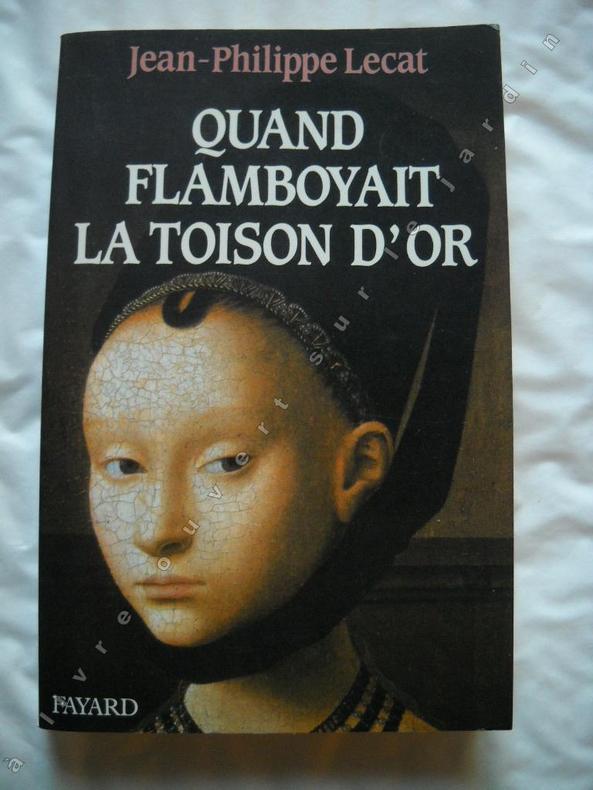
1523177771523 broché - 15x23.5 - 398pp - éditions FAYARD - 1990
159031035S. n. | s. l. s. d. [circa 1590] | 34 x 25.50 cm | une feuille
159032520S. n. | s. l. fin XVIe début XVIIe | 34 x 25.50 cm | une feuille
159032501S. n. | s. l. fin XVIe début XVIIe | 34 x 25.50 cm | une feuille
159032502S. n. | s. l. fin XVIe début XVIIe | 34 x 25.50 cm | une feuille
159032521S. n. | s. l. fin XVIe début XVIIe | 34 x 25.50 cm | une feuille
159032522S. n. | s. l. fin XVIe début XVIIe | 34 x 25.50 cm | une feuille
159032525S. n. | s. l. fin XVIe début XVIIe | 34 x 25.50 cm | une feuille
159032532S. n. | s. l. fin XVIe début XVIIe | 34 x 25.50 cm | une feuille
159032524S. n. | s. l. fin XVIe début XVIIe | 34 x 25.50 cm | une feuille
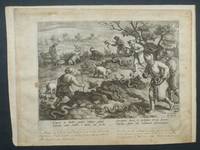
159031035s. l.: S. n. 1590. Fine. S. n. s. l. s. d. circa 1590 34 x 25.50 cm une feuille Authentic original engraving executed in burin after a 16th-century painting by Johannes Stradanus. Proof on watermarked laid paper work from the late 16th or early 17th century. Artists' signatures in the plate. Latin caption in the lower part of the engraving. Manuscript translation in old handwriting below the plate mark: ""Ainsi les canards attachés sur le fleuve chantent pendant que ceux qui surviennent sont blessés d'un coup de feu et charpillent leurs plumes sur le fleuve"" ""Thus the ducks attached on the river sing while those that come are wounded by gunshot and scatter their feathers on the river"". Watermark visible by transparency. The engraving has been mounted and restored with small pieces of old laid paper glued to the edges on the reverse otherwise fine condition for this very rare engraving. Johannes Stradanus known as Giovanni Stradano or Jan van der Straet was a Flemish painter and engraver born in Bruges in 1523 and died in Florence on February 11 1605. After beginning to learn painting from his father and following the latter's death he continued his training in the workshop of Maximiliaan Frank from 1535 to 1537 then in that of Pieter Aertsen in Antwerp from 1537 to 1540. In 1545 he was received as a master in the Antwerp painters' guild. He then began a journey across Europe: in France then in Italy where he first stayed in Venice before settling in Florence. There he worked for Cosimo I de' Medici and collaborated with Giorgio Vasari for the decoration of the Studiolo of Francesco I de' Medici and for that of the hall of Clement VII in the Palazzo Vecchio. In 1565 he was part of the teams of painters and sculptors charged under the direction of Giorgio Vasari with creating the gigantic decoration planned for the entry into Florence of Joanna of Austria on the occasion of her marriage to Francesco I de' Medici. Greatly influenced by the Mannerists including Michelangelo Johannes Stradanus contributed to the development of the great Italian history painting. He painted several altarpieces for Florentine churches. He also stayed in Rome from 1550 to 1553 and in Naples in 1576. After a stay in Antwerp in 1578 he devoted a large part of his activity to engraving. Philippe Galle born in Haarlem in 1537 and died in Antwerp in March 1612 was a Flemish engraver member of a famous family of engravers. He practiced engraving on copper drawing the commerce of engravings publishing and writing. He trained under Hieronymus Cock in Antwerp where he engraved drawings by Pieter Bruegel the Elder notably the series of the Seven Deadly Sins. He then became the engraver of Maarten van Heemskerck. From 1557 he owned his own workshop which would be frequented by his sons Theodore and Cornelius as well as by his son-in-law Adriaen Collaert the Wierix brothers Hendrick Goltzius Crispin de Passe the Elder and other members of the Collaert family. His workshop was at the center of Antwerp engraving production. Philippe Galle created some of his most admirable works based on projects by Pieter Bruegel the Elder The Alchemist 1558 by Jan van der Straet by Franz Floris The Daughters of Lot and by Gillis Congnet Aenevm Saecvlvm and the four ages of humanity 1575. S. n. unknown
159032520s. l.: S. n. 1590. Fine. S. n. s. l. fin XVIe début XVIIe 34 x 25.50 cm une feuille Authentic original engraving executed in burin after a 16th-century drawing by Johannes Stradanus. Proof on watermarked laid paper work from the late 16th or very early 17th century. Artists' signatures in the plate. Latin legend in the lower part of the engraving. Manuscript translation in old handwriting under the plate mark: ""Des chasseurs par le commandement du roi de France cherchent beaucoup de fientes de cerfs et donnent les crottes des jeunes cerfs aux chiens afin que par l'odeur ils apprennent à connaitre l'âge des cerfs."" ""Hunters by command of the king of France search for much deer dung and give the droppings of young deer to the dogs so that by scent they learn to know the age of the deer"". Watermark visible by transparency. The margins of the engraving have been backed with small pieces of old laid paper pasted to the edges on the reverse otherwise fine condition for this very rare engraving. Johannes Stradanus known as Giovanni Stradano or Jan van der Straet is a Flemish painter and engraver born in Bruges in 1523 and died in Florence on February 11 1605. After beginning to learn painting from his father and following his father's death he continued his training in the workshop of Maximiliaan Frank from 1535 to 1537 then in that of Pieter Aertsen in Antwerp from 1537 to 1540. In 1545 he was received as a free master in the guild of Antwerp painters. He then began a journey through Europe: in France then in Italy where he first stayed in Venice before settling in Florence. He worked there for Cosimo I de' Medici and collaborated with Giorgio Vasari for the decoration of the Studiolo of Francesco I de' Medici and for that of the Clement VII hall of the Palazzo Vecchio. In 1565 he was part of the teams of painters and sculptors charged under the direction of Giorgio Vasari with creating the gigantic decoration planned for the entry into Florence of Joanna of Austria on the occasion of her marriage to Francesco I de' Medici. Greatly influenced by the Mannerists including Michelangelo Johannes Stradanus contributed to the development of great Italian history painting. He painted several altarpieces for Florentine churches. He also stayed in Rome from 1550 to 1553 and in Naples in 1576. After a stay in Antwerp in 1578 he devoted a large part of his activity to engraving. Philippe Galle born in Haarlem in 1537 and died in Antwerp in March 1612 is a Flemish engraver member of a famous family of engravers. He practiced copper engraving drawing engraving commerce publishing and writing. He trained with Hieronymus Cock in Antwerp where he engraved drawings by Pieter Bruegel the Elder notably the series of the Seven Deadly Sins. He then became the engraver of Maarten van Heemskerck. From 1557 he owned his own workshop which was frequented by his sons Theodore and Cornelius as well as by his son-in-law Adriaen Collaert the Wierix brothers Hendrick Goltzius Crispin de Passe the Elder and other members of the Collaert family. His workshop was at the center of Antwerp engraving production. Philippe Galle created some of his most admirable works on projects by Pieter Bruegel the Elder The Alchemist 1558 Jan van der Straet Franz Floris Lot's Daughters and Gillis Congnet Aenevm Saecvlvm and the four ages of humanity 1575. S. n. unknown
159032532s. l.: S. n. 1590. Fine. S. n. s. l. fin XVIe début XVIIe 34 x 25.50 cm une feuille Authentic original engraving executed with burin after a 16th-century drawing by Johannes Stradanus. Proof on watermarked laid paper work from the end of the 16th or very beginning of the 17th century. Artists' signatures in the plate. Latin caption in the lower part of the engraving. Manuscript translation in an old hand beneath the plate mark: ""Le chasseur prend les petits du tigre et met dans des trappes des miroirs qui représentent les petits qu'il a enlevés. Cette bête stupide croyant les voir effectivement entre dans les filets et hurle étant prise."" ""The hunter takes the tiger cubs and places mirrors in traps that represent the cubs he has taken. This foolish beast believing it actually sees them enters the nets and howls being caught."". Watermark visible by transparency. The margins of the engraving have been backed with small pieces of old laid paper glued to the edges on the verso otherwise fine condition of preservation for this very rare engraving. Johannes Stradanus known as Giovanni Stradano or Jan van der Straet was a Flemish painter and engraver born in Bruges in 1523 and died in Florence on February 11 1605. After beginning to learn painting from his father and following his father's death he continued his training in the workshop of Maximiliaan Frank from 1535 to 1537 then in that of Pieter Aertsen in Antwerp from 1537 to 1540. In 1545 he was received as a master in the Antwerp painters' guild. He then began a journey across Europe: to France then to Italy where he first stayed in Venice before settling in Florence. There he worked for Cosimo I de' Medici and collaborated with Giorgio Vasari on the decoration of the Studiolo of Francesco I de' Medici and on that of the Clement VII room in the Palazzo Vecchio. In 1565 he was part of the teams of painters and sculptors charged under the direction of Giorgio Vasari with creating the gigantic decoration planned for the entry into Florence of Joanna of Austria on the occasion of her marriage to Francesco I de' Medici. Greatly influenced by the Mannerists including Michelangelo Johannes Stradanus contributed to the development of grand Italian history painting. He painted several altarpieces for Florentine churches. He also stayed in Rome from 1550 to 1553 and in Naples in 1576. After a stay in Antwerp in 1578 he devoted a large part of his activity to engraving. Philippe Galle born in Haarlem in 1537 and died in Antwerp in March 1612 was a Flemish engraver member of a famous family of engravers. He practiced copperplate engraving drawing the trade of engravings publishing and writing. He trained under Hieronymus Cock in Antwerp where he engraved drawings by Pieter Bruegel the Elder notably the series of the Seven Deadly Sins. He then became the engraver of Maarten van Heemskerck. From 1557 he owned his own workshop which would be frequented by his sons Theodore and Cornelius as well as by his son-in-law Adriaen Collaert the Wierix brothers Hendrick Goltzius Crispin de Passe the Elder and other members of the Collaert family. His workshop was at the center of Antwerp engraving production. Philippe Galle created some of his most admirable works on projects by Pieter Bruegel the Elder The Alchemist 1558 Jan van der Straet Franz Floris The Daughters of Lot and Gillis Congnet Aenevm Saecvlvm and the four ages of humanity 1575. Adrian Collaert born in Antwerp in 1565 and died in 1618 was part of a great family of engravers. Trained in the workshop of his father-in-law Philippe Galle he began with copperplate engraving before specializing in burin work. S. n. unknown
159032521s. l.: S. n. 1590. Fine. S. n. s. l. fin XVIe début XVIIe 34 x 25.50 cm une feuille Authentic original engraving executed with burin after a 16th-century drawing by Johannes Stradanus. Impression on watermarked laid paper work from the late 16th or very early 17th century. Artists' signatures within the plate. Latin caption in the lower portion of the engraving. Manuscript translation in old handwriting below the plate mark: ""On dit que la Barbarie produit de très bons chameaux que chassent les soldats de la marine pressés par la faim. Cette viande quoique très dure les rassasie."" ""It is said that Barbary produces very good camels which are hunted by sailors pressed by hunger. This meat although very tough satisfies them."". Watermark visible by transparency. The margins of the engraving have been backed with small pieces of old laid paper pasted along the edges on the reverse otherwise fine condition for this very rare engraving. Johannes Stradanus called Giovanni Stradano or Jan van der Straet is a Flemish painter and engraver born in Bruges in 1523 and died in Florence on February 11 1605. After beginning to learn painting with his father and following the latter's death he continued his training in the workshop of Maximiliaan Frank from 1535 to 1537 then in that of Pieter Aertsen in Antwerp from 1537 to 1540. In 1545 he was admitted as master to the guild of Antwerp painters. He then began a journey across Europe: to France then to Italy where he first stayed in Venice before settling in Florence. There he worked for Cosimo I de' Medici and collaborated with Giorgio Vasari on the decoration of the Studiolo of Francesco I de' Medici and on that of the Clement VII room in the Palazzo Vecchio. In 1565 he was part of the teams of painters and sculptors charged under the direction of Giorgio Vasari with creating the gigantic decorations planned for the entry into Florence of Joanna of Austria on the occasion of her marriage to Francesco I de' Medici. Greatly influenced by the Mannerists including Michelangelo Johannes Stradanus contributed to the development of grand Italian history painting. He painted several altarpieces for Florentine churches. He also stayed in Rome from 1550 to 1553 and in Naples in 1576. After a stay in Antwerp in 1578 he devoted a large part of his activity to engraving. Philippe Galle born in Haarlem in 1537 and died in Antwerp in March 1612 is a Flemish engraver member of a famous family of engravers. He practiced copperplate engraving drawing print dealing publishing and writing. He trained with Hieronymus Cock in Antwerp where he engraved drawings by Pieter Bruegel the Elder notably the series of the Seven Deadly Sins. He then became the engraver of Maarten van Heemskerck. From 1557 he owned his own workshop which was frequented by his sons Theodore and Cornelius as well as by his son-in-law Adriaen Collaert the Wierix brothers Hendrick Goltzius Crispin de Passe the Elder and other members of the Collaert family. His workshop was at the center of Antwerp print production. Philippe Galle created some of his most admirable works based on designs by Pieter Bruegel the Elder The Alchemist 1558 by Jan van der Straet by Franz Floris The Daughters of Lot and by Gillis Congnet Aenevm Saecvlvm and the four ages of humanity 1575. Adrian Collaert born in Antwerp in 1565 and died in 1618 was part of a great family of engravers. Trained in the workshop of his father-in-law Philippe Galle he began with copperplate engraving before specializing in burin work. S. n. unknown
159032525s. l.: S. n. 1590. Fine. S. n. s. l. fin XVIe début XVIIe 34 x 25.50 cm une feuille Authentic original engraving executed with burin after a 16th-century drawing by Johannes Stradanus. Proof on watermarked laid paper work from the late 16th or early 17th century. Artists' signatures in the plate. Latin legend in the lower portion of the engraving. Manuscript translation in old handwriting below the plate mark: ""En Italie les vipères se plaisent à se cacher dans les marais. Quand elles entendent un chien aboyer elles sortent des buissons. On les saisit alors avec une fourche et on les met dans un sac avec une pince. Elles sont préparées comme remède pharmaceutique"" ""In Italy vipers enjoy hiding in marshes. When they hear a dog barking they come out of the bushes. They are then seized with a fork and put in a bag with tongs. They are prepared as pharmaceutical remedy"". Watermark visible by transparency. The margins of the engraving have been reinforced with small pieces of old laid paper glued to the edges on the verso otherwise fine condition for this very rare engraving. Johannes Stradanus known as Giovanni Stradano or Jan van der Straet was a Flemish painter and engraver born in Bruges in 1523 and died in Florence on February 11 1605. After beginning to learn painting with his father and following his father's death he continued his training in the workshop of Maximiliaan Frank from 1535 to 1537 then in that of Pieter Aertsen in Antwerp from 1537 to 1540. In 1545 he was received as a master in the Antwerp painters' guild. He then began a journey across Europe: to France then to Italy where he first stayed in Venice before settling in Florence. There he worked for Cosimo I de' Medici and collaborated with Giorgio Vasari on the decoration of the Studiolo of Francesco I de' Medici and on that of the Clement VII hall in the Palazzo Vecchio. In 1565 he was part of the teams of painters and sculptors charged under Giorgio Vasari's direction with creating the gigantic decoration planned for the entry into Florence of Joanna of Austria on the occasion of her marriage to Francesco I de' Medici. Greatly influenced by the Mannerists including Michelangelo Johannes Stradanus contributed to the development of grand Italian history painting. He painted several altarpieces for Florentine churches. He also stayed in Rome from 1550 to 1553 and in Naples in 1576. After a stay in Antwerp in 1578 he devoted a large part of his activity to engraving. Philippe Galle born in Haarlem in 1537 and died in Antwerp in March 1612 was a Flemish engraver member of a famous family of engravers. He practiced copper engraving drawing the print trade publishing and writing. He trained with Hieronymus Cock in Antwerp where he engraved drawings by Pieter Bruegel the Elder notably the series of the Seven Deadly Sins. He then became the engraver of Maarten van Heemskerck. From 1557 he had his own workshop which would be frequented by his sons Theodoor and Cornelis as well as by his son-in-law Adriaen Collaert the Wierix brothers Hendrick Goltzius Crispijn de Passe the Elder and other members of the Collaert family. His workshop was at the center of Antwerp engraving production. Philippe Galle created some of his most admirable works on designs by Pieter Bruegel the Elder The Alchemist 1558 Jan van der Straet Frans Floris The Daughters of Lot and Gillis Congnet Aenevm Saecvlvm and the four ages of humanity 1575. S. n. unknown
159032502s. l.: S. n. 1590. Fine. S. n. s. l. fin XVIe début XVIIe 34 x 25.50 cm une feuille Authentic original engraving executed in burin after a 16th-century drawing by Johannes Stradanus. Proof on watermarked laid paper work from the late 16th or very early 17th century. Artists' signatures in the plate. Latin caption in the lower part of the engraving. Manuscript translation in old handwriting below the plate mark: ""Ceux qui s'occupent à surprendre les lions dans des filets portent une torche de la main gauche et un bouclier de la droite pour se garantir du feu: les lions fuyant les flammes se jettent dans les filets qu'on lui a tendu."" ""Those who busy themselves with surprising lions in nets carry a torch in the left hand and a shield in the right to protect themselves from fire: the lions fleeing the flames throw themselves into the nets that have been set for them."". Watermark visible by transparency. The margins of the engraving have been backed with small pieces of old laid paper glued to the edges on the verso otherwise fine condition for this very rare engraving. Johannes Stradanus known as Giovanni Stradano or Jan van der Straet was a Flemish painter and engraver born in Bruges in 1523 and died in Florence on February 11 1605. After beginning to learn painting with his father and following the latter's death he continued his training in the workshop of Maximiliaan Frank from 1535 to 1537 then in that of Pieter Aertsen in Antwerp from 1537 to 1540. In 1545 he was admitted as master to the Antwerp painters' guild. He then began a journey across Europe: to France then to Italy where he first stayed in Venice before settling in Florence. There he worked for Cosimo I de' Medici and collaborated with Giorgio Vasari on the decoration of the Studiolo of Francesco I de' Medici and on that of the hall of Clement VII in the Palazzo Vecchio. In 1565 he was part of the teams of painters and sculptors charged under the direction of Giorgio Vasari with creating the gigantic decoration planned for the entry into Florence of Joanna of Austria on the occasion of her marriage to Francesco I de' Medici. Greatly influenced by the Mannerists including Michelangelo Johannes Stradanus contributed to the development of grand Italian history painting. He painted several altarpieces for Florentine churches. He also stayed in Rome from 1550 to 1553 and in Naples in 1576. After a stay in Antwerp in 1578 he devoted a large part of his activity to engraving. Philippe Galle born in Haarlem in 1537 and died in Antwerp in March 1612 was a Flemish engraver member of a famous family of engravers. He practiced copperplate engraving drawing print dealing publishing and writing. He trained with Hieronymus Cock in Antwerp where he engraved drawings by Pieter Bruegel the Elder notably the series of the Seven Deadly Sins. He then became the engraver of Maarten van Heemskerck. From 1557 he owned his own workshop which was frequented by his sons Theodore and Cornelius as well as by his son-in-law Adriaen Collaert the Wierix brothers Hendrick Goltzius Crispijn de Passe the Elder and other members of the Collaert family. His workshop was at the center of Antwerp print production. Philippe Galle created some of his most admirable works on designs by Pieter Bruegel the Elder The Alchemist 1558 by Jan van der Straet by Franz Floris The Daughters of Lot and by Gillis Congnet Aenevm Saecvlvm and the four ages of humanity 1575. S. n. unknown
159032501s. l.: S. n. 1590. Fine. S. n. s. l. fin XVIe début XVIIe 34 x 25.50 cm une feuille Authentic original engraving executed in burin after a 16th-century drawing by Johannes Stradanus. Proof on watermarked laid paper work from the late 16th or very early 17th century. Artists' signatures in the plate. Latin caption in the lower part of the engraving. Manuscript translation in old handwriting below the plate mark: ""Le bubale est une espèce de boeuf cruel et féroce. Les chasseurs pour le prendre le lassent en faisant courir et aboyer des chiens après lui qui le mordent jusqu'à ce qu'il tombe n'en pouvant plus"" ""The bubale is a species of cruel and ferocious ox. Hunters to catch it lasso it by making dogs run and bark after it which bite it until it falls exhausted"". Watermark visible by transparency. The margins of the engraving have been backed with small pieces of old laid paper glued to the edges on the verso otherwise fine condition for this very rare engraving. Johannes Stradanus known as Giovanni Stradano or Jan van der Straet was a Flemish painter and engraver born in Bruges in 1523 and died in Florence on February 11 1605. After beginning to learn painting with his father and following the latter's death he continued his training in the workshop of Maximiliaan Frank from 1535 to 1537 then in that of Pieter Aertsen in Antwerp from 1537 to 1540. In 1545 he was admitted as master to the Antwerp painters' guild. He then began a journey across Europe: to France then to Italy where he first stayed in Venice before settling in Florence. There he worked for Cosimo I de' Medici and collaborated with Giorgio Vasari on the decoration of the Studiolo of Francesco I de' Medici and on that of the hall of Clement VII in the Palazzo Vecchio. In 1565 he was part of the teams of painters and sculptors charged under the direction of Giorgio Vasari with creating the gigantic decoration planned for the entry into Florence of Joanna of Austria on the occasion of her marriage to Francesco I de' Medici. Greatly influenced by the Mannerists including Michelangelo Johannes Stradanus contributed to the development of grand Italian history painting. He painted several altarpieces for Florentine churches. He also stayed in Rome from 1550 to 1553 and in Naples in 1576. After a stay in Antwerp in 1578 he devoted a large part of his activity to engraving. Philippe Galle born in Haarlem in 1537 and died in Antwerp in March 1612 was a Flemish engraver member of a famous family of engravers. He practiced copperplate engraving drawing print dealing publishing and writing. He trained with Hieronymus Cock in Antwerp where he engraved drawings by Pieter Bruegel the Elder notably the series of the Seven Deadly Sins. He then became the engraver of Maarten van Heemskerck. From 1557 he owned his own workshop which was frequented by his sons Theodore and Cornelius as well as by his son-in-law Adriaen Collaert the Wierix brothers Hendrick Goltzius Crispijn de Passe the Elder and other members of the Collaert family. His workshop was at the center of Antwerp print production. Philippe Galle created some of his most admirable works on designs by Pieter Bruegel the Elder The Alchemist 1558 by Jan van der Straet by Franz Floris The Daughters of Lot and by Gillis Congnet Aenevm Saecvlvm and the four ages of humanity 1575. Adrian Collaert born in Antwerp in 1565 and died in 1618 was part of a great family of engravers. Trained in the workshop of his father-in-law Philippe Galle he began with copperplate engraving before specializing in burin. S. n. unknown
159032522s. l.: S. n. 1590. Fine. S. n. s. l. fin XVIe début XVIIe 34 x 25.50 cm une feuille Authentic original engraving executed with burin after a 16th-century drawing by Johannes Stradanus. Impression on watermarked laid paper work from the late 16th or very early 17th century. Artists' signatures within the plate. Latin caption in the lower portion of the engraving. Manuscript translation in old handwriting below the plate mark: ""Souvent un chasseur tombe sans prendre garde dans des cavernes ou des grottes couvertes d'herbes par dessus d'où ses compagnons ne peuvent le retirer mais il meurt malheureusement et demeure la pature des serpents qui y sont et des hydres"" ""Often a hunter falls unawares into caverns or grottoes covered with grass above from which his companions cannot retrieve him but he dies miserably and remains food for the serpents and hydras dwelling there"". Watermark visible by transparency. The margins of the engraving have been backed with small pieces of old laid paper pasted along the edges on the reverse otherwise fine condition for this very rare engraving. Johannes Stradanus called Giovanni Stradano or Jan van der Straet is a Flemish painter and engraver born in Bruges in 1523 and died in Florence on February 11 1605. After beginning to learn painting with his father and following the latter's death he continued his training in the workshop of Maximiliaan Frank from 1535 to 1537 then in that of Pieter Aertsen in Antwerp from 1537 to 1540. In 1545 he was admitted as master to the guild of Antwerp painters. He then began a journey across Europe: to France then to Italy where he first stayed in Venice before settling in Florence. There he worked for Cosimo I de' Medici and collaborated with Giorgio Vasari on the decoration of the Studiolo of Francesco I de' Medici and on that of the Clement VII room in the Palazzo Vecchio. In 1565 he was part of the teams of painters and sculptors charged under the direction of Giorgio Vasari with creating the gigantic decorations planned for the entry into Florence of Joanna of Austria on the occasion of her marriage to Francesco I de' Medici. Greatly influenced by the Mannerists including Michelangelo Johannes Stradanus contributed to the development of grand Italian history painting. He painted several altarpieces for Florentine churches. He also stayed in Rome from 1550 to 1553 and in Naples in 1576. After a stay in Antwerp in 1578 he devoted a large part of his activity to engraving. Philippe Galle born in Haarlem in 1537 and died in Antwerp in March 1612 is a Flemish engraver member of a famous family of engravers. He practiced copperplate engraving drawing print dealing publishing and writing. He trained with Hieronymus Cock in Antwerp where he engraved drawings by Pieter Bruegel the Elder notably the series of the Seven Deadly Sins. He then became the engraver of Maarten van Heemskerck. From 1557 he owned his own workshop which was frequented by his sons Theodore and Cornelius as well as by his son-in-law Adriaen Collaert the Wierix brothers Hendrick Goltzius Crispin de Passe the Elder and other members of the Collaert family. His workshop was at the center of Antwerp print production. Philippe Galle created some of his most admirable works based on designs by Pieter Bruegel the Elder The Alchemist 1558 by Jan van der Straet by Franz Floris The Daughters of Lot and by Gillis Congnet Aenevm Saecvlvm and the four ages of humanity 1575. Adrian Collaert born in Antwerp in 1565 and died in 1618 was part of a great family of engravers. Trained in the workshop of his father-in-law Philippe Galle he began with copperplate engraving before specializing in burin work. S. n. unknown
159032524s. l.: S. n. 1590. Fine. S. n. s. l. fin XVIe début XVIIe 34 x 25.50 cm une feuille Authentic original engraving executed with burin after a 16th-century drawing by Johannes Stradanus. Proof on watermarked laid paper work from the late 16th or early 17th century. Artists' signatures in the plate. Latin legend in the lower portion of the engraving. Manuscript translation in old handwriting below the plate mark: ""Le désert d'Appulie nourrit de couleuvres les grues et aussi les cigognes attaquent leurs nichées. Elles engagent le combat avec vigueur de leurs becs et les mordent. Le spectacle est très divertissant pour les colons"" ""The desert of Apulia feeds cranes with snakes and also storks attack their broods. They engage in combat vigorously with their beaks and bite them. The spectacle is very entertaining for the colonists"". Watermark visible by transparency. The margins of the engraving have been reinforced with small pieces of old laid paper glued to the edges on the verso otherwise fine condition for this very rare engraving. Johannes Stradanus known as Giovanni Stradano or Jan van der Straet was a Flemish painter and engraver born in Bruges in 1523 and died in Florence on February 11 1605. After beginning to learn painting with his father and following his father's death he continued his training in the workshop of Maximiliaan Frank from 1535 to 1537 then in that of Pieter Aertsen in Antwerp from 1537 to 1540. In 1545 he was received as a master in the Antwerp painters' guild. He then began a journey across Europe: to France then to Italy where he first stayed in Venice before settling in Florence. There he worked for Cosimo I de' Medici and collaborated with Giorgio Vasari on the decoration of the Studiolo of Francesco I de' Medici and on that of the Clement VII hall in the Palazzo Vecchio. In 1565 he was part of the teams of painters and sculptors charged under Giorgio Vasari's direction with creating the gigantic decoration planned for the entry into Florence of Joanna of Austria on the occasion of her marriage to Francesco I de' Medici. Greatly influenced by the Mannerists including Michelangelo Johannes Stradanus contributed to the development of grand Italian history painting. He painted several altarpieces for Florentine churches. He also stayed in Rome from 1550 to 1553 and in Naples in 1576. After a stay in Antwerp in 1578 he devoted a large part of his activity to engraving. Philippe Galle born in Haarlem in 1537 and died in Antwerp in March 1612 was a Flemish engraver member of a famous family of engravers. He practiced copper engraving drawing the print trade publishing and writing. He trained with Hieronymus Cock in Antwerp where he engraved drawings by Pieter Bruegel the Elder notably the series of the Seven Deadly Sins. He then became the engraver of Maarten van Heemskerck. From 1557 he had his own workshop which would be frequented by his sons Theodoor and Cornelis as well as by his son-in-law Adriaen Collaert the Wierix brothers Hendrick Goltzius Crispijn de Passe the Elder and other members of the Collaert family. His workshop was at the center of Antwerp engraving production. Philippe Galle created some of his most admirable works on designs by Pieter Bruegel the Elder The Alchemist 1558 Jan van der Straet Frans Floris The Daughters of Lot and Gillis Congnet Aenevm Saecvlvm and the four ages of humanity 1575. S. n. unknown
15695032541569. Book. A lengthy series of royal edicts / decrees / writs produced by the court under Philippe's close scrutiny in 1569 regarding financial and other obligations on the part of the persons in the area of Castro del Rio and elsewhere. 49 vellum leaves 98pp of manuscript 4 blank pages. The last page of which bears the date 18 November 1569 and the elaborate signatures and marks of the King and a number of his courtiers. Each page of the text bears 2 flourishes ie initials likely by the King and by the person responsible for the production of the document. In the original leather covers much rubbing and wear with remnants of the binding ribbons but the document still well-bound and with we think the original tri-coloured spine-cord binding the text to the cover. The first page with ornate decoration and illustrations in ink embellished with gold detailing and flourishes. Exquisite calligraphy throughout on well-preserved vellum. No seals present. 14" x 10". hardcover