CONTE - HUBERT (sculpsit)Biblio.com

2 510 résultats
180926337Paris: Imprimerie Impériale 1809. Fine. Imprimerie Impériale Paris 1809-1829 71 x 53.50 cm une feuille Original etching in plano untrimmed extracted from the so-called ""Imperial"" edition of the Description de l'Égypte ou Recueil des observations et recherches faites en Égypte pendant l'expédition française publié par les ordres de Sa Majesté l'Empereur Napoléon le Grand. Created between February 1802 and 1829 by order of Napoleon Bonaparte and published from 1809 actually 1810 it was printed in 1000 copies on watermarked laid paper ""Égypte ancienne et moderne"" and offered to institutions. Light and marginal foxing not affecting the engraving otherwise very fine condition and preservation. Volume ETAT MODERNE II: The genius of the Institute's scholars is particularly revealed through the plates of the section called Egypte Moderne. Architecture industry social structures health conditions water management music and craftsmanship are presented with exceptional precision and graphic quality. The spirit of Diderot and d'Alembert's L'Encyclopédie remains underlying in the approach of the Description de L'Egypte draftsmen who accompany the text volumes with numerous detailed plates endeavoring to create a portrait of the populations imbued with beauty and respect. Wealthy pashas or simple potter artisans are represented with sensitivity going about their occupations amid aesthetic compositions without falling into idealism or caricature. LA DESCRIPTION DE L'EGYPTE IMPERIAL edition 1809-1829: La Description de l'Egypte is one of the masterpieces of French publishing and the starting point of a new science: Egyptology. A titanic exposition of Egypt during Bonaparte's conquests between 1798 and 1799 it is divided into 23 volumes including 13 volumes of engravings gathering nearly 1000 plates in black and 72 in color. The 6 volumes of plates entitled Antiquités are devoted to the splendors of Pharaonic Egypt. L'Histoire naturelle is divided into 3 volumes of engravings. One volume is devoted to Cartes géographiques et topographiques while the 3 volumes : Etat Moderne present a striking portrait of Coptic and Islamic Egypt as it was seen by Bonaparte's armies of the Orient. The ""Egyptian campaign"" a military disaster reveals through the engravings of the Description de l'Egypte the scientific success it became thanks to the approximately 167 scholars members of the Commission of Sciences and Arts of the Institute of Egypt who followed Napoleon's army. The Institute brought together in Egypt the mathematician Monge the chemist Berthollet the naturalist Geoffroy Saint-Hilaire as well as numerous artists engineers architects doctors. They were charged with rediscovering modern and ancient Egypt showing its natural riches and the expertise of its inhabitants. The first edition called ""Imperial"" of the Description de l'Egypte was produced in four large formats two of them specially created for it and named ""Moyen-Egypte"" and ""Grand-Egypte"" formats. A specific press was built for its printing which stretched over twenty years between 1809 and 1829. The Imperial edition proved so popular that a second edition in 37 volumes entirely in black and without the ""Egypte ancienne et moderne"" watermark called the ""Panckoucke"" edition was published from 1821 by the C.-L.-F. Panckoucke printing house Paris. The realization of this monument of erudition owes much to Baron Dominique Vivant Denon illustrator diplomat collector and later director of the Napoleon Museum at the Louvre who accompanied Napoleon to Egypt with many other scholars but decided alone to venture into the South of the country while the other invited scientists remained confined to the Cairo region. The fabulous sketches brought back by Denon from his romantic ride gave Bonaparte the idea to send the other members of the Institute there and thus create a faithful and complete portrait of the territory. Following Denon it was therefore the greatest French scientis Imprimerie Impériale unknown
180926339Paris: Imprimerie Impériale 1809. Fine. Imprimerie Impériale Paris 1809-1829 71 x 53.50 cm une feuille Original etching in plano untrimmed extracted from the so-called ""Imperial"" edition of the Description de l'Égypte ou Recueil des observations et recherches faites en Égypte pendant l'expédition française publié par les ordres de Sa Majesté l'Empereur Napoléon le Grand. Created between February 1802 and 1829 by order of Napoleon Bonaparte and published from 1809 actually 1810 it was printed in 1000 copies on watermarked laid paper ""Égypte ancienne et moderne"" and offered to institutions. Light and marginal foxing not affecting the engraving otherwise very fine condition and preservation. Volume ETAT MODERNE II: The genius of the Institute's scholars is particularly revealed through the plates of the section called Egypte Moderne. Architecture industry social structures health conditions water management music and craftsmanship are presented with exceptional precision and graphic quality. The spirit of Diderot and d'Alembert's L'Encyclopédie remains underlying in the approach of the Description de L'Egypte draftsmen who accompany the text volumes with numerous detailed plates endeavoring to create a portrait of the populations imbued with beauty and respect. Wealthy pashas or simple potter artisans are represented with sensitivity going about their occupations amid aesthetic compositions without falling into idealism or caricature. LA DESCRIPTION DE L'EGYPTE IMPERIAL edition 1809-1829: La Description de l'Egypte is one of the masterpieces of French publishing and the starting point of a new science: Egyptology. A titanic exposition of Egypt during Bonaparte's conquests between 1798 and 1799 it is divided into 23 volumes including 13 volumes of engravings gathering nearly 1000 plates in black and 72 in color. The 6 volumes of plates entitled Antiquités are devoted to the splendors of Pharaonic Egypt. L'Histoire naturelle is divided into 3 volumes of engravings. One volume is devoted to Cartes géographiques et topographiques while the 3 volumes : Etat Moderne present a striking portrait of Coptic and Islamic Egypt as it was seen by Bonaparte's armies of the Orient. The ""Egyptian campaign"" a military disaster reveals through the engravings of the Description de l'Egypte the scientific success it became thanks to the approximately 167 scholars members of the Commission of Sciences and Arts of the Institute of Egypt who followed Napoleon's army. The Institute brought together in Egypt the mathematician Monge the chemist Berthollet the naturalist Geoffroy Saint-Hilaire as well as numerous artists engineers architects doctors. They were charged with rediscovering modern and ancient Egypt showing its natural riches and the expertise of its inhabitants. The first edition called ""Imperial"" of the Description de l'Egypte was produced in four large formats two of them specially created for it and named ""Moyen-Egypte"" and ""Grand-Egypte"" formats. A specific press was built for its printing which stretched over twenty years between 1809 and 1829. The Imperial edition proved so popular that a second edition in 37 volumes entirely in black and without the ""Egypte ancienne et moderne"" watermark called the ""Panckoucke"" edition was published from 1821 by the C.-L.-F. Panckoucke printing house Paris. The realization of this monument of erudition owes much to Baron Dominique Vivant Denon illustrator diplomat collector and later director of the Napoleon Museum at the Louvre who accompanied Napoleon to Egypt with many other scholars but decided alone to venture into the South of the country while the other invited scientists remained confined to the Cairo region. The fabulous sketches brought back by Denon from his romantic ride gave Bonaparte the idea to send the other members of the Institute there and thus create a faithful and complete portrait of the territory. Following Denon it was therefore the greatest French scientis Imprimerie Impériale unknown
180926388Paris: Imprimerie Impériale 1809. Fine. Imprimerie Impériale Paris 1809-1829 71 x 53.50 cm une feuille Original etching in plano untrimmed extracted from the so-called ""Imperial"" edition of the Description de l'Égypte ou Recueil des observations et recherches faites en Égypte pendant l'expédition française publié par les ordres de Sa Majesté l'Empereur Napoléon le Grand. Executed between February 1802 and 1829 by order of Napoleon Bonaparte and published from 1809 actually 1810 it was printed in 1000 copies on watermarked laid paper ""Égypte ancienne et moderne"" and offered to institutions. Light and marginal foxing not affecting the engraving otherwise in very fine fresh condition and preservation. Volume MODERN STATE II: The genius of the scholars of the Institute is particularly revealed through the plates of the section called Modern Egypt. Architecture industry social structures health conditions water systems music crafts are displayed with exceptional precision and graphic quality. The spirit of Diderot and d'Alembert's Encyclopédie remains underlying in the approach of the draftsmen of the Description de L'Egypte who accompany the text volumes with numerous detailed plates endeavoring to create a portrait of the populations imbued with beauty and respect. Wealthy pachas or simple potter craftsmen are represented with sensitivity going about their occupations amid aesthetic compositions without falling into idealism or caricature. THE DESCRIPTION DE L'EGYPTE IMPERIAL edition 1809-1829: La Description de l'Egypte is one of the masterpieces of French publishing and the starting point of a new science: Egyptology. A titanic exposition of Egypt at the time of Bonaparte's conquests between 1798 and 1799 it is divided into 23 volumes including 13 volumes of engravings gathering nearly 1000 plates in black and 72 in color. The 6 volumes of plates titled Antiquités are devoted to the splendors of Pharaonic Egypt. Natural History is divided into 3 volumes of engravings. One volume is devoted to Geographic and topographic maps while the 3 volumes : Modern State present a striking portrait of Coptic and Islamic Egypt as it was seen by Bonaparte's Army of the Orient. The ""Egyptian campaign"" a military disaster reveals through the engravings of the Description de l'Egypte the scientific success it became thanks to the some 167 scholars members of the Commission of Sciences and Arts of the Institute of Egypt who followed Napoleon's army. The Institute brought together in Egypt the mathematician Monge the chemist Berthollet the naturalist Geoffroy Saint-Hilaire as well as numerous artists engineers architects physicians. They were charged with rediscovering modern and ancient Egypt showing its natural riches and the know-how of its inhabitants. The first edition called ""Imperial"" of the Description de l'Egypte was executed in four large formats two of them specially created for it and named ""Middle-Egypt"" and ""Grand-Egypt"" formats. A specific press was built for its printing which extended over twenty years between 1809 and 1829. The Imperial edition proved so popular that a second edition in 37 volumes entirely in black and without the ""Ancient and modern Egypt"" watermark called the ""Panckoucke"" edition was published from 1821 by the C.-L.-F. Panckoucke printing house Paris. The realization of this monument of erudition owes much to Baron Dominique Vivant Denon illustrator diplomat collector and subsequently director of the Napoléon Museum at the Louvre who accompanied Napoleon to Egypt with numerous other scholars but decided alone to venture into the South of the country while the other invited scientists remained confined to the Cairo region. The fabulous sketches brought back by Denon from his romantic ride gave Bonaparte the idea to send the other members of the Institute there and thus create a faithful and complete portrait of the territory. Following Denon it was therefore the greatest French scientis Imprimerie Impériale unknown
1952483DEUTSCHE BUCHVERTRIEBS-GESELLSCHAFT 1952. 1. hardcover. DEUTSCHE BUCHVERTRIEBS-GESELLSCHAFT hardcover
35536London: William Darton Jun. 1815. . 12mo. pp.191xviiadverts quarter red roan gilt plain paper-covered boards engraved frontispiece; neat ink ownership inscription to front paste-down endpaper dated 1830 rubbing to extremities with wear to paper covering of boards along edges and at corners a very good copy. OSBORNE p.267 for this edition. London: William Darton, Jun., 1815. hardcover
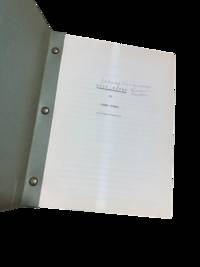
19538660Santa Monica 1953. Manuscript. 11x8.5" sheets ribbon copy typed rectos only 163pp. Numerous hand corrections and changes in pencil throughout published title in manuscript on title page. Brad bound in plain gray wrappers which show some smudging and wear. Sheets lightly toned and clean. <br /> <br /> Typed manuscript from one of the more prolific pulp and screen writers of the mid century Frank Gruber 1904-1969. Gruber began writing stories for Weird Tales Shadow Magazine The Spider Black Mask Dime Mystery and others publishing some 300 stories for over 40 magazines in the span of about 30 years. Once he caught on as a writer he began turning his attention to novels generally in the Western and Detective Fiction genres publishing more than 60 in his lifetime. He also penned 65 screenplays and numerous television scripts. <br /> <br /> <br /> This novel published as Johnny Vengeance by Rinehart in 1954 is set just after the Civil War and tells the story of a child who grows up seeking revenge upon the 4 murderers of his parents a commonplace story in the genre. An excellent representation of the work in edited manuscript form of a versatile and influential writer across many literary and media genres. . unknown
189313006London: Lawrence & Bullen 1893. Limited ed. Hardcover. Weguelin J.R. #123 of 150 numbered copies 4to imitation parchment stamped in gilt. Translated by R. Nisbet Bain. J.R. Weguelin's illustrations were printed on tissue and mounted to the page then protected with tissue guards. Owner's name and date to front pastedown lightly edgeworn with soiling to cover and mild foxing to preliminaries else a very good copy of an uncommon collection of classic tales. Lawrence & Bullen hardcover
1678001927Amsterdam; Paris: D. Elsevier; Thomas Jolly 1678. Full Morocco. Very Good Plus. 24mo. 10 by 6 cm. 168 pp. With seven woodcuts including the half-title. First published in 1607 this play is in the tradition of Tasso's "Aminta" or Guarini's "Il Pastor Fido". Aminta is in fact the name of a character within the play. Brunet I 1088. Leaves are age toned with a light dampstain affecting a few leaves in the corner. Otherwise tight and clean. Modern red full morocco with marbled endpapers. D. Elsevier; Thomas Jolly unknown
199534849New York: Blue Sky Press/Scholastic 1995. Limited edition. Hardcover. Fine. Dillon Leo and Diane. 1st ptg. 4to #146 of 150 signed and numbered copies full purple cloth with color cover plate in black cloth slipcase gorgeously illustrated by Leo and Diane Dillon. A fine bright copy signed by Hamilton and both Dillons. Signed by author and artists. Blue Sky Press/Scholastic hardcover
191134618London: Blackie & Son 1911. Hardcover. Robinson Charles. 4to full red cloth with elaborate pictorial gilt all edges gilt 28 color plates and numerous line drawings by Charles Robinson. Foxing to illustrated endpapers and preliminary pages not affecting plates. All edges gilt spine and cover gilt bright light shelfwear to boards and fading to corner of back board blind-stamped bookseller name and address on front free endpaper else a very nice copy. Blackie & Son hardcover
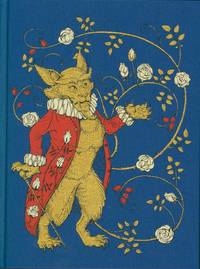
200331033London: Folio Society 2003. 1st ed. Hardcover. Fine. van Sandwyk Charles. 1st ptg. Small 4to full blue cloth elaborately illustrated in color by Charles Van Sandwyk who created new illustrations for this title including 16 full page color plates and dozens of partial page line drawings. New introduction by Joan Aiken the first in the 13-volume series of newly illustrated Colored Fairy Books by the Folio Society. The first printing sold out almost immediately and was quickly reprinted. Fine in near fine slipcase. Folio Society hardcover
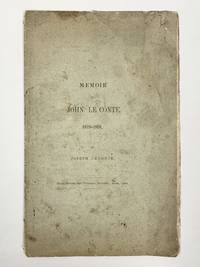
189448612No Place: National Academy 1894. First Separate Edition. Original wraps. Good. 22p octavo Very dusty affecting the covers and a few pages. Very scarce memoir of the Georgia Botanist <br/><br/> National Academy paperback
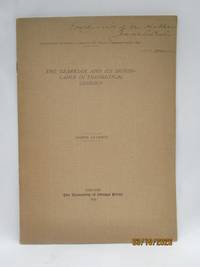
189956593Chicago: University of Chicago Press. Near Fine. 1899. Hardcover. Stapled printed wraps. Offprint from the Journal of Geology Vol. VII no. 6 September-October 1899. Pp. 525-544. Near fine trace thumbing. Inscribed to the front cover by Le Conte. PO stamp to cover of John C. Merriam American paleontologist. ; 8vo 8" - 9" tall; Signed by Author . University of Chicago Press hardcover
189401809New York and London: Harper & Brothers Publishers 1894. First edition. Twelvemo. Brown pictorial cloth stamped in gilt; v 437 1 pp.; illustrations. The scarce first edition of Twilight Land a collection of fairy tales written and illustrated by Howard Pyle and the result of Pyle's "untrammelled imagination an inexhaustible vocabulary and a long-practised pencil." Illustrated with black & white illustrations profusely throughout. A Very Good copy with some rubbing to cloth; gilt to spine rubbed and dulled; corners bumped; owner's penciled name to front endpaper bookseller's ticket to rear pastedown else clean throughout. We find no other copies of this first edition in commerce 2015. Harper & Brothers Publishers hardcover
193932819New York NY: Weird Tales 1939. First edition. Mild tanning to text paper small tear to lower front cover small bit if tape residue to lower left and lower right rear corner otherwise a bright fine copy. 32819. Octavo single issue cover art by Harold S. DeLay pictorial wrappers. Pulp Magazine. Includes stories by Kenneth Sterling and H. P. Lovecraft "In the Walls of Eryx" Manly Wade Wellman writing as "Gans T. Field" Seabury Quinn and others.<br /> Reference: Tymm and Ashley Science Fiction Fantasy and Weird Fiction Magazines pp. 727-736. Weird Tales unknown
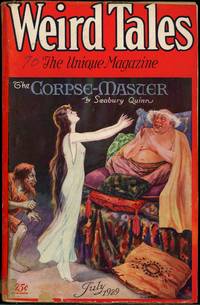
192927672Indianapolis IN: Popular Fiction Publishing Company 1929. Text paper tanned but supple mild edge wear trimmed small chip and closed tear with tape to verso at lower front cover clear tape over spine a very good copy. 27672. Octavo single issue cover art by C. C. Senf pictorial wrappers. Pulp Magazine. Includes stories by Seabury Quinn E. F. Benson Edmond Hamilton Robert E. Howard verse and others. Reference: Tymm and Ashley Science Fiction Fantasy and Weird Fiction Magazines pp. 727-736. Popular Fiction Publishing Company unknown
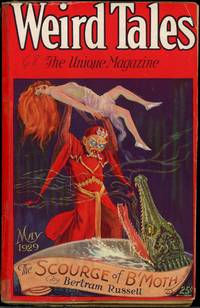
192927671Indianapolis IN: Popular Fiction Publishing Company 1929. Text paper tanned but supple mild edge wear trimmed cover crease clear tape over spine a very good copy. 27671. Octavo single issue cover art by C. C. Senf. pictorial wrappers. Pulp Magazine. Includes stories by Seabury Quinn Donald Wandrei Bertram Russell Edmond Hamilton E. Hoffman Price G. G. Pendarves and others. Reference: Tymm and Ashley Science Fiction Fantasy and Weird Fiction Magazines pp. 727-736. Popular Fiction Publishing Company unknown
H2380Rom 1876. 8vo. 2 S. gutes Exemplar. Castracane: Naturforscher Botaniker Italien. unknown
61269Librairie Nationale d'Art et d'Histoire G. Van Oest Editeur Paris 1921 In-4 36 cm 81pp. illustr. 103 planches hors-texte couverture imprimee de l'editeur Nb-0361 unknown
65961Berlin Kunst-Edition Fannei 1977. . Eines von 240 Expl. mit Offset-Tafeln nach Lithographien GA: 250. Textheft von der Autorin sowie alle Tafeln vom Künstler SIGNIERT. - Die Lyrikerin Doris Runge die als Vorbilder ihrer lyrischen Arbeiten Gedichte von Paul Celan und Hans Magnus Enzensberger nennt präsentiert hier ihre Kunstmärchen 6 im Heft 5 auf der Schallplatte. Textheft u. Schallplatte in einer schlichten Papptasche im Innendeckel der Mappe. - BEIGABE: Gedruckte Einladung zur Buchvor-stellung in der Galerie "Weißes Haus" in Cismar. Mappe mit mäßigen Gebrauchssp. innen mit wenigen Braunfleckchen die Tafeln gelegentlich meist minimal stockfleckig. Textheft etwas knickfaltig u. mit kurzem Einriß unten am Rücken. Diese Ausgabe in Mappenform es erschien auch eine Buchausgabe bei der die Langspielplatte fast immer fehlt ist sehr selten. - Manfred Reusing 1933-2016 Wiesbadener Maler. Berlin, Kunst-Edition Fannei, 1977. unknown
67737Berlin Volksverband der Bücherfreunde Wegweiser-Verlag 1925. . Erste Ausgabe mit diesen Illustrationen. - Bilderwelt 663. - Der Vers-Schwank des Schuhmachers u. Meistersingers Hans Sachs erschien erstmals 1530. - Karl Maximilian Arnold 1883-1953 Maler Illustrator u. Karikaturist. - Einband berieben u. bestoßen; Vors. geknickt Papier vor allem zu deen Rändern hin stock- u. fingerfleckig Blätter mit Knitterspuren u. tls. hinterlegten Randläsuren. Berlin, Volksverband der Bücherfreunde, Wegweiser-Verlag, 1925. unknown
a59516Roma 1816 Presso Francesco Bourlie. In Italian. large 4to. 219p. errata page full vellum with mounted gilt decorated leather spine label. Near Fine only lightly worn. Excellent condition for its age. no owner marks. Rouged page ends. Text bright and clean. Pictures available on request. . hardcover
1865biblio268<p>"The Old Blacksmith Jacob's Stories" in 19th century German an excellent copy from a prolific story teller. A treasure.</p><p>Photo on request.</p> Robler hardcover
2013DADAX1589256123Tiger Tales 2013-09-03. Ltf Brdbk. board_book. New. 6.38x0.55x8.50. Buy with confidence. Excellent Customer Service & Return policy. Tiger Tales unknown