(NEW TESTAMENT GREEK)Biblio.com
22 218 résultats
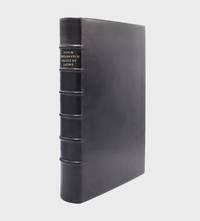
1514372265Alcala de Henares: Arnao Guilem de Brocar 1514. First edition of the New Testament in Greek published as volume 5 of the Complutensian Polyglot. Woodcut arms of Cardinal Jiménez on title page with woodcut borderswoodcut initials. Text in Greek and Latin in two columns Collation: a4 A-Q6 a6 R-Z6 AA-LL6 MM8 2a11 3a6 b-f6 g4 -g4. 271 of 272 leaves lacking final blank. 1 vols. Folio. Recent full black morocco spine gilt gilt turn-ins red morocco doublures gilt marbled flyleaves. Minor toning or soiling to a few leaves. A clean fresh copy. First edition of the New Testament in Greek published as volume 5 of the Complutensian Polyglot. Woodcut arms of Cardinal Jiménez on title page with woodcut borderswoodcut initials. Text in Greek and Latin in two columns Collation: a4 A-Q6 a6 R-Z6 AA-LL6 MM8 2a11 3a6 b-f6 g4 -g4. 271 of 272 leaves lacking final blank. 1 vols. Folio. Produced under the patronage of Cardinal Ximenes archbishop of Toledo and founder of the university of Alcala. As part of the Complutensian Polyglot Bible the New Testament was printed first dated 10 January 1514; the Old Testament was completed only in 1517 and publication was delayed until 1522.<br /> <br /> "Undoubtedly the finest Greek fount ever cut and the only one of which it can be affirmed with certainty that it is based on the writing of a particular manuscript" Proctor. Pope Leo X lent the Codex Vaticanus to Ximenes and it was upon this manuscript that Brocar modelled his type. Proctor used it as the model for the type in his edition of the Oresteia of 1904. This volume complete with the six leaves of the travels of St. Paul printed only in Greek and often lacking as it was printed later.<br /> <br /> This is the first Greek New Testament ever printed 1514 but as it was not published until 1522 this text was unknown to Erasmus when he published his Greek New Testament in 1516.<br /> <br /> Douglas Maxwell Moffat 1881-1956 Yale class of 1903 was a Grolier Club member from 1929 until his death; the libraries at Yale University and the General Theological Seminary were beneficiaries of gifts from his widow. "As a collector he was interested in three fields primarily: editions of Vergil; Greek and Latin lyric poetry; and fine printing. Almost all his books were in superb condition and often of very interesting provenance" Yale University Library Gazette 35:2 p. 122.<br /> <br /> THE MOST FAMOUS PIECE OF PRINTING EXECUTED IN SPAIN. Darlow & Moule 1412/4593; PMM 52; Adams B968 Vol. 5; Norton Printing in Spain 1501-1520 27; Proctor Printing of Greek p. 144. Provenance: Douglas Maxwell Moffat bought from E.P. Goldschmidt; General Theological Seminary gift of Mrs. Douglas M. Moffat Arnao Guilem de Brocar unknown
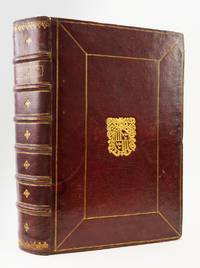
14943126Florence: Lorenzo son of Francesco di Alopa 1494. Median 4to 226 x 162 mm. A-Ω AA-KK8; ΛΛ8 A1r blank A1v Greek alphabet and diphthongs title and table of contents A2r-KK8v text; ΛΛ1r Lascaris' verse epilogue in Greek ΛΛ1v-7v editor's dedicatory letter to Piero de' Medici in Latin ΛΛ7v Latin colophon ΛΛ8 blank. 280 leaves. Types: 5a and 5b:114Gk text and 116R dedication. 28 lines. Spaces for initials. Irregular line-endings. Occasional light foxing small marginal dampstain in last quire. Bound ca. 1800 in red morocco gilt for the Duke of Roxburghe sides panelled with triple gilt fillets Roxburghe arms stamped at center spine gilt lettered edges gilt a few small scrapes slightly rubbed maroon morocco-backed folding case. Provenance: contemporary marginal and interlinear annotations in Greek; a few later marginalia one note on N5v shaved; John third Duke of Roxburghe 1740-1804 binding purchased from Molini Paris for £17.17 May 1789 note in red ink on first blank page Roxburghe sale 1812 lot 2354 £14.5; George W. Fitzwilliam of Milton Hall Peterborough bookplate sale Sotheby's 29 April 1918 lot 19 to Quaritch; C.S. Ascherson bookplate; Viscount Mersey Bignor Park bookplate sale Christie's 27 November 1991 lot 4 to Carlo Alberto Chiesa; sale Christie's London 29 November 2000 lot 39 to Pierre Berès.Editio Princeps of the Planudean Anthology the first of Lorenzo di Alopa's important series of Greek editions; first issue with the editor's dedicatory letter to Piero de' Medici; the Roxburghe copy.Many Hellenistic poets published books of epigrams; these were collected from an early period. A vast collection assembled ca. AD 900 by the Byzantine schoolteacher Constantine Cephalas included the earlier collections as well as a large number of inscriptional epigrams collected from various parts of Greece and Asia Minor. The Palatine Anthology assembled by an unknown scholar soon after expanded Cephalas to approximately 3700 epigrams adding much Christian and ekphrastic poetry. "To this manuscript we owe almost our entire knowledge of Greek epigram from Meleager to Agathias" A.D.E. Cameron OCD 3rd ed. rev p. 102. In the 13th century the Byzantine monk Maximus Planudes produced a reduced version of the Palatine Anthology rearranging the epigrams in seven books with extensive subdivisions adding some epigrams not included by the Palatine Anthologist most of which came from a different version of Cephalas' collection but also bowdlerizing erotic passages and omitting what he considered improper. Most manuscript copies were made from the Planudean Anthology the earlier Palatine Anthology having been forgotten. Until the latter's rediscovery in 1606 the Planudean Anthology was the Greek Anthology and it exerted a huge influence throughout the Renaissance. Although Planudes' holograph manuscript was by this time in the collections of Cardinal Bessarion in Venice the Greek scholar Janus Lascaris used a different manuscript for the present edition; this version was followed by all subsequent editors until the latter half of the eighteenth century. This was the first of three editions with the Euripedes and the Gnomae printed by di Alopa in capital letters only using a striking uppercase typeface in two founts designed by Lascaris to imitate epigraphic letter-forms. As he explains in his dedicatory letter in this way he hoped to avoid the complications of reproducing Greek script. Lascaris' type contained only capital letters with breathings and accents cast and set separately and attached to the letters of the smaller fount by means of solder or wax so that its body matched perfectly that of the larger fount. Though visually arresting such a typeface proved insufficiently compact for the printing of scholia and two years later a true lowercase fount − just as complicated as those condemned by Lascaris − was introduced to print commentary for the editio princeps of the Argonautica. This copy is from the first issue containing the final unsigned quire with Lascaris' dedicatory letter in Latin to Piero de' Medici. Which was suppressed from some copies no doubt those still unsold after Piero was proscribed from Florence and fled the city following the entry of King Charles VIII on 8 November 1494.ISTC ia00765000; Goff Suppl. A-765; HC 1145; CIBN A-410; Walsh 2962; Bod-inc. A-308; BMC VI 666; BSB-Ink A-557; GW 2048; Flodr Anthologia 1; Proctor Printing of Greek pp. 78-79; Barker Aldus Manutius and the Development of Greek Script and Type pp. 39-42; Wilson From Byzantium to Italy pp. 98-99. Lorenzo (son of Francesco) di Alopa hardcover books
14943126Florence: Lorenzo son of Francesco di Alopa 1494. <p>Median 4to 226 x 162 mm. A-Ω AA-KK8; ΛΛ8 A1r blank A1v Greek alphabet and diphthongs title and table of contents A2r-KK8v text; ΛΛ1r Lascaris' verse epilogue in Greek ΛΛ1v-7v editor's dedicatory letter to Piero de' Medici in Latin ΛΛ7v Latin colophon ΛΛ8 blank. 280 leaves. Types: 5a and 5b:114Gk text and 116R dedication. 28 lines. Spaces for initials. Irregular line-endings. Occasional light foxing small marginal dampstain in last quire. Bound ca. 1800 in red morocco gilt for the Duke of Roxburghe sides panelled with triple gilt fillets Roxburghe arms stamped at center spine gilt lettered edges gilt a few small scrapes slightly rubbed maroon morocco-backed folding case. Provenance: contemporary marginal and interlinear annotations in a neat Greek humanist hand including numerous metrical marks; a few later marginalia one note on N5v shaved; John third Duke of Roxburghe 1740-1804 binding purchased from Molini Paris for £17.17 May 1789 note in red ink on first blank page Roxburghe sale 1812 lot 2354 £14.5; George W. Fitzwilliam of Milton Hall Peterborough bookplate sale Sotheby's 29 April 1918 lot 19 to Quaritch; C.S. Ascherson bookplate; Viscount Mersey Bignor Park bookplate sale Christie's 27 November 1991 lot 4 to Carlo Alberto Chiesa; sale Christie’s London 29 November 2000 lot 39 to Pierre Berès.<br /> <br /> Editio Princeps of the Planudean Anthology the first of Lorenzo di Alopa’s important series of Greek editions; first issue with the editor’s dedicatory letter to Piero de’ Medici; the fine Roxburghe copy.<br /> <br /> Many Hellenistic poets published books of epigrams; these were collected from an early period. A vast collection assembled ca. AD 900 by the Byzantine schoolteacher Constantine Cephalas included the earlier collections as well as a large number of inscriptional epigrams collected from various parts of Greece and Asia Minor. The Palatine Anthology assembled by an unknown scholar soon after expanded Cephalas to approximately 3700 epigrams adding much Christian and ekphrastic poetry. “To this manuscript we owe almost our entire knowledge of Greek epigram from Meleager to Agathias†Oxford Classical Dictionary 3rd rev. ed. p. 102. In the 13th century the Byzantine monk Maximus Planudes produced this reduced version of the Palatine Anthology rearranging the epigrams in seven books with extensive subdivisions adding some epigrams not included by the Palatine Anthologist most of which came from a different version of Cephalas’ collection but also bowdlerizing erotic passages and omitting what he considered improper. Most manuscript copies were made from the Planudean Anthology the earlier Palatine Anthology having been forgotten. Until the latter’s rediscovery in 1606 the Planudean Anthology was the Greek Anthology and it exerted a huge influence throughout the Renaissance. “The Greek Anthology is one of the great books of European literature a garden containing the flowers and weeds of fifteen hundred years of Greek poetry from the most humdrum doggerel to the purest poetry†OCD.<br /> <br /> Although Planudes’ holograph manuscript was by this time in the collections of Cardinal Bessarion in Venice the Greek scholar Janus Lascaris used a different manuscript for the present edition; this version was followed by all subsequent editors until the latter half of the eighteenth century. <br /> <br /> This was the first of three editions with the Euripedes and the Gnomae printed by di Alopa using a striking uppercase typeface in two fonts designed by Lascaris to imitate epigraphic letter-forms appropriately for these epigrams many of which had been preserved in stone carvings. As he explains in his dedicatory letter in this way he hoped to avoid the complications of reproducing Greek script. Lascaris’ type contained ONLY CAPITAL LETTERS with breathings and accents cast and set separately and attached to the letters of the smaller font by means of solder or wax so that its body matched perfectly that of the larger font. Though visually arresting such a typeface proved insufficiently compact for the printing of scholia and two years later a true lowercase fount − just as complicated as those condemned by Lascaris − was introduced to print the commentary for the editio princeps of the Argonautica. <br /> <br /> This copy is from the first issue containing the final unsigned quire with Lascaris’ dedicatory letter in Latin to Piero de' Medici which was suppressed from some copies no doubt those still unsold after Piero was proscribed from Florence and fled the city following the entry of King Charles VIII on 8 November 1494. The neat annotations in this copy are in precisely the kind of Greek humanist hand that Aldus would use for his Greek type.  Some of the later annotations appear to supply textual corrections from the Palatine Anthology.<br /> <br /> ISTC ia00765000; Goff Suppl. A-765; CIBN A-410; Walsh 2962; Bod-inc. A-308; BMC VI 666; BSB-Ink A-557; GW 2048; Flodr Anthologia 1; Proctor Printing of Greek pp. 78-79; Barker Aldus Manutius and the Development of Greek Script and Type pp. 39-42; Wilson From Byzantium to Italy pp. 98-99.</p> Lorenzo (son of Francesco) di Alopa unknown
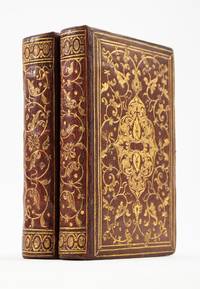
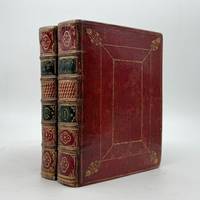
1568ST20921Lutetia Paris: Robert Estienne II 1568. 128 x 87 mm. 5 x 3 1/2". Two volumes. <br/> LOVELY CONTEMPORARY RED MOROCCO GILT covers with large central azured arabesque surrounded by curling vines with azured leaves smooth spines with similar vines head and foot of spines with egg-and-dart roll similar to one used by Claude de Picques second volume with faint blind lettering to spine all edges gilt perhaps with some minor early restorations but if so then done with such care as to preclude certainty. Housed in modern suede-lined calf-backed clamshell boxes with magnetic closures. Printer's device on titles and final page decorative initials and headpieces. Front pastedown of volume I with ex-libris of Georgios Arvanitidis. Renouard 171:1; Schreiber 239; Darlow & Moule 4633; Adams B-1670. See: Verron "Les Reliures de l'Entrée de Charles IX à Paris 1572 . . . réalisées par Claude Picques" in Bulletin du Bibliophile 2014 no. 2 pp. 282-98. Just a touch of rubbing to extremities front hinge of second volume open but everything quite tight text with occasional mild browning small spots trivial smudges or tiny worm trails but A BEAUTIFUL COPY clean and fresh internally and the bindings tight and lustrous with very bright gilt<br/> <br/> With exceptional visual appeal these two precious volumes shining with gilt and containing the Greek New Testament from the renowned Estienne family of printers are of special interest because of their typography their bindings and their provenance. With the expressed goal of printing Greek texts from manuscripts in the royal library at Fontainebleau François I established the post of royal printer in Greek in 1539 appointed Robert Estienne I 1503-59 to the position in 1542 and commissioned the renowned Claude Garamond to cut a new Greek font for this project. To design the type the King called on his own celebrated calligrapher Angelo Vergecio who produced in collaboration with Garamond three different sizes of what came to be called the Royal Types or "grecs du roi." According to Schreiber "These cursive Greek types are universally acknowledged as the finest ever cut." In 1548 and 1549 Robert Estienne issued the press' first Greek Testament known as the "O mirificam" edition for the opening of the dedication to the king in 16mo or "pocket" format using the smaller font of Garamond's "grecs du roi." In 1550 Robert a Protestant moved to Geneva while his son Robert II 1533-70 a Catholic remained in Paris and took over as the royal printer in Greek. Our 1568 Testament--the only one issued by the son--is a reprinting of the "O mirificam" edition but expanded with the critical apparatus from the 1550 folio edition issued by the father. Schreiber notes that our edition is interesting from a typographical point of view as it contains an even more minute version of the already small grecs du roi type for the Table of Chapters. The exceptionally pretty volumes are done in the style of royal binder Claude Picques fl. 1539-78 and employ a decorative roll very similar to one that appears on the spine of the vellum bindings Picques did for "L'Entrée de Charles IX à Paris" 1572. Our volumes once graced the library of Constantinople collector Georgios Arvanitidis 1876-1953 whose library included a number of Estienne Greek editions. They were later in the distinguished library of Frederick B. Adams 1910-2001 director of the Pierpont Morgan Library from 1948-69 and then president of the prestigious Association Internationale de Bibliophilie from 1974-83. And they were featured in the celebrated 1929 Gumuchian catalogue of 398 historically exceptional bindings as item #71. Robert Estienne II unknown
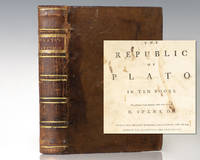
1763138322Glasgow: Printed by Robert and Andrew Foulis 1763. First edition in English of Plato's Republic marking the first appearance in the English language of Plato's profoundly influential dialogue concerning the nature of justice. Quarto bound in full polished calf with raised gilt bands to the spine morocco spine label lettered in gilt all edges speckled red. Harry Spens was a minister at the parish of Wemyss in Fife and respected classicist. In his introduction he professes his intent in his translation is: "To give the English Reader a view of Plato's sentiments and manner of writing and to stir up the youth to the study of the Ancients." Richard Garnett in his own introduction of the Everyman's Library reprint of this translation laments the relative lack of critical attention paid to it writing: "On the whole Spens's version should not be lightly esteemed. It is clearly the work of a scholar and a man of considerable literary ability." The brothers Robert and Andrew Foulis were renowned printers of classical works in their time sometimes referred to as 'the Elzevirs of Britain.' Their works mostly intended for scholars were "much sought after as admirable specimens of typography and are noticeable for their severely plain elegance" DNB 7: 514. In very good condition. Rare and desirable. "Its setting and its characters are full of political meaning. Its arguments are tantalizing and its fables fascinating… Plato's utopia is alarming and his metaphysics are intoxicating" Levi 348. The Republic "has reinforced dedication awakened vocations to leadership and strengthened the morale of those modest and competent souls who are always in reality the guardians of society" Rexroth 79. Printed by Robert and Andrew Foulis unknown
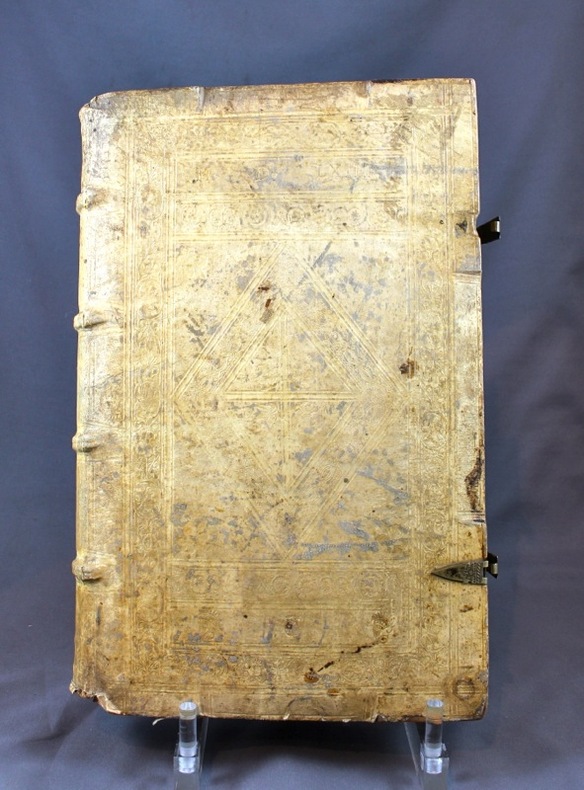
153326505Basel: Hieronymus Froben e Nikolaus Episcopius 1533. The Editio Princeps the first printing of the work in the original Greek. Greek and roman type. Woodcut printer’s device of Johann Froben by Hans Holbein der Jünger The Younger on the title-page and on fol. CC4v Heitz-Bernoulli 50. Woodcut decorated headpieces decorated and animated initials on black ground from different alphabets designed by Holbein; on fol. a1r 8-line initial showing Heraclitus and Democritus from the capital Latin alphabet of May 1520 drawn by Holbein and by Jacob Faber cfr. Hollstein’s German xivB n. 119. 4to 210x146 mm. In a very rarely encountered contemporary binding of Dutch blind-tooled leather over wooden boards. The covers are framed by two borders of blind tooled fillets a floral tool at each corner; the central panel is divided into diamond designs with rosettes on the upper cover and fleur-de-lys on the rear. Turn–ins and cords fixed at the inner boards. Antique spine and clasps renewed at a somewhat later date and accomplished with the greatest skill. The guard leaves are composed of two bifolia from a 14th-century manuscript breviary. Collation: 1 2 3 4 a-z4 A-Z4 aa-zz4 AA-CC4 fols. 1v CC4r blank. 8 573 3 pp A beautiful and fine broad-margined copy in a wonderful contemporary binding faint water staining to the inner corner of the first quires a minor repair to the gutter of the first leaves two tiny wormholes in the last three quires. Provenance: John Alfred Spranger 1889-1968; book-plate on front pastedown and stamp on title-page. EXTREMELY RARE FIRST PRINTING OF THE EDITIO PRINCEPS OF THIS REMARKABLY IMPORTANT BOOK AND A COPY WHICH IS OF THE VERY FINEST STATE AND CONDITION. The editio princeps of Diogenes Laertius’ Lives of the Famous Philosophers is the most important source of our knowledge in the history of Greek philosophy from Thales to Pyrrho. <br> The text was known only in the Latin translation by Ambrogio Traversari 1386-1439 which made its first appearance in print in Rome around 1472 and which was widely reprinted during the fourteenth and the first decades of the sixteenth century. This is the first printing of the book in its original language.<br> The edition is dedicated by the typographers Froben and Episcopius to the scholars and in their epistle they declare their publishing plan: to print at least a work per year able to combine usefulness and pleasure. <br> The text follows a manuscript provided by the professor of Greek and Hebrew at the University of Wittenberg Matthaeus Goldhahn 1480-1553 called Aurigallus probably a copy of the codex Raudnitzianus Lobkowicensis vi.F.c.38 at the time preserved in Komotau Bohemie in the house of the politician Bohuslav Lobkowitz von Hassenstein c. 1460-1510 and presently in the Library Národní Knihovna of Prague. Hieronymus Froben e Nikolaus Episcopius hardcover
185458Paris, 1619 fort vol. in-folio, [6] ff. n. ch. (titre, dédicace au clergé de Rouen, préface, titre de relais), 1104 pp., [8] ff. n. ch. d'index et de colophon, maroquin vieux rouge, dos à nerfs cloisonné et fleuronné, encadrement de triple filet doré sur les plats, armes au centre, double filet doré sur les coupes, tranches dorées sur marbrure, dentelle intérieure (rel. du XVIIIe s.). Petits frottements sur les nerfs.
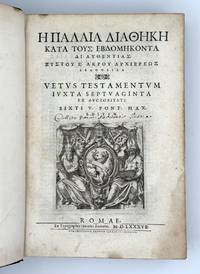
1587371783Rome: Franciscus Zanetti 1587. Text in Greek with short Latin notes at the end of each verse in two columns. Large engraved vignette on title with figures of Moses and Esdras on either side of the arms of Sixtus V. aâ´ A-3Sⶠ3Tâ¸. 8 783 1pp. Folio. Eighteenth century red morocco arms of the second Duke of Newcastle on the covers marbled endpapers gilt edges minor darkening to spine and wear to joints. Scattered minor dampstaining at lower outer corner of a few leaves. Provenance: Collegii Paris. Societas Jesu.early inscription on title; Douglass Maxwell Moffat booklabel with original invoice purchasing the volume from Davis & Orioli in 1940; General Theological Seminary bookplates. Text in Greek with short Latin notes at the end of each verse in two columns. Large engraved vignette on title with figures of Moses and Esdras on either side of the arms of Sixtus V. aâ´ A-3Sⶠ3Tâ¸. 8 783 1pp. Folio. Commissioned by Pope Sixtus V to assist the revisers who were preparing the Latin Vulgate edition ordered by the Council of Trent the "Sixtine" or "Roman" edition of the Septuagint was edited by Cardinal Antonio Carafa based on the Codex Vaticanus and became the standard for all the later editions of the Septuagint for three centuries after its publication. Darlow & Moule no. 4647; Adams B1246; BM STC Italian 1465-1600 p. 94 Franciscus Zanetti unknown
5761In folio, relié d'ép. pl. peau, rel à 5 nerfs, deux pièces de titre, un filet d'encadrement sur les plats, fleuron central repoussé sur chaque plat, coiffes bonnes, mors solides. Ouvrage peu manié, bien conservé, intérieur trés frais. 32 pp ; Impression du dictionnaire sur 2 col. (1 à 1624) ; Notes de David Hoeschel : 2 col. : 1 à 104 ; Index Rerum... 23 pp ; 2 p
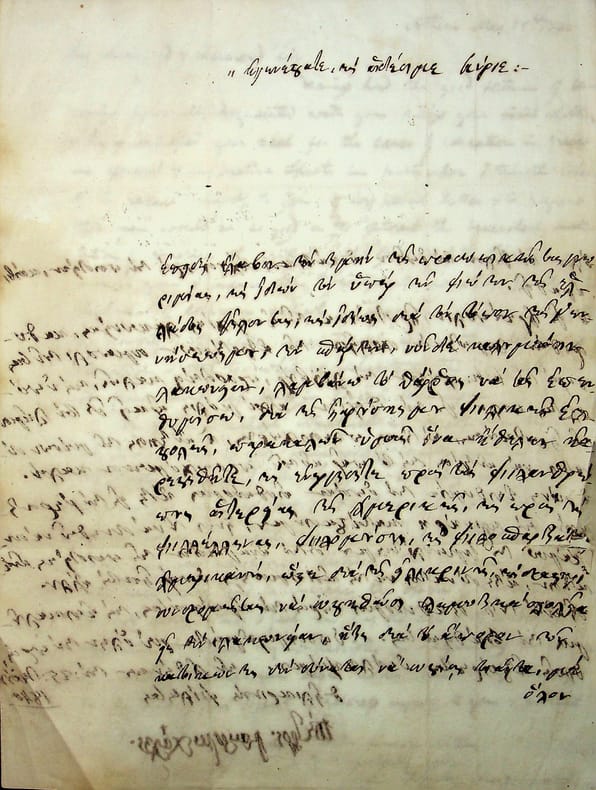
021095[Philhellénisme, Grèce] Pétros dit Petrobey Mavromichális (1765-1848), homme d'état grec, héros de la guerre d'indépendance grecque, ?????? ?????????? ????????????. L.A.S., Athènes, 25 mai 1840, 3p in-4. Extraordinaire lettre en grec (2p) entièrement autographe et signée, suivie de la traduction d'époque en anglais (1p), adressée à Charles Lowell (1782-1861), religieux unitarien américain. Dans cette lettre mentionnant notamment son grand âge, il salue le travail des deux missionnaires américains dans sa région, la Laconie : George William Leyburn (1809-1875) - qui mourra en Grèce - et Samuel Rutherford Houston (1806-1887). Ils avaient en effet fondé une école à Areopolis. Rappelons que Mavromichalis fut le dernier Bey de la Magne (sous l'Empire Ottoman) mais aussi celui qui proclama le soulèvement de la Magne le 17 mars 1821. Il est, en 1840, un des plus hauts et un des plus anciens dignitaires grecs. Charles Lowell, qui est le père du poète romantique James Russell Lowell, était déjà un abolitionniste comme le sera son fils. Il est aussi un religieux influent, notamment dans les milieux philhellènes américains. Petite déchirure près du pli d'origine (petit manque minime). Extraordinaire témoignage de l'influence américaine et protestante en Grèce après son indépendance, le combat de Mavromichalis pour l'indépendance étant devenu un combat pour l'éducation. [517]
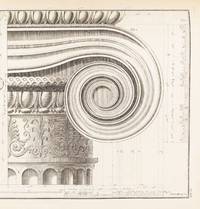
1758ST17496-017Paris: H. L. Guerin & L. F. Delatour Jean-Luc Nyon and Jean Neaulme 1758. FIRST EDITION. 608 x 445 mm. 24 x 17". xiv 56; 2 vi 28 pp. Two parts in one volume. <br/> Later early 20th century quarter sheep over marbled boards raised bands compartments gilt reddish-brown leather label with gilt lettering all edges untrimmed. With large woodcut vignette on title and 60 ENGRAVED PLATES by Le Bas Littret de Montigny Neufforge and Patte after Le Roy. Brunet III 103; Millard French 101. A little rubbing to corners and head and tail of spine leather a bit faded chafed and freckled in places but the binding entirely sound and still quite pleasing; very faint diagonal crease at lower corner of many leaves a handful of plates slightly browned one more noticeably so other minor issues but quite a fine copy internally--the vast majority of the contents clean and bright with deep impressions of the text with the engravings richly impressed and with vast margins.<br/> <br/> With engravings by the some of the most esteemed artists of the day this imposing work contains beautiful depictions of Greek ruins and monuments that proved extremely influential to the development of French Neoclassical architecture. The text is divided into two parts the first covering the history of various monuments and Le Roy's thoughts on the principles of architecture and the second primarily containing a discussion of the orders of columns--particularly the Doric order--as well as several reconstructions of ruined temples. According to Millard this work "breaks new ground in providing a synthesis of archaeological findings with a body of architectural theory developed and expanded from the important controversy of Claude Perrault and Francois Blondel i.e. quarrel of the Ancients and the Moderns. . . . Perhaps most important Le Roy's treatise provides the theoretical framework and many of the actual models for French neoclassical architecture." Although "Les Ruines" came under some criticism especially by British rivals James Stuart and Nicholas Revett it nevertheless "made a strong public impact" in the words of the Dictionary of Art Historians and "greatly influenced the architects of the day particularly Jacques-Denis Antoine Jean-Arnaud Raymond Alexandre-Théodore Brongniart and François-Joseph Bélanger." This was in no small part due to the exquisite plates that included many picturesque views engraved by talented artists such as Louis-Joseph Le Lorrain Pierre-Charles Le Mettay Claude-Antoine Littret de Montigny and Jacques Philippe Le Bas among others. The son of the horologer to Louis XV Julien-David Le Roy 1724-1803 was an architect art historian and archaeologist. He was a protégé of Jacques-François Blondel 1705-74 whom he later succeeded as professor at the Académie Royale d'Architecture. After winning the Prix de Rome in 1754 Le Roy spent time in Greece studying and measuring ancient architecture and developing many of the theories that he would eventually publish in the present work. H. L. Guerin & L. F. Delatour, Jean-Luc Nyon, and Jean Neaulme unknown
1597ST19351Frankfurt: heirs of Andreas Wechel Claude de Marne & Johann Aubry 1597. Fourth Complete Greek Bible printed in Germany. 388 x 258 mm. 15 1/8 x 10 1/8". 4 p.l. 1 blank leaf attached to backing of folio :4 1098 2 pp. <br/> VERY STATELY 17TH CENTURY RED MOROCCO covers with mitered gilt frame gilt supralibros of Baderon de Maussac Olivier 745 at center raised bands spine panels with gilt flower gilt lettering all edges gilt. Printer's Pegasus device on title and final page. Front flyleaf with ink inscription recording the purchase on 24 February 1680 at Toulouse for 24 livres. Darlow & Moule 4653; VD16 B 2578; Adams B-979. ◆Three minute dents to front board a hint of wear to bands and corners isolated faint foxing blank recto of frontispiece leaf and blank verso of final leaf with faint blue shadow from endpapers but all of these quite trivial and otherwise A BEAUTIFUL COPY--fresh clean and bright internally with very wide margins and strong impressions of the plates and in a lustrous binding showing few signs of use.<br/> <br/> This handsome and remarkably well-preserved tall folio Greek Bible from a distinguished German printing firm comes in a shiny armorial binding with aristocratic French provenance. Darlow & Moule assigns the editing of this issue to Franciscus Junius François du Jon or Friedrich Sylburg noting that the Old Testament "is based on the Basel edition of 1545 . . . with correction from the Complutensian text and useful notes." The New Testament follows the text of Robert Estienne's 1568-69 edition. The Wechel family had a long tradition of humanist printing with an emphasis on Greek texts beginning with the press of Christian Wechel fl. 1520-54 in Paris and continuing after his son Andreas d. 1581 fled to Frankfurt to escape the persecution of Protestants in France. Andreas' descendants carried on the business through the first quarter of the 17th century. Olivier's "Reliures Armoriées Françaises" 1926 pl. 745 offers three possible attributions for the supralibros here all from the Languedoc region during the first half of the 17th century: Jean de Baderson; Jacques de Baderon seigneur de Maussac a member of the Parlement of Toulouse; and Jacques de Baderon de Maussac seigneur de Montagnac et de Corneillan and commandant of the city of Collioure. The inscription on the flyleaf here indicating that the book was purchased in Toulouse perhaps supports the case for the member of the Parlement in that city. The 24 livres paid for our imposing volume in 1680 would have represented as much as two months' wages for a worker in the region of its purchase. heirs of Andreas Wechel, Claude de Marne & Johann Aubry unknown
1653371930London: Roger Daniel 1653. Title in red and black. Engraved printer's device on the title state B. Text in two columns. 8 1279 1 pp. 4to 7-3/8 x 5-3/8 inches. Eighteenth century red morocco panelled in gilt spines gilt with black morocco lettering pieces marbled endpapers gilt edges. Provenance: Viscount Palmerston bookplate; General Theological Seminary bookplate. Title in red and black. Engraved printer's device on the title state B. Text in two columns. 8 1279 1 pp. 4to 7-3/8 x 5-3/8 inches. The rare first printing in England of the Septuagint the earliest translation of the Hebrew Old Testament into Greek the scarce printing in quarto format. The text is derived from the Sixtine text and edited by John Biddle 1615-1662 the Unitarian controversialist who was imprisoned by the Parliamentary Commissioners for his religious views. <br /> <br /> "Roger Daniel's version of the text of the Sixtine edition was prepared for the use of the scholars at Westminster School. This appeared in 1653 and was edited by the Socinian John Biddle. Its publication may have owed something to the interest in the Septuagint generated by Codex Alexandrinus and the frustration produced by the failure of Young's attempts to edit it" S. Mandelbrote "English Scholarship and the Greek Text of the Old Testament" p. 87.<br /> <br /> A rare issue from the same setting as the octavo edition imposed in quarto without rules separaring the columns. Wing 2nd ed. B2718A; ESTC R12599; Darlow & Moule 4692 Roger Daniel unknown
04819London: Chatto and Windus 1886. A History of Parliamentary Elections and Electioneering in the Old Days.<br/>Extra-Illustrated by the Insertion of over Two Hundred Illustrations<br/><br/>GREGO Joseph. A History of Parliamentary Elections and Electioneering in the Old Days. Showing the State of Political Parties and Party Warfare at the Hustings and in the House of Commons from the Stuarts to Queen Victoria. Illustrated from the original Political Squibs Lampoons Pictorial Satires and Popular Caricatures of the time.<br/>London: Chatto and Windus 1886. <br/><br/>Large Paper Edition limited to one hundred and eleven numbered copies - this being No. 90.<br/><br/>Extra illustrated by the insertion of 216 additional illustrations including additional pages of text ephemera 146 uncolored plates and 50 hand colored plates including 4 folding all colored plates listed below. Additionally bound in at end is The Dorchester Guide; or a House that Jack Built. With Thirteen Cuts. London: Printed and Published for the Author 1819. Quarto 35 pp. all inlaid to size.<br/><br/>Large quarto 11 1/4 x 8 3/4 inches; 286 x 222 mm. 2 limitation verso blank xxvii 1 blank 403 1 imprint pp.<br/><br/>Bound by H.J. Rogers of Bristol ca. 1886. Three quarter red scored calf over green cloth boards ruled in gilt. Spine with four double raised bands ruled in gilt. Gilt ornaments and lettering in compartments marbled endpapers top edge gilt others uncut. A fine example of a late nineteenth century extra-illustrated work.<br/><br/>List of Additional Color Plates 46 total:<br/><br/>Prelim: A Sketch at Brentford. anonymous 1804 - BM Satires 10268<br/>Frontis: The Rights of Women or the Effects of Female Enfranchisement. folding G. Cruikshank Comic Alman. 1853<br/>Pg. 20: I means to say that a man like me gets edifyd at these elections. anonymous<br/>Pg. 56: A Long Headed Election. Fold-Out G.M. Woodward 1806 BM Satires 10610 <br/>Pg. 174: Duke of Grafton.<br/>Pg. 218: Ministers or a Gracious Answer to Grievous Petitions. Fold-Out Anonymous<br/>Pg. 225: The Daily Advertiser. James Gillray<br/>Pg. 227: Political Dinner. Henry Alken<br/>Pg. 232: Meeting of the Monied Interest. James Gillray<br/>Pg. 238: Sir Samuel House. <br/>Pg. 243: Members of the Whig Club. Dighton<br/>Pg. 248: Pizzaro a New Play or the Drury-Lane Masquerade. Gillray <br/>Pg. 250: John Bulls' Watchman Neglecting his Duty!!! John Cawse<br/>Pg. 251: Gloria Mundi. Jame Gillray<br/>Pg. 256: Doctor Sangrado Relieving John Bull of the Yellow Fever. Isaac Cruikshank<br/>Pg. 259: John Bull at his Studies attended by his Guardian Angel. Unknown<br/>Pg. 262: The Brazen Image erected on a Pedestal wrought by Himself. Charles Williams<br/>Pg. 265: The Apostate Jack R the Political Rat Catcher. Fold-Out Thomas Rowlandson<br/>Pg. 268: Shrine at St. Ann's Hill. James Gillray<br/>Pg. 272: The Magnanimous Minister chastising Prufsian Perfidy. James Gillray<br/>Pg. 288: Stealing off; -or- prudent Secesion. James Gillray<br/>Pg. 292: Peter and Paul expell'd from Paradise. Fold-Out James Gillray<br/>Pg. 296: hic niger est hunc. caveto. Unknown<br/>Pg. 297: Preliminaries of Peace! -or- John Bull and his Little Friends Marching to Paris. James Gillray<br/>Pg. 305: Two Pair of Portraits; presented to all the unbiased Electors of Great Britain by John Horne Tooke. James Gillray<br/>Pg. 307: Improvement in Weights & Measures. James Gillray<br/>Pg. 311: The Bond Street Battalion. Anonymous<br/>Pg. 316: The Triumph of Quassia. James Gillray<br/>Pg. 318: ‘Tis all vel at Vindsor.<br/>Pg. 319: A Kick at the Broad Bottoms. James Gillray<br/>Pg. 320: A Great Stream from a Petty Fountain; -or- John Bull swamped in the Flood of new Taxes! Cormorants Fishing in the Stream. James Gillray<br/>Pg. 320: Election Candidates. James Gillray<br/>Pg. 324: Duke of Norfolk. Dighton<br/>Pg. 326: The Cunning Hen. <br/>Pg. 330: Achilles.<br/>Pg. 335: Long Franky.<br/>Pg. 340: A Kow-Cumber.<br/>Pg. 342: State Cavalry frightened into a Retreat from the City Dinner. Heath<br/>Pg. 345: The Steping Stone or John Bull peeping into Futurity!!! Gillray <br/>Pg. 347: Paddy Whack!<br/>Pg. 352: The Oeld'un.<br/>Pg. 354: Orange Pe-l.<br/>Pg. 360: A drive from Dublin.<br/>Pg. 362: A Man of All-Weathers.<br/>Pg. 364: Once in Battersea Now in Chelsea.<br/>Pg. 366: The Last Stage.<br/><br/>Prelim: Broadside "England expects every Man to do his Duty. To The Electors of Chippenham folding<br/>Facing title: The Chelmsford Petition. Broad-Bottom-Patriots addressing the Essex Calves! James Gillray 1808<br/>Pg. 24: Prynne. Benoist sculp. circular portrait<br/>Pg. 26: Laurence Hide Earl of Rochester. G. Kneller pinx; Goldar sculp. oval portrait 1813<br/>Pg. 28: A. Marvell. portrait<br/>Pg. 29: Prince George. From an extra rare Print by Droeshout 1810 full-length portrait<br/>Pg. 60: Gog & Magog. Guildhall. Pubd. I Asperne 1810<br/>Pg. 69: Thomas Marquis of Wharton. portrait<br/>Pg. 72: Jonathan Swift. D.D. John Kirkwood after Charles Grey etched full-length portrait<br/>Pg. 73: Richard Steel. Baxter del. Hopwood sculp. stipple portrait<br/>Pg. 74: Sarah Duchess of Marlborough. Woolnoth after Rivers. portrait<br/>Pg. 78: Robert Earl of Orford. 1775 J. Collyer sculpt. portrait<br/>Pg. 107: Simon Lord Fraser of Lovat. 1808. full-length portrait<br/>Pg. 125: Thomas Pelham Duke of Newcastle. Engraved by W. Holl. full-length portrait<br/>Pg. 127: The Most Noble Henry Pelham Duke of Newcastle. W.H. Mote after H.W. Pickersgill portrait<br/>Pg. 128: Sr. John Barnard Bart. Chambars sculp. circular portrait<br/>Pg. 130: Lottery Insurance Office. 1790. Barlow after Collings<br/>Pg. 143: The Royal Oak Inn. 1766. Courbauld after W. Hogarth. engraved view<br/>Pg. 145: Polling. G. Clint after W. Hogarth. etched view<br/>Pg. 147: Chairing the Members. Courbauld after W. Hogarth. view<br/>Pg. 148: No Title. Courbauld after W. Hogarth. view<br/>Pg. 157: The Oxford Magazine Mansfield; Beckford; Harley; Trecothick; Recorder. engraved view<br/>Pg. 158: John Wilkes Esqr. 1796. circular portrait<br/>Pg. 160: The Celebrated William Hogarth Esqr. J. Mills after W. Hogarth. portrait with Hogarth's dog<br/>Pg. 160: The Bruiser C Churchill illustration depicting a bear and a dog<br/>Pg. 163: Hieroglyphics<br/>Pg. 169: A Recorder on his Pilgrimage. A Man of Honour an a Gentleman. Harley.<br/>Pg. 174: "Wilkes and Liberty" Riots. The Scotch Victory. Murder of Allen by a Grenadier. Massacre of St. George's Fields. 1768.<br/>Pg. 175: The Murder/Manslaughter we should say of Mr. Smith by the heroic Scotch Serjeant.<br/>Pg. 176: Midas; or the Surry Justice.<br/>Pg. 178: The Brentwood Election.<br/>Pg. 178: The Hustings at Brentford Middlesex Election 1768. Serjeant Glynn and Sir W. Beauchamp Proctor.<br/>Pg. 183: The Rt. Honourable Samuel Turner Esq. Lord Mayor of London.<br/>Pg. 185: John Horne Tooke Esq.r portrait<br/>Pg. 187: The Siege of Warwick Castle; or The Battle between the Fellons & Licenciates.<br/>Pg. 192: HP. portrait<br/>Pg. 192: A Perspective and Political View of the Timber Yard at L_e.<br/>Pg. 194: The Addressers.<br/>Pg. 201: Sequel to he Battle of Temple Bar - Presentation of The Loyal Address at St. James's Palace. 1769.<br/>Pg. 201: The Battle of Temple Bar.<br/>Pg. 204: Carlton Houfe Junto in Fear & Trembling.<br/>Pg. 206: The Effects of Petitions and Remonstrances.<br/>Pg. 209: The Curious Zebra.<br/>Pg. 210: The Cockney Petition! Enter Mr. Noodle & Mr. Doodle.<br/>Pg. 212: William Beckford Esq. circular portrait<br/>Pg. 213: James Townsend Esq. Lord Mayor of London. circular portrait<br/>Pg. 214: The Westminster Petition - a kick-out from Wimbledon.<br/>Pg. 215: Brass Crosby Esq. Lord Mayor of London. circular portrait<br/>Pg. 220: J.s Townfend Esq. Sheriff. W.m Beckford Esq. Lord Mayor 1769. Jno. Sawbridge Esq. Sheriff. 3 circular portraits<br/>Pg. 222: Junius.<br/>Pg. 223: The City Carriers.<br/>Pg. 224: Picture of Europe for July 1772.<br/>Pg. 226: The Right Hon. Earl Spencer. portrait<br/>Pg. 226: Set of six circular portraits labeled Nos. 1-6.<br/>Pg. 226: Mungo Campbell. circular portrait<br/>Pg. 227: George Saville Marquis of Halifax. circular portrait<br/>Pg. 228: The Right Hon.ble John Charles Earl Spencer. portrait<br/>Pg. 229: The State Hackney Coach.<br/>Pg. 231: Sir J. Banks. portrait<br/>Pg. 233: Three Boroughs. 1. Dunwich. 2. Old Sarum. 3. Bramber.<br/>Pg. 235: A Peep into the Retreat at Tinnehinch.<br/>Pg. 237: Evidence to Character; being a Portrait of a Traitor by his Friends and by Himself.<br/>Pg. 241: Sir Abraham Hume Bart. circular portrait<br/>Pg. 247: In Pizzarra's plans observe the Statesman's wisdom guides the poormans heart. etched by J. Chapman<br/>Pg. 249: The Right Hon.ble W.m. Pitt. portrait<br/>Pg. 254: The RIght Hon.ble Charles James Fox. portrait<br/>Pg. 254: The Mother and the Child.<br/>Pg. 257: Carlo Khan's Triumphal Entry into Leadenhall St.<br/>Pg. 257: Untitled<br/>Pg. 264: T. Rowlandson: Master Billy's Procession to the Grocers' Hall.<br/>Pg. 265: T. Rowlandson: The Apostate Jack Robinson the Political Rat-Catcher 1784.<br/>Pg. 266: Sam House. The Patriotic Publican. portrait<br/>Pg. 266: T. Rowlandson: The Rival Candidates - Great Westminster Election 1784.<br/>Pg. 268: T. Rowlandson: The Hanoverian Horse and the British Lion March 1784.<br/>Pg. 275: The Wit's Last Stake; or the Cobbling Voter and Abject Canvassers. By T. Rowlandson.<br/>Pg. 276: Lords of the Bedchamber. By T. Rowlandson.<br/>Pg. 277: The Westminster Watchman. By T. Rowlandson.<br/>Pg. 277: Captain Charles Morris. portrait<br/>Pg. 280: The Ladies Maria Laura and Horatia Waldegrave.<br/>Pg. 281: The Case is Altered. By T. Rowlandson.<br/>Pg. 282: The Procession to the Hustings After a Successful Canvass. By T. Rowlandson.<br/>Pg. 284: The Westminster Deserter Drummed Out of the Regiment. Defeat of Sir Cecil Wray. Hustings Covent Garden Westminster Election 1784. By T. Rowlandson.<br/>Pg. 285: Liberty and Fame Introducing Female Patriotism Duchess of Devonshire to Britannia 1784. By T. Rowlandson.<br/>Pg. 287: Defeat of the High and Mighty Balissimo Corbettino and his Famed Cecilian Forces.<br/>Pg. 289: The Rt. Hon.ble Samuel Lord Hood. Admiral of the Blue. circular portrait<br/>Pg. 294: Philip Dormer Stanhope Earl of Chesterfield. portrait<br/>Pg. 297: John Thelwall. portrait<br/>Pg. 298: G. Byng. portrait<br/>Pg. 298: Meeting of the Patriotic Citizens at Copenhagen House 1795. By James Gillray.<br/>Pg. 299: At Hackney Meeting - Fox Byng and Mainwaring. By James Gillray. half-page illustration<br/>Pg. 300: The Dissolution; or the Alchymist Producing an Aetherial Representation. William Pitt Dissolving the House of Commons 1796. By James Gillray.<br/>Pg. 301: The Hustings - Covent Garden 1796. By James Gillray half-page illustration<br/>Pg. 305: Two Pair of Portraits. Presented to all the unbiased electors of Great Britain 1798. By James Gillray.<br/>Pg. 308: H. C. Combe Esq. circular portrait<br/>Pg. 309: Councellor Ego. portrait<br/>Pg. 312: Sir W.m Curtis Bart Ald & M.P. portrait<br/>Pg. 312: Middlesex Election 1804. A long pull - a strong pull - and a pull all together. By James Gillray.<br/>Pg. 315: The Night Mare.<br/>Pg. 323: A peep into the Cave of Jacobinism.<br/>Pg. 325: Untitled. portrait<br/>Pg. 328: The R.t Hon.ble William Windham. portrait<br/>Pg. 329: The O'Connell Statue.<br/>Pg. 333: Sir Samuel Romilly. portrait<br/>Pg. 334: The Law's Delay. Reading the Riot Act 1820. By G. Cruikshank.<br/>Pg. 338: Mr. Sheriff Waithman. portrait<br/>Pg. 338: Coriolanus Addressing the Plebs 1820. By George Cruikshank.<br/>Pg. 343: The Greyces.<br/>Pg. 344: Baron Brougham & Vaux. portrait<br/>Pg. 346: Election Squibs and Crackers for 1830. By W. Heath.<br/>Pg. 348: Henry-Richard Vassall Baron Holland F.R.S.-F.S.A. portrait<br/>Pg. 349: Charles Grey Earl Grey. portrait<br/>Pg. 354: His Honour the Beadle William IV Driving the Wagabonds out of the Parish. Nov. 28 1830. By W. Heath.<br/>Pg. 356: Leap-Frog Down Constitution Hill. April 13 1831. By J. Doyle HB.<br/>Pg. 356: John Scott First Earl of Eldon. portrait<br/>Pg. 357: Hoo-Loo-Choo alias John Bull and the Doctors. May 2 1831.<br/>Pg. 357: The R.t. Hon.ble Sir Robert Peel Bart. portrait<br/>Pg. 358: Agitation.<br/>Pg. 358: Leap-Frog on a Level; or Going Headlong to the Devil. May 6 1831. By J. Doyle HB.<br/>Pg. 366: John Gilpin. May 13 1831. By J. Doyle HB.<br/>Pg. 367: "The Handwriting on the Wall". May 26 1831. King William IV.<br/>Pg. 367: Old Slaughter Backing Out.<br/>Pg. 369: The R.t Hon.ble Lord John Russell M.P. portrait<br/>Pg. 370: Set of Four Illustrations: The Windsor Camp. The Hen-peck'd Monarch. Untitled. Portraits of the Political Burkers!<br/>Pg. 370: Varnishing - A Sign of "The Times". June 1 1831. By J. Doyle HB.<br/>Pg. 371: The Rival Mount-O'-Bankes; or the Dorsetshire Juggler. May 25 1831. By J. Doyle HB.<br/>Pg. 372: Mazeppa - "Again he urges on his wild career". Aug. 7 1832. By J. Doyle HB.<br/>Pg. 372: Set of two illustrations: Interior of the Tory Charnel House. Untitled.<br/>Pg. 374: A Celebrated Commander on the retir'd list.<br/>Pg. 375: Set of four illustrations: Passing the Piers. The Contest for Westminster. Untitled. The Reform Mill for Grinding the Old Constitution Young.<br/>Pg. 375: Sinbad the Sailor and the Old Man of the Sea. June 8 1833. By J. Doyle HB. half-page illustration<br/>Pg. 376: Set of six illustrations: Columbine. Lover. Harlequin. Pantaloon. Good Genius. Clown.<br/>Pg. 376: Three Great Pillars of Government; or a Walk from White Conduit House to St. Stephen's. July 23 1834. By J. Doyle HB.<br/>Pg. 378: Set of four illustrations: The Grey Horse at the End of His Journey. John Bull and his Burdens. The Political Game of High-Cockolorum. The Rioters being conveyed to Justice.<br/>Pg. 378: Set of two illustrations same title: Inconveniences that might have arisen from the ballot. By G. Seymour.<br/>Pg. 379: Set of four illustrations: Duke of York - His Statue and His Debts. Lord Londonderry as Marmaduke Magog. Wetherell the Fire-Work Maker. Lyndhurst.<br/>Pg. 380: Set of three illustrations: The Arms of the Church. Arms of the Boroughmongers. Guy Fawkes for 1832.<br/>Pg. 381: The Great Dog Question.<br/>Pg. 382: Set of four illustrations: An Irish Political Kangaroo. The Grey Monkey and the Irish Cat. Tithes for the Irish Parsons. Election Humours Climbing the Pole.<br/>Pg. 383: Hon. Mr. Leader portrait<br/>Pg. 384: Set of four illustrations: Conservative Dinner. Retreat of the Tory Army. Guy Faux Day. The Devil Upon Two Sticks.<br/>Pg. 385: Set of six illustrations: Lord Eldon. Duke of Cumberland. Duke of Wellington. Croker. Sir Chas Wetherell. Lord Londonderry.<br/>Pg. 386: Sir Francis Burdett Bart M.P. portrait<br/>Pg. 387: John Arthur Roebuck Esq. portrait<br/>Pg. 389: The Unsuccessful Candidate.<br/>Pg. 390: The Right Hon.ble Earl of Durham. portrait<br/>Pg. 391: The Successful Candidate.<br/>Pg. 392: The Canvasser.<br/>Pg. 393: The R.t Hon.ble Henry John Temple Lord Viscount Palmerston G.C.B. portrait<br/>Pg. 394: "The Independent Woter".<br/>Pg. 395: The Charter - A Common's Scene.<br/>Pg. 396: Show of Hands for a Liberal Candidate.<br/><br/>Pg. 404: The Dorchester Guide; or A House That Jack Built. With Thirteen Cuts. 35 pp.<br/><br/><br/>Additional B&W Fold-Out Plates:<br/><br/>Pg. 168: The Laird of the Boot. Unknown<br/>Pg. 202: New Morality; or The promis'd Installment of the High Priest of the Theophilanthropes. James Gillray<br/>Pg. 240: An Irish Howl. Thomas Rowlandson<br/>Pg. 289: Doublures of Characters. James Gillray<br/>Pg. 294: A Charm for Democracy Reviewed Analysed & Destroyed. Henry Merke after Thomas Rowlandson<br/>Pg. 296: Pacific Entrance of Earl Wolf Lord Lonsdale into Blackhaven 1792. By James Gillray.<br/>Pg. 315: Posting to the Election; or a Scene on the Road to Brentford 1806. By James Gillray. London: Chatto and Windus, 1886 unknown books
204666Lucques, Leonardo Venturini, 1738-1746 20 forts vol. in-4, texte sur deux colonnes, demi-basane fauve racinée, dos lisses ornés de filets, guirlandes et fleurons dorés, pièces de titre et de tomaison cerise, tranches marbrées (rel. du XIXe s.).
1654R121051Parisiis [Paris], Apud Ioannem Billaine, Simeonem Piget & Frederic Leonard 1654 Complete series of 17 volumes bound in 12 physical volumes, together ca. 11.324pp., in folio (38x26cm.), with engraved vignet on title pages, uniform contemporary full-vellum bindings (bit soiled, all bindings are intact and in good condition except for a tear on upper side of spine of volume 9, handwritten title on spines, raised bands, blind-tooled decorations on both covers, with 2 intact brass clasps for each volume), text printed in two columns, handwritten ex-libris on blanco leaf Ex Libris Rnd Ingolij prior. d.g. momento mori, .., Volume 17 contains the indices and errata, containing texts in Latin and in Greek, text and interior are clean and bright except for the following: volumes 1-2 have an old large waterstain on left side of the pages and volumes 9 to 15 contain an old waterstain on the lower right corner of the pages (these stains do not affect the reading of the text though), [This work is a monumental collection of early Christian writings compiled by the French theologian Marguerin de La Bigne (1546-1597). In 1575, he published his Sacra Bibliotheca Sanctorum Patrum in 8 volumes, gathering the works of ca. 200 early church writers, many of which were printed for the first time. It was re-edited, with the same title, in 1589 (2nd ed.) and 1610 (3r ed.). Subsequently it was re-edited with the title "(Magna) Bibliotheca Veterum Patrum.." in Cologne (1618-1622 in 14 vols.) and in Paris in 1624 (11 vols.) and 1644 (17 vols). Our 1654-edition is a re-edition of the Paris-1644-edition in 17 volumes. De La Bignes work was a strategic reponse to the Protestant Reformation, aiming to demonstrate that the Catholic doctrine was firmly rooted in the writings of the early Church Fathers. By providing authorized versions of texts and by providing such a large collection of patristic texts which previously existed only as manuscripts and/or separate works de La Bigne is considered to be the founder of modern patrology and precursor of the 19th cy. J.P. Migne, publisher of the famous Patrologia], weight: 45kg., rare complete set, R121051
18622029721862-1867 1862. VG. A remarkable collection of touching personal letters written by Joseph Grego aged 19–24 to his younger brother Hubert Charles Grego aged 11–16 during his school years—believed to be at Cumberland House a boys' boarding school run by James Mallinson. The volume includes 300 charming illustrations / cartoons integrated throughout the text along with four tipped in. Several letters to their mother and additional correspondence sent from abroad are also present.14.5 x 21.5 cm full green leather with triple gilt line borders to the front and rer and titles and decoration to the spine. The binding has a little rubbing to the spine tips corners and joints. Internally clean with just a little browning and curling to the edges of some letters. The writer Joseph Grego began his career at Lloyds before moving into the world of art as a collector journalist and respected authority on Gillray Rowlandson Morland and Cruikshank. Amongst his publications he was instrumental in the 1873 edition of James Gillray's Works and edited Rowlandson the Caricaturist 2 vols. 1880. Although he gathered extensive material for a biography of Morland it remained unfinished.A skilled draughtsman Grego designed theatrical costumes etched the work of others and developed a method of reproducing eighteenth century colour prints so accurate they were often mistaken for originals. He served as a director of Carl Hentschel Ltd. and Kegan Paul & Co. and was associated with the Graphic Company. In 1897 he contributed to the Victorian Era Exhibition at Earl's Court where his Dickens collection was described as "the fullest collection of Dickensiana ever gathered into one focus." His vast holdings were dispersed after his death via sales at Christie's and Puttick and Simpson's. Included with the book are letters from 1978-79 between Mrs Bruce-Johnston and the Folio Society regarding her submission of the volume for potential publication. All in all a fabulous set of family letters elevated by some excellent often humorous illustrations. Hubert Grego died in 1889 and Joseph in 1908 both unmarried. Their sister Louisa "Louie" from 1901 onward inherited Joseph's estate. She married George Bruce Johnston in 1902 and their son Roy Grego Bruce Johnston was born in 1905. Roy married Margaret Evelyn Palmer "Evelyn" in 1929. Included with the book are letters from 1978–79 between Mrs. Bruce Johnston and the Folio Society regarding her submission of the volume for potential publication. Rainford & Parris Books welcomes enquiries so please do not hesitate to ask if you require further images or have any questions. All books are packaged with great care. hardcover
19396Paris, ex officina Adriani Turnebi, 1552. In-12, [8]-211-[1] pp. (a4, A-N8, O2), vélin souple de l'époque, mors apparents, titre manuscrit au dos, traces de liens (reliure défraîchie, manques, petites taches, pâles mouillures marginales, galeries de ver sans atteinte au texte).
In -4°, pp. (20), 82, (2). Marocchino, fregi dorati ai piatti e al dorso. Il conte Enrico Trivelli (1709-1737) fu un turbolento intellettuale e poeta napoletano, con ascendenze abruzzesi. La famiglia era di Vasto, ma trasferitasi temporaneamente a Napoli, dove nacque Enrico, che però compì gli studi nella cittadina abruzzese, dove la famiglia era tornata pochi anni dopo la sua nascita. Tornò a Napoli e poi andò a Roma dove, indebitato e in ristrettezze, si impiegò come copista presso la bottega di Martorello e Martino Dominici. Autore di poesia umoristica, satira, pasquinate, dialoghi irriverenti fra cardinali, sonetti contro la Chiesa cattolica e opere politiche. Si attirò il dispetto delle autorità politiche ed ecclesiastiche, compreso Clemente XII, e fu decapitato davanti a Castel Sant’Angelo, “per composizioni di scritture malediche e sediziose contro il Pontefice della Santa Sede”. Questo trattato è l’unico vero e proprio volume pubblicato dal Trivelli, che nello stesso anno aveva pubblicato anche un opuscolo celebrativo proprio di Clemente XII (la “Canzone del conte Errico Trivelli per l’esaltazione di N.S. Papa Clemente XII”, Firenze, 1732, della quale però non si conoscono copie complete): il trattato in sé è un fitto concentrato di erudizione retorica e letteraria, nel quale spicca l’affollamento di riferimenti, di citazioni e di autori rammentati, sia nell’ambito della composizione in volgare (da Dante, Petrarca, Ariosto, a Castiglione, Sannazzaro, Marino “e i suoi poco giudiziosi seguaci”), della critica (Valla, Muratori), degli autori classici (l’elenco dei citati è impressionante considerata la relativa esiguità del testo; numerose le citazioni composte in caratteri greci). Al di là dell’intento esibitorio condotto nel testo dal giovane Trivelli nei confronti del lettore, sono numerosi gli spunti e i dettagli originali, nell’arco del trattato: un esempio su tutti può essere la segnalazione di un’“improprietà” in un componimento del Sannazzaro (“non condonabile” la definisce T.), la seconda egloga, in cui il poeta pecca di superficialità nel tempo della narrazione, visto che la notte subentra al “mezzo giorno”, secondo Trivelli, “in brevissimo spazio di tempo, in cui appena Montano, ed Uranio avevan potuto far un colloquio di pochi versi”: la parte più originale del libro è proprio quella in cui l’autore, ambizioso e “scapestrato” si dedica a criticare speciosamente alcuni passi di autori, senza risparmiare dalla sua lente Ariosto, Tasso, Ovidio e via dicendo. L’urgenza di ottenere riconoscimento è peraltro confermata dalla collezione di testi che fanno da prefazione alla “Lettera” vera e propria, firmati Matteo Egizio (con lettera e replica dell’autore, a sua volta inclusa nel volume), Tommaso Bugassi, Matteo Piccoli Lettor Celestino. Nobile e letterato di area napoletana, il Francesco Caraffa (sc. Carafa) destinatario della “lettera” aveva pubblicato nel ’30 una poderosa raccolta di “Rime varie… Composte nella sua solitaria dimora nel monte Caprario della baronia di Formicola” (Firenze, 1730). Una nota manoscritta al recto del foglio di guardia anteriore recita “Ad usum Friderici Valignani ex dono Authoris…” Valignani (Chieti, 1700 – Torrevecchia Teatina, 1754) era considerato un letterato piuttosto illustre, che ebbe contatti con molti personaggi importanti dell’epoca (uno su tutti il Muratori, citato moltissime volte nella “Lettera” del Trivelli), e nel 1720 aveva fondato la “Colonia Tegea” dell’Arcadia Romana (accademia nella quale era stato accolto anche Trivelli, a Roma, col nome di Idasio Nivalgo. D’interesse la pagina degli imprimatur, che chiude il volume, e comprende la nota di approvazione del Vico. La nota manoscritta che precede il volume prosegue – da altra mano – “Qui Roma ob satyram in Clementem XII Pont: Max severi percussus fuit frustra ante mortem elegenti carmine eniam petente quam tamen assecutus fuerit a clementis principe si ipsa carmina ad aures opportuno tempore pervenissent.” Count Enrico Trivelli (1709-1737) was a turbulent thinker and poet, from Naples but with ancestry from Abruzzo, in Central Italy. In Rome, where he was living in poverty, emploied himself as a copyst in Dominici Brothers’ typography. Humour and satyric writer, he clashed against Vatican, included pope Clemente XII, and he was beheaded in front of Castel Sant’Angelo because of his “seditious” compositions against the Pope. This work is the only real volume ever published by Trivelli: it’s a dense concentrate of rethorics and erudition, with a large number of captions and mentions of authors from Italian, Latin, Greek and classic tradition. Beyond its meaning to exhibit knowledge, the book contains some original thoughts and interesting details. A manuscript note before the title page: “Ad usum Friderici Valignani ex dono Authoris…” Valignani was a well considered literary man with relations with many contemporary important personalities (as the Muratori, for instance). On “imprimatur” page there’s also the authorization to print by Giovan Battista Vico.
15627212Basilea, Ioanem Oporinum, 1562. In-folio imprimé sur deux colonnes de 667p., colonnes 668 à 845, [25]p.; les 333 premiers feuillets sont paginés normalement (666 pages), puis le feuillet suivant - Kk4 - est paginé au recto (667) et ensuite les colonnes sont numérotées; de 668 à 845 (soit 44ff., et 1p. - le recto du ff. Ss ) puis [25]p. d'index, plein vélin ivoire estampé à froid sur ais de bois, fermoirs (manque une attache) [a-i6, k-u6, x-z6, A-I6, K-T6, V6, X-Z6, Aa-Ii6, Kk-Ss6, T8]. Deux noms proprement découpés sur la page de garde. Très belle reliure, datée de 1563, soit l'année suivant la publication du volume.
1609371891Geneva: Pierre de la Rouière 1609. In two columns. 28 184 283 1 84 203 1; 8 186 2 134 2pp. Folio 15 x 9-1/2 inches. Contemporary pigskin covers blocked in gilt and blind remnants of paper label on the spine gauffered edges lacks bosses and hinges and clasps worn at extremities and bottom of spine. Provenance: Johann Georg Feuchter of Jura-Weickersroda inscription on pastedown that the bible was purchased at an August 6 1728 auction for 4 florins and 30 groschen; General Theological Seminary blindstamp. In two columns. 28 184 283 1 84 203 1; 8 186 2 134 2pp. Folio 15 x 9-1/2 inches. Edited with introduction by Benito Arias Montanus 1527-1598 Spanish orientalist and editor of the Antwerp Polyglot a reprint of Plantin's similar edition. Darlow & Moole 5113 OT and 4662 NT Pierre de la Rouière unknown
184115Paris, Nicolas-Eloi Lemaire, 1819-1832 92 vol. in-8, demi-basane blonde, dos lisses ornés de filets dorés, pièces de titre et de tomaison bouteille, tranches mouchetées (reliure de l'époque). Des dos insolés ou frottés, rousseurs abondantes, mais bon exemplaire.
1653255179Londoni: Excudebat Rogerus Daniel: prostat autem venale apud Joannem Martin & Jacobum Allestrye sub signo Campanae in Cometerio D. Pauli 1653. The first edition of the Septuagint printed in England. 8 1279 1; 186 2 pp. plus terminal blank. 1 vols. 4to signed in 8's 195 x 143mm. Old vellum titled and dated in manuscript on the spine. Terminal leaves slightly soiled two ownership inscriptions on front endsheets and small Lincoln's Inn release/sale stamp vellum a bit handsoiled occasional modest foxing and dusting along upper margins but a very good copy. The first edition of the Septuagint printed in England. 8 1279 1; 186 2 pp. plus terminal blank. 1 vols. 4to signed in 8's 195 x 143mm. The first edition of the Septuagint printed in England with the Scholia the scarce printing in quarto format. The text is derived from the Sixtine text and edited by John Biddle 1615-1662 the Unitarian controversialist who was imprisoned by the Parliamentary Commissioners for his religious views. <br /> The SCHOLIA . has a separate title-leaf register and pagination. The same setting was imposed in both quarto and octavo formats the latter with rules separating the columns of text. In regard to institutional representation the edition in quarto is much more uncommon than that in octavo: ESTC locates 4 copies of the quarto printing in North America as opposed to 19 of the octavo printing. Occasionally Daniel's reprint of the New Testament is bound up with the octavo printings to form a complete Bible. Brunet cites that format but notes the sale of a copy on "Gr. Pap." presumably a copy in this format. Over the last 35 years ABPC records sale of one copy in quarto 1999 and four in octavo. ESTC R12599 & R236817; Wing B2718 octavo edition only; Darlow & Moule 4692; Brunet I:863 Excudebat Rogerus Daniel: prostat autem venale apud Joannem Martin & Jacobum Allestrye, sub signo Campanae in Cometerio D. Pauli unknown
1653255179Londoni: Excudebat Rogerus Daniel: prostat autem venale apud Joannem Martin & Jacobum Allestrye sub signo Campanae in Cometerio D. Pauli 1653. The first edition of the Septuagint printed in England. 8 1279 1; 186 2 pp. plus terminal blank. 1 vols. 4to signed in 8's 195 x 143mm. Old vellum titled and dated in manuscript on the spine. Terminal leaves slightly soiled two ownership inscriptions on front endsheets and small Lincoln's Inn release/sale stamp vellum a bit handsoiled occasional modest foxing and dusting along upper margins but a very good copy. The first edition of the Septuagint printed in England. 8 1279 1; 186 2 pp. plus terminal blank. 1 vols. 4to signed in 8's 195 x 143mm. The Uncommon Quarto Printing. The first edition of the Septuagint printed in England with the Scholia the scarce printing in quarto format. The text is derived from the Sixtine text and edited by John Biddle 1615-1662 the Unitarian controversialist who was imprisoned by the Parliamentary Commissioners for his religious views. <br/>The SCHOLIA . has a separate title-leaf register and pagination. The same setting was imposed in both quarto and octavo formats the latter with rules separating the columns of text. In regard to institutional representation the edition in quarto is much more uncommon than that in octavo: ESTC locates 4 copies of the quarto printing in North America as opposed to 19 of the octavo printing. Occasionally Daniel's reprint of the New Testament is bound up with the octavo printings to form a complete Bible. Brunet cites that format but notes the sale of a copy on "Gr. Pap." presumably a copy in this format. Over the last 35 years ABPC records sale of one copy in quarto 1999 and four in octavo. ESTC R12599 & R236817; Wing B2718 octavo edition only; Darlow & Moule 4692; Brunet I:863 Excudebat Rogerus Daniel: prostat autem venale apud Joannem Martin & Jacobum Allestrye, sub signo Campanae in Cometerio D. Pauli unknown books
15492307040014Paris: Benoit Prevost for P. Haultin; Apud Petrum Haultinum 1549. Hardcover. Good. Pharmacology: Early printing Greek / Roman Medicine Bound In 19th century polished calf. Gilt spine. Triple gilt ruled covers. All edges gilt. Front hinge starting. Blue marbled end sheets. Woodcut printer's device. Printed in double columns in Greek and Latin. 20 392 leaves. <br> Dioscorides's 1st-century A.D. materia medica remained authoritative into the early modern era. Today the Greek physician is considered the father of pharmacology for his work in herbal medicine. Provenance: From the library of Nicolas Yemeniz 1783-1871 one of the great French bibliophiles of the late 19th-century. "Lugdun" bookplate. Refs: Adams D-657; Durling 1135; Wellcome I 1779. Paris: (Benoit Prevost for) P. Haultin; Apud Petrum Haultinum hardcover