[19th century English engraver]Biblio.com
8 080 résultats
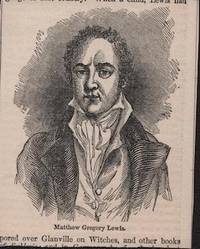
69-8058England: 19th century printer. 6.5 x 8 cm. Very Good. Newspaper Clipping with wood engraved portrait of Matthew Gregory Lewis 1775-1818. [England: 19th century printer] unknown
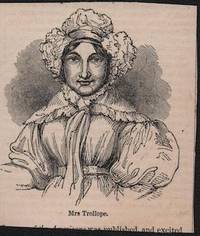
69-8038England: 19th century printer. 6.5 x 7 cm. Very Good. Newspaper Clipping with wood engraved portrait of Francis Trollope 1779-1863. [England: 19th century printer] unknown
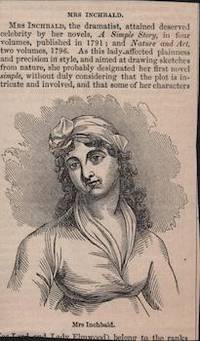
69-8094England: 19th century printer. 6.5 x 11 cm. Very Good. Newspaper Clipping with wood engraved portrait of Elizabeth Inchbald 1753-1821. [England: 19th century printer] unknown
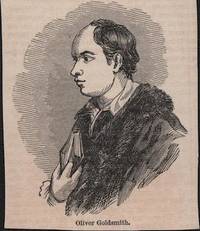
69-8075England: 19th century printer. 6 x 7.5 cm. Very Good. Newspaper Clipping with wood engraved portrait of Oliver Goldsmith 1728-1774. [England: 19th century printer] unknown
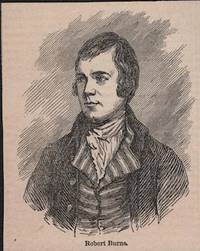
69-8050England: 19th century printer. 6.5 x 8 cm. Very Good. Newspaper Clipping with wood engraved portrait of Robert Burns 1759-1796. [England: 19th century printer] unknown
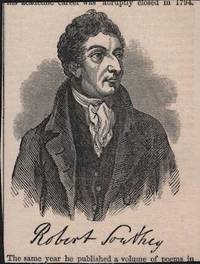
69-8061England: 19th century printer. 6.5 x 8.5 cm. Very Good. Newspaper Clipping with wood engraved portrait of Robert Southey 1774-1843. Signature Facsimile. [England: 19th century printer] unknown
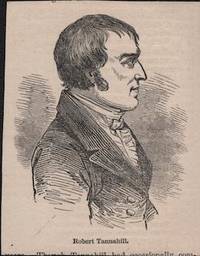
69-8049England: 19th century printer. 6.5 x 8 cm. Very Good. Newspaper Clipping with wood engraved portrait of Robert Tannahill 1774-1810. [England: 19th century printer] unknown
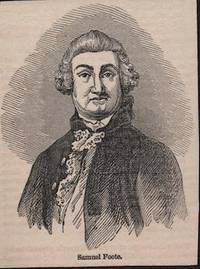
69-8078England: 19th century printer. 6.5 x 8.25 cm. Very Good. Newspaper Clipping with wood engraved portrait of Samuel Foote 1720-1777. [England: 19th century printer] unknown
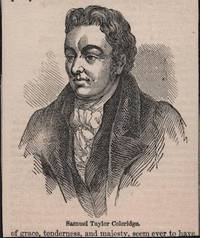
69-8067England: 19th century printer. 6.5 x 8 cm. Very Good. Newspaper Clipping with wood engraved portrait of Samuel Taylor Coleridge 1772-1834. [England: 19th century printer] unknown
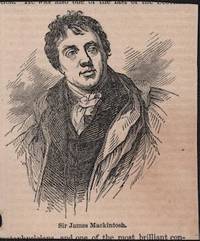
69-8046England: 19th century printer. 6.5 x 7.5 cm. Good. Round stain on reverse else very good. Newspaper Clipping with wood engraved portrait of Sir James Mackintosh 1765-1832. [England: 19th century printer] unknown
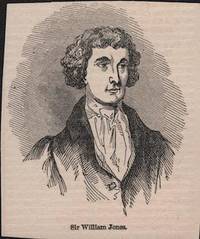
69-8081England: 19th century printer. 6.5 x 7.75 cm. Very Good. Newspaper Clipping with wood engraved portrait of Sir William Jones 1746-1794. [England: 19th century printer] unknown
63-2125London ca. 1820. Steel Engraving Hand-Colored. 5" x 6.5". Print mounted on mat with beveled edges Very Good. [London, ca. 1820]. unknown
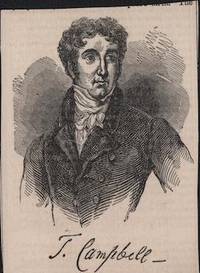
69-8059England: 19th century printer. 6.5 x 9 cm. Very Good. Newspaper Clipping with wood engraved portrait of Thomas Campbell 1777-1844. Signature Facsimile. [England: 19th century printer] unknown
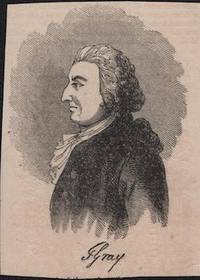
69-8064England: 19th century printer. 6.5 x 8.5 cm. Very Good. Newspaper Clipping with wood engraved portrait of Thomas Gray 1716-1771. Signature Facsimile. [England: 19th century printer] unknown
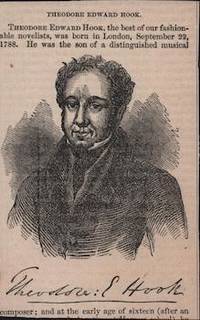
69-8093England: 19th century printer. 6.5 x 10 cm. Very Good. Newspaper Clipping with wood engraved portrait of Theodore Edward Hook 1788-1841. Signature Facsimile. [England: 19th century printer] unknown
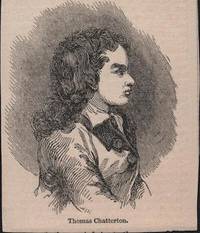
69-8083England: 19th century printer. 6.5 x 8 cm. Very Good. Newspaper Clipping with wood engraved portrait of Thomas Chatterton 1752-1770. [England: 19th century printer] unknown
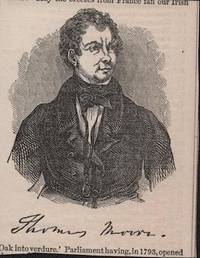
69-8060England: 19th century printer. 6.5 x 8.5 cm. Very Good. Newspaper Clipping with wood engraved portrait of Thomas Moore 1779-1852. Signature Facsimile. [England: 19th century printer] unknown
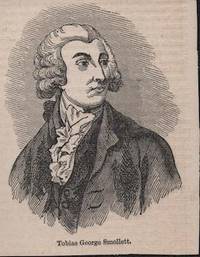
69-8076England: 19th century printer. 6.5 x 8 cm. Very Good. Newspaper Clipping with wood engraved portrait of Tobias George Smollett 1721-1771. [England: 19th century printer] unknown
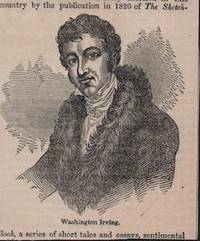
69-8085England: 19th century printer. 6.5 x 8 cm. Very Good. Newspaper Clipping with wood engraved portrait of Washington Irving 1783-1859. [England: 19th century printer] unknown
69-8097England: 19th century printer. 6.5 x 6 cm. Very Good. Newspaper Clipping with wood engraving. [England: 19th century printer] unknown
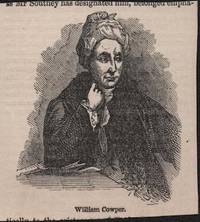
69-8068England: 19th century printer. 6.5 x 7 cm. Very Good. Newspaper Clipping with wood engraved portrait of William Cowper 1731-1800. [England: 19th century printer] unknown
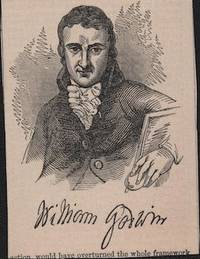
69-8090England: 19th century printer. 6.5 x 9 cm. Very Good. Newspaper Clipping with wood engraved portrait of William Godwin 1756-1836. Signature Facsimile. [England: 19th century printer] unknown
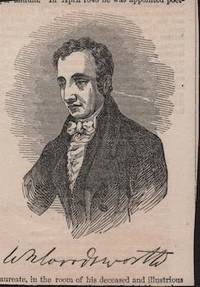
69-8062England: 19th century printer. 6.5 x 9.5 cm. Very Good. Newspaper Clipping with wood engraved portrait of William Wordsworth 1770-1850. Signature Facsimile. [England: 19th century printer] unknown
18824Royal Academy of Music High Street & Fitzjohns Avenue Hampstead etc London various pleaces and hotels when he travels 1926-1934. An unusual survival the letters of a composer Harold Jervis-Read to his lover illustrating the growth of a relationship and an ability to express his feelings against the backcloth sometimes foreground of his musical activities and his marriage. Total of letters circa 350 three hundred and fifty Autograph Letters 118 one hundred and eighteen apparently complete letters many start and end abruptly dated 432 four hundred and thirty two pages with some APCSs mainly 12mo 1-8pp. each 55 of these letters dated 1933 and 30 dated 1934 1926-1928 comprising one letter only. There are more than 140 undated letters and a similar quantity of apparently incomplete letters no. of pages c.150. Subjects and quotes: 1926 his one night a week flatmate found him unconscious; a lot to do; her birthday; 1928 "can't write about 'intimate things'"; 1927 asking how he should react to something she's written hot or cold etc.; 1929 lost coat; health; illness; suggestion that relationship is on the edge; social life; compliments her "fine"; dinner invitation; "My piece for Oulston went well"; quotes to illustrate attitude to her "If of herself she will not love thee ."; she has obviously complained that he doesn't show enthusiasm recurrent theme; "joy of creation" but not the "joy of human communication"; his human shortcomings; she cannot appreciate the "Marcia Buffa" because of lack of appreciation of satire in her; his company described; leaving flat for good; moving to 29 High Street NW3; his obsession with her perhaps only soluble legally marriage; nature of love and their relationship recurrent theme; movements; reference to Margery - his wife see below; he'd sacrifice all for his children; Margery has no money "I earn at an artistic profession enough for six of them"; £160 per annum private income; he describes "the littleness of her perceptions" on family finances; 6 Oct. 1929 he's been writing a lot - "a violin sonata"; suggests she book a ticket for the Royal Academy of Music where a Recital of some of his work is to be given finishing with his "6tet by professional players"; she shies away; says he'll never write a quartet; busy; "Everything here is called a 'Practice' Concert unless the Principal is personally responsible for it"; Margery wife happy for him to see Brynnie - she's had a lover for more than two years "a rich doctor"; 25 Nov. 1929 "The Concert was a good success" Malvern; literary reference recurrent - part of his not being comfortable writing about emotions. Note: Subjects from now on avoiding the personal or the ups and downs and insecurities of a relationship unless very revealing of character. Subjects continued: 1930 invitation to the Norwich Festival; too much work at the Academy; asked to give lectures where he was asked to play some of his music; lecture is being printed; asks about her progress at work Are you an Almoner yethe doesn't ask her about her work much; lecturing in Bristol then the Wigmore; 1931 "written lots of good stuff"; "I write incessantly - music lectures letters of all sorts"; "controversy with Percy Scholes on Musical Appreciation . I love fighting these doctrinaire writers"; "various new things"; Academy Lecture; "I do not follow Mac P or anyone in my method of grouping! Feste underlined; Trinity Dublin catalogue guesses published in 1933 is out ."; his pupils; Elkin & Co.; Murdoch's about to publish "other things" beside Feste; would she type a lecture of his "wanted for publication"; received a proof of a piano sonata; at studio with private pupils; getting on with his "Elegiac Symphony" discussed at length; ex-pupil Robin Tucker "starting music publishing company a most daring and novel proposition"; he advises outlines problems discusses the works he has provided them with; 1932 glad she likes the "sonatina. I love playing for you: I feel you get inside the music. You know men always like my music more than women: I wonder why this is" - theory follows about "feminine not effeminate content"; asks her of she really wants a piano - which he will provide; Troubadours book; accuses her of game-playing - adding "the sett is now finished"; "I am mezzoforte only today"; "two lines in Fioretta" misunderstood by most; pays two rents c.£200 pa; his wife wrote to Brynnie's mother; "3 new private pupils at £2.2.0 per hour!"; recalls the Wagner Brunhilda; recalls meeting her at a concert; a bit of musical notation two others in other parts of correspondence; going to the Academy for a concert; received proofs of the new song 31 March; examining at the RC; numerous literary allusions some quotes; their options secret marriage etc; she is his "musical" inspiration; his reading; going to a concert expecting a violinist in the evening and commenting on proofs "the cover of Winter Tree"; someone commenting on his writings; reminiscences; temptations; several references to George Moore as if strong influence; recurrently cruel words; meets the singer of his sonatas Marjorie Grant; thinks of them as Heloise and Abelard repeated theme involving learned discussion; angry report on poor candidate not just playing but her smell; another was the opposite; his itinerary; compares his situation to Peter Warlock's - near suicide 25 July; two new songs; enjoyment of Welsh tour; 1934 "Ethel Smythe's music is an example of what happens to a woman when she seeks inspiration of man rather that sic of God . It is insufferably dull monotonous ." 6 March; encounter with policeman while loitering at night near her flat; he gets more expressive as time goes on - inhibition goes somewhat; jealous thoughts; planning to see her father marriage though his wife is capable of "any subterfuge" including private detectives; he writes as if she's wants to break up driving him to pleading; misery; the odd meeting referred to; his misery has interfered when he's working well and he's worried about becoming "a 'hack' conventional musician - which I am not"; only his "writing" is more important than her; finds northerners "sallow and ill-featured"; shown two articles about himself in musical periodicals 3 July; he's "finished his final movement" 8 Aug.; he's hardly ever discussed or referred to her work; proofs of his book arrive but he's not able to deal with them because of her and other factors; he quotes himself on the nature of music "music never discloses her ultimate secret"; last dated letter 9 Sept. 1934. WITH: A large quantity of typed and two autograph notes and letters drafts duplicates indicating second thoughts some or many abruptly ended or unfinished from Brynhild Granger to Jervis-Read which mirror Jervis-Read adding her own thoughts accusations words of love attendance at musical events responses to his music and information about her life. She gives reasons for not marrying at one point. AND: 10 ALSs two incomplete and/or damaged undated from Margery Jervis-Read wife of Harold Jervis-Read to Brynnie attempting to undermine the relationship between Harold and Brynnie discussing the situation and Harold's character he has "good points" but. "numerous love affairs he had had and always will have" her own affair etc suggesting that she should marry but not Harold and including references to meetings. NOTE: Brunhild Granger was a member of the "Ferguson Gang" see Wikipedia - a group of women raised money for the National Trust before the War characterised by masks and mystery and recently published Anna Hutton-North's book "Ferguson's Gang: the Maidens behind the Masks". She was "Sister Agatha". [Royal Academy of Music, High Street & Fitzjohns Avenue, Hampstead, etc, London], various pleaces (and hotels) when he travels, hardcover
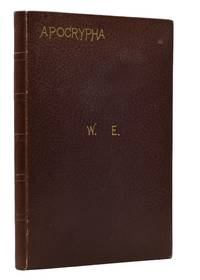
AQ29535Oxford: Printed at the University Press s.d. c. 1898 186pp. Printed in double columns. Bound by Hatchards in contemporary brown morocco lettered in gilt with initials 'W. E.' likely William Eden 1849-1915 father of Anthony Eden to upper board. Lightly rubbed. Marbled endpapers internally clean and crisp. Ink inscriptions to recto of front blank fly-leaf: 'With my best wishes M. H. Xmas 1898. "Friendship maketh day light in the understanding out of darkness & confusion of thoughts" - Bacon' and: 'Given to Doodles in remembrance of many things by Sybil Eden June. 1916'. From the recently dispersed library of Anthony and Clarissa Eden. Sir Anthony Eden 1897-1977 British foreign secretary 1935-38 1940-45 and 1951-55 and Prime Minister 1955-1957. Following active service in the First World War Eden read Oriental languages at Oxford. He was elected to the House of Commons in 1923. In 1935 he was appointed foreign secretary a position he resigned in 1938 to protest Prime Minister Neville Chamberlain’s appeasement of Nazi Germany. When Churchill became Prime Minister in 1940 he was named secretary of state for war and later during the Second World War once more served as foreign secretary. Eden succeeded Churchill as Prime Minister in 1955. In 1956 his failure to respond effectively during the Suez Crisis and the subsequent loss of party and public support would ultimately lead to his resignation from office in 1957. He was knighted in 1954 and created earl of Avon in 1961. . 8vo. Printed at the University Press, [s.d., c. 1898] unknown