Carl Gustav JungBiblio.com
7 970 résultats
1405496like new. unknown
1405496-nnew. unknown
1996x-0415138434Routledge 1996. Paperback. New. 208 pages. 9.21x6.18x0.39 inches. Routledge paperback
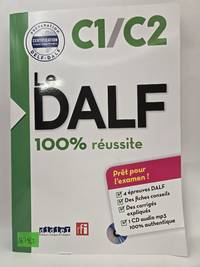
2017127463Paris France: Editions Didier 2017. softcover. very good. Rullier Isabelle. French. Very good condition. Light wear. Binding tight pages clean. Comes with CD. Pictures available upon request. . nd. Editions Didier unknown
1019086726.Ghardcover. Good. Access codes and supplements are not guaranteed with used items. May be an ex-library book. hardcover
5185revues trimestrielles In8 brochées de 60 à 90 pages environ - du numéro 4 hiver 1975 au numéro 47 quatrième trimestre 1985 - très bon état
1969RO40235324Dunod. 1969. In-8. Broché. Bon état, Couv. convenable, Dos satisfaisant, Intérieur frais. 102 pages. Illustré de nombreux schémas et graphiques en noir et blanc dans le texte. Quelques annotations au crayon dans le texte.. . . . Classification Dewey : 621.3-Electronique
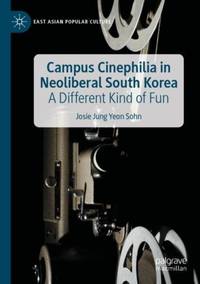
ria9783030951450_inpPaperback. New. New Book; Fast Shipping from UK; Not signed; Not First Edition; Taking a transnational approach to the study of film culture this book draws on ethnographic fieldwork in a South Korean university film club to explore a cosmopolitan cinephile subculture that thrived in an ironic unevenness between t paperback
ria9783030951429_inpHardcover. New. New Book; Fast Shipping from UK; Not signed; Not First Edition; Taking a transnational approach to the study of film culture this book draws on ethnographic fieldwork in a South Korean university film club to explore a cosmopolitan cinephile subculture that thrived in an ironic unevenness between t hardcover
3030951456.Gpaperback. Good. Access codes and supplements are not guaranteed with used items. May be an ex-library book. paperback
45993770-nnew. unknown
45993770like new. unknown
2023x-3030951456Palgrave Macmillan 2023. Paperback. New. 209 pages. 8.27x5.83x0.49 inches. Palgrave Macmillan paperback
3030951421.Ghardcover. Good. Access codes and supplements are not guaranteed with used items. May be an ex-library book. hardcover
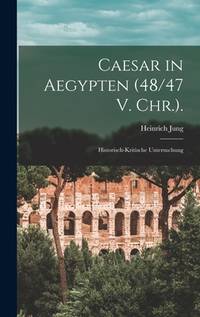
2014__363948522XAV Akademikerverlag 2014. Paperback. New. 148 pages. German language. 8.66x5.91x0.34 inches. AV Akademikerverlag paperback
20141-363948522XAV Akademikerverlag 2014. Paperback. New. 148 pages. German language. 8.66x5.91x0.34 inches. AV Akademikerverlag paperback
363948522X.Gpaperback. Good. Access codes and supplements are not guaranteed with used items. May be an ex-library book. paperback
115021Gios Inc. paperback. Like New. 6x0x8. Looks unread with just a touch of shelf wear. D63 Please email for photos. Gios Inc paperback
19514987Paris, Payot (Bibliothèque Scientifique), 1951 ; in-8, broché ; 352 pp.
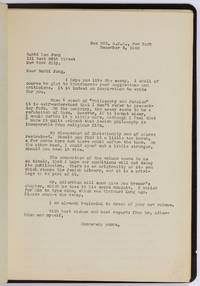
1942611483New York 1942. Softcover. Very Good. Carbon typescript with manuscript edits. Small quarto.2 2-34pp. printed and paginated rectos only. Clothbacked plastic Accopress biding with metal fastener. Binding modestly worn and metal fastener a bit oxidized very good or better. The document opens with an unsigned letter from Adlerblum to New York City Rabbi Leo Jung. In the letter dated December 9 1942 Adlerblum expresses her gratitude for being able to write for Jung and that she is very much open to her suggestions. One interesting passage concerning her discussion of Christianity which she describes as "restrained": "Should you find it a little too harsh a few words here and there could soften the tone. On the other hand I could speak out a little stronger should you deem it wise."<br /> <br /> The book Adlerblum is referring to is the anthology In Israel of Tomorrow edited by Rabbi Jung and published in 1946 by Herald Square Press. The essay was published as "Gersonides in Jewish Thinking of Tomorrow." Adlerblum was a suitable candidate to write on the great Mediaeval philosopher Talmudist and scientist Gersonides born Levi ben Gershon and also known as Magister Leo Hebraeus: she wrote her PhD dissertation on him and it was published by Columbia University Press in 1926. According to the Jewish Women's archive among much other writing Adlerblum contributed to several volumes of Rabbi Jung's Jewish Heritage Series. After her death Rabbi Jung called Adlerblum's life “a unique manifestation of the human spirit.â€. unknown
198461360Paris : LÕHerne 1984. 270x210mm. photos n/b broch. Bel exemplaire. 1140 LÕHerne unknown
br. Ogni vita umana chiede di essere salvata. Ogni vita umana si fa strada nel mondo impersonale delle convenzioni, si scava nella pietra refrattaria dei conformismi, si mette in cerca della voce segreta che la chiama a spogliarsi di ciò che è noto ma non le appartiene, per assumere fino in fondo ciò che le appartiene ma non conosce ancora. È sull'onda di questa idea di salvezza che Romano Màdera rivisita il pensiero di Carl Gustav Jung, mettendo al centro della sua rilettura il documento più enigmatico dell'intera opera junghiana, quel Libro rosso che lo psicoanalista svizzero aveva composto in una stagione segnata dal travaglio interiore e dalla necessità drammatica della trasformazione della propria vita come del proprio pensiero. Màdera rilegge con pazienza e audacia queste pagine sconcertanti e personalissime regalandoci una rivisitazione filosofica e quasi sapienziale del lascito junghiano. E ci dona un libro capace di misurarsi in maniera radicale con gli enigmi tutti umani del sacro come potenza di trasformazione, della morte interiore come fuga dai pericoli della metamorfosi, della rinascita come incalcolabile avventura del divenire se stessi.
AA. VV. Carl Gustav Jung 1875 - 1961. A memorial meeting. New York, December 1, 1961. [New York], The Analytical Psychology Club of New York 1961 english, 50 Opera con copertina morbida in brossura. LF71
Jung dal maggio del 1934 fino al febbraio del 1939 dedica a "Così parlò Zarathustra" una serie di conferenze, che sono trascritte in quattro volumi. In esse interpreta vari capitoli dell'opera di Nietzsche alla luce delle sue categorie psicologiche, che illustra in saggi precedenti, come "Psicologia dell'inconscio" e "L'Io e l'inconscio". Per delucidare i principali nuclei tematici del filosofo, si serve anche di idee che acquisisce dallo gnosticismo, dall'alchimia rinascimentale e dalle religioni orientali. Il saggio di Berlato si accosta al commento junghiano con l'obiettivo di esplorare e risolvere progressivamente i nodi tematici più complessi. Il saggio si offre come una duplice introduzione: una conduce al cuore di molte teorie junghiane, l'altra consente al lettore di scoprire il fascino di alcune delle più suggestive pagine di Nietzsche che proprio in "Così parlò Zarathustra" hanno trovato la loro più congeniale collocazione. Autori: Roberto Berlato.
1984652251984 P., L'Herne, 1984, in 4° broché, 516 pages ; illustrations hors-texte ; couverture illustrée, légèrement fanée.