3 044 résultats
1998250912001Dark Horse 1998-12-02. paperback. Good. 6x0x10. Ships M-F. Good book with bumped corners and edges along with general shelf-wear. This is a good reading copy. We protect your purchase with damage-resistant double-layer bubble-wrap packaging where possible. Your purchase helps fund small charities in Ohio Kentucky Indiana. Our delivery standard: order received by 2PM Eastern US time goes out by 4:30 PM M-F. Dark Horse paperback
1998DADAX1569713553Dark Horse Comics 1998-12-02. GPH REP. paperback. New. 6.75x0.25x10.50. Buy with confidence. Excellent Customer Service & Return policy. Dark Horse Comics paperback
1999Q-156971410XDark Horse 1999-11-29. Paperback. New. In shrink wrap. Looks like an interesting title! Dark Horse paperback
1967Q-0026029006Macmillan Pub Co 1967. Hardcover. New. In shrink wrap. Looks like an interesting title! Macmillan Pub Co hardcover
198235312Philadelphia PA: University of Pennsylvania Press 1982. First. Hardcover. Near fine/Very good. First edition near fine cloth hardcover shows some light storage bending to covers in very good dust jacket that shows toning to letter at spine bit of wrinkling and rubbing and edgewear that includes shallow chipping and small tears. 341 pages with index and nice offering of illustrations including a set in color. Still a pleasing copy of this work that ".fills a long-standing need for clear information on a fascinating area of American military art bringing before us an extraordinary array of military and naval flags of the Revolution. University of Pennsylvania Press hardcover
198255952Philadelphia: University of Pennsylvania Press 1982. Hardcover. Very good. Hardcover. xvii 333pp index. Foxing to edges of textblock else a very good hardback in a lightly edgeworn jacket that has a few small closed tears. <br/><br/> University of Pennsylvania Press hardcover
1982074422Univ of Pennsylvania Pr 1982. 1st Edition . Hardcover. Very Good/Very Good. Very good clean tight condition. Jacket in mylar cover. Text free of marks. Professional book dealer since 1999. All orders are processed promptly and carefully packaged with tracking. <br/> <br/> Univ of Pennsylvania Pr hardcover
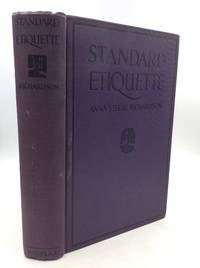
1925174216New York: Harper & Brothers 1925. 1st Edition 1st Printing. Hardcover. Very good. 557p. A purple cloth hardcover book in very good condition. Spine slightly faded and hinges a bit shaken from use. Text clean and pages securely attached. An illustrated vintage guide to manners and social etiquette. Harper & Brothers hardcover
1994Q-0312104936St Martins Pr 1994-02-01. Hardcover. New. In shrink wrap. Looks like an interesting title! St Martins Pr hardcover
1989Q-0823049116Back Stage Books 1989-03-01. Paperback. New. New. In shrink wrap. Looks like an interesting title! Back Stage Books paperback
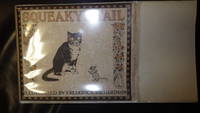
191827826<p>Philadelphia: The John C. Winston Co 1918 Children's Cheery BooksPRINTED ON HEAVY IVORY Finished Stock in 4 Colors of INK with Original Price of 35 Cents on Back DJ Lists 12 Titles in Series ends with Wolf & Kids HBDJ 1918 1st edition Oblong 16mo. NF/NF AS-IS The binding measures about 5 inches tall by 5 7/8 inches wide. Hardback with the original color dust jacket. The jacket shows some rubbing and wear and has some brief edge tears. Jacket is browned and the front panel of the jacket has some pale splatter marks. This does not seem to affect the book itself. The binding of the book has a pictorial pastedown color illustration on the front cover that matches the dust jacket. A very nice copy of a scarce book seldom seen in its original jacket. 31 PGS Oblong Pictorial Hardcover Picture on front Duplicates DJ Illustration in a white pictorial dust jacket with cover designs in Orange & Grey B/W Jacket shows moderate rubbing and wear with some brief edge tears or abrasions.DJ Protected by Clear Mylar. 1st Edition. Hard Cover. Very Good/Very Good. Illus. by Frederick Richardson .</p> Philadelphia: The John C. Winston Co, hardcover
199190393Charlotte NC : 306th Bomb Group Historical Association 1991. Presumed First Edition First printing thus. Comb binding. Very good. 6 142 pages. Decorative cover. Index. Diary of 1942 1943 1944 and 1945. Tabular Data. Appendix covers Pilots Navigators Bombardiers Radar Observers Ground Officers Master Sergeants and Aircraft. There is a Key to Abbreviations. Residue inside the front cover. Russell A Strong served as a navigator with the 306th Bomb Group. He flew in Milton Adam's crew. He also was in Intelligence and Public information for six weeks at Thurleigh 13 Sept 1944 to 1 Nov 1944. He completed his missions on 26 November 1944. R.A. Strong became the founder and long-time secretary of the 306th Bomb Group Association and attended the official opening of the American Air Museum at Duxford. This is the first volume issued by the 306th Bomb Group Association to provide its membership with more detailed information about the activities of the four combat squadrons of the 306th Bomb Group. The four diaries were prepared between 1942 and 1945 by the several intelligence officers assigned to the squadrons. In this volume at lease three men actually did the writing at various times. These diaries deal in large measure with the combat phase of squadron life but include other aspects of events at Thurleigh Bedfordshire England the home of the 306th Bombardment Group from early September 1942 until late 1945 long after the end of hostilities. Appended are lists compiled in more recent years. These lists previously appeared in 306th Echoes and have been edited and enhanced. Much of the material contained herein furnished essential data for the Editor's First Over Germany. The squadron was first established in March 1942 at Gowen Field Idaho as the 368th Bombardment Squadron one of the original four squadrons of the 306th Bombardment Group. In April its personnel moved to Wendover Field Utah where it began training with Boeing B-17 Flying Fortress heavy bombers. On 1 August 1942 the squadron's ground echelon began its deployment spending a week at Richmond Army Air Base Virginia before moving to Fort Dix New Jersey at the Port of Embarkation. It sailed on the RMS Queen Elizabeth on 30 August arriving in Scotland on 5 September 1942. The air echelon departed for Westover Field Massachusetts and began ferrying their B-17s to England via the North Atlantic ferrying route. The squadron settled into its combat station RAF Thurleigh England in early September. Although several bomber units arrived in England before the 368th when these units left England to participate in Operation Torch it became along with its companion squadrons of the 306th Group the oldest bombardment squadrons of VIII Bomber Command. It few its first combat mission on 9 October 1942 against a steel factory near Lille France but with poor results. This was the first mission on which VIII Bomber Command assembled a strike force of over 100 bombers. The squadron operated primarily against strategic targets including the locomotive factory at Lille marshaling yards at Rouen France and Stuttgart Germany. The squadron took part in the first strike into Germany by bombers of Eighth Air Force on 27 January 1943 when it struck U-boat yards at Wilhelmshaven. It struck shipbuilding yards at Vegesack ball bearing plants at Schweinfurt the aircraft factory at Leipzig Germany and similar facilities. On 11 January 1944 the squadron participated in an attack on an aircraft plant in central Germany near Brunswick. Extensive cloud cover had resulted in the recall of two of the three bombardment divisions involved in the mission and made the rendezvous of the fighter groups scheduled to provide cover in the target area difficult. In contrast clear weather to the east of the target permitted the Germans to assemble one of the largest fighter formations since October 1943 with 207 enemy fighters making contact with the strike force. For this mission the squadron was awarded the Distinguished Unit Citation DUC. The following month the squadron earned a second DUC for its performance during Big Week an intensive bombing campaign against the German aircraft industry. Despite adverse weather on 22 February that led supporting elements to abandon the mission the squadron and group effectively bombed the aircraft assembly plant at Bernburg Germany. The squadron also performed in a tactical role assisting ground forces Operation Cobra the St Lo breakthrough Operation Market Garden the attempt to establish a bridgehead across the Rhine near Arnhem in the Netherlands stopping German attacking forces in the Battle of the Bulge and bombing enemy positions during Operation Varsity the airborne assault across the Rhine in the spring of 1945. After V-E Day the squadron became part of the occupation forces and participated in Project Casey Jones the photographic mapping of portions of Europe and North Africa. The 306th Group began to phase out of the project in July. In February 1946 the squadron moved to Istres-Le Tubé Air Base France where it absorbed elements of the inactivating 92d and 384th Bombardment Groups returning to Germany in July. The squadron was inactivated in December 1946. 306th Bomb Group Historical Association unknown
199390391306th Bomb Group Historical Association 1993. Presumed First Edition First printing thus. Comb binding. Very good. 6 160 pages. Decorative cover. Index. Diary of 1942 1943 1944 and 1945. Tabular Data. Appendix covers Pilots Navigators Bombardiers Radar Observers Ground Officers Master Sergeants and Aircraft. There is a Key to Abbreviations. Residue inside the front cover. Russell A Strong served as a navigator with the 306th Bomb Group. He flew in Milton Adam's crew. He also was in Intelligence and Public information for six weeks at Thurleigh 13 Sept 1944 to 1 Nov 1944. He completed his missions on 26 November 1944. R.A. Strong became the founder and long-time secretary of the 306th Bomb Group Association and attended the official opening of the American Air Museum at Duxford. This is the second volume in a series of four being issued by the 306th Bomb Group Association to provide its membership with more detailed information about the activities of the four combat squadrons of the 306th Bomb Group. The four diaries were prepared between 1942 and 1945 by the several intelligence officers assigned to the squadrons. In this volume five men actually did the writing at various times. These diaries deal in large measure with the combat phase of squadron life but include other aspects of events at Thurleigh Bedfordshire England the home of the 306th Bombardment Group from early September 1942 and continuing until after the end of hostilities as the 306th and 305th Groups were charged with the aerial mapping of Europe and North Africa. Appended are lists that have been compiled in more recent years. These lists previously appeared in 306th Echoes and have been edited and enhanced. The squadron was first activated as the 367th Bombardment Squadron in the spring of 1942 one of the original four squadrons assigned to the 306th Bombardment Group. After training with Boeing B-17 Flying Fortresses the squadron moved overseas and participated in the strategic bombing campaign against Germany earning two Distinguished Unit Citations for its efforts. After the war the 367th remained in Europe with the occupation forces until inactivating in 1946. In April 1942 its personnel moved to Wendover Field Utah where it began training with Boeing B-17 Flying Fortress heavy bombers. On 1 August 1942 the squadron's ground echelon began its deployment spending a week at Richmond Army Air Base Virginia before moving to Fort Dix New Jersey at the Port of Embarkation. It sailed on the RMS Queen Elizabeth on 30 August arriving in Scotland on 5 September 1942. The air echelon departed for Westover Field Massachusetts and began ferrying their B-17s to England via the North Atlantic ferrying route. The squadron settled into its combat station RAF Thurleigh England in early September. Although several bomber units arrived in England before the 367th when these units left England to participate in Operation Torch it became along with its companion squadrons of the 306th Group the oldest bombardment squadrons of VIII Bomber Command. It few its first combat mission on 9 October 1942 against a steel factory near Lille France. This was the first mission on which VIII Bomber Command assembled a strike force of over 100 bombers. The squadron operated primarily against strategic targets including the locomotive factory at Lille marshalling yards at Rouen France and Stuttgart Germany. The squadron took part in the first strike into Germany by bombers of Eighth Air Force on 27 January 1943 when it struck U-boat yards at Wilhelmshaven. It struck shipbuilding yards at Vegesack ball bearing plants at Schweinfurt the aircraft factory at Leipzig Germany and similar facilities. On 11 January 1944 the squadron participated in an attack on an aircraft plant in central Germany near Brunswick. Extensive cloud cover had resulted in the recall of two of the three bombardment divisions involved in the mission and made the rendezvous of the fighter groups scheduled to provide cover in the target area difficult. In contrast clear weather to the east of the target permitted the Germans to assemble one of the largest fighter formations since October 1943 with 207 enemy fighters making contact with the strike force. For this mission the squadron was awarded the Distinguished Unit Citation DUC. The following month the squadron earned a second DUC for its performance during Big Week an intensive bombing campaign against the German aircraft industry. Despite adverse weather on 22 February that led supporting elements to abandon the mission the squadron and group effectively bombed the aircraft assembly plant at Bernburg Germany. The squadron also performed in a tactical role assisting ground forces Operation Cobra the St Lo breakthrough Operation Market Garden the attempt to establish a bridgehead across the Rhine near Arnhem in the Netherlands stopping German attacking forces in the Battle of the Bulge and bombing enemy positions during Operation Varsity the airborne assault across the Rhine in the spring of 1945. After V-E Day the squadron became part of the occupation forces and participated in Project Casey Jones the photographic mapping of portions of Europe and North Africa. The 306th Group began to phase out of the project in July. In February 1946 the squadron moved to Istres-Le Tubé Air Base France where it absorbed elements of the inactivating 92d and 384th Bombardment Groups returning to Germany in July. The squadron was inactivated in December 1946. 306th Bomb Group Historical Association unknown
1996Q-084993933XW Pub Group 1996-05-01. Paperback. New. In shrink wrap. Looks like an interesting title! W Pub Group paperback
1980Q-0875163831Devorss & Co 1980-06-01. Paperback. New. New. In shrink wrap. Looks like an interesting title! Devorss & Co paperback
1995Q-0471516929Wiley 1995-12-18. Paperback. New. New. In shrink wrap. Looks like an interesting title! Wiley paperback
1996HVD-33451-OS-0USA: Wiley. Very Good. 1996. First Edition; Second Printing. Paperback. 184 pages; Very Good overall condition. No noteworthy defects. No writing. No CDs included but CD flaps are present inside the back cover. These may be meant to be filled by the student with recorded CDs. ; - We're committed to your satisfaction. We offer free returns and respond promptly to all inquiries. Your item will be carefully wrapped in bubble wrap and securely boxed. All orders ship on the same or next business day. Buy with confidence. . Wiley paperback
1963721930PN. New. 1963. Soft Cover. Date is original print. This is a reprint edition. . PN paperback
1927293620Yardley Pa: F.S. Cook & Son 1927. Hardcover. Very Good. First edition stated "Provisional Edition Unedited". Quarter cloth and printed paper over boards. Owner's signature old library embossed stamp and withdrawn stamp spine a little rubbed a very good copy. Signed: "Compliments of E.C. Richardson. F.S. Cook & Son hardcover
1999Q-0679448330Random House 1999-10-19. Hardcover. New. In shrink wrap. Looks like an interesting title! Random House hardcover
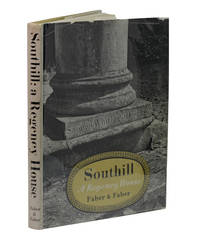
1951114775London: Faber and Faber 1951. First Edition. Hardcover. Very Good/Very Good. Publisher's hardback in very good condition: firm square and tight with strong joints just a trifle rubbed. Complete with original dustjacket: showing well just mildly rubbed and edge-worn but now protected in a clear removable sleeve. Contents sound and clean; no pen-marks. Not from a library so no such stamps or labels. Size: 250mm x 195mm. Well illustrated with numerous full page plates. Thus a tidy book in very presentable condition. Faber and Faber hardcover
1953GB0000CIJHHI3N00Edward Arnold 1953. Hardcover. Good. Pages can have notes/highlighting. Spine may show signs of wear. ~ ThriftBooks: Read More Spend Less.Dust jacket quality is not guaranteed. Edward Arnold hardcover