13 728 résultats
19310008202NEW YORK. Fair. 1931. On offer is an interesting diary of a graduate student in the years of the Great Depression. The diary measures 8 inches by 6.25 inches. There are 365 pages and it is 100% complete. Although fully intact the cover shows obvious signs of wear and damage. The pages are intact and the handwriting is legible. This 1931 diary was authored by William C. Beller a Ph.D from Columbia University in Electrical Engineering. He studied under the well-known Dr. Michael Pupin. At some point Beller married Esther Hoffman. They lived in New York City and in 1965 gifted their historic family home the Valentine-Varian house to Bronx Historical Society. It is the second oldest house in the Bronx. William C. Beller was an accomplished microscopist and pioneering researcher in the electronics industry. Beller held key patents in electronics research development. He was a very well-educated man and his interests ranged well outside his academic field. He was proficient in Sanskrit Greek Latin French and German language and literature and wrote a poetic drama called "Theomachia" "War of the Gods". He was active from a young age in the Theosophical Society and published some articles that were of primarily philosophical nature. From context it appears that this diary was written when he was a graduate student at Columbia likely working on his doctorate. Although he never mentions classes he attends regularly and carries out mostly work in a laboratory. "Did some reading and cleaning in the morning. Also experimented with synchronous converters with a view to overcoming radio interference due to it. . Made inquiries about filter for converter and purchased one. In the evening I went with Mother to Proctor's Cinema Theatre and saw "Blue Angel" and "Royal Bed" ." Mar 5; "I spent most of the morning reading. In the afternoon went to Fulton and Courtlandt St. And bought a condenser and transformer for television experiments. ." Mar 20; "I went to university in the morning and started making cathode for another x-ray tube. Went to university in the afternoon and helped Hull pump tube which finally I sealed off. ." June 19. In addition to his work in electrical engineering Beller enjoys literature and the performing arts often taking in plays with either his mother or father. At that time after years of experimentation in a number of countries television had been invented. Philo Farnsworth is considered to have developed the first electronic television in 1927. Only 4 years later Beller was carrying out experiments to create a television as well: "I spent most of the morning setting up television apparatus " Dec 30; "I demonstrated television ." Dec 31. This is an excellent record of the work done by a distinguished American engineer at the beginning of both an eminent career and a new age of communications. A student of the history of the early development of electrical engineering would appreciate the many details involved as he goes about his daily work in carrying out his experiments and his studies. As he lives at home with his parents a social historian would appreciate this look inside the home of a middle-class American family as they lived through the Great Depression.; Manuscript; 8vo - over 7¾" - 9¾" tall; KEYWORDS: HISTORY OF; 20TH CENTURY; 1930s; GREAT DEPRESSION; UNITED STATES; WILLIAM C BELLER; COLUMBIA UNIVERSITY; DR. MICHAEL PUPIN; VALENTINE-VARIAN HOUSE; BRONX HISTORICAL SOCIETY; THEOSOPHICAL SOCIETY; PHILO FARNSWORTH; AMERICAN STUDENTS IN 1930s; ELECTRICAL ENGINEERING IN 1930s; LIFESTYLE OF AMERICAN MIDDLE CLASS IN 1930s; DOCTORATE STUDIES IN ELECTRICAL ENGINEERING; COLUMBIA UNIVERSITY STUDENTS; POSTGRADUATE STUDIES IN 1930s; AMERICANA HANDWRITTEN MANUSCRIPT DOCUMENT LETTER AUTOGRAPH WRITER HAND WRITTEN DOCUMENTS SIGNED LETTERS MANUSCRIPTS DIARY DIARIES JOURNALS PERSONAL HISTORY SOCIAL HISTORY HISTORICAL HOLOGRAPH WRITERS AUTOGRAPHS PERSONAL MEMOIR MEMORIAL ANTIQUITÉ CONTRAT VÉLIN DOCUMENT MANUSCRIT PAPIER ANTIKE BRIEF PERGAMENT DOKUMENT MANUSKRIPT PAPIER OGGETTO D'ANTIQUARIATO ATTO VELINA DOCUMENTO MANOSCRITTO CARTA ANTIGÜEDAD HECHO VITELA DOCUMENTO MANUSCRITO PAPEL . unknown
19160001273PETROGRAD RUSSIA. Good. 1916. Hardcover. On offer is the unique original historical manuscript diary of Wilson Fiske Reynolds an American businessman in Petrograd who was an eyewitness to the Russian Revolution in 1917. While not an effusive using a 5 year diary from September 10th 1916 through September 17th 1917 the writer relates the mundane and much much more: very concerned about work at the office going to the Hotel Europe with the Embassy crowd taking Russian lessons picking up his mail at the Embassy and going to bed early and then there are the glimpses of the vast societal changes taking place. Here are some snippets: March 9 - Went to the office on foot. Transportation very scarce and running irregular. A bit of rioting. March 11 - No trans. Rumors of shooting. Caught in the Bol. ___ by troops but got through. March 12 - Wood the wild wooly Western bad man gets the scare of his young life. ___ mostly cut off. Hard time to get through. Staid here all night at office. Troops over to Rev. March 13 - All troops have joined the Revolutionary forces. Much promiscuous firing about. Got shot at by armored car. Slept at office. March 14 - Much quieter. I saw prisoners coming in - troops beginning to go under officers again. Gen. killed at corner. Staid at office all night. By the summer he is watching people play tennis. He was sick a lot possibly from typhoid and doctor advises he go back to U.S. Then describes train trip in August to Manchuria and China ultimately winding up in Chicago. Very shortly thereafter he is sailing for Liverpool and by October is back in Petrograd. At one point visited Allied Machinery. Diary comes with two very brittle browned loose folded pages with penciled notations. One has "Revolutionary Russia" as heading at top. These notes describe business conditions particularly with regard to workers. Overall G.; Manuscript; 24mo - over 5" - 5¾" tall; FEBRUARY REVOLUTION COMMUNIST COMMUNISM NICHOLAS II RUSSIA RUSSIAN REVOLUTION LENIN TROTSKY PETROGRAD BOLSHEVISM BOLSHEVIKS TSAR HANDWRITTEN MANUSCRIPT DOCUMENT LETTER AUTOGRAPH KEEPSAKE WRITER HAND WRITTEN DOCUMENTS SIGNED LETTERS MANUSCRIPTS HISTORICAL HOLOGRAPH WRITERS AUTOGRAPHS PERSONAL MEMOIR MEMORIAL PERSONAL HISTORY ARCHIVE DIARY DIARIES antiquité contrat vélin document manuscrit papier Antike Brief Pergament Dokument Manuskript Papier oggetto d'antiquariato atto velina documento manoscritto carta antigüedad hecho vitela documento manuscrito . hardcover
19030009050ABOARD HMS JUPITER CAESAR DUNCAN ATLANTIC FLEET. Good. 1903. On offer are two extraordinary pieces of Naval history and life in the British Royal Navy in the early 20th Century. Two intricately detailed and graphic log books books from a midshipman who served on the HMS Jupiter Caesar and Duncan. Across the two large hardcover books the midshipman Brian Cameron Gourley records information both technical technical nautical observations as well as various remarks each day. These two books represent a comprehensive and thoroughly fascinating look at the life of a British midshipman at the turn of the century as well as including drawings diagrams and maps drawn in an expert hand that give the reader a more complete understanding of the technical aspects of working on a battleship at the turn of the 20th century. LOG BOOK #1 records events and information across three ships: the H.M.S. Jupiter from September 15 1903 to December 8 1904 around 160 pages of entries the H.M.S. Caesar February 6 1905 to March 6 1905 around 10 pages and the H.M.S. Duncan from March 7 1905 to May 14 1905 around 18 pages. On the Jupiter the ships calls in at a number of ports starting in Scarborough in North Yorkshire St. Andrews Portland sailing to Gibraltar Catalan Bay Lisbon Palma Majorca and back to Scotland with many more ports in between. At Sea the crew does Battle Practices lands field guns and troops for drills exercised Man and Arms boats and does boat firing exercises and drills. There are also Inspections once from Rear Admiral Lambton refittings Training classes a Court Martial on board Joining up with Mediterranean fleet saving a Man who falls overboard plus lots about daily navy duties & maintenance aboard the ship. Each day contains the work done and a what time for the day. For example: On Wednesday November 25th 1903: 5:45 Hands cleaning ship. 8:15 Landed companies & marines. 9:00 Prayers. 1:00 Landing Party returned. 4:00 Evening Quarters. The next day: 8:30 Lieut. Saurin discharged to Aurora for passage to England. 8:45 Landed Marine markers. 9:10. Divisions & Prayers. 4:00 Evening Quarters.; Saturday December 5th: 8:51 Stopped. 8:54 Came to with Port Bower. 12:29. Weighed - Proceeded at Full Speed. 1:26. Stopped Made fast to No. 1 Buoy. 4:00 Watch getting up Ammunition. The book also has many many illustrations and lists done exceptionally well by Gourley himself. These really are extraordinary to behold both in their detail and the expertise with which they are drawn. In lists there is a List of Allowance for one man for one day; List of Ships of Combined Mediterranean and Channel Battle Fleets and Cruiser Squadron present at Palma Majorca May 22 1904; List of Combined Squadrons of Battleships and Cruisers present at Mount's Bay July 30 1904; There are also numerous maps such a map showing track chart of Channel Fleet 1903 a map of Gibraltar Bay a number of fold-out maps of England France Spain Portugal to Gibraltar tracking round trip. The drawings include two drawings of the showing damage in the Accident to H.M.S. Prince George a universal joint for steering connections the Arrangements for Towing and being towed a drawing of 24 inch Projector the section through screw propelle a drawing of Six Cell Test Battery and many many more. In the H.M.S. Caesar February 6 1905 to March 6 1905 the ship travels to Portsmouth Plymouth Vigo Spain Lagos Portugal Gibraltar Spithead and back to Portsmouth. The format is the same as when on the Jupiter. Nautical information Wind direction and speed weather the barometric pressure temperature and where the ship is located is recorded and then short remarks of work done and observations. There are also a few illustrations notably a map & Description of Battle Exercise Feb 15 1905. The object of this P.Z. was to discover the advantage a fast small fleet has over a larger but slower squadron. To effect this the Atlantic Fleet was given 6 miles start and at 10 a.m. we were steaming 15 knots towards Burlings on a SE Co. being in the line abreast. Then Gourley is on the H.M.S. Duncan From March 7 1905 to May 14 1905 where he calls in at the ports of Portsmouth Lamlash Berehaven Portland Dover and Yarmouth. The same format as the last two parts. Gourley writes of target practice Torpedo Drills a funeral party a preliminary gun layer's competition firing 6 rounds of lyddite high explosive from 6 inch guns at "Bills Rocks" mining torpedo training classes plus lots about daily navy duties & maintenance aboard the H.M.S. Duncan. Illustrations by Gourley include a drawing of Towing arrangements for HMS Duncan along with a full page and detailed description. The book is a large hardcover with marbled boards marbled end pages with Gold Gilt Title lettering in very good condition with around 188 pages with around 15 hand-coloured & black and white charts and technical diagrams illustrations and 7 maps as well as the detailed day-to-day diary entries of events on board. The Size is 12 3/4 inches by 8 3/4 inches. LOG BOOK #2 is from the period of May 15th 1905 to November 15 1906 and covers Gourleys time on the ships H.M.S. Duncan & H.M.S. Caesar. It is in a slightly different format than the preceding book. Instead of the nautical information Wind weather temperature Port of call etc. and the remarks being next to each other this book contains two pages in the beginning of a month for these observations as well as a single line for Remarks. The pages that follow are where Gourley writes his day to day observations and work. They tend to be longer and more detailed than the remarks in the previous book. For example: Wednesday July 3rd. Exercised General Drill. Clear ship for Aelion. Out nets & replaced gear. Then at Sheet anchor being second ship in this evolution. We did comparatively well in the drill today. Comdr. Woolcombe left ship on promotion. All boats away sailing in the afternoon there being quite a fair breeze. Boom defences were placed across all the entrances all night several picket-boats being outside to warn off merchant steamers.; Sunday July 9. 8:10 Hannibal left for Portsmouth to pay off. Landed usual Church Parties. 10:30 Held Divine Service after Quarters rose Anchor gear & Prepared for Sea. 7:10 Lieut. Hamilton Gordon joined ship.; Tuesday July 13. 7:00 Anchored. 7:30 Weighed & proceeded out of harbor for annual gun layer's competitions. When we got to targets we hoisted out both picket-boats & the sailing pinnacle and lowered line cutters all for repairing purposes. The sail of the target was changed each run which caused less delay than patching when the sail is hoisted. At 10:00 the Inspector of ___ Rear Admiral Scott Came on board. 10:30 Commenced the competition. The 6 guns got off 6 7 or 8 shots each. Gourley is on board the H.M.S. Duncan from May 15 1905 to November 30 1905 around 75 pages and then on board the H.M.S. Caesar December 5 1905 to November 15 1906 around 115 pages. There are more illustrations in this book as well. Including drawings of ships top and side views a drawing of 3 PDR Steel Shell Torpedo Firing Valves and Leads for 18 inch Broadside Submerged Tube and many more. There are maps of Spain Bantry Bay Lundy Island the Cruises HMS Ships Jupiter Duncan Caesar on the Coastline of Europe & Northern Africa and more. This logbook is a large hardcover with marbled boards marbled end pages with GoldGilt Title lettering in very good condition with around 190 pages with around 13 hand-coloured & black and white charts and technical diagrams illustrations and maps. Size is 12 3/4 inches by 8 1/2 inches. Background: Brian Cameron Gourley born: 21 October 1887 died: unknown was an officer in the Royal Navy. Spotted three months seniority on passing out of Britannia Gourley's first appointments were to battleships starting with Jupiter of the Channel Fleet on 15 September 1903. Cæsar Duncan and Caesar again in the Atlantic Fleet followed ending in January 1907 at which time he began training at Whale Island. Gourley was then appointed to Orion additional for the destroyer Stag on 16 April 1908. Promoted to the rank of Lieutenant on 15 December 1908. Gourley was appointed in command of the first-class torpedo boat T.B. 7 on 3 August 1914 having recently spent three months at the barracks at Pembroke. He would command T.B. 7 alongside other units of the Nore Local Defence Flotilla until being appointed to the patrol boat P20 on 15 July 1916 to take command upon her commissioning. Gourley was promoted to the rank of Lieutenant-Commander on 15 December 1916. At some point in 1917 Gourley was appointed in command of Victor but on 20 September 1917 he moved again this time to command the "M" Class destroyer Menace. He remained with her until he was appointed in command of the destroyer Seabear on 14 August 1918. On 9 September 1919 Gourley was appointed in command of the destroyer Verity.Gourley was placed on the Retired List at his own request with the rank of Commander on 15 October 1929. Mobilised in September 1938 Gourley was made Naval Officer in Charge Sunderland on 29 August 1939. In late 1942 he was appointed to the shore establishment H.M.S. Trelawney likely in support of minelaying operations. On 3 November 1943 he was placed in command of the base vice Hamilton being given the acting rank of Captain while holding the appointment. Gourley reverted to the Retired List in September 1945.; Manuscript; Folio - over 12" - 15" tall; KEYWORDS: HISTORY OF BRIAN CAMERON GOURLEY HMS JUPITER HMS CAESAR HMS DUNCAN BRITISH ROYAL NAVY IN THE EARLY 20TH CENTURY ROYAL NAVY MIDSHIPMAN ATLANTIC FLEET CHANNEL FLEET MAJESTIC CLASS PRE DREADNOUGHT BATTLESHIP CRUISER SQUADRON PRE WW1 BRITISH NAVY BATTLESHIP DRILLS AND EXERCISES LIFE ON A 1900s BATTLESHIP BRITANNICA HANDWRITTEN MANUSCRIPT DOCUMENT LETTER AUTOGRAPH WRITER HAND WRITTEN DOCUMENTS SIGNED LETTERS MANUSCRIPTS HISTORICAL HOLOGRAPH WRITERS AUTOGRAPHS PERSONAL MEMOIR MEMORIAL ANTIQUITÉ CONTRAT VÉLIN DOCUMENT MANUSCRIT PAPIER ANTIKE BRIEF PERGAMENT DOKUMENT MANUSKRIPT PAPIER OGGETTO DANTIQUARIATO ATTO VELINA DOCUMENTO MANOSCRITTO CARTA ANTIGÜEDAD HECHO VITELA DOCUMENTO MANUSCRITO PAPEL . hardcover
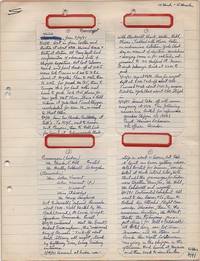
19410002397LONDON ENGLAND GREAT BRITAIN UK 1941. On offer is a super very interesting historic original World War II manuscript diary handwritten by American physicist Capt. Louis McKeehan 1887-1975 head of the Mine Warfare Branch of the Bureau of Ordnance Director of the Physics Laboratories Yale among other noted positions. The diary is comprised of 37 pages of entries originally in a smallish flip style notebook now mounted four to a page on paper. The diary is a significant record beginning March 10 1941 through to May 25 1941 detailing his hazardous travels to England and a record of his important meetings and appointments and contacts with each diary page filled with many dozens of Government Military and Admiralty personnel not to mention the vast number of doctors and scientists he met with too. Each 5 x 2¾ note page is filled with data meticulously written as befits a scientist of his calibre. Historians and researchers will understand that this trip is many months before America would enter the War and there was controversy that America should have any involvement while clandestine efforts to assist England were on going. In fact the Lend Lease Act would be passed in Congress the very next day the Captain's trip starts. It is also to be noted this trip occurs at a desperate time for the British. Setbacks in Italy Greece and the terror of the air bombing campaign were all part of the backdrop to this narrative. BIO NOTES: McKeehan's life makes for a fascinating story of a dedicated 'outside the box thinker'. He took leave of his teaching position to help out with the war effort. He was the driving force behind the creation of the torpedo called Fido. Scientists at the Naval Torpedo Station at Newport Rhode Island had been considering acoustic homing torpedoes for fifteen years but insisted that torpedoes made too much noise themselves to be able to home on any external noise source and until McKeehan came along to challenge them they seemed to have a point. But McKeehan was not a career naval officer. He was a reserve officer on active duty for the duration whose peacetime job was director of the physics laboratories at Yale University. Unimpressed by the received wisdom of Navy engineers McKeehan turned to HUSL and BTL where his idea for an acoustic homing torpedo quickly bore fruit. With support and funding from the NDRC HUSL and BTL proved Newport wrong and only seventeen months after the beginning of the project Fido had entered service and made his first kill. After the war the scientists at Bell Labs who had worked on Fido returned to telephone work Captain McKeehan returned to Yale and Harvard - like some other universities - anxious to shed the military connection as soon as possible took back its buildings and ended its classified work. BIO NOTES: Louis McKeehan was among other things author of Yale Science: The First Hundred Years 1701-1801 New York: H. Schuman 1947. . Good. 32mo - over 4" - 5" tall. Manuscript. unknown
19110002299PORT OF SYDNEY CAPE BRETON ISLAND SHEDIAC LEVIS. Good. 1911. On offer is a sensational original archive of journals 3 official Deck logs 3 100 letters of correspondence plus ephemera both personal and marine related including lists of passengers personnel letters of recommendation letters from passengers etc. all handwritten or compiled by Captain John Henry Hubley born in 1884 a seasoned ship's master by the age of 20 no doubt having gained experience from his father who was also a ship's Captain. The group will provide a treasure trove for historians and researchers of Canadian steamship history and Canadian Government merchant marine commerce. The travel diaries run the gamut of sea lore from daily data of weather position calculations and narrative of events occurring as would on any voyage to the West Indies. Of the deck logs two 2 detail trips to Levis one though is different as it is labelled by hand "OUR QUEEN" then the published: DECK LOG BOOK SS Canadian Recruit from the Port of Sydney C.B. Cape Breton to Levis P.Q. Province of Quebec June 25th 1921 - August 12th 1921." We surmise a later hand penned the OUR QUEEN as they have used some of the book for pasting clippings regarding Queen Elizabeth II's visit to Prince Edward Island in 1964. However little data is lost as the clippings were tipped in at the top edge in most cases and the entries underneath visible. The entries are all signed L.H. Dicks Chief Officer under Captain Hubley. Another book is for the S.S. Canadian Warrior also in 1921 to Montreal. Lastly there is a smaller 8 x 10 inch log with contains some financial like receipts or fees paid but mostly letters from the Canadian Government Merchant Marine for promotions and other milestones following Hubley's career and appointments. The larger format informal logs is marked beginning Voy 25 in 1934 the other begins Voy 81 East dated September 4th 1942 the book full through 1947. St. Kitts Trinidad Jamaica all are regular destinations. The large folio book missing is covers contain a diary that begins in Shediac Quebec dated through the summer of 1911. Overall G with one log poor.; Manuscript; Folio - over 12" - 15" tall; KEYWORDS: HISTORY OF CORPORAL RAYMOND MARSHALL BLACK SOLDIERS EXPERIENCE SOUTH PACIFIC THEATER GUADALCANAL OKINAWA AFRICAN AMERICAN SOLDIERS US ARMY AIR CORPS 911TH ABS BN AIR BASE SECURITY BATTALION BLACK BATTALIONS AFRICAN AMERICAN BATTALIONS NEGROES SERVING IN THE SOUTH PACIFIC UNITED STATES ARMED FORCES WORLD WAR II WW2 WWII WORLD WAR TWO THE WAR AGAINST JAPAN BELLOWS FIELD HAWAIIAN ISLANDS AMERICANA HANDWRITTEN MANUSCRIPT AUTOGRAPHED AUTHORS DOCUMENT LETTER AUTOGRAPH KEEPSAKE WRITER HAND WRITTEN DOCUMENTS SIGNED LETTERS MANUSCRIPTS HISTORICAL HOLOGRAPH WRITERS AUTOGRAPHS PERSONAL MEMOIR MEMORIAL PERSONAL HISTORY ARCHIVE DIARY DIARIES JOURNAL LOG PRIMARY SOURCE FIRST HAND ACCOUNT SOCIAL HISTORY PERSONAL STORIES LIVING HISTORY ANTIQUITÉ CONTRAT VÉLIN DOCUMENT MANUSCRIT PAPIER ANTIKE BRIEF PERGAMENT DOKUMENT MANUSKRIPT PAPIER OGGETTO D'ANTIQUARIATO ATTO VELINA DOCUMENTO MANOSCRITTO CARTA ANTIGÜEDAD HECHO VITELA DOCUMENTO MANUSCRITO PAPELBIOGRAPHY BIOGRAPHICAL AUTOBIOGRAPHICAL AUTOBIOGRAPHY PERSONAL NARRATIVES . unknown
19390001080TAHITI SOUTH PACIFIC FRENCH POLYNESIA Egham Surrey. Good. 1939. On offer is the remarkable original handwritten manuscript journal and diary by Desmond Harmsworth regarding his travels in the South Pacific. Over 150 pp written as letters to his mother and father Lady and Lord Harmsworth. Desmond and sometimes his wife Dorothy write long detailed intimate letters detailing their travel observations and growing concerns while in Tahiti on the cusp of the War. The original 3 ring style book is in terrible shape given the covers are distressed and the rear is present but off. Some pages are detached but otherwise holding well. Simply super one of a kind relic of the South Pacific pre World War II.; 8vo - over 7¾" - 9¾" tall; VADE MECUM STUART GILBERT JAMES JOYCE WORLD WAR II WORLD WAR TWO WWII TAHITI FRENCH POLYNESIA HARMSWORTH HANDWRITTEN MANUSCRIPT DOCUMENT LETTER AUTOGRAPH DIARY JOURNAL LOG KEEPSAKE WRITER HAND WRITTEN DOCUMENTS SIGNED LETTERS MANUSCRIPTS HISTORICAL HOLOGRAPH WRITERS DIARIES JOURNALS LOGS AUTOGRAPHS PERSONAL MEMOIR MEMORIAL PERSONAL HISTORY AMERICANA ORIGINAL CORRESPONDENCE antiquité contrat vélin document manuscrit papier Antike Brief Pergament Dokument Manuskript Papier oggetto d'antiquariato atto velina documento manoscritto carta antigüedad hecho vitela documento manuscrito princetOn Papel Papeete . unknown
18610008077Massachusetts. Good. 1861. On offer is an outstanding pair of journals written at the outbreak of the American Civil War. Each volume measures 8 inches by 6 1/2 inches and contains 144 pages essentially 100% complete. The journals run from April 1861 through December 1862. They are hard cover and the pages are intact and in good condition. The handwriting is clear and legible. The author is Edward Everett Lovejoy. Research shows that he was born in 1845 in Boston MA and died at age 70 in Bangor ME in 1915. At the time of writing Lovejoy was a student at the well-known West Newton English and Classical School. An Illustrated Biographical Catalogue of the Principals Teachers and Students of the West Newton English and Classical School West Newton Mass p118 . This school was established by Nathaniel Topliff Allen and he was assisted by his brother George. Both of these men and their brothers and wives were noted educators. Nathaniel Bell George Bell and his wife are mentioned in the journals. To quote from historical notes associated with the Allen Papers: "The school was progressive in every way providing equal educational opportunities for girls as well as boys in racially mixed classes. The inclusion of gymnastics as part of the educational offering along with a pure kindergarten were also educational firsts. Allen required student's to keep daily journals that were critiqued every two weeks. ." Lovejoy's diaries are certainly part of these daily journals. Not only are they scrupulously maintained they are also evaluated and his teachers notes can be found in the margins. Most of the entries naturally refer to school life activities. He notes class presentations assignments and daily interactions with staff and friends. He studied English Grammar Spelling Mathematics Natural Philosophy Geography Music and French as well as taking part in sports such as cricket swimming and baseball. He was also elected 2nd Lieutenant for the schools cadet corps. "Mr. William read my name this morning to be in the first class in . I have been in Mr. James Allen's class . but now I have to speak up here before the school and recite today in spelling. Mr. N.T. Allen gives us words from the dictionary and we write them in the little books and hand them in to him and he corrects them."Apr 26 1861 The margin note from his teacher reads: "Well begun in many respects. Sorry to see so many words misspelled". Today I recited in Botany then in Geography then in Grammar then in Natural Philosophy. We had a very hard time in Natural Philosophy. There were so many engines to explain about and explain all about the different pieces of machinery and their use" May 22 1861. He mentions a visit to the Boston Aquarial and Zoological Gardens and seeing a white whale Beluga June 6 Slipped into that page is a printed excerpt from the Boston Journal describing the exhibit. By far the most interesting entry is dated April 21 1861: "I heard that yesterday that a man on State Street Boston was discussing with another and one said something about secession and the other man drew a pistol and shot the other down but did not kill him." Apr 21 1861 He goes on to describe a subsequent riot by a mob in Baltimore. This riot known as the Baltimore Riot of 1861 or the Pratt Street Massacre took place when a mob of Confederate sympathizers set upon a column of Union soldiers passing through to Washington. It resulted in the first Union deaths of the Civil War: ". while the troops were marching along one man snatched a musket from one of the troop and shot him through the back and killed him ." Apr 21 1861. The Civil War came to his door when his parents visited him at school to tell him that an acquaintance who worked for his father had died from exposure on duty. May 26 1862. Records indicate that after graduating he went into business apparently trading in lumber and stocks. These two journals are an outstanding resource for a historian studying American education in the mid19th century. They provide a fascinating glimpse into the efforts during this time of turmoil to provide a classical education to young people. They could also form the basis for an interesting comparison to education efforts today.; Manuscript; 8vo - over 7¾" - 9¾" tall; KEYWORDS: HISTORY OF UNITED STATES MASSACHUSETTS BOSTON WEST NEWTON NEWTON VILLAGES MIDDLESEX COUNTY 19th CENTURY 1860s EDWARD EVERETT LOVEJOY; WEST NEWTON ENGLISH AND CLASSICAL SCHOOL; AMERICAN CIVIL WAR; ALLEN FAMILY PAPERS; HISTORIC NEWTON; AMERICAN EDUCATION IN THE MID-19TH CENTURY PRATT STREET MASSACRE BALTIMORE RIOT OF 1861 19th CENTURY CURRICULUM SCHOOL EDUCATION IN AMERICA SCHOOL STUDENTS IN 19th CENTURY NATHANIEL TOPLIFF ALLEN 19th CENTURY EDUCATORS AMERICANA HANDWRITTEN MANUSCRIPT DOCUMENT LETTER AUTOGRAPH WRITER HAND WRITTEN DOCUMENTS SIGNED LETTERS MANUSCRIPTS DIARY DIARIES JOURNALS PERSONAL HISTORY SOCIAL HISTORY HISTORICAL HOLOGRAPH WRITERS AUTOGRAPHS PERSONAL MEMOIR MEMORIAL ANTIQUITÉ CONTRAT VÉLIN DOCUMENT MANUSCRIT PAPIER ANTIKE BRIEF PERGAMENT DOKUMENT MANUSKRIPT PAPIER OGGETTO D'ANTIQUARIATO ATTO VELINA DOCUMENTO MANOSCRITTO CARTA ANTIGÜEDAD HECHO VITELA DOCUMENTO MANUSCRITO PAPEL . hardcover
19390001308BREMEN GERMANY. Very Good. 1939. On offer is a superb unique beautifully kept World War II German naval relic of Kriegsmarine the German Navy. The writer is a sailor named Eugen Noss. He uses a "Merkblatt" a memo book to record his service and over 43 pages he does so with inordinate pride written in a precise legible script with ink. Though it is a diary the large book format gives it a scrapbook esthetic. Eugen has added depth to his service diary with a number of drawings and pictures. Historians and collectors of the era and the topic will recognize the absolute uniqueness of this manuscript. Here is from Eugen's own hand an introduction: "My name is Eugen Noss and I was born on 8 May 1915 as son of and his wife née Ludwig in Dortmund - In 1928 we moved to Baden This is where my father died from complications of a war injury. He was baptized in the evangelical Lutheran tradition. From my 6th year I went to the Volkschule Primary school and was matriculated in 1932 from the 8th grade. From April 1933 until April 1934 I went to a private trade-school in Paderborn. On October 1 1934 he began an apprenticeship can't make out exactly what - something with machines though a later document states his profession as "smith" i.e. black smith. After this time he wrote his journeyman's exam which he passed with a good like a 'B'. After my apprenticeship I stayed until February with my mother. In February I began work as a machine-worker in the company "Fritz: in ". I worked there until August then I was drafted to go to In September 1937 I signed up for the navy war navy. After my work I was called up to the Navy on 1 April 1939. So Now I am in the 10.S.M.A. Signed Eugen Noss." The next heading is Introduction to the 1st company and it appears to be a list of personnel and officers and then fellow soldiers or sailors. The journal entries begin on 1. April 1939. Most entries not always daily detail his duties training being brought for field exercises about ships he is assigned to and much much more. Interestingly dates of entries written on Sunday are underlined in red. There is mention about the Führer's birthday on April 20 1939 and apparently they listened to a radio broadcast in honor of this occasion by Goebbels. Here is an interesting personal snippet: 28. April 1939: "The Führer Adolf Hitler held a big speech for the whole world which was in answer to a telegram from the American President Roosevelt spelled Rosewelt The Führer answered each question the President asked and made it clear that the German folk is not to be joked with and that the German folk is not afraid of anything not even Mister Roosevelt." On April 29th there is a note that it's the last time he wore civilian clothing. Surprisingly the entry of August 18 1939 notes he was taken prisoner and spent several years in an allied POW camp. Included are a number of ephemeral pieces: There are report cards from a secondary school but they appear to be the sailor's father's report cards because the dates are 4. January 1895 Easter 1902; 5 August 1903 Easter 1905 this appears to be a transfer into a different secondary school and there is a blank one. There is an estimate equivalence of House-wifely Work and a certificate of a job or career competition from 1939. Also at the back is a letter presumably from the sailor's dad written from Champagne but in German. In this letter is a need of the writer Eugen's dad to apologize for and offer an explanation of something. Then there are envelopes one from Aalborg Denmark to a relative with the same last name postmarked October 5 1940 with a piece of paper that it was checked by the High command of the Wehrmacht. Another envelope addressed to E. Noss via "Field post" - so to the front with a postmark that is either 18.04 - but the year is illegible and it's stamped by the naval news officer. Another envelope addressed to Eugen Noss postmarked 02.6.44 again sent to "Fieldpost" stamped with a seal. A letter of the same date from comrade. Then there's a French typewritten document - looks like it's a notice of liberation dated 1.8.47 and a document itemizing PX rations issued in At "Headquarters War Crimes Enclosure PW Reception and Discharge Centre APO 407 Dachau US Army" to Eugen Noss on 19 August 1947 and lastly a temporary registration card for Eugen who at this point was 29 years old. Lastly there is a photo a bow - view of a speed boat. Size 22 x 27cm/8.5 x 10.5 in. Overall VG.; German Language; 4to - over 9¾" - 12" tall; KREIGSMARINE MERKBLATT BREMEN TAGEBUCH NAVAL NAVY WEHRMACHT UBOATS POW PRISONER OF WAR GENEVA CONVENTION PRISON CAMPS ALLIES WORLD WAR TWO WORLD WAR II WWII WW2 GERMANY GERMAN THIRD REICH NAZIS HITLER NOSS HANDWRITTEN MANUSCRIPT DOCUMENT LETTER AUTOGRAPH DIARY JOURNAL LOG KEEPSAKE WRITER HAND WRITTEN DOCUMENTS SIGNED LETTERS MANUSCRIPTS HISTORICAL HOLOGRAPH WRITERS DIARIES JOURNALS LOGS AUTOGRAPHS PERSONAL MEMOIR MEMORIAL PERSONAL HISTORY AMERICANA CORRESPONDENCE TAGEBUCH ADOLPH HITLER DACHAU Heimatfront Zweiter Weltkrieg AMERICANA HANDWRITTEN MANUSCRIPT AUTOGRAPHED AUTHORS DOCUMENT LETTER AUTOGRAPH KEEPSAKE WRITER HAND WRITTEN DOCUMENTS SIGNED LETTERS MANUSCRIPTS HISTORICAL HOLOGRAPH WRITERS AUTOGRAPHS PERSONAL MEMOIR MEMORIAL PERSONAL HISTORY ARCHIVE DIARY DIARIES JOURNAL LOG PRIMARY SOURCE FIRST HAND ACCOUNT SOCIAL HISTORY PERSONAL STORIES LIVING HISTORY ANTIQUITÉ CONTRAT VÉLIN DOCUMENT MANUSCRIT PAPIER ANTIKE BRIEF PERGAMENT DOKUMENT MANUSKRIPT PAPIER OGGETTO D'ANTIQUARIATO ATTO VELINA DOCUMENTO MANOSCRITTO CARTA ANTIGÜEDAD HECHO VITELA DOCUMENTO MANUSCRITO PAPEL HANDSKRIFT AUTOGRAFER EGENHÄNDIGT HANDSKRIVET HANDSKRIVEN MANUSKRIPT BREV SIGNERAD SIGNERAT SIGNATUR NAMNTECKNING AUTOGRAF HANDSKRIFTER . hardcover
19730008061NEW YORK NY. Good. 1973. On offer is a fascinating journal by a fashion insider in the hey-day of the New York fashion scene. This coil-bound notebook measures 9.5 inches by 6 inches and contains 154 pages 100% complete. The back cover has pulled away from the coil but otherwise the journal is in good condition. The entries are in pen and quite legible. Gary Wares was a 20 year old student of the Maryland Institute of Arts in 1973. As part of his graduation requirements he had to obtain a work-experience posting in his field - fashion design. This journal chronicles his efforts to find a placement and then the 7 weeks he spent working in the Fashion Design Department of Bill Blass Limited. Bill Blass was one of the top American fashion designers. The journal opens with this Seventh Avenue the heart of the US garment district and fashion industry is usually abbreviated by Wares as 'SA': "I have tried to keep as valid a record as possible. Names have not been changed to protect the innocent because as far as I am concerned no-one can be innocent and still survive on Seventh Avenue. . I will be as unbiased as possible in my essays on the people I met . In some ways this book will be an expose of SA . "Introduction. In reality it is no expose. More it reflects the challenges of a 20 year old trying to break into a fiercely competitive industry well-known as a cut-throat marketplace. But what it does reveal are the day-to-day workings of a highly successful couturier fashion house. By the time he retired in 1999 Blass had built his company into a $700 million dollar a year business. The first 50 pages detail Wares quest for a position. As many people know this can be a hard experience for anyone in any field. What makes this interesting is that Wares writes well and is very open and frank with his descriptions: "My day started early - 9 AM at Kiki Hart in 530 SA. I arrived on time and she wasn't in. They called her at home and told me she was on her way. I walked into the showroom and casually eyed the clothes. They were all suited to the older woman. Everything was made to be worn with a bra all covered up band not real expensive. I didn't know what type of woman to expect but Mrs. Hart was definitely not what I expected. She was an OLDER woman - in her 50's. I'd venture to guess very nervy very outspoken. She was looking at my work as a favor to a friend . told me her business was netting $6 million a year. A gross exaggeration I'm sure. . Obviously it's a line of bull that you must swallow & then forget ." Sept 13. For the next couple of weeks he made the rounds including Bill Blass Limited seeking a paid work experience position. Unsurprisingly there were none. At the suggestion of a friend he called those places back and said he would work for nothing. On Oct 5th he got called to Blass' office and was offered an unpaid work-study program. He made one more effort to secure a paid position interviewing with Bill Tice just when Tice was beginning his highly successful fashion design career. On Oct 10th he started a work week at Beene Bag owned by another famous fashion designer Geoffrey Beene: "Today I spent my first day at work on Seventh Avenue. It was more like fun than work. Beene Bag has a very free and friendly atmosphere. For me it was just like a day at the Institute. . Of course I also got introduced to everyone who worked there and the people at Nina Rici Boutique - it's on the same floor". Oct 10 The job only lasted till the end of the week and he decided to take the unpaid position at Blass. For the next seven weeks he details his day-to-day activities working for one of the great American fashion designers. He describes tasks such as: "organizing all the jewellery for the showings putting earrings together etc . the snakeskin rhinestones gold silver pearls etc. . After the jewellery I worked on shoes ." Oct 15. Much of his work entails getting ready for the many shows and exhibitions that Blass is involved in: "Today was my most exhilarating day. I spent the entire day at Bill's penthouse apartment overlooking the East River. Tom and I took 3 models and a photographer there to photograph some of the garments in the spring collection. We used Carla our showroom model Tasha an excellent model and Kitty Hawkes . the model we've all seen in Vogue and Bazaar. She's the girl in the Ritz ad. She's not very pleasant. . To tell the truth which I always do she's got a lousy figure. She's shaped like a pear. She's got some dumper " Oct 26. He notes that Blass does not rely just on fashion shows and exhibitions for his sales. He writes that Blass has a team that criss-crosses the United States attending 'trunk shows' that "make" the business Nov 8 and that he has designed uniforms for organizations such as the U.S. Army and American Airlines Nov 29. Wares describes the in detail the preparations to take part in various exhibitions including one in Paris. He notes many design houses and people associated with them by name such as Stan Herman Pauline Trigere Vanity Fair St. Julian's and more. Individuals such as Debbi Reynolds and Liza Minnelli and Ricardo Montalbam's daughter Laura are mentioned as well. For a fashion writer or historian is an excellent window into the fashion industry. It is replete with the day to day details that make for a successful fashion business tinged with some of the gossip that brings these people and places alive.; Manuscript; 4to - over 9¾" - 12" tall; KEYWORDS: HISTORY OF 20TH CENTURY; 1970S; UNITED STATES; NEW YORK; FASHION DESIGN; FASHION INDUSTRY; 1970s FASHION; AMERICAN FASHION DESIGNERS; GARMENT INDUSTRY IN 1970s; 1970S FASHION MODELS; FASHION SHOWS IN 1970S; SEVENTH AVENUE; NEW YORK FASHION DISTRICT; GARY WARES; BILL BLASS; GEOFFREY BEENE; KIKI HART; BEENE BAG; NINA RICI; KITTY HAWKES; TASHA POLIZZI; DEBBIE REYNOLDS; LIZA MINNELLI; RICARDO MONTALBAN; BILL TICE; AMERICAN AIRLINES; MARYLAND INSTITUTE OF ARTS MICA; AMERICANA HANDWRITTEN MANUSCRIPT DOCUMENT LETTER AUTOGRAPH WRITER HAND WRITTEN DOCUMENTS SIGNED LETTERS MANUSCRIPTS DIARY DIARIES JOURNALS PERSONAL HISTORY SOCIAL HISTORY HISTORICAL HOLOGRAPH WRITERS AUTOGRAPHS PERSONAL MEMOIR MEMORIAL ANTIQUITÉ CONTRAT VÉLIN DOCUMENT MANUSCRIT PAPIER ANTIKE BRIEF PERGAMENT DOKUMENT MANUSKRIPT PAPIER OGGETTO D'ANTIQUARIATO ATTO VELINA DOCUMENTO MANOSCRITTO CARTA ANTIGÜEDAD HECHO VITELA DOCUMENTO MANUSCRITO PAPEL . hardcover
19440008064KANSAS CITY MO - ASIATIC-PACIFIC THEATER. Good. 1944. On offer is a super original manuscript diary and utterly fascinating eyewitness account of the island invasions of the U.S. military in the Pacific Theatre in WWII. There are 2 volumes in this collection. The first book measures 8 inches by 5 inches and contains 152 pages. This volume is only 5% complete - the completed pages do not contain text only pasted in photographs. In addition there are 9 loose photographs inside. The book is in good condition. The second volume measures 7.5 inches by 4 inches. It is bound at the top and in the military is known generally as a Field Message Pad or FMP. It contains 152 pages. It is 90% complete and has numerous photographs in addition to extensive entries covering the period May 1944 to Dec 1945. The back cover has separated but otherwise it is in good condition. The handwriting is clear and legible. George H. Laney was a 33 year old living in Kansas City MO. He was married and had 2 young children when he was drafted in Nov 1943. Assigned to the U.S. Navy he underwent a series of training programs over the next 6 months. On May 12th he reported on board LST 613 bound for the Pacific Theatre of war. LST stood for Landing Ship Tank. Built to transport tanks wheeled and tracked vehicles artillery and construction equipment LST's were designed to be beached to off-load their cargo. As described in his record LST's could also serve as troop carriers casualty evacuation vessels and prisoner of war transport ships. They had a range of 24000 miles. Unusually for a naval vessel they used high octane gasoline instead of diesel as fuel. Direct hits in combat were generally catastrophic. While slow and often challenging to maneuver they were a vital part of any sea-borne invasion. LST 613 served in the thick of the invasion of the Philippine Islands earning 5 battle stars or commendations. Laney records LST 613's journey from Seneca IL where she was laid down and launched to New Orleans via the Mississippi River. "Commissioning Day at Algiers Algiers Naval Base New Orleans LA. Mother and Dad came down from Huston to see me had a very nice visit. Called Louise long distance Liberty was good only I didn't have enough money Mother gave me $5 to get something to eat."May 19 1944. Over the next several pages he describes their passage through the Panama Canal and across the Pacific Ocean. Eventually they docked at Manus Island in Papua New Guinea. "At Manus . I saw Bob Hope Show. It was excellent. Participating were Hope Jerry Colongna Jerry Colonna actor and Bob Hope's famous sidekick Francis Langford Lanny Ross and Patricia Thompson a dancer. The show was wonderful better than anything else they could send us out here ."Aug 23 - Sept 4 1944. "Getting ready for the invasion of the Philippines" Oct 6 1944. "Leyte Invasion. Today is my 34th birthday and what a day I had was almost a nervous wreck. Jap suicide planes came over about all day. Couple LST's got hit by mortar fire. Large navy guns opened up all day and night on the island. I was glad to get the hell out of there. In returning to N.GNew Guinea LST 695 was torpedoed between Leyte and Palou ." Oct 20 1944. "Cruiser Nashville hit by suicide bombers in the straits between Mindanao and Negros."Dec 13 1944. "Mindanao Invasion D-Day 4 down and 2 assists We were hove to with a lot of other LSTs off shore when 20 or more Jap suicide bombers came over and attacked us. We were in the middle of the whole works and our boys shot down four of the bastards. Two LSTs 734-472 were hit by these suicide plains and set off high octane gasoline. The ships were abandoned about five minutes after the hit. Another LST was hit while we were on the beach. It was the most hellish day I have ever spent in my life but I wouldn't have missed it for anything. ." Dec 15 1944. In addition to his detailed descriptions of ship operations and combat Laney included a number of photographs in his book. The pictures are for the most part glued into place but some have come free enough to read the notations on the reverse. They include pictures of himself his shipmates annotated family members and what appear to be pictures of his wife Louise and his children. There are a number of other pictures of downed and wrecked Japanese fighters and bombers. Other pictures show the landscape and local native people. One appears to be a Japanese prisoner of war. On Nov 1st 1945 he disembarked LST 613 and began his journey home. His journal ends with this: "I was discharged and became a civilian. So this is the end of my career in the navy. Boarded the train for home. Arrived in KC at midnight. Louise and the gang was there to meet me." Dec 7 1945. For a military or naval historian this is a fabulous record. It is an eyewitness account of the critical invasions of the Philippines recounted by a person who was there in the thick of it. It is a detailed well-written account. Historians and researchers can use this primary material for direct evidence and to cross-reference other sources. For a writer it is an inspirational story of a young man who left family and home to serve his country with not a word of complaint. The photographs especially of fellow crew mates destroyed warplanes and local inhabitants give an air of immediacy that brings his words to life. This is an excellent war record.; Manuscript; 8vo - over 7¾" - 9¾" tall; KEYWORDS: HISTORY OF UNITED STATES; KANSAS CITY; MISSOURI; 20TH CENTURY 1940S WW2 SECOND WORLD WAR PACIFIC WAR ASIATIC-PACIFIC THEATER PHILIPPINES; U.S. ARMY TANK LANDING SHIP NAVY NAVAL OPERATIONS LST 613; GEORGE H LANEY; BATTLE OF LEYTE GULF; INVASION OF MINDANAO; INVASION OF THE PHILIPPINE ISLANDS; JAPANESE SUICIDE BOMBERS; USS NASHVILLE; BOB HOPE; JERRY COLONNA; FRANCIS LANGFORD WARTIME PHOTOS MILITARY HISTORY; AMERICANA HANDWRITTEN MANUSCRIPT DOCUMENT LETTER AUTOGRAPH WRITER HAND WRITTEN DOCUMENTS SIGNED LETTERS MANUSCRIPTS DIARY DIARIES JOURNALS PERSONAL HISTORY SOCIAL HISTORY HISTORICAL HOLOGRAPH WRITERS AUTOGRAPHS PERSONAL MEMOIR MEMORIAL ANTIQUITÉ CONTRAT VÉLIN DOCUMENT MANUSCRIT PAPIER ANTIKE BRIEF PERGAMENT DOKUMENT MANUSKRIPT PAPIER OGGETTO D'ANTIQUARIATO ATTO VELINA DOCUMENTO MANOSCRITTO CARTA ANTIGÜEDAD HECHO VITELA DOCUMENTO MANUSCRITO PAPEL . unknown
19520008180PAINESVILLE OHIO. Good. 1952. On offer is a rather poignant journal of a woman caring for her elderly and ill husband in the final year of his life. It measures 8 inches by 6.75 inches and contains 200 pages. It 30% complete. The cover has wear marks but the binding is intact as are all pages. The handwriting is clear and legible. The author of the journal is Geraldine Brown wife of Fayette Brown. Fayette Brown was born in 1883 and in the 1930's was President of the Interlake Iron Co. in Toledo OH. The journal covers the period from May 10th to Oct 20th 1952. At 70 years of age Fayette was suffering from Alzheimer's and his wife was caring for him at home. The couple lived in Painesville Ohio and had several grown children. The diary opens with Geraldine writing about her motivation and inspiration to keep this journal: "This book came from Aunt Alice's when we closed her house. There were so many of her diaries which have inspired me to start this as in the future there may be some events which would be helpful to refer to especially as to dates." May 10. Little was known about Alzheimers at that time. She referred to it as his 'dark cloud'. Despite that challenge she is devoted to her husband and that love comes through in comments such as these: "Austin came out about four. Thinks that I should get away. I know that it is the only sensible thing to do. The only thing I want to do is to go and see Ralph and Fan and the baby. Would prefer waiting a month but he seemed insistent that I go immediately so will call Mrs. Shevel and see when she can come. Had long talk with Hall about his work. He does not feel it is too much for him. Austin in his talk with him evidently suggested a night nurse and for Hall to take over the day but that is entirely unnecessary now. As long as I am here do not want any one else around in day time besides it's too confusing for Fayette. I have a feeling that the boys thing there should be some one else here because of me. They just do not understand how much it means to me to be able to do something for Fayette and as long as he realized that I am with him no one else is going to take over. Besides what would I do. I don't want to be any other place and am not happy when I am away." May 20; "Fayette had a wonderful night didn't stir until 7:30 this morning then went back to sleep until 9:30. He is standing up under the heat remarkably well. The only change I find is I have to help him almost entirely with his meals and when he walks he drags his feet." June 16. In spite of the challenges of helping her ill husband she also notes happenings in the wider community. The general election campaign is underway and one of her daughters is working in it: ". my heart aches for her. Politics is certainly a dirty business I have to have any of mine in it and yet what will happen to the country if those with ideals and the will to work hard " July 11. Eisenhower won the 1952 election to her approval. Alzheimers Disease places an enormous strain on the caregiver and immediate family. What comes through in this diary is Geraldine's love and care for her husband as this incurable illness slowly progresses in him. Her last entry was in September: ". I thought when I got back from Bennington that Fayette seemed stronger mentally but the last few days he hasn't seemed as well. Maybe it is the change of personalities. We weighed him this morning and he was only 164. Our first snow and hail last night and this morning. Much too early. Katherine is on her vacation and Ward is here taking her place." Oct 20. Fayette Brown passed away 3 months later. Geraldine lived another 29 years passing away at the age of 91. This is an excellent glimpse into the daily life of someone caring for a loved one who is suffering from the ravages of Alzheimers. It is particularly valuable to a social historian or a researcher looking at the ways people cope with the huge challenges presented by this disease.; Manuscript; 8vo - over 7¾" - 9¾" tall; KEYWORDS: HISTORY OF; OHIO; PAINESVILLE OH; 1950s; MID-20TH CENTURY; UNITED STATES; CARING FOR ALZHEIMER PATIENTS; FAYETTE BROWN; GERALDINE BROWN; INTERLAKE IRON CO.; ALZHEIMER'S DISEASE; NATIONAL INSTITUTE ON AGING; DWIGHT EISENHOWER; END OF LIFE; DEMENTIA PATIENTS; LIVING WITH ALZHEIMER PATIENTS; AMERICANA HANDWRITTEN MANUSCRIPT DOCUMENT LETTER AUTOGRAPH WRITER HAND WRITTEN DOCUMENTS SIGNED LETTERS MANUSCRIPTS DIARY DIARIES JOURNALS PERSONAL HISTORY SOCIAL HISTORY HISTORICAL HOLOGRAPH WRITERS AUTOGRAPHS PERSONAL MEMOIR MEMORIAL ANTIQUITÉ CONTRAT VÉLIN DOCUMENT MANUSCRIT PAPIER ANTIKE BRIEF PERGAMENT DOKUMENT MANUSKRIPT PAPIER OGGETTO D'ANTIQUARIATO ATTO VELINA DOCUMENTO MANOSCRITTO CARTA ANTIGÜEDAD HECHO VITELA DOCUMENTO MANUSCRITO PAPEL . unknown
19360008002NORTH TRURO PROVIDENCE SARATOGA MASSACHUSETTS. Good. 1936. On offer is a remarkable 1936-7 diary of Helen Sawyer Farnsworth a daughter of painter and photographer Wells Moses Sawyer wife of a renowned portrait painter Jerry Farnsworth and an active member of the Cape Cod art colony. Helen Sawyer Farnsworth 1900-1999 was a prominent artist and art teacher a member of the National Association of Women Artists the National Arts Club Washington Yonkers Art Association and Provincetown Art Association. Her artistic life was mainly associated with Cape Cod and she and her husband were very active in intellectual cultural and social milieu teaching participating in exhibitions organizing and visiting various events. The diary mentions numerous events places and people including famous writers and artists like John and Katy Dos Passos Phyliss Duganne Charles Hawthorne Dawn Powell William and Lucy LEngles Blakeman. The diary covers the full year of 1936 and the first three weeks of January 1937. Helen Sawyer first started the diary on January 22 1936 and when reached the end of December filled the first pages from January 1 to January 21 with January 1937 entries. The 1936 entries start with a trip to Philadelphia to opening of the 131-st Annual Exhibition of the Pennsylvania Academy of the Fine Arts where she and her husband were regularly exhibiting. They spent the winter of 1936 one of the coldest in American history in Sparta and New York and then in early May went to North Truro. The diary covers a variety of topics Helen writes about her work sometimes only mentioning what she was working on naming the place or the model and sometimes describing her work in more detail: Painted at the West End Painted on Pontiac Drove to Indian village to get a model.Painted the Indian girl Drove to Superior. Grey clouds. Snow on mountains. Great clouds at sunset. Painted from hill watched evening fall over Arizona! She mentions some of her best known paintings including Corn hill and Trees by the Turn for which she received the first honorable mention in Chicago. Almost all entries document weather and being an artist she tends to describe colors light appearance of sky and clouds: heavy curious clouds without form brilliant sky snow is thawing turning black yellow heather coming out on the moors. She also documents her daily activities like gardening or cooking records names of books she was reading and movies she saw. In December 1936 the family took a trip through Georgia Louisiana Texas and New Mexico to Arizona which she describes in detail: December 12: Marfa a small rather Mexican town with small Spanish church and plaza fine mountains and cattle ranches cactus yucca yellow fields red mountains blue lava flows. December20: Drove to the Papago Reservation Beer in the café. Indians gambling on the machines December 29: Heavy rainfall night. There is snow on Apache Leap Pichets Post this morning Climbed the hill and looked at Superstition Mountains: Pichet Post Apache Leap. Color and drama more than the wildest symphony January 5: Explored the old mill of Silver King mine in the creek in the old town of Penel. They were mining this tailing getting 9.00 a ton All very interesting the tailing pond old churches etc.Size:72 x 51Physical description: Red cloth cover with black geometric pattern titled: The Wanamaker Diary; year at the right bottom corner: 1936Condition: good minor wear slightly faded cover with a tiny ink blot at the upper edge ink blots on few pages spine is slightly detached ink has slightly faded at some places; a part of the page with personal information has been torn off but the torn part has been preserved and the text is clearly seen. Neither of the above affects readability.; Manuscript; 12mo - over 6¾" - 7¾" tall; KEYWORDS: HISTORY OF HELEN SAWYER FARNSWORTH AMERICAN ART 20TH CENTURY 1930S PAINTERS UNITED STATES ARTISTS UNITED STATES WRITERS ARTISTIC COLONIES PROVINCETOWN ART COLONY WOMEN PAINTERS FEMALE PAINTERS LANDSCAPE PAINTING NORTH TRURO MASSACHUSETTS CAPE COD PENNSYLVANIA ACADEMY OF FINE ART ARIZONA NEW MEXICO NORTH AMERICAN WATERCOLOR ARTISTS 1930S ARTIST COMMUNITY IN CAPE COD DOS PASSOS L'ENGLES WELLS MOSES SAWYER JERRY FARNSWORTH PROVINCETOWN NATIONAL ASSOCIATION OF WOMEN ARTISTS YONKERS ART ASSOCIATION ART INSTITUTE OF CHICAGO AMERICAN ARTISTS AMERICAN WRITERS MODERN AMERICAN ART PRE-WAR AMERICAN ART ART ACADEMY CULTURAL LIFE AMERICANA AMERICANA HANDWRITTEN MANUSCRIPT DOCUMENT LETTER AUTOGRAPH WRITER HAND WRITTEN DOCUMENTS SIGNED LETTERS MANUSCRIPTS HISTORICAL HOLOGRAPH WRITERS AUTOGRAPHS PERSONAL MEMOIR MEMORIAL AMERICANA ANTIQUITÉ CONTRAT VÉLIN DOCUMENT MANUSCRIT PAPIER ANTIKE BRIEF PERGAMENT DOKUMENT MANUSKRIPT PAPIER OGGETTO D'ANTIQUARIATO ATTO VELINA DOCUMENTO MANOSCRITTO CARTA ANTIGÜEDAD HECHO VITELA DOCUMENTO MANUSCRITO PAPEL . hardcover
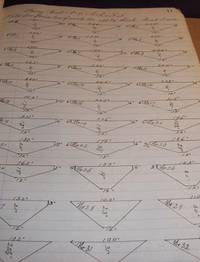
19040009174ABERDEEN WASHINGTON WA. Good. 1904. On offer are three 3 original field books most probably written in 1904 and detailing the rebuilding of the city of Aberdeen Washington after a raging fire destroyed the town. On October 16 1903 a raging fire destroyed 140 buildings in the center of Aberdeen Washington. A city constructed primarily of wood including sidewalks Aberdeen had little chance of stopping the fire once it began to spread. Obviously the city needed to rebuild its streets after the fire. Two people one by the name of Weatherwax and the other by the name of Benn seem to have been hired to do the task. Weatherwax is most probably J.M. Weatherwax or George Weatherwax two men who owned a large lumber company in Aberdeen and Benn is most probably Samuel Benn. The three books are labelled P-138 book 44 P-214 book 105 and P-215 book 106. Each book contains an index at the beginning which lays out what streets in the city are written about. For example book P-215 deals with information on old planks new elevations storm sewers street levels and more on the 20 different street including Michigan Ave Jefferson St. Washington St. and more. The books are excellent artifacts of city construction from the early 20th century containing dozens of pages of detailed schematics drawings charts and figures for the city of Aberdeen in the wake of its destruction. There are approximately 450 handwritten pages over the three books. The books each measure 7 ¼ by 4 ¼ inches. All three show sustained use and strong wear. For the most part the structural integrity is still there however the last book P-215 shows the most wear with parts of the book disconnected from the binding. Two of the books shows evidence of taping to the spine and boards. These books are a fascinating look at the intricacies and details of rebuilding a city after its destruction and an intimate part at the history of Aberdeen Washington a place that Kurt Cobain would eventually call home. Background: On October 16 1903 a fire destroys 140 buildings in the center of Aberdeen. Fed by wood-frame structures wooden sidewalks and sawdust fill the fire rages unchecked until some 20 acres have burned. The fire will spur the city leaders to enact a more stringent fire code. On the morning of October 16 1903 a resident of the Arctic Hotel began making breakfast in his room. An accidental fire started and the room was quickly engulfed in flames killing the lone occupant. Within minutes the three-story frame structure was ablaze and the fire spread to adjoining buildings including the fire station and jail.; Manuscript; 8vo - over 7¾" - 9¾" tall; KEYWORDS: HISTORY OF ABERDEEN WASHINGTON FIELD BOOKS TURN OF THE 20TH CENTURY 1903 ABERDEEN FIRE MILL TOWNS J.M. WEATHERWAX GEORGE WEATHERWAX SAMUEL BENN FIELD BOOKS TOWN REBUILDING FIELD BOOKS SURVEY NOTEBOOKS HAND DRAWN AMERICANA HANDWRITTEN MANUSCRIPT DOCUMENT LETTER AUTOGRAPH WRITER HAND WRITTEN DOCUMENTS SIGNED LETTERS MANUSCRIPTS HISTORICAL HOLOGRAPH KEEPSAKE WRITERS AUTOGRAPHS PERSONAL MEMOIR MEMORIAL ARCHIVE DIARY DIARIES JOURNAL LOG ANTIQUITÉ CONTRAT VÉLIN DOCUMENT MANUSCRIT PAPIER ANTIKE BRIEF PERGAMENT DOKUMENT MANUSKRIPT PAPIER OGGETTO DANTIQUARIATO ATTO VELINA DOCUMENTO MANUSCRITTO CARTA ANTIGÜEDAD HECHO VITELA DOCUMENTO MANUSCRITO PAPEL . hardcover
19140001838COLUMBUS NEW MEXICO THEN FRANCE AND GERMANY. Good. 1914. On offer is a sensational historical manuscript journal and diary handwritten by John C. Queman of Kutztown Pennsylvania a US Army soldier who served first in the 13th Cavalry on the Mexican border in Columbus New Mexico from Dec. 30 1914 to Sept. 23 1916 and later during World War I in France and Germany as a truck driver for Truck Co. #14 Sept. 23 1916- Oct. 8 1917 Truck co. #7 Oct. 8 1917 - March 11 1918 and AEF Truck Co. 2nd Division supply trains Mar. 1 1918 - Mar. 10 1920. This is a truly unique memorial to one man's service to his country in a number of important areas. Half of the 59 pages written in the massive folio journal retells his service during the Mexican Border War wherein Queman writes very detailed riveting first hand account of Pancho Villa's raid on the town of Columbus New Mexico on March 9th 1916 where he was stationed and then he writes all about the pursuit of Pancho Villa into Mexico. We learn that he learns how to ride a horse and take care of it though it dies later on. Here are some snippets: Dec. 30 1914: enlists in US. Army at Ft. Slocum City NY. Fitted in uniform and shoes three sizes too large. Jan. 13 1915: leaves New York on ship "Amarillo" to New Orleans for border 13th cavalry band. Jan. 18: on train to El Paso then to Columbus New Mexico. Jan. 22: sent to hospital as sick with tonsillitis. Jan. 24: "cowboy raised hell in town shooting Sheriff Halsey shot back and the cowboy got hurt left arm and leg army hospital enough taken." Feb. 3 back on duty. Feb. 4: learns to ride & care for horse and equipment. Complains of blisters. Describes country as hot-sunshine every day-sand blowing in his face. Doesn't get along with Chief Musician Mr. Luedthe as he is grouch and he can't play well enough to suit him. Oct. meets nice girl Kate Powers visiting her uncle here. Jan. 1 1916: Happy New Year. Took Kate to costume dance and had a dandy time. Got arrested at 1 a.m. not guilty of shooting and released. Jan. 5: took Kate to dance at Benevolent Order of Bees Club. "Mexican girl thought I was Elmer & tried to stick a knife in me. No luck- Kate got the knife as a souvenir." Jan 25: mounted rehearsal in a.m. guard mount. Feb. 16: "Capt. Davis left for Greece diplomatic position band. Played farewell concert at Golden State Ltd. Dorothy Stayt on same train concert in camp." Feb. 22: "Sheriff killed during fight with cattle thieves big funeral band played spoiled cattleman's convention as the town loved the man and mourned him." Feb. 24: ".arrived in Columbus in time to play for Schaeffer's K Troop funeral he was a German who killed himself in quarters. Had a good troop record and a good soldier. No reasons shown unless Kaiser needed him and he couldn't leave." Feb. 28-29: "my horse got killed this p.m. Bob's Robins horse kicked him in the head and he died instantly. Vet called it concussion of the brain." Mar. 1: "Windy. Cremated my horse today rehearsal no concert." Mar. 8: "Villa scare seems to be a joke everybody laughs but Red Cheener and he thinks it is a fact and says it can happen." Mar. 9: "at 4:00 a.m. we got a call to rise rather loud as it was a shot followed by a general firing all around town and camp shots and cries of Viva Villa Viva Mexico and bullets rattling on our roof dressing in the dark and trying to get on a gun and belt took a few minutes and the dirty yellow bellies were all over camp and town. Then it was a case of keep your head and shut your mouth shoot anybody who yelled Viva or spoke Mex. It was a regular hell for a while nearly a hand to hand fight. It did not take long to drive them out of camp but they put up a fight in town and set fire to the grocery store and warehouse of Lemmon and Romney. Then the commercial hotel dragging out Mr. Richie the proprietor and killing him in front of his wife and also killed two guests of the hotel. Four men made their escape also guests. Two men cooks in the restaurant made their escape by playing Mex. and sneaking away. Three other citizens were killed on the streets trying to find safety. The Mex. made it easier for the troopers by yelling and calling in the streets in the firelight and offered good targets. They were finally driven out of town and made a stand in a dry irrigation ditch on the west side of town. Major Tompkins came thru them with a 45 in his hand firing as he went and joined the troops. Finally the Mex retreated to a rocky rise of ground west of camp and made a short stand as daylight was breaking retreating towards the line they passed the home of Mr. Moore as he came out to look he was stabbed and shot his wife tried to make her escape was shot thru the hip and was in a serious condition when found as their home was about 2 mi. from camp. Capt Stedge had a detachment at the border three miles away but was unable to come in but Benson and men under his command rode into them as they retreated and made every shot count. Lt. Benson received a wound in the arm otherwise no casualties there. In camp eight men were killed in town 8 civilians. There were 150 soldiers in camp the balance were scattered along the border on patrol. There were about 150 Mex. men killed and eight wounded. Six died of wounds. Six healthy prisoners. All to be hanged for murder after they are tried by law. Sgt. John Nevergelt & Cpl. Paul Simon were two killed bandmen. Major Tompkins led a pursuit but was force to return as he had not enough men. Villa was wounded" March 10: "Everybody tired but ready for more. Cleaning up oh what a job. Dead shicks all over town and camp. Dead horse and equipment everywhere. I am doing guard over the prisoners. One died while I was on." Mar. 11: "Everything quiet 1 more dead prisoner. We play a concert today. Colonel Slocum says the men need it music both charms and soothes the savage beast not after what we have seen. Funeral of our fallen comrades light." Mar. 12: "Sgt. Dobbs body held for identification sent to his folks today. One Mex. wounded sent to Ft. Bliss hospital with gangrene. After no reinforcements still burning bodies of dead Mex." Mar. 13: "Field art. arrived last night. Infantry this a.m. 8 oclock. Camp is a busy place." Mar. 14: "Cav. and Inf. reinforcement still arriving in looks like a chase for old Pancho." Mar. 15: "20th. Inf. 13th Cav. and eliven damn cliff. I guess I missed something 11th Cav. 5th Cav. 4th F.A. Mountain Battery 6th F.A. enter Mexico. I am on guard." Mar. 16: "Troops 32 mil. south of international line. Trail of raiders easy to follow as their horses and men are dropping by the way." Mar. 17: "packing and shipping Capt. Geo. Williams property" March 18: "Col. Slocum's property." Mar. 19: "Troops going good 70 mi. south. 1st squadron arrives from Big Bend. Glad to be here sorry to be late. Col. Rivers said shame an awful shame too bad gave them a likin good." Mar. 20: "troops 100 miles south. Busy storing 1st Squadron property. Troops at Colonia Dulban Mexico. Rumours of hardships." Mar. 21: "Radio apparatus arrived wireless messages can be sent to pacific fleet." Mar. 26: "report troops are gaining on raiders." Mar. 28: "Col. Dodd has engagement with Guerrero with Mexicans." Apr. 1: "rumors of close chase south." 2: "Major Tompkin's has engagement at Parrall losing two men and himself wounded. Report that Villa is dead of wounds." The continues with detailed reports of the troop's movements the raids the officers involved men lost etc. all with Queman's insightful and keen eyed observations. He describes the landscape the weather his aches and pains he drives an army truck transporting anything and everything for the troops and then repairs his own truck when it breaks down. He is a super diarist! Jan. 28 1917: ".roads are choked in places with Mexicans & Chinks refugees who have found out the Americans are leaving the country and they won't stay there either. On burros oxen & ponies. The greatest thing was a burro with a double hamper one on each side and a child in each basket." June 22 1917 he writes about being arrested in Arizona for a shooting along the railroad. "Still under arrest as no one will squeal who done the shooting. Then released July 3rd. Queman left for overseas duty by way of San Antonio on Oct. 1 1917 he writes about his inoculations and transfer to Co. #7 then train to Chicmaugua Georgia. Drills cold weather hell. He writes: Dec. 2 1917 "Sherman when he said 'war is hell' told the truth but this is worse." Dec. 22. 1917: "After more than two months of hell we are off 3:45 a.m. and as squad leader of #1." Dec. 26: arrives in camp Merritt NJ and makes trip to Kutztown to say goodbye to relatives. His account of his service as a truck driver in France and Germany during WWI travels with the service are no less interesting as his Mexican adventures and he also manages to inform the reader of many interesting facts in history he picks up along the way: He arrived in Manchester England aboard the HMS Aurania. He drove a truck in France transporting officers artillery hay wood rations liquor you name it. Places he "made runs to" include Recourt Vitry St. Francois Souilly Ducey Montaigny Chateau Thierry sector Montreuil aux Lyons Taule Suisse Luxemborg Germany and more. He saw action everywhere and wrote specifics; all about the horror of the war the battles how many were wounded and killed the Kaiser the Germans the Allies. On Aug. 10 1917 he lands in the hospital with appendicitis then is furloughed to the regular army reserve on March 10 1920. He left for Kutztown PA with an old buddy Fred Hamilton of NC and on June 12 1920 became a married person and is discharged from the army. Signed on the last page by "John Clifford Queman." After the war he went on to work for Packard Motor Company Schlenker Motor Kutztown Foundry and then farming. Adding even more depth to this fascinating narrative are a number of ephemeral pieces including: 25 vintage real photo postcards he collected and stored in his journal of Columbus NM France his comrades etc.; an April 7 1917 issue of the San Antonio newspaper with the headline "United States at war with Germany - prepares forces for long struggle." Includes his pay record book occupation: chauffeur . Condition wise the journal is in very good clean condition. The pages are clean and tight to binding. Measures 8 3/4" x 14 1/8". Covers have spots of wear - peeled surface spots on back. Overall G. ; Manuscript; Folio - over 12" - 15" tall; KEYWORDS: HISTORY OF JOHN CLIFFORD QUEMAN KUTZTOWN PENNSYLVANIA 13TH CAVALRY MEXICAN BORDER WAR PANCHO VILLA FRANCE GERMANY WORLD WAR I WWI WW1 MEXICO NEW MEXICO ARIZONA PERSONAL ACCOUNTS EYE WITNESS ACCOUNTS AMERICANA HANDWRITTEN MANUSCRIPT AUTOGRAPHED AUTHORS AMERICANA MANUSCRIPT DOCUMENT LETTER AUTOGRAPH KEEPSAKE WRITER HAND WRITTEN DOCUMENTS SIGNED LETTERS MANUSCRIPTS HISTORICAL HOLOGRAPH WRITERS AUTOGRAPHS PERSONAL MEMOIR MEMORIAL PERSONAL HISTORY ARCHIVE DIARY DIARIES antiquité contrat vélin document manuscrit papier Antike Brief Pergament Dokument Manuskript Papier oggetto d'antiquariato atto velina documento manoscritto carta antigüedad hecho vitela documento manuscrito Papel . unknown
19420001624BRAZIL AMAZON JUNGLE SOUTH AMERICA. Good. 1942. On offer is a sensational unique original relic of the US Army Air Corp's efforts in the Amazon region of Brazil compiled and maintained Lieutenant R.W. Palmer as identified on the spine of book which is embossed with United States Army logo and reads: Amazon Diary Lt. R.W. Palmer. This massive 10" x 12 1/4" x 2" scrapbook has 105 pages on thick construction like paper and makes for a personal photographic diary of his tour of duty in the Amazon. Photos depict everyday life of the airman and his comrades locals natives people in villages buildings aircraft etc. etc. The photographs range from 5" x 7" and 8" x 10" all black and white save for one color photograph which is dated 1945. Most of the photos appear original but some are real photo postcards. For the most part the photos are tucked into corners some loose but the vast majority present and in good shape. Included are two 2 U.S. ARMY AIR CORP shoulder patches. Overall G.; 4to - over 9¾" - 12" tall; KEYWORDS: HISTORY OF UNITED STATES AIR FORCE USAF WORLD WAR II WW2 WWII U.S. ARMY AIR CORP AMAZON AMAZON RIVER AMAZON JUNGLE BRAZIL LT. R.W. PALMER SOUTH AMERICA SCRAPBOOK PHOTO DIARY PHOTO JOURNAL OFFICER'S DIARY HANDWRITTEN MANUSCRIPT AMERICANA DOCUMENT LETTER AUTOGRAPH DIARY JOURNAL LOG KEEPSAKE WRITER HAND WRITTEN DOCUMENTS SIGNED LETTERS MANUSCRIPTS HISTORICAL HOLOGRAPH WRITERS DIARIES JOURNALS LOGS AUTOGRAPHS PERSONAL MEMOIR MEMORIAL PERSONAL HISTORY antiquité contrat vélin document manuscrit papier Antike Brief Pergament Dokument Manuskript Papier oggetto d'antiquariato atto velina documento manoscritto carta antigüedad hecho vitela documento manuscrito . unknown
19440009026PACIFIC THEATER GUAM ENIWETOK PEARL HARBOR. Good. 1944. On offer is a log book and journal from the ship LCIL 322 an amphibious assault ships of the Second World War. The book is signed on the front cover R. L. WYANT short for Ensign Raymond L. Wyant the Engineering Officer of the ship and a member of the U.S. Coast Guard. The first dozen pages are mostly blank with two very small entries one on gem polishing read in Popular Mechanics and another about the reference book Islands of the Pacific by G.P. Putnam. The first page of dedicated writing is an comprehensive list of all the stops that the LCIL 322 made during the last part of Wyants tenure with the ship. The list begins in October 1944 with the ship in dry dock and repair in Jacksonville. The repairs are for damages sustained during the ships landings during D-Day and the month after. The ship is at various ports in the Southeast and then in San Diego until April 26 then it departs for the South Pacific cycling through Eniwetok Guam Saigon and other cities in the Pacific during and after the ending of the War and ending with the ship in Pearl Harbor on December 12 1945. The log entries begin the next page dated on Sunday May 20 1945 a month after the surrender of Nazi Germany and less than three months before the surrender of Japan. As the diary opens up the ship is in Eniwetok and his last entry is on January 11th 1946 while in the port of San Diego. Wyant is an excellent writer often poetic and descriptive of his life and surroundings. May 20th Took LC Vehicle Personal our mail boat into Eniwetok. Spent afternoon at Jr. officers club. Had 3 beers; spent rest of time diving for shells. Stayed in water 3 hrs. Found 4 diff. sea urchins.Head is sunburned but not too much. Eniwetok is only about ¾ mile long 400 wide. Bare of vegetation altho once had a few coconut trees.; May 30th Left at 1500 for Saipan duties unknown.Saw Agana the capital city. The natives lived in palm thatched shacks. Now all is changed as the concrete structures have been ruined by shell fire and new dwellings for the natives built all the same plan 1 x 12 walls thatched roof different colored paint and not in rows. All kinds of native trees flame trees bread fruit papayas and plants of red and green and orange and red hued leaves similar to those in Golden Gate hot house. Also some small pools with water lilies. The gardeners were 3 old natives who spoke Spanish and a little English. One told me the Japs were not bad bosses but the pay was poor.; June 6th. The canon canyon was full of Jap caves all of which had been given flame thrower treatment. Collected a bunch of Jap teeth. The weather was fine. Cool in shade hot in sun with a breeze on the hill tops. Found a little corrugated shack on a hill top hidden by trees. Had obviously been Jap occupied. Found fresh garbage and a knapsack with a freshly cut bread fruit in it. On one entry he even writes the whole thing fully in rhyme: 23 May. Youve heard of the cars & APAs / & youve read of Cruisers too / And youve heard of the fast PTs / and some of the things they do. / But brother if youre a minute to spare / and feel in the mood for a cry / then sit right down & my tale Ill share / of the terrible LCI. The rest of the poem is quite humorous and displays a keen sense of humour and irony on the part of Wyant. Wyant continues to make observations and record his days faithfully. He doesnt write every day but most of his entries are consecutive and refer to where he has been since the last entry. On August 9 near the end of the war Wyant writes Yesterday the radio claimed we had an Atomic Bomb - 10 lbs of which would have the same effect as 2000 B-29s. Furthermore this bomb would make the area uninhabitable for 70 years. Could kill everyone in Japan in 2 days. I believe this to be largely propaganda. Certainly hope so. That same day the U.S. dropped the Bomb on Hiroshima and then three days later on Nagasaki. As the war ends the ship heads back to Guam assigned to Commander Service Division 102 for inter-island ferry service and Wyant writes much more about his free time especially as he goes fishing and discovers new fish and species. December 14th Well Im sitting topside looking at Oahu. We are leaving slowing waiting for the rest of our group. I am facing Oahu and Honolulu is right in front of me. Diamond Head a bare harsh looking hill is on the right then comes Honolulu. Then Pearl Harbor. Honolulu is on the sea and ranges back up into the foothills. There are fairly high mountains in back of Honolulu. These mountains are jagged and irregular in outline very queer. To the left of Pearl the mountains gently decrease in height and roughness and form a flat saddle of 4 or 5 miles length after which more rough irregular mountains arise over to my left. The last entries are written on in San Pedro Harbor in Los Angeles. Had the duty today.How murky fog is over the harbor. Quite an uproar at midnight as all the ships in the harbor are blowing their fog horns whistles bells sirens etc. and some are firing red white and green pyrotechnics. The fog horns of about 25 freighters 3 or 4 battleships 20 or so destroyers and a hundred landing craft all going at once is a sound which must be heard to be appreciated. The book also contains a few drawings mostly small sketches of fish and flowers seen in the Pacific and a larger drawings of the profile of section of Saipan thru center looking north and a very detailed drawing of the Palau Islands There is also a satirical clipping out of the U.S. Coast Guard Magazine from September 1945 that contain comical guides to the customs of Americans for the Japanese when they invade the U.S. There is also a telegram from Wyant to the engineer of LCIL 89. This is also comical in nature a request for aid on objects known as eggs a quantity of yellow irregularly shaped objects labeled dehydrated carrots and fog oil. On the second to last page of writing A Map and Bus Guide to Honolulu is stapled into the book in a way as it can be easily opened up. Finally a Domain of the Golden Dragon award is included with Raymond Wyants name and the date May 12 1945 typed on it. The Domain of the Golden Dragon is an unofficial United States Navy award and is given to crew members of ships which cross the International Date Line. It proclaims Wyant to be a Ruler of the 180th Meridian. A picture of the LCIL 322 is also included though this was probably not put in the book by Wyant himself. There are a total of 33 pages of writing out of a total 144 page book and the diary is in a large ledger style journal which measures 8 1/4 x 14. There are many words per page and over 13000 words in the diary itself. Background - The Coast Guard-manned USS LCIL-322 was built by the Brown Shipbuilding Corporation at Houston Texas and was placed in commission on February 15 1943 under the command of LT Grant C. Kidston USCG. After shakedown exercises at Galveston the 322 proceeded to Norfolk Virginia for amphibious training at Solomons Island Maryland . November 3 1943 she was assigned to LCIL Flotilla 10 engaging in extensive beaching operations in Southern England during the next seven months in preparation for the invasion of Normandy. On June 5 1944 she departed Salcombe England for France unloading troops on Utah Beach on the morning of June 6 1944 and making subsequent trips across the channel until July 12 1944. She was decommissioned on March 26 1946. The LCIL-322 earned four battle stars for her service in World War II. All LCIL s of Flotilla 10 were retroactively awarded the Coast Guard Unit Commendation for their service in the invasion of Normandy.; Manuscript; Folio - over 12" - 15" tall; KEYWORDS: HISTORY OF RAYMOND L. WYANT LCIL 322 LCIL 89 LANDING CRAFT INFANTRY AMPHIBIOUS ASSAULT SHIP ENGINEERING OFFICE U.S COAST GUARD U.S. NAVAL SUPPORT SHIPS THAT LANDED ON D-DAY SOUTH PACIFIC ENIWETOK PALAU ISLANDS GUAM SAIGON PEARL HARBOR PACIFIC THEATER AGANA SAN DIEGO HARBOR SAN PEDRO TOUR OF DUTY ENGINEERS IN WW2 SECOND WORLD WAR DROPPING OF THE ATOMIC BOMB SURRENDER OF JAPAN HUMOR IN WW2 DOMAIN OF THE GOLDEN DRAGON INTERNATIONAL DATE LINE BATTLE STARS COAST GUARD UNIT COMMENDATION AMERICANA HANDWRITTEN MANUSCRIPT DOCUMENT LETTER AUTOGRAPH WRITER HAND WRITTEN DOCUMENTS SIGNED LETTERS MANUSCRIPTS HISTORICAL HOLOGRAPH WRITERS AUTOGRAPHS PERSONAL MEMOIR MEMORIAL ANTIQUITÉ CONTRAT VÉLIN DOCUMENT MANUSCRIT PAPIER ANTIKE BRIEF PERGAMENT DOKUMENT MANUSKRIPT PAPIER OGGETTO DANTIQUARIATO ATTO VELINA DOCUMENTO MANOSCRITTO CARTA ANTIGÜEDAD HECHO VITELA DOCUMENTO MANUSCRITO PAPEL . unknown
19400009061CAIRO EGYPT JERUSALEM BRITISH MANDATED PALESTINE. Good. 1940. On offer is a very unique and one-of-a-kind diary belonging to an O.S.S. agent and British Army Scripture Reader as well as a member of the Soldiers & Airmen's Christian Association serving in the Middle East during the beginning of World War II. The author of the diary last name Clair is obviously a deeply religious and spiritual Christian man and the diary tell of his exploits in both Egypt and the Holy Land in attempting to get the British Army to build a venue for the troops to relax when off duty and attend to their spiritual needs. The diary details comprehensive lists of everyone he has had meetings with including high ranking Generals and church members Bishops etc. as well as observations of the civilian social life in Egypt. The diary entries begin on April 5 1940. We arrived at Alexandria @ 8 AM. The Rev. Horden came on board and called up us at the A.C.G.'s Air Combat Group ___. This was most courteous of him.We praise the Lord for all His Merries and especially for putting putting His Seal on the Testimony by Saving 13 Souls on board the we know of. Surely merry and goodness have followed us all our days. His entries for everyday are quite long and filled with his stories of meeting with all sorts of people advocating the necessity of places of spiritual and religious respite for the soldiers and militarymen stationed in the Middle East. Throughout the diary Clair calls upon dozens upon dozens of people to spread his message. Each person or organization is underlined in the diary so they are very easy to find. Sometimes he meets with so many people in one day that he numbers them. Called on A.C.G. and discussed our movements. He promised to get us a permanent pass for Palestine.He will also try and procure rail passes on reduced fares. He told me that if at any time a Chaplain was found to be hindering or opposing the work I must let him know at once and he would put a stop to it. In May Claire moves on to British Mandated Palestine where he continues to preach the gospel and teach bible classes to soldiers as well as advocating for more spiritual services for the men in uniform. On June 10th Claire records that Italy declares war against Britain and France: Over the wireless we heard that Italy had declared war on England and France. Once war is declared by Italy he buys a truck and travels to the front line at places like Mersa Matruh Jerusalem Tiberias Haifa Abbassia Cairo etc. and details the Army units he visited. Clair returns to Cairo at the end of June. June 21 1940. I had a long talk with Mj. Oates in wh. I discussed the various aspects of our work and we had prayer about it. I asked his opinion about Vernon being asked to look after the ___ at Mersa under himself as Reader as I did not think we should have any new workers.I said that as he was a Saved man the Lord cld. Teach him especially as he would be in a new atmosphere. Mj. Oates agreed. In July Clair spends a week on bed rest with Bronchial Catarrh wh. had affect the left lung. These entries are very short and just concern his health as he was not meeting with anyone during this time. By mid-July the entries are back to their normal length and description and Clair is again fully engaged in preaching the gospel teaching the bible and advocating for a great spiritual presence in the British Army and Air Force. July is quite a busy month for Clair and some days he calls up 8 or 9 different people. In August he travels back to the Holy Land going to Jerusalem for a number of days to help set up a location for a permanent post for the British Army Scripture Readers. He returns to Jerusalem as well as Tel Aviv in December. The book also includes a number of lists of professed Christians Addresses of Christians at Sarafand RAF ministers tools and equipment in his car items in his personal canteen and colors of Army unit. The book is roughly 380 pages in the length with writing in at least 325. The months of January and February have fairly inconsistent writing and the entries consist of the lists previously mentioned. The entries are consist after April 5th through the month of August is has a number of days missing. The book is in good shape. The cover title has Charles Letts POPULAR DIARY for 1940. No. 281 and Charles Letts & Co. written on the front. Clair has also written briefly on the cover: O.S.S. Clair. Army Scripture Reader S.A.C.A. Egypt. Background: The Soldiers and Airmens Scripture Readers Association commenced informally in 1818 amongst troops in the Woolwich Garrison. It expanded to such an extent that in 1838 concerned Christian Officers formed the Soldiers' Friends Society and The Army Scripture Readers; the then Chaplain General placed it on a more formal footing by issuing a Charter in 1854. In 1887 The Soldiers Christian AssociationS.A.C.A. was formed becoming The Soldiers and Airmens Christian Association when the Royal Air force was formed. In 1938 the Army Scripture Readers and SACA amalgamated and in 1950 the name The Soldier's and Airmens Scripture Readers Association was adopted. Usually known by the acronym SASRA.; Manuscript; 4to - over 9¾" - 12" tall; KEYWORDS: HISTORY OF BRITISH ARMY SCRIPTURE READER SOLDIERS AND AIRMENS CHRISTIAN ASSOCIATION SASRA CHRISTIANITY IN THE BRITISH ARMY WORLD WAR 2 PASTORS SPIRITUAL LIVES OF TROOPS IN WW2 CHRISTIANITY IN MODERN WARFARE CAIRO EGYPT MERSA MATRUH JERUSALEM TIBERIAS HAIFA ABBASSIA BRITISH MANDATED PALESTINE PRE-ISRAEL MIDDLE EAST THE HOLY LAND IN WWII MIDDLE EAST THEATRE OF WORLD WAR II ITALYS DECLARATION OF WAR ON FRANCE AND BRITAIN BRITANNICA HANDWRITTEN MANUSCRIPT DOCUMENT LETTER AUTOGRAPH WRITER HAND WRITTEN DOCUMENTS SIGNED LETTERS MANUSCRIPTS HISTORICAL HOLOGRAPH WRITERS AUTOGRAPHS PERSONAL MEMOIR MEMORIAL ANTIQUITÉ CONTRAT VÉLIN DOCUMENT MANUSCRIT PAPIER ANTIKE BRIEF PERGAMENT DOKUMENT MANUSKRIPT PAPIER OGGETTO DANTIQUARIATO ATTO VELINA DOCUMENTO MANUSCRITTO CARTA ANTIGÜEDAD HECHO VITELA DOCUMENTO MANUSCRITO PAPEL . unknown
19290002602FLORIDA WASHINGTON D.C. Good. 1929. On offer is a sensational original manuscript diary and journal of Judge and noted Conservationist Robert White Williams. He was Chief Counsel of the Fish and Wildlife Service United States Department of the Interior and former Solicitor of the Department of Agriculture until his death in 1962. The diary was written in 1929 - 1936 and is filled with diary entries notes on bird and animal life family genealogy and reminiscing about his career in the government. Most of his life he lived in Florida and Washington D.C but there is lots of travel included in this diary. William's inspects wildlife refuges and spots birds and other animals in the southern part of the United States. This book makes for an unusual and unique manuscript relic being equal parts history ecology genealogy and politics plus personal entries regarding his wife's Tuberculosis and other travel related commentary that make for great depth. Williams was born in East Carrol Parish Louisiana on December 5 1877 the son of Robert Willoughby Williams and Virginia Sutton. Robert White Williams is from an old southern family landed gentry of sorts his father Robert Willoughby Williams was a cotton planter in Louisiana and there married Miss Virginia Sutton the daughter of a prominent planter. His father than joined the Confederate Army and served under General Edmund Kirby-Smoth until the close of the war and became on to be a prominent lawyer in Florida. His grandfather was General Robert W. Williams of Tennessee a well known plantation owner with many contacts in the Confederacy. Here are some snippets: Tallahassee Trip January 1929 December 281928 I left Washington with Elizabeth for home reach there at 8:30 pm on the 29th at Jacksonville Virginia and Mr. Hillison meeting in the stateroom and we had lunch in the restaurant leaving for Tallahassee on the bus at 206. I relinquish the Solicitorship of the US Dept. of Agriculture 3 pages in length Early in June 1929 Secretary Hyde said he had been told by former secretary Jardine that I was going to resign as Solicitor very shortly as I Tired of the work and wished to - in something else. This to use suspended like a suggestion that the secretary wished to put some personal or political friend in my place and I Countered it. Return To Washington - 1931 Procrastination - Thou Art the thief of time Truly! Here it is Oct 4 1931! I left Tallhasse Fla July 5 1931 for Washington and only now about to record this unhappy record our more of the heart rending moments of my life. Nora went to In August 1920 leaving the children and me a the house in Tallahassee contented and happy as time wore on the we began to unite with her doctor Colby advised her not to try to live in Florida as the climate is to damp and altitude too low! A change of climate seemed the best immediately and I began to wonder where I would go while pondering this problem from time to time still adverse to leaving my old home I received a telegram from Mr. Ridington Chief go the Biological Dept. of Agriculture Washington D.C. asking whether I would oblige a transfer to Washington to take Mr. Denmead opposite page vacancy I worried that I preferred to remain in Florida! In July Guy Winthrop and I in his automobile went to Cedar Key and Boca Grande Fla and visited a number of the Bird Reservations in that state. It was a fine trip with Guy and we finished the job in one week. As soon as I returned I began to pack for the move to Washington it was a months job and hot and dry spell I had two Jackson's doing the creating and I packed every box. The largish 10.5 x 6 inch journal contains 300 pages is well filled but even includes a copy of a letter he wrote the text for President Roosevelt there are some letters from other judges the original obituary of his grandfather newspaper articles many that include content regarding Williams with additional commentary and annotations lots of loose ephemera including a map or plot of his land in Florida. ; Manuscript; 12mo - over 6¾" - 7¾" tall; KEYWORDS: HISTORY OF; CONSERVATIONIST ROBERT WHITE WILLIAMS CHIEF COUNSEL OF THE FISH AND WILDLIFE SERVICE UNITED STATES DEPARTMENT OF THE INTERIOR DEPARTMENT OF AGRICULTURE FLORIDA WASHINGTON D.C EARLY ENVIRONMENTALIST BIRDING BIRDER DEPRESSION ERA LOUISIANA EAST CARROL PARISH CONFEDERACY AMERICANA HANDWRITTEN MANUSCRIPT DOCUMENT LETTER AUTOGRAPH WRITER HAND WRITTEN DOCUMENTS SIGNED LETTERS MANUSCRIPTS DIARY DIARIES JOURNALS PERSONAL HISTORY SOCIAL HISTORY HISTORICAL HOLOGRAPH WRITERS AUTOGRAPHS PERSONAL MEMOIR MEMORIAL ANTIQUITÉ CONTRAT VÉLIN DOCUMENT MANUSCRIT PAPIER ANTIKE BRIEF PERGAMENT DOKUMENT MANUSKRIPT PAPIER OGGETTO D'ANTIQUARIATO ATTO VELINA DOCUMENTO MANOSCRITTO CARTA ANTIGÜEDAD HECHO VITELA DOCUMENTO MANUSCRITO PAPEL . unknown
19430008132FRESNO CALIFORNIA. Good. 1943. On offer is a very rare combat diary from World War II. The leather-bound Five Year diary measures 5.5 inches by 4 inches and contains 365 pages. It is approximately 40% complete. The cover is in good condition and all pages are intact. The handwriting is clear and legible. A valuable addition to the diary are the many items tucked in between pages - photographs newspaper clippings memos etc. The diary belonged to Gilbert R. Arguelles. Arguelles was a S/Sgt in the US Army Air Force. Born in December 1922 he was 20 years old when he began this diary. His home was Fresno CA. Arguelles passed away in March 2016 at the age of 93. Arguelles was posted to the 301st Bombardment Group H. The 301st Bombardment Group H was a highly decorated heavy bombardment group flying B-17 Flying Fortresses that served primarily in North Africa and Italy. It operated as part of Eighth Twelfth and Fifteenth Air Forces. Although many of his entries indicate that Arguelles was part of ground crew the announcement of his honourable discharge notes that he served as an aerial gunner on a B-17 Flying Fortress. When he was discharged following WWII he was 22 years old and had earned a Presidential Unit Citation with Oak Leaf Cluster the American Defense ribbon and the ETO ribbon European-African-Middle Eastern Campaign Medal with 7 battle stars. Arguelles shipped out aboard the troop ship SS Uruguay on Aug 5th 1942. His diary begins January 1943 and continues through 1943 1944 and parts of 1945. In November of 1943 the 301st was moved to North Africa and this is where Arguelles' first entries pick up: "Spent this New Years day 36 kilometers kilo=5/8 mile 0 outside of Oran North Africa."Jan 1 1943. He spent time in Casablanca as evidenced by simple one-word entries. On June 9th he is promoted to Corporal. ". Red letter day. Made Corporal today. $19.0 a month more - Boy!! ." June 9 1943. Most entries note missions carried out and the results: "Early mission to Italy. It was a 7 1/2 hour mission with 500's. 60's plane number 60 67th mission; 419's 100th mission today - whew! . " June 28 1943. "Left St. Donat this morn. Got into Tunisia about 4 P.M. Passed fields of former battles and towns shot up. Got to Tunisia at 11:45 P.M. Went to sleep by truck at 1:30 A.M. Took about 20 hrs of driving". Aug 8 1943 "Early mission to N of Rome Italy. #60 came back with many holes. Eng #2 shot to pieces. Lost 2 planes - 93 and 07. 07 was shot down - first ship lost with crew over target. No mail" Aug 11 1943. On Dec 10th 1943 he was moved to Italy where the 301st was relocated. From there his diary records missions north into Germany and east into the Balkans. One entry recounts a particularly hazardous mission which earned his unit a Distinguished Unit Citation: "Disastrous mission today. 310 and 391 were shot down. 125's radioman shot in the head plane shot up. 65's tail gunner had brains blown out. 14 Fortresses still missing. Target - Regensburg Ger ." Feb 25 1944. It was a one of the raid of "Big Week" a sequence of raids by the United States Air Forces from 20 to 25 February 1944 as part of the European strategic bombing campaign against Nazi Germany. The planners intended to lure the Luftwaffe into a decisive battle by attacking the German aircraft industry. Most other entries for 1944 detail missions flown and results including lost planes and dead crew members. These include bombing raids on the Ploesti oil fields - Operation Tidal Wave. There are few entries in 1945 and the last one sees him heading to Chicago for a medical appointment on May 19th 1945. The diary contains photographs of Leonora whom he married and many newspaper clipping and stories. One news clipping recounts the survival of Sgt James Raley of Kansas who plummeted 19000 feet after his bomber was destroyed - and lived! Another clipping dated Sept 25 1944 and filed from Italy quotes 21 year old S/Sgt Arguelles as saying: "I was about to enter the Fresno State College but entered the army instead. Now there's a girl a nurse cadet . She's 18. I wonder what mother will say." This is a simply outstanding war record of a young airman in WWII. His unit was a highly decorated unit that still serves today as a Reserve Air Force Unit. It is a goldmine of information for a military historian. It paints a picture of both a constant operational tempo and the day-to-day experiences of a young American at war. A reader will see both the war unfolding on his pages and the very human experiences he went through.; Manuscript; 24mo - over 5" - 5¾" tall; KEYWORDS: HISTORY OF GILBERT R. ARGUELLES; UNITED STATES USSTAF SECOND WORLD WAR WW2 1940s US ARMY AIR FORCE; 301ST BOMBARDMENT GROUP H; B-17 FLYING FORTRESS; EIGHTH AIR FORCE; TWELFTH AIR FORCE; FIFTEENTH AIR FORCE; BOMBING RAID ON REGENSBURG; PLOESTI OIL FIELDS; SS URUGUAY; FRESNO CALIFORNIA WW2 VETERANS FROM FRESNO CA; NORTH AFRICAN CAMPAIGN; BIG WEEK OPERATION ARGUMENT OPERATION TIDAL WAVE BOMBING RAIDS ON PLOESTI OIL FIELDS AMERICAN AIR OPERATIONS IN ITALY IN THE WW2 AMERICAN BOMBERS IN THE SECOND WORLD WAR AMERICANA HANDWRITTEN MANUSCRIPT DOCUMENT LETTER AUTOGRAPH WRITER HAND WRITTEN DOCUMENTS SIGNED LETTERS MANUSCRIPTS DIARY DIARIES JOURNALS PERSONAL HISTORY SOCIAL HISTORY HISTORICAL HOLOGRAPH WRITERS AUTOGRAPHS PERSONAL MEMOIR MEMORIAL ANTIQUITÉ CONTRAT VÉLIN DOCUMENT MANUSCRIT PAPIER ANTIKE BRIEF PERGAMENT DOKUMENT MANUSKRIPT PAPIER OGGETTO D'ANTIQUARIATO ATTO VELINA DOCUMENTO MANOSCRITTO CARTA ANTIGÜEDAD HECHO VITELA DOCUMENTO MANUSCRITO PAPEL . hardcover
19450009118DIJON FRANCE FR. Very Good. 1945. On offer is the 1945 Come-Back Diary of the 602 Anti-Aircraft Artillery Gun Battalion detailing the few months of the battalions involvement in World War II. The document is an incredibly unique and interesting piece of World War II memorabilia. As well each and every newsletter in the collection was written or compiled by Sidney Bernstein one of the most famous music promoters of the 1960s and the man who booked the Beatles among many other in their first tour of America and helped jump start the British Invasion in the mid-1960s. The Come-Back Diary contains within it all the volumes of the 602nd AAA Gun Battalion daily newsletter published between April 1945 and October 1945. Bernstein and the 602 AAA Gun Battalion are stationed in Dijon France for the entirety of the newsletters production The first issue of the first volume April 11 1945 has the headline Your 3 Minutes Gazette Goes To Press!! and feature short paragraphs under the titles Feature Story Music Dept. Your Daily Comic Strip Gossip Column Editorial War News and Tonites Movie. Other sections featured throughout the seven month run include Afterthoughts Religious Services Notes from a G.I.s notebook Letter of the Day Sports Personalities Predictions Sinatra what is the strange phenomena called Frank Sinatra and many many more. As the issues progress the newsletter takes on a more conversational tone dealing less with the events coming up than with the general feelings and daily life in Dijon in the waning months of the War as well as including more personal thoughts from Bernstein himself. For example: Vol. 2 No. 13 June 26 1945. Brother is hot.He cusses and cusses and cusses - The Sun-baked tents - the dirty sons of the Rising Sun - the Sun itself.but then he remembers - an intensely cold winter night on guard in Germany - reports on the hot loop Nazi paratroopers dropping all around - his fingers almost froze to his M1 that long long night and how he prayed that hed see the sun once more.The guys stops cursing.peels off his OD shirt and strips to the waist leaves his tent for a slug of water.smiles at the sun.and goes to work on the Tuesday edition. In total the newspaper is filled with items and tidbits from back home in the U.S. entertainment and lifestyle information for the serviceman of the Six-Oh-Second. Bernstein is a very competent and very enjoyable writer throughout and does an exceptional job of conveying emotion wit and the experience of daily life as a soldier in the Dijon. Days of heightened emotion such as FDRs death Hitlers death VE day VJ day the opening of Bernsteins GI Nite Club and many others in the last year of the war are especially interesting. Bernstein is an incredibly adept and interesting writer and these days show off his talent especially well. The newsletters continue until September 24 1945. There is one later newsletter included in the collection from October 13th. This is on the first page of the compilation and does an excellent job of setting the scene of the post WW2 landscape as well as Bernsteins feelings of writing the newsletter during the war. It is one of the most interesting newsletters in the collection account for roughly 85 pages. Each page seemed to be set and printed by Sidney Bernstein himself. The pages are in good shape showing occasional rips and tears but very little other than that. Some pages have smudging of the ink but nothing to affect the legibility of the content. The cover is a simple brown paper. It seems the front cover used to say 602 AAA COMEBACK DIARY with a drawing of what looks to be the Statue of Liberty however the drawing and letters have faded almost completely and are very difficult to make out. There is no spine and the book is bound by thread. This would make an absolutely amazing document of World War II history as it presents a nuanced and comprehensive picture of the life of servicemen in Dijon as the War came to end. As well this would be great for anyone interested in the incredible life of Sid Bernstein before he helped change the world of music forever. Sample Text: April 12 - EDITORIAL - The President of the United States of America our Commander in Chief passed away last night. The strange thing about death is that life still goes on men are painting others guarding prisoners rations billets motor pool the Colonel on his daily inspection to the Major continues with his daily conferences more men liberated from the hell that is Germany the whole works the whole world continues with their jobs for that is the way he wanted it. He is a casualty of war just like Otto Kiefers brother and Leo Olszowas brother who died while serving their country.; THE GI NITE CLUB - It opens tonite at 7 PM.Will be open every nite from to-nite on until 11:30 PM.The place was planned as a club for every enlisted man whos got some time and very little money to spend.It belongs to every man with six chevrons or less.The GI Club is being opened in a hurry because of the urgent need for one.The fellows of the 214th AAA and those of the 602 AAA who make up the small operating staff of your GI Nite-Club have had a rugged time.You cant appreciate success unless you have a hard time achieving it.Its better this way.The returns on a few nights sales of beer will allow us to buy wine.sparkling Burgundy - Cognac - and Champagne.; August 6 - The latest news on the closing of GI Joes is that there is none. In this case No news is Good news - the popular and much needed eatery is still functioning as of old. The news of its closing upset more people and stomachs than any local news item in weeks.DIJON has a growing reputation as the all GI town - perhaps the powers that be have recognized this fact - and are trying to keep Dijon as the town - that is first last and always - of - for - and by YOU - Mr. JOE G. I.your garcon Sidney.; August 15 - Yes its all over - All over the world - Lady peach has resumed her reign. We her subjects bow humbly at her throne.The world has again become Gods kingdom - And we his children lift our hearts and voices in prayer - for this is not just a day of rejoicing.it is a day - that puts an end to all that is bad - a day whose prayers hopes and accomplishments will mark the beginning of a bigger better world.Wood-blocks and printers ink.bold black type and huge head-lines.blaring trumpets and empty cognac bottles. lip-sticked cheeks and eager lips.horns and boat whistles.an extra hour in bed.being called by your first name and calling the Lieutenant by his.a smile from the frozen face Madame and a happy Bonjour from the unknown jolie Madamoselle.Peace Its Wonderful - La Guerre est Finie. Background: Sidney Bernstein August 12 1918 August 21 2013 was an American music producer and promoter. Bernstein changed the American music scene in the 1960s by bringing The Beatles The Rolling Stones Herman's Hermits The Moody Blues and The Kinks to America. He was the first impresario to organize rock concerts at sports stadiums. Bernstein was born in New York City in 1918 and was adopted by a Russian Jewish family. He studied journalism at Columbia University before working in a ballroom and joining the US Army in 1943. During World War II he was stationed in Britain and also served in France with the 602nd Anti-Aircraft Artillery Gun Battalion of the United States Army. besides his military duties as part of the 602nd Triple A Gun Battalion he published a newspaper filled with items from back home entertainment and lifestyle information for the serviceman called The Comeback Diary. Bernstein helped jumpstart the British Invasion as the first concert promoter to bring The Beatles over to the United States from Britain. OVERALL: VG; Manuscript; Folio - over 12" - 15" tall; KEYWORDS: HISTORY OF SIDNEY BERNSTEIN 602 ANTI-AIRCRAFT ARTILLERY GUN BATTALION 602nd AAA GUN BN SIX-OH-SECOND COME-BACK DIARY LAST MONTHS OF WW2 LIFE OF A WORLD WAR TWO GI SOLDIERS NEWSLETTER COMPANY GAZETTE VE DAY VJ DAY DIARY DIARIES JOURNAL PERSONAL HISTORY FIRST PERSON ACCOUNT FRANCE AFTER THE LI . unknown
19190008223BOSTON MASSACHUSETTS MASS. Fair. 1919. On offer is a terrific little diary of a man who rose to become among other things in charge of a U.S. program arming allies throughout the world and supervised the disbursement of $6 billion in foreign economic and military aid for the United States. Organized on an academic year basis this diary measures 4.0 inches by 2.5 inches. It contains 122 pages and is about 70% complete. The cover is in fair condition. The spine has been broken but all but a few pages are secured. The handwriting is small and cramped but can be made out. Thomas Dudley Cabot was born in 1897 to a wealthy American family in Boston MA. His father had established Cabot Corporation in 1882 which today is a global mufti-billion dollar corporation. He took some courses at Boston Tech now known as Massachusetts Institute of Technology and Curtiss Flying School becoming a World War I flight instructor in the U.S. Army Signal Corps before graduating cum laude from Harvard University with a degree in Engineering in 1919. In 1919 after graduating he joined his fathers firm and three years later became CEO - a position he would hold for the next 38 years. In the 1950's he joined the State Department in Harry Truman's administration as Director of Office of International Security Affairs. As noted above under his direction some 6 billion dollars in foreign and military aid was disbursed. In 1960 he was President of a shell company owned by the CIA which established 'Radio Swan' on Swan Island that began broadcasting in May 1960 during preparation for and during the abortive Bay of Pigs Invasion of Cuba. The station was removed from the islands in the late 1960s and its main transmitter was transferred for use in the Vietnam War. He was also a longtime director of United Fruit Company and became its president in 1948. The United Fruit Company today Chiquita Brands International flourished in the early and mid-20th century and it came to control vast territories and transportation networks in Latin America and the West Indies. Its enormous power came to symbolize the worst of American neocolonialism. His brother was a U.S. Ambassador under the Eisenhower and Kennedy administrations and another relative was Henry Cabot Lodge II Lodge was a Republican United States Senator from Massachusetts and also a United States ambassador. Lodge also served with him on the Board of the United Fruit Company. This diary was written in his last year at Harvard. Many of its entries revolve around his studies and his very active social life in Boston: "Be at Billings at 7:45 with skates. Carnival on Jamaica Pond. Moonlight skate with Kitty." Jan 15 1919; "A.M. studied. Canoe trip with Jack Auburndale and return 1-7:45. EC Class 56 & 58" Apr 6 1919; "To Weston at 11:00. Then to Lexington to see horse. Then to Bradlers. Lunch at Bradlers at 1:00. Hill Horse Show. Weston for supper." May 30 1919; "Slight westerly breeze . EYC race to Marblehead with Ed Cabot in . Light S wind. EYC race. Came 4 th . studied in library all evening." Aug 5th 1919 What these entries show is that he was definitely a member of the wealthy upper class of early 20th century America and came from a privileged background. And he lived life accordingly. A social historian would find this first-hand background information not only fascinating but also revealing. Cabot was at the nexus of a great deal of American power and commerce and played an instrumental role in many of the decisions that impacted so many people.; Manuscript; 48mo - over 3" - 4" tall; KEYWORDS: HISTORY OF; 20TH CENTURY; 1910s; PROGRESSIVE ERA; THOMAS DUDLEY CABOT; CABOT CORPORATION; MASSACHUSETTS; MASSACHUSETTS INSTITUTE OF TECHNOLOGY; HARRY S. TRUMAN; RADIO SWAN; BAY OF PIGS; UNITED FRUIT COMPANY; CHIQUITA BRANDS INTERNATIONAL; HENRY CABOT LODGE II; HARVARD UNIVERSITY; HARVARD UNIVERSITY ALUMNI; EYC; EASTERN YACHT CLUB; AMERICAN UPPER CLASS IN EARLY 20TH CENTURY; STUDENT LIFE IN 1910S HARVARD; YOUNG PEOPLE IN EARLY 20TH CENTURY AMERICA; YOUNG AMERICANS IN THE EARLY 20TH CENTURY; PROMINENT BOSTONIANS; SOCIAL LIFE OF HARVARD STUDENTS; AMERICANA HANDWRITTEN MANUSCRIPT DOCUMENT LETTER AUTOGRAPH WRITER HAND WRITTEN DOCUMENTS SIGNED LETTERS MANUSCRIPTS DIARY DIARIES JOURNALS PERSONAL HISTORY SOCIAL HISTORY HISTORICAL HOLOGRAPH WRITERS AUTOGRAPHS PERSONAL MEMOIR MEMORIAL ANTIQUITÉ CONTRAT VÉLIN DOCUMENT MANUSCRIT PAPIER ANTIKE BRIEF PERGAMENT DOKUMENT MANUSKRIPT PAPIER OGGETTO D'ANTIQUARIATO ATTO VELINA DOCUMENTO MANOSCRITTO CARTA ANTIGÜEDAD HECHO VITELA DOCUMENTO MANUSCRITO PAPEL . unknown
18870007024Good. 1887. On offer is a superb original ship-board journal kept by a British Royal Navy sailor in the late 19th Century. It is a handwritten volume about 180 completely filled pages. The unidentified author is left England on board HMS Thalia a Royal Navy warship. While the author of this journal is unknown from context it is clear that he is not an officer. He works on the ships electrical systems. He notes at one point that his last visit to Malta had been seventeen years earlier. This would suggest that he may be a Petty Officer. Petty officers were seamen who had been "rated" to fill a particular specialist trade on board ship. He writes about daily tasks notes the ship's position and the daily happenings on board. Working in Commanders cabin placing an extra electric light complete it during the afternoon and during the process a fire broke out on the mess deck in one of the circuits owing to a quantity of water getting into the wires the fire bell rung but the flames were soon put out. . We have heard the sad intelligence tonight that HMS Wasp is lost with all hands in Chinese waters. We sincerely hope the news is not correct. Oct 14 1887 HMS Wasp departed Singapore on Sept 10th 1887 and was never heard from again. She was lost with all hands. In Gibraltar they were tied up for a number of days. On Oct 17th he notes that Thalia sailed for England. He does not mention the ship he is transferred to but an entry much later identifies her as HMS Edinburgh an iron-clad battleship. He describes daily tasks a trip on shore to visit the fortress the comings and goings of other RN ships and some critical observations of foreign ships that came in: An Italian man of war came alongside this forenoon and is coaling. . As she passed she looked very dirty . Nov 4 1887 They sailed from Gibraltar to Malta arriving Dec 2nd: Malta was in sight early this morning and at 4 o'clock the Watch was busy getting the upper portions of the ship in apple pie order and at 6 o'clock all hands were turned out and breakfast was had by 6:45 when all hands had to clean in a White working rig and then had to go to stations for going into harbour. . Dec 2 1887 We were off the Rock of Gibraltar early this morning and we steamed in to with a mile of the back of it and I went torpedo Whitehead practice. We have got ten runs when we sighted the Fleet and we had to stop and then steamed to meet them. We got into position about one o'clock and together we steamed into harbour the Flag ship going alongside the New Mole and the other 5 ships Colossus Thunderer Phaeton and us Edinburgh anchoring in the bay . May 23 1888 The Whitehead torpedo was the first self-propelled or "locomotive" torpedo ever developed. EDITOR'S NOTES: Three ships in the Royal Navy have carried the name Thalia. The third of these was a Juno-class wooden screw corvette. The second in this 2-ship class she was designed to carry troops. HMS Thalia was the last ship to be built at Woolwich Royal Dockyard. She was laid down in 1866 and launched 14th July 1869 and completed for the Royal Navy in May 1870. Following this cruise in 1890 she was loaned to the War Department as a powder hulk stationed at Portsmouth. In 1915 she was converted to a base ship. In 1920 she was sold to a Scottish foundry for breaking up. HMS Edinburgh was commissioned at Portsmouth in July 1887 for the 1887 Golden Jubilee Fleet Review and was then posted to the Mediterranean where she was commanded by Commander later Admiral Sir Percy Scott until 1890. Her posting to the Mediterranean ended in 1894. She was then briefly guardship at Hull and was then guardship at Queensferry until 1897 when she went into reserve. In 1908 she was converted for use as a target ship and finally in 1910 she went to the breakers. This journal is a goldmine for a naval historian. It is jam packed with details of ship-board tasks and the comings and goings of ships of the largest fleet in the world at that time. The author had obviously been trained on the most advanced weaponry the navy had at the time torpedos. It is an excellent cross-reference resource. It also describes the ships that were taking the place the great wooden ships of the line as iron-clad the battle cruisers and dreadnoughts that would dominate the naval battles of WWI. The covers are missing but the diary is preserved in an original clothed envelope. The first and last page is in poor condition and several pages are loose. The handwriting is in ink in a copperplate hand and is legible.; Manuscript; 32mo - over 4" - 5" tall; KEYWORDS: HISTORY OF HMS THALIA; HMS EDINBURGH; THE ROYAL NAVY; GIBRALTAR; MALTA LOCOMOTIVE WHITEHEAD TORPEDO NAUTICAL NAVAL MARINERS BRITISH NAVY BRITANNIA MARINE BRITISH WARSHIPS FORRESTER OBRIAN HANDWRITTEN MANUSCRIPT DOCUMENT LETTER AUTOGRAPH WRITER HAND WRITTEN DOCUMENTS SIGNED LETTERS MANUSCRIPTS DIARY DIARIES JOURNALS PERSONAL HISTORY SOCIAL HISTORY HISTORICAL HOLOGRAPH WRITERS AUTOGRAPHS PERSONAL MEMOIR MEMORIAL ANTIQUITÉ CONTRAT VÉLIN DOCUMENT MANUSCRIT PAPIER ANTIKE BRIEF PERGAMENT DOKUMENT MANUSKRIPT PAPIER OGGETTO D'ANTIQUARIATO ATTO VELINA DOCUMENTO MANOSCRITTO CARTA ANTIGÜEDAD HECHO VITELA DOCUMENTO MANUSCRITO PAPEL . hardcover
19400009110BRIDPORT DORSET SOUTHWEST ENGLAND UK. Good. 1940. On offer is an exceptional document of World War 2 history. This is a diary and log book of a teacher at a school in Dorset in Southwest England. Beginning in July 1940 the book details what the author endures while the terror and destruction of the German Blitzkrieg and attempts to continue on with life and with the teaching of the children at the St. Marys Primary School in the town of Bridport. The diary recounts the letters sent and received the concerned parents who visited their children the outings to doctor dentists and more for the students all alongside entries that speak of emergency preparations Air Raids and people killed and wounded in the Blitzkrieg. The war keeps the authors life in significant disarray and the entries reflect the many ways in which the children and their parents coped with War. The book is also filled with reports of the actions of the children eg. lying hitting each other the meting out of punishments etc. The Blitz ends on May 11 1941. The author writes the next day of the the Return of Evacuees along with a count of the official and unofficial evacuees from towns such as Portsmouth Westham Bristol Sussex Cornwall and Essex. The following days consist of efforts and logistics to get the returning evacuees back into school. As the school year ends and the summer begins the diary focuses on the authors normal logistics letters sent and received people visited children coming and going meetings of teachers etc. The diary is in good condition. The cover reads London County Council Name and School but none are filled out with any information. Cover is in good condition showing a bit of creasing in the front and back and a small bit of tearing on the spine. The pages are in good condition showing little discoloration or wear. About 20 pages in the middle are slightly or fully detached and show evidence of burn holes in a few spots in the middle of the page possibly from a cigarette or fire ember. The handwriting is clear and legible throughout in a combination of blue and black ink. The ink is faded at points but this does not affect the legibility of the words. Overall: G. Sample Text: July 19th. Air Raid warmup 2:45 - 3:30pm. Sheltered in ground floor corridor - Nursery class in corner of nursery. Worked on emergency time-table.; Aug 13th: Air Raid 12.0 - 12.50pm; 1.45 - 2.25; 3.30 - 5.30pm ; Aug 23rd. Visit from Mr. Kay to discuss return of teachers to London. It was decided that Miss Darnell should report in London on September 30th and that Miss Burditt and Miss Sentles should report in London on Sept. 9th 1940. W. Watson to be assistant in charge at the Wesleyan after Sept 30th.; October 24th. Mr. and Mrs. Osmond on day trip to see children- chdrn. allowed to leave school for short time. Phone to Dorchester re: Half Term.; Mr. Evans visited. re Fred Dobson - who has been dishonest. is accused of begging in streets - and confesses to stealing. Has been suspected before - but this is second time proven. Has been punished in school.; January 28 1941. Mrs. Berry called - wishes for two girl evacuees. Officer is willing to make arrangements re: evacuations lists completed.; Mon. March 3rd. One day closure also local schools. No communal Dinners.; May 23rd. Commonwealth Day celebrations open day. Collection for War Weapons Week. Visit of His Worship the Mayor of Bridport accompanied by Mr. Andrew Spiller. Distribution of National Savings Stamps 1/- each to children. Letter to The Mayor acknowledging gift and sending process 12/6 for War Weapons Week. Miss Haustrom visited with news of Ron. Kent who is expected to entered Bridport on Saturday.; Manuscript; 8vo - over 7¾" - 9¾" tall; KEYWORDS: HISTORY OF DORSET ENGLAND ENGLISH CHANNEL COAST UNITED KINGDOM THE BLITZ SOUTHWEST ENGLAND DURING WORLD WAR 2 BRIDPORT GERMAN BLITZKRIEG ST. MARY'S CE PRIMARY SCHOOL EFFECT OF WWII ON CHILDREN LONDON COUNTY COUNCIL DIARY AIR RAIDS IN BRITAIN EVACUEES DURING THE BLITZ BRITANNICA HANDWRITTEN MANUSCRIPT DOCUMENT LETTER AUTOGRAPH WRITER HAND WRITTEN DOCUMENTS SIGNED LETTERS MANUSCRIPTS HISTORICAL HOLOGRAPH WRITERS AUTOGRAPHS DIARY JOURNAL DIARIES PERSONAL MEMOIR MEMORIAL ANTIQUITÉ CONTRAT VÉLIN DOCUMENT MANUSCRIT PAPIER ANTIKE BRIEF PERGAMENT DOKUMENT MANUSKRIPT PAPIER OGGETTO D'ANTIQUARIATO ATTO VELINA DOCUMENTO MANUSCRITTO CARTA ANTIGÜEDAD HECHO VITELA DOCUMENTO MANUSCRITO PAPEL . unknown
18840002232SUSQUEHANNA RIVER MILLERSBERG NEW YORK PENNSYLVANI. Good. 1884. On offer is a super original late 19th Century manuscript technical journal ledger and log book relating to the manufacture and design of Ferry Boats a critical maritime business and industry and a comprehensive record of ships built from the 1880s through to the early 1920s. While we have been unable to identify the author or the company that created this significant and historic record we have no doubt that local historians and researchers will have little difficulty revealing the source. The large 14 x 9 inch folio book is comprised of data regarding the size costs finances and structures of these noted ships. Portraits of the hulls breakdowns of the styles are all part of this detailed 200 page book. The data is both general and specific. Long lists of angle iron strakes reverse bars plates flanges garboard belts stringers butt straps gunwales are all meticulously noted detailed and listed. Some of the pages are cost estimates for inquiries made and other pages the majority deal with actual work orders. The specifics include work for different ferry boat clients: West Shore Ferry Boats Ferry Boat #9 N.B. F.F. East River Ferry Company Hoboken Land and Improvement Co. pontoons for Landing Bridge Fisheries Great Lakes Transit Co. of Chicago and we noted an estimate for a potential South American client. There are also a number of pages detailing employee names and hours worked etc. The book proper shows general signs of ageing but overall is G. ; Manuscript; Folio - over 12" - 15" tall; KEYWORDS: HISTORY OF WEST SHORE FERRY BOATS L301 NAUTICAL NAVAL SHIPS SHIPBUILDING BOATS BOATBUILDING MARINE MARINERS SAILING OCEAN GOING VESSELS COMMERCE BY SEA BOAT CONSTRUCTION WEST SHORE OF THE SUSQUEHANNA RIVER MILLERSBERG NEW YORK CENTRAL SYSTEM RAILROAD FERRY HUDSON RIVER PONTOONS STEAM LIGHTERS INNER COASTAL WATERS TRANSPORTATION AMERICANAHANDWRITTEN MANUSCRIPT AUTOGRAPHED AUTHORS DOCUMENT LETTER AUTOGRAPH KEEPSAKE WRITER HAND WRITTEN DOCUMENTS SIGNED LETTERS MANUSCRIPTS HISTORICAL HOLOGRAPH WRITERS AUTOGRAPHS PERSONAL MEMOIR MEMORIAL PERSONAL HISTORY ARCHIVE DIARY DIARIES JOURNAL LOG PRIMARY SOURCE FIRST HAND ACCOUNT SOCIAL HISTORY PERSONAL STORIES LIVING HISTORY ANTIQUITÉ CONTRAT VÉLIN DOCUMENT MANUSCRIT PAPIER ANTIKE BRIEF PERGAMENT DOKUMENT MANUSKRIPT PAPIER OGGETTO D'ANTIQUARIATO ATTO VELINA DOCUMENTO MANOSCRITTO CARTA ANTIGÜEDAD HECHO VITELA DOCUMENTO MANUSCRITO PAPELBIOGRAPHY BIOGRAPHICAL AUTOBIOGRAPHICAL AUTOBIOGRAPHY PERSONAL NARRATIVES . unknown
18780002584ASEA. Good. 1878. On offer is an original exceptional manuscript ship's book one part ledger and some parts account of the ill-fated and tragic brig "Harriet G." The Harriet G is an unfortunate ship: by misfortune it runs aground and this in turn lays the ground work for various tragic events to save her. In addition she suffers major damage in 1879 in a Hurricane and then a yellow fever outbreak off the coast of South America here is an excerpt from that trip: "At 5 pm anchored off the castle of San Carlos. Got under way next morning and that night anchored of Maracailo and found all the vessels in harbor with yellow fever on board. All lost more or less and some of their captains and mates. We took it aboard us on the 8th day after our arrival. One man coming down at 10 am the next morning I took it and by the middle of the week everyone fore and aft had it excepting the Captain and steward and two of the men died. Furthermore a tug boat sent to pull the brig off the bar and was lost in high gales along with 7 men. After this happened a ship named appropriately enough the "Rescue" was sent from New York to release the "Harriet G" from her fate but a problem occurs and the main mast of the "Harriet G" is broken off in the process. The book also contains the interesting and detailed list of the cargo receipts and deliveries made by the brig in its lifetime. The book is kept by W.H. Avery "Master of the Brig" from 1878 to 1879. The book contains numerous cargo lists carried by the "Harriet G" to and from South America from New York. It is also interspersed with accounts by Avery of the ship and its travels as well as the fair amount of tragedy that seems to befall the brig over the course of two years. Over the course of two years the "Harriet G" makes trip from New York to Puerto Cabello Maracaibo Curacao and Coro all located in Venezuela. It also travels briefly to Basseterre in St. Kitts. The first section is entitled "Cargo To Rec'pt and Delivery and Private Memorandum Book of the Brig 'Harriet G' Kept W. H. Avery." This section is roughly 50 pages in length and contains detailed notes on all cargo items that entered and left the "Harriet G" in its duties to and from the port of Puerto Cabello in Venezuela. It also includes a number of pages of detailed mathematics calculating the position of the ship at sea it's longitude and latitude time at sea "mean time in Greenwich Eng." "mean time aboard ship" and other nautical calculations. According to Avery the "Harriet G.left New York on her first voyage to Puerto Cabello Venezuela on January 124 1878. Arrived in New York on March 26 1878. Five months and two days for the round trip." Each page has notes at the top that correspond to the figures below. One page is titled "Friday after 11 a.m. Puerto Cabello Deliveries" and contains the figures for what items were delivered where: "P x C Barrels Flour - 35" "VC x Co 1/2 Barrels Sugar - 11" "J.A. 1/2 Barrels Sugar - 16" "G x I Bags Rise - 7." Other items delivered in Puerto Cabello include codfish candles lard cordage corn crackers oil and green pears goat skins leather cases of nails kegs of oil and reams of paper. The most popular items delivered are flour sugar coffee and rice The letters next to each item seem to correspond to whom the item was delivered to. After the pages of deliveries to Puerto Cabello there are many pages of "Recp'ts for New York." These pages involve a good deal of math on the part of W.H. Avery combining and calculating in total of each item was dropped off at port. The next section Avery titles "Old accounts ended by 'Harriet G' running ashore on Paraguana on May 8 1878. New accounts opened at Curacoa on her arrival there July 6 1878." "On the night of May 8th1878 on or about 20 minutes past 9 o'clock the 'Harriet G' struck the black of Paraguana on the eastern coast of Cora and 3.5 miles north of the little harbor of Ardecora.The Captain decide to precede to Maracaibo and precede if possible to tow boat there which he did but on passage here the boat encountered a gale of wind in the Saco De Maracaibo - filled and sunk by which disaster 7 people lost their lives. The next attempt was made by the steamer the "Pico " and Maracado but failed and the ship was about to be abandoned when a telegram from New York was received announcing the departure of the steamer " Rescue" for our salvation on Monday June 24th. She arrived and is now waiting for a smooth sea to begin her work." As the "Rescue" attempts to tug the "Harriet G" to harbor a problem occurs and the main mast of the "Harriet G" is broken of in the process. A letter written by Avery to "Msers F Gogousas & Sons" located near the end of the book does an describes this affair in more detail. The letter begins "It is my painful duty to inform you that the 'Harriet G' lays on the beach. How she came there I can best explain when I see you but is enough to say now error of compass of judgment or both." A few days later W.H. Avery writes that he has applied for a discharge from the "Harriet G. then laying in Curacao." "Reason trouble with the mate while he was intoxicated." Avery seems to stay though as the next pages are filled with a cargo list for the voyage of the "Harriet G" to St. Kitts and Maracaibo. Throughout the logbook tragedy seems to follow the "Harriet G". In later voyages Avery notes that the ship suffers heavy damage in a hurricane in 1879 as well as an outbreak of yellow fever in South America. In Maracaibo on August 14 1879 Avery writes "Got under way next morning and that night anchored of Maracaibo and found all the vessels in harbor with yellow fever on board. All lost more or less and some of their captains and mates. We took it aboard us on the 8th day after our arrival. One man coming down at 10 am the next morning I took it and by the middle of the week everyone fore and aft had it excepting the Captain and steward and two of the men died." For this trip Avery is paid $1700 by Messrs Wade and Abbot and A.J. Cock Esq. Much of the last third of the book is taken up detailed breakdowns of cash receipts given and taken by Avery on the voyages on the Brig. There are also pages concerned with "Materials used in repairing Brig Harriet G while in Curacao" and "Labor employed on board the Brig Harriet G during her stay in the port of Curacao." Copies of letters written over the course of the voyage are also written down most notably the copy of the letter sent to the owners of the "Harriet G" after it had run ashore. ; Manuscript; 12mo - over 6¾" - 7¾" tall; KEYWORDS: HISTORY OF W.H. AVERY BRIG HARRIET G 1878 1879 19TH CENTURY CARGO RECEIPT DELIVERY NEW YORK MARACAIBO CURACAO PUERTO CABELLO CORO PARAGUANA VENEZUELA BASSETERRE ST. KITTS SOUTH AMERICA CARIBBEAN DISASTER TRAGIC NAUTICAL NAVIGATIONAL MATHEMATICS SUNKEN SHIP RESCUE TUG BOAT SCARLET FEVER GOGOUSAS AND SONS MARITIME COMMERCE ILL FATED SHIPS HANDWRITTEN MANUSCRIPT DOCUMENT LETTER AUTOGRAPH WRITER HAND WRITTEN DOCUMENTS SIGNED LETTERS MANUSCRIPTS HISTORICAL HOLOGRAPH WRITERS AUTOGRAPHS PERSONAL MEMOIR MEMORIAL AMERICANA ANTIQUITÉ CONTRAT VÉLIN DOCUMENT MANUSCRIT PAPIER ANTIKE BRIEF PERGAMENT DOKUMENT MANUSKRIPT PAPIER OGGETTO D'ANTIQUARIATO ATTO VELINA DOCUMENTO MANOSCRITTO CARTA ANTIGÜEDAD HECHO VITELA DOCUMENTO MANUSCRITO PAPEL . hardcover