1 560 résultats
46418Liverpool: 1843. Quarto sheet folded once to make 4pp. Signed in three places "Emily Taylor"; marked "Private;" and "for Mrs. Chapman." Mild cover soil; small loss at right margin from opening; slight fading to ink. Very Good. Includes brief introductory followed by an anti-slavery poem of 67 lines "For the Liberty Bell" submitted for publication in the American gift annual of that name. Numerous ink corrections to the text in the author's hand. English poet and hymnist Emily Taylor 1795-1872 was the author of more than twenty books including the book-length anti-slavery poem The Vision of Las Casas 1825. Though best-known as an author of historical works for children she was also a prolific hymnist contributing more than a dozen works to various Unitarian hymnals in the first decades of the 19th century possibly providing her connection to Follen also a well-known hymnist. The present letter is addressed to the prominent abolitionist author Eliza Lee Follen of Boston and opens: "My dear Madam Our mutual friend Harriet Martineau assures me of a kind reception from you and accordingly I transcribe for you a few lines written immediately on reading your Liberty Bell for 1843. If you are to enroll my name among those which I hold so holy & dear as your contributors in the Abolition cause please to accept them." The substantial 67-line poem which follows begins with the prologue: "To a friend who asked the author's aid and prayers for the slave;" and continues: "Pity & prayers and pleading for the Slaves! / Them thou didst ask and soon as ask'd I gave." The poem goes on to extend the by-then familiar argument that the institution of slavery makes slaves not only of its subjects but of its perpetrators as well. Taylor concludes as a postscript on the final leaf: "Would you dear Mrs. Follen forward the enclosed to Mrs. Chapman Maria Weston Chapman editor of The Liberty Bell .I am sorry but do not know Mrs. C's address." <br/><br/>The poem was in fact published without revisions as "To A Friend" in the 1844 edition of Chapman's important anti-slavery gift annual The Liberty Bell; other contributors to this edition included James Russell Lowell Lydia Maria Child Harriet Martineau Amasa Walker William Llloyd Garrison and others. The recipient of the letter Eliza Lee Cabot Follen was herself a prominent and prolific abolitionist author scion of the Cabots of Boston and part of the Boston social circle that included William Ellery Channing Henry Ware George Ticknor and other patrician intellectuals of the period. An excellent and representative letter and manuscript involving three key women figures in the abolitionist movement during a particularly heady period for the cause. unknown books
184045421Mobile AL Aug. 10 1840. Autograph letter signed on first and second panels of single bifolium sheet 25.5cm.; approx. 370 words. Previous folds the whole rather wrinkled postally used on rear panel else Very Good. Letter from Jesse Bemis 1808-1843 a Mobile transplant to his brother David of Spencer Worcester Co. Massachusetts where Jesse was born. The author thanks his brother for some fly nets sent him "I have sold about half of them at some profit" later noting that "they are not only worn on horses but they are used to spread over the cradles of the Negro Children as a screen the Negro women also wear them to Church & on dressy occasions. I hope the Abolition Missionarys wont find it out before I can dispose of all that I have for frear that they will glut the market." Bemis goes on to describe the election of 1840 "the tightes sic election in the State that ever was it took place the 3d of this month in this County we elected the whig ticket throughout" and goes so far to mention that "The women say out with Van Buren & give us the credit system." Indeed the women had their way as Van Buren lost to Harrison in large part thanks to the efforts of the Whig Party. unknown books
D16245London: Printed for Harvey and Darton Gracechurch-Street. 1827. Hardcover. Good. 8vo 185 x 115mm. Pagination: xi 88pp. Signatures: 4-b2 B-D12 E8. Title page with four-line excerpt of poem The Negroes Complaint by William Cowper written in 1788 and printed in an English anti-slavery pamphlet: Fleecy looks and black complexion Cannot forfeit natures claim: Skins may differ but affection Dwells in white and black the same. Contemporary possibly original boards backed with modern cloth edges uncut; title with loss at top some light marginal staining mostly at front and rear leaves and to covers; otherwise good. <br/><br/>Anonymously published signed only A lover of Africa the Anecdotes of Africans expressed the human identity of African slaves through a selection of stories and travels which largely related to the slavery at the Cape of Good Hope. Throughout the late 18th and early 19th-centuries an increasingly vocal anti-slavery sentiment rippled through both sides of the Atlantic. Authors who published anti-slavery works - hymns poems and anecdotes - believed that by arousing the feelings of human fellowship they could win the argument for racial equality. This book is exceedingly rare OCLC locates scarce print copies at Drew University Library Haverford College Library and the source library for widely held digitized copies is Goldsmiths Library University of London. See Goldsmiths-Kress Library of Economic Literature no. 25379. Printed for Harvey and Darton hardcover books
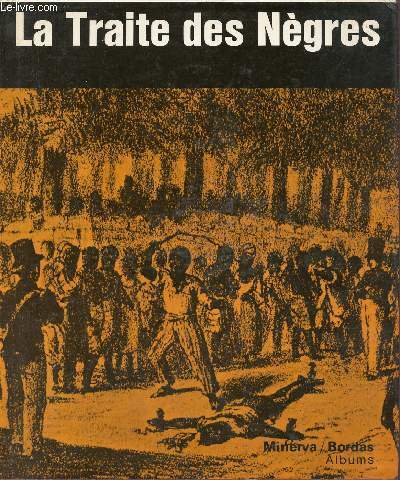
15989Genève, Minerva, "Bordas albums", 1971, 1 cartonnage éditeur avec jaquette illustrée, gardes illustrées. in-4 carré, 151 pp., texte sur 2 colonnes, nombreuses photos ;
18586GENEVE, Editions Minerva, 1971 - . Un volume in-8 carré - Cartonnage pleine toile blanche de l'éditeur sous jaquette illustrée - Illustrations, photographies et cartes en noir - 151 pages - Bel exemplaire
GENEVE, Editions Minerva, 1971 - . Un volume in-8 carré - Cartonnage pleine toile blanche de l'éditeur sous jaquette illustrée - Illustrations, photographies et cartes en noir - 151 pages - Bel exemplaire
1971R320161647Minerva. 1971. In-8. Relié. Bon état, Couv. convenable, Dos satisfaisant, Intérieur frais. 151 pages - nombreuses illustrations en noir et blanc dans et hors texte - jaquette conservée - quelques traces de crayon à papier à l'intérieur de l'ouvrage sans conséquence sur la lecture.. Avec Jaquette. . . Classification Dewey : 326-Esclavage
New English Original bdg. HC. Roy. 8vo. (24 x 17 cm). Edition in English. 361 p., b/w and color ills. The male and female slavery in Islamic law: Ottoman harem. Translation of the Turkish edition published in 1995. Part One: the distortions and misrepresentations of male and female slavery and the Harem, together with some examples. Part Two: male and female slavery in non-Muslim societies and in other religions. Part Three: the institutions of male and female slavery in Islamic law. Part Four: aspects of the practice of slavery, male and female, in the Ottoman state. Part Five: an investigation of the question: what is the Harem? Part Six: a lady governess's memoirs of the Harem. Part Seven: the replies to a number of important questions on these subjects.
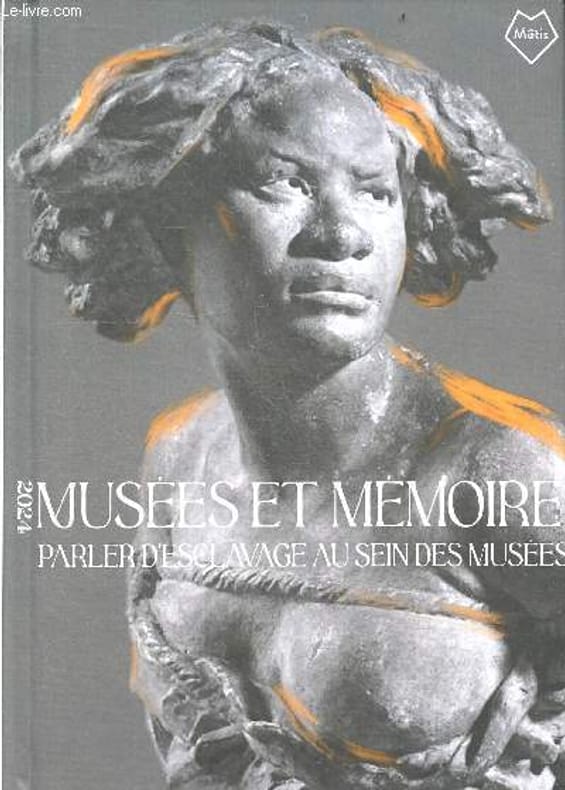
2024RO20276329METIS. 2024. In-4. Relié. Bon état, Couv. convenable, Dos satisfaisant, Intérieur frais. 30 PAGES - Nombreuses illustrations couleur et noir/blanc, dans le texte. . . . Classification Dewey : 326-Esclavage
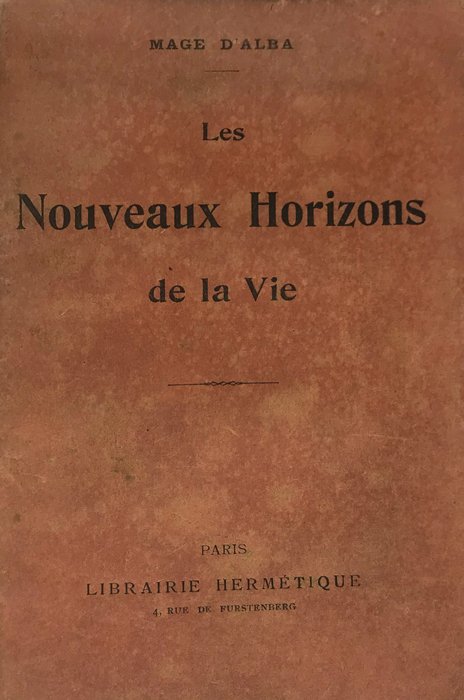
19093576Paris, Librairie Hermétique, 1909 ; in-12, broché ; 114 pp. et photographie de l’auteur en frontispice.
17469Paris, Tallandier, collection "Bibliothèque des Grandes Aventures", 1929, 1 broché, couverture manquante (couverture de protection amateur). in-8 de 221 pages, feuillets de titre et faux-titre manquants ;
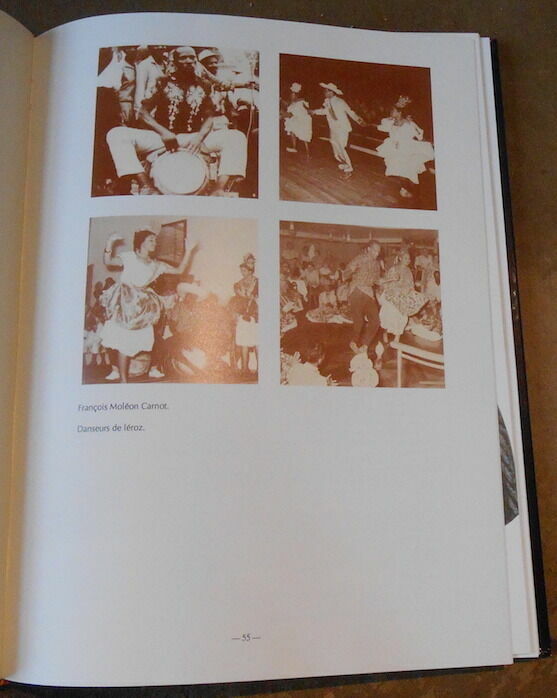
1991186831991. Paris chez les auteurs 1991 - Cartonné 24 5 cm x 32 cm 174 pages nombreuses ills noir et blanc et couleur in et hors-texte - Texte de Alex et Françoise Uri préface de Félix Proto bibliographie discographie- Très bon état
3697Paris, Ch. Poussielgue / Procure générale, 1889. In-8, reliure toilée, 240 pages, frontispice.
5365Paris, Librairie de Victor Palmé, éditeur, 1882. In-8 broché, 11 p. Tiré à 30 exemplaires. Bon état : rousseurs, mouillures. Extrait de la Revue des Questions historiques, janvier 1882.
2783Paris, Lecoffre, 1899, in 12, broché, VIII-437 pages ; dos fendu.
1876789071876 Paris, Didier, 1876, in 12 relié veau noir, dos à nerfs, XVI-492 pages.
1884GITf026Paris Victor Lecoffre 1884. In-16 2 feuillets non chiffrés 2-420pp. Demi toile beige, dos lisse, pièce de titre de basane grenat, couverture conservée, reliure de l’époque. Reliure sobre, rousseurs par endroits, exemplaire bien complet.
1894E50829Bruxelles/ Paris, Vromant/ Sanard & Derangeon 1894 294pp., Nouvelle édition revue et augmentée, reliure demi-toile, 23cm., bel état
1894G89867Bruxelles/ Paris, Vromant/ Sanard & Derangeon 1894 296pp., Nouvelle édition revue et augmentée, reliure cart. (dos en toile avec titre doré), 23cm., peu de rousseurs, bon état, G89867
294pp., Nouvelle édition revue et augmentée, reliure demi-toile, 23cm., bel état
296pp., Nouvelle édition revue et augmentée, reliure cart. (dos en toile avec titre doré), 23cm., peu de rousseurs, bon état, G89867
1894RO20041978SANARD & DERANGEON. Nouvelle édition.. 1894. In-8. Broché. Bon état, Couv. défraîchie, Dos satisfaisant, Rousseurs. 294 pages. Pages non coupées. Mouillures sur plats de couverture et en début d'ouvrage.. . . . Classification Dewey : 326-Esclavage
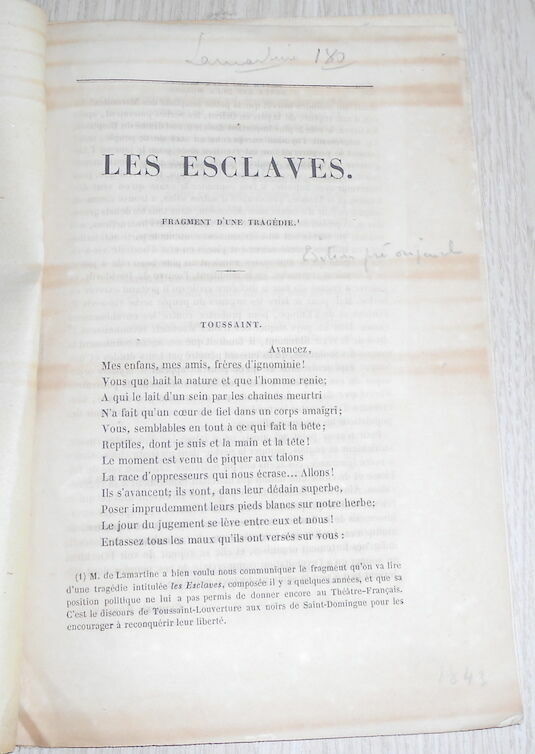
1843188631843. Paris Revue des Deux Mondes 1843 - Broché couv. factice muette 15 cm x 23 5 cm 5 pages - Extrait pré-original de la pièce intitulée « Les Esclaves » de Alphonse de Lamartine ; c'est le discours de Toussaint-Louverture aux noirs de Saint-Domingue - Bon état
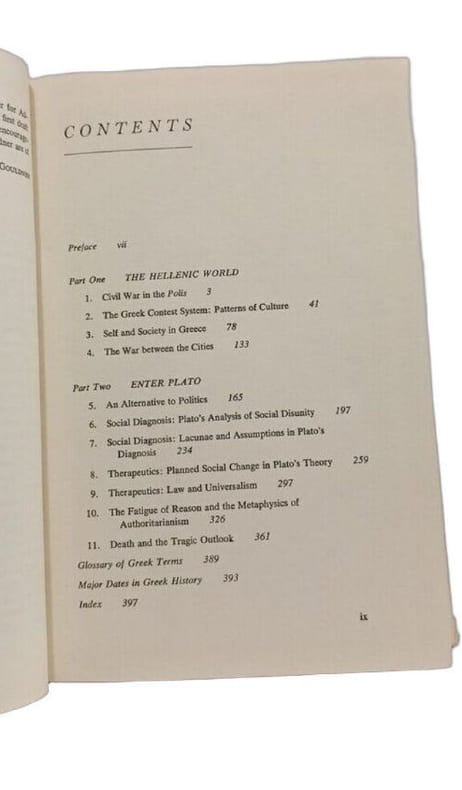
1967100145230Routledge & kegan paul 1967 in8. 1967. Cartonné jaquette. Cet ouvrage d'Alvin Gouldner examine les origines de la théorie sociale dans la Grèce classique en analysant en particulier la structure sociale athénienne le système des classes et l'esclavage comme contexte pour une étude sociologique approfondie de la théorie sociale de Platon notamment dans 'La République'. Il explore les tensions entre les élites intellectuelles et les forces sociétales
183612488New York September 1836. Used; Like New/Used; Like New. Folio. 4 pp printed in four columns per page. Tears around edges creased and with significant toning to the upper front half and extensive foxing throughout. <br><br><br />This rare monthly an organ of the American Anti-Slavery Society began in July 1835 and ended with the February 1839 issue. Among other interesting features the present issue prints a "Form of a Petition for the Abolition of Slavery in the District of Columbia. To The Congress of the United States." Not in Lomazow Mott Sabin. OCLC records copies from all the other years but no copies of this issue. <br><br><br />While there was opposition to slavery in the nation's capital the greater forces against slavery came from the outside through newspapers and petitions. Many petitioned Congress to end slavery in the nation's capital and the organizing efforts in the District included the Washington Abolition Society which was organized in 1827. But the opposition to ending slavery and the slave trade in the District was such a contested issue that a gag rule instituted in 1836 prohibited a discussion of slavery on the floor of Congress. Though Abolitionists including John Quincy Adams vehemently opposed the gag rule standard-bearers of slavery in the District fought tirelessly for it. Eventually in 1848 the House of Representative passed a resolution to prohibit the slave trade in the District of Columbia. Although the resolution did not gain enough traction to end the slave trade in the District it played an influential role in the congressional debates over slavery and the slave trade. The Compromise of 1850 admitted California in the Union as a free state; the former Mexican territories were admitted as part slaveholding states and part free soilers states; and the slave trade in the District of Columbia was abolished. The 1850 Compromise provided the necessary momentum for the enactment of the District of Columbia Compensated Emancipation Act of April 16 1862 that abolished slavery in the Nation's Capital. unknown books