BELMAS (Jacques-Vital) & TARDIEU (Ambroise).Livre Rare Book
1 707 résultats
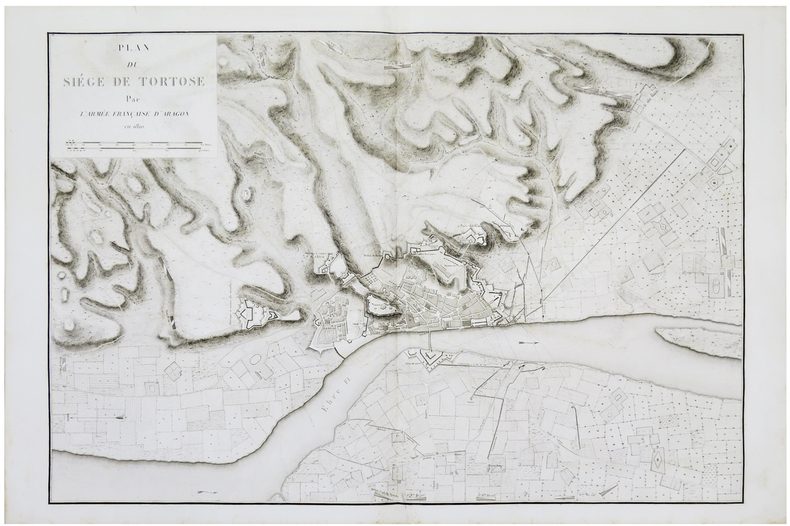
1836LBW-5984[1836]. 603 x 892 mm.
1836LBW-5986[1836]. 607 x 897 mm.
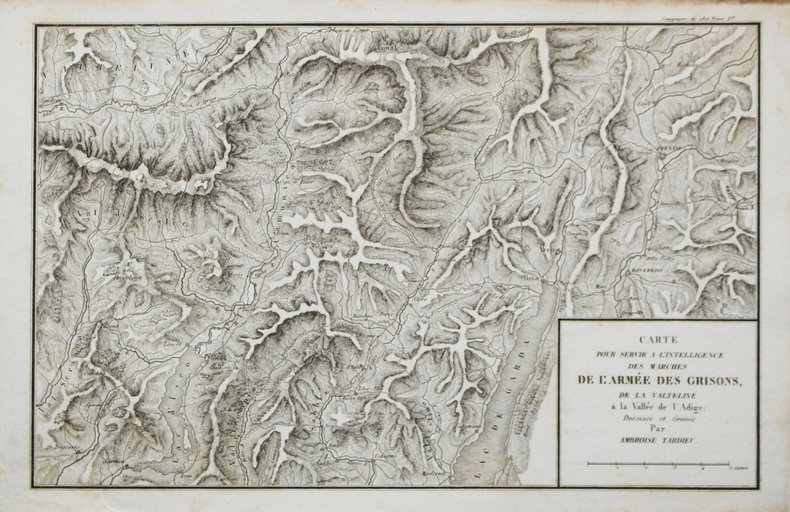
1820LBW-4496[circa 1820]. 238 x 372 mm.
134470994X.Ghardcover. Good. Access codes and supplements are not guaranteed with used items. May be an ex-library book. hardcover
200981898Editions Naïve 2009 44 pages 15x10x2cm. 2009. Poche. 44 pages.
2009sc976Naïve Livre d'heures dos caré collé 2009 In-12 (10,2 x 15 cm), dos carré collé, 44 pages, illustrations en couleurs hors texte ; bords des plats frottés, deux timbres collés en début d’ouvrage, par ailleurs bon état général. Livraison a domicile (La Poste) ou en Mondial Relay sur simple demande.
2009R200125173Naïve. 2009. In-12. Broché. Bon état, Couv. convenable, Dos satisfaisant, Papier jauni. 44 pages, couverture contrepliée plastifiée, nombreuses illustrations en couleur hors texte, exemplaire de bibliothèque, couverture plastifiée, tampons et étiquettes.. . . . Classification Dewey : 840.092-XXI ème siècle
1967RO40132282Hachette. 1967. In-8. Broché. Etat d'usage, Couv. légèrement passée, Dos satisfaisant, Intérieur frais. 219 pages.. . . . Classification Dewey : 352.4-Fiscalité
42769VPRT
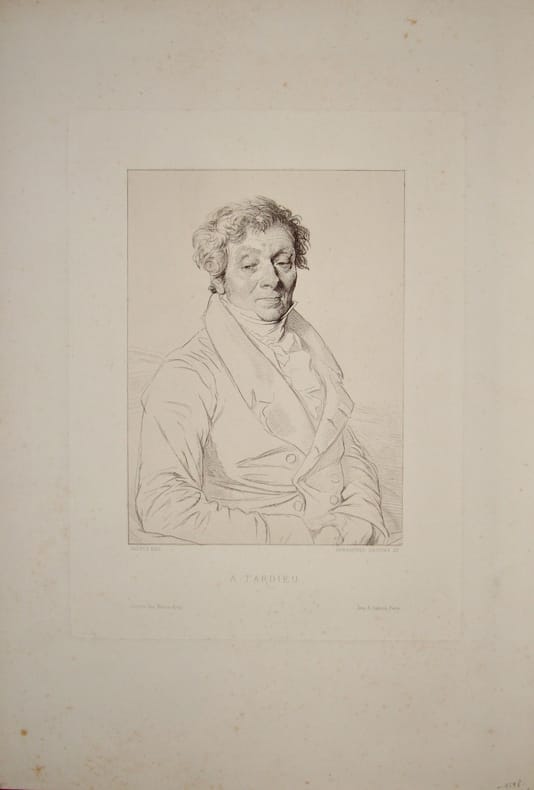
7598D'après Ingres. 3è état sur 3. Tirage de la Gazette des Beaux-Arts. Béraldi 69. IFF 74. Parfait état. Alexandre Tardieu était un graveur, membre de l'Institut (1756 - 1844). en feuille Très bon Paris Gazette des Beaux-Arts 27,5 x 21 à la cuvette (feuille 43,5 x 30).
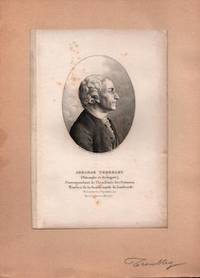
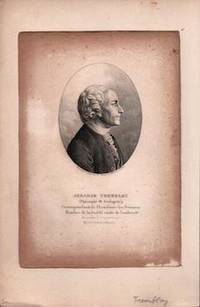
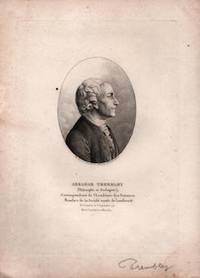
70-1268Paris : 19th Century European Publisher 1800s. Original B&W gravure. 8.25 x 5.5 inches. Good. Light foxing in upper half including some spots on image. Text in French.Abraham Trembley a Swiss naturalist was born Sep. 3 1710. In 1740 Trembley discovered a small freshwater organism which he called a polyp that he thought was new to science in fact Leeuwenhoek had discovered it nearly 40 years before. Experimenting with his tiny tentacled beastie which we now call a hydra Trembley cut the organism in half and discovered to his amazement that both halves could regenerate producing two fully functional hydra from the incomplete pieces. Most scientists who did not see this with their own eyes would not believe it. So Trembley did a very clever thing. He found ways to keep the delicate organisms alive during long carriage rides and he sent living specimens to the leading naturalists of Paris and London with instructions on how to conduct the experiments. Trembley’s experiments were re-performed before the French Academy of Sciences and the Royal Society of London and the hydra regenerated just as Trembley had promised. By thus using what one scholar has called this “strategy of generosity†Trembley converted what might have been fierce critics into supporters. By the time his book came out Mémoires pour servir ą l’histoire d’un genre de polypes d’eau douce Memoirs on the natural history of a kind of freshwater polyp 1744 he no longer had to battle skeptics and Trembley was proclaimed everywhere as a master investigator of nature. Paris : [19th Century European Publisher], [1800s?]. unknown
70-1269Paris : 19th Century European Publisher 1800s. Original B&W gravure. 8.5 x 5.75 inches. Good. Toning throughout particularly along edges. Text in French.Abraham Trembley a Swiss naturalist was born Sep. 3 1710. In 1740 Trembley discovered a small freshwater organism which he called a polyp that he thought was new to science in fact Leeuwenhoek had discovered it nearly 40 years before. Experimenting with his tiny tentacled beastie which we now call a hydra Trembley cut the organism in half and discovered to his amazement that both halves could regenerate producing two fully functional hydra from the incomplete pieces. Most scientists who did not see this with their own eyes would not believe it. So Trembley did a very clever thing. He found ways to keep the delicate organisms alive during long carriage rides and he sent living specimens to the leading naturalists of Paris and London with instructions on how to conduct the experiments. Trembley’s experiments were re-performed before the French Academy of Sciences and the Royal Society of London and the hydra regenerated just as Trembley had promised. By thus using what one scholar has called this “strategy of generosity†Trembley converted what might have been fierce critics into supporters. By the time his book came out Mémoires pour servir ą l’histoire d’un genre de polypes d’eau douce Memoirs on the natural history of a kind of freshwater polyp 1744 he no longer had to battle skeptics and Trembley was proclaimed everywhere as a master investigator of nature. Paris : [19th Century European Publisher], [1800s?]. unknown
70-1288Paris : 19th Century European Publisher 1800s. Original B&W gravure. 7.75 x 10.75 inches. Very Good. Light surface wear. Small perforation on upper left side not affecting image. Text in French.Abraham Trembley a Swiss naturalist was born Sep. 3 1710. In 1740 Trembley discovered a small freshwater organism which he called a polyp that he thought was new to science in fact Leeuwenhoek had discovered it nearly 40 years before. Experimenting with his tiny tentacled beastie which we now call a hydra Trembley cut the organism in half and discovered to his amazement that both halves could regenerate producing two fully functional hydra from the incomplete pieces. Most scientists who did not see this with their own eyes would not believe it. So Trembley did a very clever thing. He found ways to keep the delicate organisms alive during long carriage rides and he sent living specimens to the leading naturalists of Paris and London with instructions on how to conduct the experiments. Trembley’s experiments were re-performed before the French Academy of Sciences and the Royal Society of London and the hydra regenerated just as Trembley had promised. By thus using what one scholar has called this “strategy of generosity†Trembley converted what might have been fierce critics into supporters. By the time his book came out Mémoires pour servir ą l’histoire d’un genre de polypes d’eau douce Memoirs on the natural history of a kind of freshwater polyp 1744 he no longer had to battle skeptics and Trembley was proclaimed everywhere as a master investigator of nature. Paris : [19th Century European Publisher], [1800s?]. unknown
1824RO80235913boiste fils ainé. 1824. In-18. Relié plein cuir. Etat d'usage, Couv. convenable, Dos abîmé, Intérieur frais. 238 pages. Annotations à l'encre sur la page de titre. Frontispice en noir et blanc . Contreplats jaspés. Titre et ornements en doré au dos. Une partie du dos est manquante.. . . . Classification Dewey : 840-Littératures des langues romanes. Littérature française
193956171Nrf | Paris 1939 | 12 x 19 cm | broché
1936RO40213159Flammarion. 1936. In-12. Broché. Etat d'usage, 1er plat abîmé, Dos satisfaisant, Pliures. Plaquette de 47 pages.. . . . Classification Dewey : 944.081-IIIe République, 1870-1945
R150067295FLAMMARION .. 1936.. In-8. Broché. Etat d'usage, Couv. légèrement passée, Dos satisfaisant, Intérieur acceptable. 47 pages. Etiquette sur le dos. Tampon sur la page de titre.. . . . Classification Dewey : 840-Littératures des langues romanes. Littérature française
1936R260146544FLAMMARION. 1936. In-12. Broché. Etat d'usage, Couv. légèrement passée, Dos satisfaisant, Intérieur frais. 47 pages.. . . . Classification Dewey : 320-Science politique
500229194Sans date.
85621Flammarion 1936, fascicule de 48 pages - bon état
193689515Paris, 1936, in-8, 47pp, broché, Très bel exemplaire! 47pp
1936J0570Paris, Ernest Flammarion Éditeur, s.d. (vers 1936) ; in-16 jésus, 48 pp., couverture et cahier agrafés. Pour l'auteur, la Révolution française est entièrement à refaire… Bon état.
1936111649Flammarion, 1936, in-12, 47 pp, broché, couv. beige titrée en rouge, bon état
1936RO80025526FLAMMARION. 1936. In-12. Broché. Etat d'usage, Couv. défraîchie, Agraffes rouillées, Mouillures. 47 pages. Coiffe en pied fendue.. . . . Classification Dewey : 944-Histoire de France varia