5 647 résultats
162525551625 16X25, 264 pages, pleine reliure toile avec jaquette, très bon état, couverture couleurs de protection à rabats, avec 22 planches de photographies noir et blanc, version anglaise -
24051ALBUM IN FOLIO oblong,pleine percaline ,titre sur le premier plat, receuil de 9 partitions illustrées,dont Beaugency. Quadrille (pour orchestre)[1855], le chansonnier lillois; la vapeur! Valse pour le piano; etc, titres en lithographie,Musique imprimée,rare
Málaga, El Guadalhorce, 1971 ("Cuadernos de María Isabel"). 8vo. alargado; 18 pp., 1 h. y un retrato fotográfico de la bailaora. Edición limitada y numerada de 200 ejemplares. Cubiertas originales.
35 fotografie
In -8°,bross edit ill – pag. 154 – buono stato, carta leggermente ingiallita
- Lucien Vogel éditeur, Paris 1920, 18x24cm, une feuille. - Original color print, printed on vergé paper, non signed. An original print used to illustrate the Gazette du bon ton, one of the most attractive and influential 20th century fashion magazines, featuring the talents of French artists and other contributors from the burgeoning Art Deco movement. A celebrated fashion magazine established in 1912 by Lucien Vogel, La Gazette du bon ton appeared until 1925, with a hiatus from 1915 to 1920 due to the war (the editor-in-chief having been called up for service). It consisted of 69 issues printed in only 2,000 copies each and notably illustrated with 573 color plates and 148 sketches of the models of the great designers. Right from the start, this sumptuous publication "was aimed at bibliophiles and fashionable society," (Françoise Tétart-Vittu, "La Gazette du bon ton", in Dictionnaire de la mode, 2016) and was printed on fine vergé paper using a type cut specially for the magazine by Georges Peignot, known as Cochin, later used (in 1946) by Christian Dior. The prints were made using stencils, heightened in colors, some highlighted in gold or palladium. The story began in 1912, when Lucien Vogel, a man of the world involved in fashion (he had already been part of the fashion magazine Femina) decided, with his wife Cosette de Brunhoff - the sister of Jean, creator of Babar - to set up the Gazette du bon ton, subtitled at the time: "Art, fashion, frivolities." Georges Charensol noted the reasoning of the editor-in-chief: "'In 1910,' he observed, 'there was no really artistic fashion magazine, nothing representative of the spirit of the time. My dream was therefore to make a luxury magazine with truly modern artists...I was assured of success, because when it comes to fashion, no country on earth can compete with France.'" ("Un grand éditeur d'art. Lucien Vogel" in Les Nouvelles littéraires, no. 133, May 1925). The magazine was immediately successful, not only in France but also in the United States and Latin America. At first, Vogel put together a team of seven artists: André-Édouard Marty and Pierre Brissaud, followed by Georges Lepape and Dammicourt, as well as eventually his friends from school and the School of Fine Arts, like George Barbier, Bernard Boutet de Monvel and Charles Martin. Other talented people soon came flocking to join the team: Guy Arnoux, Léon Bakst, Benito, Boutet de Monvel, Umberto Brunelleschi, Chas Laborde, Jean-Gabriel Domergue, Raoul Dufy, Édouard Halouze, Alexandre Iacovleff, Jean Émile Laboureur, Charles Loupot, Chalres Martin, Maggie Salcedo. These artist, mostly unknown when Lucien Vogel sought them out, later became emblematic and sought-after artistic figures. It was also they who worked on the advertising drawings for the Gazette. The plates put the spotlight on, and celebrate, dresses by seven designers of the age: Lanvin, Doeuillet, Paquin, Poiret, Worth, Vionnet and Doucet. The designers provided exclusive models for each issue. Nonetheless, some of the illustrations are not based on real models, but simply on the illustrator's conception of the fashion of the day. The Gazette du bon ton was an important step in the history of fashion. Combining aesthetic demands with the physical whole, it brought together - for the first time - the great talents of the artistic, literary, and fashion worlds; and imposed, through this alchemy, a completely new image of women: slender, independent and daring, which was shared by the new generation of designers, including Coco Chanel, Jean Patou, Marcel Rochas, and so on... Taken over in 1920 by Condé Montrose Nast, the Gazette du bon ton was an important influence on the new layout and aesthetics of that "little dying paper" that Nast had bought a few years earlier: Vogue. [FRENCH VERSION FOLLOWS] Estampe originale en couleur, tirée sur papier vergé, non-signée. Gravure originale réalisée pour l'illustration de La Gazette du bon ton, l'un
No marks or inscriptions. A very clean very tight copy with bright unmarked boards, very slight dustiness to some page edges and no bumping to corners. Dust jacket not price clipped with slight foxing/dustiness to rear, rubbing to corners and small tear to lower front edge. 210pp. The famous book on ballroom dancing, revised edition with clear descriptions and diagrams.
- Editions Francis Salabert, Paris 1923, 27,2x35,3cm, une feuille rempliée. - Edition originale de cette partition chant et piano illustrée sur le premier plat en couleurs par Roger de Valerio. Très bel exemplaire. [ENGLISH DESCRIPTION ON DEMAND]
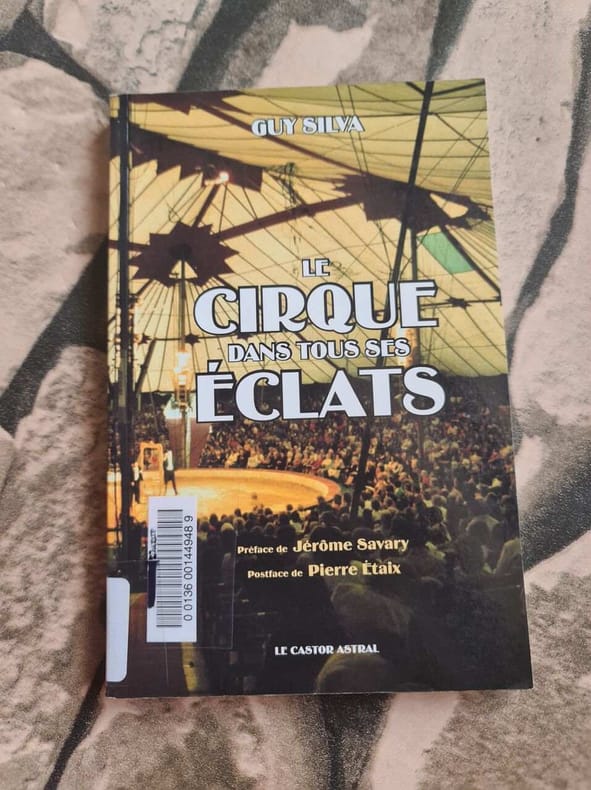
2003500126245CASTOR ASTRAL 2003 160 pages 14x1 2x21 4cm. 2003. Broché. 160 pages.
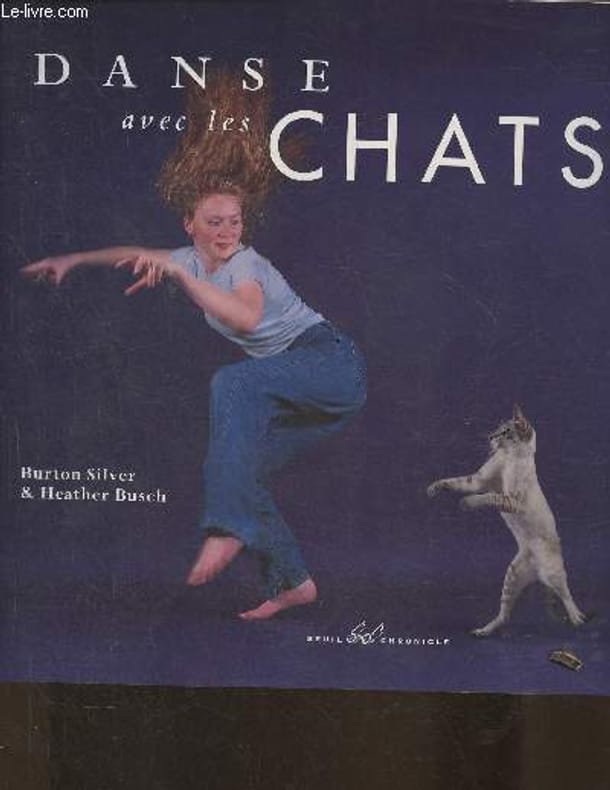
1999RO30373138Seuil Chronicle. 1999. In-4. Broché. Bon état, Coins frottés, Dos satisfaisant, Papier jauni. 95 pages. Couverture contrepliée. Nombreuses photos en couleurs. Frontispice en couleurs. Frontispice en couleurs.. . . . Classification Dewey : 793.3-Danse
2005RO30170805EDITIONS DU SEUIL. VERS 2005. In-12. Broché. Etat d'usage, Couv. légèrement pliée, Dos plié, Intérieur frais. 414 nombreux surlignements et annotations au crayon à papier dans l'ouvrage. . . . Classification Dewey : 793.3-Danse
1995MSIBCOR1Paris Suil 1995 In-8 broché (20.5x14 cm), 340 pp.
No inscriptions or marks. No creasing to covers. A very clean tight copy with bright unmarked covers and no bumping to corners. Not dated but ca. 1920s. Two tissue-guarded plates. 28pp. Pull-out map at rear showing 'most direct ways to the Site' (just south of Hampstead) in perfect condition. Binding is with a blue silk string and is in perfect condition.
2006227095Liberty: Short Mountain Collective 2006. Magazine. 48p. 8.5x11 inches illustrations photos very good magazine in stapled pictorial wraps. Rustic Fairy Dreams aka Radical Faerie Digest. Magazine emphasizing communal aspects of rural gay life. Short Mountain Collective unknown books
125 pages. Bibliography. Several reproductions of illustrative black and white photos, and frontis portrait of author. "Written with the intention of publicizing the fundamental techniques of modern tap dancing." - from Preface. Prior owner's name atop front free endpaper, otherwise clean and unmarked with moderate wear. Tight and square. Green leatherette covered boards. Light age-tanning to some pages. A quality copy of this vintage tap reference. Book
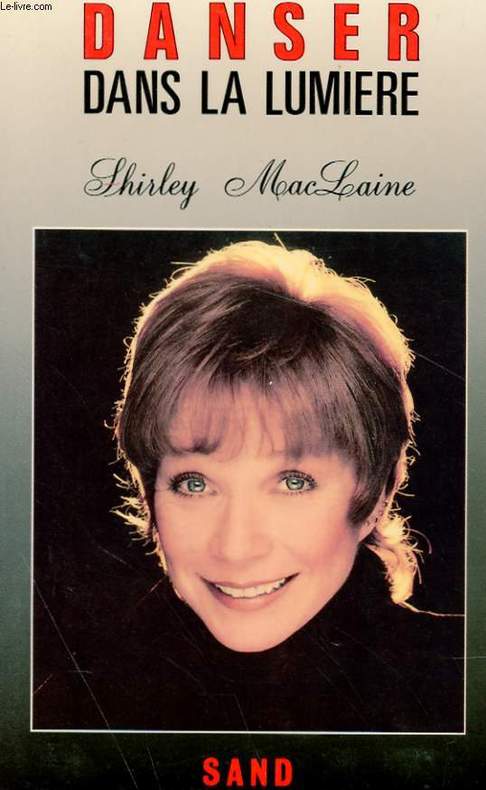
1986RO30104720SAND. MAI 1986. In-8. Broché. Bon état, Couv. convenable, Dos satisfaisant, Intérieur frais. 358 pages.. . . . Classification Dewey : 793.3-Danse
The Magic Nut is a new ballet "prequel" to E.T.A. Hoffman's holiday classic. Based on Hoffman's own work, The Story of a Hard Nut, Chemiakin's adaptation shows fans how the Nutcracker character itself came into being. In performance, The Magic Nut explores the heroic qualities of the boy who was turned into a nutcracker for his virtuous deeds. Here is the creation of the ballet, scene by scene, wi <br/> STATO: NUOVO.<br/> TITOLO: The Magic Nut: A Prologue to The Nutcracker. <br/> AUTORE: Shemiakin, Mikhail.<br/> CURATORE: A cura di Paola Gribaudo,<br/> EDITORE: Skira<br/> DATA ED.: 2005,<br/> EAN: 9788876243769
417 p. illus., diagrs., music. 24 cm. Hardcover Very good condition good
411p., illus. Hardcover Very good condition
Barcelona, Instituto Parramón ediciones, s/f. Numerosas fotografías en color de Jesse Davis. 95p. 4º mayor. Cartoné editorial ilustrado. Muy buen ejemplar.
Come nuovo, spedizione tracciata
In-8 (Cm 30 x 22), pp. 105, cart. ed. ill., ill. b.n. e col. nel testo. Abrasione all'angolo basso destro, due leggeri rialzi della pellicola protettiva al piatto ant. Ordinari segni del tempo. MOLTO BUONO
No marks or inscriptions. Crease to lower front corner and oversize parts of covers. A very clean very tight copy with very slightly marked light brown boards and rubbing/some loss to spine strip. Untrimmed page edges. 118pp. Containing thirty-five country dances from The English Dancing Master 1650-1728.
Name to upper corner of front end paper. No other marks or inscriptions. Light creasing to front and creased oversize parts of covers. A very clean very tight copy with light grey boards. 118pp. Containing thirty-five country dances from The English Dancing Master 1650-1728.