Veloz, Frank and YolandaMareMagnum

5 647 résultats
A clean, unmarked book with a tight binding. 153 pages. Bright blue cloth cover with gilt title block. Dust jacket has several closed and open tears. Many illustrations and b&w photos. Swank!
Buenos Aires. Edit. Visor, 2004. Numerosas ilustraciones en color y b/n. 177 p. 4t. Tela editorial son sobrecubierta ilustrada con estuche de cartoné editorial ilustrado. Muy buen ejemplar. No lleva los CDs.
1992113798ARS Editores 1992 Livre en anglais, espagnol. In-4 relié 29,5 cm sur 29,5. 143 pages. Jaquette en bon état. Bon état d’occasion.
2605Favre, 1982. In-4. Cartonnage éditeur illustré. Non pagine, environ 86 pages. Très nombreuses photographies NB de Pablo Reinose, d'après la création de Oscar Araiz et Atilio Stampone, avec le ballet du Grand Théâtre de Genève. Très bon état.
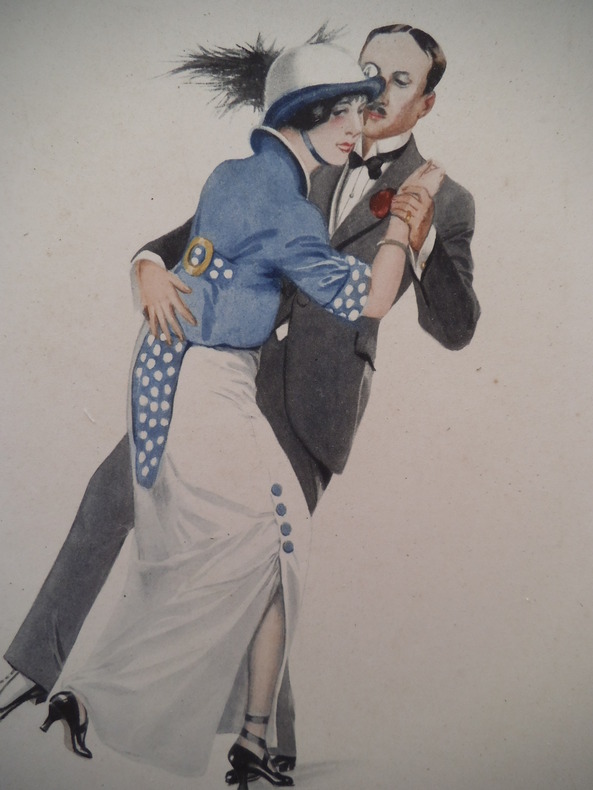
8668Gravure en couleurs sur chine, contrecollée sur vélin fort. 250x345mm à la cuvette et 305x435mm avec la marge. Coloris frais
1982138217Éditions Pierre-Marcel Favre 1982 In-4 cartonnage éditeur 28,6 cm sur 24,4. Sans pagination. Très bon état d’occasion.
Rémi Hess Tango. , Besa 1997, Copertina cartonata leggermente sporca. Tagli sporchi di polvere. Pagine integre. Collana:"Verbamundi6". Mediocre (Poor) . <br> <br> <br> <br> 8886730241
- Lucien Vogel éditeur, Paris Juillet 1914, 18x24cm, ballet russe, une feuille. - Original black and white print, printed on vergé paper, signed in the plate. An original print used to illustrate the Gazette du bon ton, one of the most attractive and influential 20th century fashion magazines, featuring the talents of French artists and other contributors from the burgeoning Art Deco movement. A celebrated fashion magazine established in 1912 by Lucien Vogel, La Gazette du bon ton appeared until 1925, with a hiatus from 1915 to 1920 due to the war (the editor-in-chief having been called up for service). It consisted of 69 issues printed in only 2,000 copies each and notably illustrated with 573 color plates and 148 sketches of the models of the great designers. Right from the start, this sumptuous publication "was aimed at bibliophiles and fashionable society," (Françoise Tétart-Vittu, "La Gazette du bon ton", in Dictionnaire de la mode, 2016) and was printed on fine vergé paper using a type cut specially for the magazine by Georges Peignot, known as Cochin, later used (in 1946) by Christian Dior. The prints were made using stencils, heightened in colors, some highlighted in gold or palladium. The story began in 1912, when Lucien Vogel, a man of the world involved in fashion (he had already been part of the fashion magazine Femina) decided, with his wife Cosette de Brunhoff - the sister of Jean, creator of Babar - to set up the Gazette du bon ton, subtitled at the time: "Art, fashion, frivolities." Georges Charensol noted the reasoning of the editor-in-chief: "'In 1910,' he observed, 'there was no really artistic fashion magazine, nothing representative of the spirit of the time. My dream was therefore to make a luxury magazine with truly modern artists...I was assured of success, because when it comes to fashion, no country on earth can compete with France.'" ("Un grand éditeur d'art. Lucien Vogel" in Les Nouvelles littéraires, no. 133, May 1925). The magazine was immediately successful, not only in France but also in the United States and Latin America. At first, Vogel put together a team of seven artists: André-Édouard Marty and Pierre Brissaud, followed by Georges Lepape and Dammicourt, as well as eventually his friends from school and the School of Fine Arts, like George Barbier, Bernard Boutet de Monvel and Charles Martin. Other talented people soon came flocking to join the team: Guy Arnoux, Léon Bakst, Benito, Boutet de Monvel, Umberto Brunelleschi, Chas Laborde, Jean-Gabriel Domergue, Raoul Dufy, Édouard Halouze, Alexandre Iacovleff, Jean Émile Laboureur, Charles Loupot, Chalres Martin, Maggie Salcedo. These artist, mostly unknown when Lucien Vogel sought them out, later became emblematic and sought-after artistic figures. It was also they who worked on the advertising drawings for the Gazette. The plates put the spotlight on, and celebrate, dresses by seven designers of the age: Lanvin, Doeuillet, Paquin, Poiret, Worth, Vionnet and Doucet. The designers provided exclusive models for each issue. Nonetheless, some of the illustrations are not based on real models, but simply on the illustrator's conception of the fashion of the day. The Gazette du bon ton was an important step in the history of fashion. Combining aesthetic demands with the physical whole, it brought together - for the first time - the great talents of the artistic, literary, and fashion worlds; and imposed, through this alchemy, a completely new image of women: slender, independent and daring, which was shared by the new generation of designers, including Coco Chanel, Jean Patou, Marcel Rochas, and so on... Taken over in 1920 by Condé Montrose Nast, the Gazette du bon ton was an important influence on the new layout and aesthetics of that "little dying paper" that Nast had bought a few years earlier: Vogue. [FRENCH VERSION FOLLOWS] Estampe en noir et blanc rehaussée au palladium, tirée sur papier vergé, signée en bas à droite de la p
2011053943Universidad Nacional Autónoma de México 2011. 1st Edition 1st Printing. Soft cover. Fine. Photographs Throughout. 403 Pp. Large Format Soft Cover Printed 15 Avril 2011. French Wrappers. Fine. No Marks. <br/> <br/> Universidad Nacional Autónoma de México paperback
F. Taddei, A. Chiarelli (a cura di), Il Theatro dell'Udito Società,, Musica, Storia e Cultura nell'epoca di Orazio Vecchi Mucchi Editore, Modena, 2007. Cm. 24x17, pp. 376, ill. n. t. in b. n. Cartoncino edit. fig. a col. Condizioni di conservazione Esemplari in ottimo stato di conservazione. Mai letto. SETT74.L20823G
20567Tablette recouverte de papier maroquiné rouge, décor de roulettes dorées sur les plats, ardoise façon vélin pour la marque de points d'un coté avec son crayon en étain, tableau imprimé des paiements du Boston au verso, Molette tournante pour le comptage des points (quelques usures sur les tranches). Dix-neuvième siècle, (100 x 155 mm). Bon état compte tenu de la fragilité de l'objet.
"Rivista - album, "Tabarin" Auguste Bosc fondeur [...] pré,sente le plus parisien des spectacles "Reflets" album - souvenir B.I.E.P., Paris, 1930, cm 27x21, pp. 20 non num., quasi tutte con belle ill. in b/n e a colori, cartoncino ed. con titolo in oro il rilievo al piatto ant. Condizioni di conservazione Esemplare in buono stato con tracce d'uso, cartoncino ed. con minuscole / piccole lievi macchiette e aloni. Interni buoni. Bell'album - souvenir pubblicitario dello spettacolo "Reflets", allestito dalla compagnia Tabarin. SC03.D17227 N "
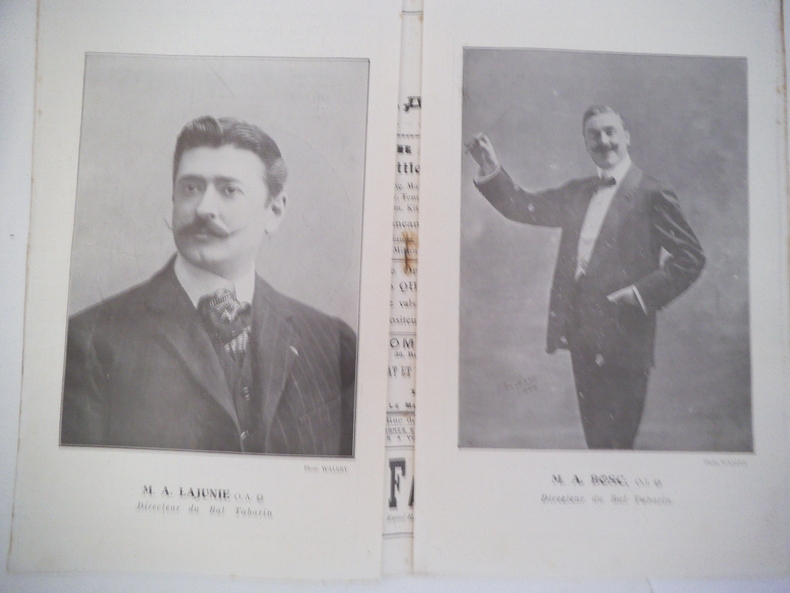
13318TABARIN Montmartre- Programme officiel. LAJAUNIE et BOSC directeurs. In 8 broché, couverture illustrée de GRÜND, 12 pages, dont une grande page centrale avec le programme. Illustrations photographiques, l’ensemble sur papier couché. Illustration à pleine page e WILLETTE. Sans date (1905 ?) rousseurs sur la couverture.
T. Kantor Theatre Cricot 2, Aujourd'hui c'est mon anniversaire Centro Ricerche Milano 1990, cm 29x24.5, pp. 24, ed. numerata n/s 504/1000, ill. in b/n n.t e a p.pag, cartoncino ed., prima ed. Condizioni di conservazione Esemplare in buono stato con leggere tracce d'uso. SETT121.L11626 MT
2003500213925Editions L'Express 2003 2x23x15cm. 2003. Broché.
With Index. 333 pages. A couple of marks on front cover.
<h3>Autore: Mike Watkinson - Pete Anderson</h3> <h3>Editore: Arcana Editrice</h3> <h3>Anno: 1992 I Ed.</h3> <h3>Formato: 15x21 cm - Copertina Morbida </h3> <h3>Pagine: 163 con illustrazioni </h3> <h3>Lingua: Italiano</h3> <h3>Condizioni: Discrete , come da foto, con segni del tempo e di utilizzo. Piccoli strappi a copertina e dorso.</h3>
ill., br. Masumi è una ragazza solare che vive nella periferia di Hokkaio, assieme al padre scultore. La sua testa, però, è tutta dedicate al balletto, e lei sogna di diventare una grande ballerina come la defunta madre. Ma non è facile studiare balletto in un paesino dove gli animali della fattoria tendono a interrompere le lezioni di ballo. Ma la ragazza non demorde e decide di trasferirsi a Tokyo per incontrare il famosissimo ballerino russo Alexei Sergeiev. Anche se I biglietti sono esauriti, Masumi prova a entrare dietro le quinte...
In 8' quadr., cart. ed. pp. 104ill. in n. n.t., lievi segni d'uso alla cop., interno ottimo.Luogo di pubblicazione TorinoEditore Centro di studio della danzaAnno pubblicazione 1996Materia/Argomento Danza, Balletto
Vol.in 8°larga cart.edit.illustr.Nuovo
200325997Somogy Editions d’Art/Musée de la ville d’Evreux 2003 In-4, cartonnage noir, sous jaquette illustrée, photographies en noir et en couleurs, 127 pp. État neuf. Poids : 1kg avec emballage
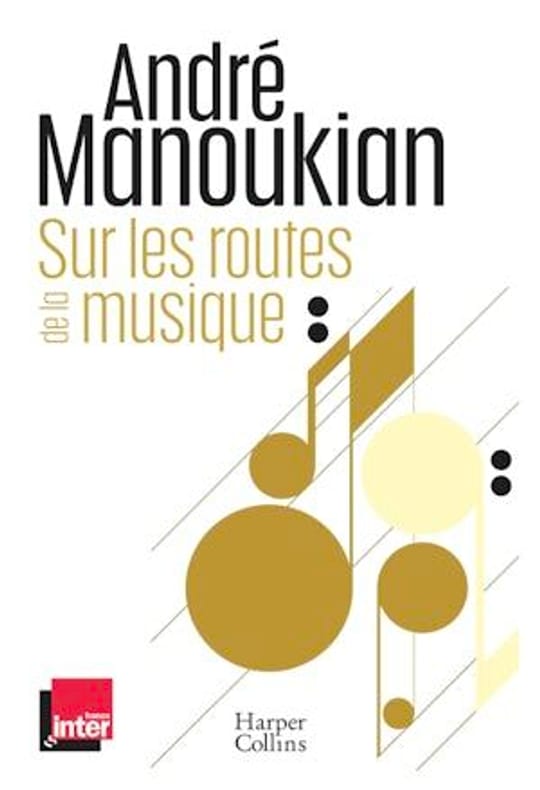
2021500100076HARPERCOLLINS 2021 192 pages 14 1x20 4x2 9cm. 2021. Broché. 192 pages.
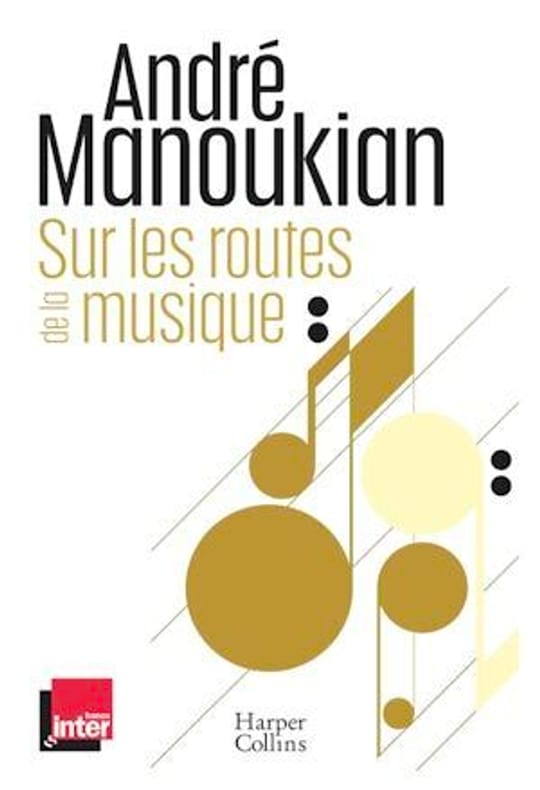
2021500114321HARPERCOLLINS 2021 192 pages 14 1x20 4x2 9cm. 2021. Broché. 192 pages.
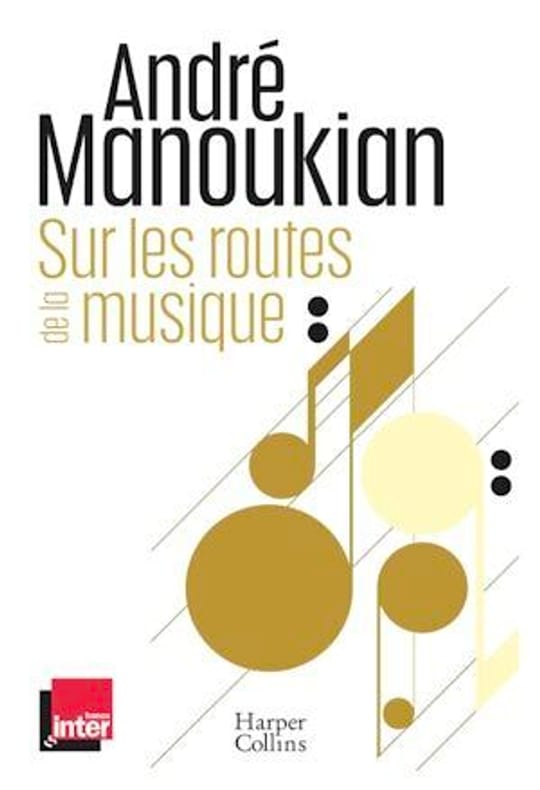
2021500114578HARPERCOLLINS 2021 192 pages 14 1x20 4x2 9cm. 2021. Broché. 192 pages.
2021500114975HARPERCOLLINS 2021 192 pages 14 1x20 4x2 9cm. 2021. Broché. 192 pages.