FASHIONBiblio.com
740 résultats
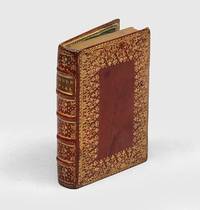
133200France: 18th century. Puffs Powders Patches Bibles Billet-doux A beautifully crafted vanity kit bound to mimic a French Book of Hours. Its elaborately gilt-tooled red morocco casing disguises an ingenious interior of fashionable accoutrements bodkin brush looking glass and miniature essentials writing tools all key elements of the ritualized toilette. Books of Hours - personal prayer books kept by laypersons for private devotion - were frequently the remit of women whether gifted to commissioned by or made for them. The books' content encouraged quiet introspection while their lavish illumination decoration and bindings became an external expression of wealth and status. This palm-sized "Heures Royal" as the spine label reads encourages reflection of a more literal kind. Instead of religious meditations its contents include a set of six vanity tools a removable mirror an ivory writing tablet and a retractable pencil all carefully positioned within a compartmentalized silk- and ribbon-lined interior. "A wealthy woman never left home without her travelling case or nécessaire which held her perfumes and toiletries" Martin p. 18. French vanity boxes ranged from the larger nécessaire de voyage and nécessaire de toilette to "nécessaires de poche which housed one or two important bottles and brushes for emergency application deep in the many pockets of their voluminous gowns" Martin. Even tinier were "much smaller vanity cases called etuis intended to fit into a pocket. another must-have item. These were also used as containers for other items such as sewing kits and writing tools" Stewart. Most of the finest manufacturers and retailers of nécessaires were located near to the Palais Royal in Paris. Cases were available in a wide variety of costly materials and designs often incorporated precious stones. Book-form examples like this are much more unusual. Alexander Pope satirized the toilette in The Rape of the Lock 1712 mocking the frivolous combination of "Puffs Powders Patches Bibles Billet-doux" - a clash of religious and cosmetic devotion neatly encapsulated in this etui case. This item has been registered with the UK government's ivory declaration service. Book-form box sextodecimo 112 x 72 mm. Original red morocco green spine label lettered "Heures Royal" raised bands compartments covers and inner dentelles heavily gilt-tooled with floriate scrollwork and star motifs edges gilt 2 metal catches. Interior lined with green moiré silk and trimmed with yellow ribbon. Interior sections include recesses one holding 12 blank paper slips tied with pink ribbon a hinged panel supporting an ivory aide-memoire leaf on recto and a pull-out mirror on verso and compartments for 6 miniature engraved vanity tools: 2 retractable styluses likely formerly holding a pencil or tooth pick pair of scissors bodkin with ear spoon at end scraper and brush. Externally bright and well preserved small chip at upper outer corner of front cover tiny pinholes at edges near catches; internally sound lining a little frayed implements tarnished mirror desilvered and corroded. A remarkable survival. Morag Martin Selling Beauty: Cosmetics Commerce and French Society 2009; Susan Stewart Common and Uncommon Scents: A Social History of Perfume 2022. hardcover
195562463New York NY Kansas City MO & Carmel Santa Barbara & San Francisco CA: Marian Ross Mizelle Madrigal 1955-1974. Four Vols. and original Store Sign for Carmel CA boutique. Folio. 2 - 12 x 15.25 in. & 2 - 13 x 19 in. 48; 48; 48; 48 pp unpaginated. all w/ mylar sleeves archival black paper insert backings with 151 original designs in gouache watercolour chalk and pen & ink 38 in pen & ink or pencil sized from 7 x 11 in. up to 10 x 15 in. and nearly all signed by Marian Ross three feature original fabric sample swatches affixed to them including one w/ pencil MS “Winner†and mimeographed description affixed to verso several of them are translucent pochoir stapled to backing paper many are on thick stiff studio board while others on assorted textured paper stock. In addition there are three newspaper and magazine clippings 1966 & 2013 a photostat copy of early Ross Mizelle “Mod†fashion designs and original black & white silver gelatin photo of young Marian Ross modeling a wedding dress. All are preserved in flexible vinyl portfolios printed labels on spines some minor scuffing & shelfwear to portfolios occasional very minor closed tears or edgewear to the designs a few w/ minor holes from removed staples still an exemplary archive of designs together with the original Madrigal signboard sized 16 x 27 in. from their Carmel CA store. This sensational archive of original fashion designs for Kansas City MO based department store suppliers by Marian Ross Mizelle before her move to California in the 1970’s to establish the Madrigal boutique with her husband Elliot A. Mizelle 1916-2007. These vividly reveal the Mid-20th-Century fashion trends following World War II. Many of the designs in this collection reflect the transition from the late 1950’s elegance and emphasis on Dior’s “New Look†highlighting femininity and opulent use of fabrics towards the more youthful designs emerging out of Swinging London which were a slimming down beginning to raise hemlines with short skirts bolero tops and increasing influence of Pierre Cardin Andre Courreges and Givenchy. The Mid-20th-Century saw a tremendous upsurge in marketing slimmer lines tighter fitting bodices and fashions emerging from such cultural events as Audry Hepburn in her iconic 1961 “Breakfast at Tiffany’s†film which heavily influenced a generation of young women.Young Marian Ross b. 1936 after completing her Fashion Academy certificate in 1955 free-lanced and worked in the New York fashion industry before landing with the influential and hot-selling Gay Gibson label with Gernes Garment Co. in 1961. The Gernes Garment Co. had been originally founded in 1928 by Sara Desaix Gernes 1896-1978 and her husband Alexander Gernes 1882-1947 to market her groundbreaking fashion designs targeting everyday fashion for young women juniors and teens. Her designs proved very popular as she initiated and fashioned sizing and dresses and clothing for teenagers through young college-age women and her designs proved very successful and were marketed through Chicago’s Marshall Field’s department store. By 1961 the Gernes Garment Co. moved their design and pattern making department to New York to capture young fashion designers such as Marian Ross as well as be closer to the influential couturier houses in New York & Paris. The Gay Gibson label was marketed in Mademoiselle Seventeen Glamour and Vogue magazines with Twiggy often modeling Gay Gibson dresses in the 1960’s. Marian’s designs were inventive playful and emphasizing movement as well as comfort. Many of the fashion patterns depict her models in flats ballet flats or even shoeless while dressed in elegant evening or formal dress. Also depicted are designs such as billowing harem pants modified and sleek upscale poodle skirts and Tartan patterned capes pockets dresses and accessories. Others encompass swimwear ski wear as well as the emphasized and often enforced domesticity of the late 1950’s to 1960’s with stylish plaid house-dresses in the kitchen and bar as well as frequent use of lace. The Gay Gibson label maintained a showroom at 1407 Broadway on the 39th Floor in New York ad held over 24 showings from 1961-1969 including Junior Dresses Summer Collections Spring Junior Collections as well as Holiday and Resort collections. By the early 1970’s the label was having financial difficulties and the popularity began to drop with the company run by Desaix Gernes her mother and husband Paul before folding a few years after Sara Desaix Gernes’ death. Marian and Elliot Mizelle established Madrigal Inc. name chosen because of the seductive chic of Manhattan’s Le Madrigal restaurant and grew into a legendary luxury boutique at one point operating store fronts in Santa Barbara downtown San Francisco and Carmel CA. In her 2015 interview for “Women in Business†with the Carmel Pine Cone Marian stated she “wanted to be an actress but it didn’t work out that way. I used to sketch a lot so I studied design instead. Everything I touched while was designing worked. I got a lot of jobs and was featured on a lot of Seventeen magazine covers.†This cataloguer could find not similar extant archive of original designs for the 1960’s period of the Gay Gibson label or for Marian Ross Mizelle; See: Interview with Desaix Gernes Garment Industry Oral History Collection The Kansas City Public Library Jan. 14 2005 SC229 Series 2 2024; Gay Gibson Vintage Fashion Guild 2025; Donnelly Garment Company vs. International Ladies Garment Workers Union et al Photographs Clothing Demonstration The Pendergast Years Kansas City in the Jazz Age & Great Depression 2025. Marian Ross Mizelle, Madrigal, hardcover
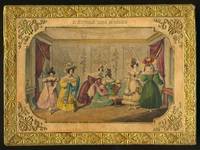
18352200376<p><i>Including a double-sided hand coloured lithograph mannequin 14.5cm high; together with 5 outdoor slipover costumes and matching hats and one indoor costume; a stand 9.5 x 13.5 cm in the form of a carpet with a hand coloured lithograph design on a red ground; </i><i>contained in the original decorated box 14 x 10 x 2.5 cm the lid with a scene of a dressmakers salon with five ladies and the milliners showing her wares; enclosed within a decorative shaped and gilt embossed paper border; The underside of the box with the label of 'Delaville Sucr. de Terzuolo-Despilly. Papetier du Roi. Rue de la Chaussée d'Antin No. 15.'</i></p><p>An early dressing game based on contemporary costumes and a visit to the milliners shop.</p><p>The quality of this paper doll indicates it was made for the most expensive end of the market confirmed by the label of Delaville who from 1822 had been 'Papetier du Roi'. Delanville had been active from 1804 and got his royal warrant in 1822 he traded from the address Rue de la Chaussée d'Antin during the late 1820s through to at least 1833 but no longer appears in the Parisian <i>l'Almanach du Commerce</i> of 1837.</p><p>The lid shows the scene of a well appointed milliners shop with six women conversing or examining merchandise the two central figures show a seated lady being shown a pink dress by her milliner. The mannequin is of a young lady in her under garments including laced bodice over a light cotton petticoat and wearing a neckless of emeralds rubies and gold.</p><p>All clothing items show the front and back of the young woman including: 1 a silk dress with large puffed out sleeves and embroidered with flowers and shaped tongue ornaments; 2 a green gingham check dress and embroidered shirt with puffed sleeves and a ruff neck holding a parasol; 3 an ochre dress with green open-work lace and fringe banded collar waist and dress band; 4 a white evening dress with grape and vine decorated collar and matching dress with flowers wheat sheaves and roses a green belt with a key on a ribbon and holding a fan in her gloved hand; 5 A light overall decorated dress with leafy fronds and shell decoration wearing tow bracelets and clasping a book; 6 a turquoise evening dress with a white boa around the shoulders and long white gloves. The five interchangeable hats decorated with feathers ribbons and flowers.</p> Delanville
1913D7495Paris 1913-1918. Hardcover. Very Good. Morocco backed original cloth; oblong 380 x 305 mm; contains over 100 drawings of dresses hats jackets and more done primarily in pen and ink and colored in pencil or gouache; and highlighted by 5 mounted photographs of a woman modeling different gowns. From the Parisian fashion house Detrois et Cie. Women's garments shown from the front and back and professionally presented -- drawings are polished and nicely detailed and colored. Scuffing along spine and edges of boards; binding a bit shaken. <br/><br/> hardcover
1985333396New York: alp 1985. hardcover. near fine/very good. Color and b/w illustrations. 312 pages. 4to pictorial cloth d.w. slightly de-laminating. New York: Alpine Fine Arts 1985. A near fine copy in a very good dust wrapper.<br/> <br/> alp unknown
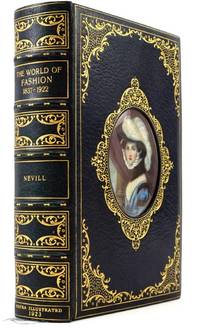
1923ST20131London: Methuen & Co 1923. 218 x 138 mm. 8 1/2 x 5 1/2". vii 1 280 pp. <br/> ELEGANT DARK BLUE MOROCCO GILT BY BAYNTUN stamp-signed on front turn-in covers with gilt fillet frame stippled volute cornerpieces UPPER COVER WITH LOVELY MINIATURE PORTRAIT of a fashionable lady the painting under glass and surrounded by a gilt-tooled frame raised bands spine compartments with volute frame gilt lettering gilt-framed turn-ins ecru moiré silk endleaves all edges gilt. WITH 21 PLATES OF FASHIONABLE PEOPLE five of these called for one color and 16 EXTRA-ILLUSTRATED seven of these in color one double-page and nine in black & white all with tissue guards. Spine gently sunned to navy blue just a hint of rubbing to joints but still quite a fine copy--clean and fresh internally and with almost no signs of use inside or out.<br/> <br/> This handsomely illustrated look at the London social scene during the Victorian and Edwardian eras and after the Great War comes in a suitably chic binding by the last Victorian bindery still in family hands. Author Ralph Nevill 1865-1933 was a denizen of the world he writes about being the son of one of the leading hostesses of the day Lady Dorothy Walpole Nevill 1826-1913; DNB notes that "family tradition" held that Ralph's father was her close friend Benjamin Disraeli Lord Beaconsfield. Nevill has a wide array of insider anecdotes to share about country house life the pleasures of London society and prominent politicians and journalists. He makes it clear that the Victorian era was preferable to the 20th century and nothing is more drab that the post-war world. The illustrations feature portraits of prominent men landscapes of stately homes and scenes from the balls operas and royal occasions that made up the London Season. The very pretty binding is in the Cosway style made popular by bookseller Henry Sotheran and the Riviere bindery characterized by a miniature painting set under glass on the covers or doublures. Our binding was done by the venerable English firm founded in Bath by George Bayntun in 1894. Among the great English workshops of the Edwardian "golden age" of lavish bindings Bayntun has the distinction of being the only one located outside London's West End to be sought after by bibliophiles. Bayntun was a worthy rival to the likes of Sangorski & Sutcliffe and Riviere & Son the latter being subsumed by Bayntun in 1939. Bayntun of Bath continues to create fine hand bindings for bibliophiles. Unusually the miniature painting in our binding is signed by the artist but we were unable to decipher the signature and the Bayntun bindery did not have any information about the painter's identity. Methuen & Co unknown
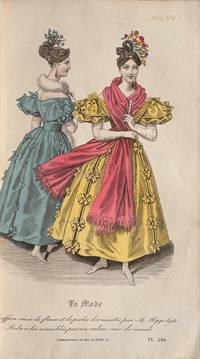
TBF32Paris Janvier-Juillet 1832.<br /><br />4 volumes large 8vo 217 x 130 mm gathering <u>76 plates in total</u>: I/ 320 pp. 21 plates in color: 20 plates numbered from 201 to 220 and 1 not announced wrappers bound in; II/ 344 pages 20 plates numbered from 182 to 200 plate 260 last leaves on yellow paper upper wrapper bound in; III/ 320 pp. 17 plates numbered 221 to 237 wrappers bound in; IV/ 332 pp. quire 11 is missing hence there is a gap within the numbering from p. 253 to 276 17 plates numbered 242 to 256 without plates 238 and 254 tear touching the text p. 23 wrappers bound in.<br />A few waterstains. Brown sheepskin blind-stamped border on the covers flat spines with green morocco lettering pieces yellow edges speckled with blue. <i>Contemporary binding.</i><br /><br /><b>Fourth year of this important magazine founded by Emile de Girardin who is proud to represent the Parisian spirit and fashionable life.</b><br /><br />We find there Doctor Véron whose presence soon attracts Alphonse Karr Alexandre Dumas Eugène Sue Georges Sand as well as Balzac.<br /><br />In 1830 passing under the control of the legitimists with Viscount Walsh La Mode will stand against the July Monarchy.<br /><br /><b>The superb illustration is composed of 76 plates in color.</b><br /><br /><b>Beautiful copy preserved in its contemporary homogeneous bindings.</b><br /><br /><br /><br /><b><u>Français</u></b><br /><br />Paris Janvier-Juillet 1832.<br /><br />4 volumes grand in-8 regroupant <u>76 planches au total</u> : I/ 320 pp. 21 planches en couleur : 20 planches numérotées de 201 à 220 et 1 non annoncée couvertures conservées ; II/ 344 pages 20 planches numérotées 182 à 200 planche 260 derniers feuillets sur papier jaune couverture supérieure conservée ; III/ 320 pp. 17 planches numérotées 221 à 237 couvertures conservées ; IV/ 332 pp. manque le cahier 11 d'où un saut dans la numérotation de la p. 253 à 276 17 planches numérotées 242 à 256 planches 238 et 254 manquantes déchirure atteignant le texte p. 23 couvertures conservées.<br />Qq. mouillures. Basane brune dentelle à froid sur les plats dos lisses avec pièces de titre et de tomaison en maroquin vert tranches jaunes mouchetées de bleu. <i>Reliure de l'époque. </i><br /><br />217 x 130 mm. <br /><br /><b>Quatrième année de cette importante revue fondée par Emile de Girardin qui se flatte de représenter l'esprit et la vie parisienne de bon ton. </b><br /><br />On y retrouve le docteur Véron dont la présence attire bientôt Alphonse Karr Alexandre Dumas Eugène sue Georges Sand ainsi que Balzac.<br /><br />En 1830 passant sous le contrôle des légitimistes avec le vicomte Walsh La Mode se dressera contre la monarchie de Juillet.<br /><br /><b>L'illustration superbe se compose de 76 planches en couleurs.</b><br /><br /><b>Bel exemplaire conservé dans ses reliures uniformes de l'époque.</b><br /> hardcover
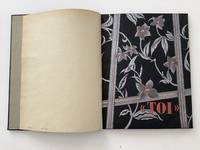
192719102AB1927. Paris Draeger 1927. 275 : 22 cm. 8 leaves with the text of Colette 6 plates by Jean Dupas 1 mounted plate. Original cloth original black wrappers illustrated in silver and red bound in. Excellent copy of the album Toi founded by Maison Les Fourrures Max and illustrated by Jean Dupas for the poems of Colette. One of the most beautiful catalogues created in art-déco."Ce bel étui noir onré de fleurs rouges et argent contient de superbes planches en camaieu gris et noir. La provocation des nus féminins que Jean Dupas a drapé des fourrures de la novelle collection est atténué par leur hiératisme de statue" in 'Arts et Métiers Graphiques' No.1 1927 - Bibliothèque Exposition Forney 1988. No.18. Jean Dupas Bordeaux 1882 - 1964 Grand Prix de Rome of painting in 1910 lead this album to the summit of publicity. - Some text-pages verso with mist of stains otherwise a superb copy of this mark stone of art deco. hardcover
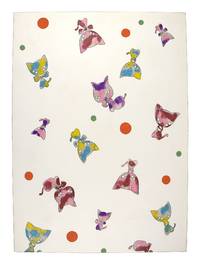
194033730Suzuka Japan et al. 1940. Very Good . Suzuka Japan: n.d. ca. 1940-1960. Nineteen original hand-stenciled designs ca 48x35cm; thirteen examples with rubber-stamp from two different craft shops the remaining six unattributed. Light wear and soil else a Very Good to Near Fine collection.<br /> <br /> Colorful multi-decade sampling of designs for the Japanese casual summertime cotton kimono known as yukata. The designs were almost certainly designed for children's outfits decorated as they are with baby birds puppies ducklings circus elephants bunnies musical instruments and teddy bears. The ten earliest examples all hail from the same shop and all use the same color scheme of navy blue slate blue and orange-brown. Later examples expand the color palate to much more vibrant and neon colors. One design in particular of a small child in a red bunny costume anticipates both the manga and the Hello Kitty aesthetic that became a global phenomenon beginning in the 1970s and 1980s. unknown
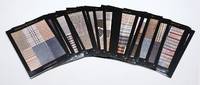
1980140454Milan: Styling Consulting Service 1980s. Rare visual reference for patterned textiles First and only edition of this visually beguiling and historically informative collection. The title leaf reports that "this photographic publication composed of pictures of original fabrics from 1903 up to 1925 taken from private files has been created to offer a proof of art and culture in the evolution of costume". We have been unable to trace any other copies. There is no indication of a printer or publisher anywhere in either volume or in the custom boxes nor any other hints as to the origin of this fascinating collection of pin-sharp colour photographs of fabric swatches. The work however is clearly of Italian origin and there is a hint of FMR in the thematic and in the precision of execution and presentation. The first volume concentrates on wool weaves; tweeds herringbones plaids and checks in a wide range of weights and colourways; the second is filled an even wider selection of patterned cottons a fabulous array encompassing design trends from the early decades of the 20th Century with inevitable hints at art deco art nouveau and sometimes brasher "jazz" influences; all kinds of stripes gingham tartans textiles suggestive of ties cravats suit linings waistcoats figured fabrics for dresses or skirts women's coats or jackets even upholstery or blinds. A painstaking and no doubt costly exercise the precision in the execution of the photography and processing bespeak a seriousness of purpose which makes the anonymity of the project even more extraordinary. 2 vols folio 297 x 210 mm. Black rough-weave cloth solander boxes with drop sides title gilt to spines and front boards explanatory title leaf to vol. I gold printed on glossy black medium card-stock the boxes containing respectively 50 and 100 loose sheets of similar card-stock each with mounted high-quality colour photographs c.180 x 180 mm to c.228 x 172 mm of fabric swatch composites between 3 and 8 samples to each lettered and numbered in gold. Slightly rubbed and a little dusty spines sunned corners bumped small neatly repaired tear at foot of spine of volume II card leaves with the occasional minor scuff but remains very good. hardcover
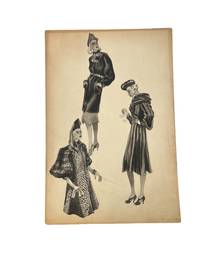
1951200661951. Fashion Women's fashion design sketches dated 1951 document the rapid transformation of female dress following the end of wartime rationing and the international adoption of Christian Dior's "New Look" silhouette. These drawings show designers experimenting with narrow waists structured bustlines wide skirts and dramatic outerwear styles that defined postwar femininity and reshaped global fashion culture in the late 1940s and early 1950s. Such instructional sketches provide visual evidence of how couture aesthetics circulated through design schools and professional training environments during a moment when fashion industries in Europe and the United States were rebuilding after World War II.<br /> <br /> Archive of fifteen original women's fashion design sketches executed on nine illustration boards measuring approximately 11 x 14 inches. Drawings are rendered in pencil ink watercolor and collage techniques and depict coats dresses trench coats and daywear ensembles characteristic of early 1950s style. Several boards include multiple designs including sheath dresses with high necklines and plunging backs bell sleeved coats trimmed with fur and children's pinafore dresses worn over blouses. One design shows a woman wearing a flight jacket cravat and pleated trousers recalling mid century women adopting traditionally masculine tailoring. One board bears the signature "Reindel" on the verso.<br /> <br /> Designs prominently feature hourglass silhouettes associated with Dior's New Look including cinched waists sloped shoulders and flared skirts. Other garments incorporate menswear inspired coats and tailored outerwear reflecting the hybridization of wartime practicality and postwar luxury. Boards show light foxing and minor handling marks. Very good condition. A visual teaching archive illustrating postwar fashion design practice during the early Cold War era. unknown
194995082Paris: Lucien Lelong 1949. First edition of this notably rare spectacular promotional brochure for Lelong's fragrances with no other copies traced. Largely forgotten today apart from amongst the couture cognoscenti Lelong 1889-1958 was enormously influential. After the First World War Lelong took charge of his parents' small fashion house which was noted for its espousal of the modern look - the chic autobiographical heroine of Colette's 1908 novella Les Vrilles de la vigne is dressed by Lelong - and continued their tradition of innovation advancing the concept of the "kinétique" clothes "constructed in such a way that their true shape would emerge in movement not at rest". Not a designer himself he employed a number of young designers who were later to strike out on their own. Christian Dior Pierre Balmain and Hubert de Givenchy all spent time developing collections for Lelong. His contribution to the success of the house was in his vision and his marketing brilliance: he redesigned his parents' salon decorating entirely in black so that it was said to resemble a black-lined jewellery box he offered discounts to society women who agreed to be photographed in his dresses and was early into the branded perfume market. The first fragrances offered by Lelong were enigmatically named A B C J and N intending to evoke a sense of mystery and romance. The artfully designed bottles were largely the work of Lelong himself. Over 30 years he created a total of 27 different fragrances. This superbly produced catalogue features ten suitably mysterious and evocative plates by Cassandre né Adolphe Jean-Marie Mouron the Ukrainian-born French painter illustrator poster designer and typographer probably best-known for his imposing poster for the great CGT liner Normandie. Octavo. With 10 chromolithographic plates after illustrations by Cassandre and similarly printed plates from photographs of the perfume bottles themselves by Réné Messager. Original plain boards in cream wrapper front panel with company device embossed within debossed cartouche. Wrappers a little rubbed and irregularly toned spine slightly chipped at ends repair to short split at head of front joint contemporary gift inscription to front free endpaper else very good. hardcover
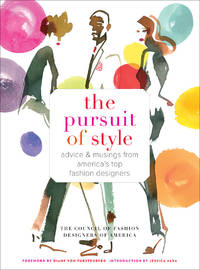
2014107544Harry N. Abrams. New. 2014. Hardcover. 1419706217 . FREE UPGRADE to Courier/Priority Shipping Upon Request - IN STOCK AND IMMEDIATELY AVAILABLE FOR SHIPMENT - Flawless copy brand new pristine never opened - -- with a bonus offer-- . Harry N. Abrams hardcover
187454872Boston: C.F. Hovey & Co. 1874. Folio. 13.5 x 11 in. 36 pp. 1 59 1 leaves. first 36 pp. incorporating title Memorandum pages several ALS letters and invoices on letterhead 8 pp. on graph paper w/ samples incorporated into the text 2 additional leaves of tissue thin manuscript copies from blotter 925 original fabric samples pinned-in glued-in and laid in sized from .5 x .5 in. up to 6 x 13 in. including a myriad of colours tartans plaids flannels silk blends cottons poplin cottons woolens etc. Original plum-coloured factory sample book purchased by Hovey from stationer P.L. Morin Paris who specialized in producing blank scrapbooks for factory sample cards printing & stationery registers w/ label mounted on front pastedown worn rubbing spine perished hinges loosed somewhat shaken still a remarkable unsophisticated exemplar preserved in folding case. This exceptional Victorian fabric sample order book assembled by a buyer for C.F Hovey & Co.’s fall fashion season furnishes an invaluable time capsule of colours textures and preferences in the 1870s. This era in women’s fashion driven by Parisian and other European design houses demanded extraordinary amounts of fabrics with an emphasis on the back of the skirt long trains and fabric draped up into bustles with an abundance of flounces and ruching. More significantly there was a tremendous growth in patterned poplin fabrics bright cotton & silk fabric blends as well as brilliant jewel colours. This order book with hundreds of different samples also offers a fantastic peek into the Victorian obsession with tartans and plaids driven by the mystique and example of Queen Victoria the ever-growing popularity with the historical romances of Sir Walter Scott celebrating the Highlanders and the poetry of Robert Burns. Tartan and plaid patterns were used in gowns dresses shawls veils hats purses and many fashion houses would often choose a particular clan pattern to celebrate and promote in their sales literature. Men’s suits coats and jackets were buttoned high on the chest the woolens became lighter weight and more durable as well of better quality and fashion designers for Hovey & Co. also incorporated rough finish woolens twills and tweeds into their clothing offered for sale. Many of the fabrics were also sold in Hovey & Co. fabric department in assorted lengths as well as ends for uses by Victorian women in home craft projects. Johnson focused on buying in the major wholesale textile dealers and markets of Europe during the 1870s including Stavert Tigomala & Co. one of the largest textile commission houses in Bradford UK; Firth Booth & Co. who specialized in bright cotton poplin plaids tartans wool blends and moire; Chamberlin Donner & Co. of Manchester one of the largest wholesale merchant houses shippers & traders in the British Empire; A. Van Bergen & Co. in Paris France whose beautifully patterned cotton and silk blends and woolens were enhanced by the award-winning dyes of Blanche at Puteaux; Les Fils de Th. Le Grand with wool blends twills and rough finish woolens. The sizes of the orders were remarkable and show the strength of Hovey’s customer base with one pair of invoices showing orders from Firth Booth & Co. totaling £ 7785 or over £ 855000 in present day value. However as evidenced by letter from Charles Kretschmann in Berlin who notes that Johnson in his June 24 1874 visit was “not pleased with the Berlin style of garments for this season and ordered only a very small lotâ€C.F. Hovey & Co. was founded by Charles Fox Hovey in 1833 as a dry goods merchant and with in a few years became a large department store located on Summer St. Through the years up to his death in 1859 he brought on many partners and was an ardent abolitionist and supporter of women’s rights establishing the Hovey Fund. After his death in 1859 Thomas Mack and Augustus De Puyster took over the running of the company and expansion through the Civil War. Johnson 1839-1927 was a Harvard grad clerk for Hovey & Co. and Civil War Veteran who rose from 1st Lieutenant in Co. H. Massachusetts 44th Infantry to Full Adjutant before mustering out right before Gettysburg. Hovey & Co. survived the massive fire of 1872 by employees soaking all the woolen blankets on the sales counters in water and placing over the roof and windows to protect the building from the flowing cinders expanded into store fronts on Chauncy and Avon Streets and was the first retailer to adopt the policy of requiring monthly payments on credit accounts. See: The History of the House of Hovey 1919; Charles Boston Looking Back at C.F. Hovey’s of Boston Shopping Days in Retro Boston May 6 2011; History of Fashion 1840-1900 Victoria and Albert Museum 2016. C.F. Hovey & Co., hardcover
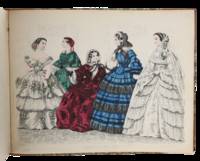
183362953Leipzig Industrie-Comptoir / Baumgärtner etc. 1833-1856. Small queer-folio 22 x 285 cm. Nice later light brown half calf from ca. 1900 with five raised bands and gilt lines to spine Carl Petersens Enke. Slight wear to extremities. 100 engraved plates in contemporary colouring. A bit of even browning and occasional offsetting. A few plates with more browning. Some plates with tiny holes in blank margin from original stiching having been vertically bound with text-leaves. Occasional light creasing. One plate with a tear no loss. A few plates signed A. Brückner most plates numbered and dated and some plates having "Extra-Kupfer" or "Les Modes Parisiennes Réunis" the last five underneath. <br/><br/><em>A lovely collection of 100 beautiful contemporarily coloured engraved fashion-plates from between 1833 and 1856 importing the highest Parisian fashion of the time to Germany. This beautiful collection magnificently documents the clothing fashion and development of two decades primarily for women but also for children and men. Also in the mid-19th-century Paris was seen as the quintessence of elegance and style. The Allgemeine Moden-Zeitung kept the German-speaking public up to date with the latest fashions from Paris. The magazine “Les modes parisiennes reunites†did the same; that too was produced for the German public despite its French title. As well as outfits for appearing in high society eg. at the theatre the fashion plates collected here show clothes and notably also accessories for almost all other parts of life - paying and receiving social calls going for walks attending different events musical siorées going out with the children etc. “As part of her evening wardrobe every fashionable lady simply had to have elegant dresses in brightly coloured silks and satins with frills and lace bows and flounces tight bodices natural waistlines and exposed shoulders which gave the female figure an hour-glass silhouette. The first thing that strikes one about these ladies’ fashions are the stiff voluminous underskirts. Horsehair crinolines invented in 1850 supported wide sweeping skirts which could measure up to two or two-and-a-half metres in diameter and made the upper body look even slimmer.†Deutsches Historisches Museum. "From the 1820s onwards and particularly under the ostentatious Second Empire 1852–1870 the classicising taste of the Napoleonic era changed completely. Instead fashion now drew inspiration from the elegance of the Rococo period so much so that the period became known as the “second Rococoâ€. The waistline returned to its natural level but was awkwardly styled – at least from a health point of view: agonisingly tight corsets emphasised the so-called “wasp waistâ€. Ostensibly guided by aesthetics on closer inspection this fashion trend also had social consequences: with styles that afforded women so little freedom of movement fashion focused on the ostentatious requirements of ladies from the upper echelons of society who didn’t have to work. Practicality was not its concern. This ostentatious and – certainly from the perspective of the 21st century – inconvenient fashion style appealed not only to the fine ladies of high society but also to women from the middle classes and the petty bourgeoisie. The expansion of the textile industry and the rise of the chemical industry made the production of dyes fabrics lace and embroidery and the processing of raw materials and textiles imported from the colonies both quicker and cheaper.†DHM </em> hardcover
0621QKUC5EJLeather Bound. Paris. Very Good. Nouvelle édition marquetée polie & vernissé Printed in red 1759 in quarter leather and decorated paper over boards moderately scuffed at spine tips and corners. Scarce. 12mo. xxxviii 88 pages ; 14 cm unknown
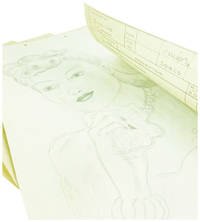
D21035Near Fine. A unique and visually interesting archive of 125 original womens fashion illustrations produced by several celebrated New York designers and illustrators active during the mid-twentieth century. Together the works capture an innovative and forward thinking American fashion industry post WWII. <br /> <br />The collection is highlighted by original couture evening wear and cocktail dress designs by John Paul Bozett and Frank Perullo both internationally accomplished New York fashion designers and illustrators working in New York City during the 1940s1960s. Additional contributors include De Zine Studio Henry Antonio and others illegible but presumably associated with the citys fashion community during this period. Ephemera includes a Womens Wear Daily typed letter signed TLS a press release and a TLS employment contract for David Hart Incorporated New York. <br /> <br />Rendered in graphite and colored pencil many sophisticated and detailed. Several sheets present multiple perspectives of a single design and retain original job numbers e.g. B-14 annotations regarding color styling and techniques and a few with fabric attached. Approx. 50 with ink signatures on the recto and some with studio stamps name address and telephone on the verso. Sizes vary but approximately 8 x 11 inches. Executed primarily on tissue paper with some examples taped or mounted to heavier stock. Undated but presumably date to the c. 1950s; a few might be a bit later. <br/><br/> unknown
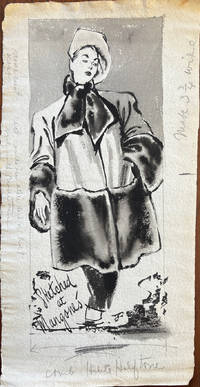
194261064Brooklyn NY: Barbara Duffy ca. 1942-1945. Seven pieces of original pen & ink art and gouache colouring and overpainting sized from 10 x 15 in. 3 up to 15 x 20 in. 3 on “Winsor & Newton’s Illustration Board 30 x 40†while the 7th piece is 9 x 17 in. executed on textured thick laid-paper pencil annotations in MS on fore-edges all pieces signed in thick black pen on versos some dustsoiling staining to fore-edges to a couple bumping to corners edgewear still a VG set of well-done exemplars. These original fashion design illustrations encompass women’s dresses hats fur coats evening wear and a post-War design by Mangone. The two dresses drawn by Duffy are reminiscent of the Claire McCardell easy to wear and comfortable dresses which emerged at the end of the War and featured a cinched-in waist floppy collars and padded shoulders retaining the influence of men’s tailoring on women’s fashions during the War. The “Toppers†are splendid examples of box or swagger coats often made in light wool cotton or rayon blends and in this case with fetching hats and cinched-in waists. The two smaller designs with mink or beaver coats include one with a matching purse and the other with a pillbox hat. The two “Paris†style Cloche hats are nicely drawn and one is fitted with a mesh veil. The exceptional Mangone design indicates it was “Sketched at Mangone’s†which was probably one of the frequent sessions the designer would put on fashion shows at the Fashion Institute or local boutiques in and around New York following World War II and features a coat trimmed in beaver fur with Cloche hat and according to Duffy was available in light and dark wool along with an ascot. Mangone 1884-1957 was not only a significant Italian-American designer who quickly adapted Paris fashion trends into his own American style and was very popular from before World War I until after World War II. Strikingly he also was a survivor of the Hindenburg disaster who managed to leap from the Zeppelin at Lakehurst NJ with his daughter and grand-daughter looking on suffering significant burns and after shock and hospitalization spent considerable time recovering. Duffy b. 1919 taught at the Jacob Gould Vocational School for girls in Prospect Park Brooklyn NY from the time she left college until after World War II after which she worked as designer in local department stores and then disappears from census and public records. Barbara Duffy, unknown
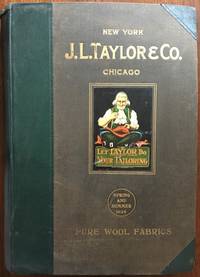
192658100New York & Chicago: J.L. Taylor & Co. 1926. Thick elephant folio 17 x 23.25 x 2.5 ins. 75 3 pp. printed on thick card stock each mounted on linen hinge. With 17 colour fashion plates illustrating Taylor styles of the period verso of almost all pages with 364 of 375 mounted textile samples in wool wool-rayon blends some felt backed silk moleskin corduroy cashmere waistband sample and more -- all samples clearly marked with prices and availability some of the 12 missing samples are indicated in pencil as being “Out†as well as a few present 1 additional pinned-in numerous illustrations throughout in blue-green colour tinting including Chicago & New York factories some diagrams charts and graphs. Original half-green cloth over gray green cloth corners gilt lettering on front cover colour plate w/ J.L. Taylor tailor mounted front cover some wear & minor bumping to fore-edges corners some minor soiling & occasional foxing to interior leaves -- some of it dust from the wool samples 10-15 samples with minor deterioration and evidence of old predation still a very good unsophisticated and remarkably complete example w/ original 9 x 21 in. double-sided stock list in red & black laid-in. First edition of this scarce and unusually complete salesman sample catalogue for Jazz era men’s suits in 1928-1929. J.L. Taylor maintained a huge tailoring operation in both Chicago and New York until after World War II employing hundreds of tailors and seamstresses to fill orders. The catalogues were very expensive to produce and so were most often found in department stores mercantiles and men’s stores which would have these catalogues on the sales floor for two years or more. The catalogue offers invaluable illustrated historical reference for the colours styles and fabrics during the era of F. Scott Fitzgerald and the Flappers. Most of the colour fashion plates illustrating the available styles have elegantly dressed women and settings in the background including with an emphasis on sporting in summer so golf tennis croquet canoeing boating and swimming all make an appearance. Of particular interest is the wonderful dress chart indicating styles needed clothes accessories and shoes which one would need for Day Wedding Matinee Reception Evening Dress and many others offering an excellent marketing opportunity for the store to sell the customer items to compliment his suits overcoats and other fashion wear ordered from J.L. Taylor. The final plate focuses on the lightweight “Palm Beach†& “Mohair†suits at the height of the 1920’s boom in Florida featuring snappily dressed models in Panama straw hats and a lightweight fedora. Worldcat locates 1 partial copy Preserved at the Library of Congress stripped of samples and used as scrapbook for Wilbur’s Drug Store prescriptions of Portland ME -- not an unusual occurrence. J.L. Taylor & Co., hardcover
191151748France: n.p. 1911. Tall 8vo. 6 leaves on thick card stock printed in gilt & black 7 x 11 in. with 369 black silk & vegetable ivory buttons all with stock numbers below and to the side many in the dark brown patterned material some jet black and many with incised or woven patterns each sample card carefully mounted within corners with facing padded red silk leaves to protect the buttons many with ink annotations indicating whether they were available in stock or not. Quarter-black cloth over purple patterned cloth gilt lettering on front cover spine very minor rubbing at the hinges slight bumping to corners still a NF exemplar with the buttons entirely complete and in perfect condition. First edition of this remarkably beautiful Edwardian button sample catalogue which are exceedingly scarce in such exceptional condition. Included are a number of different styles of buttons in vegetable ivory for clothing coats sportswear and more which were sold by this French manufacturer for export together with a number of beautifully woven black silk cloth buttons for women’s coats hats and dresses. Vegetable Ivory is a very dense material that is manufactured into buttons from the Corozo nut that grows on the Tague Tree a type of Palm. It was named Vegetable Ivory in the 19th Century because it resembles real ivory but was not as heavy or dense. These types of buttons were first introduced at the 1862 International Exhibition in England and then reached full popularity at the 1867 Paris Exposition. The sample buttons preserved here come in pressed carved and fine lined patterns some of them painted with a dark flat black other shiny black and many with a beautiful rich shiny mottled effect. During the Victorian and Edwardian periods and prior to the growth in production and popularity these were the buttons of choice for men’s suits. No copies located in Worldcat. n.p.], hardcover
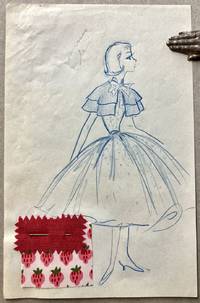
195516984n.p. Los Angeles areaa: 1955-57 Stored in a contemporary accordion-fold card paper portfolio hand-labeled "Sketches of Accepted Designs.". 137 sheets of hand-drawn sketches sixty-two on 9" x 11 " sheets 75 on 5 " x 8 " sheets. Most with handwritten design descriptions notes and accompanying fabric swatches pinned or taped onto the sheets. Also with price lists inventories and printed ads for the Candy Jr. brand ads correspond with designs made by Saunders that are included in the present set. Portfolio somewhat worn and creased. Enclosed are eight contemporary manila folders organized by season Holiday 1955 Fall 1956 Spring 1957 etc. all hand-labeled in pencil. Some designs signed "V. Saunders" or "Vivian Saunders." Some toning and creasing to leaves. A few fabric swatches detached from leaves. Overall a very good set of striking original sketches of 1950s-era fashion designs for young women. Most of the sketches are for party dresses and evening gowns made for young women in their early teens to early twenties juniors and misses. The designs include many iconic designs associated with the 1950s including "poodle" skirts with ample petticoats boleros and cardigans and sheath dresses with cinched waists. The 26 swatches indicate a wide range of textures colors and patterns like gingham plaid organza metallics appliques ribbon velvet fur and much more." unknown
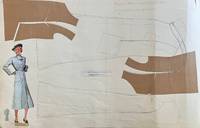
193059525Hannover: Schneidermister ca. 1930-1933. Oblong elephant folio. 23.5 x 14.5 in. 25 leaves unnumbered. Original women’s fashion patterns in pencil throughout many with tipped-in pattern cutouts mounted on the sheets as well as colour images of the finished design tipped-in and mounted manuscript pencil notes & directions in some colour pencil additions to a a few patterns. Stiff limp beige covers black cloth spine title mounted on front cover scutting edgewear repair to corners of front cover corner still a remarkable manuscript w/ tipped-in instructions for taking measurements and fashion by the Nazi Party on first leaf including one entitled “Ein Modewart macht Propaganda.†This German fashion pattern tailoring and pattern manuscript provides an exceptional original artifact of the period when the Nazi Party began to force educational and cultural changes upon German Society against the tailoring and fashion industry in Germany during the early 1930’s. By 1930 Berlin had emerged as an international fashion capital drawing Parisian fashion designers and most of the tailoring schools and fashion houses were operated by generations of Jewish family owners. Tailors and fashion designers were constantly reminded that they must create a wholly Aryan fashion and that they were to avoid French or other outside influences. Despite the pressure most women tailors and fashion designers in the tailoring or cutting schools continued to still draw their influences from Parisian and American couturiers by creating their own patterns and pattern books from which these internationally themed clothing designs could be made. This fashion pattern book by Bode focuses on women’s suits skirts capes coats and knickerbockers. However the Party never succeeded in creating a unique Fashion industry especially because of the drive to dress women in peasant costumes or uniforms even as the Nazi Party would confiscate the assets of over 2700 Jewish fashion houses retailers and manufacturers with 1000’s of tailors and seamstresses forced into labor and concentration camps to produce clothes for military and high society. See: Uwe Westphal Fashion Metropolis Berlin 1836-1939: The Story of the Rise and Destruction of the Jewish Fashion Industry 2019. Schneidermister, hardcover
194114713England 1941. Very Good. Substantial collection of original amateur artwork and fashion plates dated 1941 to 1945 by a young woman named Gladys Warren almost all pieces signed "G. Warren" "G.W." or "Gladys Warren". The collection consists of nine large format watercolors 56x38cm.; one small format watercolor 32.5x23; four large format pencil sketches 56x38cm.; and twelve small format pencil sketches 33.5x19cm. totaling twenty-six 26 individual pieces. Some dust soil and minor wear from handling watercolors not examined out of individual shrink wrap. A Very Good or better collection overall.<br /> <br /> Collection of drawings and watercolors almost exclusively depicting women in the latest fashions or in uniform. The range of the large format watercolors indicate that this was possibly a burgeoning professional dossier including examples of day wear sleep wear evening wear and swim wear. The large format pencil drawings include two historic fashion illustrations the only titled image in the group is "Madeira 1884" and one nude study. <br /> <br /> Of special note however is the series of twelve small pencil sketches all accomplished on the versos of what appear to be mimeographed World War II aircraft maintenance reports. Indeed the October 28 1941 "London Gazette" lists a Gladys Florence Warren among the members of the Women's Auxiliary Air Force WAAF though we find little else to pinpoint the artist. With the dearth of ready paper experienced during World War II perhaps Warren filched these leaves on which to practice her art Most of these sketches depict attractive women either seen in close-up or as usual modeling the latest uniforms and fashions while the verso details the assemblage or maintenance of engine covers handbrakes or a "carburettor." <br /> <br /> A pleasing survival of the English home front juxtaposing fashion femininity and aircraft mechanics. unknown
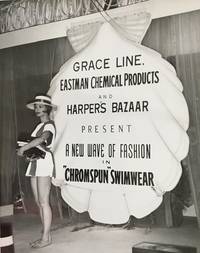
195956594New York & Rochester NY: Grace Line Harper’s Bazaar & Eastman Chemical Products subsidiary of Eastman Kodak 1959. 4to. With 33 black & white photographs inserted in mylar sleeves. Recent flexible black vinyl cover portfolio NF exemplar w/ images having bright strong contrast. First edition of this remarkably scarce group of photos advertising the 1959 fashionable swimsuits made from Chromspun acetate yarn developed for textiles by Eastman Kodak in the early 1950s. Discovered while developing cigarette filters the yarn proved durable and elastic enough for swimsuits other apparel home furnishings and other applications. The swimsuits modeled in this show were influenced by and possibly included the very popular Rose Marie Reid line of swimwear which was heavily marketed by Harper’s Bazaar during the 1940s and 1950s and was considered to be the quintessential California swimsuit worn by such stars as Jane Russell and Sandra Dee in the first Gidget movie produced by Columbia in 1959. Represented in these photos are the swimsuits included the strapless bikini princess bubble Baby Doll often with stripes and cover-ups. Although not indicated in the photographs this fashion show was probably held on one of the new Grace Line ocean liners the Santa Rosa which was delivered in 1958 and serviced the Caribbean South America and traveled through The Saint Lawrence Seaway into the Great Lakes. See: Rose Marie Reid Glamour by Design Special Collections Exhibit Brigham Young University 2015-2016; Michael Grace The Grace Line History Cruising the Past Travel and Social History 2009; Jean Was a “Young American Goddess of Paris Couture†Jean Patchett Prose on Genesis 2020. Grace Line, Harper’s Bazaar, & Eastman Chemical Products, subsidiary of Eastman Kodak, unknown
1934FASHION004963J.H. Ltd no place. 1934. First edition. Folio. A fashion illustration portfolio with twenty nine colour lithographic plates each measuring approx 37 x 31cm showing women's dresses in various fabrics from silk to tweed. The covers are unusual: full gilt textured cloth with titles in art deco style on front.Some spotting. Very good indeed. J.H. Ltd, no place. hardcover