132 résultats
177217002Rome 1772. Copper engraving by Ottaviani after drawings by Savorelli and Camporesi printed in light brown coloured ink with contemporary hand-colouring. Good condition. Trimmed to just within plate mark along lower margin expert repairs to left margin not affecting image area. A highly decorative print from the famous "Loggie di Rafaele nel Vaticano" series with contemporary colouring of the highest quality from the golden age of the hand-coloured print.<br/> <br/> A very fine image from the first part of a work titled "Loggie di Rafaele nel Vaticano" depicting the decorative work executed by Raphael and his assistants between 1518-1519 in the Vatican. This remarkable print one of the first to be published of the decoration of the Logge on the main storey of the Vatican apartments was probably planned as early as 1760 but was not executed until between 1772 and 1776. The project as a whole was carried out by the painter Gaetano Savorelli the draughtsman Ludovico Teseo the architect Pietro Camporesi and the engravers Giovanni Ottaviani and Giovanni Volpato. The plate is remarkable not only as the first important visual record of Raphael's work but also for the quality of the hand-colouring - the work on this image is in our opinion some of the greatest to be produced in Europe during the whole of the eighteenth century: the golden age of the hand-coloured print. The whole series was of importance not just for the size and magnificent colouring of the prints but also because of the influence they had on contemporary taste. The decision was made to "borrow" elements from Raphael's Vatican tapestries and insert them where the original frescoes were in too poor a state to be legible. The finished plates therefore represented an amalgam of design elements presented with a crisp freshness of colour that held enormous appeal and stimulated the taste for the "grotesque" in the neo-classical period.<br/> <br/> Cf. Brunet IV 1110; cf. Berlin Katalog 4068; cf. Lambert Pattern and Design V. & A.: 1983 p. 26; "Raphael Invenit: Stampe da Rafaello" 1985 Ottaviano 4; Raphael: Reproduktions-graphik aus vier Jahrhunderten Coburg: 1984 p. 104. unknown
177221936Rome 1772. Copper engraving by Ottaviani after drawings by Savorelli and Camporesi printed in light brown coloured ink with contemporary hand-colouring. Trimmed to platemark left margin. Good condition. A highly decorative print from the famous "Loggie di Rafaele nel Vaticano" series with contemporary colouring of the highest quality from the golden age of the hand-coloured print.<br/> <br/> A very fine image from the first part of a work titled "Loggie di Rafaele nel Vaticano" depicting the decorative work executed by Raphael and his assistants between 1518-1519 in the Vatican. This remarkable print one of the first to be published of the decoration of the Logge on the main storey of the Vatican apartments was probably planned as early as 1760 but was not executed until between 1772 and 1776. The project as a whole was carried out by the painter Gaetano Savorelli the draughtsman Ludovico Teseo the architect Pietro Camporesi and the engravers Giovanni Ottaviani and Giovanni Volpato. The plate is remarkable not only as the first important visual record of Raphael's work but also for the quality of the hand-colouring - the work on this image is in our opinion some of the greatest to be produced in Europe during the whole of the eighteenth century: the golden age of the hand-coloured print. The whole series was of importance not just for the size and magnificent colouring of the prints but also because of the influence they had on contemporary taste. The decision was made to "borrow" elements from Raphael's Vatican tapestries and insert them where the original frescoes were in too poor a state to be legible. The finished plates therefore represented an amalgam of design elements presented with a crisp freshness of colour that held enormous appeal and stimulated the taste for the "grotesque" in the neo-classical period.<br/> <br/> Cf. Brunet IV 1110; cf. Berlin Katalog 4068; cf. Lambert Pattern and Design V. & A.: 1983 p. 26; "Raphael Invenit: Stampe da Rafaello" 1985 Ottaviano 11; Raphael: Reproduktions-graphik aus vier Jahrhunderten Coburg: 1984 p. 104. unknown
177217009Rome 1772. Copper engraving by Ottaviani after drawings by Savorelli and Camporesi printed in light brown coloured ink with contemporary hand-colouring. Good condition. Trimmed to just within plate mark along lower margin expert repair to upper left corner just affecting image area small repairs to right blank margin. A highly decorative print from the famous "Loggie di Rafaele nel Vaticano" series with contemporary colouring of the highest quality from the golden age of the hand-coloured print.<br/> <br/> A very fine image from the first part of a work titled "Loggie di Rafaele nel Vaticano" depicting the decorative work executed by Raphael and his assistants between 1518-1519 in the Vatican. This remarkable print one of the first to be published of the decoration of the Logge on the main storey of the Vatican apartments was probably planned as early as 1760 but was not executed until between 1772 and 1776. The project as a whole was carried out by the painter Gaetano Savorelli the draughtsman Ludovico Teseo the architect Pietro Camporesi and the engravers Giovanni Ottaviani and Giovanni Volpato. The plate is remarkable not only as the first important visual record of Raphael's work but also for the quality of the hand-colouring - the work on this image is in our opinion some of the greatest to be produced in Europe during the whole of the eighteenth century: the golden age of the hand-coloured print. The whole series was of importance not just for the size and magnificent colouring of the prints but also because of the influence they had on contemporary taste. The decision was made to "borrow" elements from Raphael's Vatican tapestries and insert them where the original frescoes were in too poor a state to be legible. The finished plates therefore represented an amalgam of design elements presented with a crisp freshness of colour that held enormous appeal and stimulated the taste for the "grotesque" in the neo-classical period.<br/> <br/> Cf. Brunet IV 1110; cf. Berlin Katalog 4068; cf. Lambert Pattern and Design V. & A.: 1983 p. 26; "Raphael Invenit: Stampe da Rafaello" 1985 Ottaviano 5; Raphael: Reproduktions-graphik aus vier Jahrhunderten Coburg: 1984 p. 104. unknown
177217014Rome 1772. Copper engraving by Ottaviani after drawings by Savorelli and Camporesi printed in light brown coloured ink with contemporary hand-colouring. Good condition. Sight size: 43 x 17 1/4 inches. A highly decorative print from the famous "Loggie di Rafaele nel Vaticano" series with contemporary colouring of the highest quality from the golden age of the hand-coloured print.<br/> <br/> A very fine image from the first part of a work titled "Loggie di Rafaele nel Vaticano" depicting the decorative work executed by Raphael and his assistants between 1518-1519 in the Vatican. This remarkable print one of the first to be published of the decoration of the Logge on the main storey of the Vatican apartments was probably planned as early as 1760 but was not executed until between 1772 and 1776. The project as a whole was carried out by the painter Gaetano Savorelli the draughtsman Ludovico Teseo the architect Pietro Camporesi and the engravers Giovanni Ottaviani and Giovanni Volpato. The plate is remarkable not only as the first important visual record of Raphael's work but also for the quality of the hand-colouring - the work on this image is in our opinion some of the greatest to be produced in Europe during the whole of the eighteenth century: the golden age of the hand-coloured print. The whole series was of importance not just for the size and magnificent colouring of the prints but also because of the influence they had on contemporary taste. The decision was made to "borrow" elements from Raphael's Vatican tapestries and insert them where the original frescoes were in too poor a state to be legible. The finished plates therefore represented an amalgam of design elements presented with a crisp freshness of colour that held enormous appeal and stimulated the taste for the "grotesque" in the neo-classical period.<br/> <br/> Cf. Brunet IV 1110; cf. Berlin Katalog 4068; cf. Lambert Pattern and Design V. & A.: 1983 p. 26; "Raphael Invenit: Stampe da Rafaello" 1985 Ottaviano 13;Raphael: Reproduktions-graphik aus vier Jahrhunderten Coburg: 1984 p. 104. unknown
177214588Rome 1772. Copper engraving by Ottaviani after drawings by Ludovico Teseo printed in black with stunning later professional hand-colouring. Very good condition. A highly decorative print from the famous "Loggie di Rafaele nel Vaticano" series with later professional hand-colouring.<br/> <br/> A very fine image from the first part of a work titled "Loggie di Rafaele nel Vaticano" depicting the decorative work and executed by Raphael and his assistants between 1518-1519 in the Vatican. This remarkable print one of the first to be published of the decoration of the Logge on the main storey of the Vatican apartments was probably planned as early as 1760 but was not executed until between 1772 and 1776. The project as a whole was carried out by the painter Gaetano Savorelli the draughtsman Ludovico Teseo the architect Pietro Camporesi and the engravers Giovanni Ottaviani and Giovanni Volpato. The whole series was remarkable not just for the size and magnificent colouring of the prints but also because of the influence they had on contemporary taste. The decision was made to "borrow" elements from Raphael's Vatican tapestries and insert them where the original frescoes were in too poor a state to be legible. The finished plates therefore represented an amalgam of design elements presented with a crisp freshness of colour that held enormous appeal and stimulated the taste for the "grotesque" in the neo-classical period.<br/> <br/> Cf. Brunet IV 1110; cf. Berlin Katalog 4068; cf. Lambert Pattern and Design V. & A.: 1983 p. 26; "Raphael Invenit: Stampe da Rafaello" 1985 Ottaviano 2; Raphael: Reproduktions-graphik aus vier Jahrhunderten Coburg: 1984 p. 104. unknown
177217012Rome 1772. Copper engraving by Ottaviani after drawings by Savorelli and Camporesi printed in light brown coloured ink with contemporary hand-colouring. Good condition. Sight size: 43 x 17 inches. A highly decorative print from the famous "Loggie di Rafaele nel Vaticano" series with contemporary colouring of the highest quality from the golden age of the hand-coloured print.<br/> <br/> A very fine image from the first part of a work titled "Loggie di Rafaele nel Vaticano" depicting the decorative work executed by Raphael and his assistants between 1518-1519 in the Vatican. This remarkable print one of the first to be published of the decoration of the Logge on the main storey of the Vatican apartments was probably planned as early as 1760 but was not executed until between 1772 and 1776. The project as a whole was carried out by the painter Gaetano Savorelli the draughtsman Ludovico Teseo the architect Pietro Camporesi and the engravers Giovanni Ottaviani and Giovanni Volpato. The plate is remarkable not only as the first important visual record of Raphael's work but also for the quality of the hand-colouring - the work on this image is in our opinion some of the greatest to be produced in Europe during the whole of the eighteenth century: the golden age of the hand-coloured print. The whole series was of importance not just for the size and magnificent colouring of the prints but also because of the influence they had on contemporary taste. The decision was made to "borrow" elements from Raphael's Vatican tapestries and insert them where the original frescoes were in too poor a state to be legible. The finished plates therefore represented an amalgam of design elements presented with a crisp freshness of colour that held enormous appeal and stimulated the taste for the "grotesque" in the neo-classical period.<br/> <br/> Cf. Brunet IV 1110; cf. Berlin Katalog 4068; cf. Lambert Pattern and Design V. & A.: 1983 p. 26; "Raphael Invenit: Stampe da Rafaello" 1985 Ottaviano 11; Raphael: Reproduktions-graphik aus vier Jahrhunderten Coburg: 1984 p. 104. unknown
1796848321796. SABATIER Raphael-Bienvenu. DE LA MEDECINE OPERATOIRE OU DES OPERATIONS DE CHIRURGIE QUI SE PRATIQUENT LE PLUS FREQUEMMENT. VOLUMES I AND III ONLY. Paris: Imprimerie de Didot le Jeune 1796. First edition. xlviii 365 pp./xxiv 416 pp. 8vo. brown calf with gilt spine numerals and ornaments black gilt morocco spine labels rubbed and slightly chipped; printed paper covered boards. Ex-library with usual markings including paper spine labels which are chipped and worn. Missing pastedowns replaced. Moderate to light foxing in the text. Some ink and pencil marks to front and rear pages. Fair to good bindings sound. As is. unknown books
17193713Editions Fleuve Noir / Collection Rouge et Noir n° 17, sans date ( 1951 ). In-12 broché de 191 pages au format 12 x 19 cm. Couverture illustrée et décorée de Guy Mouminoux. Dos resté carré, avec petits frottis et légères traces de pliures. Plats frais, malgré de minuscules frottis aux coins et des petites brunissures au 4ème plat. Intérieur assez frais, malgré de petites rousseurs et 2 lettres inscrites au stylo bleu en page de garde. Assez bel état général. Rare édition originale de ce roman policier érotique édité dans cette collection, lancée pour coller au succès des romans érotico-policier des éditions du Scorpion. Exemplaire auquel on joint une dédicace autographe signée Ange Bastiani, extraite du livre " Iris ", avec nom du destinataire découpé.
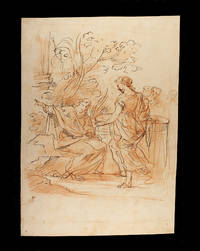
175298901752. 343x244mm. 13½x9½". España c.1752-1761. Sanguina y pluma con tinta marrón oscura anverso; lápiz y carboncillo reverso sobre papel verjurado ocre amarillento. 343 x 244mm. El dibujo de "Cristo y la Samaritana" puede encuadrarse en la etapa romana o durante la primera estancia madrileña 1761 a 1769. La "Sagrada Familia con San Juanito" fue realizado por Mengs para su yerno Manuel Salvador Carmona entre septiembre y octubre de 1778. Será la primera obra de Mengs que Carmona convertirÃa en grabado. Referencias: "Dibujo español del Renacimiento a Goya. La colección de la reina MarÃa Cristina de Borbón" Zaragoza 2008 nº 66 pp. 240 y 243 unknown
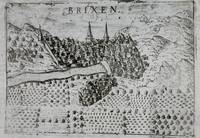
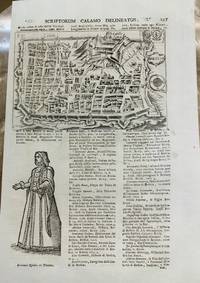
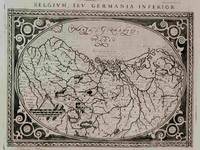
1713M8165Italy c.1713. Very Good. Notes: Savonarola used the pseudonym Alphonsus Lasor a Varea. Monk of Theatine order who worked in the monastery library in Padua. He was also Professor of Holy Scripture. Universes Terrarum Orbis Scriptorum. Size : 60x112 mm 2.36x4.41 Inches Coloring: Black & White Reference: Mickwitz A.M. Miekkavaara L. and Rantenen T. The A.E. Nordenskiold Collection in the Helsinki University Library Volume 2 1981 pp. 269- 276<br> Category: Maps Europe Germany; unknown
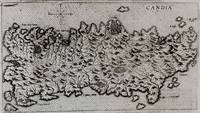
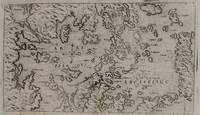
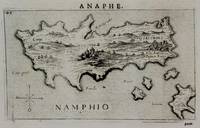
1713M8164Italy c.1713. Very Good. Notes: Crete Southern Greece in the Mediterranean. <br><br>Savonarola used the pseudonym Alphonsus Lasor a Varea. Monk of Theatine order who worked in the monastery library in Padua. He was also Professor of Holy Scripture. Universes Terrarum Orbis Scriptorum. Size : 97x175 mm 3.82x6.89 Inches Coloring: Black & White Reference: Mickwitz A.M. Miekkavaara L. and Rantenen T. The A.E. Nordenskiold Collection in the Helsinki University Library Volume 2 1981 pp. 269- 276 Category: Maps Europe Greece Macedonia; unknown
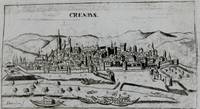
1713M8149Italy c.1713. Very Good. Notes: Northern Italy.<br><br>Savonarola used the pseudonym Alphonsus Lasor a Varea. Monk of Theatine order who worked in the monastery library in Padua. He was also Professor of Holy Scripture. Universes Terrarum Orbis Scriptorum. Size : 90x129 mm 3.54x5.08 Inches Coloring: Black & White Reference: Mickwitz A.M. Miekkavaara L. and Rantenen T. The A.E. Nordenskiold Collection in the Helsinki University Library Volume 2 1981 pp. 269- 276 Category: Maps Europe Italy; unknown
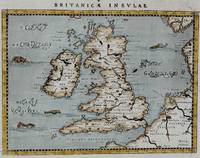
1713M8192Italy c.1713. Very Good. Notes: Savonarola used the pseudonym Alphonsus Lasor a Varea. Monk of Theatine order who worked in the monastery library in Padua. He was also Professor of Holy Scripture. Universes Terrarum Orbis Scriptorum. Size : 126x174 mm 4.96x6.85 Inches Coloring: Hand Colored Reference: Mickwitz A.M. Miekkavaara L. and Rantenen T. The A.E. Nordenskiold Collection in the Helsinki University Library Volume 2 1981 pp. 269- 276 Category: Maps Europe United Kingdom; unknown
1713M8148Italy c.1713. Very Good. Notes: Brescia is a city and comune in the region of Lombardy in northern Italy. It is situated at the foot of the Alps between the Mella and the Naviglio. It is the second largest city in Lombardy after the capital Milan. Brescia is known as the Lioness of Italy Leonessa d'Italia after ten days of popular uprising that took place in the city in the Spring of 1849 against Austrian rule.<br><br>Savonarola used the pseudonym Alphonsus Lasor a Varea. Monk of Theatine order who worked in the monastery library in Padua. He was also Professor of Holy Scripture. Universes Terrarum Orbis Scriptorum. Size : 115x170 mm 4.53x6.69 Inches Coloring: Black & White Reference: Mickwitz A.M. Miekkavaara L. and Rantenen T. The A.E. Nordenskiold Collection in the Helsinki University Library Volume 2 1981 pp. 269- 276 Category: Maps Europe Italy; unknown
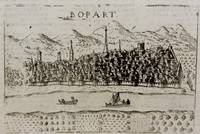
1713M8172Italy c.1713. Very Good. Notes: Savonarola used the pseudonym Alphonsus Lasor a Varea. Monk of Theatine order who worked in the monastery library in Padua. He was also Professor of Holy Scripture. Universes Terrarum Orbis Scriptorum. Size : 90x130 mm 3.54x5.12 Inches Coloring: Black & White Reference: Mickwitz A.M. Miekkavaara L. and Rantenen T. The A.E. Nordenskiold Collection in the Helsinki University Library Volume 2 1981 pp. 269- 276 Category: Maps Europe Germany; unknown
1713M8159Italy c.1713. Very Good. Notes: Savonarola used the pseudonym Alphonsus Lasor a Varea. Monk of Theatine order who worked in the monastery library in Padua. He was also Professor of Holy Scripture. Universes Terrarum Orbis Scriptorum. Size : 137x180 mm 5.39x7.09 Inches Coloring: Black & White Reference: Mickwitz A.M. Miekkavaara L. and Rantenen T. The A.E. Nordenskiold Collection in the Helsinki University Library Volume 2 1981 pp. 269- 276 Category: Maps Europe Benelux; unknown
171946362Clifford Herefordshire 17th July 1936. Creased where folded; one tiny corner missing. 8vo. To Arthur Morrison thanking him for a favor and asking another. unknown
178970461Madrid 1789. 49x62 cms. unknown
1713M8140Italy c.1713. Very Good. Notes: Eastern Greece.<br>Savonarola used the pseudonym Alphonsus Lasor a Varea. Monk of Theatine order who worked in the monastery library in Padua. He was also Professor of Holy Scripture. Universes Terrarum Orbis Scriptorum. Size : 99x171 mm 3.90x6.73 Inches Coloring: Black & White Reference: Mickwitz A.M. Miekkavaara L. and Rantenen T. The A.E. Nordenskiold Collection in the Helsinki University Library Volume 2 1981 pp. 269- 276 Category: Maps Europe Greece Macedonia; unknown
177420164Rome 1774. Copper engraving by Ottaviani after drawings by Savorelli and Camporesi printed in light brown coloured ink with contemporary hand-colouring. Neat marginal restoration. A stunning plate from "Logge di Rafaele nel Vaticano": with contemporary colouring of the highest quality from the golden age of the hand-coloured print. The scene in the main panel shows the three angels that appeared to Abraham and told him that he and his wife Sarah will have a son.<br/> <br/>A very fine image from the second part of a work titled "Loggie di Rafaele nel Vaticano" depicting the decorative work executed by Raphael and his assistants between 1518-1519 in the Vatican. They were drawn by Gaetano Savorelli a Roman painter and draughtsman best known for his Raphael drawings and Pietro Camporesi a Roman architect who worked for Pope Clemens XIII and Pius VI on rooms for the Vatican Museum. The first to illustrate the famous frescoes these beautiful plates were probably planned as early as 1760 but were not executed until 1772 to 1776. The plate is remarkable not only as the first important visual record of Raphael's work but also for the quality of the hand-colouring - the work on this image is in our opinion some of the greatest to be produced in Europe during the whole of the eighteenth century: the golden age of the hand-coloured print. They were remarkable not just for their size and magnificent colouring but also because of the influence they had on contemporary taste. The decision was made to "borrow" elements from Raphael's Vatican tapestries and insert them where the original frescoes were in too poor a state to be legible. The finished plates therefore represented an amalgam of design elements presented with a crisp freshness of colour that held enormous appeal and did much to stimulate the taste for the "grotesque" in the Neo-classical period. A year after the death of his principal patron Julius II Raphael succeeded Donato Bramante in 1514 as the official Vatican architect. Having previously adorned the "Stanze" or chambers of Julius on the second floor of the papal apartments in the Vatican palace he was commissioned by Leo X in 1517 to decorate the adjacent Logge. He designed an elaborate cycle of ornamental frescoes for the room's ceiling vaults doors and auxiliary pillars which were executed by his assistants Giulio Romano and Giovanni da Udine. Twelve of the quadrilateral ceiling vaults were adorned with murals of familiar Old Testament scenes and one with a scene from the New Testament while the more decorative frescoes painted on the pilasters by Udine were covered with imaginative compositions of 'grotesque' motifs like foliage fruit and chimerical beasts.<br/> <br/>Cf. Brunet IV 1110 & 1111; cf. Berlin "Kat". 4068 & 4066; "Raphael Invenit: Stampe da Rafaello" 1985 Ottaviano 22; cf. "Raphael: Reproduktions-graphik aus vier Jahrhunderten" Coburg 1984 104 & no. 245. unknown books
177420164Rome 1774. Copper engraving by Ottaviani after drawings by Savorelli and Camporesi printed in light brown coloured ink with contemporary hand-colouring. Neat marginal restoration. A stunning plate from "Logge di Rafaele nel Vaticano": with contemporary colouring of the highest quality from the golden age of the hand-coloured print. The scene in the main panel shows the three angels that appeared to Abraham and told him that he and his wife Sarah will have a son.<br/> <br/> A very fine image from the second part of a work titled "Loggie di Rafaele nel Vaticano" depicting the decorative work executed by Raphael and his assistants between 1518-1519 in the Vatican. They were drawn by Gaetano Savorelli a Roman painter and draughtsman best known for his Raphael drawings and Pietro Camporesi a Roman architect who worked for Pope Clemens XIII and Pius VI on rooms for the Vatican Museum. The first to illustrate the famous frescoes these beautiful plates were probably planned as early as 1760 but were not executed until 1772 to 1776. The plate is remarkable not only as the first important visual record of Raphael's work but also for the quality of the hand-colouring - the work on this image is in our opinion some of the greatest to be produced in Europe during the whole of the eighteenth century: the golden age of the hand-coloured print. They were remarkable not just for their size and magnificent colouring but also because of the influence they had on contemporary taste. The decision was made to "borrow" elements from Raphael's Vatican tapestries and insert them where the original frescoes were in too poor a state to be legible. The finished plates therefore represented an amalgam of design elements presented with a crisp freshness of colour that held enormous appeal and did much to stimulate the taste for the "grotesque" in the Neo-classical period. A year after the death of his principal patron Julius II Raphael succeeded Donato Bramante in 1514 as the official Vatican architect. Having previously adorned the "Stanze" or chambers of Julius on the second floor of the papal apartments in the Vatican palace he was commissioned by Leo X in 1517 to decorate the adjacent Logge. He designed an elaborate cycle of ornamental frescoes for the room's ceiling vaults doors and auxiliary pillars which were executed by his assistants Giulio Romano and Giovanni da Udine. Twelve of the quadrilateral ceiling vaults were adorned with murals of familiar Old Testament scenes and one with a scene from the New Testament while the more decorative frescoes painted on the pilasters by Udine were covered with imaginative compositions of 'grotesque' motifs like foliage fruit and chimerical beasts.<br/> <br/> Cf. Brunet IV 1110 & 1111; cf. Berlin Katalog 4068 & 4066; "Raphael Invenit: Stampe da Rafaello" 1985 Ottaviano 22; cf. "Raphael: Reproduktions-graphik aus vier Jahrhunderten" Coburg 1984 104 & no. 245. unknown
1713M8197Italy c.1713. Very Good. Notes: Savonarola used the pseudonym Alphonsus Lasor a Varea. Monk of Theatine order who worked in the monastery library in Padua. He was also Professor of Holy Scripture. Universes Terrarum Orbis Scriptorum. Size : 105x170 mm 4.13x6.69 Inches Coloring: Black & White Reference: Mickwitz A.M. Miekkavaara L. and Rantenen T. The A.E. Nordenskiold Collection in the Helsinki University Library Volume 2 1981 pp. 269- 276 Category: Maps Europe Greece Macedonia; unknown
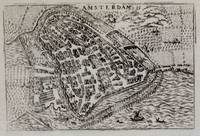
1713M8175Italy c.1713. Very Good. Notes: Amsterdam<br>Savonarola used the pseudonym Alphonsus Lasor a Varea. Monk of Theatine order who worked in the monastery library in Padua. He was also Professor of Holy Scripture. Universes Terrarum Orbis Scriptorum. Size : 85x125 mm 3.35x4.92 Inches Coloring: Black & White Reference: Mickwitz A.M. Miekkavaara L. and Rantenen T. The A.E. Nordenskiold Collection in the Helsinki University Library Volume 2 1981 pp. 269- 276 Category: Maps Europe Benelux; unknown
172071812Caracas: Museo de la Estampa y del Diseño Carlos Cruz-Diez 17 de noviembre 2002 - abril 2003. 22cm. 12p color plates b/w wrps rice paper d.j. Museo de la Estampa y del Diseño Carlos Cruz-Diez unknown books