Marcus Christoph SadelerBiblio.com
6 246 résultats
183511Contentum Ltd. Loose sheet. New. High-quality art print based on an original work from the Fng. Created in the unknown century 1660. Professionally printed on premium fine-art paper Photo Matt Fibre in size A2. The artwork is printed with a white border museum-style presentation. Contentum Ltd. unknown
Bulino misure: mm 201 x 263 I Sadeler furono una numerosa famiglia di artisti fiamminghi, principalmente incisori di riproduzione, attivi in tutta Europa tra il XVI e il XVII secolo. Lo stile dei membri della famiglia è molto simile e non sempre facilmente distinguibile ma per tre generazioni, spostandosi dall’Olanda all’Italia, fermandosi in Germania e a Praga, questi incisori, editori e commercianti di stampe hanno giocato un ruolo centrale nella diffusione delle immagini. Marcus o Marco, fu uno stampatore e forse anche editore che operò ad Haarlem nel periodo 1586-87, si presume sia stato un membro della famiglia anche se non ci restano documenti che ne provino il legame. In questa stampa protagonista è il letto di un torrente montano scavato fra le rocce e gli alberi con ricche foglie. In primo piano sulla sinistra sono descritti due cacciatori con il loro cane da caccia, discutono fra di loro e procedono verso lo spettatore lungo una strada sterrata. Dietro di loro un contadino e i suoi asini da soma avanzano in direzione opposta. Appena accennato sullo sfondo il fiume sfocia in un lago solcato da imbarcazioni. Sempre sullo sfondo a sinistra è appena visibile una città. Il cielo è coperto da nubi cariche di pioggia, realizzate con forti giochi chiaroscurali che vanno dal nero al grigio chiaro, lasciano intravedere i raggi del sole. In basso a destra, oltre l’immagine inciso "Marco Sadeler excudit" Buona eccellente. Ottimo stato di conservazione, eccetto una piega verticale al centro. Rifilata alla battuta del rame.
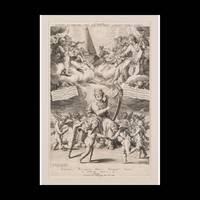
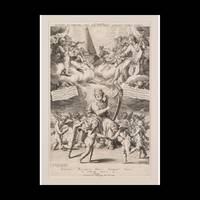
349511Contentum Ltd. Loose sheet. New. High-quality art print based on an original work from the Met. Created in the 16th century ca. 1590–1600. Professionally printed on premium fine-art paper Photo Rag Bright White premium quality in size A2. The artwork is printed with a white border museum-style presentation. Contentum Ltd. unknown
349512Contentum Ltd. Loose sheet. New. High-quality art print based on an original work from the Met. Created in the 16th century ca. 1590–1600. Professionally printed on premium fine-art paper Museum Etching museum quality in size A2. The artwork is printed with a white border museum-style presentation. Contentum Ltd. unknown
349509Contentum Ltd. Loose sheet. New. High-quality art print based on an original work from the Met. Created in the 16th century ca. 1590–1600. Professionally printed on premium fine-art paper Museum Etching museum quality in size A3. The artwork is printed with a white border museum-style presentation. Contentum Ltd. unknown
349510Contentum Ltd. Loose sheet. New. High-quality art print based on an original work from the Met. Created in the 16th century ca. 1590–1600. Professionally printed on premium fine-art paper Photo Matt Fibre in size A2. The artwork is printed with a white border museum-style presentation. Contentum Ltd. unknown
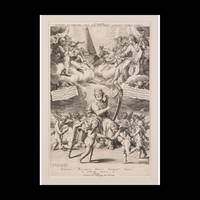
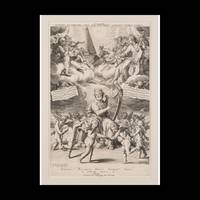
349486Contentum Ltd. Loose sheet. New. High-quality art print based on an original work from the Met. Created in the 16th century 1587 or later. Professionally printed on premium fine-art paper Museum Etching museum quality in size A2. The artwork is printed with a white border museum-style presentation. Contentum Ltd. unknown
349485Contentum Ltd. Loose sheet. New. High-quality art print based on an original work from the Met. Created in the 16th century 1587 or later. Professionally printed on premium fine-art paper Photo Rag Bright White premium quality in size A2. The artwork is printed with a white border museum-style presentation. Contentum Ltd. unknown
349484Contentum Ltd. Loose sheet. New. High-quality art print based on an original work from the Met. Created in the 16th century 1587 or later. Professionally printed on premium fine-art paper Photo Matt Fibre in size A2. The artwork is printed with a white border museum-style presentation. Contentum Ltd. unknown
349483Contentum Ltd. Loose sheet. New. High-quality art print based on an original work from the Met. Created in the 16th century 1587 or later. Professionally printed on premium fine-art paper Museum Etching museum quality in size A3. The artwork is printed with a white border museum-style presentation. Contentum Ltd. unknown
1938190332Prague: Prague Society of German book lovers in Bohemia Prague Haase 1938. Hardcover. Very Good. German language text. Brown cloth boards. 1 sheet 108 pages 9 sheets 1 portrait 7 illustrations. LImited to 300 copies this is copy 186. Colophon: "This fourteenth publication of the Society of German Book Friends in Bohemia appears as a gift for the year 1936 in an edition of 300 copies."/ Colophon: "The printing and the bookbinding work was done by A. Haase in Prague." Prague Society of German book lovers in Bohemia Prague Haase hardcover
6542Bibliothèque royale de Belgique, Bruxelles, 1992. In-4, broché sous couverture illustrée, 66 pp. - pl. Avant-propos, par Denise de Weerdt - Introduction. - Catalogue. - Bibliographie. - Index. - Illustrations.
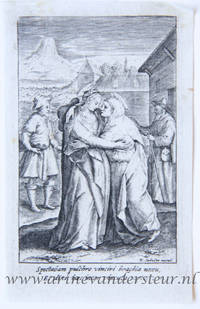
65947Tiny print representing the Biblical episode of the Visitation the pregnant Mary visiting her cousin Elizabeth also pregnant with St. John.Signed on bottom right: ""R. Sadeler excud."" with two verses of Latin text below: ""Spectabam pulchro vinciri brachia nexu / Et dixi: haec inter vincula captus ero"". Possibly designed to decorate a small book like the ""Otium Spirituale"" published in Munich in 1617 by Anna Bergia with plates by Sadeler. The closest composition to this is perhaps the Visitation by Maarten de Vos engraved by Johann Sadeler: on the Virgin's back hangs a hat and her right arm unfolds outwards to hold the shoulder of Elizabeth. The elder woman's right hand reaches around the neck of Mary. In this small impression the respective husbands of the women stand on each side of the representation whereas in de Vos' they stand both on one side. Rare. Engraving on paper with small margins; plate mark: 78 x 48 mm total: 85 x 54 mm; traces of previous mountings; undocumented in Hollstein. unknown
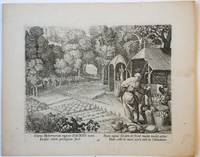
63529St Fiacrius seen from behind with a basket of vegetables in a well tended allotment; plate 18.Lettered below centre with a privilege and at right ""Raph. Sad. fe Vos fig"". and further: 'Clarus Hybernorum regione FIACRIVS horti / Exigui cultor prodigiosa facit. Dum signat fossam in fossa multa insilitabros / Dum sedet in saxo saxum abit in Cathedram.'De heilige Fiacrius Ierland rond 610- Meaux rond 670 in het Iers 'Fiachra' en in het Frans 'Fiacre' of ook 'Fèvre' genoemd verliet zijn geboorteland Ierland en werd kluizenaar in een bos nabij Meaux dat hij van de plaatselijke bisschop Faro gekregen had. Op deze plaats ontstond later een klooster. Volgens de legende werd het bos een bloemenhof toen Fiacrius de grond met zijn staf aanraakte. Fiacrius bezat ook de gave van genezing door handoplegging. Zo genas hij koorts blindheid poliepen en bovenal fistels. Engraving on paper with margins; plate mark: 165 x 207 mm total: 215 x 272 mm; small brown stain among the trees on the left; Hollstein 1068 Maarten de Vos. unknown
60451Landscape with ruins man on horse and shepherd.Signed on the bottom: 'P. Stephani inuentor'and on the right:'Raph . excud.' Engraving on paper trimmed to platemark; total: 206 x 273 mm; dirt and mold above and a lacuna on the bottom right; only state; Hollstein 221. unknown
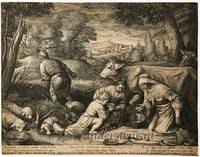
60449After a composition by Jacopo Bassano a young milkmaid is giving out milk to a child and an older lady. Sheeps and a dog on the left. In the background a landscape.Underneath six lines of Latin text: 'Multiplicem. caue.' One line :'PER HONESTI VIRI CAROLI HALEMANNI CIVIS ANDOCERPIANI LIBERALITATE TABVLAM IACOB. BASSANI ARTE ET MANV DEPICTAM RAPH. SADELER EXCVLPSIT.'Within picture on the bottom: 'Cum privil Summi Pontif. et S. Caes. Mai R. Sadeler excud 1601.' Engraving on paper trimmed within platemark; total: 228 x 296 mm; some dirt and some repaired margins along the margins; only state; Hollstein 215 W 109. unknown
219323Contentum Ltd. Loose sheet. New. High-quality art print based on an original work from the Fng. Created in the unknown century 1582. Professionally printed on premium fine-art paper Museum Etching museum quality in size A3. The artwork is printed with a white border museum-style presentation. Contentum Ltd. unknown
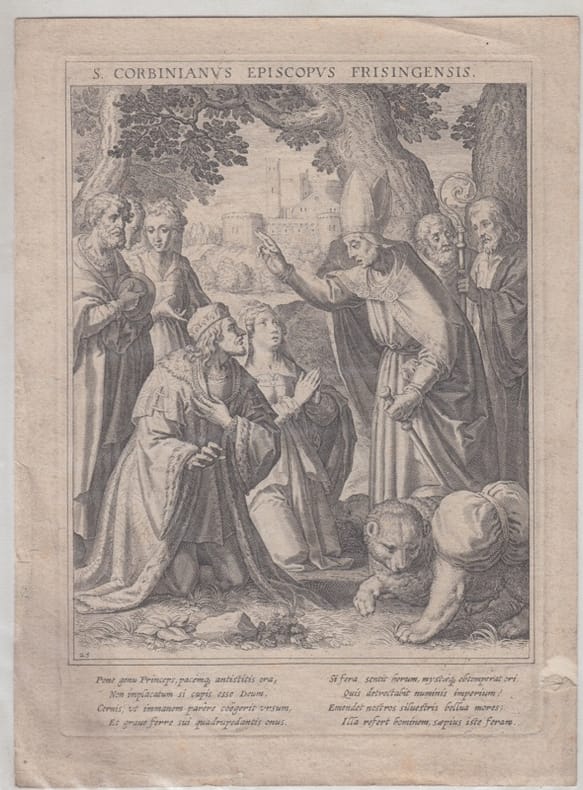
1615279631615 1615. '25. S. CORBINIANUS EPISCOPUS FRISINGENSIS.'Copperplate engraving on hand laid (verge) paper. Watermark: not visible on sheet . Sheet size: 19,5 x 27,5 cm. (7,7 x 10,8 inch). Image size: 15 x 21,5 cm. (5,9 x 8,5 inch).From 'Bavaria Sancta .', by Matthäus Rader, published in Munich. Condition: good, given age.
Bulino misure: mm 207 x 267 I Sadeler furono una numerosa famiglia di artisti fiamminghi, principalmente incisori di riproduzione, attivi in tutta Europa tra il XVI e il XVII secolo. Lo stile dei membri della famiglia che collaborarono spesso fra di loro è molto simile, per tre generazioni, spostandosi dall’Olanda all’Italia, fermandosi in Germania e a Praga, questi incisori, editori e commercianti di stampe hanno giocato un ruolo centrale nella diffusione delle immagini. Rapheael I si stabilì a Monaco nel 1588, si trasferì poi a Venezia dal 1596 fino alla morte del fratello Jean nel 1600 quando tornò a Monaco pur mantenendo interessi commerciali con Venezia. In questa stampa, tratta da un'invenzione de l pittore e incisore paesaggista fiammingo Paul Brill (Anversa 1554 - Roma 1626), vediamo un paesaggio in cui la natura è protagonista. Il primo piano è dominato da maestosi alberi con grosse radici che escono dal terreno, con fronde ricche di foglie alcune illuminate dai raggi del sole, altre in ombra. La composizione è molto ben architettata, alberi e rocce rappresentano una sorta di cortina in primo piano dalla quale si aprono due varchi a mo’ di binocolo, oltre un paesaggio pianeggiante costruito con un segno leggero e argenteo che suggerisce la profondità della scena. Sulla sinistra lo sguardo dello spettatore è attirato da tre figure, una è su un cavallo o un asino, è ben vestita e si protegge dal sole con un ombrello, gli altri due, molto probabilmente contadini, la scortano su questa strada di campagna che conduce a una città fortificata visibile sulla destra. Nel margine inferiore inferiore oltre l'immagine "Raph Sadeler excudit". Impressione eccellente. Ottimo stato di conservazione. Ampi margini oltre la battuta del rame. Filigrana: "W" Bibliografia: Hollstain 223.
Bulino misure: mm 207 x 269 I Sadeler furono una numerosa famiglia di artisti fiamminghi, principalmente incisori di riproduzione, attivi in tutta Europa tra il XVI e il XVII secolo. Lo stile dei membri della famiglia che collaborarono spesso fra di loro è molto simile, per tre generazioni, spostandosi dall’Olanda all’Italia, fermandosi in Germania e a Praga, questi incisori, editori e commercianti di stampe hanno giocato un ruolo centrale nella diffusione delle immagini. Rapheael I si stabilì a Monaco nel 1588, si trasferì poi a Venezia dal 1596 fino alla morte del fratello Jean nel 1600 quando tornò a Monaco pur mantenendo interessi commerciali con Venezia. In questa stampa, tratta da un'invenzione di Paul Bril, vengono descritte, grazie all'abile uso delle tecnica, le rovine di una città arroccata. Sembra quasi un pestaggio fantastico. Fanno da quinta teatrale, sulla destra in primo piano incisi con un segno marcato, una roccia occupata da un grosso tronco con rami ormai quasi privi di foglie e collegata tramite un ponte ad un’abitazione in pietra. Appena oltre una scena di vita comune, dei pastori con il loro bestiame si stanno dirigendo alle rovine di una città costruita sopra un monte che occupa la parte centrale della scena in secondo piano. Sulla cima del monte le rovine di un tempietto circolare. E ancora, un dolce degradare di colline e case si apre verso l’infinito. L'artista fa molta attenzione a descrivere alcuni particolari come un uccellino sul ramo, il fumo che esce dal camino della casa sullo sfondo e il cielo carico di nubi. Nel margine inferiore, inciso oltre l'immagine "Paulus Bril inventor” e "Raph Sadeler excudit". Impressione eccellente. Ottimo stato di conservazione. Ampi margini oltre la battuta del rame. Nel margine superiore destro numero 9 a penna, in grafia antica. Filigrana: "W" e un stemma araldico. Bibliografia: Hollstain 218.
16064235<p>Prague: Aegidius Sadeler 1606. </p><p>Price: $25000.00 </p><p>Oblong folio: 34.7 x 203.5 cm. Engraved title page and 50 engraved plates.</p><p>FIRST EDITION.</p><p>A very fine broad-margined copy with very rich and clear impressions of the plates. Occ. marginal soiling a few pin-prick wormholes in the margins of a few leaves. Bound in contemporary morocco richly tooled in gold. With an engraved allegorical title with the main title incised within a wolf's hide hung on a monument; an engraved dedication to Matthaeus Wacker von Wackenfels numbered'1' with the text incised on a stone tablet between flanking obelisks and with two putti supporting the dedicatee's arms; and 49 full-paged engraved plates ca. 170 x 270 mm all numbered and signed 'Marco Sadeler excudit' with descriptive captions in Italian.</p><p>This is the first edition. Thirty-six of these images were copied by Aegidius Sadeler from Etienne Du Pérac's " Vestigi dell'Antichità di Roma" Rome 1575. For the other images Sadeler drew on drawings by Jan Breughel the elder and Pieter Stevens. Marco Sadeler whose name appears on the plates was an engraver and print seller in Prague in the early 1600's and probably the nephew of Aegidius. In the middle of the 17th century a copy of the 1606 edition found its way to Rome where it was copied for Giovanni Giacomo de' Rossi by Girolamo Ferri and published in 1660.<br /><br />In this series the artists have depicted the ancient monuments of Rome Tivoli and Pozzuoli as they appeared in the late sixteenth- and early seventeenth-century: crowned with vegetation half-buried by the rising ground level and encroached upon by a host of post-Roman structures. The scenes are alive with Rome's inhabitants: herdsmen mule-drivers cattle sheep and every manner of citizen. The images in which the ruins are depicted in their un-restored state and within the context of their early modern environments serve as a record of the monuments as they appeared in this period and evoke the atmosphere of daily life in early modern Rome.<br /><br />Sadeler and The Bay of Naples: <br /><br />In addition to the views of Rome the Sadeler series also includes a number of plates of ruins and views of the Bay of Naples and its environs: the Gulf of Baiae Cuma Lago Averno the Campi Flegrei Capo Miseno and the Villa Agrippina at Oplontis and other places within the confines of Pozzuoli.</p><p>Cicognara 3871; Hollstein. Dutch & Flemish XXI 151-201; Fowler 283 2nd ed.; Catalogue of the exhibition "Vestigi delle antichita . Momenti dell'elaborazione di un'immagine" edited by Anna Grelle Rome 1987 pages 123-144 and passim.</p> Aegidius Sadeler, books
[Sadeler - Incisione](cm.30,5 x 27 complessivi di margini) Incisione originale su rame con passepartout decorato a mano tratta dal Sadeler "Bonorum et Malorum".Completo di frontis riprodotto in fotocopia. Ampi margini.Ottima Stampa
150048581500. Engraving 23.5 x 29.5 cm. image dimensions. Signed in lower part of impression "Bassan. inuet. loa. Sadeler sc." and CU. priuil. S. Caes. M." and ex S. Lvc. xvi. cap." Lacking the legend below the image. One of Sadeler's three "Kitchen" scenes this one with Lazaraus seen from behind at right with two dogs seated and looking at a dinner table with the rich man a kitchen with a maid tending a spit over a fire and other servants preparing food. The wall has a display of plates pots and aging game hanging from hooks some fish in a basket and vegetables and a broken egg in the foreground a boy taking a basket with eggs from under the table and a monkey behind him. After Jacopo Bassano c. 1598. The engraving was laid down onto another sheet of paper at some point in the mid 20th century having been trimmed to the edges of the image at some earlier date. The outlines of the legend have been drawn in. Some very light foxing to the image. British Museum 1868 0612.499; Spencer Museum of Art 1990.0017. unknown books
BZG94AP
51162Elaborately engraved title and 50 additional engraved plates printed recto only showing finely worked and highly detailed views of Roman ruins still in existence in Rome Tivoli Pozzuolo and surrounding areas as of the 16th century each print with detailed caption. Crease to title minor old damp-staining slight soiling and handling wear small marginal tear to bottom of plate 29 which does not enter into image. Oblong folio. Leather-backed boards raised spine. Some very minor edgewear and abrasions. Prague Aegidio Sadeler 1606. Hand-written inscription to title page dated 1638. Olschki 18017 Cicognara 3871. Marco Sadeler was an engraver and print seller in Prague in the early 17th century. Thirty-six of the plates were copied by Sadeler from drawings done by his undle Aegidius Sadeler for Etienne Du Pérac's "Vestigi dell'Antichità di Roma" 1575. For some of the other views Marco Sadeler copied or drew inspiration from works by Jan Breughel the elder and Pieter Stevens. An impressive work notable for its detail and richness of expression here present in its first edition. In the middle of the 17th century a copy of this work made its way to Rome where it was copied for Giovanni Giacomo de' Rossi by Girolamo Ferri and then published in 1660. The views presented here include ruins and monuments in Rome Tivoli and Pozzuoli as well as views from around the Bay of Naples as they existed in the sixteenth and early seventeenth centuries full of life. hardcover books