Paul GavarniBiblio.com
1 882 résultats
42390Contentum Ltd. Loose sheet. New. High-quality art print based on an original work from the Artic. Created in the 19th century 1853. Professionally printed on premium fine-art paper Photo Matt Fibre in size A2. The artwork is printed with a white border museum-style presentation. Contentum Ltd. unknown
42441Contentum Ltd. Loose sheet. New. High-quality art print based on an original work from the Artic. Created in the 19th century 1853. Professionally printed on premium fine-art paper Museum Etching museum quality in size A3. The artwork is printed with a white border museum-style presentation. Contentum Ltd. unknown
42376Contentum Ltd. Loose sheet. New. High-quality art print based on an original work from the Artic. Created in the 19th century 1852. Professionally printed on premium fine-art paper Museum Etching museum quality in size A3. The artwork is printed with a white border museum-style presentation. Contentum Ltd. unknown
42456Contentum Ltd. Loose sheet. New. High-quality art print based on an original work from the Artic. Created in the 19th century 1853. Professionally printed on premium fine-art paper Photo Rag Bright White premium quality in size A2. The artwork is printed with a white border museum-style presentation. Contentum Ltd. unknown
42416Contentum Ltd. Loose sheet. New. High-quality art print based on an original work from the Artic. Created in the 19th century 1853. Professionally printed on premium fine-art paper Photo Matt Fibre in size A2. The artwork is printed with a white border museum-style presentation. Contentum Ltd. unknown
42430Contentum Ltd. Loose sheet. New. High-quality art print based on an original work from the Artic. Created in the 19th century 1853. Professionally printed on premium fine-art paper Photo Rag Bright White premium quality in size A2. The artwork is printed with a white border museum-style presentation. Contentum Ltd. unknown
42444Contentum Ltd. Loose sheet. New. High-quality art print based on an original work from the Artic. Created in the 19th century 1853. Professionally printed on premium fine-art paper Museum Etching museum quality in size A2. The artwork is printed with a white border museum-style presentation. Contentum Ltd. unknown
42417Contentum Ltd. Loose sheet. New. High-quality art print based on an original work from the Artic. Created in the 19th century 1853. Professionally printed on premium fine-art paper Photo Rag Bright White premium quality in size A2. The artwork is printed with a white border museum-style presentation. Contentum Ltd. unknown
42379Contentum Ltd. Loose sheet. New. High-quality art print based on an original work from the Artic. Created in the 19th century 1852. Professionally printed on premium fine-art paper Museum Etching museum quality in size A2. The artwork is printed with a white border museum-style presentation. Contentum Ltd. unknown
42389Contentum Ltd. Loose sheet. New. High-quality art print based on an original work from the Artic. Created in the 19th century 1853. Professionally printed on premium fine-art paper Museum Etching museum quality in size A3. The artwork is printed with a white border museum-style presentation. Contentum Ltd. unknown
42442Contentum Ltd. Loose sheet. New. High-quality art print based on an original work from the Artic. Created in the 19th century 1853. Professionally printed on premium fine-art paper Photo Matt Fibre in size A2. The artwork is printed with a white border museum-style presentation. Contentum Ltd. unknown
42418Contentum Ltd. Loose sheet. New. High-quality art print based on an original work from the Artic. Created in the 19th century 1853. Professionally printed on premium fine-art paper Museum Etching museum quality in size A2. The artwork is printed with a white border museum-style presentation. Contentum Ltd. unknown
42377Contentum Ltd. Loose sheet. New. High-quality art print based on an original work from the Artic. Created in the 19th century 1852. Professionally printed on premium fine-art paper Photo Matt Fibre in size A2. The artwork is printed with a white border museum-style presentation. Contentum Ltd. unknown
42363Contentum Ltd. Loose sheet. New. High-quality art print based on an original work from the Artic. Created in the 19th century 1852. Professionally printed on premium fine-art paper Museum Etching museum quality in size A3. The artwork is printed with a white border museum-style presentation. Contentum Ltd. unknown
42405Contentum Ltd. Loose sheet. New. High-quality art print based on an original work from the Artic. Created in the 19th century 1853. Professionally printed on premium fine-art paper Museum Etching museum quality in size A2. The artwork is printed with a white border museum-style presentation. Contentum Ltd. unknown
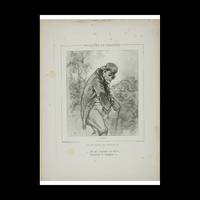
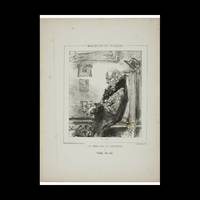
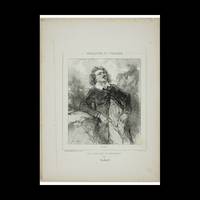
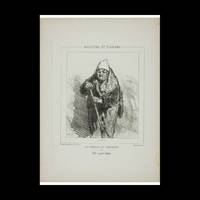
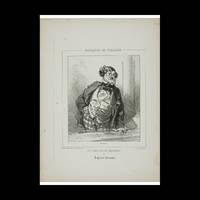
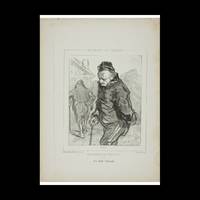
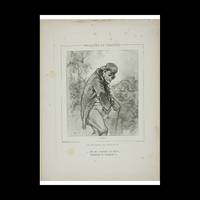
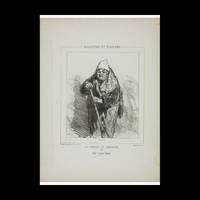
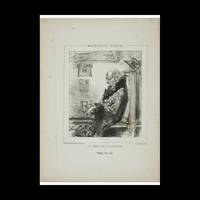
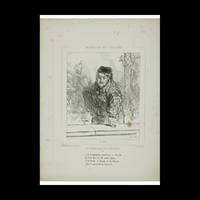
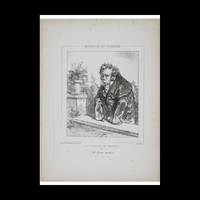
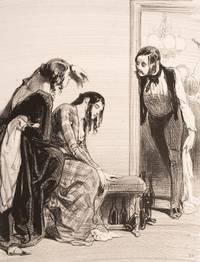
04-1789Paris 19th cent. Lithograph. Image: 24.5 x 19 cm. Sheet: 36.5 x 25 cm. Published in Le Charivari text verso. Paris, 19th cent. unknown
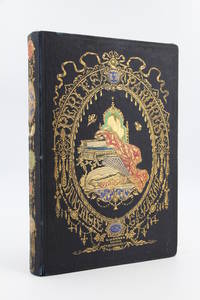
185079132Paris: G. de Gonet 1850. Fine. G. de Gonet Paris s. d. 1850 18 x 27 cm relié First edition and first issue illustrated with 16 hors-texte engravings by Paul Gavarni engraved on steel by Charles Geoffroy and heightened in colors. Each plate features lace-cut decorative borders standing out against a pink paper background. Publisher's full pictorial boards original yellow paper endpapers and pastedowns somewhat soiled at margins as usual. Some corners slightly rubbed as well as the headcaps; rear joint very slightly opened. Scattered foxing more pronounced on certain leaves. Very handsome publication preserved in its romantic pictorial boards. G. de Gonet hardcover
In 4° (26,5x17,7 cm); (4), 316, (2 b.) pp.16 c. di tav. fuori testo. Legatura originale editoriale in piena tela con ricchi disegni e cornici in oro e a colori, ai piatti ed al dorso. Qualche piccolo difetto alla cerniera anteriore ed al margine alto del dorso con piccolissime mancanze di tela. Tagli dorati. Qualche lievissima macchiolina di foxing in poche pagine, come tipico di tutti gli esemplari, a causa della qualità della carta e per il resto esemplare in buone-ottime condizioni di conservazione. Prima non comune edizione, ancor più rara a reperirsi completa della sua legatura editoriale, di questa importante opera di illustrazione, opera di uno dei più grandi illustratori francesi dell'ottocento. Le tavole impresse "sur velin", inquadrate entro cornici traforate, e acquarellate con colori delicati, recano le veline originali sul retro di ogni tavola in carte a diversi colori per fare da sfondo alle dentelles. Guillaume Sulpice Chevalier, pseudonimo di Paul Gavarni (Parigi, 1804 - 1866) fu un celeberrimo illustratore, disegnatore e pittore francese. Precoce talento per il disegno, l'autore si propose, fin da giovane, di sviluppare nuove tecniche e materiali incisori, sfruttando nuovi prodotti chimici non prima utilizzati. Già a 20 anni impressionò l'editore Blaisot che gli propose alcuni lavori. Utilizzando i soldi guadagnati si trasferì nei Pirenei dove aveva idea di recarsi per realizzare una serie di ritratti di costumi popolari che uscì poi nel 1828, già firmati con il suo nome d'arte di Gavarni, ispirato da una catena montuosa vista durante il suo soggiorno pirenaico. Nel 1830 iniziò a lavorare per la rivista "La mode" che gli diede grande successo in patria ma anche in Inghilterra, ricevendo anche l'apprezzamento di diversi personaggi importanti come ad esempio Balzac. In questo periodo sperimentò nuove tecniche litografiche. E' di questi anni una delle sue più drammatiche esperienze che segnò anche la sua opera futura. Sulla scorta del successo ottenuto puntò tutti i suoi guadagni nella creazione di una rivista tutta sua che uscita con il titolo di "Journal des Gens du Monde" nel 1835 e che fallendo quasi subito, portò Gavarni, ridotto sul lastrico, in galera per un anno. Questa esperienza la ritroviamo nel 1837 nella serie uscita sulla celebre rivista Charivari, intitolata Fourberies des femmes en matière de sentiments, nella quale denunciava il mondo degli affari. La serie ebbe di nuovo un enorme successo e portò Gavarni ad esser chiamato a presentare tavole su tutti i principali giornali dell'epoca e facendo dell'artista, uno dei più celebri personaggi della sua epoca. Avvicinandosi alla metà del secolo, il suo stile cambiò e si diresse verso temi di denuncia sociale. Nel 1847 si trasferì a Londra, secondo Gavarni, città più adatta a comprendere il suo desiderio di ritrarre i personaggi e la vita dei bassifondi malfamati chiudendosi sempre più in se stesso e nella sua arte. Tornato a Parigi si dedicò sempre di più alla critica sociale ma anche agli studi matematici e meccanici che da sempre lo avevano appassionato fino a diventare la sua attività principale a partire dal 1860, data che segna anche il suo abbandono del disegno. Morì nel 1866, universalmente riconosciuto come uno dei più grandi illustratori dell'ottocento.
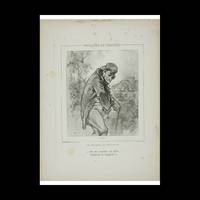
55-0015Paris: Le Charivari 1843. Lithograph. Image: 19.5 x 16 cm. Sheet: 36.5 x 25 cm. Armelhault & Bocher no. 819. Published in Le Charivari text verso. Paris: Le Charivari, 1843. unknown
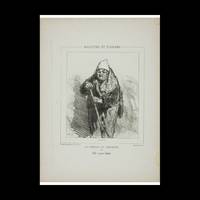
55-0018Paris: Le Charivari 1843. Lithograph. Image: 19.5 x 16 cm. Sheet: 36.5 x 25 cm. Armelhault & Bocher no. 832. Published in Le Charivari text verso. Paris: Le Charivari, 1843. unknown
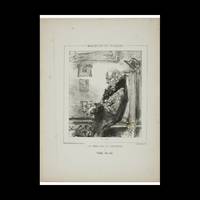
55-0014Paris: Le Charivari 1841. Lithograph. Image: 19.5 x 16 cm. Sheet: 36.5 x 25 cm. Armelhault & Bocher no. 776. Published in Le Charivari text verso. Paris: Le Charivari, 1841. unknown
55-0017Paris: Le Charivari 1843. Lithograph. Image: 19.5 x 16 cm. Sheet: 36.5 x 25 cm. Armelhault & Bocher no. 831. Published in Le Charivari text verso. Paris: Le Charivari, 1843. unknown
56851Paris Librairie nouvelle ca. 1860. . 10 Karikaturen mit Bildunterschriften in französischer Sprache. - Der Zeichner u. Graphiker Paul Gavarni d.i. Hippolyte Sulpice Guillaume Chevalier 1804-1866 war ein wichtiger Mitarbeiter der satirischen Zeitschrift "Le Charivari". - Kap. beschabt Papier mäßig stock- bzw. fingerfleckig. - Exlibris des österreichischen Schriftstellers Kunsthistorikers u. Kunstkritikers Alfred von Wurzbach Ritter von Tannenberg 1846-1915 aV. Paris, Librairie nouvelle, [ca. 1860]. unknown
06349Paris: Chez Aubert 1841. Love is their business and they drive hard bargains<br /> They are as luxurious and idle as they are beautiful<br /> Their lives are a tissue of deception and hypocrisy"<br /> <br /> GAVARNI Paul pseudonym of Guillaume Sulpice Chevallier. Les Lorettes. Paris: Chez Aubert June 1841-December 1843. <br /> <br /> Folio 13 1/2 x 9 3/4 inches; 342 x 248 mm. Seventy-six of seventy-nine lithograph plates. All plates mounted on stubs. The three missing plates nos. 68 69 & 70 are supplied with the illustrations that appeared in Charivari with text on verso. In addition there are duplicates of plate nos. 47 48 63 & 73 on "chine applique".<br /> <br /> Late nineteenth century marbled boards with original maroon morocco label lettered and bordered in gilt expertly rebacked and re-cornered with blue cloth spine with black morocco label lettered and ruled in gilt new endpapers.<br /> <br /> One of the rarest of all the Gavarni albums. Originally published from June 1841-December 1843 by Aubert et Cie. with just twenty lithographs. <br /> <br /> These lithographs represent the complete thematic cycle Gavarni created around the "lorette"-the semi-independent fashionable demimondaine of July Monarchy Paris.<br /> <br /> OCLC locates just one example in libraries & institutions worldwide: Clark Art Institute MA US.<br /> There have been just four complete copies at auction since 1901.<br /> <br /> A second series titled Les Lorettes Vieillies appeared in the 1860's. This second series contained thirty hand colored lithographs. OCLC locates just two copies of this rare work - they do not state that the plates are colored: University of Miami FL US & Northwestern University Library IL US.<br /> <br /> "Les Lorettes. This is the most masterly of Gavarni's earlier series. Ladies of the evening of a certain standing had come to be called lorettes because they often lived in the handsome new buildings of the Rue Notre Dame de Lorette. No subject could have been better suited to Gavarni's talents. Indeed Paul de Saint Victor observed preface to D'Après nature II 2 that "the lorette is for him what the actress of the Italian Comedy was for Watteau." Gavarni shows them without malice and without indulgence exactly as they were. The grisette of Les étudiants de Paris was an ingratiating figure; not so the lorette. Love is their business and they drive hard bargains. They are as luxurious and idle as they are beautiful. Their lives are a tissue of deception and hypocrisy. Among themselves their conversation is cynical to the point of brutality. Their men usually twice their age also cut a poor figure. At best these gentlemen command a wry irony which derives from their awareness of being dupes. Gavarni presents these brittle and glittering creatures with great deftness. The packed and subtle dialogue of the legends would not be amiss in a novel by Stendhal. It is difficult to select from his remarkable compositions but one cannot overlook. no. 27 in which a lorette in her bath indulges in a rare moment of speculative conversation with a friend." Ray The Art of the French Illustrated Book pp. 223-224.<br /> Note. Gordon Ray's copy had 73 of the 79 hand colored lithographs - missing nos. 19-24.<br /> <br /> "Lorette was a colloquialism for a new type of prostitute who was kept in relative luxury in the apartment buildings that had been constructed in the Notre-Dame-de-Lorette church. Gavarni's sharp-eyed observations of Parisian society in works like these demonstrate his value as a documentarian of his times." Bobins V p. 64 #1541.<br /> <br /> "In 1837 Gavarni began his connection with Le charivari which did not conclude until 1848. In all he drew 1054 lithographs for his journal.Most of these appeared in series some twenty-five of which extend to ten or more plates and were afterwards published by Aubert in albums. Perhaps the best of these collections are Fourberies de femmes en matière de sentiment Les étudiants de Paris Les débardeurs and Les lorettes; but some of the rest are of hardly inferior interest. Still further series contributed to periodicals other than Le charivari were also issued as albums. Baudelaire had this part of Gavarni's work particularly in mind when he wrote.that 'the true glory and the true mission of Gavarni and Daumier has been to complete Balzac.' Certainly the pictures of Parisian society provided by the two artists perfectly complement each other. Daumier's preoccupation was the working middle class with faces and figures heavily marked by life. Gavarni remained for the most part outside the humdrum bourgeois round. He preferred to show 'youth at the prow and pleasure at the helm.' His pretty girls and sleek young men are bent on enjoyment. They live lives of graceful dissipation with love intrigues and balls on the one hand and pawnbrokers' shops and debtors' prisons on the other.In 1846 Gavarni returned to Le charivari to which he had hardly contributed since 1843. He wished to call the series that ensued Choses de Paris but was persuaded instead to employ the general title Oeuvres nouvelles. Its major albums were Carnaval; Impressions de ménage deuxième série thirty-nine lithographs 1846-1847; and Baliverneries parisiens twenty-four lithographs 1847" Ray The Art of the French Illustrated Book pp. 217-218.<br /> <br /> Armelhault & Bocher 763-841; Beraldi VII p.51 # 107; Bobins V 1541. Paris: Chez Aubert, 1841 unknown
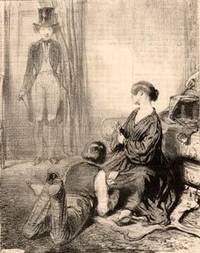
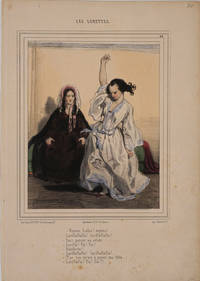
185724516Paris: Chez Aubert & Cie 1857. Very good condition. Handsomely hand colored lithograph highlighted with gum arabic by Paul Gavarni 1804 - 1866 French satirical artist noted for his clever observations of contemporary life and elegant genre scenes and imitated by artists such as James McNeill Whistler. <br /> <br /> Depicting a disapproving mother attempting to convince her singing & dancing daughter to calm down and get dressed. Printed at upper right border is the number 44. Paper size approximately 9 1/2 x 12 1/2" Chez Aubert & Cie unknown