KELLY (Sarah)Livre Rare Book

7 531 résultats
200430665Eyrolles, 2004. In-4 broché sous jaquette illustrée (25,5 x 25,8 cm), 320 pages, richement illustré en couleurs.- 1280g. - Très bon état.
Con DVD. Testo Italiano, Inglese e Francese. Roma, 2016; cartonato, pp. 240, ill. col., tavv. col., cm 17x24. (Arti Visive, Architettura e Urbanistica).
28.5x28 cm. 113+25 pages. Gilt hardcover with dust jacket. In good condition. PLEASE NOTE: This item is overweight. We may ask for extra shipping costs.
IN ENGLISH AND HEBREW. 22x17.5cm. Unpaginated. Softcover. In good condition.
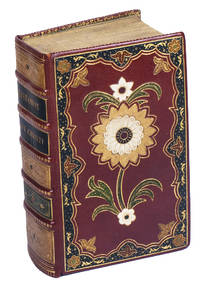
1696ABC_48370Antwerp 1696. 8vo. Hieronymus Verdussen for Niclaes Braau in Haarlem Exquisite 18th-century gold-tooled multi-colour morocco mosaic binding. The basis of the binding is red morocco the boards show a large flower executed in gold-tooled white green yellow and black morocco onlays with small brown morocco leaf shaped corner pieces within a cusped and scalloped gold-tooled double fillet frame. The outer frame is a gold-tooled black morocco onlay with detailed floral and leaf shaped gold-tooled brown and green morocco onlays. The binding is sewn on 5 supports with corresponding raised bands on the spine. The six compartments are beautifully decorated with gold-tooled yellow 1st 4th and 6th compartment black 2nd and 3rd and green 5th morocco onlays with the title lettered in gold on the black morocco of the 2nd and 4rd compartments the other compartments are show detailed gold-tooling and a small green or red morocco small circular onlay. Further with gold-tooling on the raised bands the head and foot of the spine the board edges and the turn-ins. Gilt edges and green silk covered end papers. With 39 detailed woodcut illustrations in the text and woodcut decorated initials and small printed manicules. The text is set in a Gothic letter with incidental use of Roman type. 1 1 blank 14 837 27 pp. Very rare late-17th-century Antwerp edition of the New Testament edited by Henricus van den Leemputte 1588-1657 in a magnificent 18th-century mosaic binding. The binding is made by or in the style of the French Parisian binders Le Monnier. "The delicate construction finesse of tooling and delineation and the fantasy of these bindings render them veritable jewels." see The History of bookbinding 525-1950 A.D. no. 456.Van den Leemputte was a highly educated cleric from a noble family in the Southern Netherlands. He held high offices within the diocese bishopric of 's Hertogenbosch. Aside from the present version of the New Testament first published in 1622 he wrote several treatises on the Holy Sacraments published 1624 and edited two works one manual for explaining the Holy Scripture and one defence of the Catholic church against the Reformed church.From the library of Carlo de Poortere 1917-2002 a director of the family tapestry business and a Belgian bibliophile with a large collection of 17th- and 18th-century book bindings and illustrated books from the 16th-20th centuries. It had previous been part of the collection of English Baptist minister and book collector Andrew Gifford 1700-1784. The "of the Museum" below his name in the engraved bookplate seems to refer to his position as assistant keeper of books and manuscript at the British Museum from 1757 until his death. Curiously he bequeathed his collection of books manuscripts pictures and other curiosities not to the British Museum but to the Bristol Baptist College. In the 1970s the Trustees of this college decided to sell all copies of the Gifford collection to pay for renovations to the chapel.With the gold-tooled red morocco bookplate of Carlo de Poortere on the verso of the blank fly leaf and a near contemporary engraved paper bookplate on the verso of the title-page possibly of Andrew Gifford 1700-1784. The binding shows minor signs of wear at the outer corners of the boards and spine otherwise it is in fine condition. The bottom outer corner of the first blank flyleaf and the title-page have been restored a slight water stain in the bottom margin of the first half of the work some occasional slight browning. Quire 24 has been mis-bound at the end of the work in quire 3H4 but the collation is complete. Otherwise in very good condition. A very rare late 17th-century edition of the New Testament in an exquisite 18th-century mosaic binding.l STCV 12918655 1 copy; USTC 1535523 1 copy same as STCV; WorldCat 66131050 4 copies including the STCV copy; cf. The history of bookbinding 525-1950 A.D. An exhibition held at the Baltimore Museum of Art November 12 1957 to January 12 1958 no. 456 plate XC. ABE CAT Art History ABE CAT Bibles Sermons & Psalmbooks hardcover
1929UDG-11Paris, Ernest Flammarion, 1929. In-8, édition originale du premier ouvrage de l'auteur publié chez Flammarion. Tirage limité à 1200 exemplaires numérotés, celui-ci n°16, un des 25 sur papier Japon. Exemplaire enrichi d'un envoi autographe signé de l'auteur. Reliure plein box blanc ornée d'une mosaïque de quadrilatères de box et maroquin gris, bleus, violets et roses, contreplats de box bleu-gris, gardes de box mauve, tranche de tête dorée, couvertures et dos conservés, sous chemise et emboîtage. Superbe reliure signée de Maud Spira, relieuse suisse ayant participé à de nombreux salons et concours internationaux.
French Text. Paris, 1990; hardback, pp. 412, b/w and col. ill. and plates, cm 25x31. (Histoire Universelle de L'Art). francaise Histoire Universelle de L'Art hardback
By Mario Di Donato. Testo Italiano e Inglese. Roma, 1990; br., pp. 36, ill. col., cm 28x20. english italiano br.
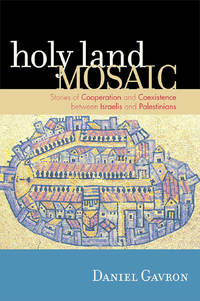
2007SONG0742540138Rowman & Littlefield Publishers 2007-12-07. paperback. Used: Good. 6.05x0.58x9.00. Buy with confidence. Excellent Customer Service & Return policy. Rowman & Littlefield Publishers paperback
2007DADAX0742540138Rowman & Littlefield Publishers 2007-12-07. paperback. New. 6.05x0.58x9.00. Buy with confidence. Excellent Customer Service & Return policy. Rowman & Littlefield Publishers paperback
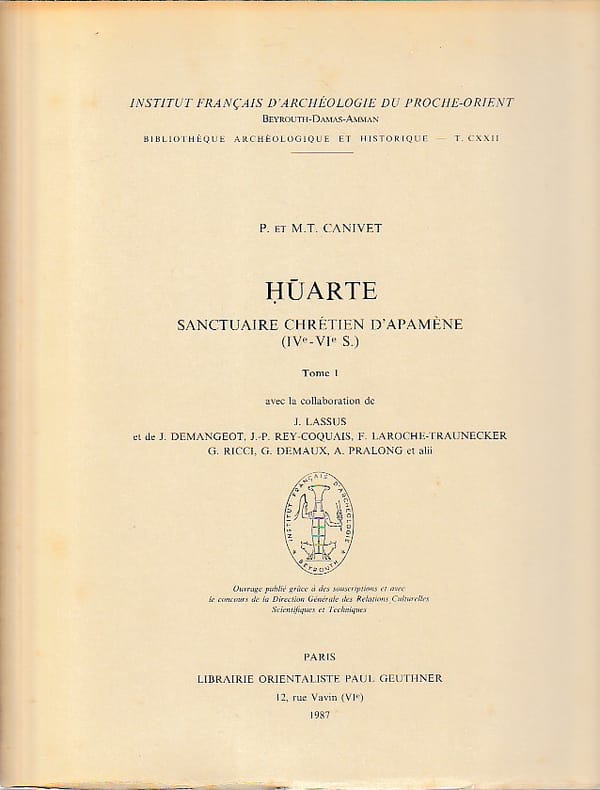
620172 volumes, Institut français d'archéologie du Proche-Orient (Beyrouth - Damas - Amman), Librairie orientaliste Paul Geuthner,1987, tome 1: 401 pp., tome 2: 176 planches, broché, non coupé, quelques rousseurs, couverture un peu jaunie, une déchirure une déchirure sur la quatrième de couverture du tome 2, état correct.
Lecce, 1997; br., pp. 80, ill., cm 12x17. (Idruntina). (Hydrunthina volumina. Collana diretta da Grazio Gianfreda. 4).
Faenza, 2003; cartonato, pp. 96, ill. b/n e col., cm 24,5x31. italiano
cm. 42 x 56, 20 tavv. senza testo. 0 gr.
Mm 220x240 Brossura originale, 112 pagine con disegni e numerose illustrazioni in nero e a colori nel testo. Buone le condizioni, spedizione in 24 ore dalla conferma dell'ordine.
Roma, 1956; pp. 342, ill., cm 20x29. italiano
In 4', t.ed. con sovrac. ill. col., cofanetto, tagli dorati, copia n. 1452/2000, pp. 341, ill. in n. e col. n.t., ; segni d'uso al dorso della sovrac., altrimenti in ottimo stato, segni di usura al cofanetto, lembo sup. staccato.Luogo di pubblicazione TorinoEditore ILTEAnno pubblicazione 1956Materia/Argomento Storia locale, Roma, Basiliche, Arte, Mosaico
A cura di Mario Graziani e Valeria Gramiccia. Milano, 1987; br., pp. 48, ill. col., cm 21x21. italiano br.
199114759Palermo, Flaccovio Editore 1991. 132,XV pp. 57 ills & Tavole: 102 col.plts & 5 fold.maps. / 132 Seiten Text mit Abbildungen, 102 farbige Tafeln und 5 aufklapbare Architekturansichten 35,5 x 28,5 x 4 cm, , gebundene Ausgabe, Leinen, book in good condition, Exemplar in guten Erhaltungszustand
25 cm, rilegatura editoriale illustrata, titolo al piatto e dorso; pp. 75, numerose foto a colori nel testo, alcune sottolineature a penna rossa
Traduzione di Miedico C. Milano, 2021; ril., pp. 320, ill. col., cm 21,5x29. (Illustrati. L'Arte del Mondo).
A cura di Maioli M. G. e Marini Calvani M. Ravenna, 1995; br., pp. 104, 100 ill. b/n e col., cm 24x30. (Arte). italiano 88-8063-06 Arte
L'argomento del presente studio è costituito da un settore dell'arte-artigianato romano che, sviluppatosi tra l'inizio del '700 e la fine dell''800, ha prodotto opere di pregio spesso eccezionale con moltissime illustrazioni a colori. Note, bibliografia ed indici In ottimo stato
19 cm, br. edit; pp. 39
ill. 2a edizione riveduta, accresciuta e capovolta. Perché capovolta? Perché, rispetto alla 1a edizione del dicembre 2017 e oltre agli "errata corrige" già in quella inseriti, questa 2a edizione (in cui gli episodi - o visioni - passano da 80 a 111) è soprattutto ripensata nella sua struttura compositiva. Mentre nella 1a edizione le visioni seguivano ordinatamente la sequenza della Divina Commedia dal primo canto dell'Inferno all'ultimo del Paradiso e la serie di abbinamenti tra endecasillabi e immagini musive obbediva alla collocazione dei versi danteschi nel corso del Poema, la 2a edizione privilegia i luoghi di culto: la nuova sequenza parte dai battisteri, continua con le basiliche e termina con i mausolei secondo uno schema caro a don Giovanni Montanari e al professor Giovanni Gardini. La sequenza adottata nella 1a edizione era funzionale a facilitare la comprensione delle due novità fondamentali introdotte dal libro negli studi sulle ispirazioni che Dante trasse dai mosaici ravennati anche per l'Inferno (e non solo nel Purgatorio e nel Paradiso come si riteneva prima) e che trovò non solo nei mosaici bizantini del V e del VI secolo ma anche nei più poveri e non meno significativi (per quanto ignorati dai dantisti) mosaici veneziano-ravennati del XIII secolo in S. Giovanni Evangelista. Avendo la 1a edizione ampiamente dimostrato tali due assunti prima inediti, la sequenza adottata nella 2a edizione obbedisce ad un'altra prospettiva: l'aderenza al percorso spirituale reale del cristiano che da sempre nasce (battisteri), prega (basiliche) e muore (mausolei) come ogni altro uomo credente o no che sia. Ai cicli musivi dei Battisteri Neoniano e Ariano, della Cappella Arcivescovile, di S. Apollinare Nuovo, S. Vitale, S. Apollinare in Classe, S. Giovanni Evangelista e Mausoleo di Galla Placidia, sono qui aggiunte ulteriori suggestioni (S. Francesco, S. Michele in Africisco, Mausoleo di Teodorico). Il corpo del volume raccoglie così 111 capitoletti in cui l'immagine musiva proposta è seguita dai versi di Dante che quell'immagine suggerisce e da un breve testo esplicativo di ognuno dei 111 accostamenti, nei quali l'abbinamento scatta solo quando, secondo un criterio che esclude analogie generiche, quanto è figurato nei versi di carta corrisponde a quanto è scritto nei dipinti di pietra.