Western District Missionary AssociationBiblio.com
4 240 résultats
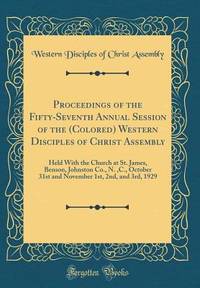
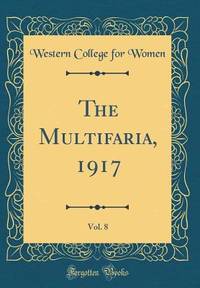
1391753836.Ghardcover. Good. Access codes and supplements are not guaranteed with used items. May be an ex-library book. hardcover
0364915617.Ghardcover. Good. Access codes and supplements are not guaranteed with used items. May be an ex-library book. hardcover
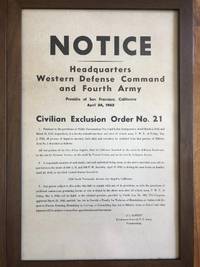
1942222721942. Japanese InternmentWWII Framed original broadside issued April 24 1942 by the Western Defense Command enforcing Executive Order 9066 by the compulsory removal of Japanese Americans from a designated district of Los Angeles. The broadside directs "all persons of Japanese ancestry both alien and non-alien" to present themselves for relocation initiating their forced transfer to government custody. This document dates to the first phase of the federal mass incarceration program that uprooted more than 120000 Japanese Americans approximately two-thirds of whom were United States citizens.<br /> <br /> Civilian Exclusion Order No. 41 Large format broadside framed. Western Defense Command and Fourth Army. San Francisco: U.S. Army April 24 1942. The notice mandates that a "responsible member of each family and each individual living alone" report to a designated Civil Control Station between April 25 and April 26 1942 and warns that failure to comply would result in criminal penalties under Public Law No. 503 and possible immediate apprehension. The text specifies the geographic boundaries of the exclusion zone within Los Angeles and outlines the administrative procedure for removal including reporting instructions and compliance requirements. The exceptionally fast pace of mass incarceration is especially evident here as the poster issued April 24 commands representatives to report immediately over the following two days for instruction and mandates all Japanese and Japanese-Americans be vacated from the area by May 1 the following week. During this period immigrants and citizens alike were suddenly ripped from their homes schools and jobs forced to say good-bye to neighbors loved ones and pets and pack whatever belongings were permitted by the U.S. government for internment of an indeterminate length of time.<br /> <br /> Posted publicly in affected neighborhoods across California Oregon and Washington exclusion orders such as this were a key part of the first phase of Japanese American mass incarceration. They introduced military command into neighborhood-level enforcement and a suspension of civil liberties for the West Coast Japanese immigrant population. The order is dated less than five months after the attack on Pearl Harbor when the U.S. was rapidly expanding federal emergency powers on the home front parallel to increasing involvement in WWII abroad. Exhibiting some damage including folds creases pinholes and several small tears at edges with a some in the center many have been repaired with acid-free archival tape en verso. No loss to paper. Overall good condition. A rare and historically significant artifact of wartime racial profiling and a sobering reminder of the fragility of constitutional protections during times of crisis. unknown
60-02724Western Culinary Institute. Spiral Bound. New. . Western Culinary Institute unknown
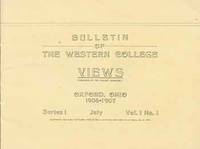
18-0835Oxford Ohio: Western College 1906. 4to ca 28 pp. Oblong. Very Good. Soft Covers. Brown paper wrappers. Staple binding. Full page B&W photo plates throughout. Scarce.From the collection of the late Frederick Ruffner Jr. founder of Gale Research Detroit. Oxford, Ohio: Western College, [1906]. paperback
20062090502113709533Not Available 2006. Soft Cover. Fine. The book is in fine condition. Not Available paperback
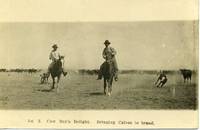
191056461910. Western Americana Real PhotoPostcard of cowboys roping calves to brand circa 1910 size 5.5x3.5" sepia toned. Wonderfully unusual photo of cowboys at work. Two cowboys on horses roping calves to brand. Labeled in full: "No. 2. Cow Boy's Delight. Bringing Calves to brand." published by Hal Reid of Liberal Kansas. Very good condition. unknown
19742091502133514448Amazakishi 1974. Soft Cover. Fine. Number of books: 1 Amazakishi paperback
1998AME_9780139395130Prentice Hall 1998. 1st. Paperback. New/New. Prentice Hall paperback
197113056Washington:: Water Quality Office EPA 1971. Paperback. Very Good. 137 pages pinkish cover. Ex library slight cover wear otherwise like new. Scarce. 8.5x11. We provide professional service and individual attention to your order daily shipments and sturdy packaging. FREE TRACKING ON ALL SHIPMENTS WITHIN USA. Water Quality Office, EPA, paperback
1528318048.Gpaperback. Good. Access codes and supplements are not guaranteed with used items. May be an ex-library book. paperback
0260448680.Ghardcover. Good. Access codes and supplements are not guaranteed with used items. May be an ex-library book. hardcover
0266078419.Gpaperback. Good. Access codes and supplements are not guaranteed with used items. May be an ex-library book. paperback
0265096235.Gpaperback. Good. Access codes and supplements are not guaranteed with used items. May be an ex-library book. paperback
0260383074.Ghardcover. Good. Access codes and supplements are not guaranteed with used items. May be an ex-library book. hardcover
19952355mint oversize pb filed with Visual Voices Yunnan Min Zu Chu Ban She paperback
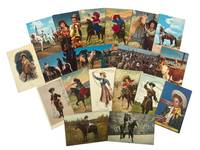
1890212411890. Archive of illustrated and photographic postcards documenting the popular image of the American cowgirl in late nineteenth- and early twentieth-century Western visual culture. Working in Cultural / Representational Mode the material traces how women participating in rodeo equestrian performance and frontier-themed entertainment were presented to mass audiences during a period when gender conventions in the United States remained heavily tied to domestic ideals. The postcards illustrate popular fascination with female riders engaged in activities associated with masculine frontier labor and spectacle including trick riding roping horse handling and armed performance. The archive also provides insight into the commercialization of the American West through souvenir imagery touring exhibitions rodeos and romanticized frontier iconography circulated through postcard publishing during the first half of the twentieth century.<br /> Collection consists of 19 postcards dating from approximately the 1890s through the 1950s including primarily colored lithograph and chromolithograph postcards alongside several later colored real photo postcards. Most measure approximately 3.5 x 5.25 inches. Images depict cowgirls mounted on horseback using lassoes pistols and whips in staged action scenes including bucking galloping roping demonstrations and parade formations. Earlier cards portray women riders wearing skirts or dresses while mounted reflecting transitional equestrian fashions prior to the widespread normalization of riding trousers for women during the 1920s. One postcard depicts a "Grand Entry" scene featuring numerous mounted cowboys and cowgirls carrying national flags from various countries suggesting an international rodeo or exhibition setting. Another early color postcard shows a man and woman posed together on horseback in cowboy attire. A postcard postmarked 1951 depicts a cowgirl tending to her horse and bears the handwritten verso inscription: "How we long for you in Fort Worth horses and more horses cowgirls too" addressed to Alabama. Several additional cards contain handwritten correspondence and postal markings dated between 1906 and 1908.<br /> The archive documents the enduring cultural construction of the cowgirl as both frontier laborer and commercial entertainment figure during the height of Western Americana imagery in American popular culture. The postcards capture changing attitudes toward women's athleticism mobility and public performance while preserving highly stylized depictions disseminated through inexpensive mass-produced print media. Particularly notable is the tension visible between conventional feminine presentation and physically demanding equestrian activity especially in the earlier cards depicting women riding aggressively while still dressed in skirts and formal attire. Minor edgewear scattered markings and light handling wear to some cards; overall very good condition. A cohesive visual archive of cowgirl imagery and the gendered mythology of the American West across more than half a century of postcard production. unknown
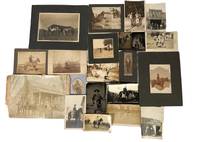
1880194771880. Western Americana Cowboy photograph archive documenting armed riders ranch labor rodeo culture and frontier mobility across the American West between the 1880s and 1920s. Images capture working cowboys on horseback cattle branding scenes and interactions with Native American families during the late frontier period when cattle ranching and horse culture formed the backbone of Western rural economies. These photographs provide visual documentation of occupational practices such as branding long distance riding and mounted travel through difficult terrain during the closing decades of the open range era and the early twentieth century transition toward modern ranching systems.<br /> <br /> Archive of twenty original photographs in multiple photographic formats including tintypes albumen prints and silver gelatin photographs. Images date approximately from the 1880s through the 1920s and depict cowboys riding horses working cattle participating in rodeo competitions and traveling across rugged Western landscapes. Several photographs show armed riders carrying pistols or rifles including one large albumen print showing a mounted cowboy with a rifle across his lap. One photograph depicts cowboys branding livestock with a caption reading "Brother Manzer Branding his Cow." A real photo postcard dated circa 1910 shows several cowboys on horseback crossing a large river with water rising to the horses' necks. Another image shows a cowboy with a Native American family wearing traditional clothing in rocky badlands terrain. Photographs illustrate the working environment and material culture of Western cattle operations including ranch yards feed lots and livery stables. Rodeo imagery reflects the transformation of working ranch skills into organized public competitions during the early twentieth century. Image sizes vary. Overall minor wear consistent with age. Very good condition. A cohesive visual record of cowboy labor frontier mobility and Western ranching culture across four decades of the American West. unknown
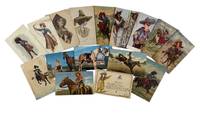
1890212421890. Archive of postcards documenting the popular image of the American cowgirl in Western Americana and early twentieth-century mass visual culture. Working in Cultural / Representational Mode the material illustrates how women participating in rodeo performance equestrian spectacle and frontier-themed entertainment were presented to national audiences during a period when women's public roles remained heavily circumscribed by conventional gender expectations. The postcards emphasize physical skill horseback mobility and frontier self-sufficiency through repeated depictions of women handling lassos firearms and bucking horses. Collectively the archive offers insight into the commercialization of the American West and the circulation of gendered frontier mythology through inexpensive illustrated print media from the late nineteenth century through the postwar period.<br /> Collection consists of 16 postcards dating approximately from the 1890s through the 1950s including early colored lithographs chromolithographs and colored real photo postcards. Each measures approximately 3.5 x 5.25 inches. Images portray cowgirls mounted on horseback in a variety of staged action scenes including lasso throwing galloping bucking and trick riding performances. Many women wear fitted riding outfits cowboy hats bandoliers holsters and western boots while posed with rifles pistols whips or ropes against rugged frontier backdrops. Several postcards emphasize dramatic movement with horses shown rearing trotting or in mid-action poses. The repeated use of lassos and firearms visually aligns the women with iconography traditionally associated with male cowboys in Wild West shows rodeo advertising and popular Western entertainment. Some postcards retain handwritten inscriptions on the versos.<br /> The archive preserves a long-running commercial visual tradition in which the cowgirl functioned simultaneously as frontier worker entertainer and symbol of female independence within American popular culture. Particularly notable is the tension between conventional femininity and the rugged physicality emphasized throughout the imagery with the women consistently portrayed as active riders and performers rather than domestic figures. The postcards also document the persistence of Western mythology across changing photographic and print technologies during the first half of the twentieth century. Minor edgewear and scattered markings to some cards; overall very good condition. A visually cohesive grouping documenting representations of women in frontier and rodeo culture across more than five decades of American postcard production. unknown
19552110502150310915Kodansha 1955. Soft Cover. Fine. Volume: 1 Kodansha paperback
0364196823.Gpaperback. Good. Access codes and supplements are not guaranteed with used items. May be an ex-library book. paperback
0364876581.Ghardcover. Good. Access codes and supplements are not guaranteed with used items. May be an ex-library book. hardcover
0364399201.Ghardcover. Good. Access codes and supplements are not guaranteed with used items. May be an ex-library book. hardcover
0243256612.Gpaperback. Good. Access codes and supplements are not guaranteed with used items. May be an ex-library book. paperback
0332445860.Ghardcover. Good. Access codes and supplements are not guaranteed with used items. May be an ex-library book. hardcover