STURM, JACOBBiblio.com
1 826 résultats
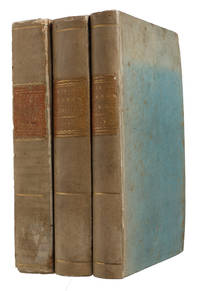
180528645Nürnberg Auf Kosten des Verfassers 1805-15. Small 8vo. Bound in 3 nice cont. green boards gilt backs. Titlelabels on backs with gilt lettering. Edges and corners lightly rubbed otherwise fine. 4271;1273-279272;192 pp. and 76 folded engraved plates for the most part in beautifull original handcolouring. Plates as well as text printed on good paper only a few scattered brownspots. <br/><br/><em>First edition of the first 3 volumes of Sturm's well known work. These volumes on Beetles are the first 3 of part 5 of Sturm's work on Fauna Germanica which in all comprises 23 volumes the last published 1856 having a total of 424 plates. The general title is also present here: "Deutschlands Fauna in Abbildungen nach der Natur mit Beschreibungen. V. Abtheilung. Die Insecten. 1.-3. Band. Käfer." - Nissen ZBI No 4033. - Horn & Schenkling No 21700. </em> hardcover
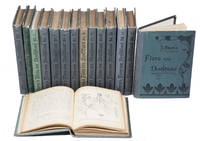
1900K5RBCX6ULFL9Stuttgart 1900. Small 8vo. Verlag von K.G. Lutz Original publishers decorated cloth alternately green grey and blue with title and volume numbers on the spines. With 832 coloured plates 56 uncoloured plates and 397 figures in the text. 15 volumes. 192; 160; 175 1; 256; 320; 256; 224; 191 1; 287 1; 224; 223 1 blank; 288; 224; 191 1; 320 pp. Second extensively revised edition of the phanerogams volumes of Flora von Deutschland by the German botanical artist and engraver Jacob Sturm 1771-1848 first published at Nürnberg in the years 1798-1862 some bibliographies say 1855 or 1861 It comprised three parallel series with a total of 36 volumes Arnold Arboretum and Bradley apparently missed one or two of the last volumes. The three series cover phanerogams seed plants cryptogams spore plants and fungi. The present second edition rarely recorded in the literature covers only the first series: phanerogams. It appeared as volumes 6-21 in the series Schriften der deutschen Lehrer-vereins für Naturkunde and the text is almost entirely new. The German botanist Ernst Hans Ludwig Krause 1859-1942 seems to have been responsible for this edition and may have written the new text. Each volume describes a different category of seed plant including trees bushes and flowers. The 1st volume for example describes conifers and lilies the 2nd and 3rd different kinds of gramineae the 4th orchids and aquatic herbs and the 8th roses. The 15th volume is an index.With an owners inscription from J. Hamberger dated 4 March 1922 in the 3rd and 13th volumes. Some volumes slightly rubbed otherwise all volumes in good condition.l Arnold Arboretum I p. 372; Stafleu & Cowan 13335; cf. Bradley I p. 375 1st ed.; Nissen BBI 1910 1st ed.; Pritzel 9026 1st ed. hardcover
187833773Columbus Oh: Studer 1878. First Edition. 152 16pp. illus. 190 colored plates most with tissue guards. Contemp. half mo. with gold stamped spine and new endpapers. The colored plates represent upwards of seven hundred different species and varities of North American birds including a popular account of their habits and characteristics"-The title page. Studer was a painter lithographer and popular orinthologist in Columbus. He was sometimes referred to as " The poor man's Audubon". The plates are really very nice. Studer unknown books
1897460011897. ORNITHOLOGY STUDER Jacob H. ed. THE BIRDS OF NORTH AMERICA. One hundred and nineteen artistic colored plates representing the different species and varities drawn and colored from nature. New York: The Natural Science Association of America 1897. Illustrated with color lithographs. Folio. Ex-library. Partially disbound: leather boards detached and backstrip is lacking. Bookblock is sound and both text and illustrations are clean but the title-page and plates are embossed in blind with a library stamp. Still a serviceable copy with all text and plates present. unknown
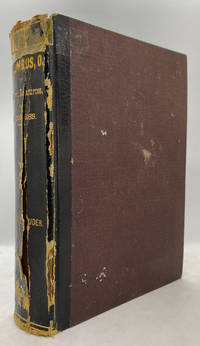
18739281n. p.: n. p. - self-published 1873. First Edition. Very good-. Octavo 584pp. illustrated plus folding map. All illustrations called for in the list are present though a few are inserted a leaf or two off from their called-for locations. A sound unrestored example about very good in the publisher's brown cloth with black glossy cloth spine. Spine worn with an end-to-end razor-thin vertical slice and old tape repairs to the crown. Though unsightly the binding is still rather crisp. A few internal leaves a bit loosened but intact. Mild scattered foxing though most leaves remain very bright indeed. Delightful contemporary Columbus bookseller ticket on the front paste-down for "Hubbard & Jones". A scarce and important volume of Columbus OH history. A kind of enhanced directory with essays and narratives about Columbus history present business and government activities and the like. The engraved illustrations are well-executed giving a very clear picture of some of the major Columbus sights and institutions of the day a number of which are still standing. The tissue folding map which has only a marginal tear at the hinge almost inevitable for such a fragile document is a bird's eye view of downtown Columbus as it appeared in 1873. Many dozens--perhaps more than a hundred--advertisements are located within the text and also on the endpapers. <br/> <br/> Studer a printer and publisher was also an ornithologist and his best-known work was "The Birds of North America" known colloquially as "the poor man's Audubon." Published in small folio format the work was illustrated with over 100 chromolithograph plates. <br/> <br/> OCLC records are hopelessly muddled as digital holdings and physical holdings are listed under the same accession number. Suffice it to say that the digital holdings likely outnumber the physical holdings by a significant margin. The last copy we could trace in commerce was a rebacked example offered in 1982. An important volume of Columbus history in original condition. Thomson 1117. Bradford 5282. Not in Howes. [n. p. - self-published] unknown
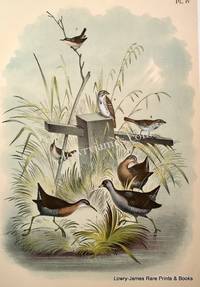
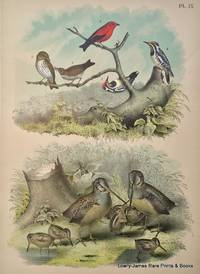
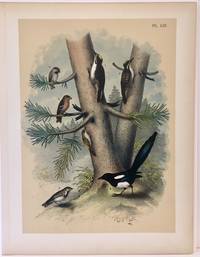
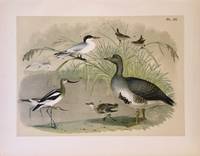
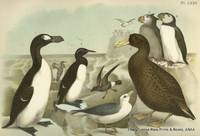
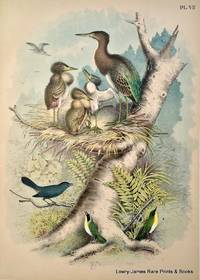
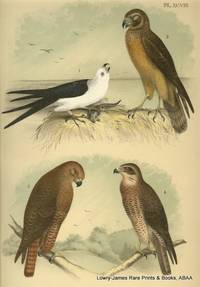
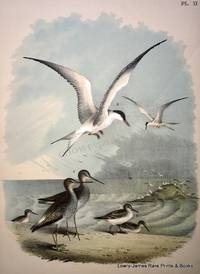
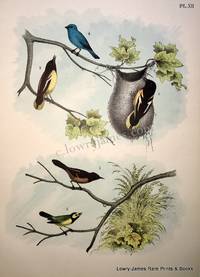
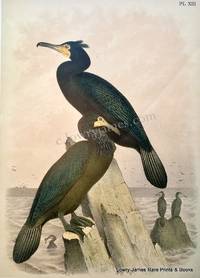
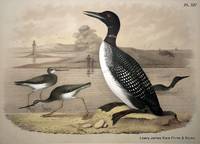
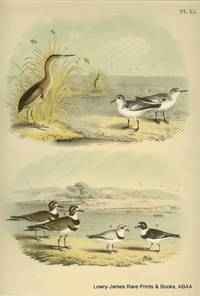
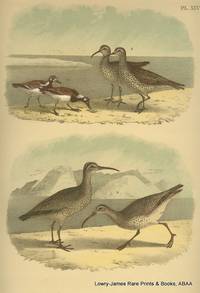
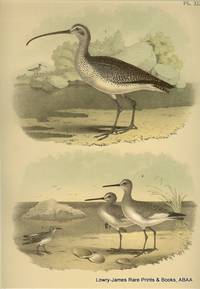
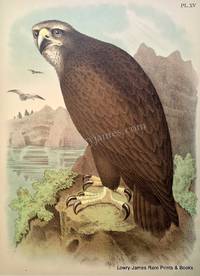
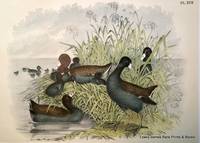
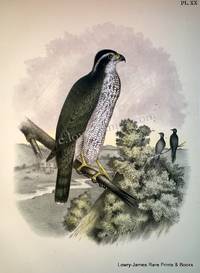
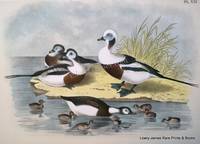
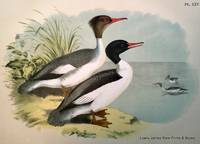
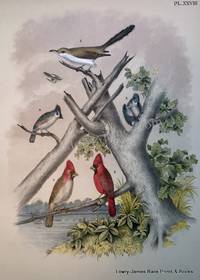
18817038New York:: Jacob H. Studer & Co. 1881. First printing. Fine. Fine original Chromolithograph. Folio. 11.25 x 14.5 inches archivally French matted sized 16 x 20 inches. In his popular ornithology editor and publisher Jacob Henry Studer Columbus Ohio 1840-1904 utilized chromolithography as an affordable means of capturing both the brilliant plumage and the subtle shading of the birds depicted in their natural surroundings after paintings by Theodore Jasper AMMD and amateur ornithologist. Studer and Jasper followed the traditions of John James Audubon 1770-1851 and Alexander Wilson 1766-1813 in an effort to document and render all species of birds found in nineteenth century North America. Drawing from accounts of not only Audubon and Wilson- both supreme naturalists in their own right- but also the most eminent nature writers of the day the insightful text which accompanies the plate provides a thorough and lively account of the native species and the early American landscape. Although inspired by the artistry and genius of John James Audubon Studer and Jasper's compositions are often populated with a multitude of birds rendered in a flat two-dimensional style more reminiscent of the engravings by Alexander Wilson in his introductory work on America's birds: American Ornithology or The Natural History of the Birds of the United States Philadelphia 1808-14. Anker p.80; Bennett p.63; Fine Bird Books p.145; Nissen IVB 473; Wood p.406; Zimmer p.333. Matted in Rag Board Jacob H. Studer & Co., unknown
18817040New York:: Jacob H. Studer & Co. 1881. First printing. Fine . Fine original Chromolithograph. Folio. 11.25 x 14.5 inches archivally French matted sized 16 x 20 inches. In his popular ornithology the editor and publisher Jacob Henry Studer Columbus Ohio 1840-1904 utilized chromolithography as an affordable means of capturing both the brilliant plumage and the subtle shading of the birds depicted in their natural surroundings after paintings by Theodore Jasper AMMD and amateur ornithologist. Studer and Jasper followed the traditions of John James Audubon 1770-1851 and Alexander Wilson 1766-1813 in an effort to document and render all species of birds found in nineteenth century North America. Drawing from accounts of not only Audubon and Wilson- both supreme naturalists in their own right- but also the most eminent nature writers of the day the insightful text which accompanies the plate provides a thorough and lively account of the native species and the early American landscape. Although inspired by the artistry and genius of John James Audubon Studer and Jasper's compositions are often populated with a multitude of birds rendered in a flat two-dimensional style more reminiscent of the engravings by Alexander Wilson in his introductory work on America's birds: American Ornithology or The Natural History of the Birds of the United States Philadelphia 1808-14. Anker p.80; Bennett p.63; Fine Bird Books p.145; Nissen IVB 473; Wood p.406; Zimmer p.333. Matted in Rag Board Jacob H. Studer & Co., unknown
18814298New York:: Jacob H. Studer & Co. 1881. First printing. Fine . Fine original Chromolithograph. Folio. 11.25 x 14.5 inches archivally French matted sized 16 x 20 inches. In his popular ornithology the editor and publisher Jacob Henry Studer Columbus Ohio 1840-1904 utilized chromolithography as an affordable means of capturing both the brilliant plumage and the subtle shading of the birds depicted in their natural surroundings after paintings by Theodore Jasper AMMD and amateur ornithologist. Studer and Jasper followed the traditions of John James Audubon 1770-1851 and Alexander Wilson 1766-1813 in an effort to document and render all species of birds found in nineteenth century North America. Drawing from accounts of not only Audubon and Wilson- both supreme naturalists in their own right- but also the most eminent nature writers of the day the insightful text which accompanies the plate provides a thorough and lively account of the native species and the early American landscape. Although inspired by the artistry and genius of John James Audubon Studer and Jasper's compositions are often populated with a multitude of birds rendered in a flat two-dimensional style more reminiscent of the engravings by Alexander Wilson in his introductory work on America's birds: American Ornithology or The Natural History of the Birds of the United States Philadelphia 1808-14. Anker p.80; Bennett p.63; Fine Bird Books p.145; Nissen IVB 473; Wood p.406; Zimmer p.333. Matted in Rag Board Jacob H. Studer & Co., unknown
18814296New York:: Jacob H. Studer & Co. 1881. First printing. Fine . Fine original Chromolithograph. Folio. 11.25 x 14.5 inches archivally French matted sized 16 x 20 inches. In his popular ornithology the editor and publisher Jacob Henry Studer Columbus Ohio 1840-1904 utilized chromolithography as an affordable means of capturing both the brilliant plumage and the subtle shading of the birds depicted in their natural surroundings after paintings by Theodore Jasper AMMD and amateur ornithologist. Studer and Jasper followed the traditions of John James Audubon 1770-1851 and Alexander Wilson 1766-1813 in an effort to document and render all species of birds found in nineteenth century North America. Drawing from accounts of not only Audubon and Wilson- both supreme naturalists in their own right- but also the most eminent nature writers of the day the insightful text which accompanies the plate provides a thorough and lively account of the native species and the early American landscape. Although inspired by the artistry and genius of John James Audubon Studer and Jasper's compositions are often populated with a multitude of birds rendered in a flat two-dimensional style more reminiscent of the engravings by Alexander Wilson in his introductory work on America's birds: American Ornithology or The Natural History of the Birds of the United States Philadelphia 1808-14. Anker p.80; Bennett p.63; Fine Bird Books p.145; Nissen IVB 473; Wood p.406; Zimmer p.333. Matted in Rag Board Jacob H. Studer & Co., unknown
18816630New York:: Jacob H. Studer & Co. 1881. First printing. Fine . Fine original Chromolithograph. Folio. 11.25 x 14.5 inches archivally French matted sized 16 x 20 inches. In his popular ornithology the editor and publisher Jacob Henry Studer Columbus Ohio 1840-1904 utilized chromolithography as an affordable means of capturing both the brilliant plumage and the subtle shading of the birds depicted in their natural surroundings after paintings by Theodore Jasper AMMD and amateur ornithologist. Studer and Jasper followed the traditions of John James Audubon 1770-1851 and Alexander Wilson 1766-1813 in an effort to document and render all species of birds found in nineteenth century North America. Drawing from accounts of not only Audubon and Wilson- both supreme naturalists in their own right- but also the most eminent nature writers of the day the insightful text which accompanies the plate provides a thorough and lively account of the native species and the early American landscape. Although inspired by the artistry and genius of John James Audubon Studer and Jasper's compositions are often populated with a multitude of birds rendered in a flat two-dimensional style more reminiscent of the engravings by Alexander Wilson in his introductory work on America's birds: American Ornithology or The Natural History of the Birds of the United States Philadelphia 1808-14. Anker p.80; Bennett p.63; Fine Bird Books p.145; Nissen IVB 473; Wood p.406; Zimmer p.333. Matted in Rag Board Jacob H. Studer & Co., unknown
18817039New York:: Jacob H. Studer & Co. 1881. First printing. Fine . Fine original Chromolithograph. Folio. 11.25 x 14.5 inches archivally French matted sized 16 x 20 inches. In his popular ornithology the editor and publisher Jacob Henry Studer Columbus Ohio 1840-1904 utilized chromolithography as an affordable means of capturing both the brilliant plumage and the subtle shading of the birds depicted in their natural surroundings after paintings by Theodore Jasper AMMD and amateur ornithologist. Studer and Jasper followed the traditions of John James Audubon 1770-1851 and Alexander Wilson 1766-1813 in an effort to document and render all species of birds found in nineteenth century North America. Drawing from accounts of not only Audubon and Wilson- both supreme naturalists in their own right- but also the most eminent nature writers of the day the insightful text which accompanies the plate provides a thorough and lively account of the native species and the early American landscape. Although inspired by the artistry and genius of John James Audubon Studer and Jasper's compositions are often populated with a multitude of birds rendered in a flat two-dimensional style more reminiscent of the engravings by Alexander Wilson in his introductory work on America's birds: American Ornithology or The Natural History of the Birds of the United States Philadelphia 1808-14. Anker p.80; Bennett p.63; Fine Bird Books p.145; Nissen IVB 473; Wood p.406; Zimmer p.333. Matted in Rag Board Jacob H. Studer & Co., unknown
18816628New York:: Jacob H. Studer & Co. 1881. First printing. Fine . Fine original Chromolithograph. Folio. 11.25 x 14.5 inches archivally French matted sized 16 x 20 inches. In his popular ornithology the editor and publisher Jacob Henry Studer Columbus Ohio 1840-1904 utilized chromolithography as an affordable means of capturing both the brilliant plumage and the subtle shading of the birds depicted in their natural surroundings after paintings by Theodore Jasper AMMD and amateur ornithologist. Studer and Jasper followed the traditions of John James Audubon 1770-1851 and Alexander Wilson 1766-1813 in an effort to document and render all species of birds found in nineteenth century North America. Drawing from accounts of not only Audubon and Wilson- both supreme naturalists in their own right- but also the most eminent nature writers of the day the insightful text which accompanies the plate provides a thorough and lively account of the native species and the early American landscape. Although inspired by the artistry and genius of John James Audubon Studer and Jasper's compositions are often populated with a multitude of birds rendered in a flat two-dimensional style more reminiscent of the engravings by Alexander Wilson in his introductory work on America's birds: American Ornithology or The Natural History of the Birds of the United States Philadelphia 1808-14. Anker p.80; Bennett p.63; Fine Bird Books p.145; Nissen IVB 473; Wood p.406; Zimmer p.333. Matted in Rag Board Jacob H. Studer & Co., unknown
18817042New York:: Jacob H. Studer & Co. 1881. First printing. Fine . Fine original Chromolithograph. Folio. 11.25 x 14.5 inches archivally French matted sized 16 x 20 inches. In his popular ornithology the editor and publisher Jacob Henry Studer Columbus Ohio 1840-1904 utilized chromolithography as an affordable means of capturing both the brilliant plumage and the subtle shading of the birds depicted in their natural surroundings after paintings by Theodore Jasper AMMD and amateur ornithologist. Studer and Jasper followed the traditions of John James Audubon 1770-1851 and Alexander Wilson 1766-1813 in an effort to document and render all species of birds found in nineteenth century North America. Drawing from accounts of not only Audubon and Wilson- both supreme naturalists in their own right- but also the most eminent nature writers of the day the insightful text which accompanies the plate provides a thorough and lively account of the native species and the early American landscape. Although inspired by the artistry and genius of John James Audubon Studer and Jasper's compositions are often populated with a multitude of birds rendered in a flat two-dimensional style more reminiscent of the engravings by Alexander Wilson in his introductory work on America's birds: American Ornithology or The Natural History of the Birds of the United States Philadelphia 1808-14. Anker p.80; Bennett p.63; Fine Bird Books p.145; Nissen IVB 473; Wood p.406; Zimmer p.333. Matted in Rag Board Jacob H. Studer & Co., unknown
18817041New York:: Jacob H. Studer & Co. 1881. First printing. Fine . Fine original Chromolithograph. Folio. 11.25 x 14.5 inches archivally French matted sized 16 x 20 inches. In his popular ornithology the editor and publisher Jacob Henry Studer Columbus Ohio 1840-1904 utilized chromolithography as an affordable means of capturing both the brilliant plumage and the subtle shading of the birds depicted in their natural surroundings after paintings by Theodore Jasper AMMD and amateur ornithologist. Studer and Jasper followed the traditions of John James Audubon 1770-1851 and Alexander Wilson 1766-1813 in an effort to document and render all species of birds found in nineteenth century North America. Drawing from accounts of not only Audubon and Wilson- both supreme naturalists in their own right- but also the most eminent nature writers of the day the insightful text which accompanies the plate provides a thorough and lively account of the native species and the early American landscape. Although inspired by the artistry and genius of John James Audubon Studer and Jasper's compositions are often populated with a multitude of birds rendered in a flat two-dimensional style more reminiscent of the engravings by Alexander Wilson in his introductory work on America's birds: American Ornithology or The Natural History of the Birds of the United States Philadelphia 1808-14. Anker p.80; Bennett p.63; Fine Bird Books p.145; Nissen IVB 473; Wood p.406; Zimmer p.333. Matted in Rag Board Jacob H. Studer & Co., unknown
18817043New York:: Jacob H. Studer & Co. 1881. First printing. Fine . Fine original Chromolithograph. Folio. 11.25 x 14.5 inches archivally French matted sized 16 x 20 inches. In his popular ornithology created to satify nineteenth century America's burgeoning interest in birding the editor and publisher Jacob Henry Studer Columbus Ohio 1840-1904 utilized chromolithography as an affordable means of capturing both the brilliant plumage and the subtle shading of the birds depicted in their natural surroundings after paintings by Theodore Jasper AMMD and amateur ornithologist. Studer and Jasper followed the traditions of John James Audubon 1770-1851 and Alexander Wilson 1766-1813 in an effort to document and render all species of birds found in nineteenth century North America. Drawing from accounts of not only Audubon and Wilson- both supreme naturalists in their own right- but also the most eminent nature writers of the day the insightful text which accompanies the plate provides a thorough and lively account of the native species and the early American landscape. Although inspired by the artistry and genius of John James Audubon Studer and Jasper's compositions are often populated with a multitude of birds rendered in a flat two-dimensional style more reminiscent of the engravings by Alexander Wilson in his introductory work on America's birds: American Ornithology or The Natural History of the Birds of the United States Philadelphia 1808-14. Anker p.80; Bennett p.63; Fine Bird Books p.145; Nissen IVB 473; Wood p.406; Zimmer p.333. Matted in Rag Board Jacob H. Studer & Co., unknown
18817050New York:: Jacob H. Studer & Co. 1881. First printing. Fine . Fine original Chromolithograph. Folio. 11.25 x 14.5 inches archivally French matted sized 16 x 20 inches. In his popular ornithology the editor and publisher Jacob Henry Studer Columbus Ohio 1840-1904 utilized chromolithography as an affordable means of capturing both the brilliant plumage and the subtle shading of the birds depicted in their natural surroundings after paintings by Theodore Jasper AMMD and amateur ornithologist. Studer and Jasper followed the traditions of John James Audubon 1770-1851 and Alexander Wilson 1766-1813 in an effort to document and render all species of birds found in nineteenth century North America. Drawing from accounts of not only Audubon and Wilson- both supreme naturalists in their own right- but also the most eminent nature writers of the day the insightful text which accompanies the plate provides a thorough and lively account of the native species and the early American landscape. Although inspired by the artistry and genius of John James Audubon Studer and Jasper's compositions are often populated with a multitude of birds rendered in a flat two-dimensional style more reminiscent of the engravings by Alexander Wilson in his introductory work on America's birds: American Ornithology or The Natural History of the Birds of the United States Philadelphia 1808-14. Anker p.80; Bennett p.63; Fine Bird Books p.145; Nissen IVB 473; Wood p.406; Zimmer p.333. Matted in Rag Board Jacob H. Studer & Co., unknown
18816629New York:: Jacob H. Studer & Co. 1881. First printing. Fine . Fine original Chromolithograph. Folio. 11.25 x 14.5 inches archivally French matted sized 16 x 20 inches. In his popular ornithology the editor and publisher Jacob Henry Studer Columbus Ohio 1840-1904 utilized chromolithography as an affordable means of capturing both the brilliant plumage and the subtle shading of the birds depicted in their natural surroundings after paintings by Theodore Jasper AMMD and amateur ornithologist. Studer and Jasper followed the traditions of John James Audubon 1770-1851 and Alexander Wilson 1766-1813 in an effort to document and render all species of birds found in nineteenth century North America. Drawing from accounts of not only Audubon and Wilson- both supreme naturalists in their own right- but also the most eminent nature writers of the day the insightful text which accompanies the plate provides a thorough and lively account of the native species and the early American landscape. Although inspired by the artistry and genius of John James Audubon Studer and Jasper's compositions are often populated with a multitude of birds rendered in a flat two-dimensional style more reminiscent of the engravings by Alexander Wilson in his introductory work on America's birds: American Ornithology or The Natural History of the Birds of the United States Philadelphia 1808-14. Anker p.80; Bennett p.63; Fine Bird Books p.145; Nissen IVB 473; Wood p.406; Zimmer p.333. Matted in Rag Board Jacob H. Studer & Co., unknown
18816625New York:: Jacob H. Studer & Co. 1881. First printing. Fine . Fine original Chromolithograph. Folio. 11.25 x 14.5 inches archivally French matted sized 16 x 20 inches. In his popular ornithology the editor and publisher Jacob Henry Studer Columbus Ohio 1840-1904 utilized chromolithography as an affordable means of capturing both the brilliant plumage and the subtle shading of the birds depicted in their natural surroundings after paintings by Theodore Jasper AMMD and amateur ornithologist. Studer and Jasper followed the traditions of John James Audubon 1770-1851 and Alexander Wilson 1766-1813 in an effort to document and render all species of birds found in nineteenth century North America. Drawing from accounts of not only Audubon and Wilson- both supreme naturalists in their own right- but also the most eminent nature writers of the day the insightful text which accompanies the plate provides a thorough and lively account of the native species and the early American landscape. Although inspired by the artistry and genius of John James Audubon Studer and Jasper's compositions are often populated with a multitude of birds rendered in a flat two-dimensional style more reminiscent of the engravings by Alexander Wilson in his introductory work on America's birds: American Ornithology or The Natural History of the Birds of the United States Philadelphia 1808-14. Anker p.80; Bennett p.63; Fine Bird Books p.145; Nissen IVB 473; Wood p.406; Zimmer p.333. Matted in Rag Board Jacob H. Studer & Co., unknown
18816626New York:: Jacob H. Studer & Co. 1881. First printing. Fine . Fine original Chromolithograph. Folio. 11.25 x 14.5 inches archivally French matted sized 16 x 20 inches. In his popular ornithology the editor and publisher Jacob Henry Studer Columbus Ohio 1840-1904 utilized chromolithography as an affordable means of capturing both the brilliant plumage and the subtle shading of the birds depicted in their natural surroundings after paintings by Theodore Jasper AMMD and amateur ornithologist. Studer and Jasper followed the traditions of John James Audubon 1770-1851 and Alexander Wilson 1766-1813 in an effort to document and render all species of birds found in nineteenth century North America. Drawing from accounts of not only Audubon and Wilson- both supreme naturalists in their own right- but also the most eminent nature writers of the day the insightful text which accompanies the plate provides a thorough and lively account of the native species and the early American landscape. Although inspired by the artistry and genius of John James Audubon Studer and Jasper's compositions are often populated with a multitude of birds rendered in a flat two-dimensional style more reminiscent of the engravings by Alexander Wilson in his introductory work on America's birds: American Ornithology or The Natural History of the Birds of the United States Philadelphia 1808-14. Anker p.80; Bennett p.63; Fine Bird Books p.145; Nissen IVB 473; Wood p.406; Zimmer p.333. Matted in Rag Board Jacob H. Studer & Co., unknown
18817044New York:: Jacob H. Studer & Co. 1881. First printing. Fine . Fine original Chromolithograph. Folio. 11.25 x 14.5 inches archivally French matted sized 16 x 20 inches. In his popular ornithology the editor and publisher Jacob Henry Studer Columbus Ohio 1840-1904 utilized chromolithography as an affordable means of capturing both the brilliant plumage and the subtle shading of the birds depicted in their natural surroundings after paintings by Theodore Jasper AMMD and amateur ornithologist. Studer and Jasper followed the traditions of John James Audubon 1770-1851 and Alexander Wilson 1766-1813 in an effort to document and render all species of birds found in nineteenth century North America. Drawing from accounts of not only Audubon and Wilson- both supreme naturalists in their own right- but also the most eminent nature writers of the day the insightful text which accompanies the plate provides a thorough and lively account of the native species and the early American landscape. Although inspired by the artistry and genius of John James Audubon Studer and Jasper's compositions are often populated with a multitude of birds rendered in a flat two-dimensional style more reminiscent of the engravings by Alexander Wilson in his introductory work on America's birds: American Ornithology or The Natural History of the Birds of the United States Philadelphia 1808-14. Anker p.80; Bennett p.63; Fine Bird Books p.145; Nissen IVB 473; Wood p.406; Zimmer p.333. Matted in Rag Board Jacob H. Studer & Co., unknown
18817045New York:: Jacob H. Studer & Co. 1881. First printing. Fine . Fine original Chromolithograph. Folio. 11.25 x 14.5 inches archivally French matted sized 16 x 20 inches. In his popular ornithology the editor and publisher Jacob Henry Studer Columbus Ohio 1840-1904 utilized chromolithography as an affordable means of capturing both the brilliant plumage and the subtle shading of the birds depicted in their natural surroundings after paintings by Theodore Jasper AMMD and amateur ornithologist. Studer and Jasper followed the traditions of John James Audubon 1770-1851 and Alexander Wilson 1766-1813 in an effort to document and render all species of birds found in nineteenth century North America. Drawing from accounts of not only Audubon and Wilson- both supreme naturalists in their own right- but also the most eminent nature writers of the day the insightful text which accompanies the plate provides a thorough and lively account of the native species and the early American landscape. Although inspired by the artistry and genius of John James Audubon Studer and Jasper's compositions are often populated with a multitude of birds rendered in a flat two-dimensional style more reminiscent of the engravings by Alexander Wilson in his introductory work on America's birds: American Ornithology or The Natural History of the Birds of the United States Philadelphia 1808-14. Anker p.80; Bennett p.63; Fine Bird Books p.145; Nissen IVB 473; Wood p.406; Zimmer p.333. Matted in Rag Board Jacob H. Studer & Co., unknown
18817046New York:: Jacob H. Studer & Co. 1881. First printing. Fine. Fine original Chromolithograph. Folio. 11.25 x 14.5 inches archivally French matted sized 16 x 20 inches. In his popular ornithology the editor and publisher Jacob Henry Studer Columbus Ohio 1840-1904 utilized chromolithography as an affordable means of capturing both the brilliant plumage and the subtle shading of the birds depicted in their natural surroundings after paintings by Theodore Jasper AMMD and amateur ornithologist. Studer and Jasper followed the traditions of John James Audubon 1770-1851 and Alexander Wilson 1766-1813 in an effort to document and render all species of birds found in nineteenth century North America. Drawing from accounts of not only Audubon and Wilson- both supreme naturalists in their own right- but also the most eminent nature writers of the day the insightful text which accompanies the plate provides a thorough and lively account of the native species and the early American landscape. Although inspired by the artistry and genius of John James Audubon Studer and Jasper's compositions are often populated with a multitude of birds rendered in a flat two-dimensional style more reminiscent of the engravings by Alexander Wilson in his introductory work on America's birds: American Ornithology or The Natural History of the Birds of the United States Philadelphia 1808-14. Anker p.80; Bennett p.63; Fine Bird Books p.145; Nissen IVB 473; Wood p.406; Zimmer p.333. Matted in Rag Board Jacob H. Studer & Co., unknown
18817047New York:: Jacob H. Studer & Co. 1881. First printing. Fine . Fine original Chromolithograph. Folio. 11.25 x 14.5 inches archivally French matted sized 16 x 20 inches. In his popular ornithology the editor and publisher Jacob Henry Studer Columbus Ohio 1840-1904 utilized chromolithography as an affordable means of capturing both the brilliant plumage and the subtle shading of the birds depicted in their natural surroundings after paintings by Theodore Jasper AMMD and amateur ornithologist. Studer and Jasper followed the traditions of John James Audubon 1770-1851 and Alexander Wilson 1766-1813 in an effort to document and render all species of birds found in nineteenth century North America. Drawing from accounts of not only Audubon and Wilson- both supreme naturalists in their own right- but also the most eminent nature writers of the day the insightful text which accompanies the plate provides a thorough and lively account of the native species and the early American landscape. Although inspired by the artistry and genius of John James Audubon Studer and Jasper's compositions are often populated with a multitude of birds rendered in a flat two-dimensional style more reminiscent of the engravings by Alexander Wilson in his introductory work on America's birds: American Ornithology or The Natural History of the Birds of the United States Philadelphia 1808-14. Anker p.80; Bennett p.63; Fine Bird Books p.145; Nissen IVB 473; Wood p.406; Zimmer p.333. Matted in Rag Board Jacob H. Studer & Co., unknown
18817048New York:: Jacob H. Studer & Co. 1881. First printing. Fine . Fine original Chromolithograph. Folio. 11.25 x 14.5 inches archivally French matted sized 16 x 20 inches. In his popular ornithology the editor and publisher Jacob Henry Studer Columbus Ohio 1840-1904 utilized chromolithography as an affordable means of capturing both the brilliant plumage and the subtle shading of the birds depicted in their natural surroundings after paintings by Theodore Jasper AMMD and amateur ornithologist. Studer and Jasper followed the traditions of John James Audubon 1770-1851 and Alexander Wilson 1766-1813 in an effort to document and render all species of birds found in nineteenth century North America. Drawing from accounts of not only Audubon and Wilson- both supreme naturalists in their own right- but also the most eminent nature writers of the day the insightful text which accompanies the plate provides a thorough and lively account of the native species and the early American landscape. Although inspired by the artistry and genius of John James Audubon Studer and Jasper's compositions are often populated with a multitude of birds rendered in a flat two-dimensional style more reminiscent of the engravings by Alexander Wilson in his introductory work on America's birds: American Ornithology or The Natural History of the Birds of the United States Philadelphia 1808-14. Anker p.80; Bennett p.63; Fine Bird Books p.145; Nissen IVB 473; Wood p.406; Zimmer p.333. Matted in Rag Board Jacob H. Studer & Co., unknown
18817049New York:: Jacob H. Studer & Co. 1881. First printing. Fine . Fine original Chromolithograph. Folio. 11.25 x 14.5 inches archivally French matted sized 16 x 20 inches. In his popular ornithology the editor and publisher Jacob Henry Studer Columbus Ohio 1840-1904 utilized chromolithography as an affordable means of capturing both the brilliant plumage and the subtle shading of the birds depicted in their natural surroundings after paintings by Theodore Jasper AMMD and amateur ornithologist. Studer and Jasper followed the traditions of John James Audubon 1770-1851 and Alexander Wilson 1766-1813 in an effort to document and render all species of birds found in nineteenth century North America. Drawing from accounts of not only Audubon and Wilson- both supreme naturalists in their own right- but also the most eminent nature writers of the day the insightful text which accompanies the plate provides a thorough and lively account of the native species and the early American landscape. Although inspired by the artistry and genius of John James Audubon Studer and Jasper's compositions are often populated with a multitude of birds rendered in a flat two-dimensional style more reminiscent of the engravings by Alexander Wilson in his introductory work on America's birds: American Ornithology or The Natural History of the Birds of the United States Philadelphia 1808-14. Anker p.80; Bennett p.63; Fine Bird Books p.145; Nissen IVB 473; Wood p.406; Zimmer p.333. Matted in Rag Board Jacob H. Studer & Co., unknown