1 281 résultats
1873325381873. Wien. med. Wschr. 23/ 9-11. - Wien L.W. Seidel & Sohn 1873 4° Sp.193-264 Broschur. Erstdruck! unknown
1876531131876. Virch. Arch. path. Anat. 68. - Berlin Verlag von Georg Reimer 1876 8° VI 634 pp. 14 Taf. Halbledereinband d.Zt. Erstdruck! unknown
1844314031844/45. Notiz. Geb. Nat. Heilk. 2 661705. - Weimar Landes-Industrie-Comptoir 1844/45 4° Sp. 1-16; 1-16 2 Stahlstichtafel Broschur. Erstdruck! "Ich bringe eine bisher noch nicht zur Anwendung gekommmene Methode zur Kenntniß des Publicums um dunkle Röhren welche nach Höhlungen des menschlichen Körpers streichen mittelst des von Prismen zurückgestrahlten Lichts zu erhellen und zu untersuchen. "Eine von der königl. Schottischen Gesellschaft der Künste dazu beauftragte Commission prüfte die Wardenschen Instrumente und überzeugte sich davon das disselben sich zur Untersuchung des inneren Ohres sowie anderer Höhlen des menschlichen Körpers ungemein gut eignen." Nach: London Medical Gazette May 1844; Edinburgh new philosophical Journal July-Octob. 1844 "Im Jahre 1844 ersann Adam Warden in Edinburgh zur Beleuchtung des Trommefells der Tuba Eustachii und des Kehlkopfs einen Apparat welcher aus zwei Flintglas-Prismen bestand. Adam Warden "Tüchtiger Oberarzt geb. in Schottland zu Anfang dieses Jahrhunderts studirte und promvirte in Edinburg mit der Dissertation "De dysentria" war Surgeon am Roy. Public Dispensary und an der Vaccine Institution und ist bemerkenswerth durch die Empfehlung seines "Auriskops" eines Apparates zur Beleuchtung des Trommefells der Tuba Eustachii und des Kehlkopfs bestehnd aus zwei Flintgalsprismen von denen das eine an den weichen Gaumen gelegt wurde während das andere dazu diente dem Kehlkopfe das Licht einer Lampe zuzuführen." Hirsch Pagel in Hirsch VI pp.191-192; Haeser Gesch der Med. 3 .Aufl. II p.928; Callisen XX p.393; XXXVII p.218. unknown
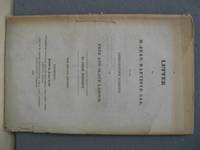
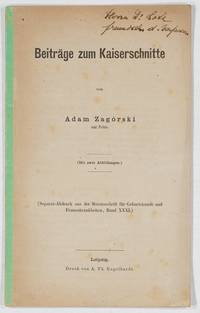
1868671571868. Mschr. Geburtsk. Frauenkr. 31. - Leipzig Druck von A. Th. Engelhardt 1868 8° 28 pp. 1 lith. Tafel Rückenbroschur; Mit eigenhändiger Widmung des Verfassers. ERSTER DOKUMENTIERTE KAISERSCHNITT IM BÜRGERSPITAL BASEL! Seltener Sonderdruck! 1. Beobachtung: Kaiserschnitt von Dr. Haegler. 2. Beobachtung: Kaiserschnitt von Dr. Ecklin. 3. Beobachtung: Kaiserschnitt in der Basler chirurgischen Klinik. 4. Beobachtung: Kaiserschnitt nach dem Tode in der Gebärabtheilung des Spitals zu Basel. Einiges über die Mortalitätsverhältnisse beim Kaiserschnitte. Barbara Saxer genannt Babette Saxer auch Sacher oder Sachser 4. August 1839 in Kleinbasel; 5. Dezember 1865 in Basel war eine kleinwüchsige Frau deren Skelett 1988 im ehemaligen Friedhof des Bürgerspitals Basel gefunden wurde. An Babette Saxer wurde 1865 der erste ärztlich dokumentierte Kaiserschnitt im Bürgerspital Basel vorgenommen. "Am 4. Dezember 1865 trat Babette Saxer laut Krankenakte in das Bürgerspital ein nachdem sie bereits sechs Stunden lang Wehen durchgestanden hatte. Als erstes massen die Chirurgen Babettes Becken und stellten fest dass dieses zu eng gebaut war. Zudem ragte der 5. Lendenwirbel in den Geburtskanal hinein. Babette Saxer konnte ihr Kind nicht zur Welt bringen ohne ihr eigenes Leben zu gefährden. Nach drei weiteren Stunden Wehen und dem Blasensprung nahmen die Chirurgen einen Kaiserschnitt vor in den "die etwas idiot.ische Pat.ientin" eingewilligt hatte "wenn es nicht zu weh thun würde". Es war das erste Mal dass diese risikoreiche Operation am Bürgerspital vom damaligen Leiter Johann Jacob Bischoff 1841-1892 dem polnischen Medizinstudenten Adam Zagórski und weiteren Medizinern erfolgreich durchgeführt wurde. Erst gut fünfzig Jahre später wurden Kaiserschnitte routinemässig angewandt. Befürchtungen dass die Chirurgen die Gelegenheit nutzen könnten an einer geistig behinderten Frau aus der Unterschicht einen risikoreichen Eingriff auszuprobieren bestätigten sich nicht. Adam Zagórski publizierte 1868 eine detaillierte Beschreibung des an Babett Saxer durchgeführten Kaiserschnittes. Deshalb ist bekannt dass der 5. Lendenwirbel durch ein Wirbelgleiten den Geburtskanal blockierte. Durch Abtasten und Vermessen des Beckens wussten die Chirurgen darüber Bescheid. Die Durchführung eines Kaiserschnitts war unumgänglich so wie dies der Armenarzt Daniel Ecklin schon vier Monate zuvor erkannt hatte. Während der Operation standen Babette Saxer acht Ärzte und Medizinstudenten bei. Eine eigene Krankenschwester war nach der Operation nur für sie zuständig und ihr Bett wurde vorgewärmt damit sie nach dem Eingriff nicht frieren musste. Um 14.45 Uhr nahmen die Chirurgen den ersten dokumentierten Kaiserschnitt im Bürgerspital Basel vor. Der Eingriff verlief erfolgreich: Babette Saxer brachte ein gesundes kräftiges Mädchen zur Welt. Adam Zagórski schrieb in seiner ausführlichen Beschreibung der Geburt: "Das Kind war nach Herausnahme aus dem Uterus etwas betäubt liess jedoch bald lebhaftes Geschrei erschallen." Angelehnt an die Sectio caesarea Kaiserschnitt erhielt das Kind den Namen Cäsarea Elisabeth. Die äusseren Wunden wurden vernäht die Gebärmutter hingegen nicht. Nach 25 Stunden und einer unruhigen Nacht verlangte die junge Mutter einen Kaffee verstarb jedoch unmittelbar nachdem sie ihn getrunken hatte. "Wir vermuten dass sie sich aufgerichtet hat um den Kaffee zu trinken deshalb die inneren Wunden aufgeplatzt sind und Babette Saxer innerlich verblutete" vermutet Gerhard Hotz. Die junge Frau wurde in einem Totenhemd und mit Totenhaube in einem Holzsarg begraben. Die Bestattung kostete 20 Franken den Monatslohn einer Magd. Babette Saxers Becken wurde nach der Obduktion entnommen die Chirurgen behielten es zu Ausbildungszwecken. Auch wenn es nicht mehr ausfindig gemacht werden konnte ist bekannt wie es aussah und dass es besagte Anomalie des 5. Lendenwirbels aufwies in seiner Dissertation vom Januar 1868 bildete Adam Zagórski eine Zeichnung des Beckens ab." wiki unknown
1823459864London: Hatchard and Son 1823. String bound paperback in acceptable condition. The second edition. The front and rear of the cover are worn and tanned with the lower leading front edge a little nicked and torn. A portion of the front cover has been clipped on the upper leading corner. Tanning to the title page. The pages are sealed on the upper edge and rough-cut on the foot. The contents are sound and clear. CM. 2nd Edition. Paperback. Acceptable. Used. Hatchard and Son Paperback
1851190107008HS & J Applegate 1851-01-01. Hardcover. Acceptable. HS & J Applegate hardcover
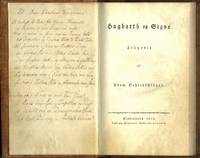
181559236Kbh. 1815. 8vo. Samtidig helskinnbind med tittelfelt i rødt skinn. Enkel gulldekor. Marmorert forsatspapir. 156 s. Trykt paa Forfatterens Forlag hos Brünnich Dansk. <br/><br/><em>Lengre tilskrift på forsatsbl. Tittelbaldet og neste side klebet sammen. </em> unknown
181754650Kiöbenhavn, (Forfatterens Forlag), 1817. Kvadratisk 12mo. Samtidigt (originalt ?) helshirtbd. ""Frederiksberg"" i guld på forpermen. I kassette. Kobberstukket titelblad med billede af Frederiksberg Slot. 95,(1) pp. På skrivepapir. Lidt spredte brunpletter.
180540569Kbhvn., Schubothe, 1805. Samt. halvlæder med farvede titelfelter, lidt skrammet. 436 pp.
18082098Bln. 1808. 2 cont.blank wrappers. 2862604 pp. 3 engr.portr.1 engr.plt.a.1 fold.en gr.map. unknown
18082098Bln., 1808. 2 cont.blank wrappers. 286,260,(4) pp. 3 engr.portr.,1 engr.plt.a.1 fold.en gr.map.
183043625Kiöbenhavn, Forfatterens Forlag, 1830-31. Indbundet i 2 velbevarede samtidige hldrbd. med tidstypisk rygforgyldning. (6), 264 (4), 386 pp. Som altid med lidt spredte brunpletter.
181754650Kiöbenhavn Forfatterens Forlag 1817. Kvadratisk 12mo. Samtidigt originalt helshirtbd. "Frederiksberg" i guld på forpermen. I kassette. Kobberstukket titelblad med billede af Frederiksberg Slot. 951 pp. På skrivepapir. Lidt spredte brunpletter. <br/><br/><em>Originaludgaven. </em> unknown
183043625Kiöbenhavn Forfatterens Forlag 1830-31. Indbundet i 2 velbevarede samtidige hldrbd. med tidstypisk rygforgyldning. 6 264; 4 386 pp. Som altid med lidt spredte brunpletter. <br/><br/><em>Originaludgaven af Oehlenschlägers tidlige erindringsværk. Ikke almindeligt forekommende. </em> unknown
180540569Kbhvn. Schubothe 1805. Samt. halvlæder med farvede titelfelter lidt skrammet. 436 pp. <br/><br/><em>Originaludgave m.førstetryk af bl.a."Aladdin eller den forunderlige Lampe". </em> unknown
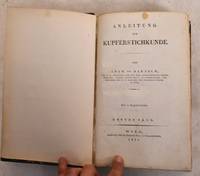
1821189658Vienna Austria: Gedruckt und im Verlage bei J.B. Wallishausser 1821. Hardcover. VG corners rubbed to boards. leather spine edges rubbed; ends rubbed; spine top small tear. gutter papers beginning to split hinges firm. name-only ex-libris plate to front pastedown. brown & yellow marbled boards w/ green leather spine; four bands w/ gilt design & printed compartments. 296 pgs w/ 11 bw plates one fold-out. Text in German. Two volumes in one. Pages remain fairly bright with text dark and detailed. Instances of foxing to pages though primarily to page edges. Remains a handsome and highly readable copy. Plate pages have multiple illustrations with total of 131. Gedruckt und im Verlage bei J.B. Wallishausser hardcover
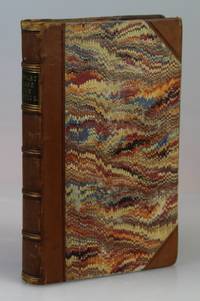
1851AR1GTBR3222London: John Murray 1851. Hardback half-calf with marbled paper covered boards. 19 x 12.5cm. vii 303pp. Lacks frontis. Previous private owner's bookplate on front pastedown. Slight rubbing to extremities. Firm binding contents clean. . First Edition. Hard Cover. Good. John Murray Hardcover
180926021Paris: Imprimerie Impériale 1809. Fine. Imprimerie Impériale Paris 1809-1829 71 x 53.50 cm une feuille Original unshaved full-page etching from the Imperial edition of the Description de l'Égypte or Recueil des observations et recherches faites en Égypte pendant l'expédition française publié par les ordres de Sa Majesté l'Empereur Napoléon le Grand A Collection of the observations and research carried out in Egypt during the French expedition published on the orders of his Majesty the Emperor Napoleon the Great'.Produced between February 1802 and 1830 on the orders of Naopleon Bonaparte and published between 1809 and 1828 1000 copies were printed and distributed to institutions on vergé paper with an 'Égypte ancienne et moderne' watermark visible when held up to the light. Light marginal spotting not touching image otherwise in very fresh fine condition. An engraving from the Description de l'Egypte one of the masterpieces of French printing and the birth of a new field: Egyptology. A gigantic survey of Egypt at the time of Bonaparte's conquests in 1798 and 1799 the work is divided into 13 volumes of engravings making up 892 plates of which 72 colored as well as presenting the splendors of the Egypt of the Pharaohs in 9 volumes. The other volumes discuss natural history and present a fascinating portrait of Coptic and Islamic Egypt as it was seen by Bonaparte's Eastern Armies. The Egyptian campaign' militarily a disaster demonstrates through the engravings of the Description d'Egypte the scientific success it nonetheless became thanks to the 167 expert members of the Commission of the Sciences and Arts of the Institut d'Egypte Egyptian Institute who followed Napoleon's army. The Institut gathered together in Egypt the mathematician Monge the chemist Berthollet the naturalist Geoffroy Saint-Hilaire as well as numerous artists engineers architects and doctors. They were tasked with re-discovering modern and ancient Egypt and displaying its natural treasures as well as the know-how of its inhabitants.This edition the so-called Imperial edition of the plates for the Description de l'Egypte was printed in four large formats two of which were specially created for it and christened Moyen-Egypte and Grand-Egypte. A special press was built to print it the process extending over 20 years from 1809 to 1829. The Imperial edition proved so popular that a second edition this time in black and white and without the Egypte ancienne et moderne watermark known as the Royal Edition was published during the Restoration by the printing house of C.-L.-F. Panckoucke Paris.The engravings of the Description d'Egypte owe a great deal to Baron Dominique-Vivant Denon illustrator diplomat collector and later Director of the Musée Napoléon the Louvre. His exploration of the South of Egypt gave Bonaparte the idea of sending the experts of the Institut there thus creating a faithful and complete portrait of the area. This was the research gathered together from 1802 in the mammoth Description de L'Egypte.Denon embarked on this story of archeological exploration at the age of 51 reaching first Alexandria and then Cairo before exploring Upper Egypt. Along with the members of the Institut d'Egypte the Natural History Museum's painter H.J. Redouté brother of Pierre-Joseph Redouté author of Roses the mineralogist Dolomiue and the draughtsman Joly Denon then explored the Nile Delta and Lower Egypt. When however he joined the 21st Light Infantry Regiment as it marched across Upper Egypt in pursuit of the retreating Mameluks in November 1798 he found himself the only civilian. In the very midst of the battle itself he reeled off sketches of the works of art that peppered his path right up to the threshold of the Sudan. He said that he had crossed a country that is apart from its name entirely unknown to Europeans and therefore everything was worth describing Voyages dans la Basse et la Haute Egypte pendant les campagnes Imprimerie Impériale unknown
189910483Paris: Paul Ollendorff 1899. Fine. Paul Ollendorff Paris 1899 15.50 x 20 cm broché First edition one of the rare copies on Holland paper reserved for the author of which no mention is made in the limitation statement. Small harmless stains to boards otherwise fine copy. Paul Ollendorff hardcover
189917996Paris: Ollendorff 1899. Fine. Ollendorff Paris 1899 12 x 20.50 cm broché First edition one of rare copies on Hollande paper of which there is no mention in the justification of the print run. Somes rare a little light foxing otherwise a good well-margined copy. Ollendorff unknown
1852500030424London: Richard Bentley 1852. First Edition. . Hardcover. Fair. scarce. splits side spine cracking hinges. Loose Title volume 1 <br/> <br/> Richard Bentley hardcover
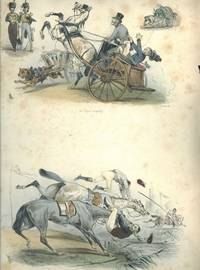
186030420Paris: Hautecoeur Freres; lithographed by Godard 1860. No stated edition. Unbound sheets. Good many plates foxed but the coloring is bright. Adam Albert. Dozens of humorous equestrian escapades are shown in color lithographs on 12 of 16 original leaves. Each leaf contains two sets of scenes for a total of 24 of 32 scenes. Lacks title page and covers if any. Ca. 9 x 13 inches. In French. In these lithographs all kinds of hapless riders and drivers in town and country come to grief in many imaginative ways. The scenes are numbered 1 through 22 and 29-30. This is item 361 in the magnificent Dejager collection Great Books on Horsemanship. The Dejager set is lacking plate 4 scenes 7 and 8 which we believe is present in our set. Very scarce; WorldCat cites a handful of locations in great libraries. Albert Adam 1832/33-1900 was well known for his illustrations of mid-19th-century French equestrian life especially the portfolio Ecole Imperiale de Cavalerie Saumur. Shipping/handling will be extra; please keep this in mind when ordering. Sold as a group as is. Hautecoeur Freres; lithographed by Godard unknown
1849324722Edinburgh: Adam and Charles Black 1849. unbound. Map. Image measures 7 1/4" x 9 7/8"<br/> <br/> This charming map depicts St. Andrews Scotland in pictorial detail as it was in the 16th century. Colleges churches and monasteries are labeled. Minor foxing at margins. Original fold line as issued. This map appeared in "History of St. Andrews" by Charles Rogers published in 1849.<br/> <br/> Adam and Charles Black unknown
183418550Cambridge and London: Printed at the Pitt Press By John Smith for J. & J. Deighton Cambridge and John W. Parker West Strand London 1834. Cloth. Very Good. viii 157 pages. 5 1/2 x 8 1/8 inches 8vo. Publisher's cloth with remnants of paper spine label. Some fading to spine and mottled fading. Textblock untrimmed. Bright and clean internally. Spine professionally reinforced preserving original label and spine. Nice partial watermark on front pastedown "MILL" and "1832" in reverse. Cloth. Stated third edition after at least one printing in the previous year. William Ellery Channing's copy with his 1842 library bookplate on front pastedown and his signature at top of the title page. Small red nameplate of Sydney Ross Herschel bibliographer and a book collector in his own right also on front pastedown.<br/><br/>Sedgwick was one of the founders of modern geology and counted Darwin as one of his students. Here he has expanded on some of his lectures on education hoping to shed some additional light on the subject.<br/><br/>"William Ellery Channing April 7 1780 - October 2 1842 was the foremost Unitarian preacher in the United States in the early nineteenth century and along with Andrews Norton 1786-1853 one of Unitarianism's leading theologians. He was known for his articulate and impassioned sermons and public speeches and as a prominent thinker in the liberal theology of the day." wiki. Printed, at the Pitt Press By John Smith for J. & J. Deighton, Cambridge and John W. Parker, West Strand London unknown books