Depraetere, Ilse/ Langford, ChadBiblio.com
1 346 résultats
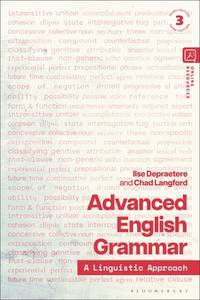
2025x-1350451207Bloomsbury USA Academic 2025. Paperback. New. 3rd edition. 416 pages. 9.22x6.14x1.00 inches. Bloomsbury USA Academic paperback
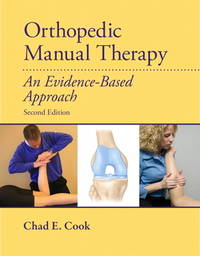
2021CRT-0002-1019Pearson 2021-06-30. 16. Used - Like New. Used Like New no missing pages no damage to binding may have a remainder mark. Pearson unknown
2010SKU0569303Pearson 2010-12-27. paperback. Good. 8x0x10. Textbook May Have Highlights Notes and/or Underlining BOOK ONLY-NO ACCESS CODE NO CD Ships with Tracking Pearson paperback
2006DADAX0826102212Springer Publishing Company 2006-08-14. 1. paperback. New. 6.00x0.65x9.00. Buy with confidence. Excellent Customer Service & Return policy. Springer Publishing Company paperback
2009x-0801475244Cornell University Press 2009. Paperback. New. 1st edition. 224 pages. 8.90x5.90x0.80 inches. Cornell University Press paperback
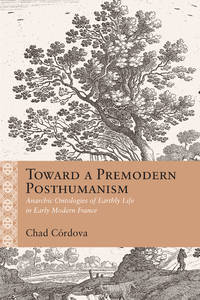
2025__0810148277Northwestern Univ Pr 2025. Hardcover. New. 320 pages. 9.00x6.00x1.00 inches. Northwestern Univ Pr hardcover
2012__1455749656W B Saunders Co 2012. Hardcover. New. 1st edition. 240 pages. 9.13x0.71x6.54 inches. W B Saunders Co hardcover
2010__1437724442W B Saunders Co 2010. Hardcover. New. 1st edition. 717 pages. 9.00x6.25x0.75 inches. W B Saunders Co hardcover
2015__0803639198F A Davis Co 2015. Paperback. New. 3rd revised edition. 416 pages. 9.25x6.25x1.00 inches. F A Davis Co paperback
2008Q-0324560842South-Western College Pub 2008-03-06. Hardcover. New. New. In shrink wrap. Looks like an interesting title! South-Western College Pub hardcover
2009x-0674034597Harvard Univ Pr 2009. Paperback. New. 384 pages. 9.00x6.00x1.00 inches. Harvard Univ Pr paperback
2009__0615274404Hidden Needle Press 2009. Spiral-bound. New. 392 pages. 9.90x7.70x1.00 inches. Hidden Needle Press unknown
20141-0981629121Tundra & Associates 2014. Paperback. New. 160 pages. 10.94x8.43x0.39 inches. Tundra & Associates paperback
2008x-193353124XNational Science Teachers Association 2008. Paperback. New. current edition. 198 pages. 10.50x8.25x0.75 inches. National Science Teachers Association paperback
2019G1119588820I4N00John Wiley & Sons 2019. Paperback. Very Good. May have limited writing in cover pages. Pages are unmarked. ~ ThriftBooks: Read More Spend Less.Dust jacket quality is not guaranteed. John Wiley & Sons paperback
20031-0805428364B & H Pub Group 2003. Hardcover. New. revised edition. 1704 pages. 9.25x6.75x2.50 inches. B & H Pub Group hardcover
2002021046Hal Leonard 2002. Staple-bound. Fine. Excellent unmarked condition. CD sealed in affixed packet. <br/> <br/> Hal Leonard unknown
2010DADAX1600595979Union Square & Co 2010-09-07. Reprint. paperback. New. 8.50x0.50x10.50. Buy with confidence. Excellent Customer Service & Return policy. Union Square & Co paperback
2010DADAX1932898913Spring Creek Book Company 2010-04-01. paperback. New. 6.00x0.50x9.00. Buy with confidence. Excellent Customer Service & Return policy. Spring Creek Book Company paperback
2006SKU0504757Wiley 2006-05-15. Paperback. Good. Textbook May Have Highlights Notes and/or Underlining BOOK ONLYNO ACCESS CODE NO CD Ships with Emailed Tracking Wiley paperback
20211-1771605197Rocky Mountain Books 2021. Hardcover. New. 296 pages. 9.00x13.75x1.26 inches. Rocky Mountain Books hardcover
2013x-1469609851Univ of North Carolina Pr 2013. Paperback. New. 472 pages. 9.50x6.25x1.25 inches. Univ of North Carolina Pr paperback
20191-1732297827Tra Pub 2019. Paperback. New. 236 pages. 13.00x9.00x1.30 inches. Tra Pub paperback
2008DKD-9781568986814Princeton Architectural Press 2008. Hardcover . New. Alternately lauded as the future of architecture or dismissed as pure folly revolving buildings are a fascinating missing chapter in architectural history with surprising relevance to issues in contemporary architectural design. Rotating structures have been employed to solve problems and create effects that stationary buildings can't achieve. Rotating buildings offeredever-changing vistas and made interior spaces more flexible and adaptable. They were used to impress visitors treatpatients and improve the green qualities of a structure by keeping particular rooms in or out of the sun.The follow-up to his critically acclaimed book A-frame Chad Randl's Revolving Architecture: A History of Buildings that Rotate Swivel and Pivot explores the history of this unique building type investigating the cultural forces that have driven people to design and inhabit them. Revolving Architecture is packed with a variety of fantastic revolving structures such as a jail that kept inmates under a wardens constant surveillance glamorous revolving restaurants tuberculosis treatment wards houses theaters and even a contemporary residential building whose full-floor apartments circle independently of each other. International examples from the late 1800s though the present demonstrate the variety and innovation of these dynamic structures. Princeton Architectural Press hardcover
2008DKD-9781568986814Princeton Architectural Press 2008. Hardcover . New. Alternately lauded as the future of architecture or dismissed as pure folly revolving buildings are a fascinating missing chapter in architectural history with surprising relevance to issues in contemporary architectural design. Rotating structures have been employed to solve problems and create effects that stationary buildings can't achieve. Rotating buildings offeredever-changing vistas and made interior spaces more flexible and adaptable. They were used to impress visitors treatpatients and improve the green qualities of a structure by keeping particular rooms in or out of the sun.The follow-up to his critically acclaimed book A-frame Chad Randl's Revolving Architecture: A History of Buildings that Rotate Swivel and Pivot explores the history of this unique building type investigating the cultural forces that have driven people to design and inhabit them. Revolving Architecture is packed with a variety of fantastic revolving structures such as a jail that kept inmates under a wardens constant surveillance glamorous revolving restaurants tuberculosis treatment wards houses theaters and even a contemporary residential building whose full-floor apartments circle independently of each other. International examples from the late 1800s though the present demonstrate the variety and innovation of these dynamic structures. Princeton Architectural Press hardcover