345 résultats
19842080302106809414Sangyo tosho 1984. Soft Cover. Fine. Size: 23 x 18 cm 182 pages Volume: 1 volume Sangyo tosho paperback
19852092902141504274Sangyo tosho 1985. Soft Cover. Fine. Size: B5 size Sangyo tosho paperback
4812in 12 demi cuir vert à nerfs,titre,roulette sur nerfs, dorés.faux-titre,titre,276 pages,Alphonse Lemerre dix novembre 1891.Edition originale,dos insolé
Cloth, 8vo, 200 pages. Includes illustrations, facsimiles, fold-out map, portraits, etc. 22 cm. In Hebrew. Memoir of Warsaw Ghetto Uprising. SUBJECT(S): World War, 1939-1945 -- Underground movements -- Jews. Geographic: Warsaw (Poland) -- History -- Warsaw Ghetto Uprising, 1943. Very Good Condition. (H-40-7)
1946MMRM1658Varsovie:: American Joint Distribution Committee 1946. 1946. 8vo. 264 4 pp. 11 black and white photographic plates 50 tables charts index. Original printed wrappers; scotch tape along spine front and rear covers age-darkened first 3 pages including half title and last three blank end-papers are loose. Main body of work remains bound and in good condition. Loose pages have some slight area of extremities missing. Some fading and foxing to pages. Thus wrappers poor but text good to good plus. First edition. SEMINAL WORK IN MEDICAL CLINICAL RESEARCH & A CRITICAL ARTIFACT OF THE WARSAW GHETTO AND HOLOCAUST. Copies of the book are uncommon in part because of the fragile nature of the paper used to publish the report. In the immediate aftermath of World War II paper ink and binding facilities in Europe were scarce. The published report was done with economy in mind and with a rushed sense of needing to reveal to the world what happened. / Six articles report on the clinical research by 28 Jewish physicians and a student intern the 1946 book only records the names of 21 physicians and the student – subsequent research in the 1960s revealed the additional names who conducted the studies on adults and children at the two Jewish hospitals in the Ghetto. Abbreviated biographies of the physicians can be found in The Uses of Adversity: Studies of Starvation in the Warsaw Ghetto by Leonard Tushnet published in 1966. The physicians hoped to study these patients to somehow benefit humanity perhaps in the spirit of the Jewish concept of tikkun olam - to repair the world. The studies were conducted in secret since any scientific research in the Ghetto was prohibited by the Nazi overseers. It is also quite possible that many if not all the clinical physicians believed that granting children and others the status of being a patient would protect them by preventing their transport out of the ghetto to death camps. Theories also suggest that the physicians wanted to preserve a record of the atrocities being committed as well as advance medical research. The studies remain the most comprehensive research of the effects and progression of starvation in part because any contemporary studies would largely be blunted by existing ethical guidelines for informed consent and subject welfare. Contemporary debates about the ethical wisdom of conducting these studies remains contentious. / The Warsaw Ghetto occupied approximately 1.3 square miles 3.4km2 and its population was as much as 500000 men women and children. The Ghetto was a staging area for transporting Polish and Eastern European Jews to the death camps and a locale for starving to death Jews prior to transport. The average daily caloric intake of a resident of the Ghetto was 600 to 800 calories of low-protein food for adults. This amount was calculated by Adolf Eichmann to starve-to-death most of the residents in approximately nine months. The physicians performing the research were no exception to the plan. All were starving as they performed their studies. Equipment for clinical research was smuggled into the hospitals. / Each article in the book is devoted to specific results of these studies. Chapter V offers autopsy results on 710 patients; 492 died of starvation and 218 died of complications of secondary conditions. Chapter VI offers clinical observations of one-hundred adults who died from starvation. Chapter VII offers clinical observations of 40 children who died of starvation. Chapter VIII examines the effects of starvation on the cardiovascular system in adults and children. Chapter IX discusses changes in peripheral blood and bone marrow. Ophthalmic responses to starvation are discussed in Chapter X. Only one doctor engaged in the research Emil Apfelbaum survived the war. He arranged to have the studies smuggled out of the Ghetto to a Polish professor of medicine who released the reports after the liberation of Warsaw. After the war Apfelbaum edited the report for publication by the Joint Distribution Committee. He died a week before the book was published. / Research was performed at the two hospitals in the Ghetto from late February to July 22 1942. On July 22 the hospitals were closed and any patients unable to be transported were summarily executed regardless of age. The attending and clinical physicians were fully aware of the fate awaiting transported patients and in many instances they performed euthanasia on elderly and child patients who were scheduled for transport. Some of the physicians committed suicide rather than face transport. Other physicians accompanied their patients to the death camps providing whatever aid they could. / The studies were smuggled out of the ghetto in a manner befitting a Ken Follet thriller. A Jewish physician Henryk Fenigstein played a crucial role. "Before the war Henryk was a stamp collector. In fact he had one of the largest collections of Polish stamps in the country. One day two SS members arrived at the hospital and told Henryk to come with them to Gestapo headquarters. Of course he was terrified. Jews taken to Gestapo headquarters did not return. On arrival he was taken to the office of a senior officer who told him that he himself was an avid stamp collector. He took out a list and handed it to Henryk. He wondered if Henryk had these stamps and if not if he knew where to procure them. Henryk told him that he had many of the stamps including some of the very rare ones. He told him that he thought he could procure the rest. In order to do this he would need a pass to get out of the ghetto for a few hours each week. And of course the SS officer was welcome to those that he had. The officer agreed and even gave Henryk his phone number in case he needed any help. Thus Henryk Fenigstein a key member of the study team was able to leave the ghetto" 2005 lecture Myron Winick. During such an outing Fenigstein arranged for the smuggling of the reports. A pregnant woman reportedly was used to hide the documents and transport them out of the ghetto. / The supervising physician of the project Israel Milejkowski wrote in his Introduction to the studies that each author refused to allow the Nazis to destroy their work and that through the research and the publication of that research "Nous avons termine nos Recherches et nous les conserverons bien comme c'etait Ton desir. Les paroles immortelles que Tu a jetees "Non omnius Moriar" doivent etre en premier lieu appliquees a Toi! Gloire eternelle a Ta Memoire !" / The research as well as results from the Minnesota Semi-Starvation studies of 1944-1945 continues to benefit the millions of persons facing starvation each year. The participants in the Minnesota study lost an average of 25% of pre-test body weight and the final phase of the study included recovery techniques and methods. The Warsaw studies measured effects until death. This artifact of scientific integrity individual bravery and resistance to oppression is a rare opportunity to truly own a small piece of history illuminating the courage of physicians determined to use their craft to help the world and advance the memory of atrocities. American Joint Distribution Committee, 1946. unknown books
500351425Harlequin Sans date.
19884465Wiley Law 1988. First edition. Hardcover. Very Good. 4to348 pages red cloth <br/><br/>Trial Practice Library series. Edited by Warsaw who edited WOMEN TRIAL LAWYERS and formerly "Trial Diplomacy Journal". "That trial lawyering is an art rather than a science is acknowledged by nearly all who try to teach trial advocacy. . Those with advocacy teaching experience testify that trial tactics skills and techniques that lead to success . CAN be learned by deicated study and practice. . This is down-to-earth plain lawyering talk full of the kind of information that would pass from a senior partner to an associate during a coffee break conference in a top trial firm - Foreword." Contributors include Rudy Giuliani Philip Corboy Robert Habush Gerry Spence Leonard Ring Jill Wine-Banks etc. Wiley Law hardcover
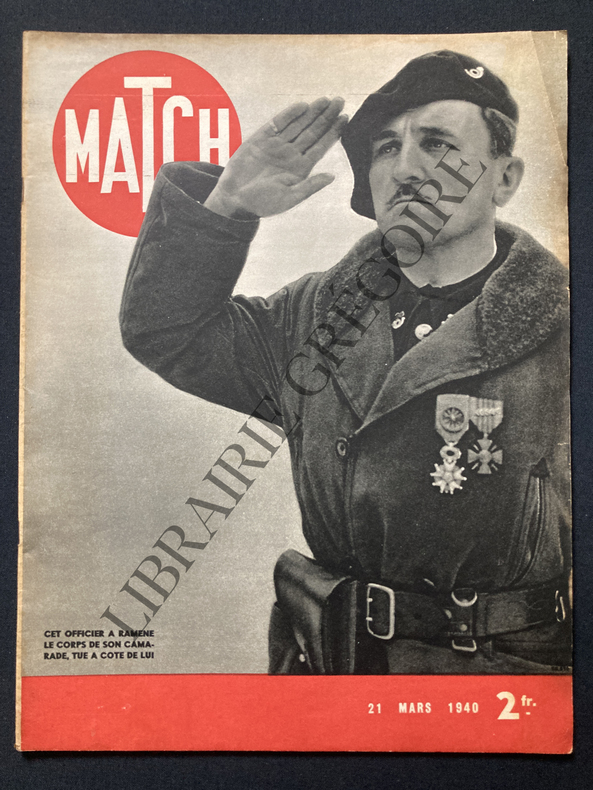
1940ABE-1581811546379EN COUVERTURE "CET OFFICIER A RAMENE LE CORPS DE SON CAMARADE TUE A COTE DE LUI", JOSEPH DARNAND EN TENUE MILITAIRE ET SALUANT-LA VISITE DE RIBBENTROP A ROME-LA GARDE AU RHIN-SCENES D'EXECUTIONS PAR LES AUTORITES ALLEMANDES EN PLEIN CENTRE DE VARSOVIE, PENDAISONS-L'AMIRAL GENSOUL VIT SUR LE DUNKERQUE-VOICI L'ARMEE NOIRE, 6P-CE TRESOR DE FINLANDE EST LIVRE AUX RUSSES, MONASTERE DE VALANCO-AUREOLE D'HUMIDITE REPETEE EN MARGE GAUCHE
1939ABE-171007252845040 PAGES-EN COUVERTURE: M.RACZKIEWICZ NOUVEAU PRESIDENT DE LA REPUBLIQUE DE POLOGNE-LE NOUVEAU PRESIDENT PRIE POUR SAPOLOGNE CRUCIFIEE-LES ANGLAIS ARRIVENT-UN MOIS DE GUERRE, 7 PAGES-L'AVIATRICE MARYSE BASTIE EST NOMMEE BRIGADIER D'HONNEUR PAR DES ARTILLEURS, 2 PAGES, 6 PHOTOS-LA RADIO EMIGRE EN PROVINCE, 4 PAGES, 14 PHOTOS,LES BARYTONS D'OPERA DEVIENNENT DEMENAGEURS (M CATHALA, SOUDIEUX, ELSA BARREN, PERSON)-VOICI CE QUE M HITLER APPELLE LE "GAI BERLIN", 6 PHOTOS SUR 2 PAGES-TCHEQUES ET POLONAIS DEFENDENT EN FRANCE LEUR PATRIE PRISONNIERE, 6 PAGES-UN ROMAN INEDIT DE GEORGES SIMENON LES INCONNUS DANS LA MAISON-UNE FAMILLE EN UNIFORME SAUF LA REINE MERE ET LA DUCHESSE DE WINDSOR, 12 PHOTOS SUR 2 PAGES-L'OURS RUSSE EN MARCHE SUR L'EUROPE-EN 4 DE COUVERTURE: L'AVIATRICE MARYSE BASTIE MARRAINE DES ARTILLEURS-(BC224)
2026x-1032680245Taylor & Francis Ltd 2026. Hardcover. New. 146 pages. 9.18x6.12x9.45 inches. Taylor & Francis Ltd hardcover
1961100659Paris, Robert Laffont 1961 Reliure demi-basane fauve maroquinée, dos lisse, couvertures conservées, 683 pp., table des matières.Exemplaire en bon état.
1967dd330Editions Polonia Reliure d'éditeur 1967 In-4 (23.5x25.5 cm), reliure d'éditeur, 212 pages, illustrations en couleurs et en noir et blanc ; rousseurs sur les plats jaunis, assez bon état. Livraison a domicile (La Poste) ou en Mondial Relay sur simple demande.
Very Good Condition; 4to; 90 pages; "Ostrzegamy. " In Yiddish. Includes Photo-montage covers and 61 Photos & Facsimiles. (H-42-13)
In 8° (17,2×11,5 cm); 62, (2) pp. Bella legatura editoriale a colori. Esemplare in buone-ottime condizioni di conservazione. Prima edizione illustrata di questa celebre opera di uno dei più famosi e non convenzionali poeti ed artisti polacchi, Konstanty Ildefons Galczynski (Varsavia, 23 gennaio 1905 – Varsavia, 6 dicembre 1953). L’opera presenta le magnifiche illustrazioni del noto artista, scenografo, architetto e grafico polacco, Stanislaw Zamecznik (Varsavia 1909 – Varsavia 1971). Galczynski allo scoppio della Prima Guerra Mondiale si trasferì a Mosca dove suo padre lavorava come impiegato e vi rimase fino al 1918. Tornato a Varsavia, seguì gli studi classici all’Università non disdegnando però gli studi musicali che tanta importanza avranno poi nella sua composizione letteraria ricca di liriche e di neologismi. Proprio la stravaganza dei suoi versi ha reso difficili la traduzione degli stessi in altre lingue. A 23 anni si avvicinò al circolo culturale Kwadryga dove venivano diffuse le idee e ideali innovativi ispirati dal Futurismo italiano e al costruttivismo russo che segnarono in modo decisivo la produzione poetica polacca d’avanguardia. Il suo debutto letterario risale al 1930 con il poema folkloristico La fine del mondo. Dal 1931 al 1933 soggiornò a Berlino, mentre dal 1934 al 1938 si trasferì a Vilnius. Durante la Seconda Guerra Mondiale venne catturato dai nazisti e internato nel lager di Altengrabov. La fine della guerra gli permise di viaggiare per l’Europa, soggiornando a Parigi, Bruxelles e Roma. Fin dall’origine della sua produzione letteraria l’umorismo fu la base della sua poesia accentuato da una forte vena satirica che prendeva in giro il mondo politico contemporaneo. Nella sua poesia si trovano in perfetto equilibrio una visione realistica del mondo ed un illogicità dirompente esaltate da veri e propri virtuosismi lessicali. Trattò temi di grande importanza sociale in farse, racconti grotteschi, e favole esopiche. Intorno al 1950 le sue opere divennero il centro di un acceso dibattito ideologico e alcuni suoi lavori vennero denunciati all’autorità per sospetto deviazionismo politico e così molte sue opere iniziarono, lentamente a sparire dal mercato. La musicalità del suoi componimenti ancora oggi inspirano autori di ballate e musica popolare polacca. Galczynski si può considerare come il giullare della poesia polacca del novecento, un giullare che con il suo atteggiamento giocoso e incostante, veniva perdonato per una polemica politica, sempre coperta sotto il manto salvifico dell’umorismo, dei neologismi e dei giochi di parole. Prima edizione illustrata. First edition, good copy.
1983106835Paris, Crépin-Leblond 1983 In-8 31 x 13,5 cm. Broché, couverture blanche, titre en rouge et noir sur le dos et le premier plat, 414 pp., nombreuses illustrations, bibliographie, table des matières. Résumé et légendes en anglais. Exemplaire en bon état, avec pliure angulaire au deuxième plat.
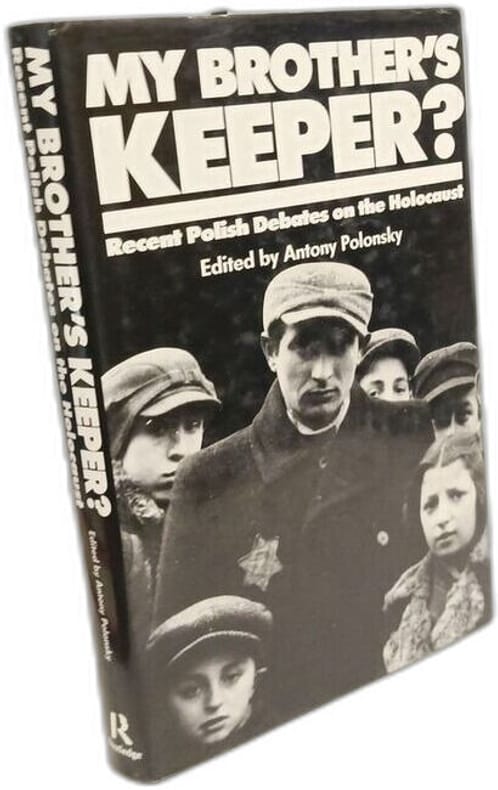
1990100136419Taylor & Francis Ltd 1990 256 pages 14 2x2 4x22 2cm. 1990. Cartonné jaquette. 256 pages.
74754Coll. "L'indicible", Paris, éd. Ramsay, 2008, EDITION ORIGINALE, in-8, cartonnage souple, couv. photos en noir éditeur, 280 pp., 1 plan et photos en noir, bibliographie, table des matières, L'histoire du ghetto de Varsovie occupé par les allemands durant la Seconde Guerre mondiale. Le témoignage d'un des derniers occupant. Très bon état
ria9781399522571_inpHardback. New. New Book; Fast Shipping from UK; Not signed; Not First Edition; A comprehensive study of the representations of disability and illness in the fiction of J. M. Coetzee hardcover
Z1-C-012-02071Palgrave Macmillan. Used - Good. Ships from UK in 48 hours or less usually same day. Your purchase helps support Sri Lankan Children's Charity 'The Rainbow Centre'. Ex-library so some stamps and wear but in good overall condition. May contain underlining and/or highlighting. 100% money back guarantee. We are a world class secondhand bookstore based in Hertfordshire United Kingdom and specialize in high quality textbooks across an enormous variety of subjects. We aim to provide a vast range of textbooks rare and collectible books at a great price. Our donations to The Rainbow Centre have helped provide an education and a safe haven to hundreds of children who live in appalling conditions. We provide a 100% money back guarantee and are dedicated to providing our customers with the highest standards of service in the bookselling industry. Palgrave Macmillan unknown
x, 214 pp. Index. Foldout map. Seven black and white plates. First published in the U.S. in 1942. "Compiled under the auspices of the Research Institute for Peace and Post War Problems of the American Jewish Committee, New York. [The author] is able to lay bare every step taken by the Nazis to impose their evil will upon Poland; he describes too the resistance and underground activities of the population in opposition to the invader. Poland is being used by the Nazis as a testing ground for their scheme for a future German colonial empire in Europe. This book is of the utmost importance as an analysis of the evil which the United Nations have to combat." - dust jacket. Moderate wear to publisher's black cloth which is lettered in silver with red trim upon backstrip. Binding sound. Gentle toning to clean and unmarked contents. Moderate wear to dust jacket now preserved in archival-grade Brodart. A quality copy of this important work compiled while the final outcome of WWII was unknown. Kehr & Langmaid 5414, Wiener Library Catalogue Seven 983. Book
96 pages. Features: Ominous one-page photo ad shows Boeing B-29s being assembled in huge factory; Japs say bombardment of Luzon was terrible - major coverage; Why Nazis caught Allies Off Base on the Ardennes Front; General Ernest N. Harmon; Reproduction of German propaganda piece which shows battle-weary Allied troops on the Saar front that draft dodgers at home are living it up with the lady-folk; Great GM color ad features firing tank and Hydra-Matic transmissions; Sweet one-page ad for the Blue Radio Network features Alan Young - 1944's most promising star; Nice color Schlitz beer ad; Eyewitness to starvation in Italy (with photos); Archibald MacLeish; Photo of Polish government in exile; Australina drought; Nice color-illustrated military ad for Borg-Warner; Firestone Tire color centerfold ad; King Boris III of Bulgaria; Incredible Warsaw photos shows skeletons of horses from which residents have stripped every bit of meat; Packard car ad features letter from Mustang pilot overseas; Photo of Hitler walking through bomb damage; Photos of Betty Morrissey who tends lighthouse at the Northern tip of Prince Edward Island (PEI); Great one-page color ad for White Trucks shows freight being loaded; US domestic manpower push; Photo/ad shows John B. Kennedy of the American Society of Refrigerating Engineers; One-page *FANTASTIC* color-photo ad for Kodak will thrill silver-bugs! - shows dozens of huge silver bars being stacked for photographic use behind watchful armed guard; Nice one-page color Ford ad; Brief obituaries for Dr. John F. Condon, Admiral Sir Bertram Ramsay, Romain Rolland; Army study of Marihuana (Marijuana) smokers points to better ways of treatment; GI Surgeon Sgt. Frank Palco of Roth, VA; Photos of US propaganda being loaded into shells to be dropped over Germany; Photo of swimmer Ann Curtis; Nice one-page color ad for American Airlines features the new DC-6 flagship; Nice color ad for Chrysler's fluid drive; Nice photo ad for Bitumous cole features military theme; Anglo-American relations; Nice color military ad for Studebaker; and more. Average wear. A worthy vintage copy. Book
Features: Greatest Navy on Earth provides a pageant of power for Truman policy outline - with photo of commissioning of giant carrier Franklin D. Roosevelt; Photo of a million people in Central Park listening to the President; Zionists assail 'ambiguity and delay' on Palestine at a New York Rally - with photo and text; Detroit Mayoralty Race - Gerald L.K. Smith, Jeffries, William Z. Foster, Frankensteen; Red Army's odd ways in peace tilt course of Russian Diplomacy; Photos of tough market life in Warsaw, Poland; Japanese Zaibatsu to be abolished; President Achmed Sukarno of Indonesia; Outer Mongolia now 'independent'; Services war unity flies apart under shock of the atom bomb; Discrimination against blacks in Britain; photo of car down lakefront ravine in Scarborough, Ontario; Labor-Management parley to fix labor strife re: wage-hour questions; Meter, Yard or EII? - Swedish compromise would shift measurement unit to end conflict; and more. Average wear. Address label on front cover. Evidence of moisture exposure to last ten pages or so. A sound copy. Book
198830477Warsa Poland and New York: National Museum in Warsaw and National Academy of Design 1988. Softcover. VG bookplate from art museum. Pictorial wraps. 180 pp. Profuse bw and color plates. Comprised of extensive essay and descriptively annotated plates. Text is in English. National Museum in Warsaw and National Academy of Design unknown books
In 8° (18,5×12 cm); 50, (2) pp. Brossura editoriale con titolo, autore e stampatori impressi entro cornice nera al frontespizio. Qualche lievissimo segno del tempo ma nel complesso esemplare in buone-ottime condizioni di conservazione, in buona parte ancora a fogli chiusi. Prima edizione di questa celebre raccolta di componimenti di uno dei più famosi e non convenzionali poeti ed artisti polacchi, Konstanty Ildefons Galczynski (Varsavia, 23 gennaio 1905 – Varsavia, 6 dicembre 1953). Allo scoppio della Prima Guerra Mondiale si trasferì a Mosca dove suo padre lavorava come impiegato e vi rimase fino al 1918. Tornato a Varsavia, seguì gli studi classici all’Università non disdegnando però gli studi musicali che tanta importanza avranno poi nella sua composizione letteraria ricca di liriche e di neologismi. Proprio la stravaganza dei suoi versi ha reso difficili la traduzione degli stessi in altre lingue. A 23 anni si avvicinò al circolo culturale Kwadryga dove venivano diffuse le idee e ideali innovativi ispirati dal Futurismo italiano e al costruttivismo russo che segnarono in modo decisivo la produzione poetica polacca d’avanguardia. Il suo debutto letterario risale al 1930 con il poema folkloristico La fine del mondo. Dal 1931 al 1933 soggiornò a Berlino, mentre dal 1934 al 1938 si trasferì a Vilnius. Durante la Seconda Guerra Mondiale venne catturato dai nazisti e internato nel lager di Altengrabov. La fine della guerra gli permise di viaggiare per l’Europa, soggiornando a Parigi, Bruxelles e Roma. Fin dall’origine della sua produzione letteraria l’umorismo fu la base della sua poesia accentuato da una forte vena satirica che prendeva in giro il mondo politico contemporaneo. Nella sua poesia si trovano in perfetto equilibrio una visione realistica del mondo ed un illogicità dirompente esaltate da veri e propri virtuosismi lessicali. Trattò temi di grande importanza sociale in farse, racconti grotteschi, e favole esopiche. Intorno al 1950 le sue opere divennero il centro di un acceso dibattito ideologico e alcuni suoi lavori vennero denunciati all’autorità per sospetto deviazionismo politico ed iniziarono così a diventare sempre meno comuni da reperire sul mercato librario. La musicalità del suoi componimenti ancora oggi inspirano autori di ballate e musica popolare polacca. Niobe (Lo Slittino) è una delle sue opere principali. Galczynski si può considerare come il giullare della poesia polacca del novecento, un giullare che con il suo atteggiamento giocoso e incostante, veniva perdonato per una polemica politica, sempre coperta sotto il manto salvifico dell’umorismo, dei neologismi e dei giochi di parole. Prima edizione illustrata. First edition, good copy.
LFA00912Un ouvrage de 325 pages, format 150 x 220 mm, broché, 3 planches de blasons en couleurs, réimpression de l'édition de 1862, bon état