Barney G Glaser Anselm L StraussBiblio.com

6 216 résultats
6683888Transaction Publishers pp. 214 . Papeback. New. Transaction Publishers unknown
4293506-nnew. unknown
4293506like new. unknown
19682438621968. Hardcover. Good. Name of previous owner Robert Roth written on inside front cover hardcover
1835biblio36702<p>Boston: William D. Ticknor 1835. VeryGood Hardcover Faded Violet cloth Gilt spine title no dj. This copy was withdrawn from Newton Theological Institution. Some fading to the cover. Clean Unmarked Interior. Strong Tight original bindingperfect hinges. 7.75"x43.9"x0.8". be22301.</p> William D. Ticknor hardcover
1987Q-0870523120Hippocrene Books 1987-03-01. Hardcover. New. In shrink wrap. Looks like an interesting title! Hippocrene Books hardcover
19861149839Croom Helm 1986. Hardcover. Very Good/DJ Very Good. Octavo. Book. Croom Helm Hardcover
62350654Taylor & Francis Group pp. 300 . Papeback. New. Taylor & Francis Group unknown
1990206689New York: St. Martin's Press 1990. First Edition; Second Printing. Softcover. Very Good in wraps. St. Martin's Press unknown
20041-0743244508Simon & Schuster 2004. Hardcover. New. 294 pages. 9.75x6.75x1.25 inches. Simon & Schuster hardcover
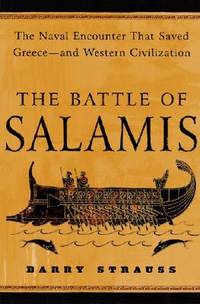
20049780743244503-2025Simon & Schuster 2004. Hardcover. New/New. <p><strong>Author:</strong> Barry S. Strauss</p><p><strong>Publisher:</strong> Simon & Schuster</p><p><strong>Binding:</strong> Hardcover</p><p><strong>ISBN:</strong> 9780743244503</p><p><strong>Release Date:</strong> 2004</p><p><strong>Number Of Pages:</strong> 320</p><p><strong>Details:</strong> 00 The battle of Salamis in 480 B.C. was the most important naval encounter of the ancient world. In the narrow strait between the island of Salamis and the Greek mainland a heavily outnumbered Greek navy defeated the Persian armada in a brilliant victory that is still studied today. The Greek triumph at Salamis stopped the advancing Persians and saved the first democracy in history. It made Athens the dominant city in Greece gave birth to the Athenian empire and set the stage for the Age of Pericles. On the Persian side the battle of Salamis also featured history's first female admiral and sailors from three continents. The Battle of Salamis features some of the most fascinating figures in the ancient world: Themistocles the Athenian commander who masterminded the victory and tricked his fellow Greeks into fighting; Xerxes the Persian king who understood land but not naval warfare; Aeschylus the Greek playwright who took part at Salamis and later immortalized it in drama; and Artemisia the half-Greek queen who was one of Xerxes' trusted commanders and who turned defeat into personal victory. In his riveting story of this clash on the Greek seas classicist and historian Barry Strauss offers a new in-depth account of the ancient battle. Drawing on recent work in archaeology meteorology and forensic science as well as on his own experience as a rower both navies were oar powered Strauss revises our understanding of one of history's pivotal wars and of Herodotus's classic if underrated account of it. But in addition to being exciting military history The Battle of Salamis is also a vivid analysis of ancient culture. The battle of Salamis in 480 B.C. was the most important naval encounter of the ancient world. In the narrow strait between the island of Salamis and the Greek mainland a heavily outnumbered Greek navy defeated the Persian armada in a brilliant victory that is still studied today. The Greek triumph at Salamis stopped the advancing Persians and saved the first democracy in history. It made Athens the dominant city in Greece gave birth to the Athenian empire and set the stage for the Age of Pericles. On the Persian side the battle of Salamis also featured history's first female admiral and sailors from three continents. The Battle of Salamis features some of the most fascinating figures in the ancient world: Themistocles the Athenian commander who masterminded the victory and tricked his fellow Greeks into fighting; Xerxes the Persian king who understood land but not naval warfare; Aeschylus the Greek playwright who took part at Salamis and later immortalized it in drama; and Artemisia the half-Greek queen who was one of Xerxes' trusted commanders and who turned defeat into personal victory. In his riveting story of this clash on the Greek seas classicist and historian Barry Strauss offers a new in-depth account of the ancient battle. Drawing on recent work in archaeology meteorology and forensic science as we</p> Simon & Schuster hardcover
20049780743244503-2025Simon & Schuster 2004. Hardcover. New/New. <p><strong>Author:</strong> Barry S. Strauss</p><p><strong>Publisher:</strong> Simon & Schuster</p><p><strong>Binding:</strong> Hardcover</p><p><strong>ISBN:</strong> 9780743244503</p><p><strong>Release Date:</strong> 2004</p><p><strong>Number Of Pages:</strong> 320</p><p><strong>Details:</strong> 00 The battle of Salamis in 480 B.C. was the most important naval encounter of the ancient world. In the narrow strait between the island of Salamis and the Greek mainland a heavily outnumbered Greek navy defeated the Persian armada in a brilliant victory that is still studied today. The Greek triumph at Salamis stopped the advancing Persians and saved the first democracy in history. It made Athens the dominant city in Greece gave birth to the Athenian empire and set the stage for the Age of Pericles. On the Persian side the battle of Salamis also featured history's first female admiral and sailors from three continents. The Battle of Salamis features some of the most fascinating figures in the ancient world: Themistocles the Athenian commander who masterminded the victory and tricked his fellow Greeks into fighting; Xerxes the Persian king who understood land but not naval warfare; Aeschylus the Greek playwright who took part at Salamis and later immortalized it in drama; and Artemisia the half-Greek queen who was one of Xerxes' trusted commanders and who turned defeat into personal victory. In his riveting story of this clash on the Greek seas classicist and historian Barry Strauss offers a new in-depth account of the ancient battle. Drawing on recent work in archaeology meteorology and forensic science as well as on his own experience as a rower both navies were oar powered Strauss revises our understanding of one of history's pivotal wars and of Herodotus's classic if underrated account of it. But in addition to being exciting military history The Battle of Salamis is also a vivid analysis of ancient culture. The battle of Salamis in 480 B.C. was the most important naval encounter of the ancient world. In the narrow strait between the island of Salamis and the Greek mainland a heavily outnumbered Greek navy defeated the Persian armada in a brilliant victory that is still studied today. The Greek triumph at Salamis stopped the advancing Persians and saved the first democracy in history. It made Athens the dominant city in Greece gave birth to the Athenian empire and set the stage for the Age of Pericles. On the Persian side the battle of Salamis also featured history's first female admiral and sailors from three continents. The Battle of Salamis features some of the most fascinating figures in the ancient world: Themistocles the Athenian commander who masterminded the victory and tricked his fellow Greeks into fighting; Xerxes the Persian king who understood land but not naval warfare; Aeschylus the Greek playwright who took part at Salamis and later immortalized it in drama; and Artemisia the half-Greek queen who was one of Xerxes' trusted commanders and who turned defeat into personal victory. In his riveting story of this clash on the Greek seas classicist and historian Barry Strauss offers a new in-depth account of the ancient battle. Drawing on recent work in archaeology meteorology and forensic science as we</p> Simon & Schuster hardcover
2008G0547193262I3N00Wadsworth 2008. Paperback. Good. Pages can have notes/highlighting. Spine may show signs of wear. ~ ThriftBooks: Read More Spend Less.Dust jacket quality is not guaranteed. Wadsworth paperback
2008G0547193262I5N00Wadsworth 2008. Paperback. Acceptable. Disclaimer:Readable copy. Pages may have considerable notes/highlighting. ~ ThriftBooks: Read More Spend Less.Dust jacket quality is not guaranteed. Wadsworth paperback
63375736Thomson Learning pp. 544 6th Edition . Papeback. New. Thomson Learning unknown
2015x-1138019623Routledge 2015. Paperback. New. 208 pages. 8.50x5.43x0.79 inches. Routledge paperback
ria9781138019621_inpPaperback. New. New Book; Fast Shipping from UK; Not signed; Not First Edition; Athens after the Peloponnesian War first published in 1986 undertakes a radically new investigation into the nature of Athenian political groups. The general model of 'faction' provided by political anthropology provides an indispens paperback
ria9781138019614_inpHardcover. New. New Book; Fast Shipping from UK; Not signed; Not First Edition; Historians are used to studying the origins of war. The rebuilding in the aftermath of war is a subject that at least in the case of Athens has received far less attention. Along with the problems of reconstructing the economy and hardcover
A9781138019621Paperback / softback. New. paperback
BN293720Die Geburt des römischen Kaiserreichs <br/><br/>Die Geburt des römischen Kaiserreichs Barry Strauss unknown
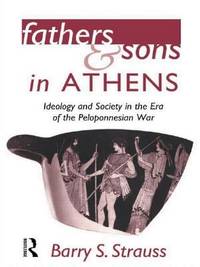
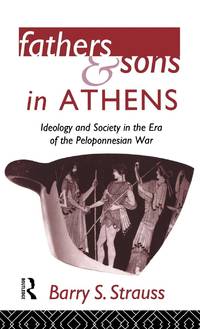
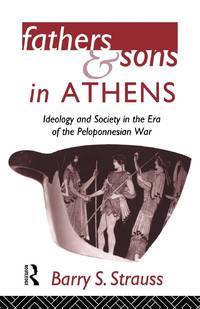
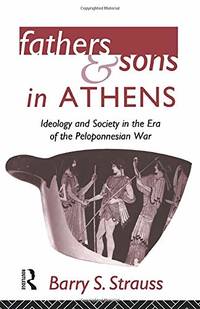
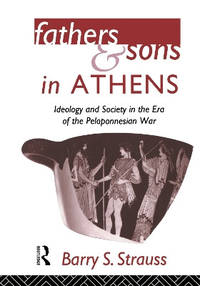
ria9780415041461_inpHardcover. New. New Book; Fast Shipping from UK; Not signed; Not First Edition; The Athenians could not separate politics from the private sphere; indeed father-son conflict was a major public as well as private theme. This book explores the consequences of the powerful influence of familial ideology on politics. hardcover
ria9780415620215_inpPaperback. New. New Book; Fast Shipping from UK; Not signed; Not First Edition; As history's first democracy classical Athens invited political discourse. The Athenians however could not completely separate the politicals from the private sphere; indeed father-son conflict from patricide to murdering one's son paperback
B9780415620215Paperback / softback. New. paperback
A9780415620215Paperback / softback. New. paperback
A9780415041461Hardback. New. The Athenians could not separate politics from the private sphere; indeed the father-son conflict was a major public as well as private theme. This book explores the consequences of the powerful influence of familial ideology on politics. hardcover