Shehatta Attia, Venice IbrahimBiblio.com
287 résultats
6202759518.Gpaperback. Good. Access codes and supplements are not guaranteed with used items. May be an ex-library book. paperback
G14Q-00381Simon & Schuster. Used - Good. Good condition. Acceptable dust jacket. A copy that has been read but remains intact. May contain markings such as bookplates stamps limited notes and highlighting or a few light stains. Simon & Schuster unknown
1997Q-0684825422Touchstone 1997-02-05. Paperback. New. New. In shrink wrap. Looks like an interesting title! Touchstone paperback
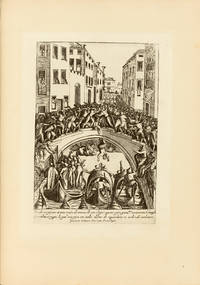
NY24<p>Venice Giacomo Franco Forma in Frezzaria al Insegna del Sole con privilegio s.d. 1610.</p><p>Small folio volume.</p><p>"<i>1 . title engraved with same view of Venice than the one for "Habiti delle Donne" 1 l. not numbered dedication to Vincent de Gonzague de Mantoue dated 1st January 1610 and printed in roman characters 25 plates out of pagination and not numbered.</i></p><p><i>Those plates represent 34 figures of men and women in very rich Venitian costumes life scenes </i></p><p><i>festivities.</i>" Colas n° 1108.</p><p>360 x 260 mm. Dimensions of the engravings: 258 x 190 mm.</p><p><b>Very rare first edition of one of the most famous books on Venice its festivities costumes and activities around 1600.</b></p><p>Colas <i>Bibliographie Générale du Costume</i> n°1108 col. 384-5; <i>Katalog Der Freiherrlich Von Lipperheide'schen Kostümbibliothek</i> repr. 1963 n°1324 p. 527.</p><p>"This collection offers great interest in the costumes of Venice during its greatness. It is sought after today especially as it has become extremely rare ". Vinet Bibliographie méthodique des Beaux-Arts.<br /><br /><b>This collection is so rare that Brunet never found a complete copy and only described an incomplete one</b> Brunet II 1378. As for Vinet he doubts the number of plates following the number 24 with a "" Vinet col 283 n° 2291.<br /></p><p>The copy of the <i>British Museum </i>only contains 20 plates out of 25 and one title leaf is missing. <br /></p><p><b>Title engraved with a birds 'eye view of Venice on an architectural frame with a view of the Rialto bridge and 24 extremely fine engravings.</b><br /><br /><b>The book shows in an extraordinary detailed way the various festivities processions and past times of the city as well as great moments in its history.</b><br /><br />"Assimilated to the genre of the costume book the work by Giacomo Franco 1556 - 1620 drawer and engraver born in Venice also shows engravings of a strong interest for the history of manners and customs of the Serenissima in the 16th and 17th centuries: festivals entertainment maritime games regattas… and carnival. The 1610 edition is probably the first. The number and order of the engravings vary greatly from one edition to another and between copies of the same edition.<br /></p><p>The copy is composed of 26 copper plates including one double plate all except one signed by Giacomo Franco. The engraving named Feste che si sogliono fare per la città della caccia del toro amazzar la Gata col capo raso pigliar l'anadre pigliar l'occa nell'acqua et altro features games with animals: a bear fighting with dogs a tied up cat a goose being plunged into water a duck hanging from a mast and a chased bull. Attested since the Middle Ages bull hunting is a traditional carnival game in the Renaissance particularly in Rome and Venice". Virtual exhibition organized by the Mazarine Library<i> Libri italiani lecteurs français</i> "Balls festivals and banquets".</p><p>"This book of engravings depicts the costumes festivals and social life of early seventeenth-century Venetians. There is no text other than a short descriptive sentence at the bottom of each engraving. Major Venetian landmarks are easily recognizable <b>and the small ovoid map on the title-page is regarded by some scholars as an important example of early Venetian cartography.</b></p><p>Very little is known about the Venetian engraver Giacomo Franco. The son of painter Giovanni-Battista Franco 1510-1561 with whom he began his artistic training at the age of eleven he worked as a painter engraver woodcutter and dealer in graphics and books. For a while he studied in Bologna with Agostino Carracci 1557-1602. In the early 1580s they opened a private teaching academy that soon became a center for progressive art. In their teaching they laid special emphasis on drawing from life and clear draughtsmanship became a quality particularly associated with their school. </p><p>In 1595 Franco took over his father's workshop and eventually became a well-known publisher. Although he was not documented as belonging to the booksellers' or printers' guilds he is recorded in 1606 and again in 1619 as belonging to the painters' guild. Franco's determination to be recognized as an artist is reflected in his will in which he refers to himself as a "designer."</p><p>The <i>Habiti d'huomini</i> is a potpourri of depictions of Venetian costumes processions and celebrations. Citizens are seen watching regattas fighting on bridges conversing in the Piazza San Marco and on the Rialto Bridge and marching in ceremonial procession into the Doge's Palace with flags flying and horns and flutes playing. Even the ubiquitous laundry is seen hanging on the line in the background. Men with rifles hunt ducks in the lagoon. The Doge's mighty Bucintoro warship returns from battle escorted by gondolas and saluted by cannon explosions. Carnival of course has a page of its own which depicts citizens in masks some of whom seem to be making best use of the cover of darkness to contact a prospective lover. The appropriately dressed widow is pictured heavily veiled and a married gentlewoman has two outfits from which to choose one for inside the house another for outside. The men are almost as ornately dressed as the women. The Doge in his palace wearing fine brocade and a crown moves his hand in a sort of blessing as – through a window behind him – life in the Piazza San Marco goes on". The Boston Athenaeum Museum</p><p><i>"From the middle of the 15th century the Venetian institutions came to maturity which allows Venice to parade every week in the fullness of its myth under the eyes of the Venetians and the whole world Urbi et orbi - including the Turks and the Chinese. Venice then shows itself united eternal strong and indestructible</i>. "<br /><br />One of the great moments of this frenzied proclamation of the political perfection of Venice is the rite of the <i>trionfo </i>- or ducal procession - where hierarchy order harmony and collective respect are the characteristics of this state liturgy.<br /><br />This urban rite we could even say ritual is a great moment in the political life - and in the life itself - of Venice. Indeed the ducal procession is intended to be a proclamation of the cohesion of the State and its strong structure in the eyes of the Venetians as in the eyes of foreigners who will necessarily receive echoes. The Milanese Pietro Casolo passing through Venice at the end of the 16th century was impressed by the unchanging - and disciplined - ordering of these Venetian processions:<br /><br /><i>In my opinion one man seemed to rule all things and he was obeyed by all without resistance. It filled me with admiration as I have never seen such a discipline at similar shows.</i><br /><i>They walk two by two behind the doge in a completely different order from what I have seen in many religious or secular courts where as soon as the prince has passed everything goes in all directions and in disorder. Here in front and behind everything is as in a perfect order as possible.</i><br /><br />The ordering and place of each are not the result of chance but the result of a rigorously thought out and unchanging ceremony. This immutability is demonstrated by the existence of commented engravings that is to say that the artists note the order of the succession of the characters as an element as perennial as the architectures that frame this ceremony. An example the engraving of Giacomo Franco which shows us the beginning of the procession which enters the basilica. The frieze arrangement evokes the Roman triumphs of the Ara Pacis or Trajan's Column." Marie-Viallon The Ducal procession in Venice.<br /></p><b>Precious and beautiful copy coming from the library of the 19th century </b><i><b>A. Brölemann</b></i><b> with ex-libris.</b><p><b><br /></b></p><p><u>Français :</u><br /></p><p>Venice Giacomo Franco Forma in Frezzaria al Insegna del Sole con privilegio s.d. 1610.</p><p>Petit in-folio.</p><p>" <i>1 f. titre gravé avec la même vue de Venise que pour " Habiti delle Donne " 1 f. non chiffr. dédicace à Vincent de Gonzague de Mantoue datée du 1er janvier 1610 et imprimée en caractères romains 25 planches h. t. gr. non chiffr.</i></p><p><i>Ces planches portent 34 figures d'hommes et de dames dans de très riches costumes vénitiens des scènes de mœurs des réjouissances.</i> " Colas n° 1108.</p><p>Le présent exemplaire compte 1 titre gravé avec vue de Venise et 24 planches portant 30 figures d'hommes et de dames ; manquent le feuillet de dédicace et une planche portant 4 figures mais le nombre et l'ordonnancement des gravures sont très variables entre les exemplaires d'une même édition " this fine collection of detailed views and scenes of Venetian life and costume was issued with varying numbers of plates ". Qq. rousseurs en marge du frontispice. Le tout monté sur grand papier et relié vers 1850 par <i>Duru</i> en demi-maroquin rouge à coins. </p><p>360 x 260 mm. Dimensions des gravures : 258 x 190 mm.</p><p><b>Edition originale rarissime de l'un des livres les plus célèbres sur Venise ses fêtes costumes et activités vers l'année 1600.</b></p><p>Colas <i>Bibliographie Générale du Costume</i> n°1108 col. 384-5; <i>Katalog Der Freiherrlich Von Lipperheide'schen Kostümbibliothek</i> repr. 1963 n°1324 p. 527.</p><p>" <i>Ce recueil offre un grand intérêt pour les costumes de Venise pendant sa grandeur. On le recherche aujourd'hui d'autant plus qu'il est devenu d'une extrême rareté</i> ". Vinet <i>Bibliographie méthodique des Beaux-Arts</i>.</p><p><b>Ce recueil est si rare que Brunet n'a jamais rencontré d'exemplaire complet et ne décrit qu'un exemplaire incomplet</b> Brunet II 1378. Quant à Vinet il doute du nombre de planches faisant suivre le chiffre 24 d'un " " Vinet col 283 n° 2291.</p><p>L'exemplaire du <i>British Museum</i> ne contient que 20 planches sur 25 et il manque le feuillet de titre. </p><p><b>Titre gravé avec vue à vol d'oiseau de Venise dans un cartouche architectural surmonté d'une vue sur le pont du Rialto et 24 gravures extrêmement fines. </b></p><p><b>Le livre montre avec un détail extraordinaire les différentes festivités processions et temps passés de la ville ainsi que de grands moments de son histoire.</b></p><p>" Assimilé au genre du livre de costumes l'ouvrage de Giacomo Franco 1556 - 1620 dessinateur et graveur né à Venise montre également des gravures d'un fort intérêt pour l'histoire des mœurs et coutumes de la Sérénissime aux XVIe et XVIIe siècles : fêtes divertissements joutes maritimes régates… et carnaval. L'édition de 1610 est probablement la première. Le nombre et l'ordonnancement des gravures sont très variables d'une édition à l'autre et entre les exemplaires d'une même édition.</p><p>L'exemplaire exposé comporte 26 planches gravées sur cuivre dont une double planche toutes sauf une signées de Giacomo Franco. La gravure intitulée Feste che si sogliono fare per la città della caccia del toro amazzar la Gata col capo raso pigliar l'anadre pigliar l'occa nell'acqua et altro met en scène des jeux avec des animaux : un ours se battant avec des chiens un chat ligoté une oie que l'on plonge dans l'eau un canard accroché à un mât et un taureau pourchassé. Attestée depuis le Moyen Âge la chasse au taureau est un jeu traditionnel du carnaval à la Renaissance en particulier à Rome et à Venise ". Exposition virtuelle organisée par la Bibliothèque Mazarine <i>Libri italiani lecteurs français</i> " Bals fêtes et banquets ".</p><p>"This book of engravings depicts the costumes festivals and social life of early seventeenth-century Venetians. There is no text other than a short descriptive sentence at the bottom of each engraving. Major Venetian landmarks are easily recognizable and <b>the small ovoid map on the title-page is regarded by some scholars as an important example of early Venetian cartography</b>.</p><p>Very little is known about the Venetian engraver Giacomo Franco. The son of painter Giovanni-Battista Franco 1510-1561 with whom he began his artistic training at the age of eleven he worked as a painter engraver woodcutter and dealer in graphics and books. For a while he studied in Bologna with Agostino Carracci 1557-1602. In the early 1580s they opened a private teaching academy that soon became a center for progressive art. In their teaching they laid special emphasis on drawing from life and clear draughtsmanship became a quality particularly associated with their school. </p><p>In 1595 Franco took over his father's workshop and eventually became a well-known publisher. Although he was not documented as belonging to the booksellers' or printers' guilds he is recorded in 1606 and again in 1619 as belonging to the painters' guild. Franco's determination to be recognized as an artist is reflected in his will in which he refers to himself as a "designer."</p><p>The <i>Habiti d'huomini</i> is a potpourri of depictions of Venetian costumes processions and celebrations. Citizens are seen watching regattas fighting on bridges conversing in the Piazza San Marco and on the Rialto Bridge and marching in ceremonial procession into the Doge's Palace with flags flying and horns and flutes playing. Even the ubiquitous laundry is seen hanging on the line in the background. Men with rifles hunt ducks in the lagoon. The Doge's mighty Bucintoro warship returns from battle escorted by gondolas and saluted by cannon explosions. Carnival of course has a page of its own which depicts citizens in masks some of whom seem to be making best use of the cover of darkness to contact a prospective lover. The appropriately dressed widow is pictured heavily veiled and a married gentlewoman has two outfits from which to choose one for inside the house another for outside. The men are almost as ornately dressed as the women. The Doge in his palace wearing fine brocade and a crown moves his hand in a sort of blessing as – through a window behind him – life in the Piazza San Marco goes on". The Boston Athenaeum Museum</p><p><i>" Dès le milieu du XVe siècle les institutions vénitiennes sont parvenues à maturité ce qui permet à Venise de parader chaque semaine dans la plénitude de son mythe sous les yeux des Vénitiens et du monde entier </i><i>Urbi et orbi</i><i> - y compris les Turcs et les Chinois. Venise se montre alors unie forte éternelle et indestructible.</i>"</p><p>Un des grands moments de cette proclamation forcenée de la perfection politique de Venise est le rite du<i> trionfo</i> - ou procession ducale - où hiérarchie ordre harmonie et respect collectif se veulent les caractéristiques de cette liturgie d'État.</p><p>Ce rite voire rituel urbain est un grand moment de la vie politique - et de la vie tout court - de Venise. En effet la procession ducale se veut une proclamation de la cohésion de l'État et de sa forte structuration aux yeux des Vénitiens comme aux yeux des étrangers qui en recevront nécessairement des échos. Le milanais Pietro Casolo de passage à Venise à la fin du XVIe siècle a été impressionné par l'ordonnancement immuable - et discipliné - de ces processions vénitiennes : </p><p><i>Selon moi un seul homme semblait ordonner toutes choses et il était obéi de tous sans résistance. Cela m'a rempli d'admiration car je n'ai jamais assisté à une telle discipline lors de spectacles similaires. Ils marchent deux par deux derrière le doge dans un ordre tout différent de ce que j'ai vu dans de nombreuses cours religieuses ou profanes où dès que le prince est passé tout part dans tous les sens et en désordre. Ici devant et derrière tout est aussi parfaitement en ordre que possible.</i></p><p>L'ordonnancement et la place de chacun ne sont pas le fruit du hasard mais le résultat d'un cérémonial rigoureusement pensé et immuable. Cette immuabilité est démontrée par l'existence de gravures commentées c'est-à-dire que les artistes notent l'ordre de la succession des personnages comme un élément aussi pérenne que les architectures qui encadrent cette cérémonie. Un exemple la gravure de Giacomo Franco qui nous montre le début de la procession qui entre dans la basilique. L'ordonnancement en frise évoque les triomphes romains de <i>l'Ara pacis</i> ou de la colonne Trajane. " Marie-Viallon La procession ducale à Venise.</p><p><b>Précieux et bel exemplaire provenant de la bibliothèque du </b><b>XIXe siècle </b><i><b>A. Brölemann</b></i><b> avec ex-libris. </b></p> hardcover
100-18460The Hellenic Institute Of Byzantine and Post-Byzantine Studies In Venice. Paperback. Good. Good condition with wear and markings. The Hellenic Institute Of Byzantine and Post-Byzantine Studies In Venice paperback
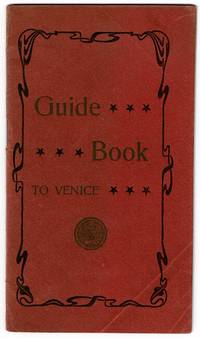
190327818Venice: printed by F. EarzÌa & Co 1903. 16mo pp. 2 20; original decorative red printed wrappers; some blue pencil marks in text else good or better. In English throughout with information on gondolas steamboats post offices telegrams banks ticket agents consulates theatres railway time tables principal monuments and sights of Venice etc. Not found in OCLC. printed by F. EarzÌa & Co unknown
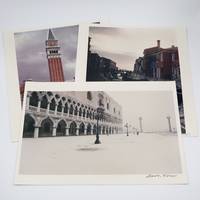
1970232456Venice 1970. Printed circa 1984. Each SIGNED in ink below the image. 1 vols. Each approximately 13 x 9 inches. Fine. Printed circa 1984. Each SIGNED in ink below the image. 1 vols. Each approximately 13 x 9 inches. Lovely luminous group of Venetian views lovingly shot and printed by the Russian-born photographer Kessel 1902 - 1995 whose work for LIFE magazine won international acclaim. As he wrote in his book ON ASSIGNMENT: DMITRI KESSEL LIFE PHOTOGRAPHER New York Abrams 1985: "In sun rain fog snow photographing Venice was for me a labor of love "<br /> <br /> The photos include several views of St. Mark's Square including the Basilica a snowy view of the Doge's palace the Campanile vaporettos parked in a canal gondolas floating in the lagoon one of the famous bronze horses undergoing restoration and others. unknown
185023390Philip J. Cozans NY 1850. Hardback NODustJacket Copyright not shown but believed to be c1850 VG/GOOd NOJACKET AS-IS SMALL Green embossed cloth Lettered decorated Gold Gilt on Spine Interior nice tight Clean FOXING stAIns Light Wear approx 4 1/2 X 5 3/4 in Cover light Rub Wear Scuff 128 PgS Book is in good cONDItion or better. Some edgewear. Some fadINg over the years of coveR. Inside is good or bEtter. Some foxing here and tHEre. Pages are clean All in tact anD tIGHt. Includes Venice Mobile Alabama Tomb of Washington Havana Cuba Puebla MExico Mount Moriah Jerusalem Vienna Austria Yorktown Virginia Montreal Canada EtC. Hard Cover. Philip J. Cozans NY hardcover
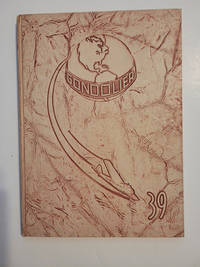
1939047116<p>The Student Body of Venice High School 1939. Hardcover. Very Good. SOME FOXING TO ENDPAPERSTEXT UNMARKED</p> The Student Body of Venice High School hardcover
0875162959.Gpaperback. Good. Access codes and supplements are not guaranteed with used items. May be an ex-library book. paperback
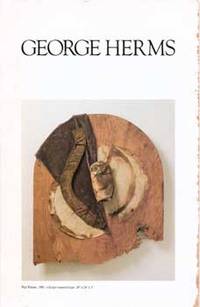
75-0790Venice CA: L.A. Louver 1986. Dealer Brochure. 8vo. Soft Covers. 6 pp. Very Good. Color plates. Brochure accompanies an exhibition at L.A. Louver June 7 to July 12 1986. Provenance: From the estate of Gerald Nordland 1927-2019. Nordland was a museum director art critic educator and author.Dean of the Chouinard Art Institute 1960-64 Director of the San Francisco Museum of Art now SFMoMA 1966-73 Milwaukee Art Museum 1977-85 and the UCLA Wight Art Gallery 1973-1977. He is the author of over 60 publications including books on Lachaise Nakian Diebenkorn and Frank Lloyd Wright. Venice, CA: L.A. Louver, 1986. paperback
AManPro4FE3-0005085Audio CD. Used: Very Good. 0x0x0. Very good condition. From a private collection. Comes from non smoking home. unknown
1986ONIomVEN28Milan: Electa: 1986. 1986. square 8vo. pp. 230 1 leaf. maps. illus. throughout most colour many full-page. wrs. First Edition. Exhibition Cat. F. [Milan]: Electa: [1986]. unknown
75-0757Venice CA: L.A. Louver Gallery 1978. Exhibition brochure. 8vo. Soft Covers. 10 pp. Very Good. Color and black and white plates. Catalogue accompanies an exhibition at L.A. Louver Gallery September 16 to October 1978. Essay by Van Deren Coke. Provenance: From the estate of Gerald Nordland 1927-2019. Nordland was a museum director art critic educator and author.Dean of the Chouinard Art Institute 1960-64 Director of the San Francisco Museum of Art now SFMoMA 1966-73 Milwaukee Art Museum 1977-85 and the UCLA Wight Art Gallery 1973-1977. He is the author of over 60 publications including books on Lachaise Nakian Diebenkorn and Frank Lloyd Wright. Venice, CA: L.A. Louver Gallery, 1978. paperback
1892041917Chicago: A. C. Mcclurg 1892. 1st Edition 1st Printing. Hardcover. Good. Vii 450 Pp. Blue Cloth Gilt. First Edition With 1892 Date On Title Page. Cover Gilt Bright Spine Gilt With Some Wear. The Binding Is Worn Completely Frayed Across Both Ends Of The Spine Tips With Small Frays Front Hinge Tight; Rear Hinge Cracked With Thin Line Of Exposure Of Webbing. Inscribed "Ariana R W Curtis / Palazzo Barbaro / Venice/ From The Author" And With Latimer's Handwritten Summary Of Her Writings To 1892 Tipped On To The Rear Free Endpaper. The Palazzi Barbaro Are A Pair Of Adjoining Palaces Formerly One Of The Homes Of The Patrician Barbaro Family On The Grand Canal Of Venice. It Is One Of The Least Altered Of The Gothic Palaces Of Venice.The First Of The Two Palaces Is In The Venetian Gothic Style And Was Built In 1425 By Giovanni Bon One Of Venice's Master Stonemasons. While The Palazzo Remained The Barbaro Family'S Property They Did Not Always Live There. In 1499 It Served As The French Embassy To The Republic Of Venice. In 1524 Isabella D'Este Widow Of Francesco Ii Gonzaga Marquess Of Mantua And The Sister Of Alfonso I D'este Was Living At The Palazzo Barbaro. In 1797 The Palazzi Belonged To Senator Zuanne Barbaro. After The Barbaro Family Died Out In The Middle Of The 19Th Century The Palazzo Was Bought By A Series Of Speculators Who Auctioned Off Furniture And Paintings. In 1881 The Older Palazzo Was Rented By Daniel Sargent Curtis 1825-1908 A Relative Of The American Painter John Singer Sargent And His Wife Ariana Randolph Wormeley 1833-1922 Who Purchased It In 1885. The Curtises Begun A Thorough Restoration And Kept The Palace With Love And Dedication Bringing It Back To Social And Cultural Life And Making It The Meeting Place For Some Cosmopolitan Americans And Others With Visits From Sargent Ariana'S Sisters The Translator Katherine Prescott Wormeley And The Prolific Authoress And Translator Elizabeth Wormeley Latimer Their Son The Artist Ralph Wormeley Curtis Henry James Whistler Robert Browning And Claude Monet. Other Members Of The "Barbaro Circle" Included Bernard Berenson William Merritt Chase Isabella Stewart Gardner Edith Wharton And Charles Eliot Norton. Henry James Finished The Aspern Papers At A Desk That Is Still Housed In The Palace Today; James Considered The Barbaro Ballroom The Finest Example Of A Venetian Baroque Interior And Included A Description In His Novel The Wings Of The Dove And A Scene From The Recent Movie Was Filmed There. In 1898 John Singer Sargent Painted A Group Portrait Of The Curtis Family In The Salon Titled "An Interior In Venice". Isabella Stewart Gardner An Art Collector And The Foremost Patron Of The Arts In Her Time Had Her Portrait Painted At The Barbaro By Anders Zorn In 1894; She Fell In Love With It Renting It Several Times From 1890 When The Curtis' Were Traveling And When She Went Back To Boston She Built Her "Venetian Palazzo" An Interpretation Of The Renaissance Palaces Of Venice. <br/> <br/> A. C. Mcclurg hardcover
17-1541Berna: Ufficio Federale Della Cultura 1988. 4to. 47 pp. Very Good. Soft Cover. Typographical white paper wraps. Small bump at head of spine and at top right corner. Color and B&W plates. Text in Italian French German and English.From the Collection of the Art Historian Peter Selz. Berna: Ufficio Federale Della Cultura, 1988. paperback
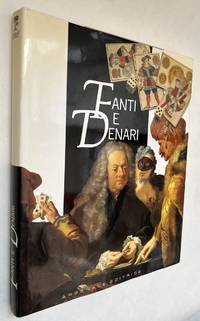
1989103252Venezia: Arsenale 1989. Hardcover. Fine in near fine jacket. 211 pages: illustrations some color; 29 cm. In Italian. Catalog of the exhibition held at the Casino Municipale Venezia Jan. 15-Apr. 28 1989 Exhibition catalogs Gambling Gambling Italy Venice Exhibitions Gambling Italy Venice History Games Games Italy Venice Exhibitions Italy Venice Jeux de hasard Italie Venise Expositions. Arsenale hardcover
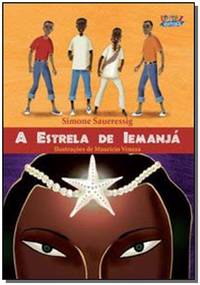
9788524915079CORTEZ EDITORA. new. Quem diria que uma simples pescaria poderia mudar a vida de alguns jovens acostumados ao of�cio de explorar o mar desde pequenos na tradi��o da comunidade litor�nea Quem diria que at� mesmo os mais experientes poderiam ser surpreendidos por mist�rios que a magia das �guas ainda n�o revelara Aliando os encantos da cultura e da religiosidade afro-brasileiras com os anseios t�picos da juventude o livro de Simone Saueressig nos apresenta a coragem e a sagacidade como verdadeiras virtudes capazes de contar com o apoio dos deuses e rituais para superar a gan�ncia e a inquietude dos homens ambiciosos. CORTEZ EDITORA unknown
184336123Venice: F. Andreola 1843. hardcover. Fascicolo XVIII. 64pp. Folio full red morocco fine gilt floral borders back gilt green moire endpapers a.e.g. Venezia: F. Andreola 1843.<br/> <br/> F. Andreola unknown
036585395X.Gpaperback. Good. Access codes and supplements are not guaranteed with used items. May be an ex-library book. paperback
2005x-0802828787Eerdmans Pub Co 2005. Paperback. New. 454 pages. 9.00x6.00x1.00 inches. Eerdmans Pub Co paperback
18-7620Venice CA: L.A. Louver 1988. . Exhibition catalogue. 4to. 52 pp. Stiff white glossy and color illustrated wraps. Very good with marginal edgewear along top wrap. Color plates including frontis. Includes texts by Peter Goulds and Frances Colpitt. Catalogue created on occasion of exhibition of works by Ed Moses held in Venice CA at L.A. Louver from May 23 through June 26 1987. Includes as insert small single-sided printed card: “With Compliments L.A. Louver 55 N. Venice Blvd. Venice CA 90291.†Limited edition: 1 of 3000 copies.From the Collection of the Art Historian Peter Selz. Venice, CA: L.A. Louver, 1988. paperback
1456625470.Gpaperback. Good. Access codes and supplements are not guaranteed with used items. May be an ex-library book. paperback
0977841804.Ghardcover. Good. Access codes and supplements are not guaranteed with used items. May be an ex-library book. hardcover
2025SKU1745131Countryman Press 2025-03-25. hardcover. New. 8x0x10. New Book Ships with Tracking Countryman Press hardcover