Coppola AntonioMareMagnum

1 270 résultats
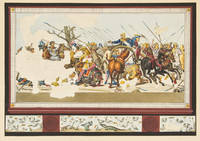
“Pompei di diciotto secoli fa Pompei attuale” è il titolo di una mostra di venticinque gouaches di notevoli dimensioni, 800x1000 mm l’una, di cui oggi si è riusciti a preservarne diciannove (più due manifesti che la pubblicizzavano). Esse furono presentate all’Esposizione Nazionale del 1893 sul tema del raffronto fra “com’era e com’è”. (*)Nelle vedute di Antonio Coppola sono raffigurati scorci della città di Pompei così come si presentava ai suoi occhi, e gli stessi luoghi come li immaginava, secondo un’attenta e studiata ricostruzione, prima della devastante eruzione del Vesuvio nel 79 dc.Dopo l’eruzione Pompei divenne un luogo senza tempo. Ne “Il Mattino” (30 Aprile 1 maggio 1893) si legge “E’ strano questo sentimento di infinito diletto che la città sepolta e la sciagura sua, sempre presente, produce in noi. Ed è strano come la fantasia competi facilmente, in Pompei, quel che vede, come supplisca quel che le fa difetto, come ricostruisca, anche da pochi ruderi… La vita di quel piccolo centro vi viene tutta innanzi… Perisca chi non sa amare e due volte perisca chi vieta di amare. E’ questa la nota costante di Pompei, che pare gridata da tutta quell’arte e che fa interamente dimenticare la sciagura che l’incolse, non appena un raggio di sole, illumina le sue rovine”. Scoperto a partire dal 1738, il diciottesimo sarà il secolo d’oro dedicato agli scavi, alle scoperte archeologiche e di conseguenza alle importanti pubblicazioni, si veda ad esempio il ruolo svolto dai volumi dell’Accademia Ercolanese straordinariamente efficace nel diffondere la conoscenza delle scoperte vesuviane, dalle quali derivò il gusto, prima, e la cultura, poi, del neoclassico.Luogo quasi dimenticato per diverso tempo… diventerà di prorompente attualità proprio negli ultimi anni del XIX secolo, quando gli scavi della Va Regione, all’inizio del 1892, incominciarono a portare alla luce una grandiosa casa, che l’anno successivo, in occasione dell’anniversario delle nozze d’argento di Umberto I e Margherita di Savoia, prenderà il nome di “Casa delle nozze d’argento”. L’anniversario dei reali fu un’occasione importante per la città di Napoli, che vide il loro arrivo il giorno 27 aprile 1893 per un soggiorno di tre giorni; il 29 fu dedicato al sito di Pompei, dove in onore di Umberto e Margherita, erano stati organizzati degli scavi presso la “Casa delle Nozze d’argento”. Il quotidiano dell’epoca, ”Il Mattino”, nel numero del 27-28 aprile 1893, così riporta “Oggi, il gran giorno. Questa grande festa alla quale la popolazione prende si gran parte, ha sollevato gli animi, ha sparso una grande attività febbrile nella città tutta quanta… Fino a tarda ora, iersera, i treni delle provincie riversarono nella nostra città una fiumana di gente d’ogni ceto, d’ogni colore: quasi dodicimila persone, che appena fuori dal recinto della stazione prendevano d’assalto vetture, alberghi, trattorie, già rigurgitanti di altri passeggieri giunti precedentemente. Lungo le strade che il corteo reale ed imperiale percorrerà, ferveva il lavoro per l’addobbo definitivo de’ balconi, de’ palchi, e per l’ornamentazione delle strade. Toledo brulicava di una folla ansiosa e variopinta…Nella Galleria Umberto I, poi, non si poteva addirittura muovere un passo. Nel Caffè Starace era un pigiarsi straordinario, un chiamarsi a vicenda, in tutti i dialetti del Mezzogiorno. Un pandemonio. In piazza Municipio non si poteva circolare, Piazza Plebiscito sembrava un mare in burrasca. Dovunque, dovunque un’animazione eccezionale, una festa delle più gaie e delle più caratteristiche.”. La febbrile attività vissuta dalla città di Napoli contagiò tutti i campi, anche quello artistico-culturale in cui va inserita la magnifica mostra di gouaches realizzata appositamente da Antonio Coppola, pubblicizzata dai manifesti stampati in litografia dallo Stabilimento Italo Germanico Fratelli Starace di Napoli. In queste opere, di imponenti dimensioni, emerge con delicata forza tutta l’abilità del Coppola nella padronanza del disegno, nella resa dei colori e delle atmosfere dei luoghi. Importante sottolineare la cura posta nell’immaginaria ricostruzione degli ambienti, sempre attenta, meticolosa, studiata e mai improvvisata. Incredibile come dopo più di un secolo il corpus centrale di una mostra sia ancora preservato nella sua interezza, o, comunque, in una totalità capace di trasmettere il motivo di esistere di un’opera di questa levatura.Elenco delle vedute, (i titoli, scritti a matita, sono riportati al retro dell’opera):1. Tempio di Venere ultimo giorno la scarica di pepite di zolfo; 2. Pompei quale era; 3. Pompei attuale; 4. Via delle Rampe – Baccanale; 5. Via delle Rampe attuale; 6. La Suburra qual’era; 7. Interno della Suburra com’è; 8. La Casa del Fauno qual’era. 9. Interno della Casa del Fauno; 10. Le terme qual’erano; 11. Le terme attuali – interno; 12 Interno del Foro; 13. Interno Panteon; 14. Esterno del Panteon; 15. Tempio di Giove – Arco di Caligola; 16. Corsa delle bighe al Teatro Tragico. 17. Anfiteatro stato attuale; 18. Interno Anfiteatro – Teatro tragico attuale; 19. Arco di Caligola. Alcune di queste opere, negli scorsi anni, sono state esposte in importanti musei tra i quali il MANN (Museo Archeologico Nazionale di Napoli), si veda il volume “Ercolano e Pompei visioni di una scoperta” edito da Skira nel febbraio del 2018. ANTONIO COPPOLA - Nato a Napoli il 14 febbraio 1850, o secondo il Servolini, il 21 gennaio 1839 da una nobile famiglia napoletana, Antonio Coppola si dedicò fin da giovane alla pittura compiendo i suoi studi all’Istituto di Belle Arti di Napoli. Autore di molte litografie ma, soprattutto, abile paesaggista, utilizzò prevalentemente la tecnica a tempera che seppe padroneggiare con grande maestria e raffinatezza. Rientrato nella sua città natale dopo un lungo soggiorno in Grecia durato quasi due anni, si dedicò inizialmente a scene di genere di soggetto greco che, tuttavia, abbandonò presto preferendo dedicarsi completamente a marine e vedute di Napoli e dei suoi dintorni che ottennero un immediato successo soprattutto tra i forestieri e viaggiatori desiderosi di portare con sé un “ricordo” dei loro viaggi. Molte delle sue opere sono state riprodotte in numerose cartoline dedicate a Pompei com’era e com’è oggi. Di indole schiva, partecipò a pochissime esposizioni: figurò nel 1883 all’ Esposizione di Roma con Al beveraggio, Magra colazione e Un sorcio nel vaso e, nello stesso anno, fu presente anche all’Esposizione della Promotrice “Salvator Rosa” di Napoli con Il pasto dei conigli e Stanchezza. Nel 1890 espose nuovamente nella sua città natale, alla Promotrice, con Paesaggio presso Solofra. Diffuse in tutto il mondo e molto ricercate da collezionisti e amanti del genere, le sue tempere di piccole dimensioni si accompagnano a più ampie, e più rare, vedute di grandezza maggiore nelle quali la padronanza tecnica e la cura dei dettagli evidenziano come la produzione pittorica del Coppola sia tecnicamente superiore e non assimilabile in alcun modo alla sterminata produzione di anonime gouaches napoletane dell’epoca. Riferimenti: (*) “Ercolano e Pompei visioni di una scoperta” edito da Skira; De Gubernatis, Dizionario degli artisti italiani viventi, Roma 1889; Thieme-Becker, Künsterlex, VII, 1912; E. Giannelli, Artisti napoletani viventi. Pittori, scultori ed architetti, Napoli 1916; G. Ceci, Bibliografia per una storia delle arti figurative, Napoli 1937; L. Servolini, Dizionario illustrato degli incisori italiani moderni e contemporanei, Milano 1955; A.M. Comanducci, Dizionario illustrato dei Pittori, Disegnatori e Incisori italiani moderni e contemporanei, I,II,III, IV ed., Milano 1970; E. Benezit, Dictionnaire des Peintres, Sculpteurs, Dessinateurs et Graveurs, III, ed., Parigi 1976 ; G.L. Marini, Il valore dei dipinti dell’Ottocento e del primo novecento, XIX ed., Torino 2001
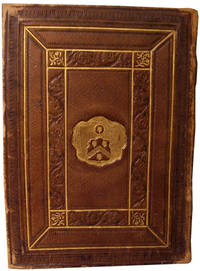
TM 214HUMANIST MANUSCRIPT OF ONE OF PLUTARCH'S LIVES IN A LATIN TRANSLATION OF THE GREEK ORIGINAL. Decorated manuscript on paper in Latin Northern Italy Lombardy perhaps Ferrara or Mantua c. 1470-1480. Dimensions 215 x 155 mm. 71 folios on thick paper with watermark of the type Briquet "Basilic" no. 2671: Ferrara 1471 or nos. 2672-2673: Mantua 1478-1483 written in an Italian humanistic slightly sloping cursive script on up to 21 long lines headings in margins in pale red ink contemporary marginal annotations in brown ink. BINDING: Nineteenth-century English brown Russia binding smooth back with blind tooling and gilt lettering: "Pompei Vita / Plutarchus / MS." blind-stamped and gilt with monogram and motto on upper board and arms on lower cover brown paper endleaves edges gilt. TEXT: This manuscript contains the life of Pompey the Great 106-48 B.C. the distinguished military and political leader of the late Roman republic and Julius Caesar's military rival included in Plutarch's <i>Lives.</i>This is one of about 50 recorded Renaissance manuscripts of the Latin translation from the Greek original by either Antonius Tudertinus Pacinus or Jacopo Angeli da Scarperia. The present manuscript provides testimony that the lives continued to circulate independently in manuscript form even after their assembly into one common collection. PROVENANCE: Script and watermarks all point to an Italian origin for this manuscript likely Northern Italy Lombardy. It was later in the collection of John Broadley F.S.A. 1774-1833. CONDITION: Upper inner hinge loose binding a bit scuffed occasional minor stains to paper else in very good condition. Full description and pictures available. TM 214 hardcover books
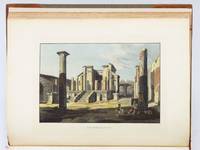
1824ST17496-014Zurich: by the author and Henry Fuessli and Comp 1824-25. FIRST EDITION. 445 x 325 mm. 17 1/2 x 12 3/4". 26 leaves of descriptive text. Lacking title page and dedication.Commentary by art historian Johann Jacob Horner. <br/> Modern tan half morocco over olive green buckram raised bands spine panels with gilt ornament red morocco label. 24 FINE AQUATINT VIEWS COLORED BY A CONTEMPORARY HAND. Brunet III 357. Text pages variably foxed from a little to very but somehow THE LOVELY PLATES IN FINE CLEAN CONDITION--fresh and bright with pleasing coloring in an unworn sympathetic binding.<br/> <br/> This is a rare complete colored set of Hüber's famed views of Pompeii much sought-after by armchair travellers after excavations uncovered that urban time capsule in the late 18th century. The German-born Hüber 1787-1871 settled in Naples in his early 20s studying landscape painting with Dutch émigré painter Jacob Philipp Hackert 1737-1807 who was known for his lush scenes often featuring ruins. His arrival in the region coincided with the occupation of Naples by the French who accelerated the excavations underway at Pomepii which had been buried by the eruption of Vesuvius in 79 A.D. The rapid burial of the city in volcanic ash had captured a moment in time and the opportunity to see a well-preserved example of life in the ancient Roman Empire caught in medias res drew eager travellers on the Grand Tour of the Continent. Hüber's well-executed views often picture these tourists and their contemporary dress contrasts sharply with the classical ruins. Lord Napier in his "Notes on Modern Painting at Naples" 1855 credits Hüber for introducing the use of watercolors to the meticulously drawn landscapes then being produced. This innovation is displayed in the hand-colored plates here which were also issued in uncolored state. Napier was correct to appreciate the value of adding colors which increases both the drama of the views and the pleasure of the viewer. Because the attractive sets with color were often broken up complete volumes of the colored plates are rarely seen for sale: we could trace just three such copies sold at auction as listed in RBH and ABPC the two best ones were the Feltrinelli copy which sold for $14330 in 2001 and the Donaueschingen copy fetching $13750 in 2014. Ours does not have the distinguished provenance attached to those copies and it lacks two preliminary leaves but the text is present and most important the lovely colored plates are in fine condition. by the author and Henry Fuessli and Comp unknown
183215317Zürich, Fuessli, 1824 (- 1832). 28 Bll. 24 Aquatinta-Tafeln. Fol. Pp. des 19. Jahrhunderts mit Rückenschild (bestoßen).
185056925Italian 1850. Each plate 8-1/2 x 10-1/2 in. and smaller is tipped to a larger sheet; two are entirely uncolored another only partially. 1 vols. Folio. Bound together in three quarter red morocco by Pawson & Nicholson Philadelphia with their ticket. Rebacked in goatskin original spine laid down inner hinges reinforced with period cloth. Each plate 8-1/2 x 10-1/2 in. and smaller is tipped to a larger sheet; two are entirely uncolored another only partially. 1 vols. Folio. A superb collection of lovely lithographed images which in many instances are so delicately and minutely colored as to be indistinguishable from watercolor drawings - and indeed several of them we believe to be entirely original drawings - each in the style of the ancient art of Pompeii in its frescoes geometric mosaics and ceramics. There are scenes of mythological figures e.g. a satyr cavorting with a goat; scenes of purely decorative nature suggestive of Pompeian vase art against a black gloss background; domestic scenes of husband wife and children; cupids; pastoral scenes; fish and game; and several images of an openly erotic nature suggestive of the relaxed style of Pompeiian attitudes toward nudity. unknown
185056925Italian 1850. Each plate 8-1/2 x 10-1/2 in. and smaller is tipped to a larger sheet; two are entirely uncolored another only partially. 1 vols. Folio. Bound together in three quarter red morocco by Pawson & Nicholson Philadelphia with their ticket. Rebacked in goatskin original spine laid down inner hinges reinforced with period cloth. Each plate 8-1/2 x 10-1/2 in. and smaller is tipped to a larger sheet; two are entirely uncolored another only partially. 1 vols. Folio. Exquisite Images of Pompeian Frescoes. A superb collection of lovely lithographed images which in many instances are so delicately and minutely colored as to be indistinguishable from watercolor drawings - and indeed several of them we believe to be entirely original drawings - each in the style of the ancient art of Pompeii in its frescoes geometric mosaics and ceramics. There are scenes of mythological figures e.g. a satyr cavorting with a goat; scenes of purely decorative nature suggestive of Pompeian vase art against a black gloss background; domestic scenes of husband wife and children; cupids; pastoral scenes; fish and game; and several images of an openly erotic nature suggestive of the relaxed style of Pompeiian attitudes toward nudity. unknown books
154388<p>8° mm 151x104; cc. 32. Marca tipografica al frontespizio. Margine superiore un poco rifilato. Pergamena posteriore.</p><p>Seconda edizione del dialogo albertiano - meglio conosciuto sotto il titolo di <em>Theogenius</em> - dopo quella che priva di dati tipografici ISTC cataloga come: "Florence 1500" cfr. L.B. Alberti <em>Opere volgari</em> II <em>Rime e trattati morali</em> a cura di C. Grayson Bari 1966 p. 409.</p><p>Il <em>Theogenius</em> rappresenta un capitolo poco noto della fortuna e dell'influsso dell'epicureismo nel Quattrocento. In questo dialogo infatti l'Alberti illustra diversi temi dell'etica epicurea e <strong>traduce alcuni versi del <em>De rerum natura</em> di Lucrezio </strong>S. Gambino <em>Alberti lettore di Lucrezio: motivi lucreziani nel "Theogenius"</em> "Albertiana" IV 2001 pp. 69-84.</p><p>Leon Battista Alberti's <em>Theogenius</em> revived and revised the ancient view developed in the Hellenistic age according to which philosophy aims to form rather than inform people showing them how to cultivate a specific attitude towards existence through a rational comprehension of the nature of humanity and its place in the cosmos. This view of philosophy as a way of life was challenged by the development of scholastic philosophy seen as a body of speculative doctrines and professional skills ancillary to the superior wisdom of theology. Nevertheless it survived thanks to Renaissance humanists like Petrarch Alberti Erasmus and Montaigne. <strong>On the influence of Lucretius on Italian Humanism after Poggio Bracciolini's discovery of the only surviving manuscript of <em>De rerum natura</em> 1417</strong> cf. A. Brown <em>The Return of Lucretius to Renaissance Florence</em> Harvard University Press 2010 and S. Greenblatt <em>The Swerve: How the Renaissance Began</em> London 2011.</p> Appresso Paulo Girardo, [colophon:] per Venturino Rosinello
1583ST15026Paris: Arnold Sittart 1584; Heidelberg: Peter Santandrea 1583. 178 x 111 mm. 7 x 4 3/8". 14 p.l. cccix pp. 13 leaves last blank; lxxv 10 ccxvi 22 pp.; 2 leaves 84 pp.; 1 1-196 18 pp.; 62 pp. Two works in several parts bound in one volume. With annotations and commentary by Antonio Augustin Joseph Scaliger and Fulvio Orsini. <br/> Pleasing contemporary calf covers with central gilt wreath of olive branches raised bands spine panels gilt with cipher "D C G" at center flanked by a palmette and a vegetal trefoil gilt titling bottom panel with "OD" and "I8" on either side of the cipher. Printers' devices on the title pages decorative woodcut initials and headpieces. Front pastedown with what appear to be early library shelf markings; one page with neat early marginalia. Adams V-590 and F-390. Covers slightly marked spine with a bit of superficial crackling and with one short crack in the middle of bottom panel the text with faint browning and isolated minor soiling a few leaves with long shallow creases not affecting legibility otherwise in excellent condition the binding solid and without significant wear and the leaves generally clean fresh and smooth.<br/> <br/> This glossary of recondite Latin words and phrases was no doubt bound for a contemporary bibliophile with an extensive library. The "OD" and "I8" at the bottom of the spine appear to be the indication of a shelf location--not something frequently encountered on spines of this period. This designation and the location notation on the front pastedown that clearly relates to it "Arm. 0. Tab 4. Loc. 18" suggest a library of some complexity and an educated owner who believed in careful organization. While we have not been able to identify "D C G" she would seem also to have been a person of taste and good sense. The binding is attractively decorated while still being practical for scholarly use. The work itself has gone through a number of changes of fortune. The story begins when Verrius who lived in the time of Augustus compiled a valuable work full of information on everything from grammar to mythology. Unfortunately his text has been largely lost; the authentic fragments fill only the first few leaves of our volume. His work was epitomized by Festus a ca. third century scholar but Festus was not a very good epitomizer and to make matters worse all of his entries have been lost up to the letter "M." Luckily an epitome of the epitome from "A" to "Z" had been made by Paul the Deacon in the eighth century. Valuing the handbook for its information on the writing of correct Latin Renaissance scholars went to work on this puzzle in the 15th century and a first version of Paul was published by Zarotus in Milan in 1471. Later scholars published Festus and the great French classicist Joseph Scaliger 1540-1609 was largely responsible for bringing definitive order out of chaos. His scholarly edition reconstructs the work of Festus as far as one can filling in the gaps caused by missing pages in the manuscript with conjectures and rectified material from Paul. Peter Santandrea unknown
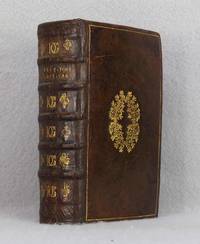
16241205Lyon, Pierre Rigaud, 1624 ; in-12 de 561, [13] pp., reliure de l’époque maroquin brun, les plats et le dos, muet, couverts de décors dorés, blason au centre des plats, restes d’attaches en fils d’or, tranches dorées.
ORD-8537Sans lieu ni date, ni mention d'éditeur, tirage albuminé ca 1880. Album à l'italienne (225 x 186) percaline rouge ornée sobrement à froid, titre en lettres dorées, page de titre et 45 superbes photos (144 x 104mm) collées sur bristol dans un encadrement doré. Photos non signées mais attribuables à Giogio SOMMER. On y trouve notamment la célèbre photo du chien fossilisé. Très bel exemplaire. Rare.
1827163898Brière éditeur Brière éditeur, Everat imprimeur 1827. Grand in-4 carré broché, sous couverture d'attente bleue. Faux-titre, titre, 110 pages et 60 planches hors-texte gravées à l'aqua-tinta, accompagnées de notices et de dissertations. Divisé en 12 cahiers : Dissertations historique sur l'Antiquité de la ville de Naples. Grottes de Pausilyppe, dissertation historique sur l'Ancienne Capour, dissertation sur l'Ile de Caprée, dissertation sur la ville d'Herculanum. Dissertation sur l'origine de pompéi. Dissertation sur l'origine de l'art dramatique et sur celle des théâtres. Dissertation historique sur le Vésuve, dissertation sur le culte d'Isis. Dissertation sur les amphithéâtres et sur les combats des gladiateurs. Dissertations sur les monumens en général. Dissertation su l'attaque et la défense des places. Dissertation sur la maison d'Arrius Diomèdes dans le moment de l'éruption de 79. Dissertation sur les volcans en général. Dissertation sur Pozzuoli. Dissertation sur les évènemens historiques dont la Campanie fut le théâtre, et sur les hommes illustres dont elle fut le séjour. Chaque Dissertation est suivie de notes relative au cahier, les planches sont insérées en suivant. Quelques rousseurs claires, néanmoins très bon exemplaire, rare complet.
Brière éditeur, Everat imprimeur 1827. Grand in-4 carré broché, sous couverture d'attente bleue. Faux-titre, titre, 110 pages et 60 planches hors-texte gravées à l'aqua-tinta, accompagnées de notices et de dissertations. Divisé en 12 cahiers : Dissertations historique sur l'Antiquité de la ville de Naples. Grottes de Pausilyppe, dissertation historique sur l'Ancienne Capour, dissertation sur l'Ile de Caprée, dissertation sur la ville d'Herculanum. Dissertation sur l'origine de pompéi. Dissertation sur l'origine de l'art dramatique et sur celle des théâtres. Dissertation historique sur le Vésuve, dissertation sur le culte d'Isis. Dissertation sur les amphithéâtres et sur les combats des gladiateurs. Dissertations sur les monumens en général. Dissertation su l'attaque et la défense des places. Dissertation sur la maison d'Arrius Diomèdes dans le moment de l'éruption de 79. Dissertation sur les volcans en général. Dissertation sur Pozzuoli. Dissertation sur les évènemens historiques dont la Campanie fut le théâtre, et sur les hommes illustres dont elle fut le séjour. Chaque Dissertation est suivie de notes relative au cahier, les planches sont insérées en suivant. Quelques rousseurs claires, néanmoins très bon exemplaire, rare complet.
<p>2 volumi, 47 x 31 cm, rilegatura coeva in cartone ricoperto con etichetta cartacea manoscritta al dorso. Opera divisa in tre parti, ognuna col suo frontespizio. Volume 1, contiene tomo I e parte prima del tomo II p. xxiv, ciii, (5), 107. Volume 2 contiene, parte seconda, terza e quarta del tomo II; p. (4), 108-370, (2) (a numerazione continua dal vol. 1). In totale 208 figure artistiche, finemente incise in rame su tavole fuori testo, alcune delle quali ripiegate. Molte grandi vignette, testsatine e finalini, sempre incisi in rame. La tavola con figura 93 è postposta alla 94. Lievi bruniture a poche carte e timbretto di possesso privato ai due frontespizi. Rilegature in carta azzurrina con qualche traccia d'uso e piccole mancanze al dorso del secondo volume. Esemplare molto buono in barbe dai larghi margini.</p>
[Figurato Pompei] (32x47,5) bella mz. pergamena fine '800, grande tassello al dorso in pelle e oro. Due frontis, + pp. 60, pp. 6 + 1 tav. a colori + 5 tav. + 10 tav.+ 17 tav. + 48 tav. I due frontis, in italiano e in francese, sono completamente incisi e portano due piccole vedute diverse. Testo bilingue a due colonne. Tre tavole sono doppie due a colori, tre sono posposte per errore, le 48 vedute in fine, sono incise all' acqua tinta da Paolo Fumagalli e firmate. Prima edizione rara di questa imponente opera iconografica di Pompei che illustra piante, oggetti archeologici, mosaici, vedute e suggestivi scorci delle rovine. Fu ristampato nel 1830 e nel 1834. Opera assolutamente completa delle 81 tavv. complessive citate dal Lozzi, Furcheim e Mugnaini che riporta edizioni successive. Bellissimo esemplare fresco e nitido. * Lozzi 3757 con ampie note; * Furcheim p. 72 " on touvè des exempaires avec plus ou moins de planches". Manca a molta bibliografia consultata.[f47] Libro
In-4 p., 2 volumi, mz. pergamena edit. con ang., tagli super. dorati. Il vol. di testo: pp. XI,508, con 1 tavola a colori, 186 ill. in b.n. e alc. figure che riproducono iscrizioni. Il vol. di tavv.: 6 pp.nn. (frontesp. e Indice), con 65 pregevoli tavole di cui 15 a colori. Importante studio sul ricco vasellame di argenteria scoperto nella “Casa del Menandro”, una delle più belle e ricche dimore gentilizie di Pompei. Esso comprende anche la descrizione della casa, delle sue strutture e architetture, della sua decorazione parietale e musiva, delle altre opere d’arte e delle suppellettili di uso domestico che vi si rinvennero. Bella edizione in tiratura di 480 esempl. numerati. Il ns., 251, è ben conservato.
Pompeia. Trattato pittorico, storico e geometrico. Opera disegnata negli anni dal 1829 al 1834. Firenze, a spese dell'Autore, s.a. In folio; pp.60,5. Due frontespizi con differenti vignette incise all'acquaforte. Testo su due colonne in italiano e francese. 81 tavole incise in rame all'acquatinta ed al tratto, di cui tre spieghevoli e due con coloritura coeva. Quarantotto sono vedute e scene della cittadina vesuviana. Le altre con pitture, utensili, mosaici e piante geografiche. Esemplare nitido con ampi margini. Qualche rara fior. Mezza pelle coeva, dorso con titolo e fregi in oro. Opera rara a trovarsi completa di tutte le tavole. Furcheim, pag. 72; Lozzi 3757, nota.
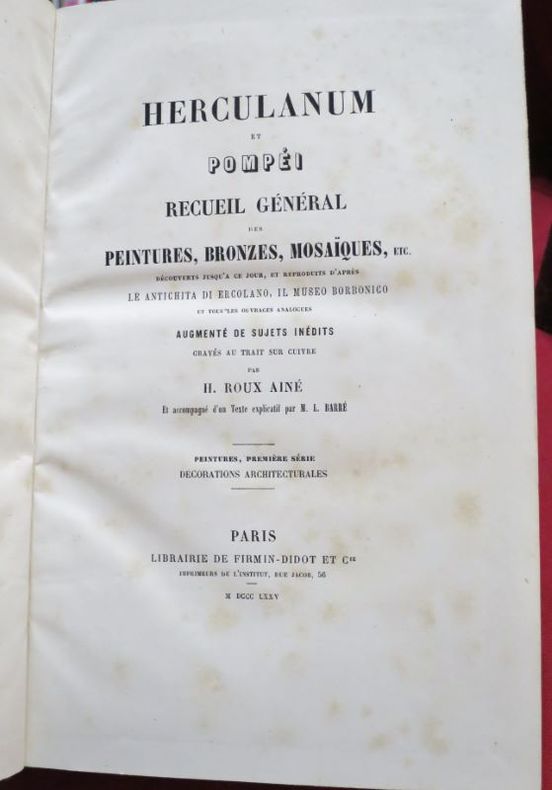
106393Paris, Librairie Firmin-Didot et Cie, 1875-1878, 8 volumes in-4 de 275x175 mm environ, de 100 à 250 pages par volume, cartonnage marbré avec titres dorés sur le dos, sur pièce de titre cognac. Complet des 794 planches (+ 6 bis), soit 800 planches. Rare ensemble complet des 8 tomes, le dernier concernant l'Erotica (Musée Secret) est très difficile à trouver. Des rousseurs, gardes brunies, un dos et une coupe accidentés, coiffes et mors frottés, l'impression est un peu plus claire sur certaines planches, sinon bon état.
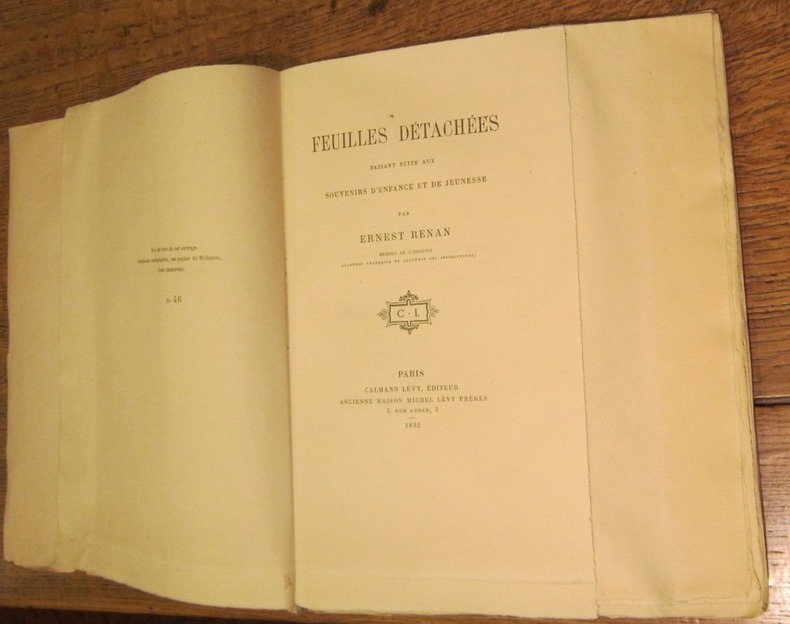
1892002820Paris, Calmann Lévy, 1892
18328313Neapel, Stamperia Reale, 1832. 1 Bl., 91, XXIV S. 11 (1 kolorierte) teils gefalt. Kupfertafeln. Kl.-4°. HLdr. der Zeit mit Rückentitel (fleckig, beschabt und etw. bestoßen).
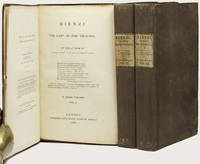
183534467London: Saunders and Otley 1835. 3 volumes. First Edition RARE in original printer's boards. With the half-titles present. 8vo original printer's gray pressed paper boards with original printed paper labels on the spines. xiii 302; 364; 356 4 ads pp. Rare in the publisher's original boards. The text very fresh through near to completely free of foxing and age one volume with a small amount of margin worming not effecting any text the bindings solid but with expected mellowing to the paper boards. RARE IN PRINTER'S BOARDS THIS SET IS IN FULL CONTEMPORARY STATE. Published only one year after what is largely considered the author's masterpiece THE LAST DAYS OF POMPEII. RIENZI is an historical novel based on Nicholas Gabrini de Rienzi who from a low and despicable situation raised himself to sovereign authority in Rome in the fourteenth century; assuming the title of Tribune and proposing to restore the ancient free republic. It is considered one of the best researched of the popular historical novels which so captivited the public of that era. A spectacular story of one of the heroes of the Italian Renaissance Edward Bulwer-Lytton personally reworked it into the 1842 libretto for the opera by the same title in which he collaborated with Richard Wagner. Saunders and Otley hardcover
Portfolio con sei finissime cromolitografie su disegni di Vincenzo Loria che mostrano alcuni scorci di Pompei. Senza data ma del 1890 circa. Vincenzo Loria (Salerno 1849-La Spezia 1939) pittore italiano specializzato nella pittura di genere e di paesaggio. Nella città natale iniziò a dedicarsi alla pittura sotto la guida del maestro francese Leon Richter, per poi studiare a Napoli presso l'Accademia di Belle Arti, dove, allievo di Domenico Morelli, si distinse per la padronanza acquisita nella tecnica dell'acquerello. Successivamente dipinse su commissione per amatori stranieri e ricchi galleristi, tra cui si ricorda Luigi Pisani, che acquistò numerose opere per la sua galleria fiorentina di Borgo Ognissanti. Nel 1890 Loria aprì a Napoli un'importante galleria d'arte che diventò presto uno dei punti di riferimento della scuola napoletana del secondo Ottocento. Lo studio di Loria era frequentato da illustri personalità italiane e straniere, non solo europee: nobili, industriali, politici. Antica nota manoscritta con titolo dell'incisione al verso (Casa Cornelio Rufo, Strada di Sepolcri, Casa Meleagro, Anfiteatro, Tempio di Venere, Foro civile).<BR><BR>Le incisioni montate su cartoncino sono contenute all'interno di un album privo di indicazioni editoriali tranne la scritta in oro Pompei al piatto anteriore In buone condizion Copertina in tela con titolo in oro al piatto anteriore in buone condizioni generali con lievi usure ai margini e dorso. Legatura assente. Dim. Incisioni 21,5x27 cm. Cartoncino 32,5x40,5 cm. Album 35x41 cm. Peso Kg. 1,400. Portfolio with six very fine cromolytographs after drawings of Vincenzo Loria featuring some views of Pompei. No date but of 1890 circa. Vincenzo Loria (1850 – 1939) was an italian painter, active mainly as a watercolor artist in Naples. Born in Salerno, he went to Naples and studied under professor Domenico Morelli, painting genre subjects sometimes in oil, but more commonly in watercolor. He exhibited at Turin, Milan, Venice, and yearly at the Naples Promotrice. Antique handwritten note with title of engraving in the verso (Casa Cornelio Rufo, Strada di Sepolcri, Casa Meleagro, Anfiteatro, Tempio di Venere, Foro civile). The engravings are mounted on cartonboard in a portfolio inside an album without editorial indications apart for the golden writing Pompei in the front plate. In good conditions. Cloth cover with golden title in the front plate in good general conditions lightly worn in the extremities. Binding lacks. Dim. Incisioni 21,5x27 cm. Cartoncino 32,5x40,5 cm. Album 35x41 cm. Weight Kg. 1,400.
187021956Paris Firmin-Didot et Cie 1870 in-8 bradel 8 volumes, reliure bradel (bradel binding) grand in-octavo (27,5 x 18,5 cm), dos long (spine without raised band), titre frappé or (gilt title), pièce de titre sur fond orangé (label of title) avec filet or (label of title with gilt line), haut du dos du tome 1 épidermé et coiffe supérieure du tome 8 manquante, recouvert de papier peigné (cover with painting paper) marron-clair et marron-foncé, toutes tranches non-rognées, RECUEIL GÉNÉRAL DES PEINTURES, BRONZES, MOSAIQUES, ETC..., découverts, jusqu'a ce jour, et reproduits d'après Le antichità di Ercolano, il Museo Borbonico et tous les ouvrages analogues augmenté de sujets inédits gravés au trait sur cuivre par H. Roux ainé et accompagné d'un texte explicatif par M. L. Barré (soit 794 planches hors-texte en noir), Comprend : T. I. "Peintures, 1ère sér. : décorations architecturales", 1870, (XXIII-134 p.-[108] f. de pl.) ; T. II. "Peintures, 2e sér. : compositions de plusieurs figures", 1870 (263 p.-[90] f. de pl.) ; T. III. "Peintures, 2e et 5e sér. : tableaux, paysages", 1870 (104, 49 p., pl.) ; T. IV. "Peintures, 3e sér. : figures isolées", 1870 (232 p.-[123] f. de pl.) ; T. V. "Peintures, 4e et 6e sér. : frises, mosaïques", 1870 (111, 45 p., pl.) ; T. VI. "Bronzes, 1ère sér : statues", 1870 (213 p.-[110] f. de pl.) ; T. VII. "Bronzes, 2e et 3e sér. : bustes, lampes", 1870 (230 p.-[100] f. de pl.) ; T. VIII. "Musées secrets", 1872 (230 p.-[60] f. de pl.), 1870-72 Paris : Firmin-Didot et Cie Editeurs,
Mm 230x295 Due volumi nella loro brossura originale con titolo al dorso e al piatto: vol. I, "Testo" di xi-507 pagine con 189 figure in nero nel testo; vol. II, "Tavole" con 65 tavole in nero e a colori. Leggere, tenui fioriture concentrate nel primo tomo, peraltro l'opera è in buone condizioni nelle sue legature ben salde.Spedizione i n 24 ore dalla conferma dell'ordine.
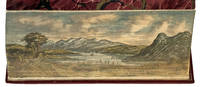
1868FF2551London:: Bell and Daldy 1868. 1868. Thick 8vo. xvi 579 1 pp. 277 woodcuts 8 illus. including frontispiece reattached and large folding plate at rear showing excavations at Pompeii; lacks facing tissue to frontispiece; occasional light foxing. With a handsome full crushed crimson morocco gilt rules surround corner fillets raised bands all edges gilt. Armorial bookplate of Lank. Very good. With a fine fore-edge painting in watercolors found hidden under the gold showing Lake 'Massawhippy' sic The Lake Massawippi Eastern Townships Quebec Canada is painted after an engraving by S. Bradshaw and published by George Virtue 1841 after a drawing by William Henry Bartlett. The image appeared in Bartlett's Canadian Scenery 1842. / This fore-edge painting has been in a private collection for an unknown period of time; the date painted is unknown but likely in the range of the 1960s or 1970s. Thomas Henry Dyer 1804-1888 was an English historical and antiquarian writer. Bell and Daldy, 1868. hardcover
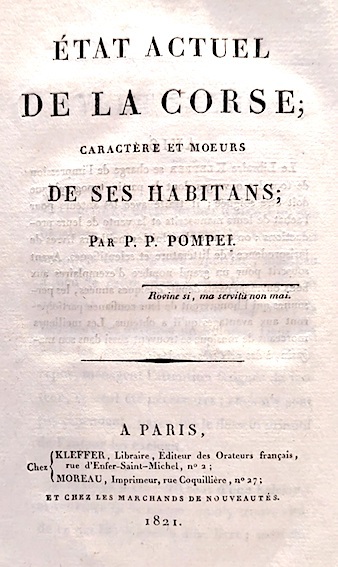
182114828Kleffer, Moreau Paris 1821 1 vol. In-8 broché de VI 316 pp., couverture muette, pièce de titre en papier.