Maria Luisa MarinaBiblio.com

11 815 résultats
A9789811421570Paperback / softback. New. paperback
ria9789811421570_inpPaperback. New. New Book; Fast Shipping from UK; Not signed; Not First Edition; Determining the presence of different types of toxic compounds or xenobiotics in food requires precise analytical methodologies. Examples of these techniques include separation techniques coupled to mass spectrometry Variations in me paperback
39840328-nnew. unknown
39840328like new. unknown
ria9780387922911_inpPaperback. New. New Book; Fast Shipping from UK; Not signed; Not First Edition; This groundbreaking work is an attempt at providing a conceptual framework to synthesize urban and ecological dynamics into a common framework. The greatest challenge for urban ecologists in the next few decades is to understand the rol paperback
ria9780387755090_inpHardcover. New. New Book; Fast Shipping from UK; Not signed; Not First Edition; N/A hardcover
2023x-3030781046Springer Nature 2023. Paperback. New. 542 pages. 9.25x6.10x1.10 inches. Springer Nature paperback
2023x-3030754820Springer Nature 2023. Paperback. New. 955 pages. 9.25x6.10x1.88 inches. Springer Nature paperback
2023x-3030780821Springer Nature 2023. Paperback. New. 513 pages. 9.25x6.10x1.04 inches. Springer Nature paperback
2006Q-1588435784Hunter Publishing NJ 2006-06-30. Paperback. New. New. In shrink wrap. Looks like an interesting title! Hunter Publishing (NJ) paperback
650956100Aviation Supplies & Academics Incorporated pp. 432 . Papeback. New. Aviation Supplies & Academics, Incorporated unknown
1994440869PN. New. 1994. Soft Cover. Date is original print. This is a reprint edition. . PN paperback
2008x-8792329047River Publishers 2008. Hardcover. New. 312 pages. 9.25x6.13x0.98 inches. River Publishers hardcover
5878880-nnew. unknown
5878880like new. unknown
2016x-3319462326Springer 2016. Hardcover. New. 328 pages. 9.25x6.25x1.00 inches. Springer hardcover
MA08C-03758Government Printing Office. Collectible - Good. S.l.: Government Printing Office 1949. Sm 4to. Unpaginated. Illus. Good book. Loose pages bound in three-ring cardboard binder. Binder edges frayed. From the library of American aeronautics author historian and curator Tom D. Crouch. airplanes recognition Inquire if you need further information. Government Printing Office unknown
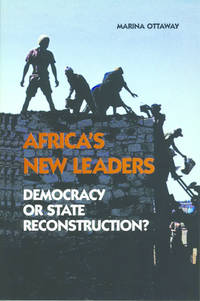
2000Q-0870031341Carnegie Endowment for Int'l Peace 2000-01-01. Paperback. New. In shrink wrap. Looks like an interesting title! Carnegie Endowment for Int'l Peace paperback
1951214131951. U.S. Navy boxing photographs May 1951 document organized athletic competition within the Navy during the early implementation of military desegregation and provide direct visual evidence of African American participation in structured sports programs shortly after federal policy changes mandated integration. Created three years after President Executive Order 9981 these images record both interracial competition and institutional oversight within a branch historically resistant to integration. The archive situates athletic competition within broader efforts to build morale discipline and cohesion during the Korean War era supporting research into African American military history civil rights and the role of sport within newly integrated armed forces.<br /> <br /> Nineteen black and white silver gelatin photographs each approximately 8 x 10 inches official U.S. Navy images with May 1951 date stamps on versos depicting a naval boxing tournament held in a military arena. The photographs capture multiple fight sequences including mid swing punches defensive movements and clinches along the ropes as well as referees supervising bouts and trainers assisting fighters between rounds. Several images emphasize moments of impact with gloves connecting and fighters reacting in real time while others depict pre fight preparation including a boxer in a satin robe receiving instruction before entering the ring. Group portraits show teams of sailors including both African American and white participants posed in uniforms and boxing attire alongside officials and referees underscoring the organized and institutional nature of the event.<br /> <br /> Produced during a period of active military engagement in the Korean War these photographs document the practical realities of integration within everyday military life where athletic competition functioned as both training and public demonstration of unit cohesion. The presence of interracial matches and group portraits reflects evolving racial dynamics within the Navy while the structured environment of the tournament reveals how sport operated as a controlled space for recognition and advancement amid ongoing inequality. As visual records these images preserve the intersection of race military policy and physical culture at a moment when federal mandates and lived experience were still in negotiation. Light surface wear and minor handling marks with clear images and strong contrast; overall condition very good. unknown
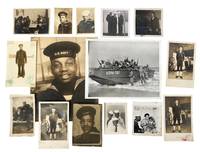
1920231621920. African American Military Service African American U.S. Navy photograph archive documenting naval service segregation training and enlisted social life from the interwar period through World War II with direct evidence of how Black sailors and Seabees moved through the Navy's expanding but racially divided wartime structure. The group centers on studio and snapshot portraits of Black servicemen in dress and work uniforms including several real photo postcards from the 1920s and a larger body of 1940s material tied to wartime service. A press photograph dated November 23 1942 anchors the archive within the Navy's 1942 expansion of Black enlistment into general service and the wartime organization of segregated Black Seabee battalions on the East Coast. Black men entered the Navy under long standing racial restrictions before broader wartime openings began in 1942 and Black Seabees remained largely segregated even as their labor and training became essential to amphibious and construction operations during the war.<br /> <br /> Photo archive of 14 silver gelatin photographs including 4 real photo postcards and one press photo various sizes ranging from 10 x 8 inches two 2 x 3 inches United States circa 1925 to 1940s. The most historically explicit image is a large Acme Newspictures press photograph showing Black Seabees disembarking from landing craft marked "USN 702" rifles raised as they train in surf; the typed caption on the verso reads in part "NEGRO SEABEES TRAIN IN LANDING OPERATIONS" identifies them as members of an "all Negro battalion" and bears the date November 23 1942. Other photographs shift from formal military portraiture to daily life: a large studio portrait of a smiling young Black sailor in a flat cap lettered "U.S. NAVY"; three interwar real photo postcards showing Black sailors in neckerchief jumper uniforms and in peacoat with flat cap one inscribed at front "Kansas City Mo" and "Adolphe J. Bell"; a headshot portrait with a cursive signature on the verso read as "Joe Louis"; three young sailors in white enlisted uniforms and white caps; three sailors posed indoors in dark dress uniforms; a mixed social table scene with ten people sharing food and drink including three Asian women and seven Black sailors in uniform; a domestic interior with a woman holding a child beside a sailor holding bottles; a casual image of a sailor in a recreation room with ping pong table; an outdoor snapshot near barracks or temporary buildings with servicemen and a dog; and a small vernacular image of three men one shirtless in tropical or warm weather surroundings. One real photo postcard is inscribed "Just to remember a pal - Stanely" and addressed to Lloyd S. Miller 219 Lexington St. Covington Virginia. Navy uniform history supports the archive's span across prewar and wartime decades from the flat hat and peacoat combinations in the earlier portraits to the white "dixie cup" caps and wartime enlisted uniforms in the later snapshots.<br /> <br /> The archive places Black naval service in view across two linked periods: the constrained interwar Navy when Black sailors were sharply limited by race and the wartime Navy after April 1942 when the service broadened Black enlistment while preserving segregation across much of its structure. Formal self presentation in studio portraiture named personal exchange through inscription and mailing address interracial or cross cultural off duty sociability at table domestic visitation barracks life recreation and a news service image of East Coast landing operations training. The 1942 Seabee press photo connects the personal photographs to a larger wartime system in which Black sailors were admitted into expanded service categories yet still sorted into segregated units and labor formations a tension now central to institutional collecting on African American military history and the history of segregation within federal service. Light to moderate wear throughout including edge wear creasing toning small losses corner softening surface abrasions and scattered staining; several images with fading or silvering and the press photo with caption label and agency stamp on verso. Overall in good condition. A compact concrete record of Black naval life before and during World War II with one dated press image and multiple inscribed vernacular portraits grounding the archive in both military policy and personal experience. unknown
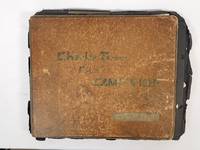
1943189541943. African American MilitaryWWII Black soldier's World War II photograph album ca. 1940s documenting the service of Charles Turner who trained at Camp S-101 Pennsylvania and deployed with an all-Black Navy unit in the Pacific Theater. Created during the era of segregated armed forces the album captures the lived experience of Black military personnel serving in Melanesia Papua New Guinea the Philippines and at least one image from Bougainville during the Allied Pacific campaigns from 1943 through 1945. The photographs document Turner and his fellow servicemen within the broader history of African American participation in World War II when over one million Black men and women served in segregated units while confronting racial discrimination at home and abroad. Images of troop landings encampments and base infrastructure including a sign dedicating "Marine Drive" to the "Fighting Marines" built by the 53rd Navy Combat Battalion 1st Marine Amphibious Corps place the album within the operational geography of the South Pacific campaigns. The inclusion of photographs depicting Japanese soldiers Allied convoys and the aftermath of combat underscores the immediacy of frontline and occupation experiences while the presence of tightly composed group portraits many captioned with the names of fellow servicemen reveals networks of camaraderie within segregated Black units.<br /> <br /> Disbound photo album with stiff leatherette boards separated. 113 black-and-white silver gelatin photographs mounted across 28 album pages accompanied by approximately 30 loose photographs. Images vary in size and include formal and informal group portraits scenes of military landings and equipment base life interactions with Melanesian and Polynesian civilians and photographs of Japanese soldiers and civilians in occupied settings. Approximately one-third of the images document life in the United States including photographs of African American friends fellow servicemen and family members providing visual evidence of Black community life during the 1940s. A later letter from an individual identified as Delores expressing familial concern and referencing the inclusion of "Kennedy halves" to assist with food purchases accompanies the album extending its temporal scope into the postwar period and reflecting the economic and emotional networks sustaining veterans and their families.<br /> <br /> Album pages chipped and worn with boards detached; mounting surfaces fragile. Photographs generally sharp with strong contrast; minor edge wear and light handling evident on some prints. Loose photographs well preserved. Overall condition good with photographic contents very good. As a cohesive visual record of African American military labor in the Pacific Theater alongside documentation of Black civilian life during and after the war the album offers substantial research value for the study of segregated service wartime racial dynamics and mid-twentieth-century African American community history. unknown
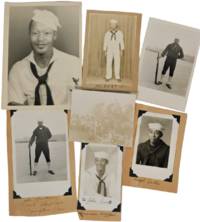
1945191881945. African American U.S. Navy sailors photographed during World War II document the service of Black enlisted men in the segregated naval forces of the United States during the global conflict of 1939-1945. Eleven photographs depict African American sailors in uniformsome of them have signed their names below their images including multiple images of recruit George Bailey Brooks stationed at Great Lakes Naval Training Station near Chicago one of the principal training centers for Black naval recruits during the war. The photographs record both formal studio portraits and candid scenes of naval life providing visual evidence of Black participation in the wartime Navy at a moment when most leadership and combat roles remained racially restricted despite the rapidly expanding wartime demand for manpower.<br /> <br /> Eleven silver gelatin photographs showing African American sailors in U.S. Navy uniforms during the World War II era. Photographs measure approximately 4 x 3.25 inches to 8 x 10 inches and include a mixture of studio portraits and informal service photographs. Four photographs depict sailor George Bailey Brooks at Great Lakes Naval Training Station including three portrait images and one image of Brooks standing upright in uniform holding a training rifle. One portrait bears the date Aug 4 1945. Five photographs remain mounted to fragments of tan album paper on the verso suggesting removal from an earlier family or personal album. Additional images show young sailors posed at attention with training rifles and one photograph depicts a mixed gathering of white and Black sailors aboard a ship watching a band performance featuring three Black musicians playing double bass piano and guitar.<br /> <br /> World War II transformed the scale of African American participation in the U.S. Navy although the service remained largely segregated in both training and assignment. Training installations such as Great Lakes Naval Training Station became major entry points for Black recruits and also hosted the first class of Black naval officers known as the "Golden Thirteen" commissioned in 1944 after training at the base. Most Black sailors during the war were initially assigned to steward or service roles though the demands of the Pacific War led to expanded participation in construction battalions logistics units and specialized technical assignments such as the Seabees. The photographs of Brooks and other sailors in uniform capture this transitional moment in naval history when African Americans were entering naval service in unprecedented numbers while still confronting institutional segregation that would remain in place until President Harry S. Truman ordered desegregation of the armed forces in 1948 through Executive Order 9981. Eleven photographs ranging in size from approximately 4 x 3.25 inches to 8 x 10 inches. Light handling wear and minor age toning typical of mid twentieth century photographs. Overall condition very good. unknown
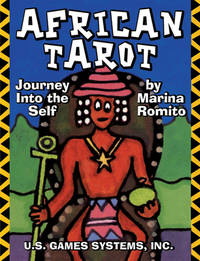
2002Q-1572810203U.S. Games Systems Inc 2002-04-16. Cards. New. In shrink wrap. Looks like an interesting title! U.S. Games Systems Inc unknown
1986HVD-52501-A-0New York NY: Africana Pub. Good with no dust jacket. 1986. Second Edition. Hardcover. 270 pages; Ex-Library copy with usual identifiers. Good condition otherwise. No other noteworthy defects. No markings on text pages. ; - Your satisfaction is our priority. We offer free returns and respond promptly to all inquiries. Your item will be carefully cushioned in bubble wrap and securely boxed. All orders ship on the same or next business day. Buy with confidence. . Africana Pub hardcover
2016126712Lars Müller. New. 2016. Paperback. 3037785209 . FREE UPGRADE to Courier/Priority Shipping Upon Request - IN STOCK AND IMMEDIATELY AVAILABLE FOR SHIPMENT - Flawless copy brand new pristine never opened. Text in English with one portion in Norwegian as well-- with a bonus offer-- . Lars Müller paperback