Rados, AntoniaAntiquariat.de

827 résultats
138881Wien : Brandstätter, 2022. 1. Auflage; 327 S. mit zahlreichen Abbildungen; 22 cm; gebunden, Orig.-Pappband mit Original-Schutzumschlag;
1973292VARANASI. DELHI. INDOLOGICAL BOOK HOUSE. 1973. IN-8 DE VI + 124 PAGES, RELIURE DE L'EDITEUR PERCALINE BEIGE, TITRE DORE SUR DOS LISSE. ILLUSTRE DE 17 PLANCHES HORS-TEXTE. PETITS DEFAUTS EXTERIEURS SANS GRAVITE, SINON BON EXEMPLAIRE.
Very Good Turkish Paperback. Cr. 8vo. (19 x 12 cm). In Turkish and Uzbek. 189 p. Erges Uçkun ve yurt kosuglari. Ersh Khanoglu Uçkun, (1927-2009) was a poet with Uzbek origin living presently in the United States.
19731408488Ithaca: Cornell University Press 1973. Hardcover. Octavo xvii 318 pages. In Good condition with a Fair plus dust jacket. Spine is tan with blue print. Dust jacket is grey with blue and black print; toning to spine peripheral toning slight edge wear blemish on rear panel. Boards in blue cloth; light wear to spine caps and corners. Text block has bookplate on front pastedown. Illustrated: b&w photographs. Inscribed in ink by the author on the front flyleaf. <br /> <br /> NOTE: Shelved in Netdesk Column Z. 1408488. FP New Rockville Stock. Cornell University Press hardcover
Milano, 1980, 8vo stralcio con copertina posticcia muta, pp. 68/77 con 13 illustrazioni (di cui 6 a piena pagina) . - !! ATTENZIONE !!: Con il termine estratto (o stralcio) intendiamo riferirci ad un fascicolo contenente un articolo, completo in se, sia che esso sia stato stampato a parte utilizzando la stessa composizione sia che provenga direttamente da una rivista. Le pagine sono indicate come "da/a", ad esempio: 229/231 significa che il testo è composto da tre pagine. Quando la rivista di provenienza non viene indicata é perché ci è sconosciuta. - !! ATTENTION !!: : NOT A BOOK : “extract” or “excerpt” means simply a few pages, original nonetheless, printed in a magazine. Pages are indicated as in "from” “to", for example: 229/231 means the text comprises three pages (229, 230 and 231). If the magazine that contained the pages is not mentioned, it is because it is unknown to us.
19858253Laffont, 1985, in-8°, 249 pp, 32 pl. de documents hors texte, broché, bon état
1998121337éditions du Félin, coll. « Biographie » 1998 In-8 broché 24,0 cm sur 16,0. 304 pages. Très bon état d’occasion.
33520Paris, Editions du Félin/ARTE, 2001. 16 x 24, 302 pp., nombreuses photos en N/B, broché, très bon état.
52140Robert Laffont 2001, in-8 broché, 318 p. (très bon état ; épuisé) Cahiers photos. Les auteurs relatent ici leur longue enquête en Afghanistan, au lendemain du retrait des troupes soviétiques, après un conflit qui bouleversa en profondeur la société afghane et coûta la vie à plus d'un million et demi d'Afghans.
2003200484Herder, 2003. 223 S. Hardcover mit Schutzumschlag
2002100472[München] : Ullstein, 2002. Orig.-Ausg., 1. Aufl.; 159 S. mit zahlreichen Abbildungen; 18 cm; OKart. (Taschenbuch);
197824382Kabul, Universität und Industrieverwaltungsinstitut, 1978. 4 n.n. Bll., 241 SS. Kl.-8° (ca. 13,5 x 11 cm), rote original Broschur, Rücken und Einbanddeckel schwarz bedruckt.
br. In questo libro ci sono le voci e le storie di persone che vivono in mezzo ad un feroce conflitto tra disperazione, sorprendente resilienza e voglia di guardare al futuro. In Afghanistan la guerra non è finita dopo il ritiro del grosso delle truppe occidentali nel 2014, come invece il grande pubblico è spinto a credere dal silenzio dei media e della politica. Nonostante i miliardi spesi e le vite sacrificate dall'Occidente (Italia compresa) per un conflitto più lungo della Seconda guerra mondiale, l'Afghanistan è nel caos: il numero di vittime civili ha raggiunto il suo massimo storico, la produzione di oppio non è mai stata così alta, il corrotto governo "democratico" controlla solo metà del territorio, gli americani sono pronti a riconsegnare il Paese ai talebani; gli afghani sono pronti ad una nuova grande fuga verso l'estero.
2002AFGHANISTAN1211Adam Biro, 2002, 23 x 27, 224 p. br. sous couverture souple rempliée illustrée. Photographies n&b.
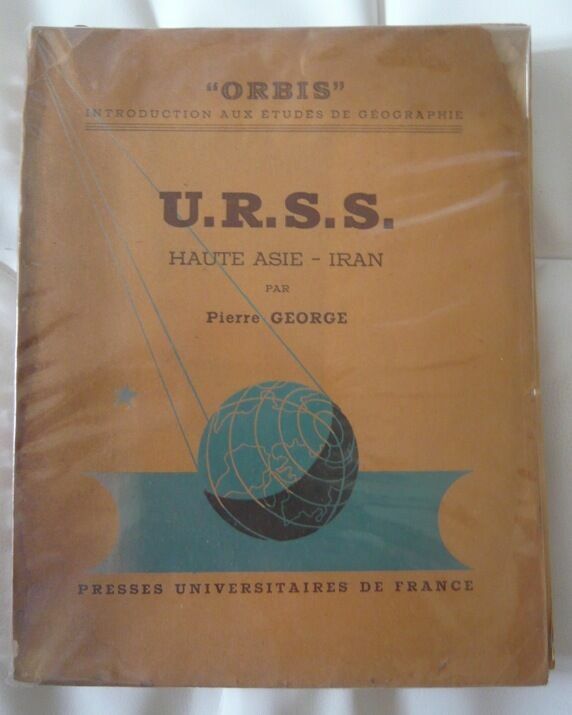
194758691947. Paris Presses Universitaires de France coll. « Orbis » 1947 - Broché 19 cm x 24 cm 534 pages 51 cartes + 36 photographies sur 16 planches hors-texte - Texte de Pierre George - Couv. recollée état correct - Contenu: LE MILIEU PHYSIQUE (225 pp.) : I. Le Schéma Structural et les Types de Relief : 1/ La Zone Eurasiatique et la Haute-Sibérie : a/ La partie européenne de l'URSS : Les grandes lignes de l'architecture. L'élaboration du relief. Les grandes régions morphologiques. b/ L'Oural et la Sibérie Occidentale : La zone hercynienne de l'Oural. Le relief appalachien de l'Oural. La Sibérie occidentale. c/ La Haute-Sibérie. 2/ Chaînes de Plissement Carpates Orientales Crimée Caucase et Arménie Asie Centrale et Exrême-Orient : a/ Les plissements méridionaux. b/ Les montagnes d'Asie centrale et leur avant-pays : La Haute-Asie centrale. La dépression aralo-caspienne. c/ Les montagnes d'Extrême-Orient. II. L'Atmosphère et les Eaux Courantes : 1/ Les Phénomènes Climatiques : a/ Ampleur des phénomènes barométriques et climatiques en général. b/ Les domaines climatiques. 2/ Les Régimes Fluviaux : a/ Le domaine occidental entre Vistule et Oural. b/ Les fleuves sibériens. c/ Le régime des eaux en Asie Centrale. III. Les Problèmes de l'Arctique : 1/ Le Domaine Arctique : a/ Le problème de la connaissance. b/ Le bassin polaire. 2/ Esquisse de Morphologie Arctique : a/ L'héritage du passé géologique. b/ Les conditions actuelles de l'évolution morphologique. c/ L'évolution du relief. IV. Peuplement Végétal et Milieux de VIe : 1/ Zones et Types de Végétation : a/ La question des sols. b/ Toundras et forêts. c/ Steppes ou prairies ? Les montagnes. 2/ Les Cadres de la Vie Humaine : les Paysages : a/ Régions naturelles ou paysages. b/ Paysages de la forêt et de la steppe. Russie et Sibérie occidentale. c/ Les noyaux de vie en Asie centrale en Haute-Sibérie en Extrême-Orient. d/ Paysages montagnards. L'ORGANISATION DE LA VIE HUMAINE (213pp.) : 1. Les Peuples de l'Union Soviétique : a/ Les données de l'Histoire : le peuplement et la formation de l'Etat Russe. b/ Les données de la statistique. 2/ L'Organisation de l'Economie. 3/ L'Agriculture : a/ Terres de culture et terres d'élevage. b/ Les méthodes d'exploitation. c/ Principaux groupes régionaux de cultures. La production agricole de l'URSS. d/ Les problèmes de l'élevage et la pêche. e/ Les industries alimentaires. 4/ L'Industrie. Les Matières Premières : a/ L'industrialisation de l'URSS. b/ Les sources d'énergie. c/ Les matières premières. 5/ L'Industrie. Le Développement Industriel et la Répartition Géographique de l'Industrie : a/ L'industrie métallurgique. b/ Industries légères et industries diverses. c/ L'Artisanat. 6/ L'Habitat : a/ L'habitat rural. b/ La ville soviétique. c/ Villes de l'URSS. 7/ Transports et Echanges Commerciaux : a/ Problèmes de relations. b/ Les voies de communications. c/ Le commerce extérieur. 8/ La Guerre. La Reconstruction : a/ Les plaies de la guerre. b/ L'effort de guerre. c/ La restauration des régions libérées. d/ Le IVe Plan quinquennal. ESQUISSE DE DIVISIONS REGIONALES (46 pp.) : Diversité de la Vie Régionale : 1/ Les Régions Européennes. 2/ Régions Naturelles et Milieux de Vie en Asie : a/ Oural et Sibérie. b/ Caucase. c/ L'Asie centrale. LES PAYS DE PLATEAUX DE L'ASIE CENTRALE ET DE L'IRAN (16 pp.) : 1/ La Haute-Asie : a/ Description topographique et hypothèses tectoniques. b/ L'organisation de la vie. 2/ Iran ; Afghanistan : a/ Le Milieu Géographique. b/ De l'Antiquité à l'époque du pétrole
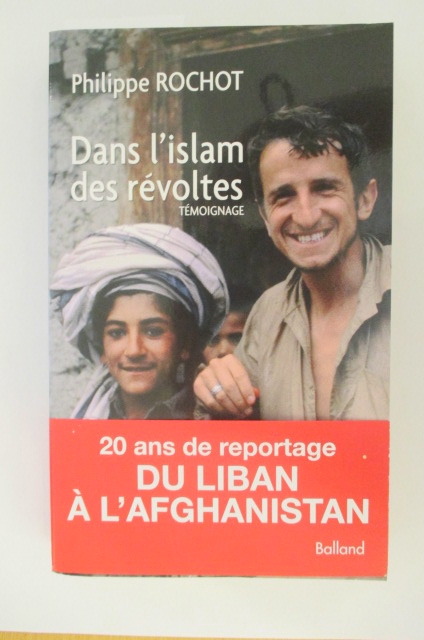
SCH128M2010 / 284 pages. Broché Editions Balland
192712153Hachette, 1927, 2 vol. in-12, 252 et 243 pp, brochés, couv. illustrées, bon état, envoi a.s.
Light foxing to textblock and prelims. Light chipping to base of spine. Minor shelfwear. Former owner's name on ffep. ; 25 illustrations ( b/w photoplates and a map of the North-West Frontier Province) ; 324 pages
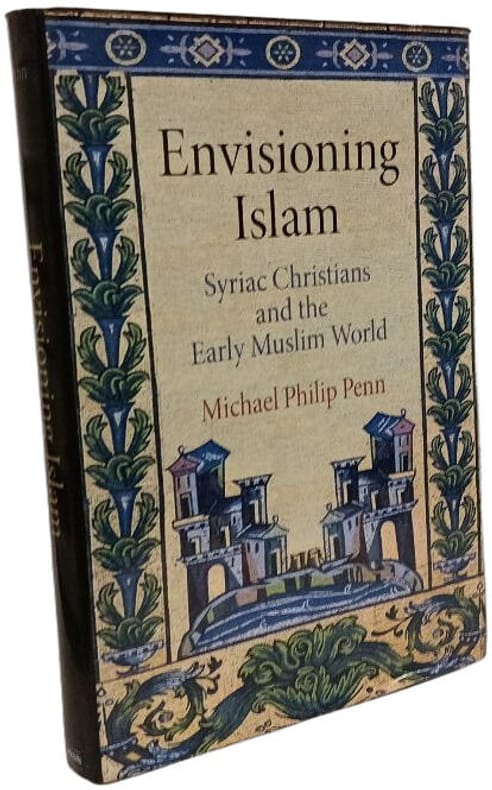
2015100150820University of Pennsylvania Press 2015 304 pages 16 2x23 5x3 1cm. 2015. Cartonné jaquette. 304 pages.
br. All'aeroporto di Kabul grandi cartelloni colorati, in lingua inglese, danno il benvenuto 'nella terra degli uomini coraggiosi'. Forse è l'unica iscrizione autentica, voluta dalle autorità afgane, in mezzo ai riti della sicurezza imposti dagli occidentali dentro quell'edificio. È un avvertimento più che una garanzia, il proclama che lì non abita gente docile. La tradizione ricorda che questo paese da secoli è l'orgoglioso e turbolento 'cimitero degli imperi', o meglio degli eserciti imperiali. Dopo oltre trenta anni di macerie l'Afghanistan è un mondo dissociato tra aquiloni e kalashnikov, tra giardini segreti curati con amore e attentati brutali, continui, tra vendette tribali e nevrosi del mondo digitale. Per la burocrazia internazionale qui sei afgani uccisi possono valere come due pecore. Nel carcere di Kandahar i prigionieri si sono cuciti da soli le labbra per protestare contro le guardie corrotte. Qui lo stesso commando americano che ha catturato Bin Laden, l'élite del primo esercito al mondo, ha perso parte dei suoi uomini in un attacco dei talebani malnutriti e malvestiti. Ma nelle valli del Badakhshan altri integralisti non hanno mai sfiorato sessanta nuove scuole femminili. A Kabul un libraio analfabeta ha salvato libri introvabili, e oggi un giovanissimo profugo afgano studia in Europa i robot applicati alle neuroscienze. Queste pagine raccontano senza pregiudizi storie di vita autentiche e inattese, ambientate in un paese che avremmo voluto conoscere da tempo.
199421643Thames and Hudson and Rhodos International, (1994). OKart. OU. 266 S. 4°. Mit zahlr. tls. farb. Abb. Gut erhalt.
(Estr. da Rassegna naz.).<BR> 8°, pp.18-2 bb., t. tela recente, conserva la br.ed. Invio autogr dell'Aut.
The star of the film Kandahar.Nelofer Pazira was born into a privileged family living in Kabul. When she was six, the Russians invaded Afghanistan and her childhood ended. Her father, a respected doctor, was imprisoned along with family and friends. Their country became a police state and the centre of a * conflict between the Soviet army and the American-backed guerillas.Amid the blood and fear of war, Nelofer's refuge from violence and anger was her friendship with Dyana. Together they shared their lives, their passion for poetry and the dangers of underground resistance.After a decade of war, Nelofer's family escaped across the mountains to Pakistan and from there to Canada, where she continued her friendship with Dyana through letters. When her friend suddenly stopped writing, Nelofer felt bereft. Her * to Afghanistan under the Taliban and her desperate search for Dyana became the story of the internationally acclaimed film Kandahar. Her journey to discover Dyana's tragedy led her finally to Russia, to the country that destroyed her life, where she found a nation imprisoned by its own history.Nuanced, affecting and stunningly written, A Bed of Red Flowers is a gripping portrait of ordinary life under occupation and an illuminating window onto the devastation of a country and the resilience of its people.408p.llus index Signed on tirle page Book