GAULMIER JeanLivre Rare Book
1 303 résultats
194432402Couverture souple. Broché. 60 pages. Rousseurs à la couverture.
194432403Couverture souple. Broché. 60 pages. Tache de rouille à la couverture.
pp. 195-272. Illustrated with photographs. Tall 8vo. Original pictorial wraps. Nice copy. PA PAMPH 20_21 BX7
1895ZNF-583Trois volumes, Librairie Hachette et Cie 1895, 1897 et 1899; Reliure demi-cuir à coins. Tome 1 : Les Origines - Égypte et Chaldée / Tome 2 : Les Premières mêlées - Des peuples / Tome 3 : Les Empires.
Firenze, IGM, 1978, 8vo stralcio con copertina posticcia muta, pp. 321/344 con numerose illustrazioni fotografiche. - !! ATTENZIONE !!: Con il termine estratto (o stralcio) intendiamo riferirci ad un fascicolo contenente un articolo, completo in se, sia che esso sia stato stampato a parte utilizzando la stessa composizione sia che provenga direttamente da una rivista. Le pagine sono indicate come "da/a", ad esempio: 229/231 significa che il testo è composto da tre pagine. Quando la rivista di provenienza non viene indicata é perché ci è sconosciuta. - !! ATTENTION !!: : NOT A BOOK : “extract” or “excerpt” means simply a few pages, original nonetheless, printed in a magazine. Pages are indicated as in "from” “to", for example: 229/231 means the text comprises three pages (229, 230 and 231). If the magazine that contained the pages is not mentioned, it is because it is unknown to us.
In 8 (cm 15 x 22), pp. 32. Brossura editoriale con lievi mancanze al margine inferiore del piatto posteriore. Resoconto del viaggio in Oriente fatto da un gruppo di persone partite da Milano nell'anno 1874. L'opuscolo riporta, con errore di stampa, la data 1872 (ma con tutta probabilita' 1877). L'autore e' padre Gaetano Rizzi, uno dei membri della comitiva, fra gli altri partecipanti vi erano: Antonio Stoppani, professore di geologia, l'avvocato inglese Norman Basalget, il conte Lumiares Falco' Quanito, Don Antonio Ceroli della Biblioteca Ambrosiana e altri...Antonio Stoppani dara' il suo personale resoconto del viaggio nel libro intitolato "Da Milano a Damasco. Ricordo di una carovana milanese" pubblicato nel 1888 in cui descrisse usi e costumi delle popolazioni incontrate oltre a paesaggio e alla morfologia dei territori visitati. In questo breve saggio, Gaetano Rizzi comincia il suo racconto da Damasco, poi lo spostamento da Damasco a Beirut passando per Baalbek con il resoconto dell'incidente occorso a Stoppani: un cavallo della carovana colpisce con un calcio la gamba di Stoppani durante la traversata del deserto. Stoppani viene aiutato e medicato da alcuni Turchi del luogo, quindi la carovana si divide: Stoppani ed altri rientrano a Damasco, alcuni proseguono il viaggio.
Mm 155x230 Collana "I volti della storia". Volume cartonato rigido di 217 pagine, alcune illustrazioni in bianco e nero fuori testo, sovraccoperta editoriale. Esemplare in ottime condizioni. SPEDIZIONE IN 24 ORE DALLA CONFERMA DELL'ORDINE.
Very Good English Original gold-tones albumen photograph from 'Holy Land pictures', London, 1870. Oblong folio. (30,5 x 38 cm); photographic image size: 15x20 cm. Descriptive text in English ( Baalbec, and the Lebanon range. This city may possibly have been built by King Solomon. "And Solomon built Balalath (Baalbek) and Tadmor in the wilderness (Palmyra)", I Kings ix, 18.). Frank Mason Good, born 1839 in Deal, Kent, began his photographic career as an assistant to photographer Francis Frith. Good is known to have been active during the 1860s and 1870s. He lived most of his life at Phoenix Green, Hartley Wintney, (and died there on 28th June 1928) but had studios in London and Brighton. In 1870 he married Margaretta Teape at St Mark, Goodman's Fields. Following Margaretta's death (on 29th December 1904) he married his second wife, Jessie Emily Waghorn, in 1906, at Hartley Wintney. He is best known for his stereographic photographs of the Near East, and it was Frith who sponsored Good's first trip there. Other geographic locations captured by Good include Spain, Greece, and the Isle of Wight. Frank Mason Good is best known for his series of views of the Middle East taken on four separate tours of the area in the 1860s and 1870s. He first traveled to Egypt as an assistant to Francis Frith in late 1857. He joined the Photographic Society in 1864, and in 1880 served as a judge of its annual exhibition. He lived at Hartley Wintney, Winchfield, Hampshire.
Very Good English Original gold-tones albumen photograph from 'Holy Land pictures', London, 1870. Oblong folio. (30,5 x 38 cm); photographic image size: 15x20 cm. Descriptive text in English. (Nazareth, from the East, with the Well of the Virgin. In this neighborhood, our Lord and Savior Jesus Christ spent nearly thirty years of his life: And over these "Sacred Acres" often roamed "Those blessed feet that once were nailed, for our advantage to the bitter cross.".). Frank Mason Good, born 1839 in Deal, Kent, began his photographic career as an assistant to photographer Francis Frith. Good is known to have been active during the 1860s and 1870s. He lived most of his life at Phoenix Green, Hartley Wintney, (and died there on 28th June 1928) but had studios in London and Brighton. In 1870 he married Margaretta Teape at St Mark, Goodman's Fields. Following Margaretta's death (on 29th December 1904) he married his second wife, Jessie Emily Waghorn, in 1906, at Hartley Wintney. He is best known for his stereographic photographs of the Near East, and it was Frith who sponsored Good's first trip there. Other geographic locations captured by Good include Spain, Greece, and the Isle of Wight. Frank Mason Good is best known for his series of views of the Middle East taken on four separate tours of the area in the 1860s and 1870s. He first traveled to Egypt as an assistant to Francis Frith in late 1857. He joined the Photographic Society in 1864, and in 1880 served as a judge of its annual exhibition. He lived at Hartley Wintney, Winchfield, Hampshire.
Very Good English Original gold-tones albumen photograph from 'Holy Land pictures', London, 1870. Oblong folio. (30,5 x 38 cm); photographic image size: 15x20 cm. Descriptive text in English. (Shechem (Nablus), between Ebal and Gerizim Shechem (Nablus), between Ebal and Cerizim: This was Abraham's first halting-place, Gen. xii. 6; Here Jacob settled and bought a piece of land, Gen, xxxiii, 19; Here Joshua assembled the people just before his death, Josh, xxiv; And here the ten tribes rebelled against Rehoboam, 1 Kings xii.). Frank Mason Good, born 1839 in Deal, Kent, began his photographic career as an assistant to photographer Francis Frith. Good is known to have been active during the 1860s and 1870s. He lived most of his life at Phoenix Green, Hartley Wintney, (and died there on 28th June 1928) but had studios in London and Brighton. In 1870 he married Margaretta Teape at St Mark, Goodman's Fields. Following Margaretta's death (on 29th December 1904) he married his second wife, Jessie Emily Waghorn, in 1906, at Hartley Wintney. He is best known for his stereographic photographs of the Near East, and it was Frith who sponsored Good's first trip there. Other geographic locations captured by Good include Spain, Greece, and the Isle of Wight. Frank Mason Good is best known for his series of views of the Middle East taken on four separate tours of the area in the 1860s and 1870s. He first traveled to Egypt as an assistant to Francis Frith in late 1857. He joined the Photographic Society in 1864, and in 1880 served as a judge of its annual exhibition. He lived at Hartley Wintney, Winchfield, Hampshire.
196854326Julliard, 1968, in-8°, 318 pp, brève biblio, chronologie, cart. éditeur, jaquette illustrée, marques au crayon dans les marges, qqs soulignures stylo, bon état
2006LFA-126733915Un ouvrage de 150 pages, format 120 x 210 mm, illustré, broché couverture couleurs, publié en 2006, Impr. Chemaly, bon état
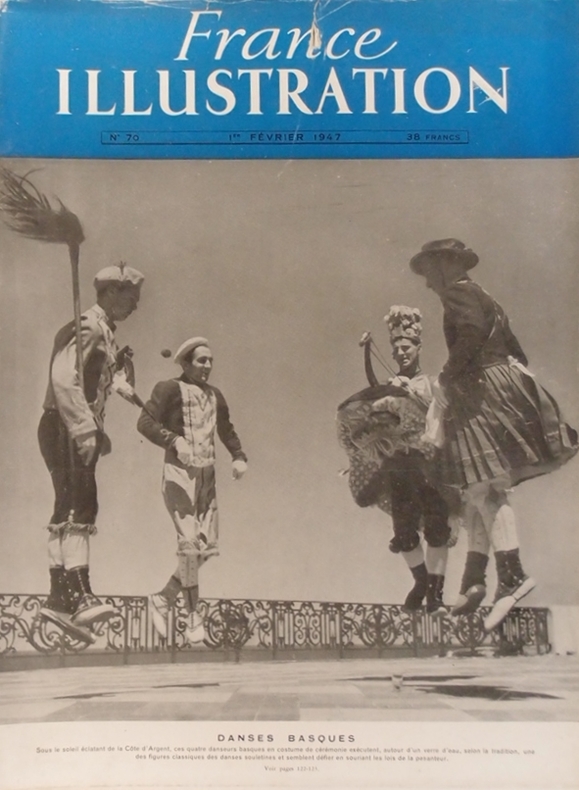
1947123039Couverture souple. Numéro complet. Environ 30 pages. 29 x 38 cm.
1996PROCHEORIENT854780915Paris, Casterman, 1996, 27 x 26,5, 285 pages sous reliure éditeur toilée et jaquette illustrée. Photographies sépia.
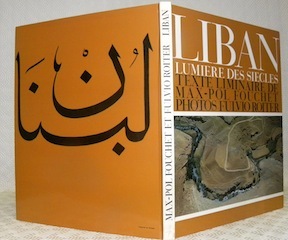
64441Lausanne, Clairefontaine 1967, 285x225mm, 127pages, cartonnage de l’éditeur.
7557Lausanne, La Guilde du Livre 1967, 285x225mm, 127pages, cartonnage de l’éditeur.
In-4, 127p. Edition originale numérotée. Illustré de photographies n/b et couleurs de Fulvio Roiter. A l'état de neuf.
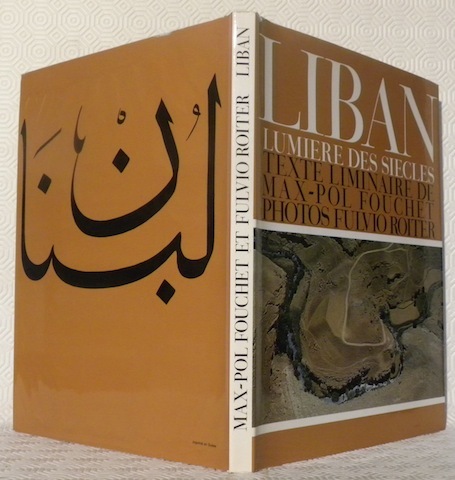
1967WOC-2050Texte liminaire de Max-Pol Fouchet. Photos Fulvio Roiter. Lausanne, La Guilde du Livre et Clairefontaine, 1967. In-4 (28,5x22,5cm) cartonnage éditeur illustré. 127pp.
1821187881821 Broché - 18 x 21 - 107 pp - année 1984 - Editions de l'Etoile - illustrations - Collection Ecrit sur l'image -
Firenze, 1994, 8vo stralcio con copertina posticcia muta, pp. 434/459 con numerose illustrazioni e tavole fotografiche in nero e a colori. - !! ATTENZIONE !!: Con il termine estratto (o stralcio) intendiamo riferirci ad un fascicolo contenente un articolo, completo in se, sia che esso sia stato stampato a parte utilizzando la stessa composizione sia che provenga direttamente da una rivista. Le pagine sono indicate come "da/a", ad esempio: 229/231 significa che il testo è composto da tre pagine. Quando la rivista di provenienza non viene indicata é perché ci è sconosciuta. - !! ATTENTION !!: : NOT A BOOK : “extract” or “excerpt” means simply a few pages, original nonetheless, printed in a magazine. Pages are indicated as in "from” “to", for example: 229/231 means the text comprises three pages (229, 230 and 231). If the magazine that contained the pages is not mentioned, it is because it is unknown to us.
Reli?. 173 pages. Jaquette. 29 x 27 cm.
Firenze, (1965) 8vo stralcio con copertina posticcia muta, pp. 178/186 con una tavola. - !! ATTENZIONE !!: Con il termine estratto (o stralcio) intendiamo riferirci ad un fascicolo contenente un articolo, completo in se, sia che esso sia stato stampato a parte utilizzando la stessa composizione sia che provenga direttamente da una rivista. Le pagine sono indicate come "da/a", ad esempio: 229/231 significa che il testo è composto da tre pagine. Quando la rivista di provenienza non viene indicata é perché ci è sconosciuta. - !! ATTENTION !!: : NOT A BOOK : “extract” or “excerpt” means simply a few pages, original nonetheless, printed in a magazine. Pages are indicated as in "from” “to", for example: 229/231 means the text comprises three pages (229, 230 and 231). If the magazine that contained the pages is not mentioned, it is because it is unknown to us.
In 4°; XX, 196, (1), (90) pp. Brossura editoriale, piccola mancanza al amrgine basso del dorso. Prima edizione di questo interessante sudio del noto professore di lettere e noto conoscitore e traduttore dall'arabo che insegnò a lungo a Bordeaux, Michel Feghali. L'opera raccoglie numeorse leggende, canti e costumi popolari del Libano e della Siria. Le ultime 90 pagine contengono il testo arabo originale di diverse leggende e canti. Esemplare in buone-ottime condizioni di conservazione.
Milano, 1957, stralcio con copertina posticcia muta, pp. 49/68 con fotografie, tavole fotografiche ed una cartina. - !! ATTENZIONE !!: Con il termine estratto (o stralcio) intendiamo riferirci ad un fascicolo contenente un articolo di rivista, sia che esso sia stato stampato a parte utilizzando la stessa composizione sia che provenga direttamente da una rivista. Le pagine sono indicate come "da/a", ad esempio: 229/231 significa che il testo è composto da tre pagine. Quando la rivista di provenienza non viene indicata é perchè ci è sconosciuta. - !! ATTENTION !!: : NOT A BOOK : “estratto” or “stralcio” means simply a few pages, original nonetheless, printed in a magazine. Pages are indicated as in "from” “to", for example: 229/231 means the text comprises three pages (229, 230 and 231). If the magazine that contained the pages is not mentioned, it is because it is unknown to us.
1377320Paris: Publisud, 1995 in-8, 294 pages. Broché, bon état d'occasion.