DUVAL (Pierre).Livre Rare Book
18 204 résultats
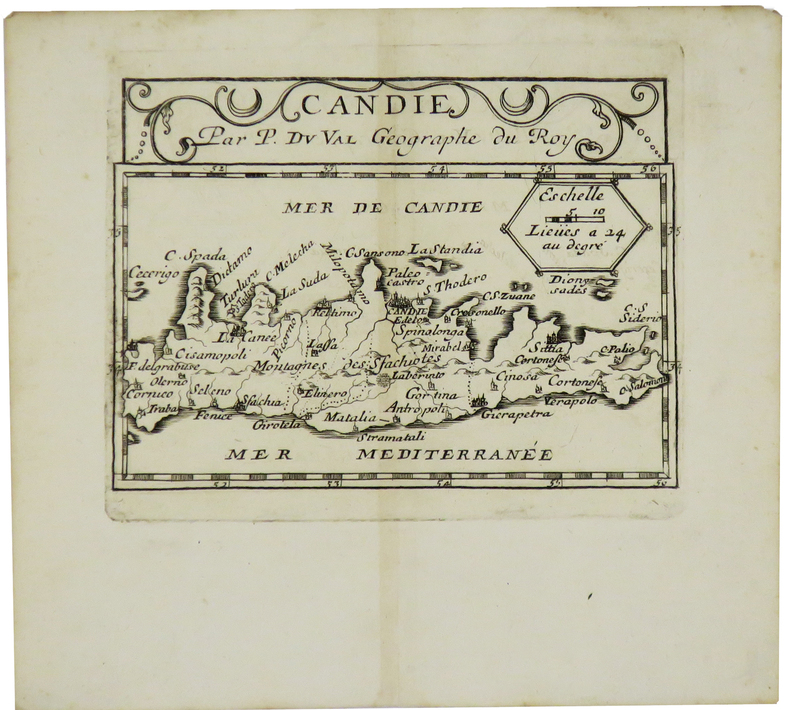
1661LBW02534[1661]. 89 x 120 mm.
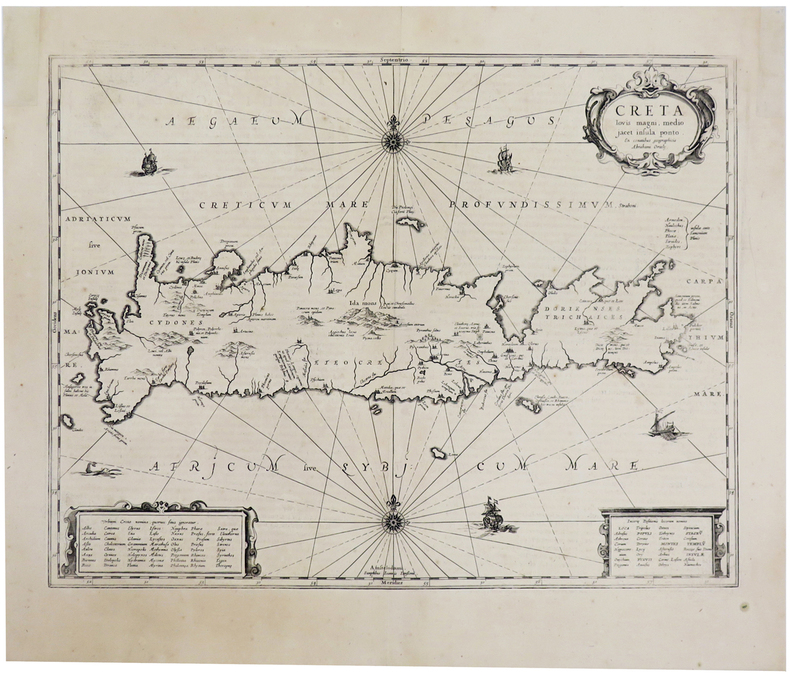
1657LBW-2753[Amsterdam, 1657-1658]. 377 x 487 mm.
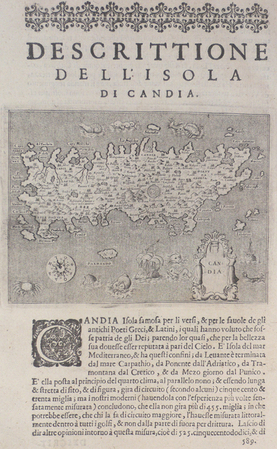
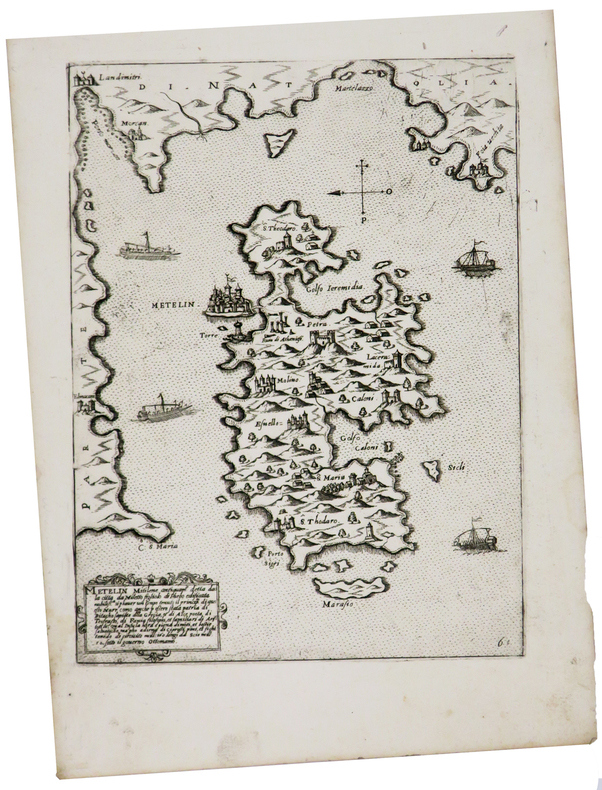
1576LBW004efVenise 1576 105 x 141 mm.
1764LBW-5851764 218 x 173 mm.
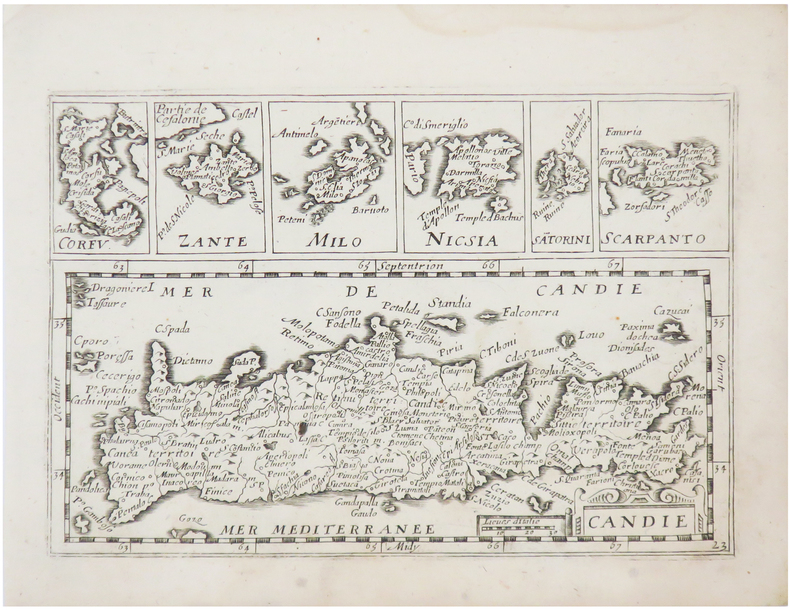
1667LBW-6492[Paris, Jollain, 1667). 125 x 185 mm.
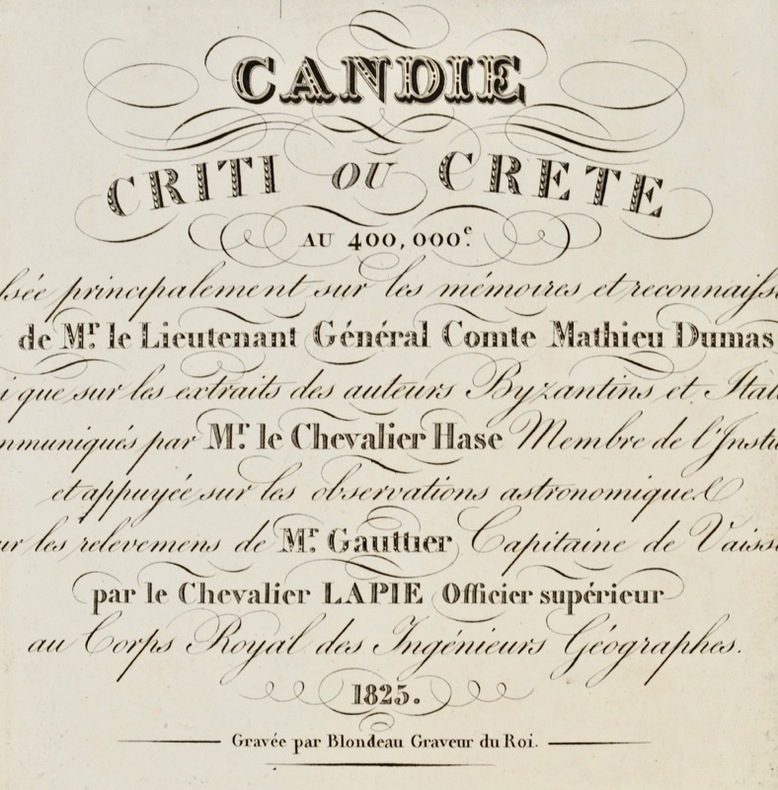
182541623Paris, Picquet, 1825. Plan replié et entoilé de 78 x 50 cm, étiquette "J. Goujon marchand de cartes rue du Bac n°6 à Paris".
ff. [60], 320 numbered leaves. Woodcut Aldine anchor and dolphin printer's device on the title page and last leaf. Latin Italic type. Some age stain, especially on first and last leaves. In several places the name of Erasmus is obliterated in ink by a censor. An early ownership on the title has been washed out, and a small marginal chip has resulted. Small 8vo. 160 mm. Edges decorated red. Early nineteenth century full vellum binding. Lacks front fly leaf. This second and improved Aldine edition is essentially a reprint of the edition of 1516, edited by Giovanni Battista Cipelli, called Egnazio (1478-1553), with the addition of annotations by Erasmus, which were first published in the Froben edition of 1518. Both Aldine editions contain the relevant texts of Aurelius Victor and Eutropius with the continuation by Paulus Diaconus. The full work was once the common manual of almost everyone who wished to study Roman history, and because of this long and hard use, it is extremely difficult to obtain a clean and perfect example - Renouard. This second edition is considered the more valuable, as containing an 'Index Memorabilium' and the notes of Erasmus and the Venetian philologist Joannes Baptista Egnatius (ca. 1473-1553). Gaius Suetonius Tranquillus, commonly known as Suetonius (ca. 69/75-after 130). Suetonius was a close friend to Senator and letter-writer Pliny the Younger. Pliny describes him as 'quiet and studious, a man dedicated to writing'. Through Pliny, Suetonius came into favor with Trajan and Hadrian. Under Trajan he served as secretary of studies (precise functions are uncertain) and director of Imperial archives. Under Hadrian, he became the Emperor's secretary. In 122, Hadrian dismissed him for disrespectful behavior towards Empress Vibia Sabina. Suetonius may have later regained imperial favor under Hadrian and returned to his position. It was probably in Hadrian's time that he wrote his most important surviving work - this set of biographies on the Lives of the Twelve Caesars. Entitled 'De Vita Caesarum' it deals with successive Roman rulers, from Julius Caesar to Domitian. It also includes other texts on Roman history, notably Eutropius. This collection of ancient Roman historians is dedicated to the great book collector - Jean Grolier, and is followed by a letter from Erasmus commending the edition as well as Egnatius' scholarship. Renouard 91:7; Schweiger 974-975; Adams S-2035; UCLA A4S93; Graesse VI, 521; Ahmanson-Murphy 201 (incomplete); Bibliotheca Erasmiana Bruxellensis 499 (incomplete); Dibdin II, p. 439; STC Italian p. 651. Very good. Scarce. **PRICE JUST REDUCED! ALDINE BOX SAFE
16760Dimensions : 268 x 212 mm.
Very Good Turkish Original manuscript map on cloth. Chipped margins, stains on cloth. Folded. Oblong folio. (32x35 cm) In modern Turkish. Sealed. It shows the exploration of an area of ??1487 hectares and some stone and brick mosques, fountains, buildings and geographic status of the region in the upper corner. Scale: 1:25.000. Extremely rare.
Very Good Turkish, Ottoman (1500-1928) Original full leather bdg. with its miklep (traditional flap), embossed shamsa (mystical sun) on boards. Roy. 8vo. (24 x 17 cm). In Ottoman script. [8], 263 p. Sarlavla page decorated with traditional ornaments. First edition of this extremely rare and the first translation of the Anabasis of Alexander in the Ottoman / Turkish literature. One of 1010 copies. The Anabasis of Alexander was composed by Arrian of Nicomedia in the second century AD, most probably during the reign of Hadrian. The Anabasis (which survives complete in seven books) is a history of the campaigns of Alexander the Great, specifically his conquest of the Persian Empire between 336 and 323 BC. Both the unusual title "Anabasis" (literally "a journey up-country from the sea") and the work's seven-book structure reflect Arrian's emulation (in structure, style, and content) of the Greek historian Xenophon, whose own Anabasis in seven books concerned the earlier campaign "up-country" of Cyrus the Younger in 401 BC. The Anabasis is by far the fullest surviving account of Alexander's conquest of the Persian Empire. It primarily revolves around the military history, reflecting the content of Arrian's model, Xenophon's Anabasis; the work begins with Alexander's accession to the Macedonian throne in 336 BC and has nothing to say about Alexander's early life (in contrast, say, to Plutarch's Life of Alexander). Nor does Arrian aim to provide a complete history of the Greek-speaking world during Alexander's reign. Arrian's chief sources for his writing of the Anabasis were the lost contemporary histories of the campaign by Ptolemy and Aristobulus and, for his later books, Nearchus. One of Arrian's main aims in writing this work on history seems to have been to correct the standard "Vulgate" narrative of Alexander's reign that was dominant in his own day, primarily associated with the lost writings of the historian Cleitarchus. The Anabasis gives a broadly chronological account of the reign of Alexander the Great of Macedonia (336-323 BC), with a particular focus on military matters. George Rhasis (Yorgaki Razi) translated Anabasis Alexandrou = "History of Alexander the son of Philip" the work of Xenophon under the title "Târîh-i Iskender bin Filipos". This is the first translation of an ancient Greek historian into Turkish. Georgios Rhasis, who was one of the first writers of the French-Turkish dictionary in the early period, was an Ottoman intellectual who worked as an instructor and translator in Ottoman and French languages. He also taught at the Eastern Languages School in Paris and continued her studies in Corfu and Paris. In 1821 he came to be in Istanbul as a famous orientalist. Rhasis left the city and the homeland he lived in to settle in Tsarist Russia due to concerns during the Greek Revolution in 1821. The Bulaq or El-Amiriya Press is the first official and governmental printing press to be established in Egypt, and functions according to industrial printing basis, causing not just a qualitative but also a quantitative and knowledgeable leap in science throughout the Arab region. It's established in 1820 by Muhammad Ali Pasha of Egypt and Sudan (1769-1849) and it was part of Muhammad Ali's inclusive development plans for the modernization of Egypt. Library of Congress, Karl Süssheim Collection, no. 129. (OCLC: 966315151). Only 6 copies in OCLC: 27236333.; Alex II 25.; BM e15.; Cairo FKT 166.; IstUKT 802.; Bianchi CD 155.; Bulaq IF 8:21.; Bulaq FK 7:8.; Ridwan 162.; Özege 19837 (No author and no translator in Özege record).
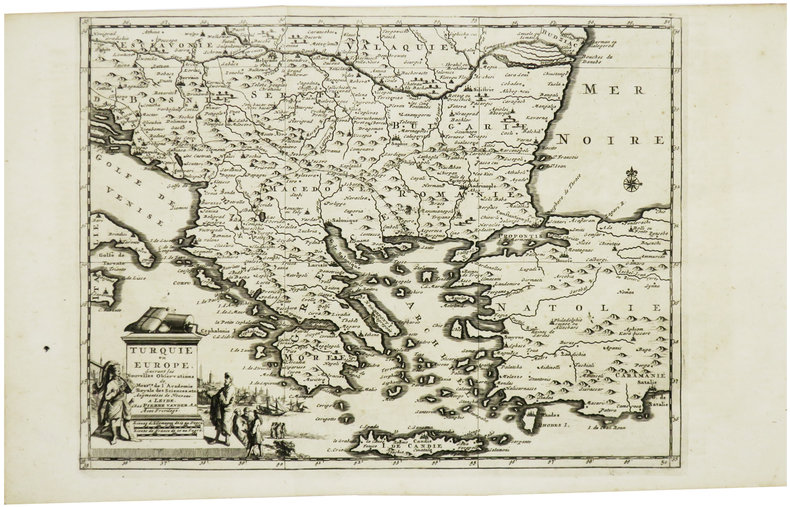
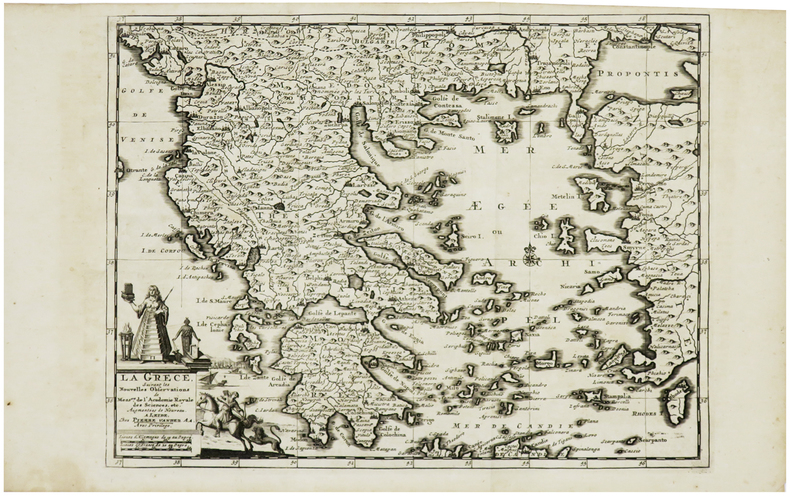
1729LBW-6200Leide, Pierre Vander Aa, [1729]. 224 x 297 mm.
1729LBW-6193Leide, Pierre Vander Aa, [1729]. 224 x 297 mm.
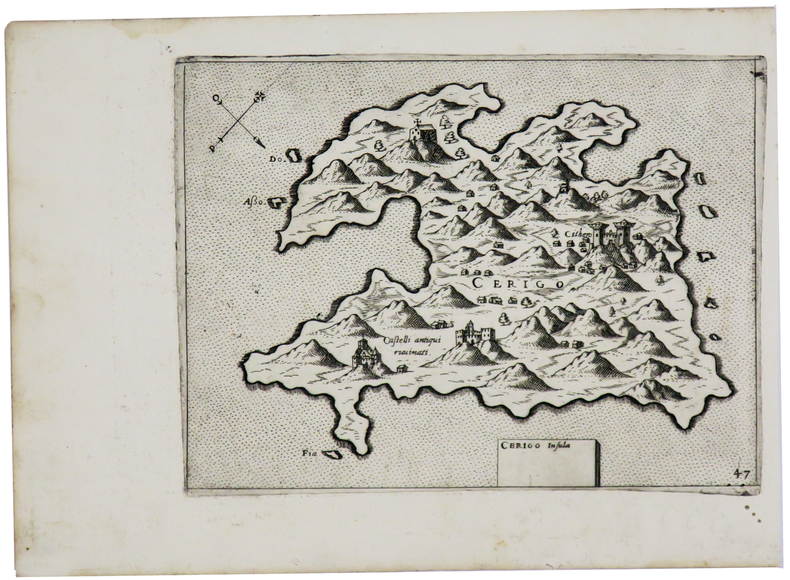
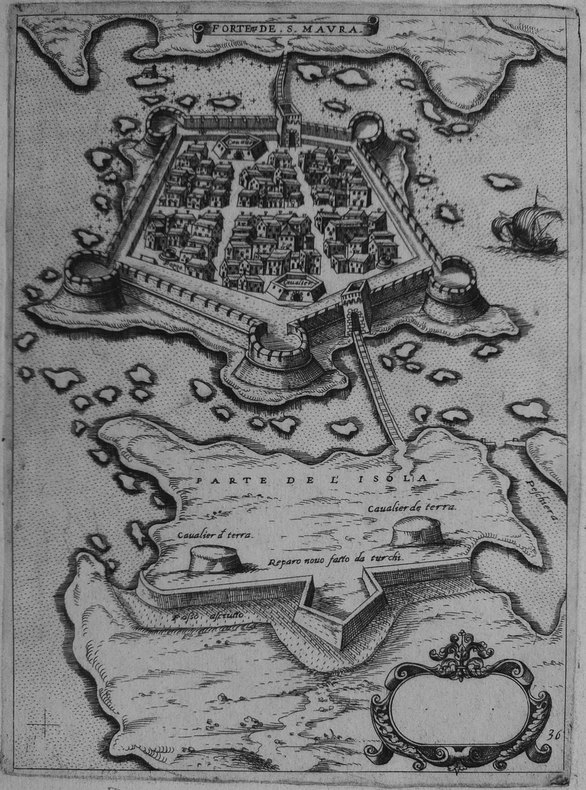
1572LBW-1442[Venise, 1572]. 157 x 210 mm.
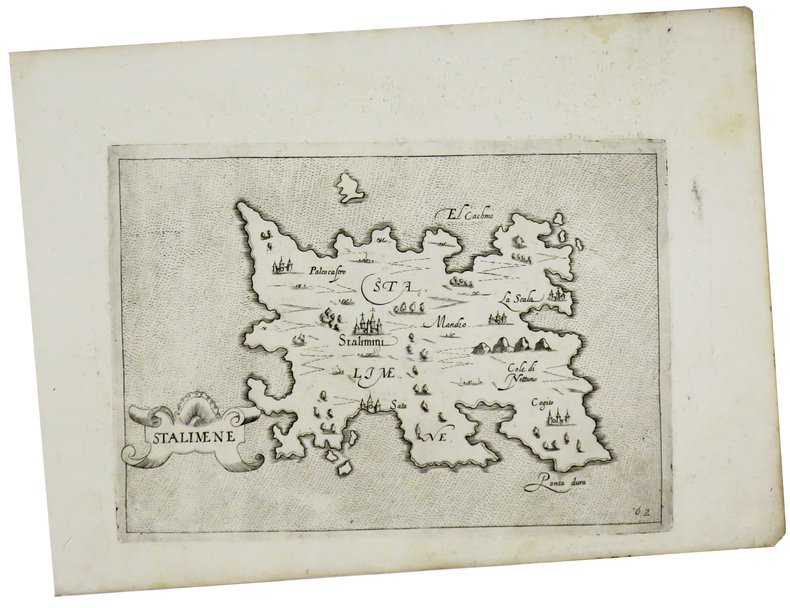
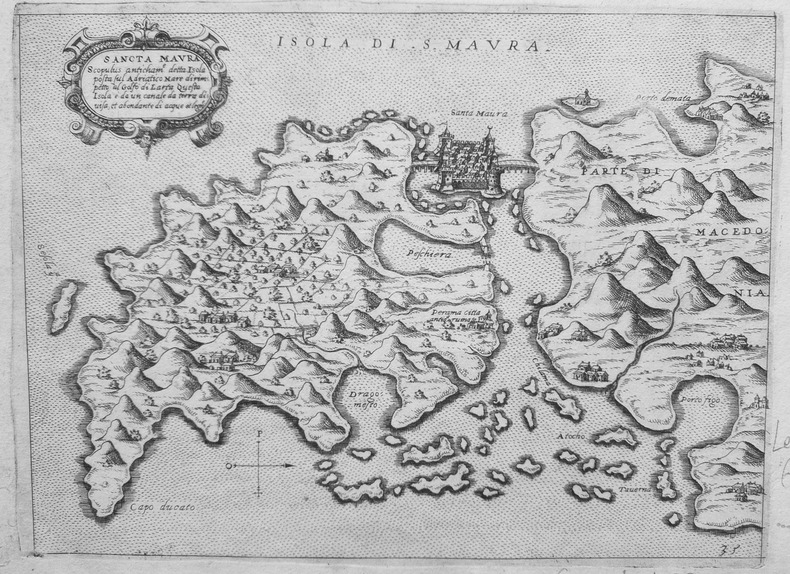
1572LBW-1439[Venise, 1572]. 216 x 165 mm.
1572LBW-1445[Venise, 1572]. 223 x 166 mm.
1572LBW-1451[Venise, 1572]. 235 x 172 mm.
1572LBW-1450[Venise, 1572]. 172 x 233 mm.
Very Good Turkish, Ottoman (1500-1928) Original manuscript deed / land register. [Balkans - Greece - Albania]. 40x25,5 cm. With a "Tayyare Cemiyeti" postal stamp. "Sebeb-i tahrir-i tevkii' humâyûn oldur ki; Defterhâne-yi Hâkânî'ye vürûd eden. Görice Sancagi, Kesriye Kazasi, Kermeni Karyesinde...". Dated fî 25 Zilkadde [1]288 [1872]. Bureaucratic cnfirmations. [MANUSCRIPT - OTTOMAN BALKANS - SANJAK OF GORICE - QAZA OF KASTORIA] Manuscript Ottoman deed / land register with "Tayyare" postal stamp dated 25 Zilkadde 1288 = 1872.
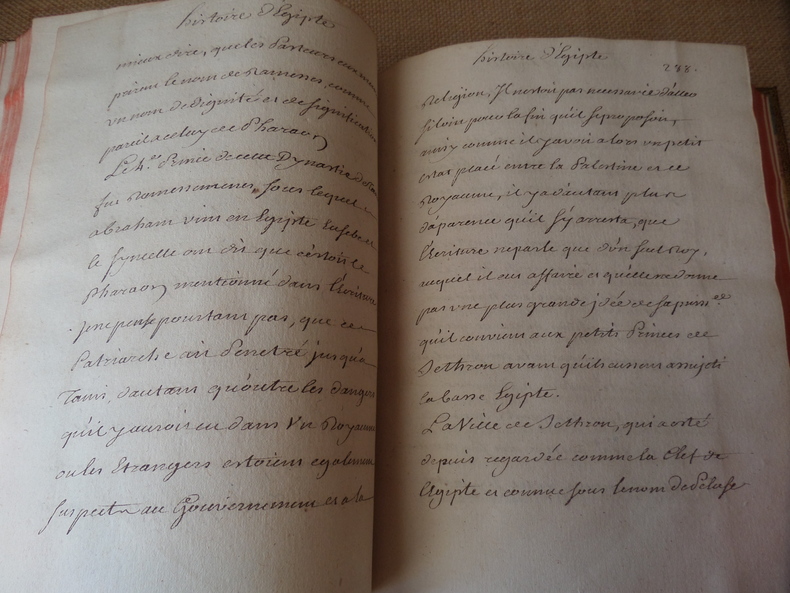
7819manuscrit sans date (début XVIIIe), reliure plein veau d'époque, dos à 5 nerfs, titres et fleurons dorés, roulette dorées sur chasses et champs, tranches rouges, 19,5x24 cm, pagination par feuilles, TOME I, partie 2 (251 à 474) : Histoire d'Egypte, 216 pages( 251 à 358) ; Histoire des Patriarches, 228 pages (359 à 472), table de l'histoire des Patriarches jusqu'à l'exode, 4 pages (473-474). TOME II, partie 1 (1 à 291) : Histoire de l'ancienne Grèce, 70 pages (2 à 36) ; Histoire d'Argos, 76 pages (37 à74) ; Histoire d'Athènes, 274 pages, (75 à 211) ; Histoire de Thèbes, 154 pages (215 à 291). TOME II, partie 2 (293 à 557) : Histoire de Lacedemone, d'Arcadie et de Troye en particulier : Histoire de Lacedemone, 48 pages (293 à 316), Histoire d'Arcadie, 10 pages (317 à 321), Histoire de Troye, 70 pages (323 à 357) ; Histoire de l'ancienne Italie, 154 pages (360 à 436) ; Histoire ancienne de la Sicile, 62 pages (437 à 467) ; Histoire ancienne de l'Affrique, des Isles de la mer méditeranée et des parties de l'Europe qui confinent à l'océan : Histoire ancienne de l'Affrique, 28 pages (469 à 482), Histoire ancienne de l'Espagne, 60 pages (483 à 512), Histoire ancienne de la Sardaigne, 8 pages (513 à 517), Histoire ancienne de la Corse, 3 pages (518 à 519), Histoire ancienne des Isles Baleaires, Majorique, Minorique et Irique, 2 pages (520), Histoire ancienne de l'Isle de Malthe, 3 pages (521 à 522) , Histoire ancienne de l'Europe, 12 pages (523 à 533) ; Histoire ancienne de la gaule, 30 pages (534 à548) ; Histoire ancienne de l'Angleterre, 16 pages (549 à 557).
Very Good Latin Original map. Oblong 4to. (25 x 34,5 cm). In Latin. From 'Mercator Atlas'. A very good copy. A detailed and decorative engraved map. B/w. Including Europae Pars (Thrace) and Black Sea, Aegean and Mediterranean, and with all ancient toponyms and names of regions including Cyprus and Syriae (Syria). Could not be find map-maker and being from which book. An early and decorative map of Asia Minor.
Very Good German Original color map on cloth. A little foxing on cloth. Very good. Folded. Folio. (57 x 43 cm). Toponyms in German. [MAP of BALKANS] 40-44 Zajecar. [Macedonia, Donau -Danube- River, Hungary and Bulgaria border, East Serbia].
Very Good Turkish, Ottoman (1500-1928) Original color map on cloth. Oblong eephant folio. (64 x 573 cm). Toponyms in Ottoman script. [MAP of BALKANS] Filibe [Plovdiv]. A very detailed map. Shows Plovdiv and mountains, rivers around it. Extremely rare.
Very Good German Original color map on cloth. Oblong atlas folio. (46 x 52 cm). Toponyms in German. [MAP of BALKANS] J.10. Glina and around. North Bosnia and Herzegovina sheet. A sheet of the collection of 'The general map of Central Europe'. appeared in the years between 1873-1876 with the work of Joseph Ritter von Scheda, (1815-1888) who was a general, geographer and cartographer.
Very Good German Original color map on cloth. Chipped on folded places. Otherwise a clean copy. Oblong atlas folio. (46 x 52 cm). Scale: 1/300.000. Toponyms in German. Shows Saraybosna (Sarajevo), and its around, Travnik, Kladanj, G. Yakuf, Konjiva, Gorazda, Mostar et alli. A sheet of the collection of 'The general map of Central Europe'. appeared in the years between 1873-1876 with the work of Joseph Ritter von Scheda, (1815-1888) who was a general, geographer and cartographer.
Very Good German Original color map on cloth. Chipped on folded places. It needs repair. Oblong atlas folio. (46 x 52 cm). Toponyms in German. Shows Durach (Durazzo) and its around, Musakija at south, western shores of Albania, Elbasan, and three bays (Drin Golf etc). A sheet of the collection of 'The general map of Central Europe'. appeared in the years between 1873-1876 with the work of Joseph Ritter von Scheda, (1815-1888) who was a general, geographer and cartographer.