10 706 résultats
193334571New York: Street & Smith Publications Inc. 1933-1949. Tanning to pages of all some minor losses throughout front and back covers present bindings are bright with the exception of volumes 10-13 which are quite faded. All issues trimmed for binding. Overall the magazines are very good to nearly fine. The complete list report upon request. Note for shipping extra funds required. 34571. Octavo thirty-two volumes pictorial wrappers uniformly bound in green cloth. A complete file of 181 issues in bound volumes. Doc Savage was a precursor to the modern super hero. Clark "Doc" Savage Jr. was trained from birth with a rigorous regimen resulting in extraordinary strength and intelligence. He never killed unless necessary he had scientific gadgets a headquarters and a secret base a fortress of solitude. The stories combined mystery adventure and some science fiction. He also had a team of five experts in various fields to assist in his adventures. His stories were extremely popular during the pulp era and then found a new audience in the 1960s-70s when the series was reprinted in paperback. The novels were written using the house pseudonym of Kenneth Robeson the main author was Lester Dent who wrote nearly 80% of the novels. Other author contributors as Robeson included William Bogart Alan Hathway Harold Davis Laurence Donovan and W. Ryerson Johnson. There were many excellent contributors to the short stories which rounded out the magazine with authors such as Steve Fisher E. Hoffman Price Q. Patrick John D. MacDonald Bruno Fischer Frank Herbert William Lindsay Gresham to name a few. Street and Smith publishing executive Henry Ralston and editor John Nanovic established the initial idea for Clark "Doc" Savage Jr. - .a brawny 'superman' a master of many fields-surgeon mineralogist engineer inventor linguist. His skin was a glowing bronze.his hair was a matching hue and so too his eyes resembling gold flake. He would be known as the Man of Bronze."- Server Encyclopedia of Pulp Fiction Writers p.81. "Doc Savage was intended to be an adventure character but under Lester Dent's imaginative manipulations he became something more - the first superhero and an inspiration for countless pulp comic-book and television characters." - Cook Mystery Detective and Espionage Magazines pp. 521-527. "The enormously wealthy Doc Savage – headquartered in a fantasticated New York with his five sidekicks who specialize in various crafts and sciences at the borderline of sf – devotes his life to combating criminal conspiracies almost all masterminded by the kind of charismatic villain later given definitive form by Ian Fleming in the James Bond books. Doc Savage himself clearly influenced the creation of Superman." - SFE online. A note on artists Walter Baumhofer contributed the initial look to the character with his striking cover painting through late 1936. Other artists include Robert George Harris Emery Clarke Modest Stein and George Rozen. An ideal collection for an institution. Reference: Tymm and Ashley Science Fiction Fantasy and Weird Fiction Magazines pp. 183-185. Street & Smith Publications, Inc. unknown
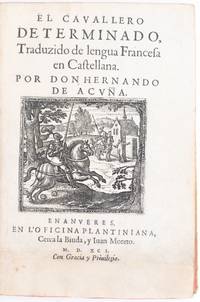
15911521En Anveres Antwerp: En l’Oficina Plantiniana Cerca la Biuda Iuan Moreto widow of Plantin and Jan Moretus 1591. First Plantin edition. In contemporary limp vellum. Title on spine lettered in ink. Edges tinted in red. Roman type. 20 verse lines and headline. Large floriated and historiated woodcut initials ornamental tailpieces printer's device at the end. A few stains on the binding rear panel rubbed at lower left corner. Title page artistically restored at the lower margin with no effect on the text. Last leaf O4 cut the residual part mounted on pastedown. Inside clean illustrations are sharp the margins wide. An attractive copy in fine condition. Illustrated with an engraved title vignette of a knight on horseback with background and 20 full-page etchings attributed to Pieter van der Borcht. Illustrated with an engraved title vignette of a knight on horseback with background and 20 full-page etchings attributed to Pieter van der Borcht. First Plantin edition. In contemporary limp vellum. Title on spine lettered in ink. Edges tinted in red. Roman type. 20 verse lines and headline. Large floriated and historiated woodcut initials ornamental tailpieces printer's device at the end. 8º: –8 A–N8 O4 O4 blank its residual part mounted to pastedown; 32 208 8 p. <p><br /> Scarce illustrated Spanish edition the first by Plantin of La Marche’s allegorical work Le chevalier délibéré.<br /> <p><br /> <p><br /> A beautiful 16th-century edition of this popular allegory with the suite of twenty-one splendid etchings attributed to Pieter van der Borcht. Translated into Spanish by Hernando de Acuna c.1520–1580 the much-esteemed poet and translator of the Spanish Golden Age.<br /> <p><br /> <p><br /> Le chevalier délibéré is the most important poetic work of Olivier de La Marche 1422–1502 the Burgundian courtier poet and chronicler “a didactic poem describing a knight's search for salvation through the vehicle of a quest. At first he is impulsive leaving his house par une soudaine achoison on the spur of the moment. He is started along the way by Thought who brings him to a realization of his soul's unprepared state and who acquaints him with the encounters he must face with the henchmen of Atropos Goddess of Death: Accident and Debility. The knight as Author is befriended by the hermit Understanding and eventually arrives at the house of Study where Fresh Memory begins his real instruction.†Caroll 1999.<br /> <p><br /> <p><br /> USTC 440151; Imhof M-5; Brunei 111:782; Hollstein Dutch 111:106 473–493; Palau VII 130356.<br /> <p><br /> <p><br /> Bibliography: Caroll C. W. ed.: Olivier de La Marche. Le Chevalier delibere The Resolute Knight. Medieval & Renaissance Texts & Studies. Volume 199. Tempe: Arizona Center for Medieval and Renaissance Studies 1999. p. 4. Imhof D.: Jan Moretus and the Continuation of the Plantin Press. A Bibliography of the Works published and printed by Jan Moretus I in Antwerp 1589–1610. Vol. I. A–M. Leiden: Brill 2014. pp. 437–438. <br /> <p>. En l’Oficina Plantiniana, Cerca la Biuda, Iuan Moreto [widow of Plantin and Jan Moretus] unknown
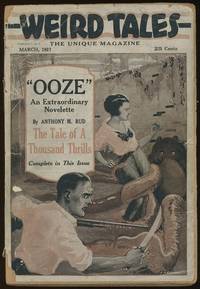
192332048Chicago: Rural Publishing Corporation 1923. Text paper tanned but supple light edge wear creasing closed tear to right front edge paper loss at spine ends not affecting title lettering or date cover appears to have been separated and re-glued small loss at upper and lower left corners a good copy. 32048. Octavo single issue pictorial wrappers. Pulp Magazine. The first issue of this important 20th century magazine. Includes stories by Anthony M. Rud Otis Adelbert Kline R.T.M. Scott Joel Townsley Rogers Howard Ward and many others. Reference: Tymm and Ashley Science Fiction Fantasy and Weird Fiction Magazines pp. 727-736. Rural Publishing Corporation unknown
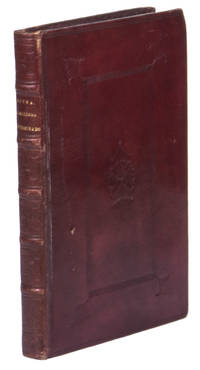
1591ABC_46862Antwerp 1591. 8vo. Officina Plantiniana the widow of Plantin Jeanne Rivière and Jean Moretus Late 18th- or early 19th-century diced and blind-tooled red morocco with the title and author lettered in gold on the spine with an almond shaped ornament in the center of both boards surrounded by two fillet frames blind tooled board edges and turn-ins marbled end papers. With an etched vignette on the title page 20 full-page etchings a full-page printer's device at the end decorated woodcut initials and woodcut tailpieces. 32 208 5 3 blank pp. Splendid first and only Plantin edition of a popular allegorical chivalric romance with twenty beautiful full-page etchings. It contains the Spanish translation of Olivier de La Marche's 1425-1502 Le chevalier déliberé made by Hernando de Acuña 1518-1580 the famous poet and translator of the Golden age of Spanish literature. The text was incredibly popular in its own time and is known to have been the favourite book of Emperor Charles V r. 1519-1556 who even commissioned the present translation.Olivier de La March 1422-1502 was a Burgundian courtier poet and chronicler. The present work is considered his best. It was first published in 1488 but earlier manuscript copies are known. The story was written in praise of Charles the Bold and describes a knights search for salvation in the form of a quest. At the start of the story he is impulsive and leaves his house without a plan. He is started along the way by "Thought" who brings him to realise how unprepared he is for the quest and his enemies "Accident" and "Debility". The knight befriends the hermit "Understanding" and eventually arrives at the house of "Study" where "Fresh Memory" begins his real instruction. While the story was originally written in prose the Spanish translation is in verse. It contains 379 numbered poems double limericks of 10 lines each and was first published in Antwerp by Jan Steelsius in 1553. The present edition is the eighth overall but the first by Plantin and the first with the 20 etchings which were most likely made by Pieter van der Borcht ca. 1530-1608 one of the regular illustrators of the Plantin Press. These etchings closely follow the iconographic programme established by the second incunable edition Gouda ca. 1489-1490.Hernando de Acuña represents the first generation of Petrachian poets in Spain. He is best known for his sonnets eclogues and elegies. Several works were dedicated to Charles V who admired him for both his military and literary talents. He fought with Charles V in Germany Italy and Flanders and with Felipe II in San Quentin before he in ca. 1560 abandoned his military career and went back to Spain to settle in Granada. His translation of le Chevalier délibéré was ordered and much esteemed by the emperor. It was originally published in 1553. In 1591 in the same year as our Plantin edition of El Cavallero was printed his Poesías varias appeared edited by his widow.The boards have been scratched. The work is internally very lightly browned and foxed the leaves may have been washed as the few annotations in the margins have nearly completely faded. Otherwise in good condition.l Adams L 59; Belg. Typ. 1761; Bibl. Belg. L 1 III p.647; Brunet III p. 782; Graesse IV p. 82; Imhof Jan Moretus I Mo5 pp. 437-438; Machiels L 36; Palau VII 130356; Peeters Fontainas 663; USTC 440151; cf. Delen A. J. J. De illustraties can Le chevalier déliberé dOlivier de la Marche in: Het Boek 12 pp. 250-232 plates; New Hollstein Dutch Peeter van der Borgt Bookill. part V 2327-2347 plates. hardcover
194428504<p>New York: Scribner's 1944. SIGNATURE GUARANTEED AUTHENTIC Personally SIGNED BY RAYMOND CHANDLER & DATED on Blank Endpapers Hollywood MARCH 30 1944 IN FRONT OF BOOK Written BY BEN HECHT A Guide for the Bedeviled <strong>Chandler also added "From // Dr. Sam Hirshfeld" on Endpapers </strong>BOOK Written BY BEN HECHT HARDBACK NODustjacket NOJACKET BK GOOD CONDITION 1944 SIGNED BY RAYMOND CHANDLER & DATED Hollywood MARCH 30 1944 IN FRONT OF BOOK BY BEN HECHT A Guide for the Bedeviled GREEN CLOTH LIGHT RUB WEAR Hirshfeld was a Hollywood physician active in the 1940's and a good friend of Hecht's & CHANDLER - he is mentioned in "Harpo Speaks" as attending a Marx dinner with Hecht and Hecht gave his funeral oratory. The cloth boards are worn and the dust jacket is missing. Interior sound. BOOK Written BY BEN HECHT . Signed by Author. Hard Cover. Good/No Jacket.</p> New York: Scribner's hardcover
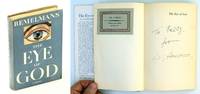
564j1357New York: The Viking Press. Good in Good dust jacket. 1949. First Edition. Hardcover. 0670303097 . Superlative provenance for this copy which is signed and inscribed by Bemelmans to "Freddy" short for Fredric March upon half-title. On opposite page is the bookplate of Florence and Fredric March. "Fredric March 1897-1975 was an American actor regarded as one of Hollywood's most celebrated stars of the 1930s and 1940s. He won two Academy Awards a Golden Globe Award and two Tony Awards as well as nominations for three BAFTA Awards and three Emmy Awards. March and his wife starred as the General and Miss Graves in the 1950 Broadway production of Bemelmans' play Now I Lay Me Down To Sleep. Ludwig Bemelmans 1898-1962 was a renowned Austrian-American writer and illustrator of children's books and adult novels." - Wikipedia. 312 p. Color Bemelmans illustration upon endpapers. Somewhat above-average wear to original khaki cloth. Slight spine lean. Cup ring on front board. Moderate wear to complete dust jacket now in glossy new archival protection. An very special example. Pomerance A10a. ; Endpapers; 8vo; Signed by Author . The Viking Press hardcover
5 voll. in-4, pp. XL, 296; VII, 312; VII, 340; VII, 296; VIII, 303, bella leg. m. perg. coeva, c. dec. ai piatti, tass. al d. e tagli spruzzati. Rara opera che si ferma al V tomo (tutto il pubblicato). Rara opera presente in sole 15 biblioteche italiane secondo l'indice ICCU. Lozzi II n. 3592: scrive dal catalogo Bocca "Opera rara anzi rarissima pregevole e assai ricercata". [030]
2 gr. voll. in folio, pp. XXIII, 472; (4), 356, CXIX, bella leg. cart. rust. coevo con tit. mss al d. Tagli spruzzati. Con una tav. in rame ripiegata al primo front. raff. l'arco romano di Fano dis. e inc. da A. Magini. Lozzi 1560. Biblioteca Picena, p. 102. Splendido e marginoso esempl. [223]
2 gr. vol. in folio, pp. XXIII, 472; (4), 356, CXIX, leg. cart. alla rust. coevo. Importante storia di Fano molto lodata dal Ranghiasci anche per le notizie storiche sulle località e città vicine. Lozzi 1560. Raro. Lievi gore e qualche traccia di umidità ma ottimo esempl. a larghi margini in barbe. [361]
Quattro grossi volumi di cm. 26, pp. 2.000 ca. complessive. Con moltissime illustrazioni e tavole f.t. incise in rame. Legature coeva in mezza pelle, dorsi lisci con fregi e titoli in oro su tasselli. Esemplari spesso slegati e con qualche traccia d'uso alle legature, ma internamente ben conservati e completi. Importante testimonianza del lavoro che Olivieri degli Abbati compì come storico, soprattutto di cose pesaresi. La presente raccolta fu composta nel settecento e vi compaiono varie note manoscritte che spesso rivelano una certa, erudita competenza e sono poste a correzione e completamento del testo. Allegati pure vari fogli manoscritti di mano coeva. Non ci azzardiamo ad ipotizzare che il tutto appartenesse proprio all'Aolvieri degli Abbati, ma sicuramente ad uno storico marchigiano del tempo. Fra le opere presenti: Memorie della Badia di S. Tommaso in Foglia nel contado di Pesaro; Memorie di Alessandro Sforza Signore di Pesaro; Memorie di Gradara Castello di Pesaro; Memorie del porto di Pesaro; Memorie di Novilara; Memorie per la storia della chiesa pesarese del secolo XII; Dell'antico battistero della Chiesa pesarese; Della zecca di Pesaro; della fondazione di Pesaro; ecc...
2 volumi in folio (mm 320x220), pp. VIII, XXIII, (1), 472; (4), 356, CXIX, (1); legatura coeva piena pergamena, titoli manoscritti ai dorsi. Le "Memorie" sono narrate in ordine cronologico dalle origini al 1751, si concludono con una appendice contenente l'Elenco di tutti i vescovi della città di Fano, una "Raccolta di tutte le bolle, brevi, diplomi, lettere, privilegi, instrumenti, che si citano, distribuita per ordine cronologico" e una raccolta di "Iscrizioni antiche trovate in diversi tempi nella città di Fano, e nel suo Distretto, con alcun'altre, che alla medesima appartengono". Prima edizione di questa non comune storia di Fano, fornisce interessanti notizie anche sulle località limitrofe. Bell'esemplare fresco e marginoso.. .
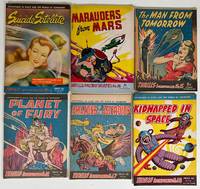
195032953Sydney: Associated General Publications later Transport Publishing Co. Pty. Ltd. 1950-52. Some toning to text paper issue 12 is very good the rest nearly fine or better. A very attractive set. Scarce. 32953. Octavo later small octavo 23 issues pictorial wrappers side stapled. Pulp 1-12 and later digest 13-23 sized magazine. All published. This was Australia's first SF pulp magazine it was in the vein of U.S. pulp magazine 1920-30s. Many of the stories were produced under pseudonyms artwork contributors included Stanley Pitt and Ray Cavanagh. It did not last in large part due to higher quality material appearing from overseas imports. This magazine also published a number of stories by Australias first female SF author N. K. Hemming Norma. Reference: Blackford et al. Strange Constellations: A History of Australian Science Fiction pp. 64-65. Tymn and Ashley eds Science Fiction Fantasy and Weird Fiction Magazines pp. 672-74. Tuck 1982 p. 601. Associated General Publications, later Transport Publishing Co. Pty. Ltd. unknown
<p>in 8°, (19x13) cm, rilegatura coeva in piena pergamena, titolo in oro incorniciato al dorso; p. (16), 672. Complessivamente 70 tavole di cui: antiporta, 3 grandi carte geografiche più volte ripiegate e 66 belle incisioni di vedute di città ripiegate più volte fuori testo. Bell'esemplare raro da trovarsi completo di tutte le tavole</p>
in folio, ccnn 6, cn 78, leg. ottocentesca m. pelle con carta dec. ai piatti e tit. oro mss al d. Bel front. a due colori entro elaborata e ricca cornice xilogr. Lozzi 311: "Questa edizione rara secondo il Manzoni è da considerarsi come princeps per le importanti 'Additionibus' e trovasi esattamente descritta dal Raffaelli...". Restauro parziale perfettamente eseguito al verso del front. Belliss. esempl. marginoso e ottimamente conservato. [222]
Animata veduta della cittadina di Ascoli Piceno, nelle Marche. L'opera è attribuita a Fabre Francois Xavier (1766 - 1837) che già da giovanissimo si dimostrò particolarmente dotato nel campo delle arti. Nel 1781, a soli 15 anni si mise in luce all'Exposition de Montpellier, Costeau, il suo primo maestro, lo raccomandò a Vien e a David e proprio nei loro ateliers continuerà i suoi studi. Sarà "pensionnaire du Roi" a Roma, e dopo aver trascorso un anno a Napoli si trasferirà in Firenze dove divenne Professore della Scuola di Belle Arti, sarà questo il periodo in cui eseguì il maggior numero di lavori.Rif: Benezit, "Dictionnaire des Peintres Sculpteurs Dessinateurs...", vol IV, p. 237
gr. vol. in folio, pp. (10), 148, bella leg. p. pelle coeva con nervi e fregi al d. Antip. allegorica inc. in rame da P. Masini su dis. di P. L. Ghezzi. Front. a due colori con gr. vignetta in rame raffigurante veduta prospettica della città di Urbino. Dedicat. a Giacomo III con gr. testat. in rame con lo stemma araldico. Capilett. e gr. final. in rame. Con 146 tavv. numerate e una tav. non numerata raff. la topografia del territorio di Urbino. Manca il ritratto. Ediz. orig. Lozzi 5717: “Ranghiasci ne dice autore Annibale Albani e ne celebra la munificenza dell’edizione e ne loda i pregi storici....”. Ranghiasci p. 283.1. Manca a Moranti, Bibliografia Urbinate. Fossati Bellani III, 3624 cita una copia senza ritratto e carta topografica. Legg. tracce di usura alla pelle della leg. Bell’esempl. a larghi margini e su carta forte. [302]
19152091202132802490Not Available 1915. Soft Cover. Fine. Number of books: 1 book Not Available paperback
in-4 antico, pp. (36), 328, leg. p. perg. coeva con tass. e tit. oro al d., tagli spruzzati. Bell'antip. inc. in rame con stemma araldico. A pag.1 una tav. con bel ritr. dell'A. inc. in rame. Fregi, iniziali e testat. xilogr. Rara prima e unica ediz. di importante fonte per la storia civile ed ecclesiastica della città di Ascoli, pubblicata postuma dai nipoti di Sebastiano Andreantonelli (1594-1643), erudito storico e accademico ascolano. I primi tre libri raccolgo pagine di storia cittadina, l'ultimo le biografie di uomini illustri ascolani. Sappiamo che molti esemplari dell'opera, in seguito alla revisione operata dai nipoti, recano delle censure o alterazioni al testo, poche sono le copie con il testo originale integrale: la nostra è una di queste. Lozzi 189. Ranghiasci p.7, nota a: "... siccome bullivano allora nella città di Ascoli le Fazioni [...] che si sopprimessero tutti quegli esemplari che fosse stato possibile ritirare affine di nuovamente adulterarli. Quindi è che in una gran parte di essi furono affatto tolte le pagine 9-10-15-16-17-18-23-24 e con frode altrettante vennero sostituite [...] e questa storia si può riporre tra le rarissime, particolarmente gli esemplari meno viziati". Lieviss. gore marginali sulle prime e ultime cc. Bell'esempl. [091]
18355845C. Van Benthuysen; George H. Evans; 1835 1840 1841 1852. First Edition. Hardcover. Very good. 5 vols bound into contemporary cloth 7.25 x 4.63 inches frontispiece 202; 2; vii-viii ix-xxv 1; 4; frontispiece 4 126; 122; 74 pages. Excised leaf of an advertisement also laid in. First American editions of the Bible of Nature and of the Opus Maximum. Walking Stewart articulated a materialist philosophy of Nature which combined elements of pantheism with yogic notions of a single indissoluble consciousness. These early American imprints must have been read by the New England transcendentalists but I don't recall seeing Stewart discussed in the major biographies of Emerson or Thoreau. In any event the similarity is striking for example to Thoreau's Walking. The two volumes here of The Bible of Nature were published together by a consortium of free thought and radical publishers including expatriate English free thought emigrants Gilbert Vale and George Evans and by J. P. Mendum; the second volume as collected here appears either to be fragmentary or published solely as an introduction to stereotype editions of the Evans editions of Moral State of Nations and the Revelation of Nature. Something of a bibliographical tangle given that the stereotype plates were evidently available free to the asking for American radical publishers of the period and completeness of the second part of the Bible of Nature is unclear and may have been included here simply as a sort of table of contents to the volumes that here follow; whether this sammelband is as published and sold by the radical reformer George Henry Evans or had collected by an early reader is unclear. The New-York edition of Opus Maxium not located in OCLC. A nice copy with minimal wear some foxing and light staining; but still very good -- entirely and pleasantly readable throughout. Scarce. <br/><br/> C. Van Benthuysen; George H. Evans; hardcover
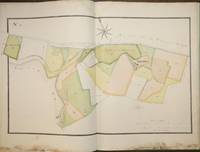
18140072711814. Quarter Vellum. Cloth Boards. Near Fine. Spectacular manuscript estate survey maps from early 19th Century. Folio 53 by 39 cm. 6 text pages followed by ten double paged maps all handsomely colored and detailed. The first nine maps are numbered 2 to 10 per table in front showing that notwithstanding the enumeration there is not a missing map. One map with extra fold-out flap addenda. An additional double-sided hand-colored map in the back inserted into the foliio and then two additional hand-colored survey maps by de la Marche or his son loose -- never bound in -- architectural sketch of the chateau footprint done in pen-and-ink -- two other smaller less visually exciting maps and some correspondence. Maps are colored in greens reds yellows and blues. The washes of color together with the obvious precision of the draftsmanship render these maps utilitarian in purpose originally pleasing to the eye and very decorative. Tiny vignettes of churches mark villages and forests are signified by dots representing trees as was the convention. This chateau belonged to M. François Louis Barrairon at the time. It is located in the Indre-et-Loire Department and is between and equidistant to Tours and Vendome. Condition: bottom of leaves stained and sometimes slightly chipped or chewed looking. A few other minor chips. A few un-obtrusive well-executed repairs of tears. unknown
3718Wien Feige 1913 220S m 70 Bildnissen Ohlw leichte Gebrauchspuren - Anthologie unter Ausschluss aller jüdischer Autoren v. Altenberg bis St. Zweig. Kosel 474 f. unknown
1953013812New York Ace Books, Inc. - Collection « Ace double books » D-15 1953 In-12 broché, couverture illutrée Signé par l'auteur
Carta geografica tratta dal rarissimo Itinerarium Europae Provinciae edito a Colonia tra il 1579 e il 1588. Conosciuto anche come Itinerarium Orbis Christiani, questo atlante fu pubblicato anonimamente a causa dei problemi politici e religiosi che caratterizzavano il periodo storico, come spesso succedeva aal'epoca per sfuggire alle persecuzioni cattoliche contro i protestanti. L'opera fa parte degli atlanti editi dalla cosidetta scuola Cartografica di Colonia, durata per circa mezzo secolo (1570-1620 ca.), e formata principalmente da rifugiati fiamminghi ed olandesi tra i quali spiccano lo stesso Matthaeus Quad e Frans Hogenberg, che ne fu il fondatore. Le mappe sono attribuite alcune a Jan Matal ed altre a Michael von Eitzing. Jan Matal o Metellus, francese di nascita ed attivo a Louvaine ed a Colonia, dove si rifugia prprio per sfuggire alle persecuzioni dei regnanti cattolici e dove muore nel 1597. Fu tra i maggiori cartografi del tempo e, insieme al Quad e al Hogenberg stesso, il principale esponente della scuola coloniese. Alcune delle mappe del Matal sono poi successivamente incluse nelle successive pubblicazioni postume, e recano il testo al verso. Dal punto di vista cartografico le mappe sono una derivazione e basate sulle carte pubblicate ad Anversa da Abraham Ortelius, per la prima volta nel 1570; le incisioni delle mappe sono invece attribuite a Frans Hogenberg. La grandissima rarità dell'opera, insieme alla scarsità di informazioni sulle opere "carbonare" edite a Colonia, contribuisce al fascino di questa importante mappa, caposaòdo di ogni collezione cartografica. Incisioni in rame, magnifica coloritura coeva, in buono stato di conservazione. Opera di incredible rarità, mancante in praticamente tutte le collezioni. Esemplare di primo stato, avanti il numero. 13 aggiunto in basso a sinistra e prima dle testo al verso Map from the very rare Initerarium Europae Provinciae, published in Cologne between 1579 and 1588. Also known as Itinerarium Orbis Christiani, this atlas was published anonymously due to the political and religious problems that characterized that particular period, i.e., the persecutions suffered by the Protestants who were threatened by the Catholics. The work belongs to the atlases published by the so called Cartographic school of Cologne, whose works were published along fifty years (1570-1620). The school was mainly made of Flemish and Dutch refugees among which Mattheaus Quad and Frans Hogenberg, the founder of the institution. The maps have been ascribed to Jan Matal and Michale von Eitzing. Jan Matal, or Metellus, was born in France and worked in Louvaine and Cologne, where he fled to escape the Catholic persecution and where he died in 1597. He was considered one of the greatest cartographers of his time and one of the most important artists of the school of Cologne, together with Quad and Hogenberg. some of his maps have been afterwards included in some posthumous works with the text on verso. From a cartographic point of view, the maps derive from those published by Abraham Ortelius in Antwerp in 1570; the engravings instead have been ascribed to Frans Hogenberg. The rarity of this work, together with the lack of information on the secret works published in Cologne confer a particular charm to this map, a bench mark for every collector. Copper engravings, magnificent contemporary colours, in very good condition. Extremely rare work, not present in any collection. Example in the first state, before the number was added. Meurer Atlantes Colonienses Die Kolner Schule der Atlas Kartographie 1570-1610; Meurer IOC 8; F. Mariano - A. Volpini, "Le Maeche nella Cartografia. XVI-XIX secolo", p. 30, 5.
in folio, 1 cb, pp. 374, 2 cb, leg. p. perg. coeva con tit. mss al d. Iniziali e final. xilogr. Con alcune incis. in legno n.t. Con una splendida tav. f.t., ripiegata e inc. in rame da pietro Galand, raffigurante la Sacra Casa di Loreto con la città di Recanati sottostante, e i Santi Flaviano e Vittore, incisione quasi sempre mancante. Rara ediz. orig. della storia della marca d'Ancona e in particolare di Recanati in cui l'A. (Recanati 1635 - Messina 1713) passa in rassegna la storia dei vescovi e personaggi illustri, dei cavalieri dell'Ordine di Malta, con note storico artistiche su conventi, monasteri e chiese. Fu stampata a Messina dove il Calcagno insegnò al Collegio dei Gesuiti. Lozzi 3975: "Rarissima, segnatamente così completa, mancando quasi sempre e quella e questa". Nota manoscritta sulla prima cb di mano coeva "Ex dono D. Bonfran.ci Calcanei Auctoris Negotis die 29 Martij 1735 mihi Jo. Philippo Angelita". Completo dell'Errata finale. Splendida copia fresca e genuina. [197]
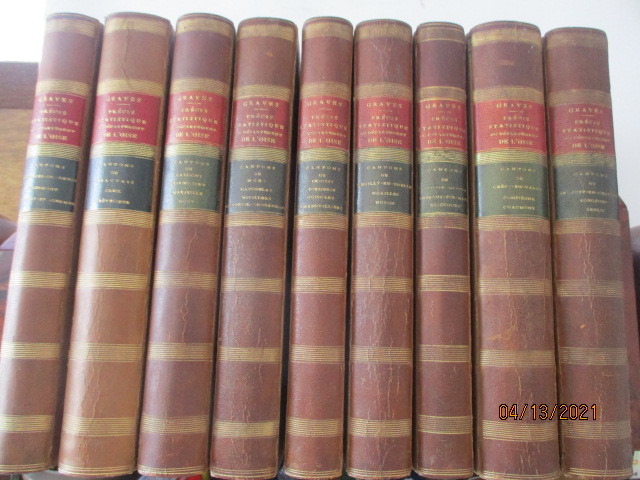
19654Annuaires 9 Volumes 1830, 1837, 1851 - Reliure 1/2 veau blond de l'époque uniforme - In-8 - Dos lisse à filets dorés - Pièces de titre rouge et verte -1 grande carte dépliante pour chaque canton + 3 cantons brochés - quelques mouillures sèches et rousseurs -Malgré les défauts mentionnés, bel ensemble - Envoi rapide et soigné