3 456 résultats
cm. 17 x 24, xx-580 pp. Fondazione Giorgio Cini - Studi di musica veneta 1180 gr. xx-580 p.
br. Il libro offre strumenti teorici ed applicativi per l'ascolto, l'analisi e la comprensione della musica. La prima parte espone argomenti basilari di teoria e grammatica; la seconda illustra alcuni principi base di morfologia musicale. Il testo si articola in due parti, seguite da un glossario e una bibliografia. Ciascuna parte contiene proposte d'ascolto ed esercizi per l'autoverifica. Nell'approntare il testo, gli autori hanno tenuto conto degli standard formativi in uscita previsti per l'educazione musicale dai principali curricoli scolastici europei (obiettivi listening e appraising).
106933Trento, Temi - Tipografia Editrice 1983, 240x170mm, XII - 450pagine, in brossura. Con sovracopperta. Ottimo stato.
20047585DBWeslayan, Weslayan University Press & Melanges ed., 2004. 8°. 21,5 cm. 12 Seiten. Original-Kartonmappe mit losen Blättern.
grand in-8°, 607 pp., 24 planches hors texte, broche, couv. carton souple illustre plastifie. NEUF SOUS CELLO. [109B-15]
102.948Paris, Henri Laurens, s.d. (ca 1920). 14 x 19, 127 pp., quelques illustrations en N/B, reliure rexine rouge, très bon état.
br. Attraverso il suono l'essere umano si relaziona con gli altri, delimita contesti che risuonano della sua lingua e dei suoi usi - ecco perché proprio il suono è spesso al centro di delicate questioni riguardanti la gestione e la condivisione degli spazi. Suoni e sonorità possono dunque definire l'identità del contesto in cui si manifestano? Sono i singoli suoni a individuare l'identità acustica di uno spazio oppure, viceversa, è lo spazio stesso a conferire ai suoni un carattere preciso e irripetibile, modellandoli e trasformandoli in accordo con l'ambiente che li ospita? Del tema della relazione fra identità sonora e paesaggio sonoro si è occupato il VII Simposio Internazionale del Forum Klanglandschaft - FKL: Forum per il Paesaggio Sonoro - intitolato "Soundscapes and Sound Identities", che si è svolto in Trentino, presso il Castello di Beseno, nel maggio 2015.
In 16, pp. 381 + (8) + (1) di errata + (1). Qualche fioritura al p. ant. Br. ed. Elenco in ordine alfabetico da Marcello Abbado a Ernst Zulauf con brevi note per ciascuno. In appendice un altro elenco di compositori e l'elenco dei festival musicali.
95558Paris, Editions du Seuil/Microcosme, 1959. 12 x 18, 189 pp., nombreuses illustrations en N/B, notations musicales, broché, très bon état.
ill., br. Mozart si ispirò al suono dello Stradivari per il suo quintetto d'archi, e al suono del clarinetto di Stadler, con poche chiavi e con un'intonazione approssimativa, per il suo quintetto K 581 e per il concerto K 622. Com'è possibile che Mozart, ma anche Weber o Spohr abbiano composto per simili strumenti? Probabilmente ad aver ispirato queste opere non è stato lo strumento ma lo strumentista; il modo di suonare di Stadler o di Baermann o di Hermsted ha colpito così profondamente i compositori che, anche senza il supporto di un buon strumento, con la propria bravura hanno trasformato il brano in un capolavoro. Molto probabilmente il compositore è stato colpito dal suono, dal timbro, dalla straordinaria bravura esecutiva del clarinettista. Attraverso la storia del clarinetto, con punti di vista assolutamente personali, come l'attribuzione dell'invenzione al figlio di Denner, o alla discendenza dal recorder, passando da alcune tra le innumerevoli opere più significative composte per lo strumento, dall'analisi del timbro e degli armonici, l'autore entra nel vivo di questo strumento e del suo bellissimo suono.
cm 24 x 33,5, xxxiv-88 pp. con 2 tavv. n.t. Musiche rinascimentali siciliane 26 Lilia Campi, quinto libro di mottetti del compositore siciliano Domenico Campisi, fu stampato a Roma nel 1627 da Paolo Masotti. Le ventidue composizioni della raccolta, per un organico che varia da due a sei voci e basso continuo, per la prima volta edite in partitura e corredate da uno studio storico-critico di Maria Rosa De Luca, testimoniano uno stile compositivo ricco d?inventiva che coniuga gli artifici contrappuntistici, nel solco della tradizione dei polifonisti siciliani del Cinque-Seicento, con le propriet? espressive dello stile recitativo. Lilia Campi, the fifth book of motets by the Sicilian composer Domenico Campisi, was published in Rome in 1627 by Paolo Masotti. The twenty-two pieces included in the collection, created for a group going from two to six voices and a basso continuo, are published here for the first time with their scores, and a critical essay by Maria Rosa de Luca. They show a style of composition rich of inventions, which joins the contrapuntal elements typical of the Sicilian tradition of the XVIth and XVIIth century, with the expressive features of the recitative style.Lilia Campi, the fifth book of motets by the Sicilian composer Domenico Campisi, was published in Rome in 1627 by Paolo Masotti. The twenty-two pieces included in the collection, created for a group going from two to six voices and a basso continuo, are published here for the first time with their scores, and a critical essay by Maria Rosa de Luca. They show a style of composition rich of inventions, which joins the contrapuntal elements typical of the Sicilian tradition of the XVIth and XVIIth century, with the expressive features of the recitative style.Lilia Campi, the fifth book of motets by the Sicilian composer Domenico Campisi, was published in Rome in 1627 by Paolo Masotti. The twenty-two pieces included in the collection, created for a group going from two to six voices and a basso continuo, are published here for the first time with their scores, and a critical essay by Maria Rosa de Luca. They show a style of composition rich of inventions, which joins the contrapuntal elements typical of the Sicilian tradition of the XVIth and XVIIth century, with the expressive features of the recitative style.Lilia Campi, the fifth book of motets by the Sicilian composer Domenico Campisi, was published in Rome in 1627 by Paolo Masotti. The twenty-two pieces included in the collection, created for a group going from two to six voices and a basso continuo, are published here for the first time with their scores, and a critical essay by Maria Rosa de Luca. They show a style of composition rich of inventions, which joins the contrapuntal elements typical of the Sicilian tradition of the XVIth and XVIIth century, with the expressive features of the recitative style.Lilia Campi, the fifth book of motets by the Sicilian composer Domenico Campisi, was published in Rome in 1627 by Paolo Masotti. The twenty-two pieces included in the collection, created for a group going from two to six voices and a basso continuo, are published here for the first time with their scores, and a critical essay by Maria Rosa de Luca. They show a style of composition rich of inventions, which joins the contrapuntal elements typical of the Sicilian tradition of the XVIth and XVIIth century, with the expressive features of the recitative style.Lilia Campi, the fifth book of motets by the Sicilian composer Domenico Campisi, was published in Rome in 1627 by Paolo Masotti. The twenty-two pieces included in the collection, created for a group going from two to six voices and a basso continuo, are published here for the first time with their scores, and a critical essay by Maria Rosa de Luca. They show a style of composition rich of inventions, which joins the contrapuntal elements typical of the Sicilian tradition of the XVIth and XVIIth century, with the expressive features of the recitati
br. La musica parla a tutti, anche agli «analfabeti musicali». La maggior parte di noi, noi non-musicisti, non è in grado di decifrare una partitura, di spiegare che cos'è un ritmo, un timbro, un rallentando o una sincope; ma questo non ci impedisce di godere della musica e di comprenderla a livello emotivo, sensoriale, sentimentale. Se noi non-musicisti avessimo però voglia di passare a un ascolto più profondo, più consapevole, più intenso, avremmo bisogno di un supporto. Ed ecco entrare in scena questo libro, scritto da un compositore che conosce a fondo l'alfabeto, la grammatica, la retorica e tutto quanto serve per usare il linguaggio musicale, e che immagina di invitarci a un corso di composizione per raccontarci quali sono i ferri del mestiere, mettere a fuoco le tecniche, gli stili, i segreti che attraverso i secoli hanno costruito la grande Musica. «Per fare in modo - ci dice Campogrande - che, al prossimo ascolto, sonate, sinfonie e quartetti possano riverberare nella mente con più intensità, aprendosi a nuovi pensieri e aumentando il godimento».
1956M111117Washington D.C., The Catholic University of America Press 1956 xv + 185 + [16] pp., with music examples in text, 23cm., softcover, text in English, Doctoral Dissertation (submitted in the Faculty of the Graduate School of Arts and Sciences of the Catholic University of America in partial fulfillment of the requirements for the degree of Doctor of Philosophy), stamp at verso of title page, text and interior are clean and bright, M111117
93904Paris, Editions Hachette/Pluriel, 1982. 11 x 18, 566 pp., broché, bon état.
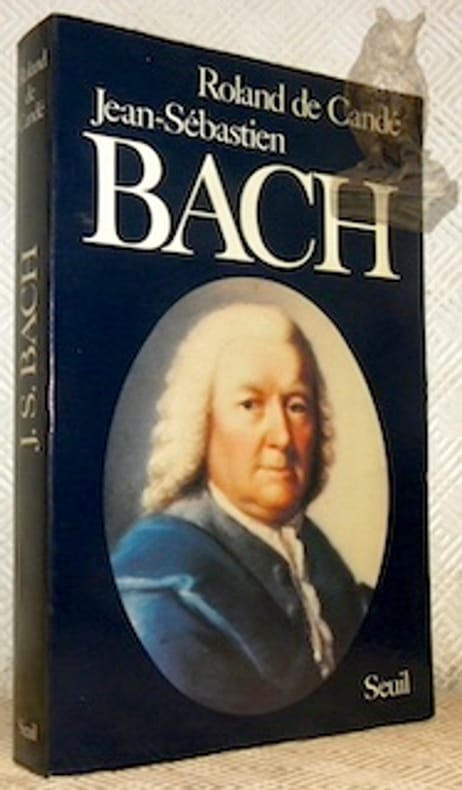
97056Paris, Editions du Seuil, 1984. 16 x 24, 493 pp., quelques illustrations et notations musicales, broché, très bon état.
198435949Paris, Seuil, 1984, in-8, Broché, 490 pages. Bon état
113786Paris, Seuil 1984, 240x155mm, 490pages, broché. Bel exemplaire.
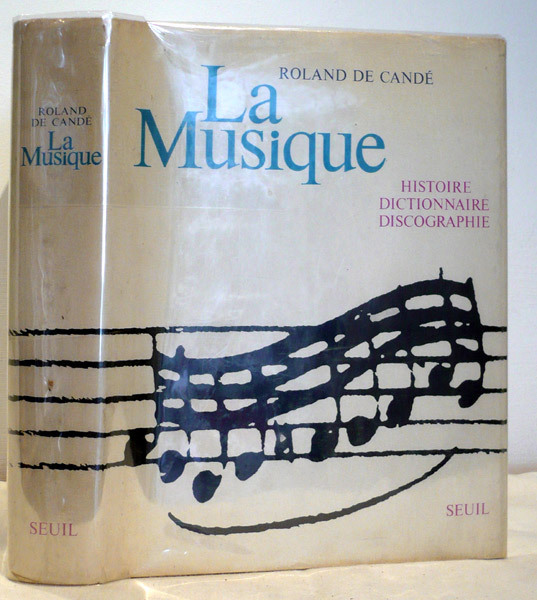
8120. Seuil Paris, 1972, in-8 carré, reliure toile éditeur sous jaquette illustrée et rhodoïd, 688pp., importante iconographie en noir et blanc. Bibliographie, index des notions et des noms in-fine. Jaquette légèrement jaunie sinon très bon état.
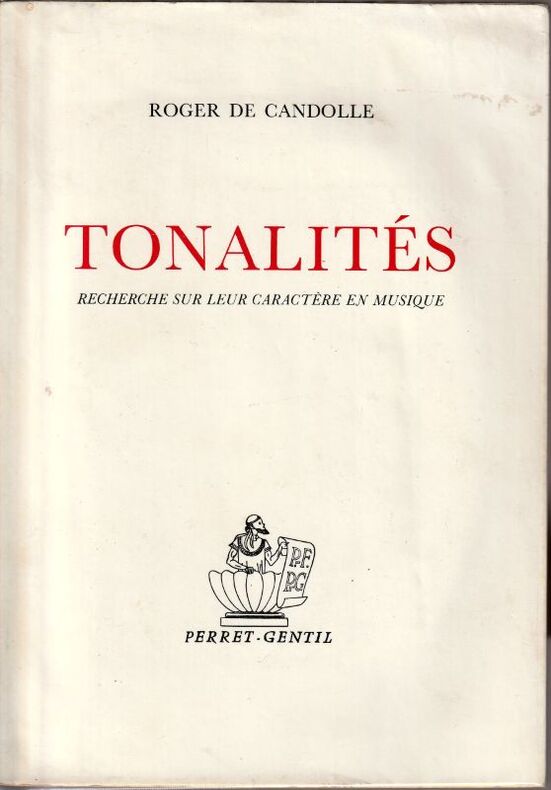
17824Perret-Gentil, 1983 - In-8, broché, 128 pages, édition originale enrichie d'un envoi autographe de la main de Roger De Candolle. Petit accident sur le plat ( sans gravité ). Très propre. Bon état.
95408Paris, Editions du Seuil, 1967. 12 x 18, 189 pp., nombreuses illustrations et notations musicales, broché, bon état (dos légèrement défraîchie).
338pp. + 8 plates out of text, 25cm., in the series "Temi e Testi" volume 9, softcover, text in Spanish, good condition, M99522
xv + 185 + [16] pp., with music examples in text, 23cm., softcover, text in English, Doctoral Dissertation (submitted in the Faculty of the Graduate School of Arts and Sciences of the Catholic University of America in partial fulfillment of the requirements for the degree of Doctor of Philosophy), stamp at verso of title page, text and interior are clean and bright, M111117
brossura
br. Attività multiforme tra giornalismo e musicologia, tra cronaca e opinione, la critica musicale sembra oggi perdere progressivamente centralità nel dibattito intellettuale. E mentre sparisce dai media tradizionali, si diffonde su Internet, dove sono offerte infinite possibilità espressive ma l'autorevolezza del critico viene messa in discussione. Per quali motivi si parla di musica? E quali sono gli obiettivi della critica musicale? È possibile avanzare una pretesa di oggettività o è inevitabile restare nell'ambito dell'interpretazione personale? Nel riproporre queste domande, il libro fa il punto sulla situazione attuale della critica musicale.
Siena; cm. 17 x 24,5, 52 pp. con 1 tav. f.t. 165 gr. 52 p.