(Opera) Flagstad, KirstenBiblio.com
353 résultats
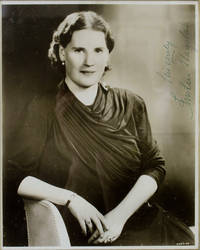
1930144431930. Image 9 1/2 x 7 1/2 inches matted and framed to 14 1/4 x 12 1/4 inches overall. 1 vols. Fine condition. Image 9 1/2 x 7 1/2 inches matted and framed to 14 1/4 x 12 1/4 inches overall. 1 vols. An attractive image showing the great Wagnerian soprano in street clothes seated. unknown
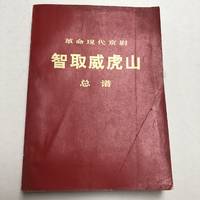
1971AG10051<p>Beijing: Published by People's Publishing House printed by Beijing Xinhua Printing Factory distributed by Xinhua Bookstore August 1971<b> FIRST EDITION</b>. The July 1970 Script Revised and Performed Collectively by Shanghai Peking Opera Troupe. 8vo. xii 425 3 pp. Colophon. Quotations from Chinaman Mao on the second and third page. Printed red tilted wrappers <i>minor crease to the cover minor tear to the foot of the binding else fine condition.</i><br /></p><p>《智å–å¨è™Žå±±ã€‹æ€»è°±</p><p>北京: 人民出版社出版,å‰2页带有毛主å¸è¯å½•ï¼Œ1971å¹´8月出版,由上海京剧团《智å–å¨è™Žå±±ã€‹å‰§ç»„改å˜é›†ä½“演出,1970年演出本。第一版第一å°ã€‚å°çš®ç¨å¾®æœ‰åˆ’痕,其他完好。</p><p>In China revolutionary operas or model operas Chinese: yangban xi æ ·æ¿æˆ were a series of shows planned and engineered during the Cultural Revolution 1966–1976 by Jiang Qing the wife of Chairman Mao Zedong.1 They were considered revolutionary and modern in terms of thematic and musical features when compared with traditional Chinese operas. Many of them were adapted to film.</p><p>Originally eight revolutionary operas Chinese: Ba Ge Yangban Xi å…«ä¸ªæ ·æ¿æˆ were produced eighteen by the end of the period. Instead of the "emperors kings generals chancellors maidens and beauties" of the traditional Peking opera which was banned as "feudalistic and bourgeois" they told stories from China's recent revolutionary struggles against foreign and class enemies. They glorified the People's Liberation Army and the bravery of the common people and showed Mao Zedong and his thought as playing the central role in the victory of socialism in China. Although they originated as operas they soon appeared on LPs in comic books lianhuanhua on posters postcards and stamps; on plates teapots wash basins cigarette packages vases and calendars. They were performed or played from loudspeakers in schools factories and fields by special performing troupes. The Eight Model Operas dominated the stage in all parts of the country during these years leading to the joke "Eight hundred million people watched eight shows."</p><p>本剧是文é©æ—¶æœŸçš„å…«å¤§æ ·æ¿æˆä¹‹ä¸€ã€Šæ™ºå–å¨è™Žå±±ã€‹ï¼Œç”±æ¯›ä¸»å¸å¤«äººæ±Ÿé’负责制作和演出。很多被æ‹æˆäº†ç”µå½±ã€‚</p><p>最åˆæœ‰å…«ä¸ªæ ·æ¿æˆï¼ŒåŽæ¥åœ¨æ–‡é©æ—¶æœŸçš„åŽæœŸå‘展到了18个。ä¸åƒå› å°å»ºå’Œèµ„产阶级的被ç¦äº†çš„ä¼ ç»Ÿäº¬å‰§ï¼Œé‡Œé¢å‡ºçŽ°çš„ä¸çš„国王大臣少女和美人,é©å‘½çŽ°ä»£äº¬å‰§ä¸»è¦è®²è¿°ä¸å›½è¿‘å¹´æ¥çš„抗战故事,宣扬人民解放军的光辉è£è€€å’Œæ¯›ä¸»å¸çš„英勇。虽然是京剧,很快就å˜æˆäº†å„ç§å½¢å¼å‡ºçŽ°åœ¨è¿žçŽ¯ç”»ã€æµ·æŠ¥ã€æ˜Žä¿¡ç‰‡ã€é‚®ç¥¨ã€é¦™çƒŸã€èŠ±ç“¶ã€æ—¥åŽ†ç‰å„ç§åœ°æ–¹ï¼Œç”¨æ‰©éŸ³å–‡å在å¦æ ¡ã€å·¥åŽ‚ç‰åœ°æ–¹ï¼Œç”±æ¼”出团进行表演。8ä¸ªæ ·æ¿æˆä¸»å¯¼äº†å…¨å›½æ‰€æœ‰çš„舞å°ï¼Œå› æ¤æœ‰äº†8亿人共看8个剧的笑è¯ã€‚</p> People’s Publishing House paperback
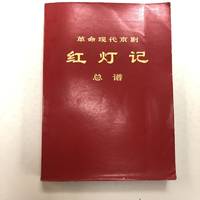
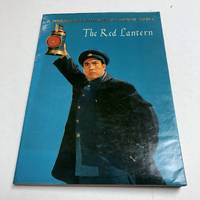
1971AG-10050<p><b><i>The Red Lantern Full Score</i></b><b><i>红ç¯è®°</i></b><b><i> Hong Deng Ji</i></b></p><p>Beijing: Published by People's Publishing House printed by Beijing Xinhua Printing Factory distributed by Xinhua Bookstore Beijing Distributing Agency,August 1971<b> FIRST EDITION</b>. The May 1970 Script Created Collectively by the China Peking Opera troupe. Quotations from Chinaman Mao on the second and third page 8vo. xii 380 2 pp. colophon printed titled wrappers <i>crease to the cover very slight tear to the foot of the binding else fine condition.</i></p><p>In China revolutionary operas or model operas Chinese: yangban xi æ ·æ¿æˆ were a series of shows planned and engineered during the Cultural Revolution 1966–1976 by Jiang Qing the wife of Chairman Mao Zedong. They were considered revolutionary and modern in terms of thematic and musical features when compared with traditional Chinese operas. Many of them were adapted to film.</p><p>京剧《红ç¯è®°ã€‹æ€»è°±</p><p>北京:人民出版社出版,ä¸å›½äº¬å‰§å›¢é›†ä½“制作,基于1970年五月演出本,第一版,书的å‰ä¸¤é¡µæœ‰æ¯›ä¸»å¸è¯å½•ï¼Œå…±380页主体内容。书皮ç¨æœ‰ä¸€é“上下方å‘折痕,其他å“相éžå¸¸å¥½ã€‚</p><p>In China revolutionary operas or model operas Chinese: yangban xi æ ·æ¿æˆ were a series of shows planned and engineered during the Cultural Revolution 1966–1976 by Jiang Qing the wife of Chairman Mao Zedong.1 They were considered revolutionary and modern in terms of thematic and musical features when compared with traditional Chinese operas. Many of them were adapted to film.</p><p>Originally eight revolutionary operas Chinese: Ba Ge Yangban Xi å…«ä¸ªæ ·æ¿æˆ were produced eighteen by the end of the period. Instead of the "emperors kings generals chancellors maidens and beauties" of the traditional Peking opera which was banned as "feudalistic and bourgeois" they told stories from China's recent revolutionary struggles against foreign and class enemies. They glorified the People's Liberation Army and the bravery of the common people and showed Mao Zedong and his thought as playing the central role in the victory of socialism in China. Although they originated as operas they soon appeared on LPs in comic books lianhuanhua on posters postcards and stamps; on plates teapots wash basins cigarette packages vases and calendars. They were performed or played from loudspeakers in schools factories and fields by special performing troupes. The Eight Model Operas dominated the stage in all parts of the country during these years leading to the joke "Eight hundred million people watched eight shows."</p><p>本剧是文é©æ—¶æœŸçš„å…«å¤§æ ·æ¿æˆä¹‹ä¸€ã€Šçº¢ç¯è®°ã€‹ï¼Œç”±æ¯›ä¸»å¸å¤«äººæ±Ÿé’负责制作和演出。很多被æ‹æˆäº†ç”µå½±ã€‚</p><p>最åˆæœ‰å…«ä¸ªæ ·æ¿æˆï¼ŒåŽæ¥åœ¨æ–‡é©æ—¶æœŸçš„åŽæœŸå‘展到了18个。ä¸åƒå› å°å»ºå’Œèµ„产阶级的被ç¦äº†çš„ä¼ ç»Ÿäº¬å‰§ï¼Œé‡Œé¢å‡ºçŽ°çš„ä¸çš„国王大臣少女和美人,é©å‘½çŽ°ä»£äº¬å‰§ä¸»è¦è®²è¿°ä¸å›½è¿‘å¹´æ¥çš„抗战故事,宣扬人民解放军的光辉è£è€€å’Œæ¯›ä¸»å¸çš„英勇。虽然是京剧,很快就å˜æˆäº†å„ç§å½¢å¼å‡ºçŽ°åœ¨è¿žçŽ¯ç”»ã€æµ·æŠ¥ã€æ˜Žä¿¡ç‰‡ã€é‚®ç¥¨ã€é¦™çƒŸã€èŠ±ç“¶ã€æ—¥åŽ†ç‰å„ç§åœ°æ–¹ï¼Œç”¨æ‰©éŸ³å–‡å在å¦æ ¡ã€å·¥åŽ‚ç‰åœ°æ–¹ï¼Œç”±æ¼”出团进行表演。8ä¸ªæ ·æ¿æˆä¸»å¯¼äº†å…¨å›½æ‰€æœ‰çš„舞å°ï¼Œå› æ¤æœ‰äº†8亿人看8个剧的笑è¯ã€‚</p><p><i><br /></i></p> People’s Publishing House paperback
19383114056NP: Merle Armtage. Very Good with no dust jacket. 1938. First Edition; First Printing. Softcover. Souvenir program for the first revival of George Gershwin's operatic masterpiece staged in Los Angeles and San Francisco in 1938 in the pattern of director Rouben Mamoulian original production. Very good in yellow oversize printed wrappers. 9" X 12" 22pp. Couple short edge tears and traces of mild shelf-soiling. Features several photographs of the principal artists involved as well Gershwin and others. Surprisingly uncommon. ; 9" X 12"; 22 pages . Merle Armtage. paperback
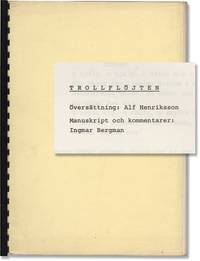
1973146818N.p.: N.p. 1973. Agency Draft script for the 1975 film. With 31 pages of director Ingmar Bergman's commentary bound in after the script. Text in Swedish.<br /> <br /> Based on the 1791 German opera about a young prince tasked with rescuing a princess from a mysterious high priest. Widely considered one of the most successful operatic adaptations to film ever released. <br /> <br /> Shot on location in Stockholm Sweden. <br /> <br /> Pale yellow untitled wrappers. Title page present dated November 1973 with credits for director Ingmar Bergman and screenwriter Alf Henrikson. 93 leaves with last page of text numbered 61. Xerographic duplication rectos only. Pages Very Good plus wrapper Very Good plus with a black comb binding.<br /> <br /> Criterion Collection 71. N.p. unknown
19832102150080zbvkParis, L'Echo des Savanes - Éditions Albin Michel, 1983. 96 (2) pages, fully illustrated. - Publisher's colour-illustrated softcover; 4to.(ca. 31,5 x 23 cm).
19832102150081zbvkParis, L'Echo des Savanes - Éditions Albin Michel, 1983. 57 pages on strong paper, fully illustrated. - Publisher's colour-illustrated hardcover; large-4to.(ca. 33 x 24 cm).
19812102150078zbvkLe Square, Éditions Albin Michel, 1981. 91 (1) pages, fully illustrated. - Publisher's colour-illustrated softcover; 4to.(ca. 30 x 21 cm).
1929008486New York / London / Toronto: Longmans Green and Co. 1929. First Edition 1st Printing. Red Cloth. Very Good/Good Slipcase. Two Volumes. Slipcase With Modernist Illustration Of A Woman's Head And A Single Musical Note In Blue Gray Black And White By "H. M."; Preliminary Reviews On Rear Panel; Publisher's Summary On Rear Panel With $5.00 Price. Stated First Editions. A Well Received Novel But Reprinted Almost Immediately In The Book League Monthly In Two Parts Hence Never Receiving A Further Trade Printing. A Tight Clean Lightly Used Set Binding And Hinges Tight Spine Gilt Dull But Readable. Inscribed On Front Endpaper To Miss Pearl Besuner And Dated March 11 1929; She Was A Soprano From Cincinnati Who Made Her Debut With The Metropolitan Opera In 1928 And Was Favorably Reviewed By Sanborn For Her Performance In "The Emperor Jones" In 1933. Her History Mirrors That Of The Main Character Of This Novel Making This A Likely Dedication Copy. Pitts Sanborn 1879-1941 Was Music Critic For The New York Globe And Then The New York World Telegram. "He Also Write Books Such As The Metropolitan Book Of The Opera Prima Donna : A Novel Of The Opera Ludwig Van Beethoven." Wikipedia. Sanborn Was Also Remarked Upon As One Of The Great Originals Of 1920'S / 1930'S Culture. His Friendship With Wallace Stevens Included A Great Influence Upon Stevens' Interest In Music And Thus His Poetry. With A Long Two-Column Review From A Contemporary Newspaper Not Identified. Signed Material From Sanborn Is Scarce; Most Of His Personal Estate Was Lost Thrown Out On Street By His Ny Landlord Immediately After His Death In 1941. <br/> <br/> Longmans, Green and Co. hardcover
1929035174Moskva / Moscow: Teakinopechat 1929. 1st Edition . Soft cover. Good/Good. Photographs. 118 Pp. Tan Wrappers Printed In Black; Unprinted Textured Brown Dust Jacket.5 1/4" X 3 5/8". Libretto Biography Of Shishov Etc. Many Photographic Illustrations Of Stage Sets In Russian Modernist Style. Inscribed At Length By The Author On Inside Of Front Cover Dated May 27 1929. Book Worn; Binding Cracked Between Pp 32-33 But Binding Intact. Dj Very Worn Small Chips At Corners. Shishov Taught At The Moscow Conservatory 1925-1931. From 1930 He Was Editor At Muzgiz State Music Publishing House And Edited Tchaikovsky's Eugene Onegin. <br/> <br/> Teakinopechat paperback
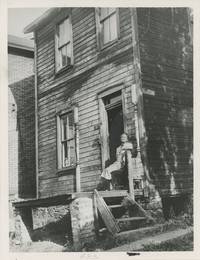
1952List2814Homestead Pennsylvania 1952. 7 x 9 inch photograph. International News Photos and Tribune 4th Edition stamps verso with newspaper clipping. Marked “623†in pencil recto. Fine. Olive Moorefield b.1932 is an American opera singer and theater and film actress from Homestead Pennsylvania. As the newspaper clipping on the back of this photograph—from very early in Moorefield’s career—explains “She had earned $22 by baby sitting and decided to go to New York in hopes of auditioning for a play. She was given a try at a part in ‘My Darlin’ Aida’ . She made the gradeâ€. Following Aida she was brought to Vienna by the US Information Service to sing for servicemen and would go on to sing for the Vienna Volksoper Oper Frankfurt Schauspielhaus Zürich and others. She would also star in a number of German and Viennese films. Offered here is a photograph of Moorefield’s mother sitting on the porch of Moorefield’s childhood home. The clipping states that her mother “urged her to try for the part†of Lolly in Aida. unknown
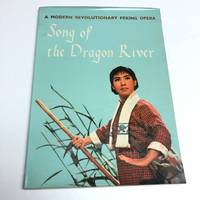
1972AG-10060<p>Beijing: Published by Foreign Language Press 1972 <b>FIRST EDITION</b> the January 1972 Script Revised by the Song of the Dragon River Group of Shanghai. Started with Quotation from Chairman Mao on the first page large 8vo xii 44 pp. 12 colophon fine condition <i>fine condition</i><br /></p><p>北京:外è¯å‡ºç‰ˆç¤¾å‡ºç‰ˆï¼Œ1972年第一版,由上海《龙江颂》改编,开头带有毛主å¸è¯å½•ã€‚本册共44页12页彩色舞å°ç…§ç‰‡ï¼Œå“相éžå¸¸å¥½ã€‚</p><p>In China revolutionary operas or model operas Chinese: yangban xi æ ·æ¿æˆ were a series of shows planned and engineered during the Cultural Revolution 1966–1976 by Jiang Qing the wife of Chairman Mao Zedong.1 They were considered revolutionary and modern in terms of thematic and musical features when compared with traditional Chinese operas. Many of them were adapted to film.</p><p>Originally eight revolutionary operas Chinese: Ba Ge Yangban Xi å…«ä¸ªæ ·æ¿æˆ were produced eighteen by the end of the period. Instead of the "emperors kings generals chancellors maidens and beauties" of the traditional Peking opera which was banned as "feudalistic and bourgeois" they told stories from China's recent revolutionary struggles against foreign and class enemies. They glorified the People's Liberation Army and the bravery of the common people and showed Mao Zedong and his thought as playing the central role in the victory of socialism in China. Although they originated as operas they soon appeared on LPs in comic books lianhuanhua on posters postcards and stamps; on plates teapots wash basins cigarette packages vases and calendars. They were performed or played from loudspeakers in schools factories and fields by special performing troupes. The Eight Model Operas dominated the stage in all parts of the country during these years leading to the joke "Eight hundred million people watched eight shows."</p><p>本剧本属于文é©æ—¶æœŸçš„å…«å¤§æ ·æ¿æˆï¼Œç”±æ¯›ä¸»å¸å¤«äººæ±Ÿé’负责制作和演出。很多被æ‹æˆäº†ç”µå½±ã€‚</p><p>最åˆæœ‰å…«ä¸ªæ ·æ¿æˆï¼ŒåŽæ¥åœ¨æ–‡é©æ—¶æœŸçš„åŽæœŸå‘展到了18个。ä¸åƒå› å°å»ºå’Œèµ„产阶级的被ç¦äº†çš„ä¼ ç»Ÿäº¬å‰§ï¼Œé‡Œé¢å‡ºçŽ°çš„ä¸çš„国王大臣少女和美人,é©å‘½çŽ°ä»£äº¬å‰§ä¸»è¦è®²è¿°ä¸å›½è¿‘å¹´æ¥çš„抗战故事,宣扬人民解放军的光辉è£è€€å’Œæ¯›ä¸»å¸çš„英勇。虽然是京剧,很快就å˜æˆäº†å„ç§å½¢å¼å‡ºçŽ°åœ¨è¿žçŽ¯ç”»ã€æµ·æŠ¥ã€æ˜Žä¿¡ç‰‡ã€é‚®ç¥¨ã€é¦™çƒŸã€èŠ±ç“¶ã€æ—¥åŽ†ç‰å„ç§åœ°æ–¹ï¼Œç”¨æ‰©éŸ³å–‡å在å¦æ ¡ã€å·¥åŽ‚ç‰åœ°æ–¹ï¼Œç”±æ¼”出团进行表演。8ä¸ªæ ·æ¿æˆä¸»å¯¼äº†å…¨å›½æ‰€æœ‰çš„舞å°ï¼Œå› æ¤æœ‰äº†8亿人看8个剧的笑è¯ã€‚</p><p><br /></p> Foreign Language Press
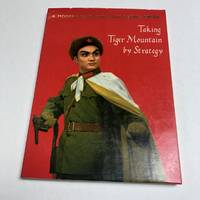
1971AG-10059<p>Beijing: Published by Foreign Language Press 1971 <b>FIRST EDITION.</b> The July 1970 Script Revised by "The Taking Tiger Mountain by Strategy" Group of Peking Opera Troupe of Shanghai. Large 8vo. XXX 113 6 pp. colophon with 3 pages Quotations from Chairman Mao. Printed pictorial wrappers <i>minor tear to the foot edge of the front cover minor curled at the head edge of the front cover else very good condition.</i><br /></p><p>北京:外文出版社出版,1971年第一版,由ä¸å›½äº¬å‰§å›¢æ ¹æ®1970年剧本è”åˆæ”¹ç¼–。å‰é¡µå¸¦æœ‰æ¯›ä¸»å¸è¯å½•ã€‚å°çš®é¡¶éƒ¨ç¨æœ‰ç£¨æŸï¼Œå…¶ä»–部分å“相éžå¸¸å¥½ã€‚</p><p><br /></p><p>In China revolutionary operas or model operas Chinese: yangban xi æ ·æ¿æˆ were a series of shows planned and engineered during the Cultural Revolution 1966–1976 by Jiang Qing the wife of Chairman Mao Zedong.1 They were considered revolutionary and modern in terms of thematic and musical features when compared with traditional Chinese operas. Many of them were adapted to film.</p><p>Originally eight revolutionary operas Chinese: Ba Ge Yangban Xi å…«ä¸ªæ ·æ¿æˆ were produced eighteen by the end of the period. Instead of the "emperors kings generals chancellors maidens and beauties" of the traditional Peking opera which was banned as "feudalistic and bourgeois" they told stories from China's recent revolutionary struggles against foreign and class enemies. They glorified the People's Liberation Army and the bravery of the common people and showed Mao Zedong and his thought as playing the central role in the victory of socialism in China. Although they originated as operas they soon appeared on LPs in comic books lianhuanhua on posters postcards and stamps; on plates teapots wash basins cigarette packages vases and calendars. They were performed or played from loudspeakers in schools factories and fields by special performing troupes. The Eight Model Operas dominated the stage in all parts of the country during these years leading to the joke "Eight hundred million people watched eight shows."</p><p>本组剧本属于文é©æ—¶æœŸçš„å…«å¤§æ ·æ¿æˆï¼Œç”±æ¯›ä¸»å¸å¤«äººæ±Ÿé’负责制作和演出。很多被æ‹æˆäº†ç”µå½±ã€‚</p><p>最åˆæœ‰å…«ä¸ªæ ·æ¿æˆï¼ŒåŽæ¥åœ¨æ–‡é©æ—¶æœŸçš„åŽæœŸå‘展到了18个。ä¸åƒå› å°å»ºå’Œèµ„产阶级的被ç¦äº†çš„ä¼ ç»Ÿäº¬å‰§ï¼Œé‡Œé¢å‡ºçŽ°çš„ä¸çš„国王大臣少女和美人,é©å‘½çŽ°ä»£äº¬å‰§ä¸»è¦è®²è¿°ä¸å›½è¿‘å¹´æ¥çš„抗战故事,宣扬人民解放军的光辉è£è€€å’Œæ¯›ä¸»å¸çš„英勇。虽然是京剧,很快就å˜æˆäº†å„ç§å½¢å¼å‡ºçŽ°åœ¨è¿žçŽ¯ç”»ã€æµ·æŠ¥ã€æ˜Žä¿¡ç‰‡ã€é‚®ç¥¨ã€é¦™çƒŸã€èŠ±ç“¶ã€æ—¥åŽ†ç‰å„ç§åœ°æ–¹ï¼Œç”¨æ‰©éŸ³å–‡å在å¦æ ¡ã€å·¥åŽ‚ç‰åœ°æ–¹ï¼Œç”±æ¼”出团进行表演。8ä¸ªæ ·æ¿æˆä¸»å¯¼äº†å…¨å›½æ‰€æœ‰çš„舞å°ï¼Œå› æ¤æœ‰äº†8亿人看8个剧的笑è¯ã€‚</p> Foreign Language Press paperback
1972AG-10058<p>Beijing: Published by Foreign Language Press 1972 <b>FIRST EDITION</b>. The May 1970 Script Revised Collectively by China Peking Opera Troupe. Started with Quotation from Chairman Mao on the first page. Large 8vo. vii 98 1 pp. colophon printed pictorial wrappers<i> very good condition.</i><br /></p><p><i>北京:外文出版社出版,</i><i>1972</i><i>年第一版,由ä¸å›½äº¬å‰§å›¢æ ¹æ®</i><i>1970</i><i>年剧本è”åˆæ”¹ç¼–。å‰é¡µå¸¦æœ‰æ¯›ä¸»å¸è¯å½•ã€‚å“相éžå¸¸å¥½ã€‚</i></p><p>In China revolutionary operas or model operas Chinese: yangban xi æ ·æ¿æˆ were a series of shows planned and engineered during the Cultural Revolution 1966–1976 by Jiang Qing the wife of Chairman Mao Zedong.1 They were considered revolutionary and modern in terms of thematic and musical features when compared with traditional Chinese operas. Many of them were adapted to film.</p><p>Originally eight revolutionary operas Chinese: Ba Ge Yangban Xi å…«ä¸ªæ ·æ¿æˆ were produced eighteen by the end of the period. Instead of the "emperors kings generals chancellors maidens and beauties" of the traditional Peking opera which was banned as "feudalistic and bourgeois" they told stories from China's recent revolutionary struggles against foreign and class enemies. They glorified the People's Liberation Army and the bravery of the common people and showed Mao Zedong and his thought as playing the central role in the victory of socialism in China. Although they originated as operas they soon appeared on LPs in comic books lianhuanhua on posters postcards and stamps; on plates teapots wash basins cigarette packages vases and calendars. They were performed or played from loudspeakers in schools factories and fields by special performing troupes. The Eight Model Operas dominated the stage in all parts of the country during these years leading to the joke "Eight hundred million people watched eight shows."</p><p>本剧本属于文é©æ—¶æœŸçš„å…«å¤§æ ·æ¿æˆï¼Œç”±æ¯›ä¸»å¸å¤«äººæ±Ÿé’负责制作和演出。很多被æ‹æˆäº†ç”µå½±ã€‚</p><p>最åˆæœ‰å…«ä¸ªæ ·æ¿æˆï¼ŒåŽæ¥åœ¨æ–‡é©æ—¶æœŸçš„åŽæœŸå‘展到了18个。ä¸åƒå› å°å»ºå’Œèµ„产阶级的被ç¦äº†çš„ä¼ ç»Ÿäº¬å‰§ï¼Œé‡Œé¢å‡ºçŽ°çš„ä¸çš„国王大臣少女和美人,é©å‘½çŽ°ä»£äº¬å‰§ä¸»è¦è®²è¿°ä¸å›½è¿‘å¹´æ¥çš„抗战故事,宣扬人民解放军的光辉è£è€€å’Œæ¯›ä¸»å¸çš„英勇。虽然是京剧,很快就å˜æˆäº†å„ç§å½¢å¼å‡ºçŽ°åœ¨è¿žçŽ¯ç”»ã€æµ·æŠ¥ã€æ˜Žä¿¡ç‰‡ã€é‚®ç¥¨ã€é¦™çƒŸã€èŠ±ç“¶ã€æ—¥åŽ†ç‰å„ç§åœ°æ–¹ï¼Œç”¨æ‰©éŸ³å–‡å在å¦æ ¡ã€å·¥åŽ‚ç‰åœ°æ–¹ï¼Œç”±æ¼”出团进行表演。8ä¸ªæ ·æ¿æˆä¸»å¯¼äº†å…¨å›½æ‰€æœ‰çš„舞å°ï¼Œå› æ¤æœ‰äº†8亿人看8个剧的笑è¯ã€‚</p> Foreign Language Press paperback
1986150041Paris: Interpress 1986. Vintage borderless reference photograph of Marushka Detmers from the 1983 film. Later printed French Interpress announcement with typos on verso. <br /> <br /> Loosely based on Georges Bizet's 1875 opera. A young woman involved in a terrorist gang is embroiled in a plan to rob a bank but her plans are waylaid when she falls for the security guard.<br /> <br /> Set and shot on location in Paris. <br /> <br /> 7 x 5 inches. Near Fine.<br /> <br /> Godard Histoires du Cinema. Interpress unknown
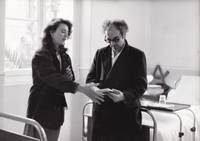
1986154238Paris: Interpress 1986. Vintage borderless reference photograph of Marushka Detmers and director Jean-Luc Godard on the set of the 1983 film.<br /> <br /> Loosely based on Georges Bizet's 1875 opera. A young woman involved in a terrorist gang is embroiled in a plan to rob a bank but her plans are waylaid when she falls for the security guard.<br /> <br /> Set and shot on location in Paris. <br /> <br /> 7 x 5 inches. Near Fine.<br /> <br /> Godard Histoires du Cinema. Interpress unknown
1926300750Eigenbrödler Verlag Berlin, o.J. [ca. 1926 ]. 8°. Blauer Originalganzlederband auf vier echten Bünden, reichhaltigst goldverziert (Rahmungen und florale Rankungen) mit goldgeprägten Titeln und Kopfgoldschnitt. Der Einband nur wenigst an Ecken und Bünden berieben. 1 w.Bl., (6), 216 (+1) S., 1 w.Blatt. Druck auf unbeschnittenem Bütten. Sauberes, nahezu makelloses Exemplar. [6 Warenabbildungen]
19282092902138300351Not Available 1928. Soft Cover. Fine. The book is in fine condition. Not Available paperback
197418189ABFirenze, Edagricole, 1974. 26 cm. VI, 944/(8) 1120/X, 549 S. mit 4.419 Pflanzenzeichnungen zusammen mit 13.020 Detailzeichnungen. Original Halbleder (Hardcover) m. 2 ggpr. Rückenschildern, Fadenheftung. Volume 1-3. [3 Warenabbildungen] 2a ristampa Sehr schöne saubere, gepflegte und feste Exemplare. Gelenke teils etwas lichtgedunkelt. Bibliotheks- bzw. Ex Libris-Stempel im Vorsatz. Museo Tridentino di Scienze naturali - Opera Botanica ; Sezione A ; Vol 1-3.
1983149602N.p.: Sara Films 1983. Vintage reference photograph from the 1983 film. With a printed mimeo snipe on the verso.<br /> <br /> Loosely based on Georges Bizet's 1875 opera. A young woman involved in a terrorist gang is embroiled in a plan to rob a bank but her plans are waylaid when she falls for the security guard.<br /> <br /> Set and shot on location in Paris. <br /> <br /> 10 x 8 inches. Near Fine.<br /> <br /> Godard Histoires du cinema. Sara Films unknown
1927D12058Milan 1927. Ephemera. Very Good. Broadside advertisements for the performance of "Piccolo Harem" at Teatro Manzoni 4 large printed in color; 7 handwritten letters by Costa 5 of them signed with content related to the drama; 78-pp. typescript of the play in French "Petit Harem" signed by Costa; and 7 contemporary newspapers containing reviews. Condition is VG or better. The broadsides are particularly striking -- some flattened creases from folding but boldly designed and colors remain bright would display nicely. <br/><br/> unknown