Picicco AgostinoMareMagnum

2 471 résultats
br. Ludovico Necchi (1876-1930) è stato un esponente significativo della cultura cattolica italiana dell'inizio '900 dall'esemplare vita spirituale vivificata da sentite pratiche di pietà. Stretto collaboratore di padre Agostino Gemelli nella realizzazione dell'Università del Sacro Cuore di Milano, la sua esperienza cristiana è presente in tutte le sue scelte di vita, armonizzate da una sapiente organizzazione nei diversi e multiformi impegni professionali, familiari, amministrativi, accademici.
br. La straordinaria vicenda umana e spirituale di un Santo, tanto amato dal popolo cristiano, si presenta in questa biografia con tutta la freschezza e la semplicità di una vita ordinaria. San Nicola da Tolentino porge con la sua testimonianza una grande lezione di amore, umiltà e profonda fede. Seppur vissuto otto secoli fa, resta attuale per il suo messaggio, la sua intercessione, l'esemplarità di vita come uomo e come religioso agostiniano; l'immagine di san Nicola si presenta come quella del sorriso di Dio, un sorriso pieno di bontà e umiltà. Nella sezione dedicata all'analisi della spiritualità si può comprendere sia la profonda essenza agostiniana di Nicola, che lo ha reso emblema del nascente Ordine e oggi lo presenta come preziosa pietra della famiglia del grande sant'Agostino, ma anche la profonda attualità della sua figura di patrono delle anime del Purgatorio.
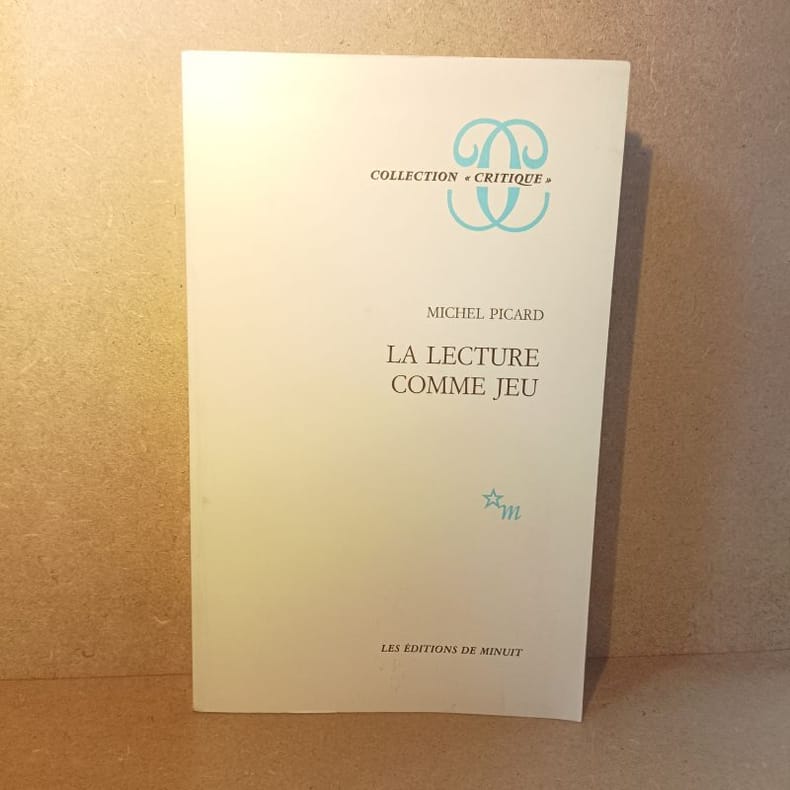
19867401986 - broché - Les Editions de Minuit - Collection "Critique" dirigée par Jean Piel - 1986 - In-8 (21,5 x 14 cm) broché - 320 pages - ISBN : 9782707310828 / 2-7073-1082-4 - Ouvrage intitulé : "La lecture comme un jeu. Essai sur la littérature"
br. Della vita di Isacco della Stella si sa talmente poco che il teologo Louis Bouyer lo definì «il grande mistero tra i cistercensi». Inglese di nascita, studiò probabilmente in Francia, dove divenne monaco, prima presso l'abbazia di Cîteaux, in Borgogna, e poi all'abbazia dell'Étoile, nei pressi di Poitiers, della quale nel 1147 fu nominato abate. Alcuni anni prima della sua morte fondò, assieme ad altri monaci, una nuova abbazia sull'isola di Ré, al largo di La Rochelle. Figura rimasta all'ombra dei grandi autori cistercensi della prima generazione, oggi sta lentamente riguadagnando il posto che merita, grazie all'attenzione di diversi studiosi e alla comparsa di numerose traduzioni dei suoi scritti. Autore di cinquantacinque sermoni e di alcuni trattati in forma di lettera, fra i quali il più famoso è senza dubbio il De Anima, Isacco fu capace di fondere in modo mirabile nella sua spiritualità le due prospettive della ragione e del sentimento, che compongono insieme la sostanza e il linguaggio della fede, in una sintesi di grande modernità. Domenico Pezzini ne propone in questo volume una lettura «linguistica», concentrando l'analisi su alcuni sermoni. Una prospettiva che permette di apprezzare la grande versatilità con cui sono affrontati gli argomenti di volta in volta prescelti: dallo scavo di singole parole-chiave raggruppate attorno a un tema, alla profondità condensata in brevi paragrafi, a discorsi più articolati organizzati in due o più sermoni, che nell'insieme formano veri e propri trattati in miniatura di antropologia teologica, teologia della vita comunitaria, mariologia e preghiera. Prefazione di Elias Dietz.
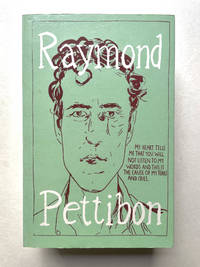
2015<p>First English Language Edition. 897 pp. offset in stiff wrappers chiefly illustrated in black and white. 4to. Very good. 2015</p><p><em>Catalogue raisonné of the artist's books of Raymond Pettibon. From the library of translator and onetime member of the Situationist International Donald Nicholson-Smith inscribed to Nicholson-Smith by Pettibon at half-title page and additionally by editor Ohrt at title page. A nice association copy which suggests an affinity between Pettibon's illustrations and the graphic work of the Situationist International.</em></p> D.A.P.
Premessa: Il mito di Maso Finiguerra - Note alla premessa - In Cinquecento I.-XX. - Appendice: Interpretazione di Giulio Campagnola - Note all'Appendice - Note e Bibliografia . Illustrazioni nel e fuori testo - Indice dei nomi - Omaggio della Banca Nazionale del Lavoro 1 32x23 cm., legatura editoriale in cartone-telato, protezione in acetato, piatto illustrato con incisione di Marcantonio Raimondi 'Ritratto del poeta Giovanni Achillini detto Filoteo; astuccio con plaquette, e protezione astuccio in cartone ondulato con etichetta sul dorso; nei risguardi: Maestri della Trappola, La battagli di Pavia; in frontespizio: Giorgio Ghisi, La Fortuna alata; pp. 110, 80 tavole con didascalia a fronte, colophon con incisione; stampato su carta appositamente fabbricata dalla cartiera di Tolmezzo, tavole stampate dalla Rotografica Romana di Adriano Rossi di Roma. esemplare ottimo ben conservato e protetto.
In-16° gr. pp. 99, bross. edit. con lievi tagli sul piatto. Esemplare intonso.
36 pages. Black and white reproductions of archival photos. Features: They Came Before Cook - Explorers who visited British Columbia before Captain James Cook; Church at Yale, B.C. Has Roots - it has seen over a century of service; The Haunted Man - An 1861 Victoria Detective Story; The Unknown Land - times have changed since American fisheries officer James Swan visited the Queen Charlotte Islands almost a century ago; Poundmaker - Son of Crowfoot; British Columbia's Hedley Camp and the Nickel Plate Mine; Reminiscences of hundred-year-old mining man John 'Jake' Turnbull; and more. Unmarked with moderate wear. A sound vintage copy. Book
34 pages. Number 207 in the Foster "How To" series. Lovely colour throughout. Previous owner was a smoker. As you would expect, a very practical, hands-on and helpful book. Book
brossura Da queste pagine Rocco (circa 1345-1377) emerge come un giovane a noi contemporaneo, con la sua generosità e la sua spontaneità, col desiderio esuberante di vita autentica, colmo di ideali di libertà, giustizia, amicizia, sebbene immerso in un mondo ostile.
br. Nato ad Antiochia (Turchia) nel 250 circa d.C. da padre cristiano e madre pagana, Efisio si arruolò a 18 anni nell'esercito imperiale di Roma. Educato dalla madre al culto pagano, si convertì al cristianesimo e fu battezzato durante il viaggio che lo conduceva in Sardegna su incarico dell'imperatore, per pacificare quella terra. Qui, denunciato e processato come cristiano, dichiarò coraggiosamente la sua fede. Condannato a morte, fu decapitato nel 303.
br. Nata a Bourges (Francia) nel 1880, carmelitana, colpita da gravi malattie che visse sempre con grande fede nella carità, morì a Digione nel 1906.
20023126323Leiden, Boston & Köln: Brill 2002. X, 175 Seiten. Gr. 8° (22,5-25 cm). Orig.-Leinenband. [Hardcover / fest gebunden].
brossura In un momento in cui si scandagliano tutti gli ambiti del sapere, compreso quello biblico, per andare alla ricerca di eroine femminili, Marta di Betania si presenta con una sorta di enigmaticità. I due racconti del Nuovo Testamento che ce ne trasmettono la memoria, uno di Luca e uno di Giovanni, la connotano in modo tra loro non solo diverso, ma discordante. Per Luca è una donna a cui il troppo onere del lavoro domestico ha fatto perdere la dimensione della fiducia nella provvidenza; per Giovanni è una discepola «che Gesù amava» insieme a sua sorella Maria e suo fratello Lazzaro, e che è in grado di esprimere la più alta confessione di fede di tutto il quarto vangelo. Il successo che nella tradizione successiva ha avuto la Marta casalinga, sempre con il paiolo in mano, eletta a patrona delle casalinghe, degli osti e degli albergatori, forse non stupisce. Ma dovrebbe interrogarci il fatto che non abbia avuto altrettanto successo la Marta che riveste nel quarto vangelo un ruolo del tutto analogo a quello di Pietro nel vangelo di Matteo: nella storia della spiritualità e della devozione, soprattutto femminili, Marta è infatti divenuta, in contrasto con sua sorella Maria, un modello che ha mortificato generazioni e generazioni di donne, invece di imporsi come testimone privilegiata della fede nella risurrezione. Questo libro restituisce alla sua figura il ruolo di cui la storia e la tradizione l'hanno per troppo tempo privata.
In-8° grande oblungo, cartonatura editoriale figurata a colori. 16 pp. splendidamente illustrate a figure mobili. Deliziosa edizione, impressa in Cecoslovacchia per conto di Cino Del Duca e realizzata da un illustratore cèco, V. Kubasta. Testo in italiano. Kubasta, architetto di professione, realizzò negli anni Cinquanta e Sessanta per Artia di Praga una quantità di "pop-up books", usualmente commercializzati nel mondo da Bancroft and Company di Londra.
brossura
brossura Nella grande svolta che vide la caduta dell'Impero romano, Martino occupò un posto di rilievo, accettando contro volontà l'episcopato di Tours, fondando a Marmoutier la prima abbazia d'Europa, evangelizzando le campagne e creando dovunque la vita di villaggio come comunità particolare, la parrocchia. Martino fu inventore e innovatore.
ill. Nata ad Albissola Marina (Savona) nel 1811, Benedetta Rossello (poi suor Maria Giuseppa) fondò l'Istituto delle Figlie di Nostra Signora della Misericordia, e altre "famiglie" di sacerdoti e laici ad esso collegate. Morì nel 1880. Questa breve biografia illustrata delinea il profilo di una donna vigorosa e piena di iniziativa: per lei la contemplazione passa attraverso l'azione, l'impegno per gli altri conduce alla comunione con Dio.
24189Nash’s eight TLsS from between 4 July 1949 and 10 October 1951; all on letterheads of 2 Bristol Court West Marine Parade Brighton. Macqueen-Pope’s carbons from 1949 and 1951. ‘The Tragic Comedians’ undated. Nash made around 70 films between 1912 and 1927 and was a key figure in the creation of Elstree Studios. His career as a film maker was effectively ended following the screening of his 1921 film 'How Kitchener was betrayed'. See Bernard Ince ' “For the Love of the Artâ€: The Life and Work of Percy Nash Film Producer and Director of the Silent Era’ ‘Film History’ September 2007. See also Macqueen-Pope’s entry in the Oxford DNB. The collection of eleven items is in fair overall condition with minor creasing and aging to some items. Nash’s eight letters are all signed ‘Percy Nash’ and the first and longest has a long postscript in autograph. The eight total 9pp: four in 4to and five in 12mo. All are addressed to ‘My dear Popie’. The two men are clearly well acquainted - to one letter Nash adds the autograph note ‘Come & see us soon!!!’. The first letter contains personal information about the 1897 murder of the actor William Terris outside the Adelphi. ‘I was producing a Panto for Charles Denton at the time at the Parkhurst Theatre and I was short of a Chorister Denton phoned to say that he would have one for me the following morning. I called next day at Maiden Lane and he told me that he had a man but as he had a “Wall†eye he sent him away. It was Prince. Terris’s murderer E Dagnall Daggie was a member of the Adelphi Co at that time and he told me that Prince was a small part merchant who was spasmodically engaged there. He considered himself badly treated by the Management.’ He concludes in the same vein. Letter of 3 August 1950 begins: ‘I am under the impression that I am the last living “Acting†Not ‘Walk on’ member of Irvings Lyceum Theatre Company.’ After describing a visit to Irving’s centenary service at St Martin’s in the Fields he adds ‘I am sure that I am the only one left connected with his Stage Management. Lionel Belmore who was with me at the time migrated to America and I am informed passed on a year or two ago.’ On 9 November 1950 he writes intriguingly: ‘Re the G. B. Shaw incident you will be surprised at the undignified pranks that they got up to in the film at the behest of the little Scotchman.’ Letter of 14 December 1950 describes ‘a long queue waiting to book and a slip of a girl solo to do the work . I am often in touch with Emily Norton Freds sister and she says she is very hard up perhaps this revival will healp. Jack Gladwin called in on Tuesday and I showed him the great “Write up†of Chue in “Everybodysâ€.’ On 24 June 1951 he praises Popie’s new book ‘Ghosts and Greasepaint’: ‘Every word and picture takes me back through my whole life from the ‘Fly posting’ inside cover of Drink which we used to call “Lets av some more†to the index pages. I saw Warner first at the Princess in it and I signed the pledge. / My word! as I turn the pages over I see pictures of the “Gone befores†and I feel strangely lonely but when I pass over and it can’t be long now I shall tell them all what a Champion they left behind them to keep their memory green.’ The last letter 10 October 1951 concerns a radio broadcast featuring Popie: ‘What a glorious night you must have had last Sunday. I listened in to the first part and it all seemed to go so slick and the applause was never allowed to “peter†out. I was connected in one way or the other with The Nellie Farren H.I. and Ellen Terry similar shows and they were nothing like I.N’s.’ The carbons of two of Popie’s replies are both unsigned. Each 1p 4to. The first 5 July 1949 discusses of the Terris murder. The second is a response to Nash’s last letter. The final item is a typescript of reminiscences titled ‘The Tragic Comedians / Laughter and Tears.’ 2pp 4to. Whether this is by Popie or Nash or another party is unclear. There is one autograph emendation. Observations on George Formby ‘I have been present at a performance when the audience were screaming with merriment at him during his “Turn†and he was compelled to turn his back on them to conceal his terrible cough which eventually closed his career.’ George Bastow Melville Gideon Leslie Stuart and a final long passage on Dan Leno ‘The greatest tragedy of all was to my thinking that every Panto first night at the Lane Two boxes were reserved for the members of his TWO families. The Boxes were placed one over the other on the same side of the Theatre so that they never knew each other were there or even that they existed. This fact used to worry Sir Augustus Harris and after him Arthur Collins lest they should make the discovery but they never did what a time of anguish it must have been for Dan’. Nash’s eight TLsS from between 4 July 1949 and 10 October 1951; all on letterheads of 2 Bristol Court West, Marine Parade, Bri unknown
24533Letter: 12 November 1948. On letterhead of 2 Bristol Court West Marine Parade Brighton. CV undated but with autograph address 'Percy Nash / 2 Bristol Court West / Marine Parade. / Brighton. / Sussex'. From the Macqueen-Pope papers. See MP's entry in the Oxford DNB. Nash made around 70 films between 1912 and 1927 and was a key figure in the creation of Elstree Studios. His career as a film maker was effectively ended following the screening of his 1921 film 'How Kitchener was betrayed'. See Bernard Ince ' “For the Love of the Artâ€: The Life and Work of Percy Nash Film Producer and Director of the Silent Era’ ‘Film History’ September 2007. Both items in good condition lightly aged each with light rust staining at one corner from paper clip. LETTER: 1p 4to. Signed ‘Percy Nash’. He begins by stating that he has enjoyed 'immensely' MP’s ‘articles re the Theatre World’ as well as his book ‘Carriages at Eleven’. He continues: ‘I got quite a thrill when I read that you appreciated the dance in front of the Act drop in the “merry wives†production at His Majestys. I suggested the idea during rehearsals but Tree didn’t catch on to it at the time but when the Curtain was lowered and raised a dozen times at the end he screamed “Do what you wanted to doâ€. Naturally a thing like that required rehearsing but I risked it and luckily it came off all right.’ Although ‘past the age for personal publicity to attract me’ he is enclosing ‘a list of my various adventures in the World of Entertainment’. He will be happy to allow MP to consult his ‘good amount of data such as Programmes Private letters from many Stars of the bygone Firmament etc.’ TWO: Signed Typed CV: 2pp: the first a full single-spaced A4 page the second last five lines of typed text and autograph name and address on cut-down top part of A4 page now 1p landscape 8vo. Signed on p.2: ‘Percy Nash / 2 Bristol Court West / Marine Parade. / Brighton. / Sussex’. The list is headed ‘PERCY NASH. born December 5th 1868.’ Begins: ‘Began thetrical sic career as assistant at Theatre Royal Bournemouth in 1889. Whilst there Toured the West Country with John L. Toole The Gilbert and Sullivan Operas German Reeds George Grossmith on leaving the Savoy Theatre. Paderewski First Tour Sims Reeves and other famous Concert artistes.’ Contains the following: ‘Became a pioneer in the British Film World organised and Directed the first pictures for the original London Film Company. Built the first Film Studios at Elstree. Directed Pictures in Rome for the CINES and TIBER Film Companies and the UNIVERSAL Film Co of America’. / First President of the British Association of Film Directors / Film Producer for the Federation of British Industries / Production Manager of the British Lion Film Corporation’. Letter: 12 November 1948. On letterhead of 2 Bristol Court West, Marine Parade, Brighton. CV undated, but with autograph address unknown
Mm 140x210 Collana "i Robinson" - Volume nella sua brossura originale, x-206 pagine. Copia come nuova; spedizione in 24 ore dalla conferma dell'ordine.
brossura Don Virgilio Mignacca, parroco di Sant'Apollinare in diocesi di Montecassino, visse in un periodo travagliato della storia del Mezzogiorno d'Italia, tra le tensioni della prima guerra mondiale, l'ascesa del fascismo, le dure condizioni di vita e di lavoro di agricoltori e braccianti, sfruttati dai proprietari terrieri e sostenuti dalle rivendicazioni socialiste delle leghe contadine e dall'opera delle cooperative agricole cattoliche. Il parroco, per la sua sensibilità sociale e l'attività pastorale, fu vittima delle infide macchinazioni dei proprietari terrieri, delle ambiguità del professor Cocchiara e dei sospetti delle autorità, per le accuse, poi rivelatesi strumentali e infondate, di essere un corruttore di coscienze e un subdolo propagandista del "disfattismo". Con la presa del potere da parte dei fascisti don Virgilio fu persino bersaglio di rappresaglie squadriste, pilotate dai suoi irriducibili nemici, ma la sua coraggiosa e instancabile opera si esaurì solo alla morte, quasi da centenario.