3 462 résultats
1969328248London : Oxford University Press 1969. Reprint. Hardcover. Very good copies in the original gilt-blocked cloth. Slight suggestion only of dust-dulling and rubbing to the spine bands and panel edges. Remains particularly well-preserved set overall; tight bright clean and strong. Physical description: 3 volumes; 24 cm. Contents:Part 1: From the beginnings to 1900 being an epitome of the main work and its supplement. -- Part 2: 1901-1950 being an epitome of the twentieth century D.N.B. down to the end of 1950. Part 3: 1951-1960 with index. Subjects: Great Britain; Bio-bibliography.Great Britain; Biography.Great Britain. Biographical dictionaries. England History. Genre: Bibliography. Bio-bibliography. Biography. Dictionary. London : Oxford University Press hardcover
1727018038W. and J. Innys; London. 1727. Hard. Very Good. Elephant folio. 16". Illustrated with engraved portrait frontispiece. Very good. Contemporaneous full panelled calf with six bands to spine and gilt ruling and lettering to calf tile which is largely chipped off. Some pocking and abrasions to calf. Rebacked and cornered. Bottom and top 1/7 of spine joint along upper board split. Binding nonetheless very solid. Bookplate to front pastedown of Rev. F. Pelly Liston Rectory. Endpapers and blank leaves to ends a little marked otherwise a remarkably bright crisp copy. 616pp. <br/> <br/> W. and J. Innys; London. unknown
2012DADAX0739177532Cbs Publishers 2012-08-02. Reprint. paperback. New. 5.92x0.72x9.01. Buy with confidence. Excellent Customer Service & Return policy. Cbs Publishers paperback
2012SONG0739177532Cbs Publishers 2012-08-02. Reprint. paperback. Used: Good. 5.92x0.72x9.01. Buy with confidence. Excellent Customer Service & Return policy. Cbs Publishers paperback
0483314854.Ghardcover. Good. Access codes and supplements are not guaranteed with used items. May be an ex-library book. hardcover
1330928628.Gpaperback. Good. Access codes and supplements are not guaranteed with used items. May be an ex-library book. paperback
1897448126London: Cassell and Company 1897. Hardcover. Near Fine. First edition. Red cloth gilt. Spine modestly sunned aand a bit of wear at the extremtiies a very good copy. Cassell and Company hardcover
1897394898London: Cassell and Company 1897. Hardcover. Very Good. First edition. Red cloth gilt-stamped spine title. Front fly darkened spine with some loss lacking front fly good only copy. Cassell and Company hardcover
1897019039London: Cassell & Company 1897. First Edition . Hardcover. Very good in original maroon cloth. The spine is sunned and has wear and slight loss of cloth at top of spine. The first prose book appearance of Hilaire Belloc. <br/> <br/> Cassell & Company hardcover
25460Without date. On letterhead of Windsor Castle. See his entry in the Oxford DNB. On 12 x 9 cm gilt-edged card with rounded corners and Windsor Castle letterhead printed in blue at head. In good condition lightly aged. Firmly written the self-deprecating inscription reads: 'This is the unwilling / and worthless autograph / of / Walter Parratt'. Emphatically underlined. Without date. On letterhead of Windsor Castle. unknown
1998BN14383Spektrum Verlag 1998. 1998. Hardcover. 212 x 136 x 18 cm. Das kann doch noch nicht alles sein! meint man Roger Penrose rufen zu hören wenn man sich durch die ersten Kapitel seines neuesten Buches gelesen hat. Was treibt diesen Mathematiker um Er weigert sich lediglich -- ganz im Sinne von Einstein "Gott würfelt nicht!" -- einige Konsequenzen der Quantenmechanik anzuerkennen die auch vielen "Quanten-Laien" widersinnig erscheinen. Eins seiner Lieblingsbeispiele ist Schrödingers Katze Wie kann sie in dem berühmten Gedankenexperiment in einem Zustand zwischen lebendig und tot schweben Wieso "entscheiden" sich die Wellenfunktionen von Elementarteilchen erst in dem Moment in dem sie beobachtet werden welchen Zustand sie einnehmen Das sei nicht zu verstehen und wird Beispiel Katze in der makroskopischen Welt auch nicht beobachtet sagt Penrose daher vermutet er eine Art "missing link" zwischen der Quantenmechanik und der Physik der großen DingeEin Naturgesetz das bis heute noch nicht entdeckt worden ist und diese verrückten Befunde zumindest verständlich macht. Damit eckt er bei den meisten seiner Kollegen an die sich längst an die paradoxe Situation gewöhnt haben"Was soll's wenn wir nicht wirklich verstehen was da vor sich geht Hauptsache wir können es berechnen" ist ihr Credo. Dieser Standpunkt reicht Penrose nichtEr erklärt inspiriert und mit einleuchtenden Argumenten wie die bislang fehlende Theorie aussehen könnte leider noch ohne die dazugehörigen Formeln schon aus dem Hut zaubern zu können. Letzten Endes hofft er sogar das menschliche Bewußtsein das sich dem Verständnis der Forscher bisher weitgehend entzieht mit Hilfe dieser neuen Theorie erklären zu können. Dazu zeigt er auf die ausgedehnten Tubulinproteine der Nervenzellen Darin sieht er eine Art "Antenne" für die neue Quantenmechanik Hier sollen sich Vorgänge abspielen von denen die Physiker heute noch nichts ahnen wollen -- und die letztlich unser Denken erklären. Auch wenn Penrose in den vorausgegangenen Kapiteln durchaus überzeugen konnte -- hier flüchtet er sich leider allzusehr in Spekulationen. Das ist sehr schade denn dieser Aspekt ist der vielleicht spannendste seiner Arbeit. Penrose hat die meisten seiner Ideen -- sogar ausführlicher -- bereits in seinem Buch Schatten des Geistes vorgestellt; Das Große das Kleine und der menschliche Geist ist eher eine Kompaktfassung für Interessierte die sein Gedankengebäude "auf die Schnelle" kennenlernen möchten. Eine Besonderheit ist jedoch das letzte Kapitel in dem Penrose dreien seiner Gegner die Möglichkeit gibt sich zu seinen Ideen zu äußern. Dadurch erhält man einen guten Einblick in die laufende Diskussion. Natürlich sind seine Thesen angreifbar aber das Buch zeigt auch daß die heutige Physik noch lange nicht am Ziel ist. Auch wenn man als Nicht-Physiker nicht alle Argumente versteht die Penrose und seine Kollegen ins Feld führen Viele Begriffe werden doch klar und der Leser erhält eine Ahnung von den kontroversen Ideen die derzeit in Cambridge Harvard Oxford und anderswo die Gehirne der Physiker erhitzen -- ob mit oder ohne neue Quantenphysik wird da fast zur Nebensache. Lässt sich Bewusstsein physikalisch erklären Roger Penrose vertritt und verteidigt auch in seinem dritten Buch zu diesem Thema seine Behauptung dass Bewusstsein auf der Grundlage moderner Quantentheorie erklärt werden kann. Provozierend und anregend diskutiert er auch die Einwände hochkarätiger Kolleginnen und Kollegendes theoretischen Physikers und Kosmologen Stephen Hawking der Philosophin Nancy Cartwright und des Philosophen Abner Shimony die in diesem Buch zu Wort kommen. Stephen Hawking ehemaliger Student Freund und Kollege wendet sich gegen eine platonistische Sicht der zufolge mathematische Modelle einer Ideenwelt entspringen die Beschreibungen der physikalischen Welt liefern können. Die Frage nach dem Zusammenhang zwischen mathematischen Theorien und physikalischer Wirklichkeit ist für ihn nur spekulativ und daher relativ sinnlos. Abner Shimony wendet ein dass eine physikalische Begründung der Phänomene ohne philosophische Grundannahmen nicht möglich ist. Wie soll Physik ein nichtphysikalisches Problem wie Bewusstsein erklären Nancy Cartwright schließlich fragt ob Bewusstsein nicht mit biologischen Gesetzen zu begründen wäre Penrose bleibt dabeiUnd die Physik erklärt es doch. Der Autor Sir Roger Penrose ist Rouse-Ball-Professor für Mathematik an der Universität Oxford und Mitglied der Royal Society. Das Große das Kleine und der menschliche Geist Roger Penrose Spektrum Verlag Quantenmechanik Quantenphysik Physik Mathematiker Gedankenexperiment Tubulinproteine Nervenzellen Bewusstsein <br/><br/>Quantenmechanik Quantenphysik Physik Mathematiker Gedankenexperiment Tubulinproteine Nervenzellen Bewusstsein Das kann doch noch nicht alles sein! meint man Roger Penrose rufen zu hören wenn man sich durch die ersten Kapitel seines neuesten Buches gelesen hat. Was treibt diesen Mathematiker um Er weigert sich lediglich -- ganz im Sinne von Einstein "Gott würfelt nicht!" -- einige Konsequenzen der Quantenmechanik anzuerkennen die auch vielen "Quanten-Laien" widersinnig erscheinen. Eins seiner Lieblingsbeispiele ist Schrödingers Katze Wie kann sie in dem berühmten Gedankenexperiment in einem Zustand zwischen lebendig und tot schweben Wieso "entscheiden" sich die Wellenfunktionen von Elementarteilchen erst in dem Moment in dem sie beobachtet werden welchen Zustand sie einnehmen Das sei nicht zu verstehen und wird Beispiel Katze in der makroskopischen Welt auch nicht beobachtet sagt Penrose daher vermutet er eine Art "missing link" zwischen der Quantenmechanik und der Physik der großen DingeEin Naturgesetz das bis heute noch nicht entdeckt worden ist und diese verrückten Befunde zumindest verständlich macht. Damit eckt er bei den meisten seiner Kollegen an die sich längst an die paradoxe Situation gewöhnt haben"Was soll's wenn wir nicht wirklich verstehen was da vor sich geht Hauptsache wir können es berechnen" ist ihr Credo. Dieser Standpunkt reicht Penrose nichtEr erklärt inspiriert und mit einleuchtenden Argumenten wie die bislang fehlende Theorie aussehen könnte leider noch ohne die dazugehörigen Formeln schon aus dem Hut zaubern zu können. Letzten Endes hofft er sogar das menschliche Bewußtsein das sich dem Verständnis der Forscher bisher weitgehend entzieht mit Hilfe dieser neuen Theorie erklären zu können. Dazu zeigt er auf die ausgedehnten Tubulinproteine der Nervenzellen Darin sieht er eine Art "Antenne" für die neue Quantenmechanik Hier sollen sich Vorgänge abspielen von denen die Physiker heute noch nichts ahnen wollen -- und die letztlich unser Denken erklären. Auch wenn Penrose in den vorausgegangenen Kapiteln durchaus überzeugen konnte -- hier flüchtet er sich leider allzusehr in Spekulationen. Das ist sehr schade denn dieser Aspekt ist der vielleicht spannendste seiner Arbeit. Penrose hat die meisten seiner Ideen -- sogar ausführlicher -- bereits in seinem Buch Schatten des Geistes vorgestellt; Das Große das Kleine und der menschliche Geist ist eher eine Kompaktfassung für Interessierte die sein Gedankengebäude "auf die Schnelle" kennenlernen möchten. Eine Besonderheit ist jedoch das letzte Kapitel in dem Penrose dreien seiner Gegner die Möglichkeit gibt sich zu seinen Ideen zu äußern. Dadurch erhält man einen guten Einblick in die laufende Diskussion. Natürlich sind seine Thesen angreifbar aber das Buch zeigt auch daß die heutige Physik noch lange nicht am Ziel ist. Auch wenn man als Nicht-Physiker nicht alle Argumente versteht die Penrose und seine Kollegen ins Feld führen Viele Begriffe werden doch klar und der Leser erhält eine Ahnung von den kontroversen Ideen die derzeit in Cambridge Harvard Oxford und anderswo die Gehirne der Physiker erhitzen -- ob mit oder ohne neue Quantenphysik wird da fast zur Nebensache. Lässt sich Bewusstsein physikalisch erklären Roger Penrose vertritt und verteidigt auch in seinem dritten Buch zu diesem Thema seine Behauptung dass Bewusstsein auf der Grundlage moderner Quantentheorie erklärt werden kann. Provozierend und anregend diskutiert er auch die Einwände hochkarätiger Kolleginnen und Kollegendes theoretischen Physikers und Kosmologen Stephen Hawking der Philosophin Nancy Cartwright und des Philosophen Abner Shimony die in diesem Buch zu Wort kommen. Stephen Hawking ehemaliger Student Freund und Kollege wendet sich gegen eine platonistische Sicht der zufolge mathematische Modelle einer Ideenwelt entspringen die Beschreibungen der physikalischen Welt liefern können. Die Frage nach dem Zusammenhang zwischen mathematischen Theorien und physikalischer Wirklichkeit ist für ihn nur spekulativ und daher relativ sinnlos. Abner Shimony wendet ein dass eine physikalische Begründung der Phänomene ohne philosophische Grundannahmen nicht möglich ist. Wie soll Physik ein nichtphysikalisches Problem wie Bewusstsein erklären Nancy Cartwright schließlich fragt ob Bewusstsein nicht mit biologischen Gesetzen zu begründen wäre Penrose bleibt dabeiUnd die Physik erklärt es doch. Der Autor Sir Roger Penrose ist Rouse-Ball-Professor für Mathematik an der Universität Oxford und Mitglied der Royal Society. Das Große das Kleine und der menschliche Geist Roger Penrose Spektrum Verlag Spektrum Verlag hardcover
921210 October 1986; on letterhead of the National Radiological Protection Board. 8vo 1 p. Fair on lightly-aged paper with a couple of punch holes to the left margin one through a word of text. Thanking him for his 'k<in>d letter of appreciation of my work as chairman of the Royal Commission on Environmental Pollution'. He now has 'another public duty concerned with the same field'. 10 October 1986; on letterhead of the National Radiological Protection Board. unknown
21077On letterhead of Darent-Hulme Shoreham Sevenoaks. 1 May 1889. The previous year Green had succeeded Prestwich in the Chair of Geology at Oxford. In the same year the second volume of Prestwich's 'Geology' was published for the University by the Clarendon Press the first volume having appeared in 1886. 3pp. 12mo. Bifolium. In fair condition lightly aged. The subject of the letter is 'the plates of “Geologyâ€' with Prestwich writing that his 'only object is to make the book useful in as many ways as possible. The Clarendon Press may however object on the grounds that the separate sale of the Plates might interfere with the sale of the book or might wear out the plates to the injury of a new edition.' Prestwich himself has 'no objection to raise' to Green's proposal and adds 'on the contrary'. On letterhead of Darent-Hulme, Shoreham, Sevenoaks. 1 May 1889. unknown
12653Both items on University of London Institute of Education letterheads. The testimonial dated 10 August 1937 and the letter dated 12 August 1937. Whaite was first cousin twice removed of his more famous namesake. He was himself an excellent artist and teacher and there is a large collection of his work at the Whitworth Gallery in Manchester. LETTER: 1p. 4to. Fair on lightly-aged and creased paper. He begins: 'I am just trying to get away for a short holiday so I have crafted your testimonial at once. . We should miss you badly if it should so happen that you left us but that consideration need not stand in the way of my offering you the heartiest good wishes for your success.' TESTIMONIAL: 1p. foolscap 8vo. Fair on lightly aged and creased paper. 'Mr. Whaite is at present in responsible charge of all training of teachers in Art at the Institute of Education. . Mr. Whaite has done excellent work. He has won the confidence and respect of students both as teacher and as artist. . He has been most assiduous in the supervision of the school practice ofhis students though the work has become increasingly burdensome. . I should indeed be sorry to lose his very valuable services but I gladly recognize that his qualities and experience amply justify the application he is making.' With typed copy. From the Whaite papers. Both items on University of London Institute of Education letterheads. The testimonial dated 10 August 1937, and the letter date unknown
1096319 October 1858; 32 Dover Street London. Draft of Wilberforce note dated 21 October 1858. 12mo 3 pp. Regarding the 'assigning of an income to the Regius Professor of Medicine out of the Ewelme Charity': 'I trouble you with a line to say that I have recommended the allowance of £250 a year and that when the revenues of the Charity shall reach £1000 a year it shall be submitted to the Court to increase the amount to £300 or £350'. Asks if there is 'any other matter connected with my office upon which you would wish for information before I seek a week or two's repose of which I have had none not even for an hour since I came into office.'. The note to Acland on the reverse of the second leaf of the bifolium is addressed to him at Lavington Petworth and signed 'Samuel Oxon': 'My dear Acland will you send me this back with a line saying if there is anything touching Ewelme you would have me express'. Written up one side of the letter Wilberforce has written 'When do you come' 19 October 1858; 32 Dover Street, London. Draft of Wilberforce note dated 21 October 1858. unknown
1939127289LONDON: FABER & FABER 1939 Green Cloth Boards with gilt titles to spine 225 x 150 mm approx. xx 396 pp Forward by W.R.Matthews The Very Rev. Dean of St. Paul's. First Edition 1st printing 1939. An exceptionally rare first edition of this seminal work on psychic phenomena which seldom becomes available to purchase.The copy offered is a complimentary copy from the library of Andrew Carr Mackenzie. 1911–2001 with a small slip of paper with his ink notes on case 51 loosely inserted. Andrew Mackenzie was a journalist novelist and parapsychologist who was a writer of detective fiction and vice president of the Society for Psychical Research. A leading researcher in the field of psychical research in the 1970s. Wikipedia. VG no d/j Book - mild general shelf wear/ soiling to cloth. A few light foxing spots to end papers. perforated notice "Complimentary copy not for sale" to bottom margin of last leaf. Binding sound with no other defects. Please see our images of the actual book offered for sale for further details and condition. FABER & FABER hardcover
12701On letterhead of Frewin Hall Oxford. 3 April 1934. 1p. 4to. 12 lines in close neat hand. Good on aged paper. He received Brett-James's paper that day and 'read it through all except some of the statistics'. He discusses the 'exceptional' nature of Middlesex college maps and the difference between the estates held in Hendon and Edgware by Alls Souls College and 'some of our Midland estates'. In the second paragraph he comments on 'letting values in Tudor times' 'the effect of the depreciation of coinage' and 'the awful meddling with currency between 1543 and 1548'. On letterhead of Frewin Hall, Oxford. 3 April 1934. unknown
44115971like new. unknown
ria9780199680771_inpPaperback / softback. New. New Book; Fast Shipping from UK; Not signed; Not First Edition; This is a first undergraduate textbook in Solid State Physics or Condensed Matter Physics. While most textbooks on the subject are extremely dry this book is written to be much more exciting inspiring and entertaining. paperback
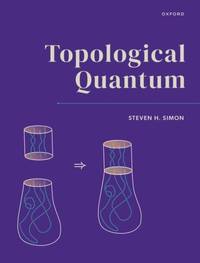
ria9780198886723_inpHardback. New. New Book; Fast Shipping from UK; Not signed; Not First Edition; This book discusses topological quantum drawing in topics ranging from quantum gravity to topology to experimental condensed matter physics. hardcover
29335Oxford University Press for The Dictionary Unit for South African English Rhodes University. New York 1996. Four square corners ownership inscription ffep. eps show light foxing. hence a VG copy in VG- dustwrapper price-clipped shows creasing and light wear no chips tears or loss. Gilt on black cloth boards. xxix 825pp 4to 2.5kg. South African words and their origins. Ownership inscription of South African poet Don Maclennan. Oxford University Press for The Dictionary Unit for South African English (Rhodes University). New York 1996. hardcover
14631The list of officers and members Hilary Term 1911. The seating plan 10 May 1912. The menu 24 November 1911. Boraston's letter on letterhead of Liberal Unionist Council London. 10 May 1910. The list of officers and members is printed on one side of a piece of 49 x 31 cm paper. In fair condition on aged and worn paper with slight damage caused by removal from an album. The Club's President is named as Herbert the Treasurer as Viscount Wolmer MP of University College and the Secretary as E. W. Benison of Magdalen. Five committee members are named followed by the members in alphabetical order in two columns from 'Amery L. S. All Souls College' to 'Yerburgh R. D. T. University College'. The seating plan for the dinner of the United Club and the New Tory Club is on one side of a piece of 20.5 x 26 cm paper. Aged and worn with short closed tear along one fold line. The dinner is a grand affair with several Members of Parliament and representatives of the Central News Daily Telegraph Morning Post Press Exchange Exchange Telegraph Co. and Oxford Times. The menu is a tasteful affair 2pp. 12mo. attached to card wraps printed in blue with red white and blue ribbon. In good condition lightly-aged. Boraston's letter is 1p. 4to. It is on aged paper and has some loss to one corner caused by over-hasty removal from an album. It reads: 'I congratulate you heartily upon your success in forming the Unionist Club at Oxford about which you spoke to me when you called with Mr Sidney Herbert. I shall watch the career of the Club with interest and shall be glad to give it any assistance in my power.' Nothing relating to The New Tory Club listed on COPAC/WorldCat. The list of officers and members, Hilary Term, 1911. The seating plan, 10 May 1912. The menu, 24 November 1911. Boraston's lette paperback
1006858024.Ghardcover. Good. Access codes and supplements are not guaranteed with used items. May be an ex-library book. hardcover
1024057151.Ghardcover. Good. Access codes and supplements are not guaranteed with used items. May be an ex-library book. hardcover
11294Both from 20 Fitzroy Street W.; 12 and 17 August 1908. Both items good on aged paper. Written in Image's distinctive calligraphic hand. Letter One 12 August 1908: 1 p 12mo. The 'Galatheas' arrived the previous evening 'quite safe'. 'Fancy your being at The Warren as well as at Deal! The Warren Folkestone is famous for being stocked with good things. You are indeed in the very heart of the richest entomological country in England.' Letter Two 17 August 1908: 2 pp 12mo. He is delighted with 'these beautiful ochroleuca which arrived this afternoon quite safely'. He discusses the occurrence of a moth: 'In old days when I was a boy at Brighton I think we used to get sometimes between us half-a-dozen in a morning or afternoon search on the stems of centaurea nigra'. He also discusses the 'brown Geometers' which 'sounld like Eubolia mensuraria' 'a handsome creature' the 'grey Noctua with whitish thorax' and 'Pygmacola': 'The Footmen are not easy creatures to find even when one is in the locality.' Image's entry in the Oxford DNB describes how 'He found his favourite motifs in Epping Forest which he also frequented on moth-hunting expeditions for he was an ardent entomologist and made a collection of British butterflies exquisitely arranged and labelled now in the Hope entomological collections at the University of Oxford Museum of Natural History.' Both from 20 Fitzroy Street, W.; 12 and 17 August 1908. unknown